 CityBuddy
 English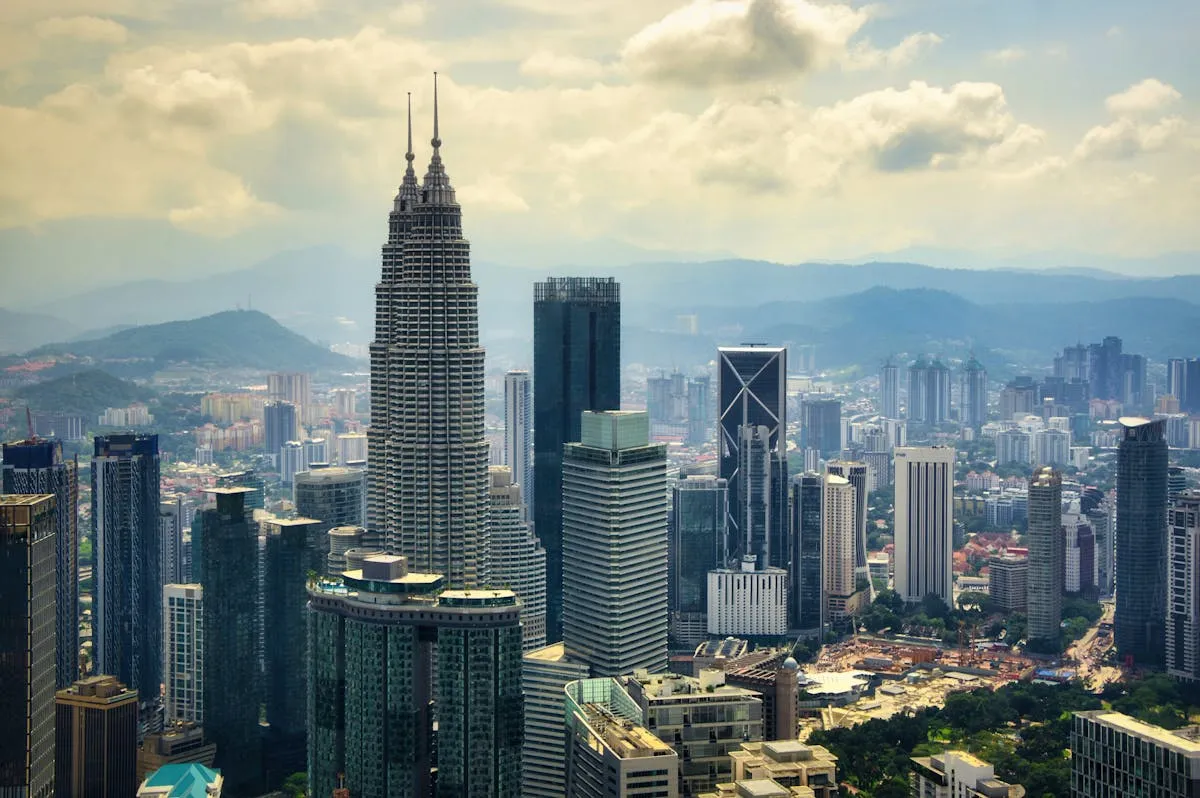
Things to Do in Kuala Lumpur, Malaysia
Photo made by Joerg Hartmann on Pexels.com
When to visit
Most popular attractions in Kuala Lumpur, Malaysia
Things to do in Kuala Lumpur, Malaysia include ascending the 88-floor Petronas Twin Towers, one of the tallest twin structures worldwide. Explore Batu Caves, a limestone hill featuring a 272-step climb to Hindu shrines. Don't miss the 421-meter KL Tower for panoramic city views and the lively shopping district of Bukit Bintang.
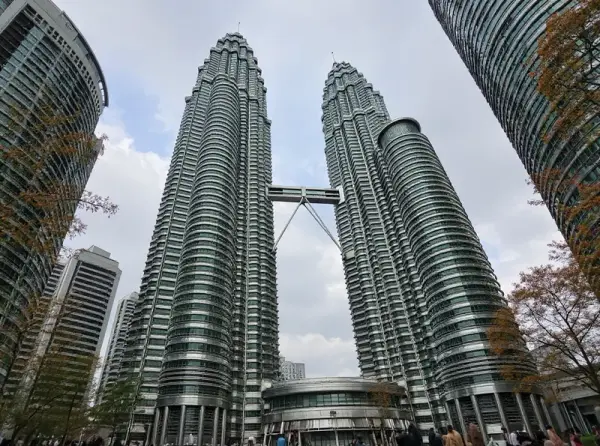
1. Petronas Twin Towers
Iconic twin skyscrapers that define Kuala Lumpur's skyline. Walk the glass Skybridge and climb to the observation deck for sweeping city views.
Quick facts: Step onto the skybridge and you’ll feel a slight lift in perspective, with panoramic views that compress the whole city into a tiny, cinematic model. Reflective stainless-steel and glass skin throws back a thousand pinpoints of light after dark, turning the façades into a dazzling, ever-changing lantern.
Highlights: At 451.9 meters with 88 floors, the twin towers are linked by a 58.4-meter skybridge on the 41st and 42nd floors that is not rigidly fixed, so you can feel it sway ever so slightly when wind or structural movement makes the separate towers shift. At night the stainless-steel cladding and Islamic geometric motifs catch and scatter city lights into a shimmering, mirrorlike skin, and locals still flock to the fountain plaza at dusk to snap photos and buy satay from nearby vendors while the towers glow above.
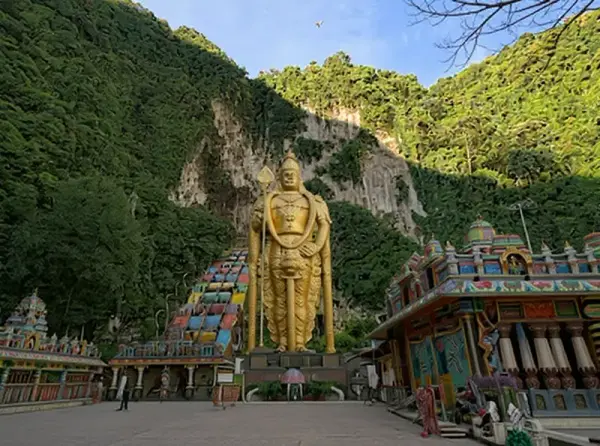
2. Batu Caves
Towering golden Murugan and colorful cave temples make Batu Caves a dramatic cultural landmark. Climb 272 steps to limestone caverns, shrines, and wide city views.
Quick facts: A towering 42.7-meter golden statue presides over a steep staircase of 272 steps, where curious macaques and vibrant devotees create a noisy, colorful welcome. Inside the limestone caverns, vast vaulted chambers house ornate Hindu shrines, and during Thaipusam hundreds of thousands of pilgrims stream in carrying elaborate kavadi offerings.
Highlights: Climbing 272 rainbow-painted steps past a 42.7-meter gold statue, you get smacked by incense smoke, chattering macaques, and the thump of drums as devotees haul ornate kavadi with metal skewers through their cheeks during Thaipusam. On a guided cave tour you can crouch under limestone roofs to see fragile stalactites, spot a rare trapdoor spider population, and taste the cool, mineral air scented like jasmine and dust.
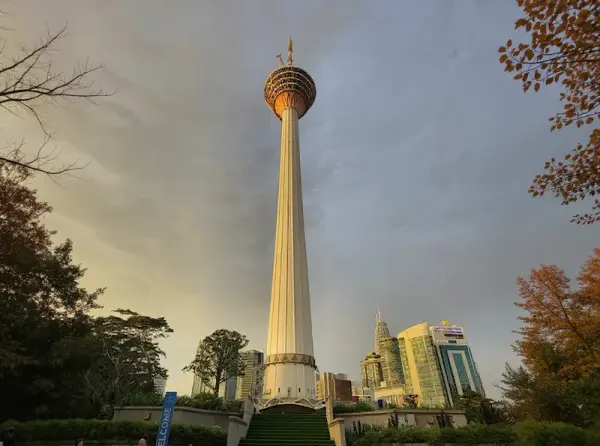
3. KL Tower (Menara Kuala Lumpur)
Menara Kuala Lumpur
Panoramic city views from one of Kuala Lumpur's highest vantage points. Ascend to the observation deck and step onto the glass SkyBox for skyline and sunset photos.
Quick facts: Step onto the glass-floored observation deck and feel the city pulse under your feet, with skyline slices and tiny traffic threads weaving far below. At 421 meters it ranks among the world's tallest communication towers, and the revolving restaurant completes a full rotation in about 90 minutes so every meal comes with changing views.
Highlights: At 421 meters the structure's revolving restaurant, Atmosphere 360, completes a full rotation every 90 minutes, so your coffee and the skyline trade places before you finish a slice of cake. Built in 1995 beside an ancient patch of rainforest you can still smell damp earth and hear cicadas from the observation deck, a strange moment where urban lights fade and green scents take over as you lean on the glass.
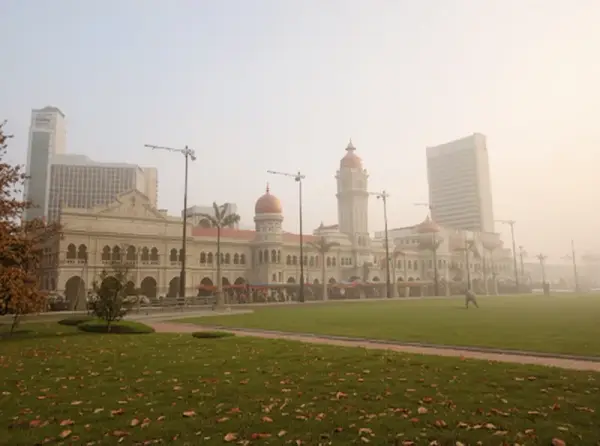
4. Merdeka Square (Dataran Merdeka)
Dataran Merdeka
Historic heart of Kuala Lumpur where Malaysia declared independence. Walk under colonial facades and a 95m flagpole, great for photos and people-watching.
Quick facts: A rust-red 95-meter flagpole punctuates the center, dwarfing visitors and marking where the nation's independence was proclaimed. Evenings bring families flying kites across the open field, voices and footsteps mingling with the breeze beneath ornate colonial facades.
Highlights: A 95-meter flagpole towers over what used to be the Selangor Club cricket green, and when the afternoon sun hits the trimmed turf you can smell warm grass and a faint tang of metal from the colonial-era iron benches. Every National Day families picnic on the turf after the parade, a quirky local habit where generations trade stories while hawkers sell spicy nasi lemak wrapped in banana leaf, the air thick with coconut and sambal.
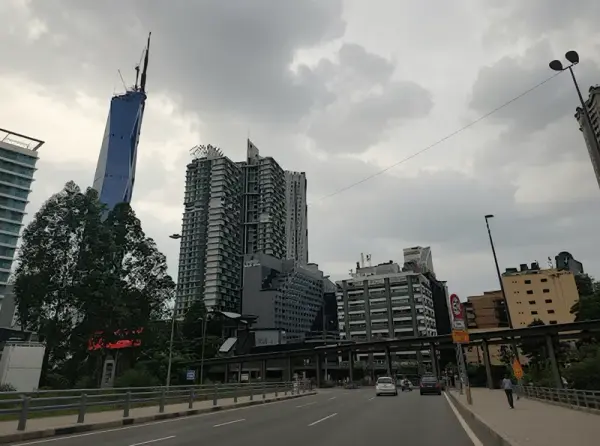
5. Bukit Bintang
High-energy shopping and street-food hub in the heart of KL. Neon-lit streets, sprawling malls, and hawker stalls serve local dishes late into the night.
Quick facts: Neon-lit streets and a maze of alleys pulse with shoppers, food hawkers, and the smoky aroma of charcoal-grilled satay that keeps crowds wandering well into the night. Local food stalls share space with glossy malls and hidden speakeasy bars, so you can go from bargain hunting to rooftop cocktails within a few minutes on foot.
Highlights: Walk under the neon canopy where hawker stalls flip open around 8:30 p.m., the air filling with spicy sambal, smoky soy, and the crisp sizzle of char kway teow on flat metal griddles. Locals swear by a tiny kopitiam whose owner, Mr. Lim, has been pouring kopi from the same dented metal pot for 42 years, sliding you a short, sweet cup with condensed milk and a perfect caramelized top.
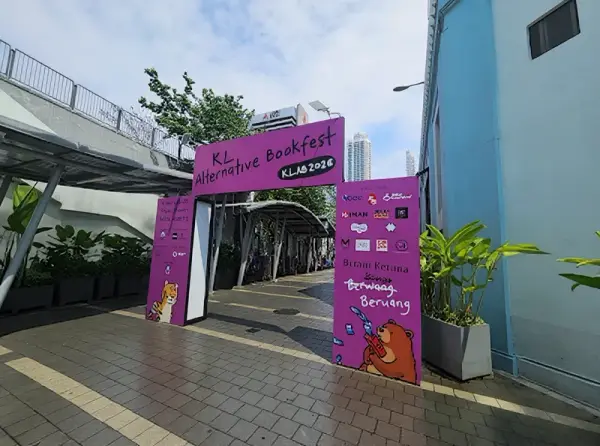
6. Central Market (Pasar Seni)
Pasar Seni
Explore Kuala Lumpur's lively arts and crafts hub packed with batik, souvenirs and street food. Wander covered corridors of stalls, galleries and regular cultural performances.
Quick facts: Colorful stalls and hand-painted murals form a sensory maze where bargaining feels like a friendly local sport, and spicy-sweet street snacks scent the air. Surprisingly, hundreds of independent artisans and small shops squeeze into the complex, offering batik, pewter, and contemporary crafts that pulse with multicultural energy.
Highlights: Push through the faded green archway and you enter a gallery of color: lacquered wood carvings, bright batik bolts folded like origami, and the air thick with star anise, tamarind and toasted coconut. Every afternoon around 4:30 PM, a cluster of elderly artisans gather in the central corridor to show quick five-minute batik stamping tricks to anyone curious, swapping jokes in Malay and Hokkien while vendors total purchases with a cheerful clack of abacus beads.
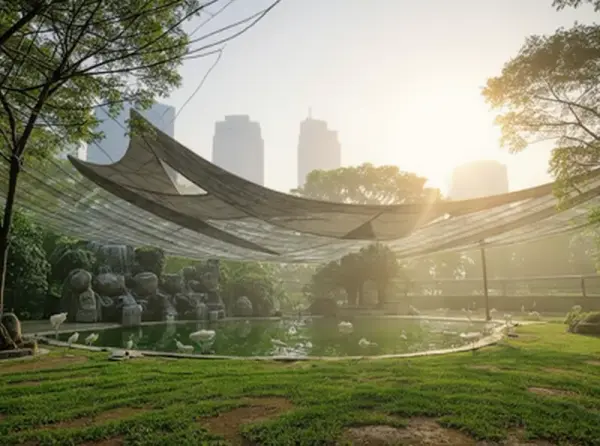
7. Kuala Lumpur Bird Park
Colourful birds roam in a huge walk-in aviary, great for close-up encounters. Feed lorikeets, watch hornbills and stroll under a rainforest canopy.
Quick facts: Bright splashes of plumage and the close thwap of wings greet you in a vast free-flight aviary where feeding sessions let visitors hand-feed colorful lorikeets. More than 3,000 birds from over 200 species create a constant, joyful chorus, and shaded, landscaped paths make the whole experience feel like a walk through a living tropical garden.
Highlights: Move quietly through a warm, rainforest-scented aviary where over 3,000 birds from roughly 200 species wheel overhead and giant hornbills boom with a low, hollow call while sunlight stripes the foliage. At keeper-led feeding sessions, cheeky orange lorikeets will sip nectar from cups and happily perch on shoulders, sometimes leaving a faint, sweet stickiness on your fingers as a surprise souvenir.
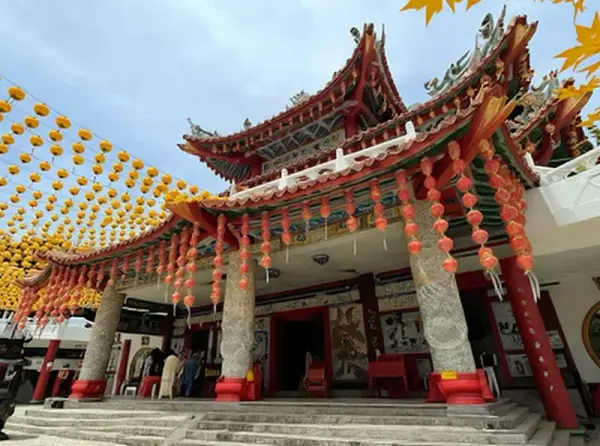
8. Thean Hou Temple
Ornate hilltop Chinese temple with sweeping city views. Explore colorful shrines, carved roofs and a tranquil rooftop pavilion.
Quick facts: Perched on a verdant hill, the ornate red-and-gold roofs and rows of hanging lanterns turn golden at dusk, offering photographers dramatic silhouettes against the skyline. Inside, a peaceful mix of Taoist, Buddhist and Confucian iconography invites worshippers and curious visitors alike, and festival weekends can swell attendance into the thousands with vibrant rituals and lantern displays.
Highlights: Every weekend dozens of bridal parties and amateur photographers stream up the temple's wide red steps to pose beneath cascading red lanterns, the camera clicks punctuating thick swirls of incense smoke. Locals slip handwritten wishes onto thin red ribbons and hang them on a metal wishing rack by the prayer hall, so the air tastes faintly of sandalwood and the murmur of blessings hangs like a second melody.
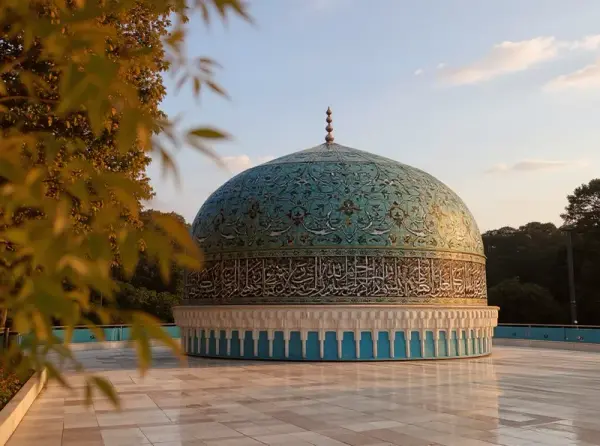
9. Islamic Arts Museum Malaysia
Stunning Islamic art across centuries and regions. Walk airy galleries, admire rare Qur'an manuscripts, ornate ceramics and a recreated Ottoman room.
Quick facts: Step inside and your eyes are drawn to a dazzling central dome and a collection of more than 7,000 objects, from painted manuscripts to shimmering metalwork. Wandering the galleries you hear hushed guided tours and can trace centuries of craftsmanship in vibrant tile patterns, calligraphy and carved ivory.
Highlights: You can still catch the faint tang of dye and wool in the carpet gallery where a 17th-century Ottoman prayer rug, threaded with gold and crimson, glints under the morning light, every knot telling centuries of hands that knotted it. Staff quietly rotate from a collection of over 7,000 artifacts so only about 200 objects are on display at once, and a playful, little-known tradition lets a single unlabelled object of the month, chosen by the senior guide, sit alone under a soft lamp to spark whispers and secret sketches from visitors.
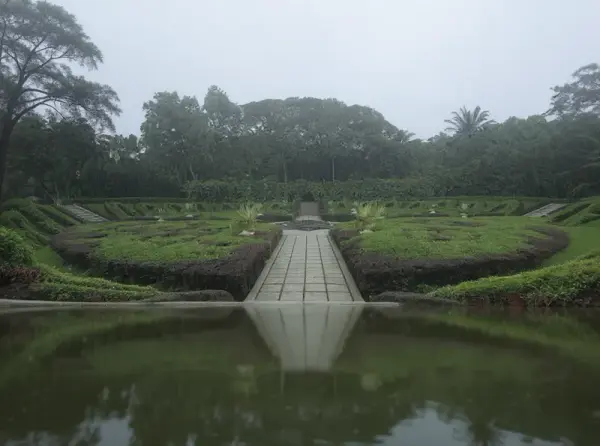
10. Perdana Botanical Gardens (Lake Gardens)
Lake Gardens
Vast leafy park offering a cool escape from KL's city heat. Stroll lakeside paths, spot birds and orchids, and relax among themed gardens.
Quick facts: Morning mist over lily-covered lakes releases a fresh, earthy scent, while colorful butterflies and monitor lizards dart along shaded paths, turning a simple walk into a mini urban wildlife safari. Visitors can rent pedal boats or claim a picnic patch by manicured lawns, then wander winding trails that connect orchid houses, a deer enclosure, and cultural museums for an unexpectedly diverse green escape.
Highlights: If you wander past the greenhouse you'll find the orchid garden where over 800 orchid species and roughly 8,000 individual blooms perfume the air with a honey-plum sweetness. At 7 a.m. on weekdays groups of about 50 retirees gather under the rain trees for synchronized tai chi and silat, their slow, soft movements punctuated by the shutter of early-morning camera phones.
Where to Stay in Kuala Lumpur, Malaysia
Selected by City Buddy based on guest reviews and proximity to top attractions
Search all hotels in Kuala Lumpur, MalaysiaPowered by agoda
Opening days in Kuala Lumpur, Malaysia
Which of the top sights close on which day of the week — the classic trip-ruiner, checked for you.
Monday: 1 of 8 top sights closed — plan museums for another day.
Closed on Monday · 1 closed, 7 open
Opening days from Google Maps (checked 2026-02-19). Public holidays, strikes and seasonal hours can differ — check the official website before you go.
Traditional Sweet Dishes
Kuih
Kuih refers to dozens of bite-sized, brightly colored snacks often steamed in banana leaves, and each layer or shape often reflects local ingredients, festivals, and family recipes passed down generations.
Cendol
Cendol's green pandan jelly noodles, shaved ice and liquid palm sugar combine into a cooling, textural dessert that became a summertime staple across Kuala Lumpur's hawker centers.
Ais kacang
Ais kacang is a towering shaved-ice creation piled with red beans, sweet corn, attap chee and drizzled syrups, it began as an inventive hawker solution to feed crowds with cheap, refreshing ingredients.
Traditional Savory Dishes
Nasi lemak
Nasi lemak began as a farmer's breakfast of coconut milk rice wrapped in banana leaf, and it is now Malaysia's beloved comfort dish served with sambal, anchovies and cucumber at any hour.
Char kway teow
Char kway teow is famed for its smoky wok hei flavor, achieved by flash-frying flat rice noodles with prawns, cockles and Chinese sausage at blistering heat.
Satay
Satay was popularized by Javanese street vendors, and its skewered, grilled meat served with peanut sauce and ketupat invites communal sharing at markets and festivals.
Traditional Beverages
Teh tarik
Teh tarik is theatrically poured between cups to cool it and build a frothy top, the visual pour is as much a part of the drink's charm as its sweet, milky taste.
Bandung
Bandung is a pink, rose-flavored milk drink whose Malay name means 'mixture', it is a festive favorite at weddings, Ramadan bazaars and street stalls.
White coffee
Ipoh white coffee gets its name from the pale, milky cup produced when strong roasted coffee is mixed with condensed milk, it was popularized in Ipoh and is now enjoyed across Kuala Lumpur.
Frequently Asked Questions about Kuala Lumpur, Malaysia
What is the best time to visit Kuala Lumpur, Malaysia?
Is Kuala Lumpur, Malaysia expensive for travelers?
How do I get around Kuala Lumpur, Malaysia?
How many tourists visit Kuala Lumpur, Malaysia each year?
Is Kuala Lumpur, Malaysia safe for tourists?
Get a PDF with the most popular attractions sent to your email
Get a PDF with all attractions, ratings, and tips. Perfect for offline use.
Most popular day trips
Malacca (Melaka)
Historic UNESCO town with Dutch/Portuguese heritage.
Genting Highlands
Hill resort with casinos, theme park and cooler weather.
Cameron Highlands
Cool tea plantations, strawberry farms and mossy forests.
Batu Caves
Iconic limestone caves and a large Hindu temple.
Getting there
Airports
Train stations
KTM ETS, KTM Komuter, LRT, KLIA Ekspres/Transit, Monorail connection nearby
KTM Komuter (terminus)
From KUL use KLIA Ekspres to KL Sentral (~28 min); from Subang take taxi/Grab or bus.
Useful information for Kuala Lumpur, Malaysia
Overview for Kuala Lumpur, Malaysia
Want a day-by-day plan for Kuala Lumpur, Malaysia? Open the trip planner
Plan your perfect trip to Kuala Lumpur, Malaysia
Get a complete travel plan built just for you in under 30 seconds, with daily routes, local food tips, budget estimates and more.
Are any of these especially important to you?
Select all that apply
Getting around
How do you want to move between places?
Plan language: English