 CityBuddy
 English
Things to Do in Lima, Peru
Photo made by Cristian Loayza on Pexels.com
When to visit
Lima is the #7 city for food lovers in the world, based on our data across hundreds of destinations.
Most popular attractions in Lima, Peru
Things to do in Lima, Peru include exploring Plaza Mayor, the city's historic heart, where you can admire the impressive Basilica Cathedral of Lima. Dive into history at the Convento de San Francisco and its eerie catacombs. For archaeology enthusiasts, the Huaca Pucllana site offers a fascinating glimpse into pre-Incan culture.
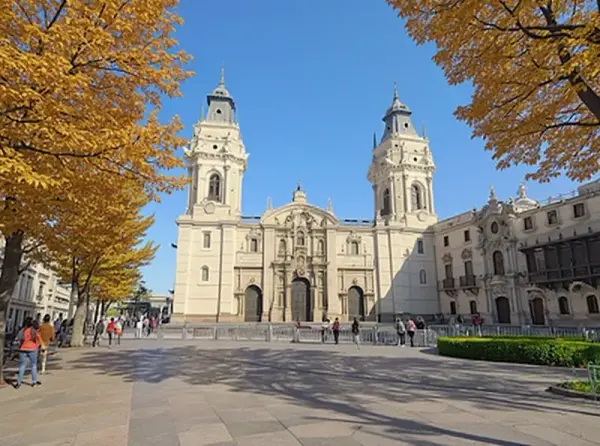
1. Plaza Mayor (Plaza de Armas de Lima)
Plaza de Armas de Lima
Colonial heart of Lima with a grand cathedral and the presidential palace. Stroll tiled arcades, watch the guard change around midday, and feel Lima’s historic pulse.
Quick facts: Sunlight skims the ornate balconies and a central fountain chatters, while vendors' calls and camera shutters layer the square with a lively, lived-in rhythm. Surprisingly, the space has hosted countless political rallies and elaborate religious processions, so every cobblestone feels stamped with chapters of turbulent, colorful history.
Highlights: Founded by Francisco Pizarro on January 18, 1535, the main colonial square still centers on the cathedral that holds Pizarro's tomb, so you can stand on 500-year-old flagstones and feel the weight of parades, markets, and public gatherings that shaped the city. At noon the cathedral bells peel across arcaded balconies and a bronze fountain sprinkles while street vendors on the corners grill anticuchos and sell sweet churros, giving you a sensory mash-up of baroque architecture, ringing bells, and smoky meat aromas.
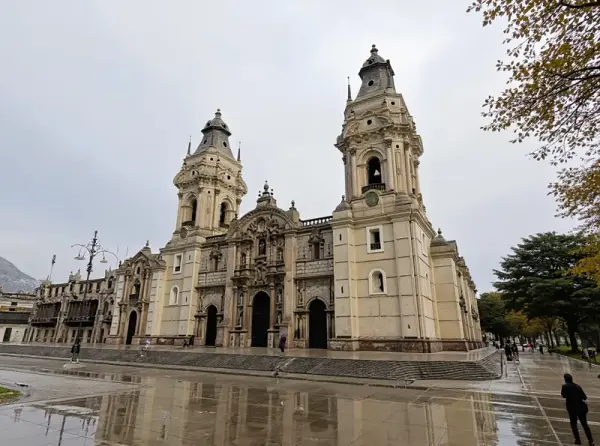
2. Basilica Cathedral of Lima (Catedral de Lima)
Catedral de Lima
Lima's cathedral blends colonial grandeur with centuries of Peruvian history. Explore gilded chapels, Pizarro's tomb, and a soaring baroque nave.
Quick facts: Stepping inside, the hush and warm scent of beeswax candles mingle with gilded altars and carved choir stalls that pull your eyes upward. Beneath the nave a dim crypt shelters the tombs of notable figures and a gleaming silver casket, offering a quiet, tangible glimpse of the city's layered past.
Highlights: Beneath the nave lie catacombs holding around 25,000 skeletal remains, and you can still see stacked skulls and bone-lined corridors that feel like walking into a sepia photograph of centuries ago. In the main chapel the ornate Baroque altar glows with gilt and silver, and the tomb of conquistador Francisco Pizarro sits under carved cedar beams, where the scent of beeswax and incense hangs in the air.
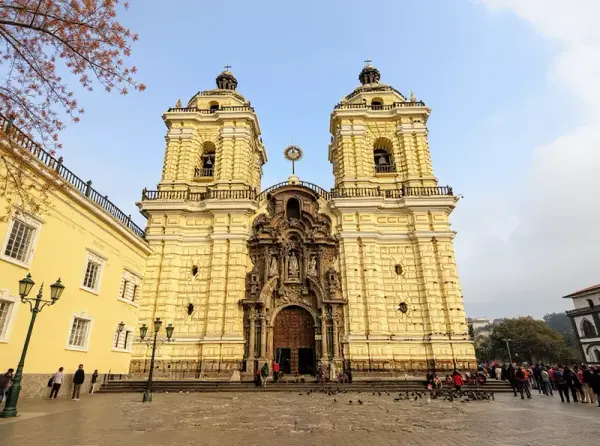
3. Convento de San Francisco & Catacombs (Monastery of San Francisco)
Monastery of San Francisco
Baroque art and eerie catacombs in a colonial monastery make for a memorable visit. Explore gilded cloisters, a historic library, and atmospheric underground burial chambers.
Quick facts: Step inside and you're greeted by airy Baroque arches, gilded wooden carvings, and a hush that turns sunlight into a kind of golden film over the cloister. Beneath the cloisters you can descend into catacombs that hold tens of thousands of bones and skulls, arranged in eerie, orderly stacks that feel like an underground ossuary museum.
Highlights: Beneath an ornate Baroque cloister lies a labyrinthine ossuary holding an estimated 25,000 skulls and bones, stacked in neat walls so low ceilings force you to stoop while the air tastes of dust and old incense. Upstairs, a tiny library packed with colonial-era manuscripts and a 17th-century choir book perches on carved cedar shelves, the faint smell of leather and lemon-scented wax clinging to the pages.
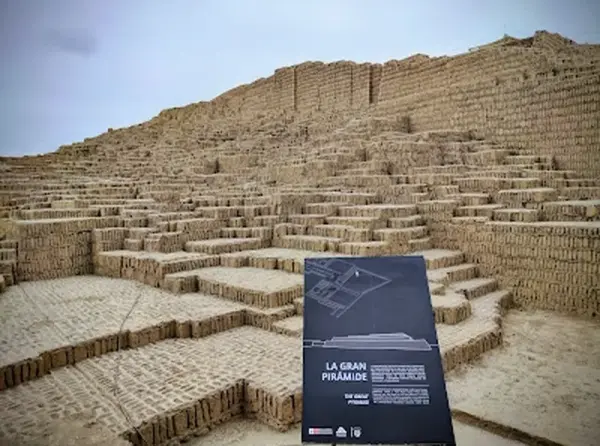
4. Huaca Pucllana archaeological site
Pre-Inca adobe pyramid in Miraflores offers a direct link to Lima's ancient past. Walk restored plazas, climb viewing platforms, and explore the small on-site museum.
Quick facts: Walking along sun-warmed adobe terraces, you can feel the grain of mud bricks underfoot and imagine rituals echoing across stepped plazas. Excavations uncovered hundreds of tombs and offerings, from seashell necklaces to llama remains, revealing a coastal people who engineered canals to stretch scarce water.
Highlights: By night the 25-meter-high adobe pyramid glows under amber lamps, and you can smell dry clay while guides point out offerings like Spondylus shells and tiny jaguar-shaped beads discovered inside burial chambers. An on-site restaurant and ongoing excavations create the quirky scene of diners sipping ceviche within arm's reach of archaeologists brushing soil, and local staff will happily show you a faded ritual symbol carved into the outer bricks.
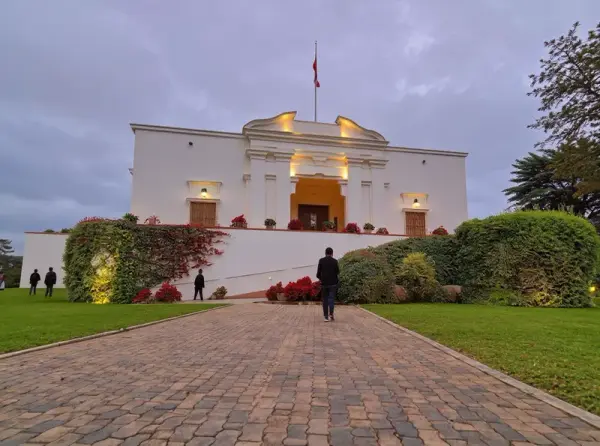
5. Museo Larco (Larco Museum)
Larco Museum
Masterful pre-Columbian collections and one of Peru's finest gold assemblages. Explore centuries of ceramics, visit the erotic pottery room, and linger in the flowered courtyard.
Quick facts: Stepping into dim galleries feels like opening a vibrant archive, with more than 45,000 pre-Columbian ceramics and textiles showcasing everyday life, ritual, and brilliant craftsmanship. Wandering fragrant courtyards and through the colonial-era mansion, you'll find a famously candid gallery of erotic pottery that reveals surprising views of ancient social and intimate life.
Highlights: Rafael Larco Hoyle collected more than 45,000 pre-Columbian objects, and the galleries are filled with vividly painted Moche ceramics that depict startlingly candid scenes of daily life and erotic acts. Wander into the small, dimly lit "erotic" gallery and you'll see 2,000-year-old stirrup-spout vessels posed in cheeky scenes, with clear explanatory labels and audio guides that turn initial giggles into fascination.
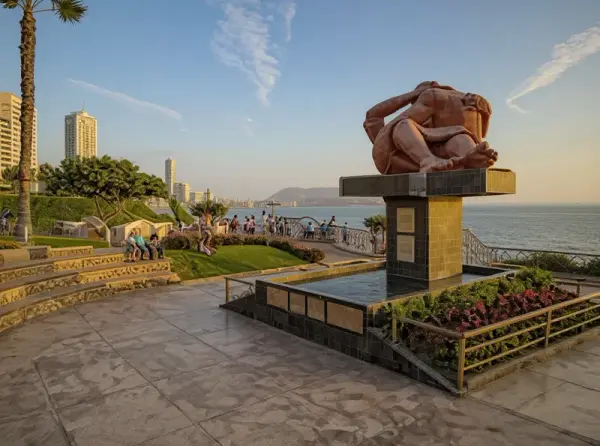
6. Malecón de Miraflores (Miraflores Boardwalk)
Miraflores Boardwalk
Cliffside ocean views and lively parks make Malecón de Miraflores worth a visit. Stroll gardens and sculptures, watch paragliders and sunset over the Pacific.
Quick facts: A cliffside promenade hums with paragliders, joggers, and vendors whose citrusy ceviche aromas mingle with salty sea spray. Miles of winding paths thread through sculptural parks and manicured lawns, creating dramatic sunset viewpoints and lively people-watching every evening.
Highlights: At dawn paragliders launch off the sea cliffs in clusters of bright canopies, drifting above surfers and fishermen while the salt spray and engine hum fill the air. Couples have a quirky habit of lining up on the colorful mosaic bench to reenact a kiss beside Victor Delfín’s bronze sculpture, and vendors pass around steaming black coffee and buttery alfajores so everyone can freeze the shot.
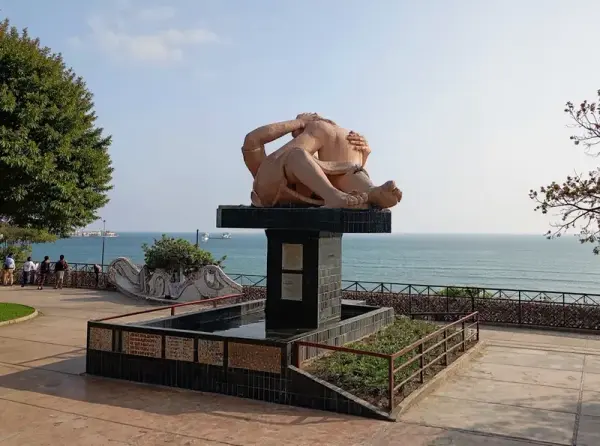
7. Parque del Amor (Love Park) - Miraflores
Miraflores
Perched above the Pacific, Love Park offers ocean views and the famous 'El Beso' sculpture. Enjoy romantic sea breezes, colorful mosaics, and great sunset photos.
Quick facts: A riot of colorful mosaics and winding benches invites couples to linger and drink in sweeping ocean views, while a dramatic bronze sculpture draws daily photographs and stolen kisses. Visitors time their arrival for sunset to capture golden light against heart-shaped tiles, making the spot a surprisingly popular backdrop for proposals and portraits.
Highlights: A winding mosaic bench in bright red, yellow and cobalt blue tiles curls along the cliff edge in a Gaudí-style trencadís pattern, where you lean over the low wall to smell the salty spray and hear the gulls and waves crash on the rocks below. At the terrace center a larger-than-life bronze-and-concrete sculpture called 'El Beso' by Victor Delfín watches over couples, and every Valentine’s Day hundreds of locals turn up to kiss under the statue in a rowdy, camera-filled tradition.
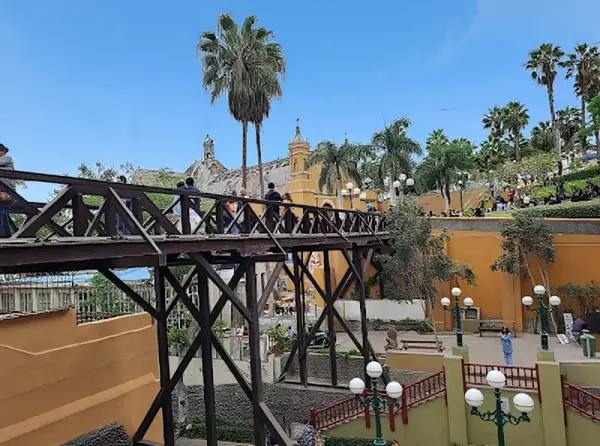
8. Barranco District & Puente de los Suspiros (Bridge of Sighs)
Bridge of Sighs
Bohemian coastal neighborhood alive with color, art and ocean views. Wander cobblestone streets, capture murals, sip coffee and pause on the romantic Bridge of Sighs.
Quick facts: An intoxicating blend of colorful street art, creaking wooden balconies, and salty ocean breezes turns the neighborhood into a living postcard where galleries and bohemian cafés crowd narrow cobblestone streets. Locals say couples who pause on the small wooden bridge and make a wish often return with stories of romance, so at sunset the spot fills with whispered promises and the echo of footsteps.
Highlights: Wander down a cobblestone street to a wooden footbridge that's more than 100 years old, where the air tastes of sea salt and fried fish and buskers strum Peruvian vals on battered nylon guitars. Locals still tuck handwritten love notes and postcards into the railings, dare one another to hold their breath while crossing to make a wish, and a postcard dated 1920 once set off a decades-long pen-pal exchange between two families.
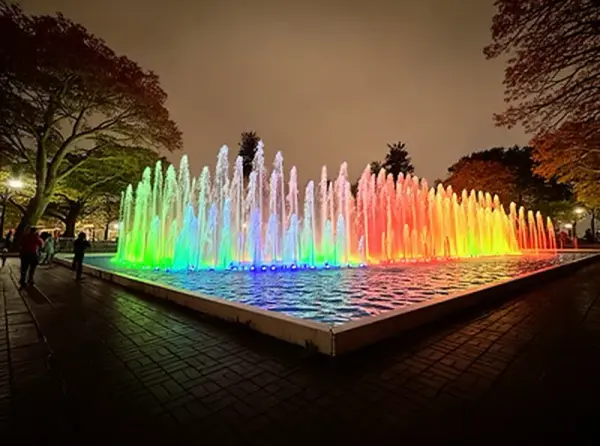
9. Circuito Mágico del Agua (Magic Water Circuit)
Magic Water Circuit
Spectacular fountain park where water, color and music meet. Walk through illuminated tunnels and watch choreographed light shows that dazzle visitors of all ages.
Quick facts: Step into a glowing maze of choreographed jets and colored lights, where walkable water tunnels and sudden mist make every photo feel cinematic. Recognized by Guinness World Records as the largest fountain complex in a public park, the nighttime show blends sound, light and motion into an unexpectedly playful urban escape.
Highlights: At night 13 illuminated fountains dance in timed sequences of water, colored lights, and music, with jets forming archways and a mist that smells faintly of chlorine and grilled corn from nearby vendors. Locals have a playful ritual of daring friends to sprint through the laser-lit water tunnel while photographers wait to capture the moment their hair barely wets and neon reflections smear across the pool.
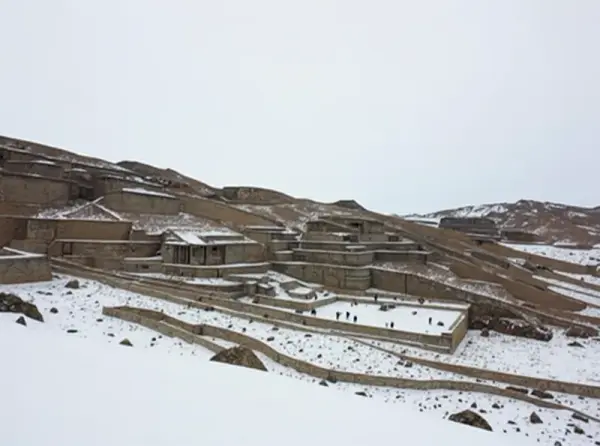
10. Pachacamac Archaeological Site
Ancient coastal temples and towering adobe huacas lie just outside Lima. Explore broad plazas, climb ramped pyramids and peek into the on-site museum.
Quick facts: Walking among sunbaked adobe pyramids, you can feel a ritual hush as wind scours courtyards and desert light turns the walls a warm ochre. Guides point out ritual offerings and carved stone markers that hint at an extensive pilgrimage network, and aerial surveys keep revealing buried avenues beyond the visible ruins.
Highlights: An oracle called Pacha Kamaq drew pilgrims for over 1,000 years, with Spanish chronicler Pedro Cieza de León describing long processions and heaps of tiny votive figurines left at the bases of the enormous adobe pyramids. Walk among the sun-baked adobe walls and you can still spot flakes of ochre paint and hundreds of small shell and ceramic offerings underfoot, the salty air and the crunch of pottery dust making the ritual past feel oddly immediate.
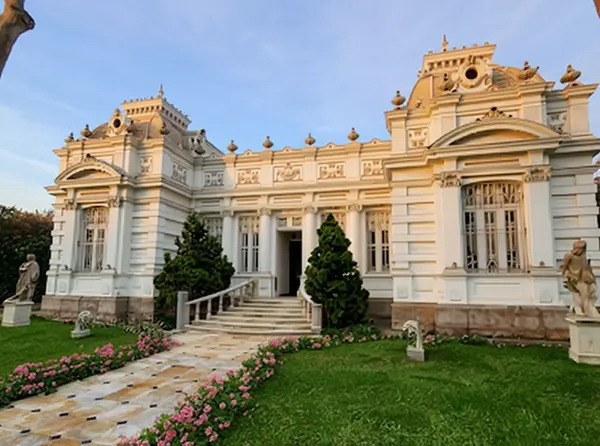
11. Visit Museo Pedro de Osma
Experience centuries of colonial art crafted with incredible detail. Discover captivating religious artifacts and stunning paintings in a peaceful garden setting.
Quick facts: The museum houses over 17,000 colonial art pieces including intricate gold and silver religious artifacts. Visitors find a serene garden courtyard that offers a quiet escape in the middle of the city.
Highlights: An unusual highlight is the detailed wooden pulpit carved with scenes from the Bible, which dates back to the 18th century. The collection features an extensive array of paintings by artists such as the Creole painter Marcos Zapata, known for his vivid depictions of Catholic saints blending Indigenous and Spanish styles.
Where to Stay in Lima, Peru
Selected by City Buddy based on guest reviews and proximity to top attractions
Search all hotels in Lima, PeruPowered by agoda
Opening days in Lima, Peru
Which of the top sights close on which day of the week — the classic trip-ruiner, checked for you.
Monday: 2 of 10 top sights closed — plan museums for another day.
Closed on Monday · 2 closed, 8 open
Opening days from Google Maps (checked 2026-03-17). Public holidays, strikes and seasonal hours can differ — check the official website before you go.
Traditional Sweet Dishes
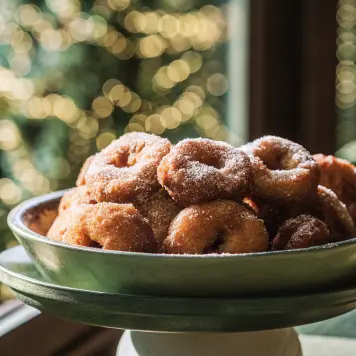
Picarones
Picarones are doughnut-like rings made from squash and sweet potato, fried until crisp and soaked in a spiced chancaca syrup, they were created in colonial Lima as an Afro-Peruvian twist on Spanish buñuelos.
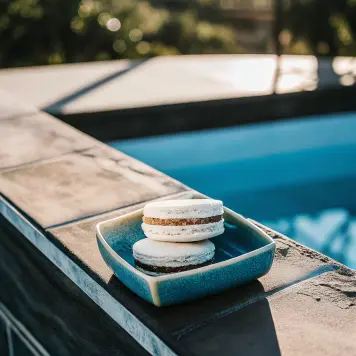
Alfajores
Peruvian alfajores are delicate sandwich cookies filled with dulce de leche and often rolled in coconut or dusted with powdered sugar. Their recipe traces back to Moorish Spain and they became a beloved Andean treat.
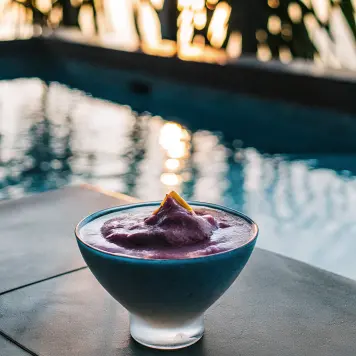
Mazamorra Morada
Mazamorra morada is a purple corn pudding spiced with cinnamon, cloves and fruit, its brilliant color and deep flavor come from native purple corn used since pre-Columbian times.
Traditional Savory Dishes
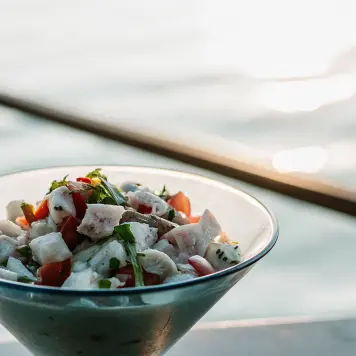
Ceviche
Ceviche is raw fish cured in lime juice with sliced onions, ají and herbs, the citric 'cooking' transforms the fish without heat. Coastal Peruvians have enjoyed versions of ceviche for centuries, and Lima turned it into a culinary symbol.

Lomo Saltado
Lomo saltado is a sizzling stir-fry of beef, tomatoes, onions and French fries, a delicious fusion born from Chinese immigrants in 19th-century Peru that blends wok techniques with local ingredients.
Anticuchos
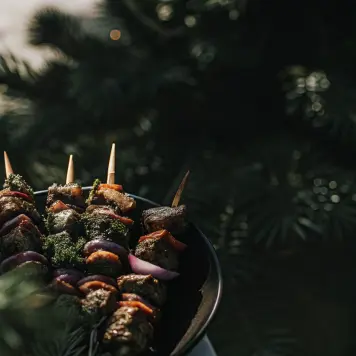
Anticuchos are skewers of marinated meat, traditionally beef heart, grilled over hot coals and served with spicy sauces. The dish mixes pre-Columbian Andean roots with colonial era influences from African and Spanish cooks.
Traditional Beverages
Pisco Sour
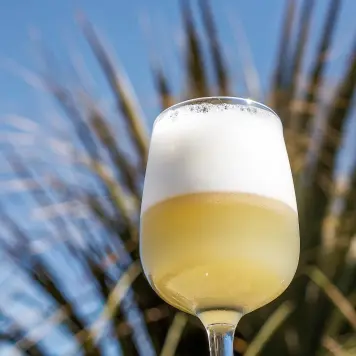
The Pisco Sour blends Peruvian pisco, lime juice, simple syrup and a frothy egg white, it was invented in Lima in the early 20th century and is celebrated as Peru's national cocktail.

Chicha Morada
Chicha morada is a sweet beverage made by boiling purple corn with pineapple rind, cinnamon and cloves, its vibrant purple color and fruity aroma come from native corn varieties used since pre-Inca times.
Inca Kola
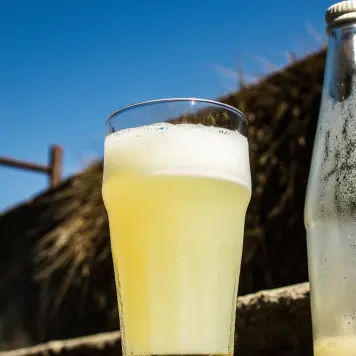
Inca Kola is a bright yellow soda with a sweet, bubblegum-like flavor that became a Peruvian cultural icon. Many Lima families drink it with everything from ceviche to rotisserie chicken, and some Peruvians prefer it over imported colas.
Know before you go
What a day costs in Lima, and the rip-offs to avoid
Top rip-offs to avoid
- Unlicensed airport drivers. Use the official taxi desk inside arrivals or a ride-hailing app. Ignore anyone who approaches you before you reach the rank.
- Poor-rate currency booths. Compare the day's rate online and withdraw from bank ATMs instead. If using a booth, ask the total in soles before handing over money.
- Change shortchanging. Count change carefully and carry smaller notes. Step aside to verify before walking away.
Fair taxi from the airport: 60 S/ - 80 S/ (€15 - €21)
Cheaper option: Official airport shuttle buses or the Metropolitano system after a short connection; check the airport's own transport desk for current routes. (8 S/)
All scams, fair prices and rulesFrequently Asked Questions about Lima, Peru
What is the best time to visit Lima, Peru?
How much does it cost to live in Lima, Peru?
How do I get around Lima, Peru?
Is Lima, Peru expensive for tourists?
How many tourists visit Lima, Peru annually?
Get a PDF with the most popular attractions sent to your email
Get a PDF with all attractions, ratings, and tips. Perfect for offline use.
Most popular day trips
Lomas de Lachay
Coastal fog-fed reserve with dunes and wildlife.
Pachacamac
Pre-Inca and Inca archaeological complex and museum.
Caral (Supe)
Ancient UNESCO archaeological city, oldest in the Americas.
Getting there
Airports
Train stations
From Jorge Chávez take a licensed taxi or the Aeropuerto Express bus to Miraflores (30–45 min); expect longer in rush hour.
Useful information for Lima, Peru
Overview for Lima, Peru
Want a day-by-day plan for Lima, Peru? Open the trip planner
Plan your perfect trip to Lima, Peru
Get a complete travel plan built just for you in under 30 seconds, with daily routes, local food tips, budget estimates and more.
Are any of these especially important to you?
Select all that apply
Getting around
How do you want to move between places?
Plan language: EnglishMost popular itineraries for Lima, Peru
Browse trip plans created by other travelers
1-Day Lima Off-the-Beaten-Path Adventure in Spring
Discover Lima's hidden gems, underground scenes, and authentic local hangouts far from the tourist crowds this spring.
5-Day Lima Spring Highlights
Experience Lima in spring with a mix of history, culture, coastal views, and culinary adventures. Pack your bags for an unforgettable Peruvian escape!
13-Day Budget Backpacking Lima Adventure
Discover Lima like a local on a budget with free tours, street food, vibrant neighborhoods, and authentic experiences in spring.
3-Day Lima Spring Adventure for Nature Lovers and Explorers
Explore Lima's outdoor beauty, scenic viewpoints, and vibrant local spots away from the crowds this spring. Hike, cycle, and discover hidden gems with a local touch.
1-Day Lima Spring Adventure for Active Nature and Culture Lovers
Discover Lima's vibrant outdoors and rich history with hikes, local gems, cultural sites, and scenic views, all in one exhilarating spring day.
20-Day Lima Summer Expedition: History, Culture & Cuisine
Immerse yourself in the vibrant culture, ancient history, and delectable cuisine of Lima on this unforgettable 20-day summer adventure!
5-Day Springtime Discovery of Lima
Uncover the magic of Lima, from ancient ruins to vibrant culinary scenes, on this unforgettable 5-day spring adventure!
3-Day Lima: Culture, History & Hidden Gems
Uncover Lima's rich history, vibrant culture, and hidden gems on this unforgettable 3-day autumn adventure!
3-Day Lima Explorer: History, Culture & Coastline
Discover Lima's rich history, vibrant culture, and stunning coastline on this unforgettable 3-day autumn adventure!