 CityBuddy
 English
Things to Do in Funchal, Portugal
Photo made by Efrem Efre on Pexels.com
When to visit
Most popular attractions in Funchal, Portugal
Things to do in Funchal, Portugal include exploring the Sé Catedral de Funchal, a stunning 15th-century Gothic building just steps from the city center. Visit Mercado dos Lavradores to shop for local fruits, crafts, and flowers. Take the Teleférico do Funchal for panoramic views as you ascend to Monte Palace Tropical Garden.
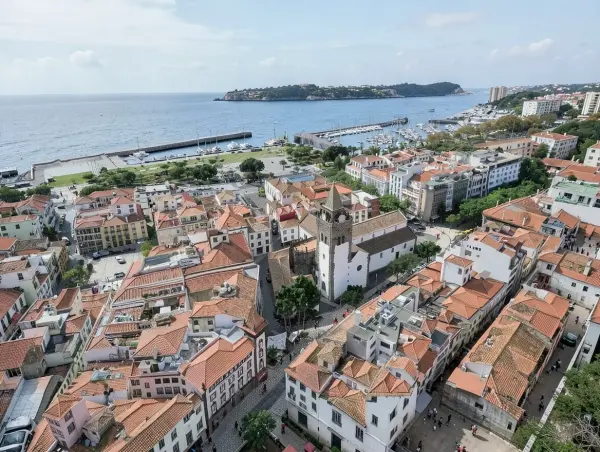
1. Sé Catedral de Funchal (Funchal Cathedral)
Funchal Cathedral
A 15th-century cathedral known for its carved, painted Mudejar wooden ceiling. Walk the peaceful nave to admire Gothic stonework and photograph the ornate ceiling.
Quick facts: Stepping inside, you're immediately struck by a carved wooden ceiling that gleams with a honeyed glow and showcases Portuguese-Moorish artistry. Visitors linger by the ornate Manueline doorway and cool stone cloisters, where tiny azulejo tiles and carved pews whisper centuries of island life.
Highlights: Walk in and your eyes are snagged by a dazzling Mudéjar-style coffered wooden ceiling carved and painted in the early 1500s, a patchwork of ochre, indigo and gold that smells faintly of resin when the sun warms the panels. Local lore says generations of shipwrights lent their woodwork and names to the carved beams, so if you listen close you can imagine the creak of hulls and sea salt threaded through the hush of prayers.
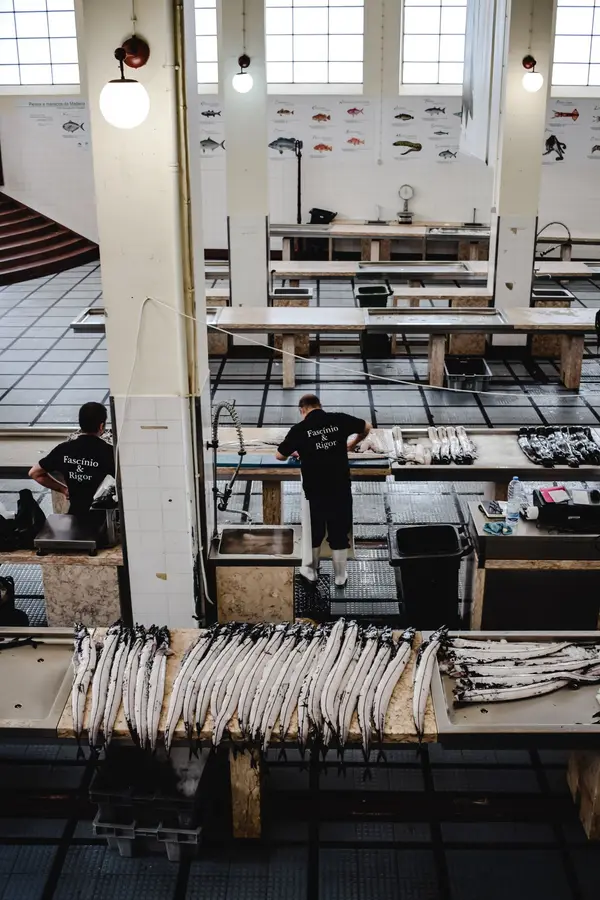
2. Mercado dos Lavradores (Farmers' Market)
Farmers' Market
Vibrant market showcasing Madeira fruit, flowers and local crafts. Stroll lively stalls, taste tropical fruit and watch the colourful fish market in action.
Quick facts: Colorful stalls burst with tropical fruits and hand-painted tiles, while the air fills with citrus and spice aromas that instantly beckon you to sample something new. Downstairs, a lively fish market stages dramatic displays of fishermen gutting fresh catches by hand, turning an ordinary errand into a theatrical morning ritual.
Highlights: Step inside and the briny blast from the fish stalls hits you first, where crews sell the island’s famed black scabbardfish called espada alongside glittering tuna and silver sardines. In the fruit aisle, women in bright traditional skirts bargain loudly over dragonfruit, passionfruit and custard apples while dozens of blue azulejo panels line the walls, their painted scenes like a living postcard.
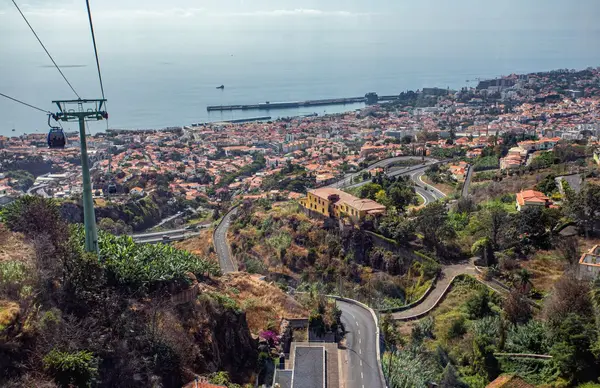
3. Teleférico do Funchal (Funchal Cable Car)
Funchal Cable Car
Swap the harbor sprawl for a mountain perch in one 15-minute ride. Glide over terracotta rooftops, vineyards, and the Atlantic's shimmer before stepping into a tropical garden at the summit.
Quick facts: The ride stretches over 3.7 kilometers and climbs roughly 560 meters in elevation, making it one of Europe's longest urban cable cars. Each cabin holds 8 passengers, and the round trip takes about 20 minutes with views sweeping from the Atlantic coast to the mountains.
Highlights: The upper station drops you right at the entrance to the Monte Palace Tropical Garden, where you can wander past 30,000 square meters of exotic plants, koi ponds, and azulejo tile panels. More surprising still, the ride crosses over the city's famous wicker toboggan run, so you'll watch sleds with two men steering them glide down the hillside below you.
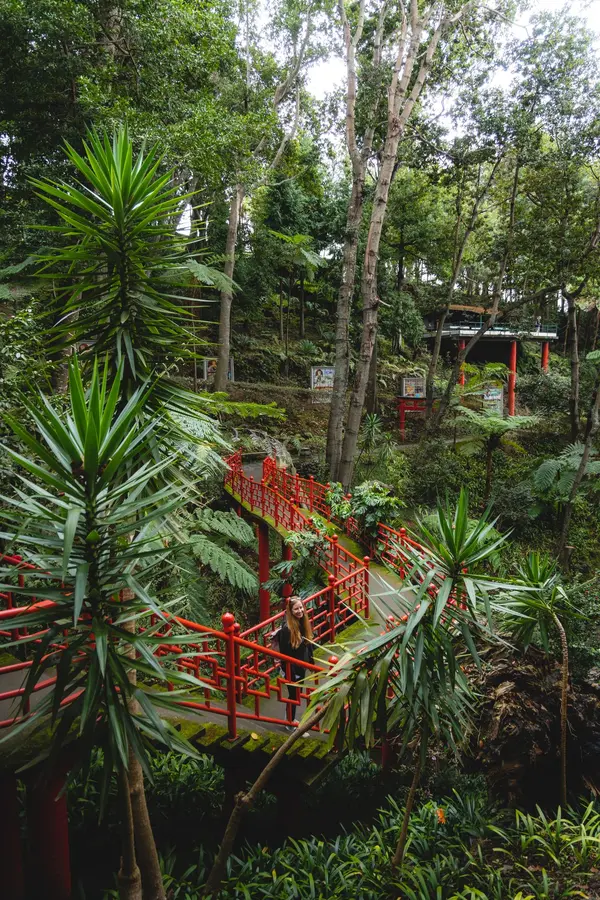
4. Monte Palace Tropical Garden (Jardim Tropical Monte Palace)
Jardim Tropical Monte Palace
A hillside of exotic plants cascading toward the sea, paired with one of Europe's great tile art collections. Wander tropical lakes, prehistoric ferns, and 2,000-year-old cycads in a single afternoon.
Quick facts: Around 100,000 plants from five continents fill the 70,000 square meters of terraced hillside, many imported over five decades beginning in the 1980s. The garden's founder, José Berardo, also amassed one of Portugal's largest collections of contemporary art, displayed inside the main palace.
Highlights: Tucked into the upper terraces, dozens of hand-painted azulejo panels narrate the full arc of Portuguese history, from the Age of Discovery through the 1975 revolution. King João's former private hunting lodge, the palace itself, sits above a chain of man-made lakes where black swans glide alongside giant koi the size of small dogs.
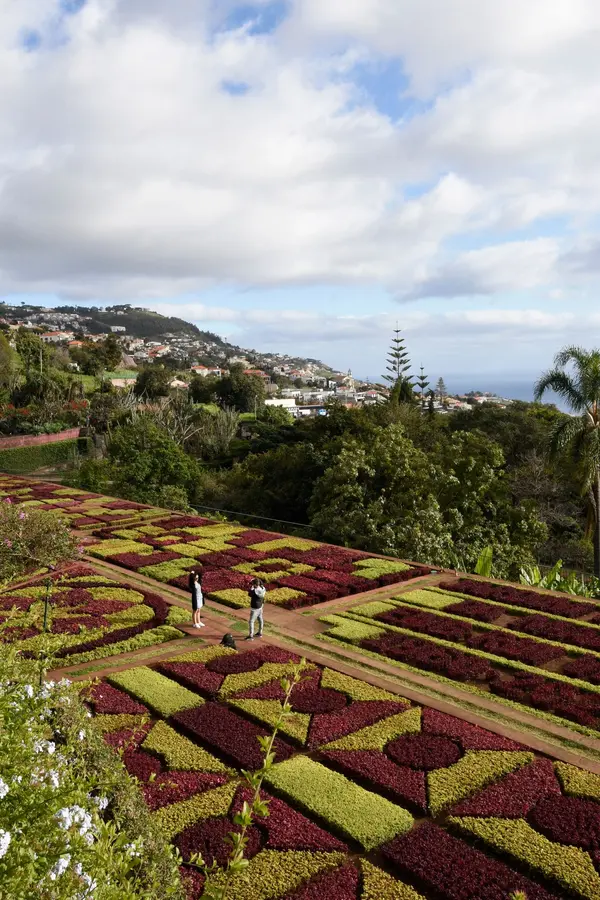
5. Jardim Botânico da Madeira (Madeira Botanical Garden)
Madeira Botanical Garden
Spectacular subtropical plant collections and panoramic Funchal views make the garden a refreshing escape. Wander terraced beds, a butterfly house, and scenic viewpoints.
Quick facts: Wandering through terraced paths feels like stepping into a patchwork of climates, where tree ferns, camellias, and exotic succulents create vivid bursts of texture and color. A compact network of glasshouses protects rare subtropical specimens and lets you move from South African proteas to Australian eucalypts without leaving the hillside, while panoramic viewpoints reward every turn with sweeping sea and city vistas.
Highlights: Climbing the terraced paths you'll catch bursts of citrus and jasmine and spot a Victorian glasshouse that cradles more than 2,000 plant specimens, from towering tree ferns to jewel-toned orchids, while a high lookout frames red-tiled roofs and the blue Atlantic like a living postcard. A quirky local habit survives among visitors and gardeners: people tuck tiny handwritten notes and coins beneath the roots of an old plumeria near the central pond, a thank-you ritual whispered to bring luck to new gardens.
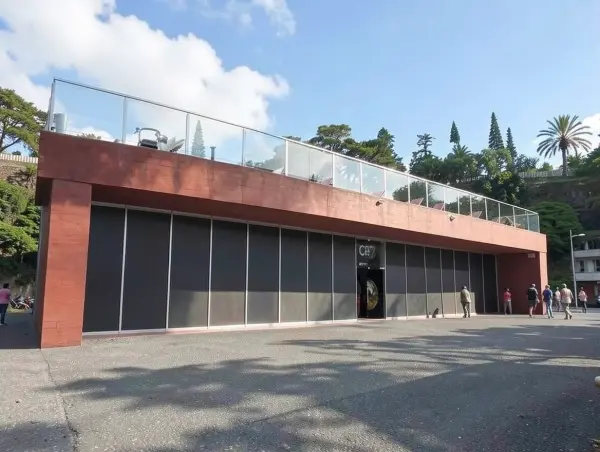
6. Museu CR7 (CR7 Museum)
CR7 Museum
See Cristiano Ronaldo's trophies and career memorabilia up close. Explore multimedia exhibits showcasing match boots, jerseys and multiple Ballon d'Or trophies.
Quick facts: A gleaming wall of golden boots and Ballon d'Or trophies greets you, while match-worn jerseys and personal letters sit in crisp glass cases that feel oddly intimate. You can lean close to interactive displays that spill surprising stats and behind-the-scenes stories, making the athlete's relentless training and trophy haul feel strikingly human.
Highlights: One corner stacks more than 130 gleaming trophies, including five Ballon d'Or awards under glass, so your reflection mixes with the gold when you lean in close. A little-known fan tradition sees visitors slipping tiny handwritten notes into a wooden box near the entrance, some dated back to 2008, and guides still point out a single scuffed boot with a faint coffee stain that people joke was part of a rushed autograph session.
7. Blandy's Wine Lodge (Eng. Blandy's Wine Lodge)
Eng. Blandy's Wine Lodge
Sample Madeira's historic wines in a 19th-century family lodge. Guided cellar tour ends with a tasting of several vintages in an elegant tasting room.
Quick facts: Step inside and the warm scent of oak and sun-warmed barrels hits you, while guides highlight ornate labels and a surprisingly vast range of vintages. Tastings often reveal lush, raisined sweetness balanced by brisk acidity, and a single pour can map decades of ageing techniques on your palate.
Highlights: Descend through narrow stone steps into cedar-scented cellars where oak casks line the walls and the air hangs with warm toffee, candied orange peel, and old wood. A family ledger dating back to 1811 is brought out on certain tours, and guides will ladle a fingertip of amber, centuries-old fortified wine so you can taste honeyed raisin, burnt sugar, and a faint salt breeze on the finish.
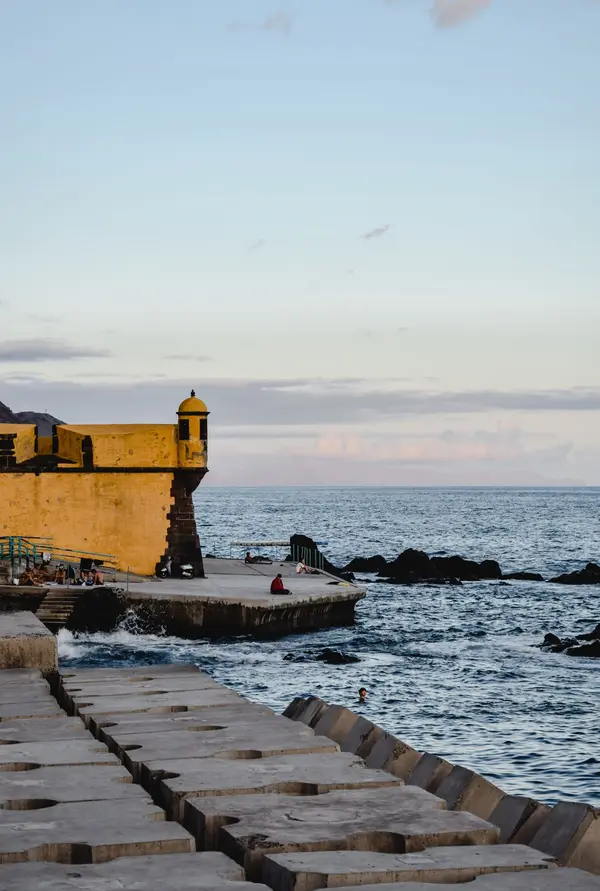
8. Fortaleza de São Tiago (São Tiago Fortress)
São Tiago Fortress
Seaside cannon fortress with dramatic Atlantic views and centuries of maritime history. Walk the ramparts, explore the small museum and watch ships in Funchal harbour.
Quick facts: Salt-sweet sea air and the echo of footsteps on weathered stone make the ramparts feel alive, offering dramatic views where old cannons still point toward the open sea. Step inside and you'll find a surprising modern art museum tucked into the fort's chambers, plus occasional live concerts that turn battlements into intimate performance spaces.
Highlights: Wander into the shadowed stone courtyard and you’ll find a row of bristling 17th-century cannons aimed out over crashing black basalt, salt spray stinging your nose and gulls calling overhead. The fort’s low rooms now host a small contemporary art gallery where bright, oversized canvases hang against ancient masonry, the surprising clash of color and sea-scented stone makes the place feel like a friend’s secret show you somehow scored an invite to.
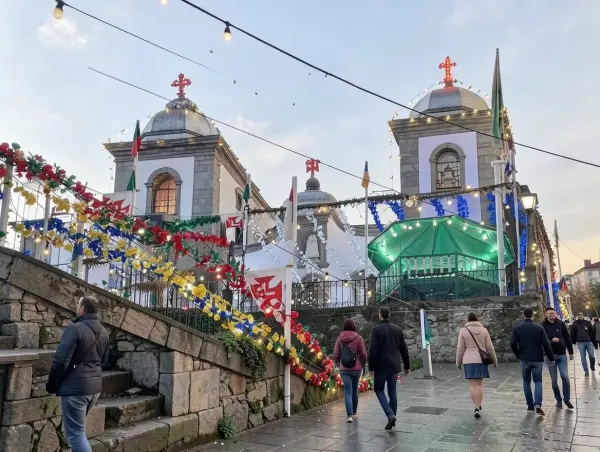
9. Igreja de Nossa Senhora do Monte (Church of Our Lady of Monte)
Church of Our Lady of Monte
A hilltop baroque church with royal ties and sweeping views over Funchal. Explore ornate interior, see the tomb of Emperor Charles I, and enjoy panoramic bay vistas.
Quick facts: A climb up the steep cobbled path brings a hush of cool stone and an interior that glows with gilded woodwork and blue azulejo tiles. Quiet pilgrims often pause at the small mausoleum of an exiled emperor, leaving flowers and candles that add a human, poignant touch to the calm.
Highlights: Tucked high above the water, a dim crypt holds the unassuming marble tomb of Emperor Charles I of Austria, who died in exile in 1922, his brass plate simply engraved 'Karl'. Each August 15, roughly 1,000 people climb the steep cobbled road for the Assumption procession, candles bobbing and voices rising until the whitewashed chapel blazes with warm light and the scent of incense.
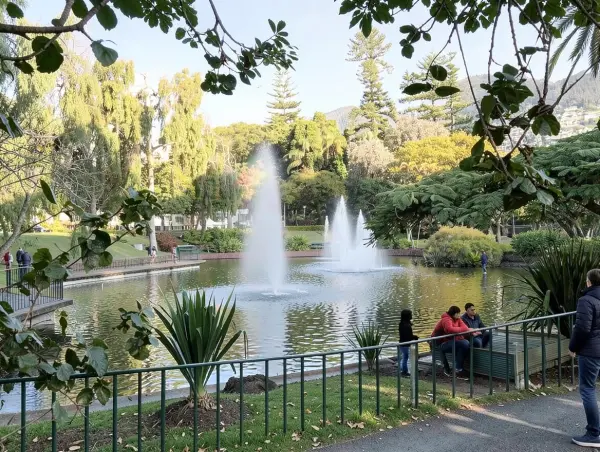
10. Parque de Santa Catarina (Santa Catarina Park)
Santa Catarina Park
Green terraces and sweeping views over Funchal harbour make a calm escape. Stroll shaded paths, snap sunset shots from the main terrace and watch cruise ships glide below.
Quick facts: Lush terraces tumble toward the sea, fragrant camellias and towering palms carve shady pockets with sudden coastal panoramas. Walkers linger by a petite cupola and a marble statue, and locals claim the benches are the best spot to watch fishing boats and cruise ships glide by in the salt breeze.
Highlights: Sit on a sun-warmed bench by the small ornamental pond and you’ll notice the odd, comforting mix of hibiscus sweetness, salty Atlantic breath, and church bells chiming at 11:00. Local families routinely bring bolo do caco and a bottle of poncha, enough to feed about four people, and when an elderly man in a faded captain’s cap starts a battered accordion, the whole spot erupts into an hour-long singalong.
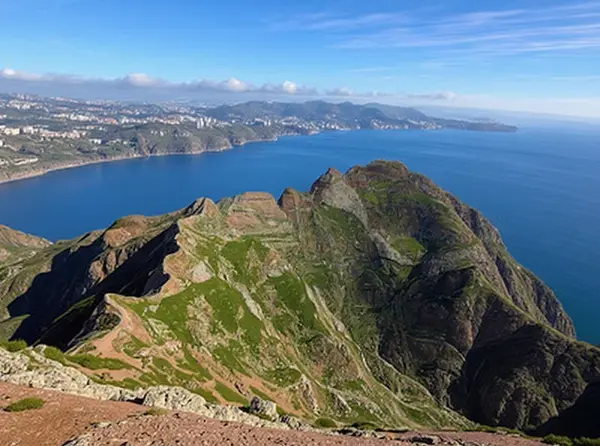
11. Pico do Arieiro viewpoint
Experience breathtaking mountain and ocean views at 1,818 meters high. Walk through dramatic volcanic tunnels and catch stunning sunrise or sunset hues.
Quick facts: The viewpoint stands at 1,818 meters above sea level, offering panoramic views of Madeira's peaks and the Atlantic Ocean. Nearly 400,000 visitors hike or drive here annually to catch sunrise or sunset scenes.
Highlights: A striking feature includes the trail tunnels that link to Pico Ruivo, the island's highest peak, through a series of 12 tunnels carved through volcanic rock. Visitors often witness clouds creeping through the ridges at dawn, transforming the landscape into a mystical sea of mist.
Where to Stay in Funchal, Portugal
Selected by City Buddy based on guest reviews and proximity to top attractions
Search all hotels in Funchal, PortugalPowered by agoda
Opening days in Funchal, Portugal
Which of the top sights close on which day of the week — the classic trip-ruiner, checked for you.
Sunday: 3 of 11 top sights closed — plan museums for another day.
Closed on Sunday · 3 closed, 8 open
Opening days from Google Maps (checked 2026-03-12). Public holidays, strikes and seasonal hours can differ — check the official website before you go.
Traditional Sweet Dishes
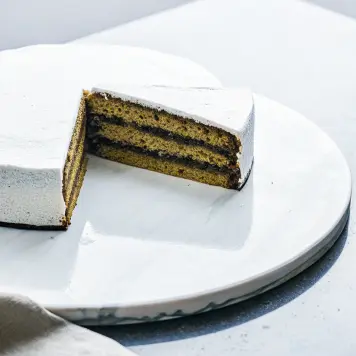
Bolo de Mel
Bolo de Mel is a dark, spiced molasses cake that dates back to the 15th century. It was originally made in convents and kept for months as a celebratory gift.
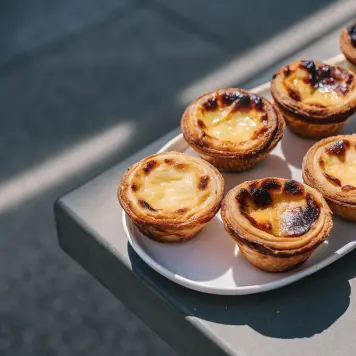
Queijadas (Madeira)
Queijadas are tiny, caramelized cheese tarts with a creamy, slightly tangy filling and a crisp top. Street vendors made them famous, and they are still enjoyed warm as a portable treat.
Traditional Savory Dishes
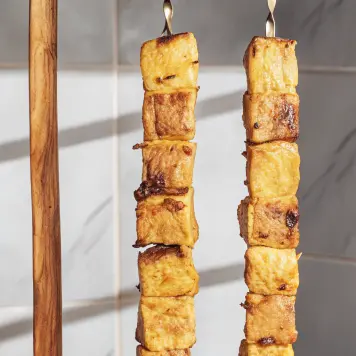
Espetada
Espetada is cubes of beef threaded onto laurel sticks and grilled over wood embers, the laurel leaves smoke the meat and add a piney aroma. It is often served hanging from a hook at the table for dramatic effect.
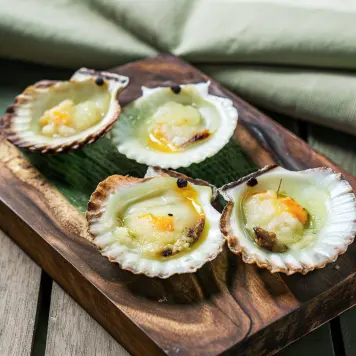
Lapas
Lapas are limpets grilled in garlic butter and lemon, they are gathered from the island's tidal pools and have been a coastal staple for centuries. The texture is somewhere between a scallop and a mussel, and they are eaten straight from the shell.
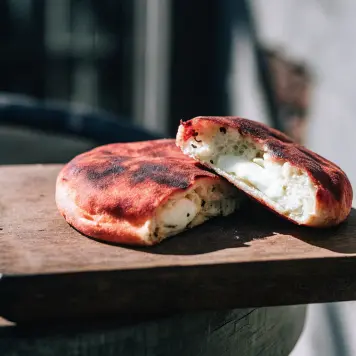
Bolo do Caco
Bolo do Caco is a round flatbread cooked on hot basalt stones, the bread is split and spread with garlic butter and often used as a sandwich for espetada. Its soft, chewy crumb and charred exterior make it irresistibly simple.
Traditional Beverages

Poncha
Poncha is a potent mix of sugar cane aguardente, honey and lemon, traditionally whisked by hand until frothy. Sailors once used it as a remedy for colds, and today it fuels lively nights in Funchal.

Madeira wine
Madeira wine is a fortified wine that is intentionally heated and oxidized to develop nutty, caramelized flavors, it can age for decades or even centuries. Its resilience to long sea voyages made it a favorite among explorers and collectors.
Frequently Asked Questions about Funchal, Portugal
What are the best months to visit Funchal, Portugal?
Is Funchal, Portugal expensive for travelers?
How safe is the tap water in Funchal, Portugal?
How good is public transportation in Funchal, Portugal?
How many tourists visit Funchal annually?
Get a PDF with the most popular attractions sent to your email
Get a PDF with all attractions, ratings, and tips. Perfect for offline use.
Most popular day trips
Ponta de São Lourenço
Rocky eastern peninsula with coastal hikes.
Getting there
Airports
Train stations
N/A — no train service on the island
From FNC take the Aerobus or taxi to Funchal; renting a car is best for island exploration.
Useful information for Funchal, Portugal
Overview for Funchal, Portugal
Want a day-by-day plan for Funchal, Portugal? Open the trip planner
Plan your perfect trip to Funchal, Portugal
Get a complete travel plan built just for you in under 30 seconds, with daily routes, local food tips, budget estimates and more.
Are any of these especially important to you?
Select all that apply
Getting around
How do you want to move between places?
Plan language: EnglishMost popular itineraries for Funchal, Portugal
Browse trip plans created by other travelers
6-Day Funchal for the Offbeat Explorer, Nature Lover, and Culture Enthusiast
Discover Funchal's hidden gems, scenic hikes, and rich culture with a unique local perspective. Experience secret viewpoints, authentic hangouts, and engaging activities away from the tourist crowds this spring.
5-Day Funchal Adventure for Budget Backpackers
Discover Funchal like a local on foot and public transport. Experience hidden gems, vibrant culture, nature, and authentic food without breaking the bank.
4-Day Family Fun in Funchal Summer Escape
Explore family-friendly parks, interactive museums, scenic cable car rides, and beach time in Funchal for a memorable summer getaway.
3-Day Funchal Family Adventure with Culture and Nature
Discover Funchal with your family through interactive museums, scenic hikes, local culture, and hidden gems for an unforgettable summer trip.
2-Day Funchal Spring Adventure
Discover the charm of Funchal in spring with stunning gardens, rich history, and vibrant local culture. Get ready for fresh sea breezes and blooming flowers.
8-Day Budget Backpacker Experience in Funchal
Discover authentic Funchal on a budget with free tours, street food, local markets, scenic walks, and hidden gems over eight refreshing summer days.
8-Day Spring Discovery in Funchal
Experience the vibrant culture, stunning gardens, and coastal beauty of Funchal this spring with a varied and immersive 8-day itinerary.
7-Day Funchal Spring Adventure for Nature and Offbeat Explorers
Discover Funchal's stunning landscapes, hidden gems, and vibrant local scenes on a 7-day spring journey perfect for active, nature-loving travelers craving authentic experiences beyond the usual tourist paths.
7-Day Offbeat and Active Funchal Adventure Staying in One Hotel
Experience the best of Funchal from a single cozy base while exploring hiking trails, cultural gems, secret spots, and local traditions on this energetic and offbeat 7-day adventure.