 CityBuddy
 English
Things to Do in Belgrade, Serbia
Photo made by Aditya Banerjee on Pexels.com
When to visit
Most popular attractions in Belgrade, Serbia
Top things to do in Belgrade, Serbia include wandering through the historic Belgrade Fortress, which offers panoramic views where the Sava and Danube rivers meet. Visit the Church of Saint Sava, one of the largest Orthodox churches globally. Stroll along Knez Mihailova Street for shopping and local culture.
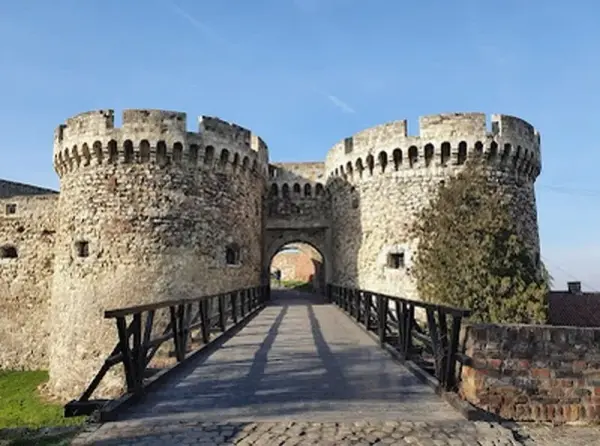
1. Belgrade Fortress (Kalemegdan)
Kalemegdan
Ancient fortress above the Sava and Danube, offering panoramic city and river views. Walk ramparts, visit museums, and watch the sunset from historic walls.
Quick facts: Walking the ramparts, you feel cool river breezes against old stone and spot cannons framing panoramic river junction views. Hidden chambers and zigzagging tunnels invite quiet exploration, while grassy promenades host open-air concerts and dramatic sunsets.
Highlights: At sunrise the 2,000-year-old ramparts glow pink and the air fills with the lemony scent of linden blossoms from a single old tree by the eastern gate, where an elderly vendor named Miloš has been selling jars of amber honey for 27 years. Down under the grassy slope a narrow stone stairwell leads to a cool underground chamber where, according to local storytellers, lovers once carved initials into soft mortar with a nail, and if you press your ear to the wall you can still hear river water moving like a distant clock.
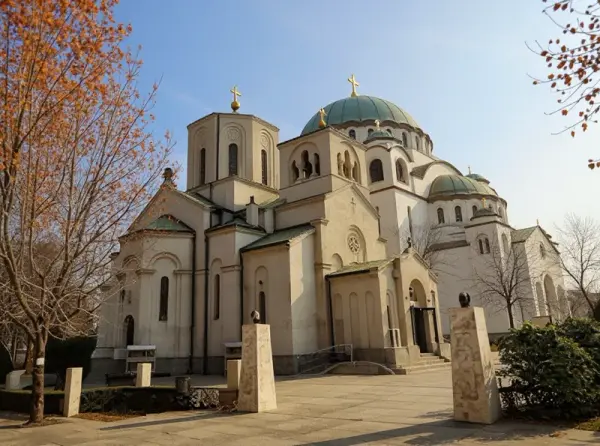
2. Church of Saint Sava (Hram Svetog Save)
Hram Svetog Save
One of the largest Orthodox churches, its soaring domes and glittering mosaics impress. Walk the vast nave and descend to the crypt gallery for enormous Byzantine-style mosaics.
Quick facts: Stepping inside, visitors are immediately struck by a soaring white dome that crowns one of the largest Orthodox churches in the world, the cavernous nave amplifying every whisper. Golden mosaics and glinting iconography cover vast stretches of wall and dome, catching sunlight so the interior feels like a luminous Byzantine treasure.
Highlights: Step inside and the dome, rising about 70 meters, turns sunlight into a river of gold over more than 4,000 square meters of glittering mosaic. Locals whisper that the site marks the hill where a revered saint's relics were burned by Ottoman forces in 1595, and people still press their palms to the cool marble steps and light candles as a hush settles over the courtyard.
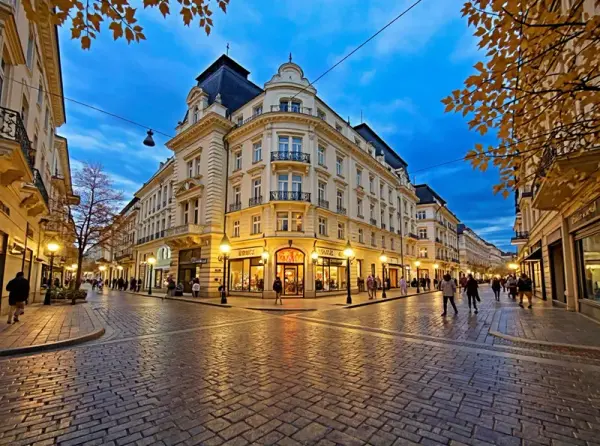
3. Knez Mihailova Street
Belgrade's lively pedestrian street with elegant 19th-century facades and buzzing cafes. Stroll from Republic Square to Kalemegdan, enjoy buskers and shopping.
Quick facts: Cobblestones echo underfoot as street musicians, café terraces, and window displays create a lively, walkable spine where people linger over coffee and conversation. Hidden courtyards and ornate façades reveal tiny galleries and century-old bookstores, so an afternoon stroll can turn into a treasure hunt of art, music, and sweets.
Highlights: When night falls dozens of street musicians and living statues take over the 19th-century arcades, including a 70-year-old accordion player who opens his battered case for spare change and plays until the amber streetlights come on. Locals have a cheeky ritual of dropping a coin into the tiny bronze fountain, counting to three, and watching a sudden swirl of pigeons and the sweet smoke of roasted chestnuts fill the air.
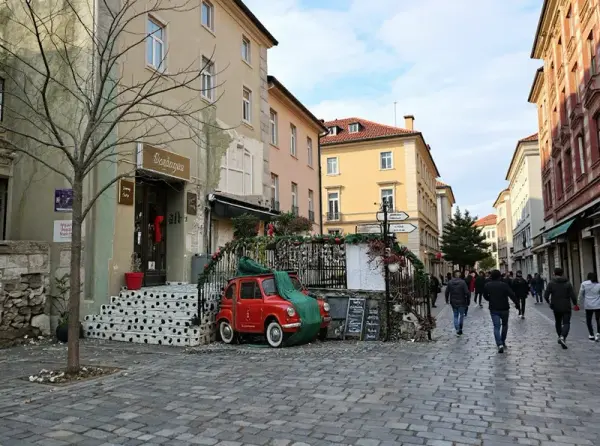
4. Skadarlija (Bohemian Quarter)
Bohemian Quarter
Charming Bohemian quarter where kafanas, live music and 19th-century architecture meet. Stroll cobbles, eat Serbian comfort food and catch impromptu street performances.
Quick facts: Wandering the narrow cobblestone street, you catch live singers pouring old folk songs from dim kafanas while aromas of grilled meats and rakija float through the air. Hidden courtyards, stringed lights, and painted wooden signs make evening strolls feel like stepping into a living postcard, with local artists still gathering for impromptu poetry, sketches, and jazz sessions.
Highlights: Stroll down the narrow cobbled street and you’ll pass roughly 20 century-old kafanas under flickering gas lamps and draped wisteria, the air heavy with grilled meats, warm bread, and the sharp apricot sting of rakija. On warm evenings tamburitza players drift from table to table and one old tavern still keeps a battered guestbook of verses, with a local tale that a poet once challenged a painter to a rhyme duel at table number 7 and the whole place sang along for an hour.
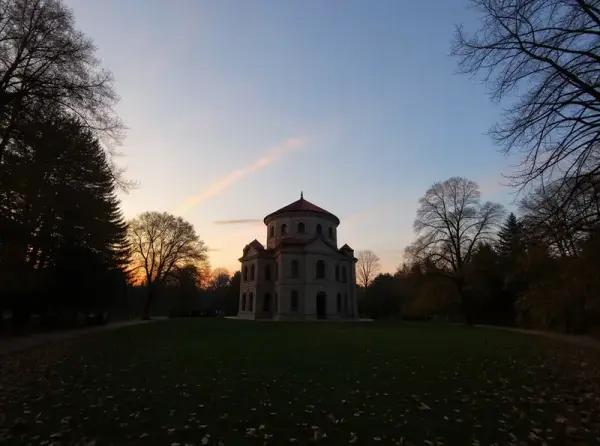
5. Ada Ciganlija (Ada Ciganlija Lake/Park)
Ada Ciganlija Lake/Park
Green river island with a sandy beach, cafés, and active sports zones. Swim, cycle the 7 km trail, or watch sunset over Belgrade's skyline.
Quick facts: Shallow, warm water laps against sandy beaches where cyclists, kayakers, and volleyball players share miles of sunlit paths and lively cafés. Hidden lagoons and a tree-covered peninsula host outdoor gyms, rowing clubs, and summer concerts that turn evenings into a buzzing mix of music and local bustle.
Highlights: Locals hold sunset races on homemade wooden paddleboards, teams of five shouting and splashing as the sky flips from tangerine to cobalt. An artificial lake carved out in the 1960s cradles a narrow sandy beach where the scent of grilled ćevapi mixes with sunscreen and music from open-air cafés.
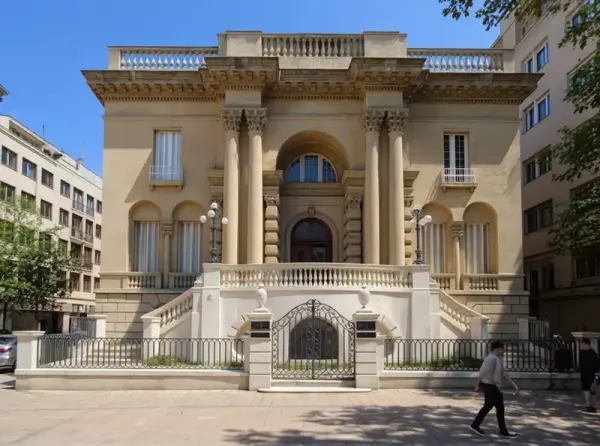
6. Nikola Tesla Museum
Explore Nikola Tesla's preserved lab and original inventions up close. Hear dramatic stories, watch live demonstrations, and view his personal archive.
Quick facts: Step onto the raised walkway and you can hear a low hum while towering coils crackle and throw sparks, giving a thrilling sense of the experiments once performed there. Over 160,000 original documents and personal items are kept under climate control, revealing intimate details about the inventor's habits and surprising obsessions.
Highlights: Step into the dim, wood-paneled hall and you might catch the sharp, metallic tang of ozone as a functioning Tesla coil spits electric-blue arcs during the daily demonstration, while a gold-plated sphere containing his ashes glints under a single spotlight. Behind glass cases rest more than 160,000 original documents and objects, including the inventor's death mask and hundreds of personal letters in his precise, looping hand, so you can almost see the ink ridges and smell the old paper.
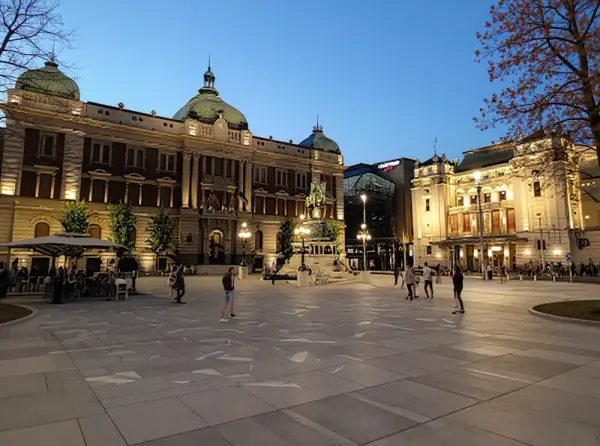
7. Republic Square (Trg Republike)
Trg Republike
Heart of Belgrade where history meets lively cafe culture. Wander past the National Theatre, local street performers, and photo-ready fountains.
Quick facts: Crowds gather near the bronze equestrian statue, where street performers and outdoor cafés turn the space into a lively living room. Warm theater marquee light and the smell of roasted chestnuts mingle with local chatter and accordion tunes, making evenings feel cinematic.
Highlights: Under the bronze equestrian statue of Prince Mihailo, small groups of accordion and guitar players gather most nights around 9 pm, layering mournful Balkan waltzes over tram clatter and the warm smell of roasted chestnuts from a lone vendor. On weekends theatre-goers spill from the National Theatre and the National Museum, while daring first dates test their nerve by perching on the low stone steps and sharing a single espresso amid pigeons and neon café signs.
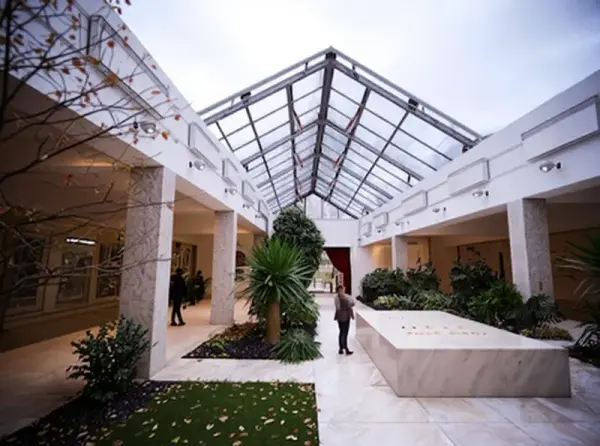
8. Museum of Yugoslavia (House of Flowers)
House of Flowers
Explore the memorial complex that shaped Yugoslav identity under Tito. See the House of Flowers mausoleum, period exhibits and tranquil memorial gardens.
Quick facts: Wandering the tranquil flowered garden, you come upon an unexpectedly intimate tomb set in a low pavilion, where the scent of roses softens the formal hush. Inside, cabinets brim with lavish diplomatic gifts, uniforms, and everyday mementos that map the theatrical international reach and curious contradictions of his era.
Highlights: You can stand inches from Josip Broz Tito's marble sarcophagus, the air smelling faintly of wax and old paper as visitors still place red carnations and handwritten notes on the stone, a practice that began after his death on May 4, 1980. A little-known tradition happens each anniversary of his passing, when local elders bring simple wreaths and quietly sing Partisan songs, creating an intimate, cinematic moment amid the museum's muted lighting and warm 1970s wood paneling.
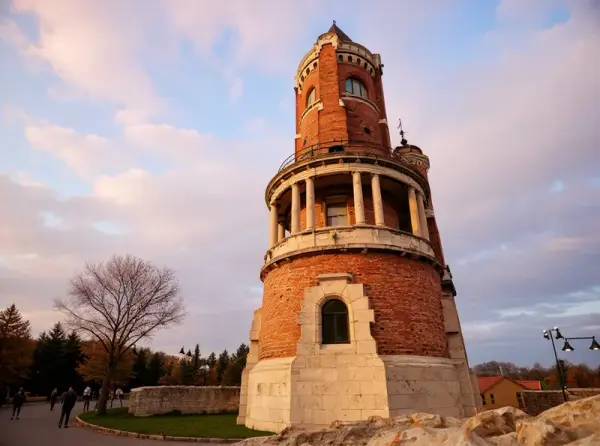
9. Gardoš Tower (Zemun)
Zemun
Historic hilltop tower with sweeping Danube and Belgrade views. Climb narrow stairs, walk the parapet and catch golden-hour city and river panoramas.
Quick facts: Climbing the narrow spiral staircase rewards you with sweeping river and city panoramas that glitter at dusk, the cool masonry humming with echoes of past footsteps. Rumors of hidden tunnels and lovers' messages carved into bricks add a romantic mystery, and lively festivals on the hill draw crowds under lanterns on warm summer nights.
Highlights: Perched on a steep hill, it's one of four 'Millennium' towers erected by Austro-Hungarian authorities in 1896, fashioned in faux-medieval stone so the crenellations and turrets look centuries older than the tower's roughly 130 years. A narrow spiral staircase winds up to a compact terrace where the Danube breeze fills your nose with river air and the view frames red-tiled roofs, church spires, and the river like a silver ribbon toward the horizon.
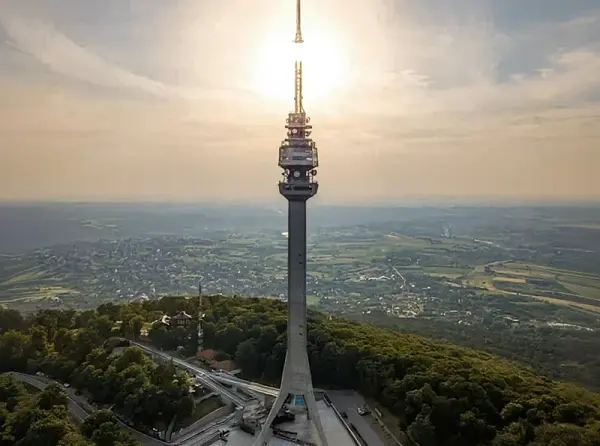
10. Avala Tower
360-degree views over Belgrade from a hilltop tower make Avala worth the trip. Ride the elevator up and scan the skyline, river, and distant mountains from the observation deck.
Quick facts: Step onto the glass-fronted observation deck and your ears catch distant traffic and the rustle of trees, while sweeping, almost cinematic panoramas unfold in every direction. Rising over 200 meters, the slender concrete shaft is topped by a gleaming antenna, and the structure's dramatic rebuild after wartime loss is a point of local pride.
Highlights: Rising 204.5 meters above a pine-cloaked hill, the tower first opened in 1965 and after being destroyed in the 1999 bombing was faithfully rebuilt and reopened in 2010. A quick elevator ride brings a sudden hush and a gust of resin-scented air to the observation level, where the 360-degree view makes the city below look as if someone has shrunk it to a model on a table.
Where to Stay in Belgrade, Serbia
Selected by City Buddy based on guest reviews and proximity to top attractions
Search all hotels in Belgrade, SerbiaPowered by agoda
Opening days in Belgrade, Serbia
Which of the top sights close on which day of the week — the classic trip-ruiner, checked for you.
Monday: 3 of 5 top sights closed — plan museums for another day.
Closed on Monday · 3 closed, 2 open
Opening days from Google Maps (checked 2026-02-19). Public holidays, strikes and seasonal hours can differ — check the official website before you go.
Traditional Sweet Dishes
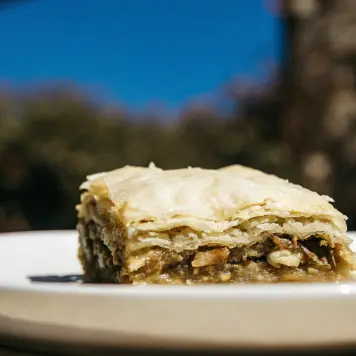
baklava
In Belgrade, baklava is an Ottoman-era favorite, layered with finely chopped walnuts and soaked in honeyed syrup until the pastry shimmers, making it a festival and café staple.
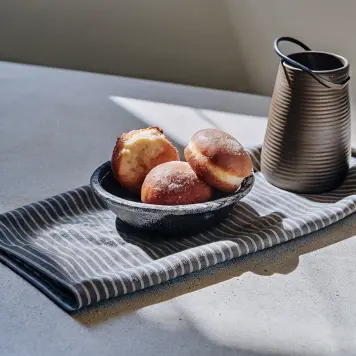
krofne
Krofne are pillowy, deep-fried doughnuts often filled with jam or custard, enjoyed hot from street stalls and closely linked to New Year celebrations and family gatherings in Belgrade.
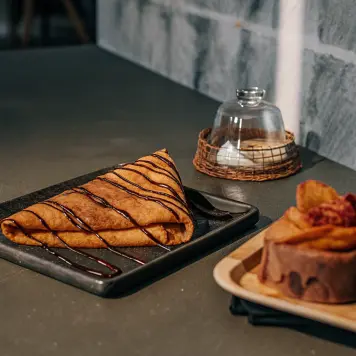
palacinke
Palačinke are paper-thin crepes rolled with chocolate, jam, or kajmak, and Belgraders adore them as a late-night snack or a quick sweet to eat on the go.
Traditional Savory Dishes
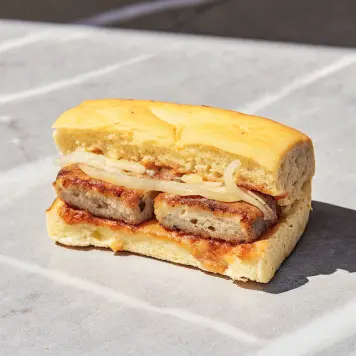
cevapi
Ćevapi are small grilled meat sausages served in soft somun bread with raw onions and ajvar, and Belgrade’s ćevabdžinice are famous for perfect charring and addictive simplicity.
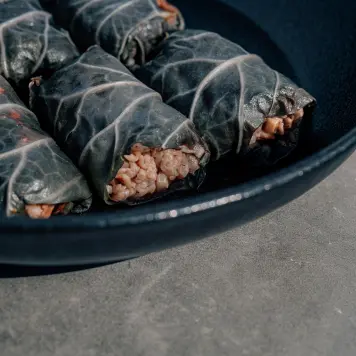
sarma
Sarma are cabbage leaves stuffed with rice and spiced meat, slow-simmered until deeply savory, and they taste even better the next day, so they are a winter feasting classic in Belgrade.
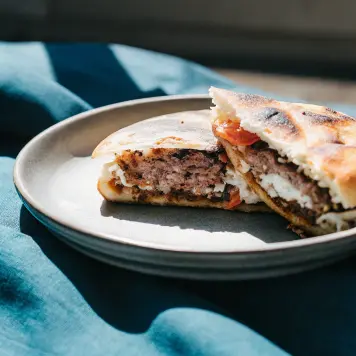
pljeskavica
Pljeskavica is a large, seasoned meat patty often topped with kajmak or onions and served in lepinja bread, and Belgrade eateries pride themselves on making the juiciest, most flavorful versions.
Traditional Beverages
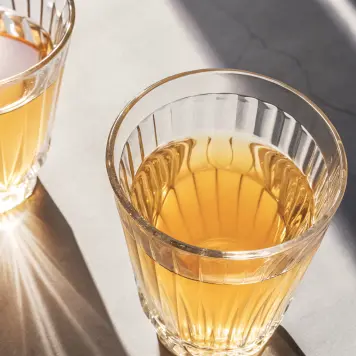
rakija
Rakija is the ubiquitous fruit brandy Belgraders offer as a sign of hospitality, and many households keep homemade rakija for toasts, healing sips, and special gifts.
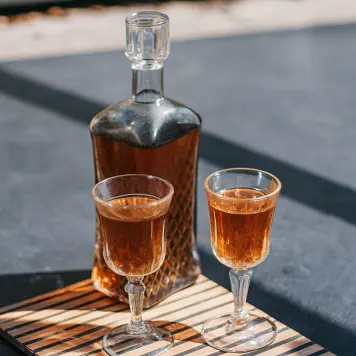
slivovitz
Slivovitz, or šljivovica, is the plum rakija beloved in Belgrade, it can be fiery when young and silkier when aged in oak, and it plays a central role in weddings and important toasts.
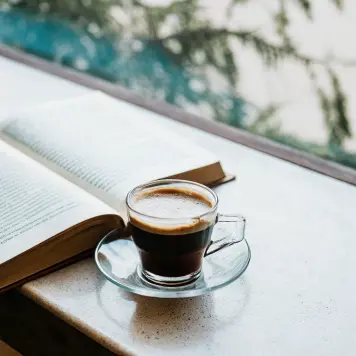
serbian coffee
Serbian coffee is brewed like Turkish coffee, served in small cups with the grounds left inside, and reading the coffee grounds is a playful custom after long conversations.
Know before you go
What a day costs in Belgrade, and the rip-offs to avoid
Cost per person per day
Top rip-offs to avoid
- Unlicensed airport drivers. Walk to the official taxi rank outside the terminal or book through CarGo, NaxiTaxi, or Bolt on arrival.
- Meter tampering or route padding. Confirm the meter is running before departure and use a ride app for a fixed upfront price.
- Poor rate exchange booths. Use official bank exchange counters or ATMs, and always compare the rate shown with the mid-market rate online first.
Fair taxi from the airport: 2,000 din - 3,500 din (€17 - €30)
Cheaper option: Bus A1 runs from the airport to Slavija Square and Trg Republike (300 din)
All scams, fair prices and rulesFrequently Asked Questions about Belgrade, Serbia
What are the best months to visit Belgrade, Serbia?
Is Belgrade, Serbia expensive to live in or visit?
Is the tap water in Belgrade safe to drink?
How many tourists visit Belgrade, Serbia annually?
How to get around Belgrade, Serbia?
Get a PDF with the most popular attractions sent to your email
Get a PDF with all attractions, ratings, and tips. Perfect for offline use.
Most popular day trips
Novi Sad (Petrovaradin)
Vibrant university city and fortress on the Danube.
Sremski Karlovci
Historic town with baroque architecture and wine cellars.
Fruška Gora National Park
Hills, monasteries and hiking close to the city.
Topola / Oplenac
Royal vineyard area and the House of Karađorđević tomb.
Getting there
Airports
Train stations
Domestic: Novi Sad, Niš; International: Zagreb, Budapest
Regional and long-distance services across Serbia and Balkans
From BEG airport take the A1 minibus, taxi or rideshare — 20–30 min to city center.
Useful information for Belgrade, Serbia
Overview for Belgrade, Serbia
Compare Belgrade with other destinations
Prices, safety, weather and top attractions side by side, with a verdict for every kind of traveler.
Want a day-by-day plan for Belgrade, Serbia? Open the trip planner
Plan your perfect trip to Belgrade, Serbia
Get a complete travel plan built just for you in under 30 seconds, with daily routes, local food tips, budget estimates and more.
Are any of these especially important to you?
Select all that apply
Getting around
How do you want to move between places?
Plan language: English