 CityBuddy
 English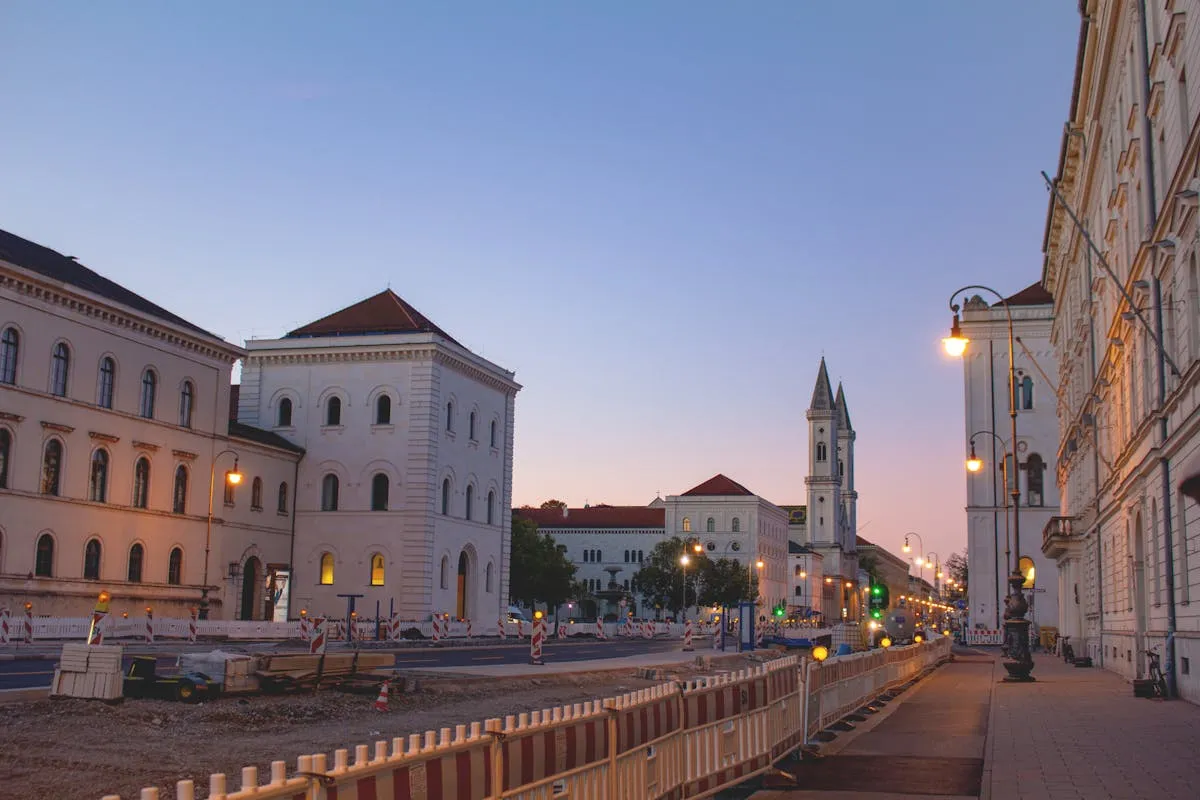
Things to Do in Bratislava, Slovakia
Photo made by Cedric Reiners on Pexels.com
When to visit
Most popular attractions in Bratislava, Slovakia
Top things to do in Bratislava, Slovakia include exploring Bratislava Castle, perched 85 meters above the Danube River, offering panoramic city views. Wander through Bratislava Old Town to admire medieval architecture. Don't miss Michael's Gate, the city's last remaining fortification, dating back to the 14th century.
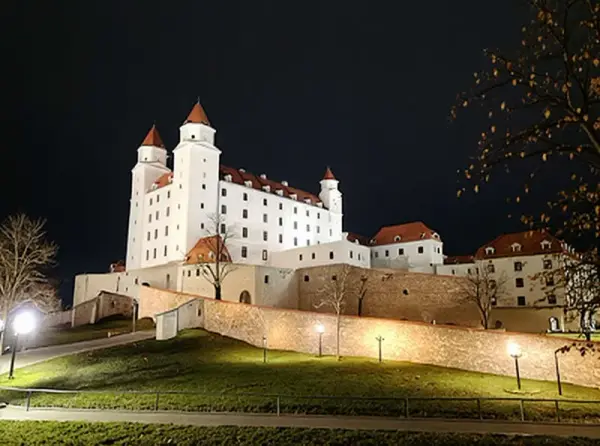
1. Bratislava Castle (Bratislavský hrad)
Bratislavský hrad
Dominant hilltop fortress overlooking the Danube, offering centuries of Slovak history. Explore museum exhibits, panoramic terraces, and sweeping city views.
Quick facts: Perched on a commanding hill, the white-walled fortress rewards visitors with sweeping river views and a skyline punctuated by church spires. Visitors often discover reconstructed state rooms and museum exhibits resting on medieval foundations, an unexpected blend of ceremony, archaeology, and dramatic panoramas.
Highlights: Climb the hill to the white-walled fortress and you'll find a rectangular castle with four corner towers that has watched over the river for centuries, its red tile roofs glowing like coals at sunset. A quirky local tale says a fragment of a 19th-century cannonball still rests lodged in the outer wall, and guides will lean close to point it out while the wind carries the scent of linden and grilled sausages from below.
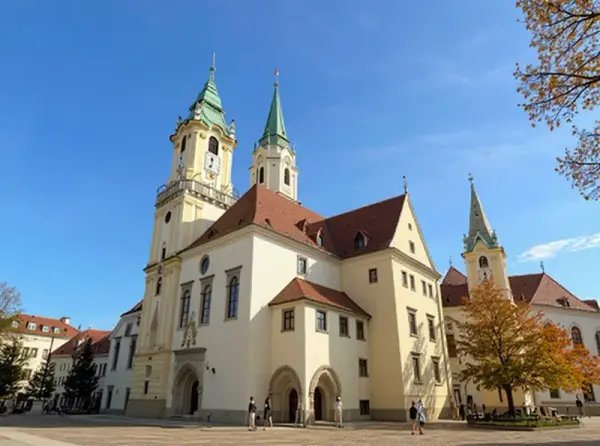
2. Bratislava Old Town (Staré Mesto)
Staré Mesto
A compact medieval center with atmospheric streets, ornate churches, and lively cafés. Wander cobbled lanes, climb Michael's Gate for a view, and try local pastries.
Quick facts: Wandering narrow cobblestone lanes, you hear street musicians and smell roasting chestnuts, making every turn feel theatrically staged. A cheeky bronze figure peeking from a manhole draws nonstop selfie lines, while an unexpected UFO-topped bridge punctures the skyline and invites curious climbs for panoramic views.
Highlights: Follow the cobbles to a cheeky bronze named Cumil, a man peeking from a manhole whom locals and tourists rub for luck while dozens of cameras click around him. At dusk the air fills with the sweet smoke of roasting chestnuts, the clack of shoes on 700-year-old stones, and a lone accordion near the old clock tower, so evenings feel like a living sepia photograph.
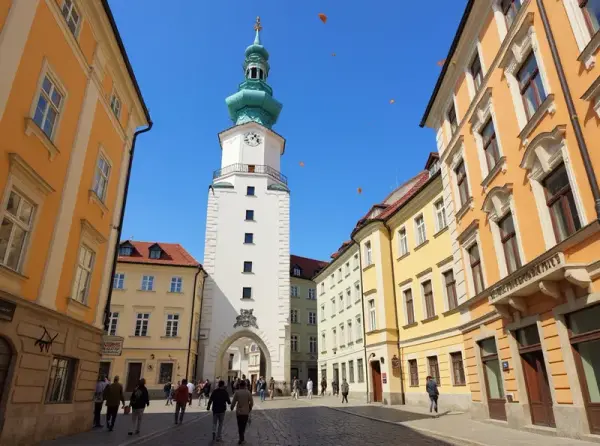
3. Michael's Gate (Michalská brána)
Michalská brána
Stand beneath Bratislava's oldest preserved city gate, a striking medieval tower. Climb for compact museum exhibits and a panoramic view over the Old Town.
Quick facts: Climb the narrow spiral staircase to a tiny museum and a rooftop terrace that frames the old town like a living postcard. Observe the copper-topped tower crowned by a statue of an archangel; the city's layered history is written in weathered stone and faint medieval shopfront outlines.
Highlights: A roughly 51-meter-high medieval gate topped in 1758 by a Baroque statue of Saint Michael slaying a dragon lets you climb narrow stone steps, smell centuries of dust, and peer through arrow slits at the red-tiled roofs below. Inside a tiny museum of weapons and city artifacts you can heft a replica mace and study 17th- and 18th-century coats of arms that locals still point out on guided tours, a quiet ritual that ties the present to the city's fortifications.
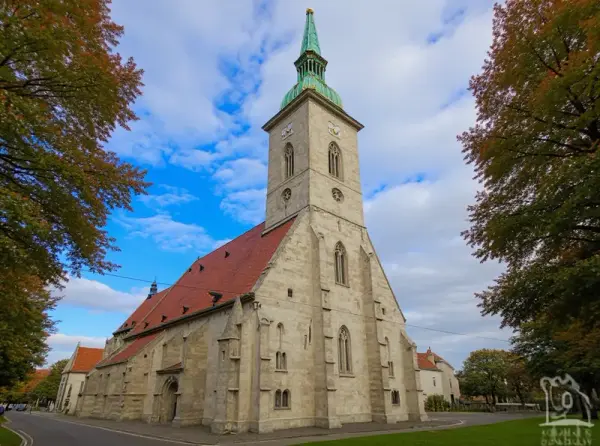
4. St. Martin's Cathedral (Dóm sv. Martina)
Dóm sv. Martina
Bratislava's towering Gothic cathedral where Hungarian kings were crowned. Explore vaulted chapels, medieval tombstones and a bell-tower view over the old town.
Quick facts: Visitors often feel the Gothic vaults rumble underfoot, while a distinctive golden coronation cross near the main altar recalls the building's part in royal ceremonies. Step up the narrow choir stairs and you might spot cannonball scars in the outer walls, tactile reminders of sieges that shaped the city.
Highlights: From 1563 to 1830 the church served as the coronation site for Hungarian monarchs, where crowned kings and queens processed beneath heavy red canopies while incense and beeswax candle smoke hung in the cold stone nave. A bright gilded rider tops the spire, catching sun so sharply that on clear afternoons the horse's silhouette flashes like a signal across the old town, a detail many visitors miss when they hurry past.
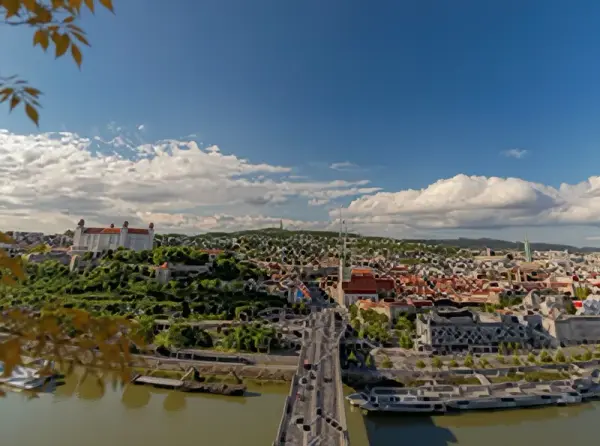
5. UFO Observation Deck / SNP Bridge (Most SNP - UFO)
Most SNP - UFO
Panoramic Bratislava and Danube views from the UFO-topped SNP Bridge, ideal for skyline photos. Walk the observation deck, grab a coffee, and watch the city bustle below.
Quick facts: Perched on a slender pylon, the saucer-shaped deck gives dizzying 360-degree views and a palpable sense of hovering above the water as the glass-fronted panorama unfolds. Night visits turn the skyline into a glittering tapestry while a slowly revolving restaurant and a high-speed elevator make the ascent feel like part of the sightseeing experience.
Highlights: A saucer-shaped viewing pod perches about 95 metres above the river, anchored on a single leaning pylon finished in 1972, and the restaurant inside makes a full 360-degree rotation in roughly 60 minutes so your coffee slowly tours the entire skyline. Locals have a quirky habit of snapping photos through the pod's narrow slit windows at sunset to catch the golden light slicing across red tile roofs and the Danube's metallic sheen, then comparing shots to see whose angle captured the old town's spire best.
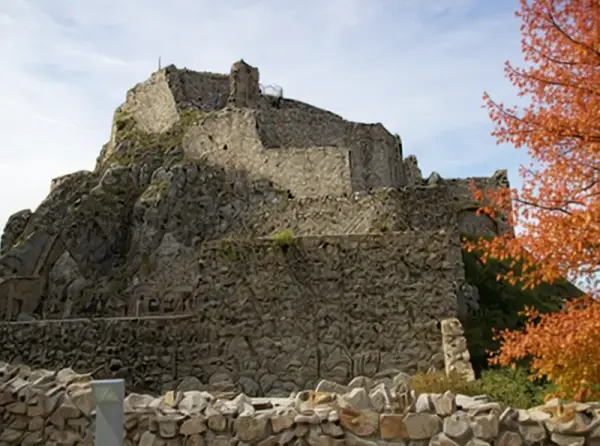
6. Devín Castle (Hrad Devín)
Hrad Devín
Perched where the Danube meets the Morava, Devín Castle offers dramatic river views and layered history. Walk ruins, river cliffs, and small exhibits on a compact site.
Quick facts: Perched where two rivers meet, the cliff-top ruins give jaw-dropping views and a tactile sense of layered history as wind, stone, and river mist mingle underfoot. Visitors often find remnants of old fortifications and a poignant memorial to 19th-century national revivalists, a surprising reminder of how a small outcrop influenced broader national stories.
Highlights: From the cliff edge you can watch two rivers, the Danube and the Morava, meet below while the wind carries the sharp scent of wild thyme and you can hear gulls riding the thermals over the ruins. Napoleonic troops blew up the medieval fortification in 1809 leaving the jagged silhouette that frames the horizon, and archaeological excavations have revealed human activity on the site going back to the 1st century, with Great Moravian earthworks from the 9th century still visible.
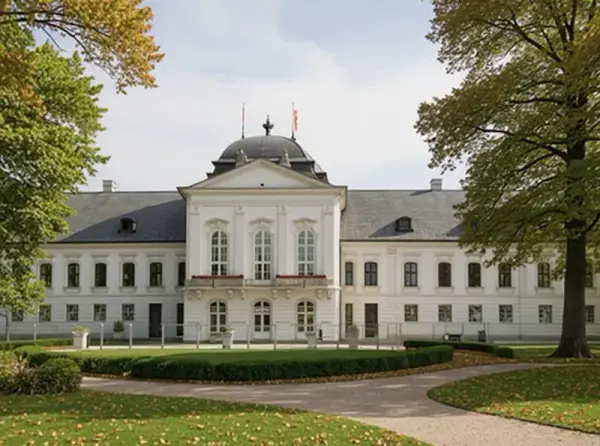
7. Grassalkovich Palace (President's Palace - Grasalkovičov palác)
President's Palace - Grasalkovičov palác
Elegant 18th-century presidential palace with a manicured front garden. Stroll the terraces, photograph the façade, and catch occasional public tours or open-air concerts.
Quick facts: A sweeping French-style garden stretches behind the building, where manicured paths and a symmetrical fountain create a calm stage for official ceremonies and weekend concerts. Visitors often pause at the crisp click of ceremonial guards and the gleam of crystal chandeliers, surprised to find lavish rococo salons serving both as state reception rooms and active offices for modern diplomacy.
Highlights: Legend has it that in the 1760s a single gala drew 600 guests and the footmen served 2,000 tiny sugared pastries, and some visiting families still point out a walnut banister worn smooth by centuries of dancers' hands. Each summer the formal gardens fill with the scent of lime blossom and the low hum of an outdoor orchestra, with about 300 blankets spread on the lawn while amber lanterns warm the marble steps.
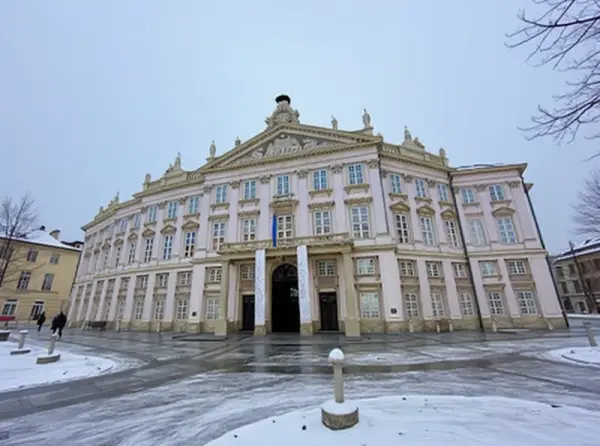
8. Primate's Palace (Primaciálny palác)
Primaciálny palác
Explore Bratislava's elegant Primate's Palace, a neoclassical city palace with ornate interiors. Wander the Hall of Mirrors, see historical frescoes and the charming inner courtyard.
Quick facts: Push open the pale-pink facade and the Hall of Mirrors floods the room with glittering chandeliers and ornate mirrors, making small crowds feel like guests at a royal reception. Visitors often linger to study faded signatures and richly woven tapestries, tiny traces that whisper about the diplomatic dramas once negotiated within those walls.
Highlights: The Hall of Mirrors witnessed the signing of the 1805 Peace of Pressburg after Austerlitz, negotiators sealing terms beneath gilded cornices and a pink marble fireplace, and the antique mirrors still throw back the same thin strips of late-afternoon light as they did two centuries ago. Archbishop József Batthyány commissioned the palace between 1778 and 1781, his family crest still appearing in tiny Rococo details across the interior: painted putti, curled acanthus leaves, and weathered bronze door plates you can trace with your fingers.
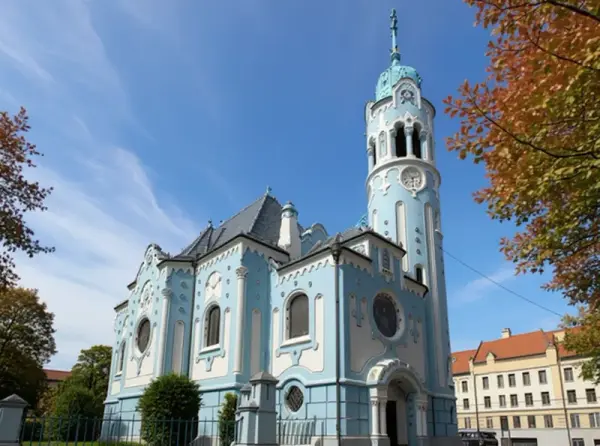
9. Blue Church (Church of St. Elizabeth / Modrý kostolík)
Church of St. Elizabeth / Modrý kostolík
A fairytale-like Secessionist church painted sky-blue, unique in Bratislava. Expect rounded mosaics, tiled roof details and a compact, photogenic interior.
Quick facts: A candy-blue façade and delicate ceramic tiles make the church feel like a fairytale confection, where tiny rose motifs and mosaics catch the light and draw your eye upward. Visitors often remark that the cozy interior's pale-blue hues and art-nouveau details create an unexpectedly intimate, almost theatrical atmosphere, and the tiled tower adds a playful vertical flourish.
Highlights: Step through the low arched doorway and your eyes are suddenly bathed in pale azurite, the interior tiled in over 1,000 glazed ceramic tiles and sinuous mosaics so dense that sunlight skitters across them like water. Each summer a quirky local ritual gathers exactly 12 choir students who kneel in the nave and gently tap tiny porcelain tokens against the tile while an organist sustains a single note, producing a bell-like shimmer you can taste as a warm metallic tang at the back of your teeth.
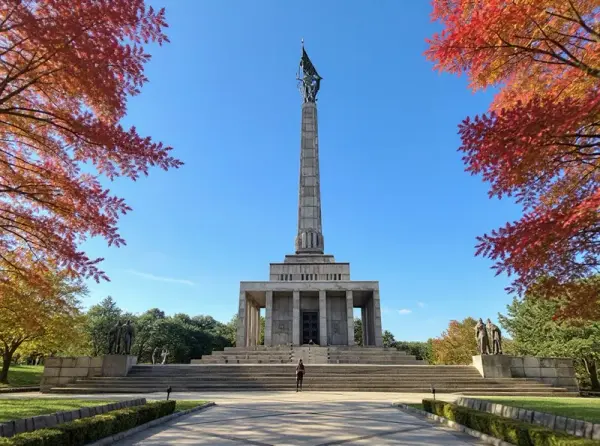
10. Slavín War Memorial (Slavín)
Slavín
A solemn World War II memorial with commanding views over Bratislava. Climb the hill for panoramic city and Danube photos and a quiet reflective space.
Quick facts: Catching sunlight on its bronze shoulder, a towering statue rises above a sweeping memorial plaza, guarding an ossuary that holds the remains of thousands of soldiers. Visitors climb broad stone steps to reach the platform, where the hush among neat rows of graves and the panoramic city views make the place unexpectedly somber and reflective.
Highlights: Beneath the soaring memorial rest the graves of hundreds of Soviet soldiers from World War II, and every April 4 families and aging veterans climb up to lay red carnations and wreaths, whispering names and polishing brass plaques. At golden hour the bronze figure glows burnished and warm, the air scented with cut grass and candlewax, and tour guides read names aloud so softly the voices blend with the breeze.
11. Medical Garden and Horský Park
The city's biggest green escape hides towering sequoias and quiet forest paths right behind the town hall. Wander under century-old trees, catch sunset views over the rooftops, then unwind on a grassy hill.
Quick facts: The combined green space spans roughly 22 hectares right in the middle of the city, giving residents a lung of old-growth forest without leaving town. More than a dozen rare tree species over a century old survive here, including giant sequoias and ginkgo trees.
Highlights: A century-old giant sequoia towers over the grass near the upper entrance, its bark smelling of cedar and vanilla after rain. Locals still call the adjacent avenue 'Bridle Path Hill', a leftover from the days when gentry rode horses there in the 1800s.
Where to Stay in Bratislava, Slovakia
Selected by City Buddy based on guest reviews and proximity to top attractions
Search all hotels in Bratislava, SlovakiaPowered by agoda
Opening days in Bratislava, Slovakia
Which of the top sights close on which day of the week — the classic trip-ruiner, checked for you.
Monday: 3 of 10 top sights closed — plan museums for another day.
Closed on Monday · 3 closed, 7 open
Opening days from Google Maps (checked 2026-09-13). Public holidays, strikes and seasonal hours can differ — check the official website before you go.
Traditional Sweet Dishes
trdelník
Trdelník is a spiral pastry roasted over an open flame, popular in Bratislava's markets where vendors coat it in sugar and crushed nuts for a warm, caramelized treat.
medovník
Medovník is a multilayered honey cake whose flavors meld and deepen with time, so it often tastes even better a day after it is baked.
Traditional Savory Dishes
bryndzové halušky
Bryndzové halušky pairs tiny potato dumplings with tangy bryndza sheep cheese and crispy bacon, it is so beloved in Slovakia that locals see it as a symbol of national culinary pride.
kapustnica
Kapustnica is a tangy sauerkraut soup studded with smoked sausage and dried mushrooms, traditionally served at Christmas to bring warmth and a sense of abundance to family tables.
Traditional Beverages
borovička
Borovička is a potent juniper-flavored spirit, often compared to gin but bolder, and Slovaks commonly sip it as an aperitif or raise it in lively toasts.
slivovica
Slivovica is a strong plum brandy that is often homemade and aged in wooden barrels, and gifting a jar of mature slivovica is a time-honored way to mark celebrations and family milestones.
Know before you go
What a day costs in Bratislava, and the rip-offs to avoid
Top rip-offs to avoid
- Unlicensed airport drivers. Walk to the official taxi rank outside and take a licensed taxi or book via an app. Agree on the fare before starting the ride.
- Old town exchange booths. Use bank ATMs or credit cards instead. If you need cash, compare the displayed buy rate against the official rate first.
- Pickpocketing in crowds. Keep bags zipped and in front of you, phones out of back pockets, and stay alert in dense crowds and on packed trams.
Fair taxi from the airport: €25 - €35
Cheaper option: Bus 61 to the main train station (Hlavná stanica), then tram into the centre (€1.10)
All scams, fair prices and rulesFrequently Asked Questions about Bratislava, Slovakia
What is the best time to visit Bratislava, Slovakia?
Is Bratislava, Slovakia expensive to visit?
How safe is the tap water in Bratislava, Slovakia?
How good is public transportation in Bratislava, Slovakia?
How many tourists visit Bratislava, Slovakia each year?
Get a PDF with the most popular attractions sent to your email
Get a PDF with all attractions, ratings, and tips. Perfect for offline use.
Most popular day trips
Vienna, Austria
Historic capital with museums, palaces and coffeehouse culture.
Trnava, Slovakia
Medieval town known for churches and a compact old town.
Devín (Devín Castle)
Ruined hilltop castle with views of the Danube and Morava rivers.
Pezinok / Modra (Small Carpathian wineries)
Wine-producing towns popular for tastings and cellar tours.
Brno, Czechia
Lively university city with architecture and restaurants.
Getting there
Airports
Train stations
International connections: Vienna, Prague, Budapest (EuroCity, Railjet, regional)
Regional and international services toward Austria and local suburban lines
From VIE use shuttle/FlixBus to Bratislava (45–75 min); from BTS take bus 61 to city center (~25 min).
Useful information for Bratislava, Slovakia
Overview for Bratislava, Slovakia
Compare Bratislava with other destinations
Prices, safety, weather and top attractions side by side, with a verdict for every kind of traveler.
Want a day-by-day plan for Bratislava, Slovakia? Open the trip planner
Plan your perfect trip to Bratislava, Slovakia
Get a complete travel plan built just for you in under 30 seconds, with daily routes, local food tips, budget estimates and more.
Are any of these especially important to you?
Select all that apply
Getting around
How do you want to move between places?
Plan language: English