 CityBuddy
 English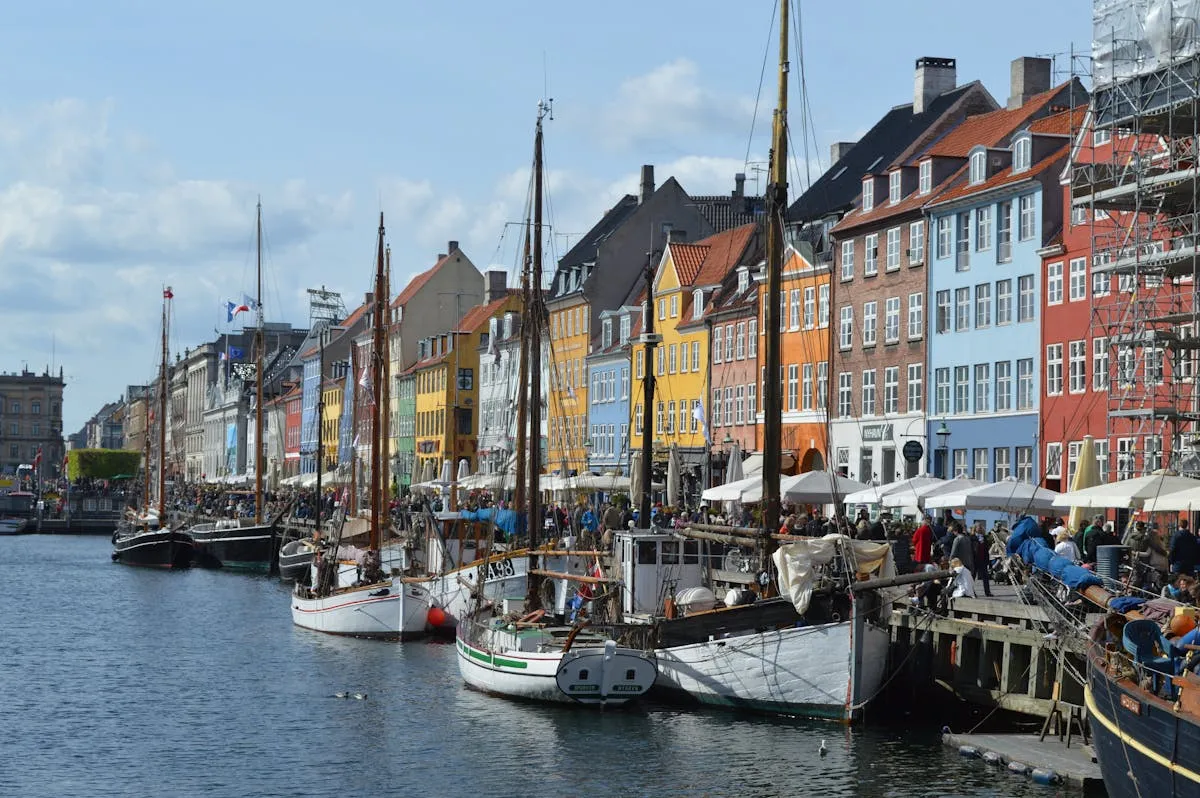
Things to Do in Stockholm, Sweden
Photo made by Pixabay on Pexels.com
When to visit
Stockholm is the #1 friendliest city to foreigners in the world, based on our data across hundreds of destinations.
Most popular attractions in Stockholm, Sweden
Top things to do in Stockholm, Sweden include exploring the cobblestone streets of Gamla Stan, the city's Old Town dating back to the 13th century. Visit the Vasa Museum to see a 17th-century warship that sank and was salvaged intact. Don't miss the Royal Palace, where you can witness the changing of the guard ceremony.
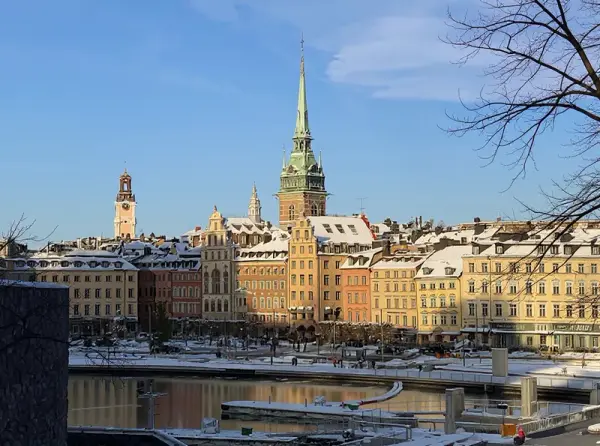
1. Gamla Stan (Stockholm Old Town)
Stockholm Old Town
Medieval heart of Stockholm with colorful facades and cobbled lanes worth exploring. Wander narrow alleys, browse boutique shops and cafes, and view the Royal Palace and Stortorget.
Quick facts: Narrow cobblestone alleys exhale roasted coffee and old paper, and ochre facades press close enough for passersby to overhear conversations from upstairs windows. Dozens of tiny museums and quirky boutiques cluster on a few winding streets, letting you hop from medieval architecture to contemporary craft within minutes.
Highlights: Duck into Mårten Trotzigs Gränd, the alley that squeezes to just 90 centimeters, where steep cobbles and narrow stone steps make every footstep sound like a whisper from the 17th century. As dusk falls the warm scent of cardamom buns spills from tiny bakeries, amber shop windows light the ochre façades, and behind a few heavy doors you can peer into vaulted 13th-century cellars with faded graffiti that feel like a secret you could reach out and touch.

2. Vasa Museum (Vasamuseet)
Vasamuseet
A spectacular 17th-century warship preserved in remarkable detail. Walk around the towering hull, explore recovered decks, and see original carvings and artifacts.
Quick facts: Walkways encircle a towering wooden warship, letting visitors stare up at dozens of carved figures and rows of iron cannon while light filters through the galleries. Conservation teams recovered thousands of everyday objects from the wreck, from children's toys to navigational tools, making the display feel like a frozen moment of life at sea.
Highlights: The 69-meter 17th-century warship sank on her maiden voyage in 1628 and was painstakingly raised in 1961 after Anders Franzén's search, now displaying more than 95 percent of its original oak hull and roughly 700 carved figures under warm lights that still carry a faint scent of tar. Conservators keep humidity and temperature so precise that painted angels' gold leaf is preserved, while school groups press their faces to the rail upstairs to whisper about a 17th-century musket ball still lodged in a beam.
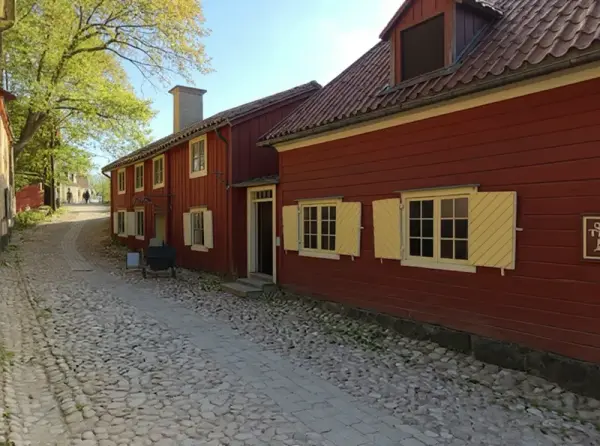
3. Skansen Open-Air Museum
Live Swedish history outdoors among relocated farms, craftsmen and Nordic animals. Wander cobbled streets, watch traditional crafts, and enjoy sweeping views over Stockholm.
Quick facts: Strolling past painted wooden cottages and buzzing artisan workshops you hear roosters and the hiss of iron stoves, making the past feel vividly alive. More than 150 historic buildings were moved to the museum grounds to recreate rural and urban life, and live demonstrations let you watch crafts from glassblowing to textile weaving.
Highlights: Wander among about 150 wooden houses moved here from across the country, and listen for the creak of old floorboards and the warm crackle of wood stoves while costumed artisans churn butter, weave baskets, and shave wooden spoons the way families did in the 1800s. Come back in June for the midsummer frolic where locals in embroidered folk costumes lift a painted maypole, sing call-and-response songs traced to 1891, and the air fills with the sweet smell of freshly baked buns and dill.
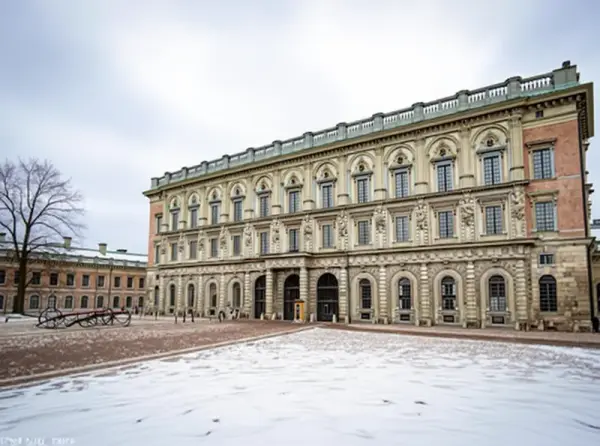
4. The Royal Palace (Kungliga Slottet)
Kungliga Slottet
See centuries of Swedish royal history in an ornate working palace. Tour the royal apartments, view the armory, and watch the Royal Guard change.
Quick facts: Glittering state rooms under massive chandeliers hold more than a million objects, offering you intimate, surprising glimpses into royal life. Stand on the sun-warmed courtyard during the changing of the guard; steady drums and immaculate drill formations make the ceremony feel remarkably immediate and theatrical.
Highlights: If you slip through the western courtyard at parade-time the Livgardet march past in bright blue uniforms, their metal helmets flashing in the cold light and the sound of brass so close you can feel it in your teeth. Staff will tell you a quirky old rule: palace cats used to be officially recorded on the household rolls and still get saucers of cream after state dinners, a tiny aristocratic ritual you can almost taste in the buttery air of the banquet hall.
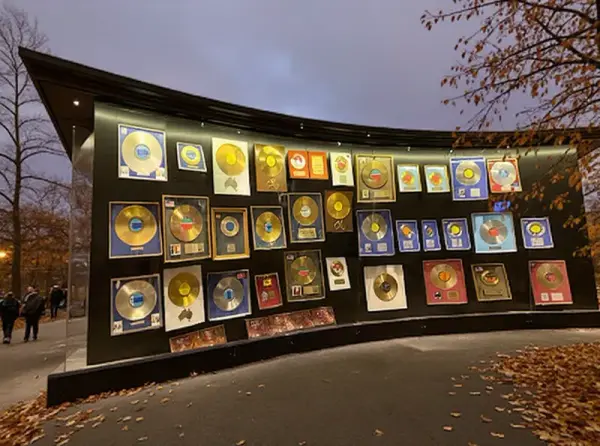
5. ABBA The Museum
Relive ABBA's pop phenomenon with original costumes and vibrant multimedia displays. Sing in interactive studios, step onto recreated stages, and trace the band's story.
Quick facts: Step into a kaleidoscope of sequined costumes and flashing stage lights, where interactive exhibits let you sing into replica microphones and record your own version of a global pop hit. Surprisingly, hidden archives and immersive audio booths reveal countless demo tapes and backstage stories, and a hands-on studio even lets fans compare their vocals to professional recordings.
Highlights: Slide onto a replica 1970s stage and sing "Dancing Queen" as motion-sensitive lights and a mirrored backdrop toss glittering reflections around you, while the exhibit blends your live voice with isolated backing tracks so you end up harmonizing with Agnetha, Anni-Frid, Björn, and Benny. Original handwritten lyrics, gold discs, and dozens of sequined costumes by Owe Sandström are displayed within arm's reach, and the museum, opened in 2013, even lets you record a short clip to take home so the roar of the crowd follows you out.
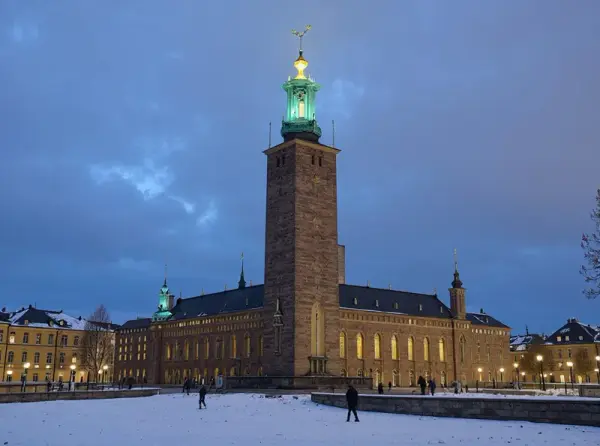
6. Stockholm City Hall (Stadshuset)
Stadshuset
Grand waterfront landmark where Swedish history meets striking architecture. Tour the Blue Hall and Golden Room, then climb the tower for panoramic city views.
Quick facts: Gilded crowns sparkle atop a tall brick tower, and a vast ceremonial hall becomes a hushed labyrinth of music and speeches during the Nobel Prize banquet. Curving staircases and glittering mosaics reveal surprising details, while 8,000 square meters of ornamented brickwork give the interiors a warm, tactile grandeur visitors love to photograph.
Highlights: Every December about 1,300 guests gather for the Nobel Banquet in the so-called Blue Hall, which is cheekily not blue at all but a warm, echoing room of red brick where silverware chimes against grand chandeliers. Upstairs the Golden Hall explodes in more than 18 million gold-glass mosaic tiles laid by Einar Forseth, and the 106 meter tower topped by three golden crowns glints over the water like a lighthouse you can almost hear creak in the breeze.
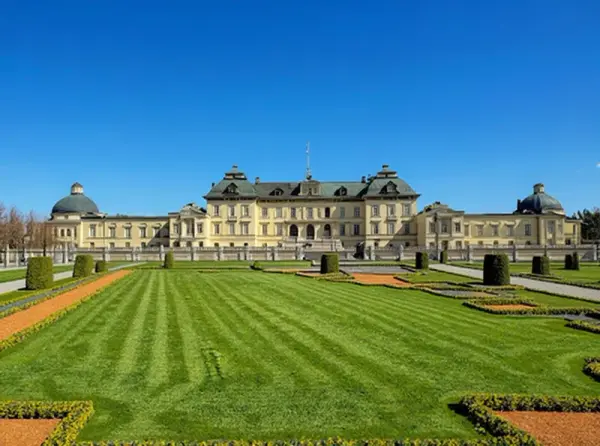
7. Drottningholm Palace
Royal baroque palace with lakeside gardens and a historic theatre. Explore opulent state rooms, formal gardens, and take a scenic ferry ride from central Stockholm.
Quick facts: Ornate gilt carvings and a lakeside silhouette combine with a richly preserved interior, where visitors can step into royal private rooms and a theatre still used for baroque performances. Gardens unfold in formal terraces and a long allée lined with lime trees, and the Chinese pavilion nearby offers a playful contrast of exotic color and tiny lacquered rooms.
Highlights: Step behind the gilded curtains and you can smell warm beeswax and hear the creak of 18th-century pine as an authentic stage machinery from 1766, designed by Carl Fredrik Adelcrantz, still lifts entire painted scenes with hand-cranked winches during live operas. Audiences still experience performances by candlelight and period instruments, and many say the hush after the final bow feels exactly like it did more than 250 years ago.
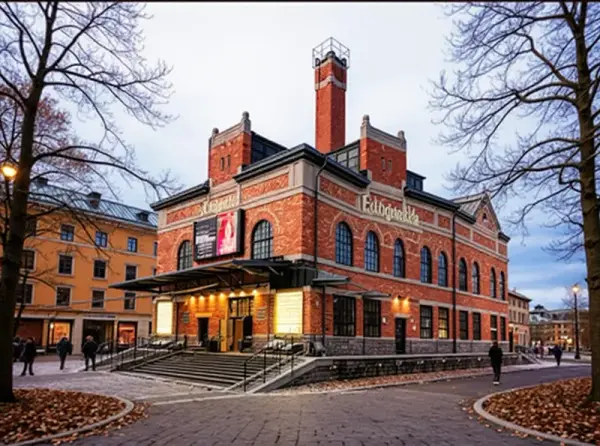
8. Fotografiska (Photography Museum)
Photography Museum
Striking contemporary photography in a converted industrial building by the water. Rotating exhibitions, a buzzy restaurant and rooftop views make for a sensory visit.
Quick facts: Sun-drenched galleries pulse with large-scale photo installations and rotating shows that draw more than half a million visitors annually, making contemporary photography feel lively and social. A buzzy café and acclaimed restaurant crown the top floor, serving seasonal Nordic dishes and skyline views that invite you to linger as long as the exhibitions.
Highlights: On weeknights the top-floor restaurant fills with the aroma of cardamom buns and rye-smoked gin cocktails, while massive black-and-white prints by photographers like Annie Leibovitz and Nan Goldin hang only a few meters from your table. A quirky late-night ritual invites visitors to add a Polaroid portrait to a communal wall, over 3,000 tiny images now form a tactile mosaic you can feel under your fingertips and smell faint traces of film emulsion.
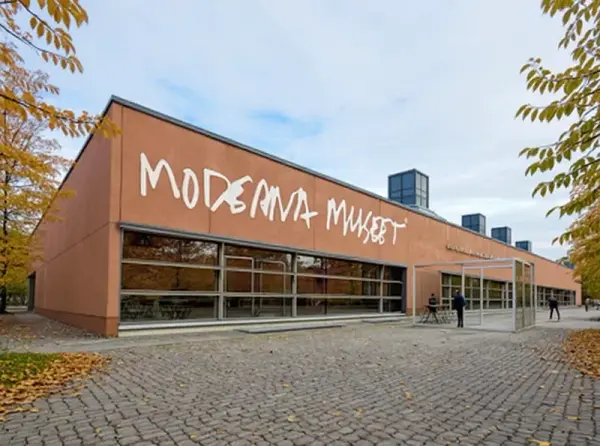
9. Moderna Museet (Museum of Modern Art)
Museum of Modern Art
World-class modern and contemporary art in a striking waterfront building. Rotating exhibitions, Swedish modernists, and airy galleries with sculpture and design.
Quick facts: Visitors often find themselves stepping into rooms where oversized sculptures and vivid canvases create a theatrical, almost cinematic atmosphere that changes with every turn. A rooftop sculpture garden and dynamic special exhibitions ensure you'll encounter both celebrated twentieth-century masters and sharp contemporary voices in a single afternoon.
Highlights: Rafael Moneo's 1998 glass-walled galleries flood the rooms with slanted daylight, making the blues in Picasso's canvases sing and the metallic sheen on a Dalí print pulse under your gaze. A curious local habit sees sketchbooks left anonymously on benches after the 5pm school run, you can flip through tiny graphite studies and find penciled notes dated back a decade, like paper fossils left by everyday visitors.
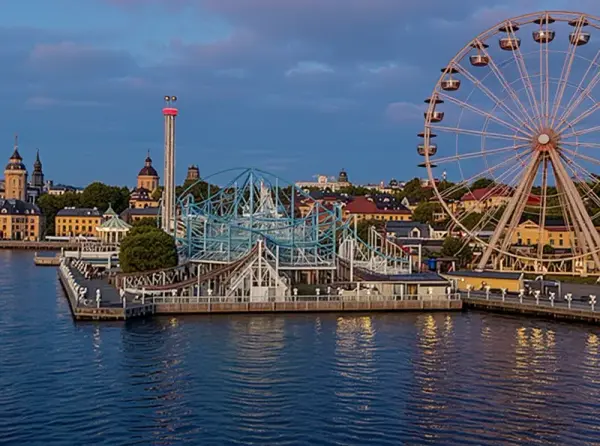
10. Gröna Lund (Amusement Park)
Amusement Park
Waterside amusement park blending vintage charm with adrenaline-pumping coasters. Expect skyline views, live concerts, and short walks between rides.
Quick facts: Neon lights and salt-tinged air mingle as compact, cliffside coasters deliver surprisingly long drops and ear-grabbing whoops. A tiny concert stage draws big-name bands, turning summer nights into buzzing open-air shows where picnic blankets and queuing fans mix.
Highlights: A compact seaside amusement park opened in 1883 squeezes about 30 rides into a narrow strip, where coaster cars whoosh past apartment windows and the harbor's salt tang drifts into the queue lines. The century-old Bergbanan wooden coaster, opened in 1923, still creaks as it snakes under old fairground lamps while nightly summer concerts let you get off a ride and hear a live band within minutes.
11. Junibacken
Ride a spinning railway through Sweden's favorite children's tales. Kids tear through a full-size Pippi house while parents relive their own childhood.
Quick facts: Roughly 500,000 visitors a year ride the story railway or dig through the reading hall's multilingual bookshelves. Walk-in characters and live puppet shows pop up daily, and the whole house is scaled to stretch and amuse short people.
Highlights: On the story railway, each carriage slowly pirouettes so riders face every hand-painted diorama straight on, from Pippi's messy veranda to a moonlit forest strung with real twinkling bulbs. The ride lands at a life-size Villa Villekulla, where kids can climb onto Pippi's actual bed and try on her enormous red shoes.
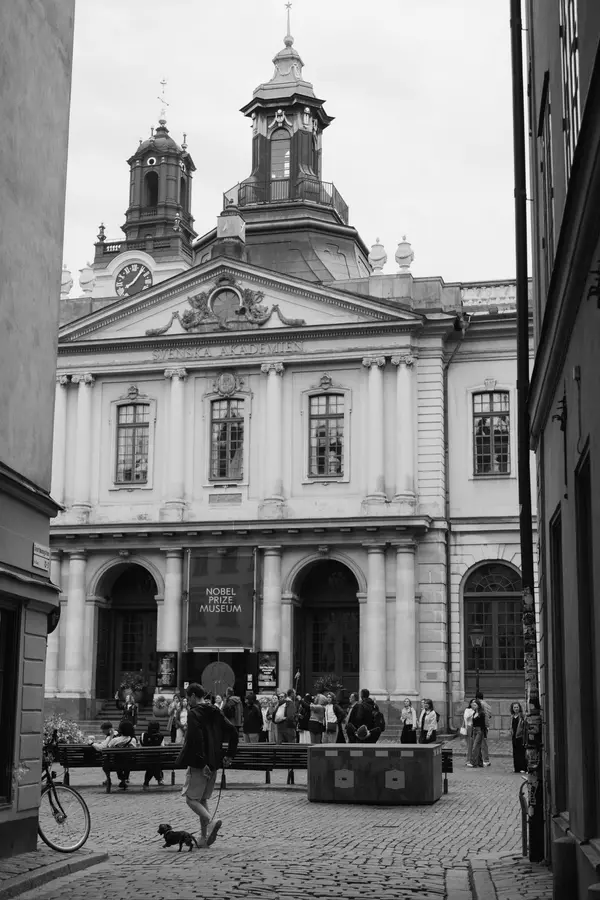
12. Nobel Prize Museum (Nobelmuseet)
Nobelmuseet
Walk beneath portraits of 900-plus laureates, then taste the banquet dessert. Meet scientists and peacemakers through letters and films in an hour or two.
Quick facts: More than 900 laureates have had their stories packed into one space since the galleries debuted in 2001, exactly a century after the first prizes. The bistro replates the actual awards-banquet dessert while roughly 350,000 people wander the halls each year.
Highlights: Motorized portrait banners glide along ceiling rails, so you can stand in place and watch a rotating parade of laureates drift overhead. The downstairs bistro plates the very same chocolate dessert served to this year's winners at the December banquet, a taste most visitors never expect to find in a museum cafe.
What to pre-book in Stockholm
These sell out or need a reservation. Book them first, in this order.
- 1.Vasa Museum (Vasamuseet)Book 3 days aheadA few days ahead in summer, same day possible off-peak Skip-the-line tickets
- 2.ABBA The MuseumBook 2 days aheadA few days ahead in summer peak season Check availability
- 3.The Royal Palace (Kungliga Slottet)Book a day aheadA day or two ahead in summer Skip-the-line tickets
Where to Stay in Stockholm, Sweden
Selected by City Buddy based on guest reviews and proximity to top attractions
Search all hotels in Stockholm, SwedenPowered by agoda
Opening days in Stockholm, Sweden
Which of the top sights close on which day of the week — the classic trip-ruiner, checked for you.
Monday: 4 of 13 top sights closed — plan museums for another day.
Closed on Monday · 4 closed, 9 open
Opening days from Google Maps (checked 2026-09-14). Public holidays, strikes and seasonal hours can differ — check the official website before you go.
Traditional Sweet Dishes
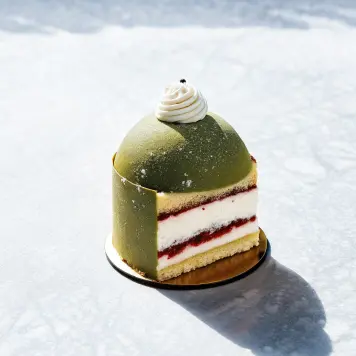
Prinsesstårta
Prinsesstårta's signature green marzipan dome was added to disguise a generous stack of sponge, jam, custard and whipped cream, and the cake was popularized in the early 20th century by cookbook author Jenny Åkerström and her royal pupils.
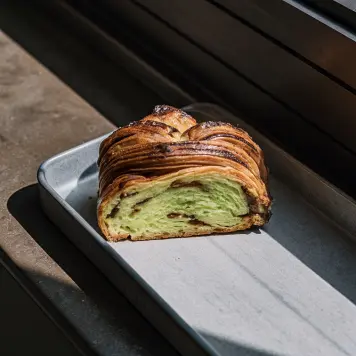
Kanelbulle
The kanelbulle is so beloved that Swedes celebrate Kanelbullens dag on October 4, and its warm cardamom and cinnamon aroma defines the atmosphere of Swedish cafés.
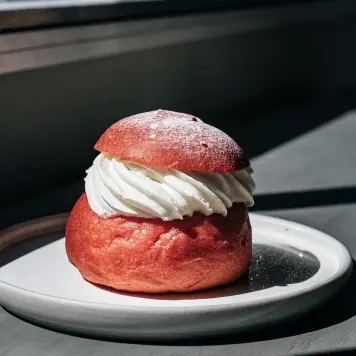
Semla
The semla is a cardamom bun filled with almond paste and whipped cream, it was originally eaten floating in hot milk on Fettisdagen as a rich pre-Lenten treat.
Traditional Savory Dishes

Meatballs (Köttbullar)
Swedish köttbullar are smaller and more delicately spiced than many other meatballs, they are traditionally served with creamy gravy and lingonberry jam, and their recipe was shaped by 18th century culinary influences.

Gravadlax
Gravadlax, literally 'buried salmon', got its name from the old practice of curing salted fish by burying it in the ground, and today it is served thinly sliced with a mustard-dill sauce called hovmästarsås.

Räkmacka
The räkmacka is a theatrical open-faced sandwich piled high with hand-peeled cold-water shrimp, often topped with egg, lemon and mayo, and it is the quintessential Swedish café showpiece.
Traditional Beverages

Glögg
Glögg is a spiced, hot mulled wine studded with almonds and raisins, it was once drunk to stretch scarce spices through winter and is now a core part of Swedish Christmas markets.
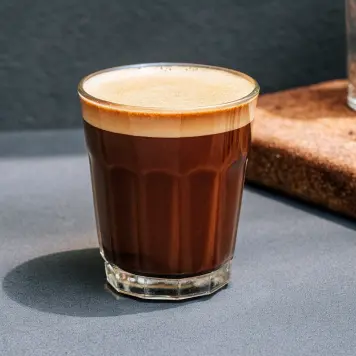
Fika coffee
Fika is the Swedish ritual of a coffee break with cake or buns, it is treated as a social institution that slows the day and levels hierarchies at work and at home.

Aquavit
Aquavit is a caraway or dill flavored spirit served ice-cold in small glasses during midsummer and festive snaps, and it is often accompanied by traditional drinking songs.
Know before you go
What a day costs in Stockholm, and the rip-offs to avoid
Cost per person per day
Frequently Asked Questions about Stockholm, Sweden
What is the best time to visit Stockholm, Sweden?
Is Stockholm, Sweden expensive to live in or visit?
How reliable is public transport in Stockholm?
Is the tap water safe to drink in Stockholm?
How many tourists visit Stockholm each year?
Get a PDF with the most popular attractions sent to your email
Get a PDF with all attractions, ratings, and tips. Perfect for offline use.
Most popular day trips
Vaxholm (Stockholm archipelago)
Gateway to the archipelago with fortress and sea views.
Mariefred (Gripsholm Castle)
Charming town with Gripsholm Castle by lake Mälaren.
Getting there
Airports
Train stations
SJ intercity, regional trains, SL commuter, Arlanda Express link
Commuter rail (Pendeltåg), metro connections
Use Arlanda Express (20 min) or commuter trains/airport buses; book in advance for best fares.
Useful information for Stockholm, Sweden
Overview for Stockholm, Sweden
Compare Stockholm with other destinations
Prices, safety, weather and top attractions side by side, with a verdict for every kind of traveler.
Want a day-by-day plan for Stockholm, Sweden? Open the trip planner
Plan your perfect trip to Stockholm, Sweden
Get a complete travel plan built just for you in under 30 seconds, with daily routes, local food tips, budget estimates and more.
Are any of these especially important to you?
Select all that apply
Getting around
How do you want to move between places?
Plan language: English