 CityBuddy
 English
Things to Do in Zürich, Switzerland
Photo made by Ryan Klaus on Pexels.com
When to visit
Most popular attractions in Zürich, Switzerland
Things to do in Zürich, Switzerland include strolling along Bahnhofstrasse, one of the world's most exclusive shopping avenues stretching 1.4 kilometers. Enjoy a scenic boat ride on Lake Zurich, offering expansive views of the Alps. Explore the Old Town (Altstadt), where narrow cobblestone streets reveal centuries of history and charm.
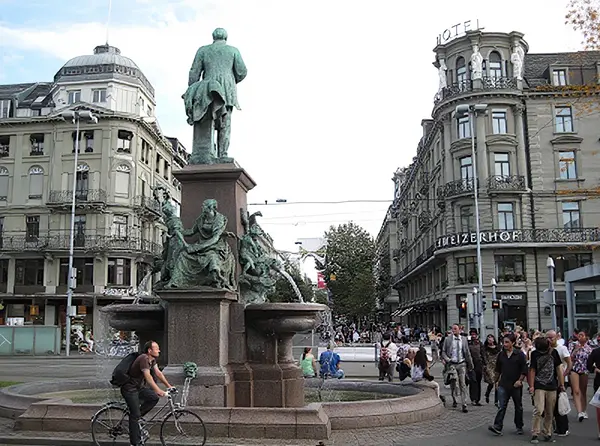
1. Bahnhofstrasse
Step into a world of luxury and Swiss charm. Watch the lively blend of historic elegance with modern shopping and street buzz.
Quick facts: Stretching nearly a mile, this street is one of Europe's most exclusive shopping avenues. It buzzes with elegant window displays showcasing everything from luxury watches to Swiss chocolates.
Highlights: Walking along the street, you can spot the delicate Linden trees lining the pavement, planted exactly to create a green canopy. Once a train station frontage, the street has turned into a parade of high-end boutiques and vibrant life around shimmering fountains.
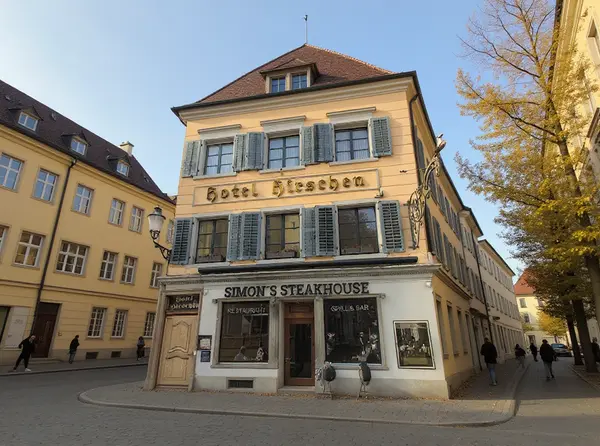
2. Old Town (Altstadt)
Altstadt
Explore winding cobblestone streets steeped in lively history. Experience bustling squares, quirky shops, and colorful medieval charm.
Quick facts: Narrow cobblestone streets wind through colorful medieval buildings, where centuries of history hum in the air. Quirky shops, cozy cafés, and hidden courtyards create a maze of charm that locals and visitors adore equally.
Highlights: Catch the lively street performances in the central square, where artists paint, juggle, and play, bringing vibrant energy to the historic setting. Look for the famous Zunfthaus zur Meisen porcelain facade, an unexpected splash of artistry amidst old-world architecture.
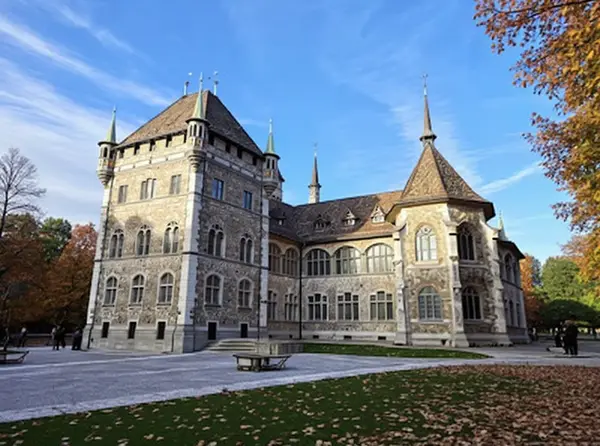
3. Swiss National Museum
Explore Switzerland's rich cultural heritage in an atmospheric castle setting. Experience captivating artifacts and immersive exhibitions that bring history to life.
Quick facts: The museum houses over 800,000 artifacts, ranging from medieval armor to folk art and Swiss watches. Its castle-like architecture features a striking copper roof and intricate towers, drawing curious eyes from across the city.
Highlights: Among its treasures, a 15th-century armory display includes real swords and suits of armor you can almost imagine being worn in battle. The historic building feels like stepping into a fairy tale, complete with stained glass windows that glow in the afternoon light.
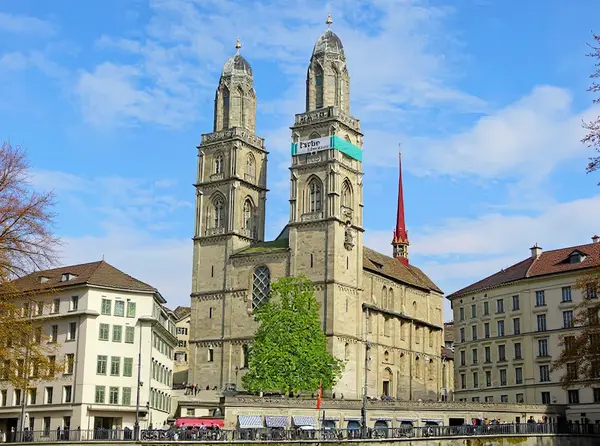
4. Grossmünster
Discover stunning views from historic towers towering over the city skyline. Explore vivid mosaics and climb narrow staircases for a breathtaking experience.
Quick facts: Twin towers rise prominently above the city, each reaching nearly 62 meters high. The church has connections to Charlemagne, with a legendary tale involving his horse and the founding of the site.
Highlights: Climbing the narrow stairs inside the south tower rewards visitors with a panoramic view spanning Lake Zurich and the Alps on clear days. Unique crypt mosaics and stained glass windows add a burst of color long hidden beneath centuries of history.
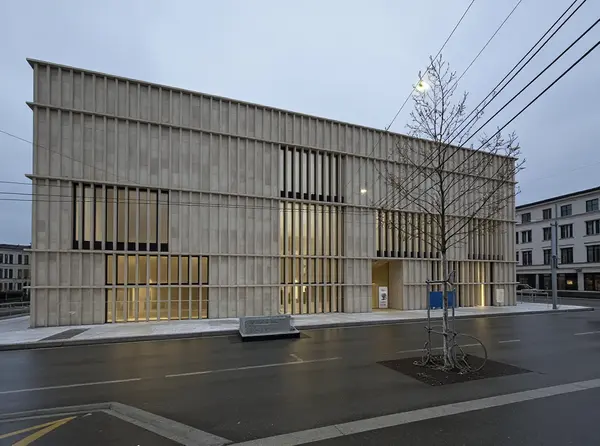
5. Kunsthaus Zurich
Explore an extraordinary collection spanning centuries of art. Encounter powerful sculptures and vibrant paintings that tell captivating stories.
Quick facts: Boasting one of the largest art collections in Switzerland, this museum showcases over 4,000 works from the Middle Ages to contemporary times. The impressive collection includes pieces by Alberto Giacometti and Marc Chagall, attracting art lovers globally.
Highlights: Visitors can marvel at the striking neo-classical and modernist architecture merging seamlessly, with a vibrant sculpture garden adding an immersive outdoor art experience. The museum’s unique Giacometti Gallery displays 14 sculptures in one room, offering an intimate encounter with the artist's profound expression of human figures.

6. Uetliberg Mountain
Catch breathtaking panoramas of Zürich and distant Alps. Experience a scenic climb and sunset picnic above the city.
Quick facts: Rising more than 800 meters above sea level, this spot offers the clearest panoramic views of Zürich and the Alps on a bright day. A popular day trip among locals, you can reach the summit by train within 30 minutes from the city center.
Highlights: The mountaintop lookout tower lets visitors climb 99 steps to a viewing platform with a 360-degree vista stretching over 10 mountain ranges and Zürich’s shimmering lake. A unique tradition here involves watching the sunset with a picnic while the city lights twinkle below.
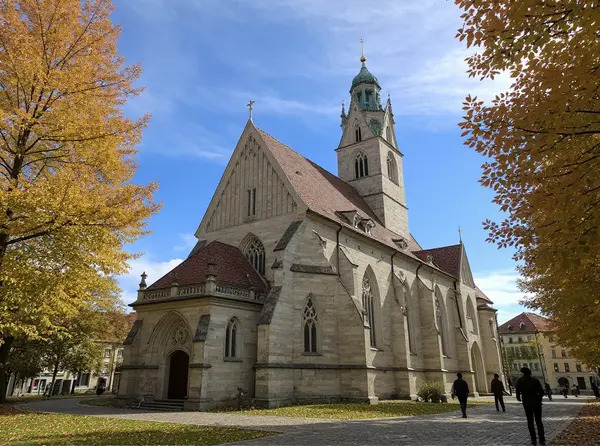
7. Fraumünster Church
Rich in art and history, this spot offers a captivating blend of spirituality and color. Visitors will marvel at dazzling stained glass and a striking medieval clock tower.
Quick facts: An iconic feature includes stunning stained glass windows by Marc Chagall, which add a vibrant splash of color to the church's serene interior. Its historical significance comes from once being the residence of powerful abbesses who ruled Zurich during the Middle Ages.
Highlights: Step inside to discover Chagall's blue, red, and green stained glass windows crafted in the 1970s, bathing the church in mystical light. A surprising medieval clock tower with an impressive mechanical clock face adds to the unique visual experience.
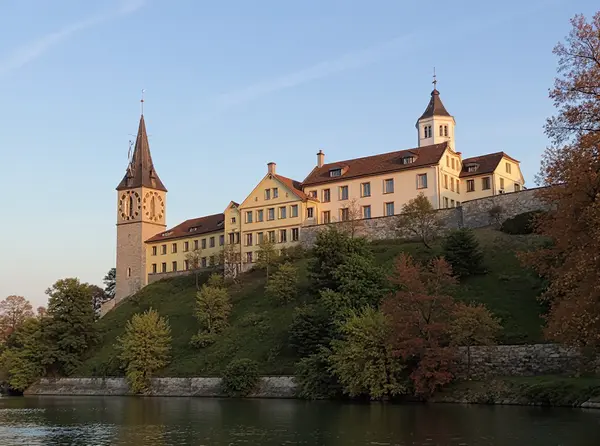
8. Lindenhof Hill
Escape to a tranquil hill with sweeping city views. Experience vibrant chess matches and centuries-old shade beneath towering lime trees.
Quick facts: Lindenhof Hill served as a Roman castle site, making it a key historic lookout point in the city. It crowns the old town with panoramic views over the Limmat River and Zurich's rooftops, blending nature with urban life.
Highlights: The peaceful Lindenhof Garden invites visitors to relax under ancient lime trees that locals cherish for shade and tradition. Chess players gather here on giant boards, making the hill a lively spot where history and daily Zurich culture meet.

9. Technorama Science Museum
Engage your curiosity with interactive science fun that captivates every age. Dive into hands-on experiments and mind-bending displays.
Quick facts: Over 500 interactive exhibits invite you to tinker, explore, and discover scientific principles with your own hands. The museum attracts around 250,000 visitors annually, many fascinated by its unusual focus on making science accessible and fun for all ages.
Highlights: One standout feature includes the full-scale replica of a quantum computer wave function visualization, a mesmerizing mix of light and movement that shows complex technology in a tactile form. Visitors can actually control many of the displays, like the physics experiment setups, creating a personalized learning adventure rarely offered anywhere else.
Where to Stay in Zürich, Switzerland
Selected by City Buddy based on guest reviews and proximity to top attractions
Search all hotels in Zürich, SwitzerlandPowered by agoda
Opening days in Zürich, Switzerland
Which of the top sights close on which day of the week — the classic trip-ruiner, checked for you.
Monday: 2 of 7 top sights closed — plan museums for another day.
Closed on Monday · 2 closed, 5 open
Opening days from Google Maps (checked 2026-03-11). Public holidays, strikes and seasonal hours can differ — check the official website before you go.
Traditional Sweet Dishes
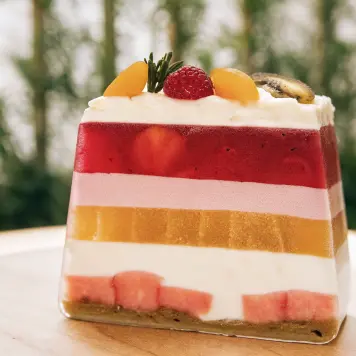
Zürcher Eintopf Dessert
This layered dessert resembles a sweet version of the traditional Zürcher Eintopf, combining fruits and creamy elements that highlight local flavors.

Luxemburgerli
These bite-sized macarons, created by the famous Confiserie Sprüngli in Zürich, are a symbol of Swiss pastry art and are enjoyed by locals and visitors alike.

Basler Läckerli
Although originating from Basel, these spiced honey cookies are very popular in Zürich, especially around Christmas, blending almonds, candied peel, and kirsch.
Traditional Savory Dishes

Zürcher Geschnetzeltes
A classic Zürich dish of sliced veal cooked in a creamy white wine sauce, often served with Rösti, it epitomizes the region’s love for rich and satisfying meals.

Rösti
Originally a farmer’s breakfast dish, Rösti is now a Swiss national favorite, made from grated and fried potatoes to a crispy golden brown, often accompanying meat dishes.

Saffron Risotto
This dish highlights the historic trade in saffron through Swiss regions, combining creamy risotto with the aromatic spice for a luxurious experience.
Traditional Beverages

Rivella
A unique Swiss soft drink made from milk serum, Rivella has a slightly tangy and refreshing taste and is widely consumed in Zürich.

Swiss Hot Chocolate
Zürich’s rich and creamy hot chocolate is famous worldwide, made from high-quality Swiss chocolate and often enjoyed during the cold months.

Apfelschorle
A popular thirst quencher, Apfelschorle is a sparkling apple juice mixed with mineral water, refreshing and widely favored in Zürich and beyond.
Frequently Asked Questions about Zürich, Switzerland
What is the best time to visit Zürich, Switzerland?
Is Zürich, Switzerland expensive for travelers?
How safe is Zürich, Switzerland for tourists?
How many tourists visit Zürich, Switzerland each year?
How do you get around Zürich, Switzerland?
Get a PDF with the most popular attractions sent to your email
Get a PDF with all attractions, ratings, and tips. Perfect for offline use.
Most popular day trips
Lucerne
Charming town with lakeside views and historic wooden Chapel Bridge.
Rhine Falls
Europe's largest waterfall offering spectacular views and boat trips.
Rapperswil
Known as the 'town of roses' with a medieval castle and lake promenade.
Appenzell
Picturesque village famous for traditional Swiss culture and hiking.
Getting there
Airports
Train stations
Intercity, EuroCity, Regional, S-Bahn
Take the direct train from Zurich Airport to Zurich Hauptbahnhof; ride takes about 10-15 minutes.
Useful information for Zürich, Switzerland
Overview for Zürich, Switzerland
Compare Zürich with other destinations
Prices, safety, weather and top attractions side by side, with a verdict for every kind of traveler.
Want a day-by-day plan for Zürich, Switzerland? Open the trip planner
Plan your perfect trip to Zürich, Switzerland
Get a complete travel plan built just for you in under 30 seconds, with daily routes, local food tips, budget estimates and more.
Are any of these especially important to you?
Select all that apply
Getting around
How do you want to move between places?
Plan language: EnglishMost popular itineraries for Zürich, Switzerland
Browse trip plans created by other travelers