 CityBuddy
 English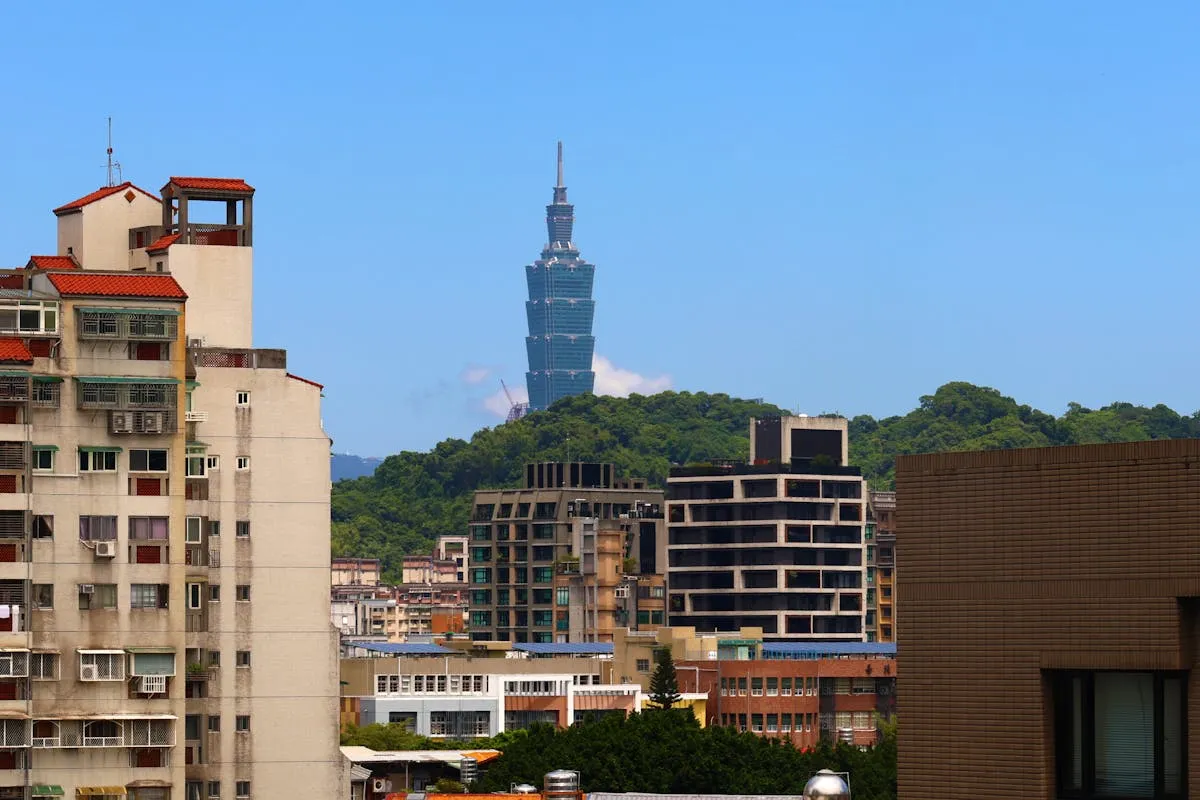
Things to Do in Taipei, Taiwan
Photo made by Sue Hsu on Pexels.com
When to visit
Taipei is the #5 safest city in the world, based on our data across hundreds of destinations.
Most popular attractions in Taipei, Taiwan
Things to do in Taipei, Taiwan include marveling at Taipei 101, one of the tallest buildings in the world with an observatory on the 89th floor. Explore the National Palace Museum to see over 700,000 pieces of Chinese artifacts. Don't miss the Chiang Kai-shek Memorial Hall, a grand monument surrounded by gardens.
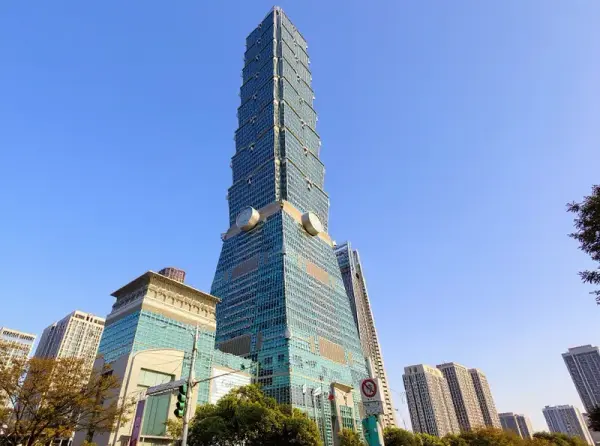
1. Taipei 101
A skyline icon with sweeping views above Taipei. Ride the high-speed elevator to the observatory and watch sunset over the city.
Quick facts: From the observation deck you can feel a subtle sway as a 660-ton tuned mass damper cushions wind and quake forces, the massive sphere visible through the glass adding a surprising industrial drama. Riding the elevators is a giddy thrill; they climb at about 60 km/h and reach the observation level in roughly 37 seconds, leaving the city rushing away beneath the windows.
Highlights: Behind a wall of glass on the 88th floor, a 660-ton tuned mass damper, a polished 5.5-meter steel sphere suspended by 41 cables, rocks like a slow metronome during typhoons and earthquakes, and you can hear the faint creak and see the room drift. Step into the glass elevator and you surge from the 5th to the 89th floor in about 37 seconds at 60.6 km/h, your ears pop and the skyline melts into a streak of lights.
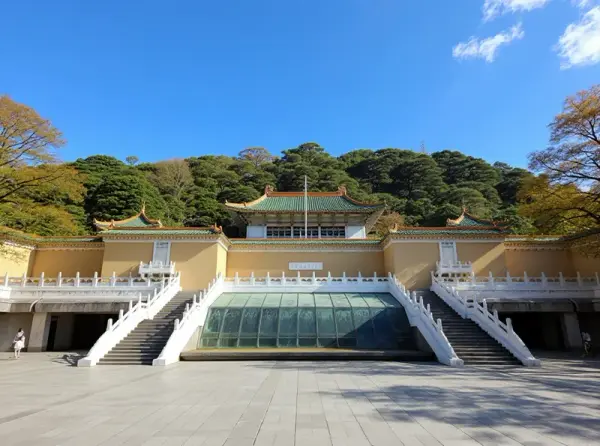
2. National Palace Museum
World-class collection of Chinese art spanning millennia, from jade to Song ceramics. Wander galleries, join a guided highlights tour, and relax in the courtyard garden.
Quick facts: Step into hushed galleries where over 600,000 jade, porcelain, and ink treasures shimmer under soft lights, their tiny brushstrokes and kiln marks rewarding close, patient viewing. A rotating exhibit schedule means you might stumble on imperial seals, miniature carvings, or scrolls that rarely travel, so every visit can feel like uncovering a secret.
Highlights: Walk up to the tiny, pale-green 'Jadeite Cabbage' and you'll spot a miniature locust and katydid tucked into the carved veins, the leaves standing about 18 centimeters tall yet carved with insect legs so fine they catch the light. Nearby the 'Meat-shaped Stone' shines like a lacquered slice of braised pork, its layered bands and glossy surface tricking your eyes and making many visitors laugh out loud.
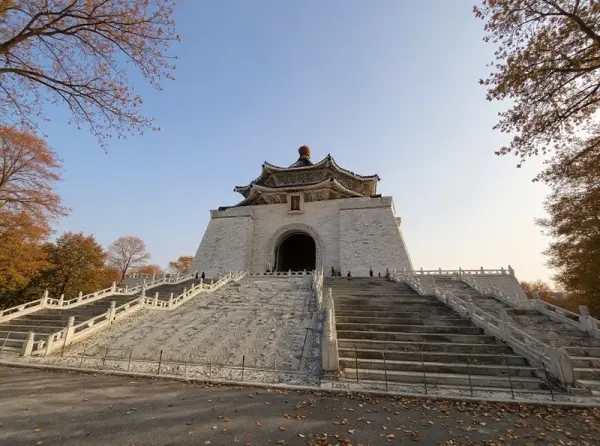
3. Chiang Kai-shek Memorial Hall
Iconic Taipei landmark with grand white-and-blue architecture. Watch the hourly guard change, browse the museum, and stroll Liberty Square.
Quick facts: A thunderous hourly changing of the guard draws crowds, the precise choreography and imposing bronze statue create a surprisingly cinematic moment. Visitors remark on the vast marble plaza and striking white-and-blue color scheme, where the echoing vaulted hall and manicured gardens make the space feel both monumental and unexpectedly peaceful.
Highlights: Every hour on the hour a perfectly timed guard change plays out beneath the cobalt roof, boots snapping and drums punctuating the air so sharply that tourists fall into silence and children press their noses to the balustrade. At sunset the marble hall blazes a warm ochre while the reflecting pool flips the whole scene into mirror-image, the smell of frying scallion pancakes drifting across the plaza and making the place feel alive rather than solemn.
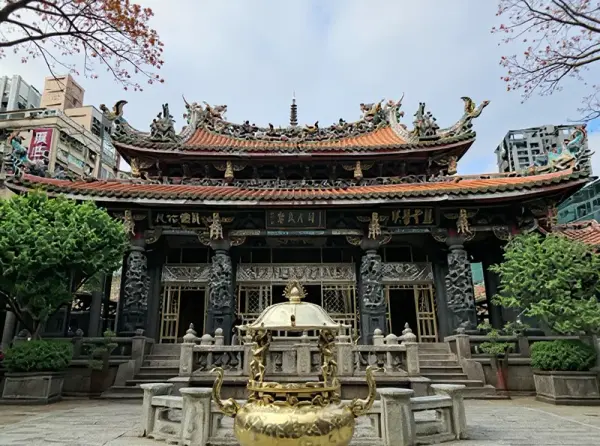
4. Longshan Temple
Longshan Temple combines ornate Qing-era architecture with lively ritual life, a window into Taiwanese folk religion. Walk incense-filled halls, watch ceremonies, and explore Wanhua's heritage streets.
Quick facts: Incense smoke curls through ornately carved halls, while dragon pillars and painted beams reward close-up inspection. Crowds toss coins, light incense, and knot prayer ribbons, believing whispered wishes might usher in good fortune.
Highlights: Founded in 1738, the temple breathes with thick, honeyed incense and the sharp clack of two crescent-shaped jiaobei blocks as devotees toss them for yes-or-no answers, the wooden echoes ricocheting under lacquered beams and carved dragons. Press a coin into the warm bronze of a guardian and you'll feel a smooth, polished divot from centuries of palms, and local lore says a single fortuitous jiaobei toss once warned worshippers of a 1945 bombing.
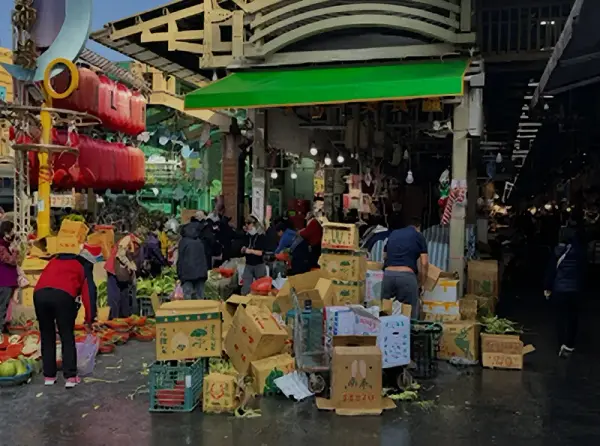
5. Shilin Night Market
A foodie and shopping paradise for adventurous eaters and bargain hunters. Wander endless stalls serving bubble tea, oyster omelet, fried chicken and quirky souvenirs.
Quick facts: Neon signs and sizzling woks guide you through a maze of hundreds of stalls, where the smell of stinky tofu and the rattle of arcade games hit every sense at once. Vendors push giant fried chicken cutlets and scallion pancakes that sometimes draw lines over a hundred people, turning midnight snacking into a full-on local pastime.
Highlights: Follow the smell of five-spice and frying oil and you'll find a Hot-Star stall where the signature fried chicken is pounded paper-thin, fried until the crust crackles, and served on a paper bag roughly 15 centimeters across. After midnight veteran vendors still gather under red lanterns to trade NT$100 palm readings, a quirky ritual where readers scribble tiny characters on slips of paper and gossip about exam results like old friends.
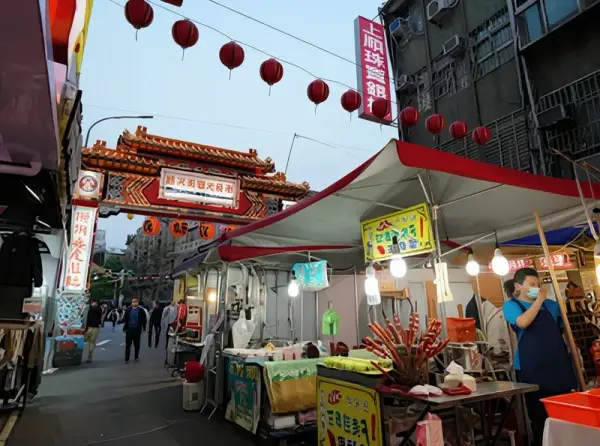
6. Raohe Street Night Market
Packed with iconic Taiwanese street food and buzzing local energy. Expect sizzling snacks, colorful stalls, and lively evening crowds.
Quick facts: Steaming, peppery buns crackle with hot juices at the stalls, sending fragrant smoke into the night and tempting long, hungry queues. Lantern-lit alleys host well over a hundred vendors, turning late-night snacking into a lively, sensory marathon of scent, sound, and neon.
Highlights: Walk under strings of red lanterns and you'll be hit by the sweet char of caramelized sugar and five-spice as a vendor shoves pepper pork buns into a cylindrical clay oven, the crust popping and hissing while a line commonly snakes 30 people deep at peak hours. Locals have a quirky habit of tearing off a corner of a sesame mochi to share with a friend before eating, a tiny ritual that turns every purchase into an instant, noisy communion: you'll hear chopsticks clacking, laughter, and people swapping bites like trading cards under neon.
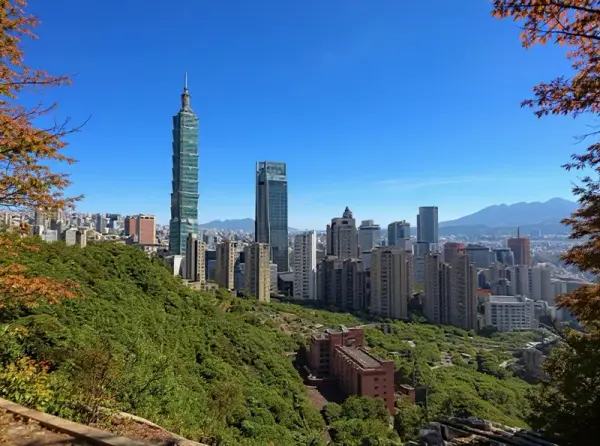
7. Elephant Mountain (Xiangshan)
Xiangshan
Panoramic Taipei 101 and city skyline views from a short, steep trail. Expect stairs, lookout platforms, and golden-hour photos.
Quick facts: Sweat and exhilaration meet on a narrow staircase of about 600 stone steps, where layered lookout platforms reward the breathless with sweeping, glittering city panoramas. Golden-hour crowds and eager photographers stake out the best ledges, chasing the electric glow as the skyline shifts from warm pinks to twinkling blues.
Highlights: Climb the steep stone staircase of roughly 600 steps to a ridgeline perch that frames a 101-story skyscraper like a tiny model among a sweep of orange city lights, and at golden hour the air fills with the click of camera shutters and the warm scent of roasted chestnuts from street vendors below. Local photographers often arrive up to 60 minutes early to stake out one of about five favorite platforms with tripods, a low-key ritual of taped footprints and friendly bargaining over perfect angles that turns sunset into a communal countdown.
8. Yangmingshan National Park
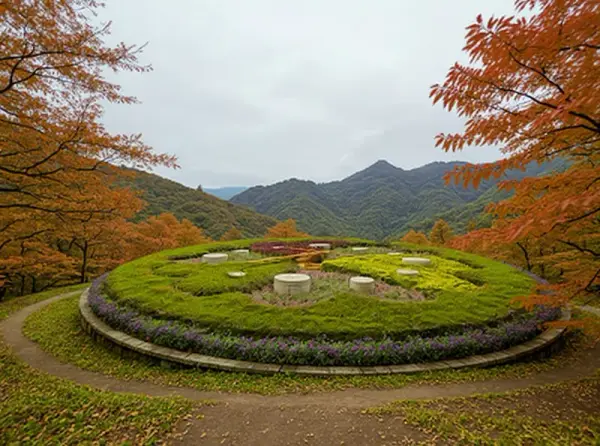
Volcanic peaks, hot springs and alpine flower fields minutes from Taipei. Expect steaming fumaroles, grassy meadows, short mountain hikes and seasonal blooms.
Quick facts: Misty trails release a mineral tang as steaming fumaroles and bubbling hot springs punctuate fields of bright cherry and azalea blooms. Hikers can loop short crater trails to find panoramic ridgelines and rare volcanic landscapes, where cool forests sit alongside warm geothermal vents.
Highlights: Steam hisses from fumaroles at Xiaoyoukeng, where mineral-streaked rocks and a sulfur tang make the air taste metallic, a raw reminder that you're standing on one of the seven volcanoes of the Datun range. On sunny weekends families spread checkered blankets on Qingtiangang's windswept grassland, nibbling warm 'hot-spring eggs' bought from vendors near Lengshuikeng while chrysanthemums and azaleas paint the slopes in pinks and whites.
9. Beitou Hot Springs (Beitou Thermal Valley & Beitou Hot Springs Museum)
Beitou Thermal Valley & Beitou Hot Springs Museum
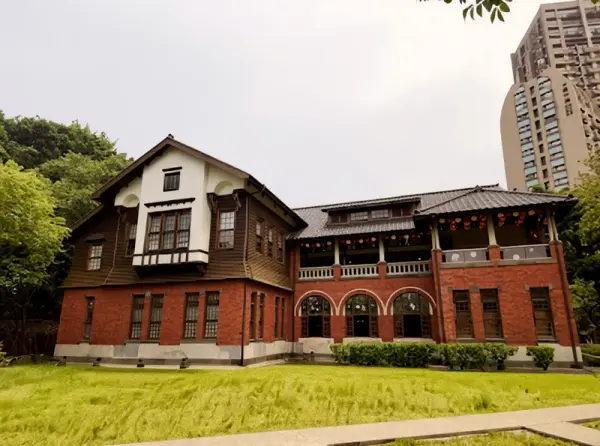
Steam rises over emerald pools, a rare geothermal spectacle in Taipei. Walk Thermal Valley and visit the museum for history, dramatic views, and hot-spring culture.
Quick facts: Steam curls from a milky turquoise pool that smells faintly of sulfur, and temperatures often hover close to boiling as minerals streak the water vivid green. Exploring a restored public bathhouse reveals vintage wooden tubs, interactive exhibits on bathing rituals, and a surprising glimpse into how hot-spring culture shaped everyday life.
Highlights: Stand close to the steaming pool and you'll smell sharp sulfur, see milky turquoise water hovering around 80°C, and watch thin steam curl up while the ground quietly hisses like a hidden kettle. Inside the century-old public bathhouse built in 1913, original wooden tubs and Japanese-era tiles are on display, and a local habit lives on where people crack eggs cooked in the hot spring vents and eat them warm as they stroll the gardens.
10. Tamsui Old Street & Fort San Domingo
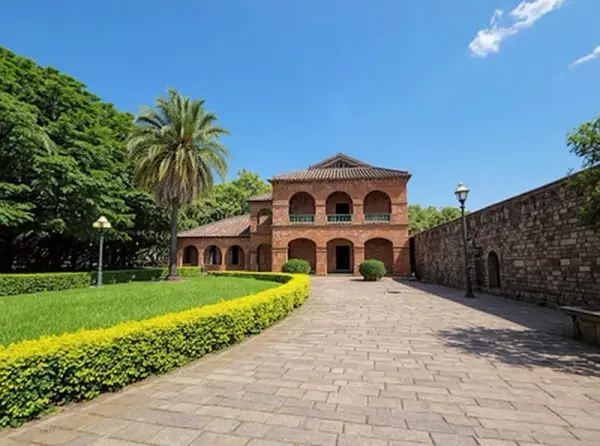
Riverside charm and colonial history meet at Tamsui Old Street and Fort San Domingo. Stroll food alleys, climb the fort for river views, and watch the sunset.
Quick facts: Sea breezes and the smell of grilled snacks lure visitors through a lively waterfront market where narrow alleys brim with teahouses, street-food stalls, and nostalgic souvenir shops. Perched above the estuary, a weathered red-brick fort reveals layered colonial-era stories through exposed stonework, preserved rooms, and a surprisingly photogenic sunset viewpoint.
Highlights: On the waterfront market you can snag A-gei for about NT$40, bite into iron eggs stewed until deep mahogany that squeak against your teeth, and follow the tang of five-spice and soy as vendors fry fishballs in bubbling vats. A short climb up to the red-brick fort built in the 17th century rewards you with uneven stone steps, shuttered windows and a windswept rampart where colonial-era plaques tell stories of Spanish and British hands while the sunset paints the river copper.
11. National Taiwan Science Education Center
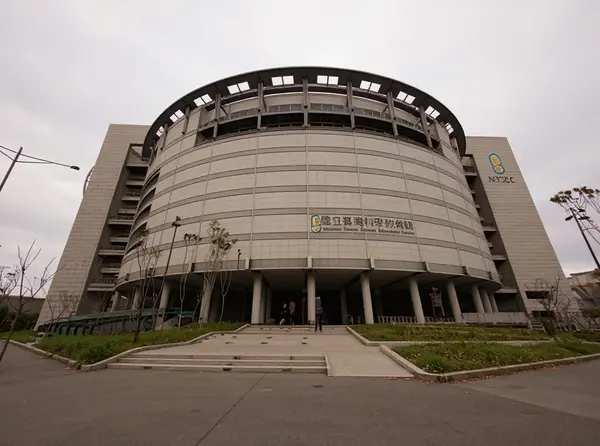
Hands-on science exhibits and a large planetarium that spark curiosity. Interactive labs, family demos, and rotating exhibitions await.
Quick facts: Hands-on galleries invite you to push, spin, and test real scientific principles, turning abstract ideas into playful experiments. Optical illusions and motion installations fill the rooms, and some sound exhibits make the floor hum beneath your feet.
Highlights: Slip into the dome theater and watch a narrated starfield wrap overhead, the projected constellations blurring into streaks of light as the sound system swells. At weekend live demos you can feel static electricity crackle and see plasma glow electric-blue mere inches from a gloved hand, a sensory jolt that surprises even regular visitors.
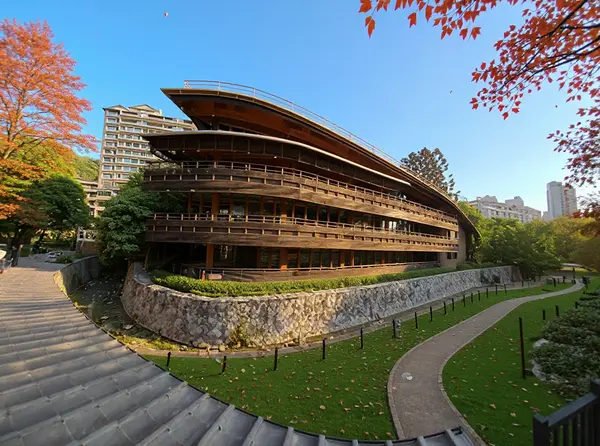
12. Beitou Public Library
A timber library in Beitou Park, famed for eco-friendly Japanese-style design. Vaulted wood interiors, cozy nooks, and a riverside balcony await.
Quick facts: Sunlight pours through deep, north-facing windows into warm wood-clad reading rooms, making the space feel more like a cozy cabin than a typical public library. Energy-efficient features and wide timber beams reduce glare and noise, while circulation paths curve around a central atrium where natural light gathers.
Highlights: In a quiet corner, a loft seating about 20 people offers the strong cedar scent of the timber, and rain on the wooden eaves sounds like soft percussion during monsoon evenings. Local visitors often bring takeaway tea to sip while reading, and the wooden floors creak gently underfoot, adding a tactile soundtrack that makes browsing feel intimate and slow.
What to pre-book in Taipei
These sell out or need a reservation. Book them first, in this order.
- 1.Taipei 101Book a day aheadA day or two ahead, especially on weekends Skip-the-line tickets
- 2.National Palace MuseumBook a day aheadA day ahead, busier on weekends and holidays Skip-the-line tickets
Where to Stay in Taipei, Taiwan
Selected by City Buddy based on guest reviews and proximity to top attractions
Search all hotels in Taipei, TaiwanPowered by agoda
Opening days in Taipei, Taiwan
Which of the top sights close on which day of the week — the classic trip-ruiner, checked for you.
Monday: 6 of 16 top sights closed — plan museums for another day.
Closed on Monday · 6 closed, 10 open
Opening days from Google Maps (checked 2026-09-29). Public holidays, strikes and seasonal hours can differ — check the official website before you go.
Traditional Sweet Dishes
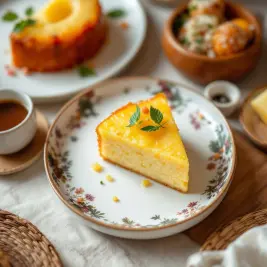
Pineapple cake
Pineapple cake is often given as a good-luck gift because the Taiwanese Hokkien word for pineapple sounds like 'prosperity arrives', so the buttery pastries symbolize fortune and new beginnings.
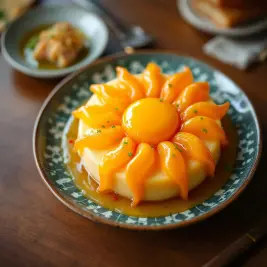
Sun cake
Sun cake gets its sunny name from a glossy, sweet malt filling that used to look like a shining sun, and travelers commonly buy them as a popular souvenir.
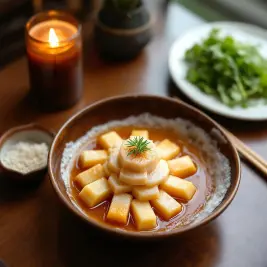
Douhua
Douhua, or tofu pudding, can be served sweet with ginger syrup or savory with soy and pickles, making it a versatile street-food comfort that appears at breakfast and night markets alike.
Traditional Savory Dishes
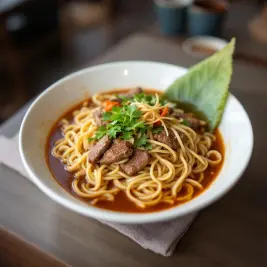
Beef noodle soup
Beef noodle soup is so beloved in Taiwan that shops hold annual competitions, and some cooks simmer the broth for up to 12 hours to build its deep, savory richness.
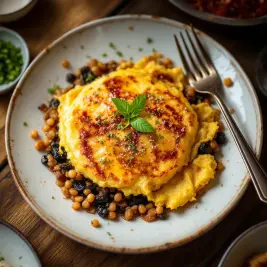
Oyster omelette
Oyster omelette pairs briny fresh oysters with a chewy sweet-potato-starch batter, and night markets finish it with a tangy, sweet sauce that people line up for.
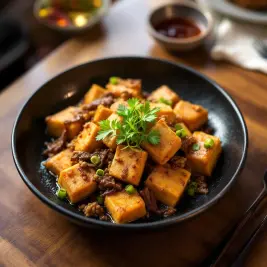
Stinky tofu
Stinky tofu smells famously pungent from fermentation, but deep-frying crisps the outside and the contrast with pickled cabbage turns it into a cult favorite among adventurous eaters.
Traditional Beverages

Bubble tea
Bubble tea was created in Taiwan in the 1980s when tapioca pearls were dropped into milk tea, and its playful textures and endless customizations helped it spread around the world.
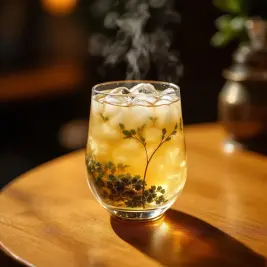
Oolong tea
Taiwanese oolong, especially high-mountain varieties, is prized for its floral aroma and layered flavors, and it is often brewed in a traditional gongfu style to reveal changing notes across multiple infusions.

Taiwan Beer
Taiwan Beer often incorporates locally grown rice in its lager recipe, giving it a lighter body, and its green-bottled pilsners have become an iconic taste of Taiwan.
Know before you go
What a day costs in Taipei, and the rip-offs to avoid
Cost per person per day
Top rip-offs to avoid
- Unlicensed airport touts. Walk to the official metered taxi rank at the arrivals curb. Ignore anyone approaching you with a fixed price offer.
- Poor-rate exchange booths. Use bank ATMs or official bank exchange counters. Check the rate online first and always confirm total TWD received before handing over cash.
- Fake monk donations. Give only inside official temple donation boxes. Decline anyone selling blessed items on the street.
Fair taxi from the airport: 1,100 NT$ - 1,400 NT$ (€31 - €39)
Cheaper option: Taoyuan Airport MRT (Express train) to Taipei Main Station (160 NT$)
All scams, fair prices and rulesFrequently Asked Questions about Taipei, Taiwan
Is Taipei, Taiwan safe for travelers?
How many days should I spend in Taipei, Taiwan?
What is the best time to visit Taipei, Taiwan?
Is Taipei, Taiwan expensive for travelers?
How to get around Taipei, Taiwan?
Get a PDF with the most popular attractions sent to your email
Get a PDF with all attractions, ratings, and tips. Perfect for offline use.
Most popular day trips
Pingxi / Shifen
Old railway towns known for sky lanterns and waterfalls.
Taichung (via THSR)
Vibrant city with museums, night markets, and parks.
Taroko Gorge (Hualien)
Spectacular marble gorges, hiking and coastal scenery.
Getting there
Train stations
TRA (regional), Taipei MRT; HSR connection via station
TRA, Taiwan High Speed Rail (Nangang HSR), Taipei MRT
From Taoyuan use the MRT (A line) or airport buses to downtown.
Useful information for Taipei, Taiwan
Overview for Taipei, Taiwan
Want a day-by-day plan for Taipei, Taiwan? Open the trip planner
Plan your perfect trip to Taipei, Taiwan
Get a complete travel plan built just for you in under 30 seconds, with daily routes, local food tips, budget estimates and more.
Are any of these especially important to you?
Select all that apply
Getting around
How do you want to move between places?
Plan language: EnglishMost popular itineraries for Taipei, Taiwan
Browse trip plans created by other travelers
3-Day Relaxed Family Adventure in Taipei with Nature and Culture
A comfortable 3-day spring trip to Taipei balancing family-friendly attractions, nature outings, local food explorations, and cultural insights with a relaxed pace.
5-Day Taipei Adventure for Nature & Culture Enthusiasts
Explore Taipei's vibrant mix of nature, hidden gems, local eats, and rich culture with hikes, secret spots, food tours, and captivating history.