 CityBuddy
 English
Edinburgh, United Kingdom
Photo made by The Row Dental on Pexels.com
When to visit
Attractions in Edinburgh, United Kingdom
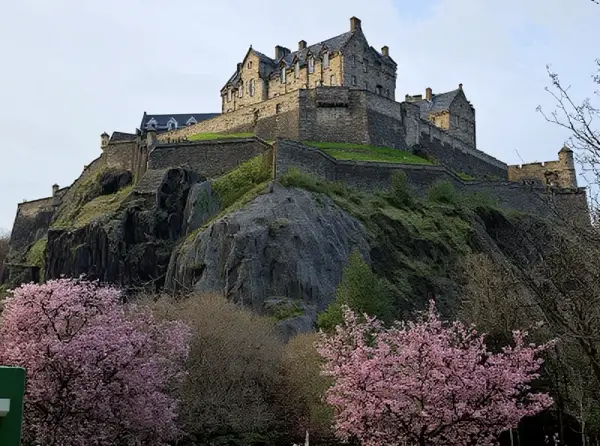
1. Edinburgh Castle
Quick facts: From the volcanic rock summit, a daily cannon blast at one o'clock rolls across the skyline, giving visitors a thrilling sense of the site's military past. Visitors discover narrow stone passages, a surprisingly spacious great hall, and a jewel-like crown among the exhibits, making the place feel like a living-history film set.
Highlights: At 13:00 each day a cannon known as the One O'Clock Gun booms out across the city, a practice kept since 1861 that leaves a faint tang of gunpowder on your clothes and makes the cobbles thrum underfoot. On the ramparts a hulking 15th-century bombard called Mons Meg, with a 20-inch calibre, sits like medieval heavy metal, its pitted muzzle and iron bands hinting at the thunderous stone shot that once rattled windows.
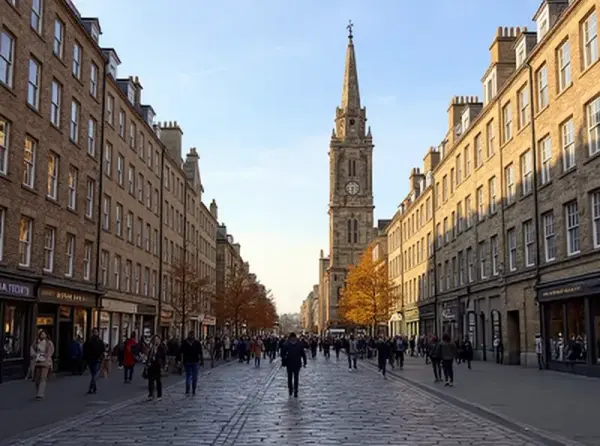
2. Royal Mile
Quick facts: A steep, atmospheric promenade where cobblestones echo with footsteps and buskers, revealing a surprising mix of stately façades, narrow closes, and tiny hidden courtyards. Visitors can climb vantage points for panoramic skyline views, sample smoky whisky notes in atmospheric pubs, and discover museums tucked into ordinary doorways.
Highlights: A roughly one Scots-mile stretch, about 1.8 kilometers long, sits on uneven cobbles and is flanked by narrow, named closes whose stone steps and soot-darkened doorways still smell of coal smoke and frying oatcakes. Many passersby stop at the black-mosaic Heart of Midlothian outside St Giles' to spit, touch, or kick the tile, a vulgar ritual born from contempt for the old tolbooth that locals have kept alive for centuries.
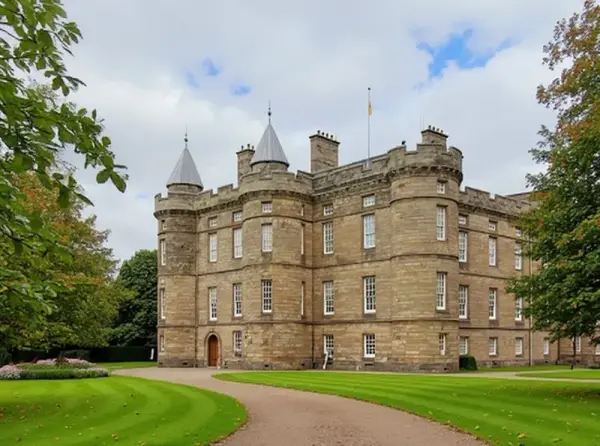
3. Palace of Holyroodhouse (Holyrood Palace)
Quick facts: Stone walls and ceremonial state rooms glow with gold leaf and tapestries, giving visitors a vividly tactile sense of courtly ceremony while ruined abbey arches peek into the clipped gardens. Whispered stories about a turbulent 16th-century queen linger in the private chambers, and the rooms still host official royal ceremonies and visiting heads of state.
Highlights: Step into the Great Gallery and your eye is immediately caught by 96 near life-size oil portraits of Scottish kings, each draped in crimson and ermine and painted in the 17th century so the room feels like a glittering roll call of rulers beneath a gilt ceiling. In the Queen's bedchamber you can still feel the hush of 1566 when the murder of David Rizzio was carried out in front of Mary, Queen of Scots, a story people quietly tell while tracing the creak of old floorboards and the faint smell of beeswax on the sash windows.

4. Arthur's Seat (Holyrood Park)
Quick facts: Craggy summit rewards hikers with sweeping panoramic views across city rooftops and the coastline, while pockets of exposed basalt and grassy terraces reveal a dramatic volcanic past. Sunrise walkers often finish a loop in 30 to 90 minutes, and keen-eyed visitors may spot peregrine falcons or wildflower-rich ledges along the paths.
Highlights: A steep 30-minute scramble from the old town delivers you to an extinct volcanic summit 251 meters high, where basalt crags and pockets of gorse fill the air with a sharp, salty tang and the wind carries the distant cry of gulls. Ruined earthworks near the top are the faint remains of an Iron Age hillfort, proof that people have been staking out that skyline for over 2,000 years, and on clear mornings sailboats on the firth glint like coins below.
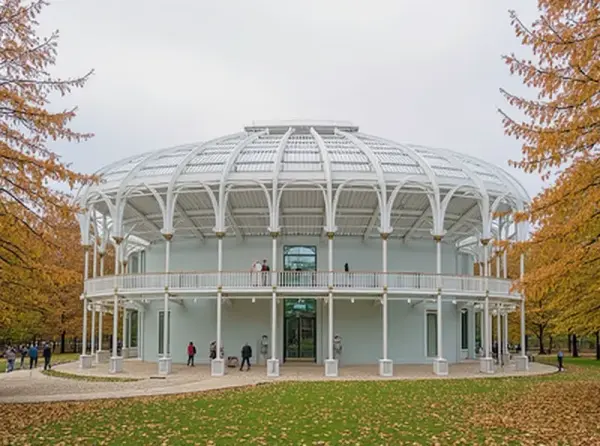
5. National Museum of Scotland
Quick facts: Step into a soaring glass-roofed gallery where a jumble of objects, from ornate silver to towering skeletons, sparks unexpected connections. Hands-on displays coax curiosity, letting you prod Victorian inventions and peer through microscopes, and free admission means deep dives into quirky science and social history are delightfully easy.
Highlights: Step into the Life gallery and you can stand two metres from Dolly, the sheep cloned in 1996, watching the chilled glass reflect the fine tufts of her wool and the small stitched scar at her flank. Conservation staff confess they nicknamed her after Dolly Parton because the original cell came from a mammary gland, a cheeky detail that still makes visitors grin when a guide mentions it.
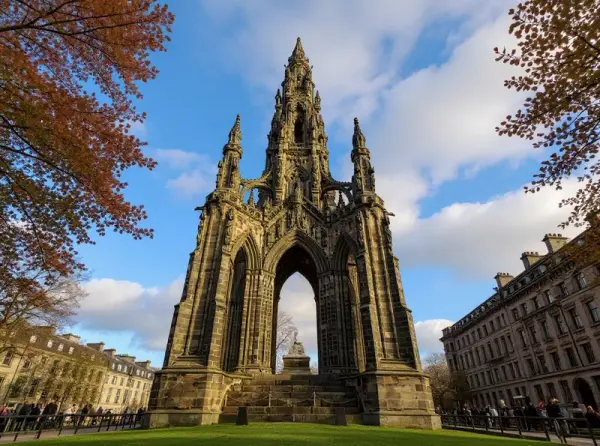
6. Scott Monument
Quick facts: A soaring Gothic spire hides a dizzying climb of 287 narrow steps, leading to tiny viewing platforms where close-up stone carvings and city views feel surprisingly intimate. Many visitors are stunned by how Victorian ornamentation and shadowy alcoves make the interior feel like a secret vertical cathedral worth the effort.
Highlights: You can climb 287 narrow spiral steps up the gothic spire, the stone underfoot worn smooth and the wind through tiny windows roaring like a distant organ while you peer out across the rooftops. A seated marble statue of Sir Walter Scott by Sir John Steell broods in a shadowed alcove, and the base is crowded with carved characters and grotesques that look like they were plucked from a Victorian storyteller's imagination.

7. Calton Hill
Quick facts: Climb the grassy slope to a skyline of neoclassical columns, where sunsets turn stone to gold and photographers linger. More than a dozen listed monuments crowd the summit, and frequent gatherings add a surprising dose of music, protest, and local life.
Highlights: Climb the short, grassy slope and you'll feel the ground vibrate when the iron time ball atop the Nelson Monument drops at exactly 1pm, a Victorian gadget installed in 1853 to help ship captains set their chronometers. At sunset the half-built Parthenon columns of the National Monument, begun in 1826, frame the city like a ruined stage as gulls wheel and the wind carries the salt and coal tang from the distant firth.
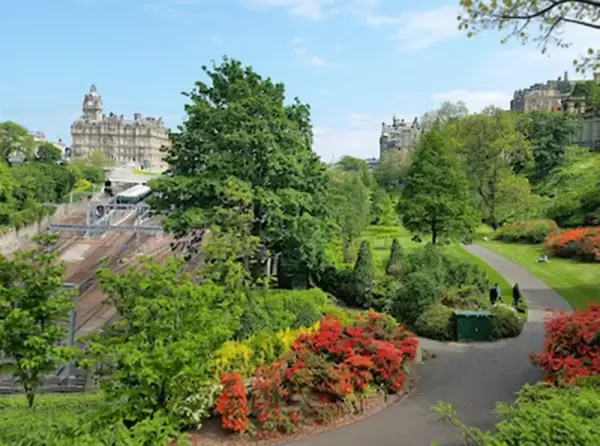
8. Princes Street Gardens
Quick facts: Strolling along the central lawn rewards you with dramatic skyline views and the warm mix of cut grass and coffee from nearby cafés. You’ll often find buskers, impromptu picnics, and seasonal light shows that draw evening crowds and photographers.
Highlights: Beneath the lawns the old Nor Loch was drained in the early 1800s, and the cut terraces still trap the damp loam scent after rain and a soft, hollow echo when a pebble drops. Every spring a floral clock planted in 1903 is replanted with tiny perennials arranged into bright numerals you can read from the street, and people lean over the balustrade to smell thyme and lobelia up close.
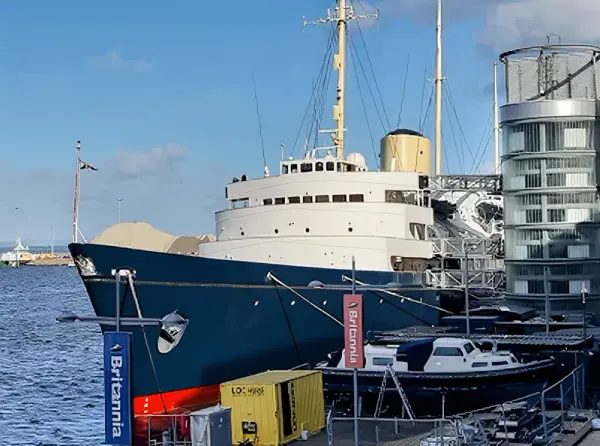
9. Royal Yacht Britannia
Quick facts: Step aboard and feel the warm teak underfoot, while polished brass and original royal bedrooms offer an unusually intimate peek behind palace doors. Friendly guides share charming anecdotes about official dinners and the compact engine room that kept the vessel humming on long state voyages.
Highlights: Commissioned in 1954 and decommissioned in 1997, she served the royal family for 43 years and her teak decks still smell sharply of beeswax and briny sea air when you walk across them. Crew members could switch from laying out a glittering state banquet using silver engraved with the royal cipher one evening to serving simple porridge to the watch the next morning, a tiny, oddly domestic contrast that always surprised visiting dignitaries.
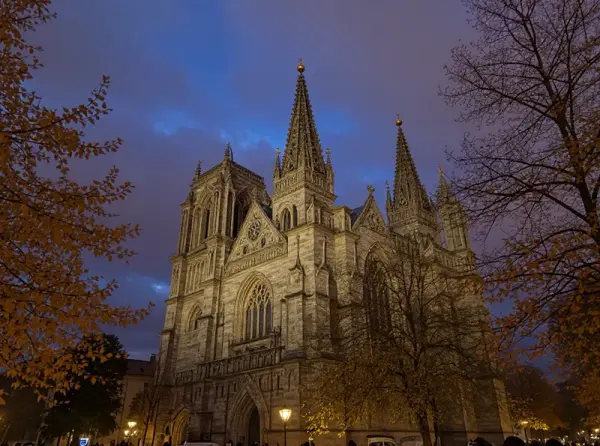
10. St Giles' Cathedral
Quick facts: Step inside and your eyes are drawn to a crown-shaped spire and jewel-toned stained glass that splashes color across the cool stone. Look closer and you'll find the Thistle Chapel's intricately carved wood and marble effigies, a quiet trove of heraldry and craftsmanship that turns casual visits into discoveries.
Highlights: Inside, a jewel-like chapel designed by Sir Robert Lorimer and completed in 1911 houses 16 carved oak stalls for the Knights of the Order of the Thistle, each stall blazing with painted heraldic shields and a gold-leafed ceiling that glints when sunlight slips through the medieval-style windows. Outside the main entrance a worn, heart-shaped cobble still draws people who spit or rub it in a cheeky local tradition, the damp, gritty patch and the murmur of passing feet making the custom feel oddly alive.
Traditional Sweet Dishes
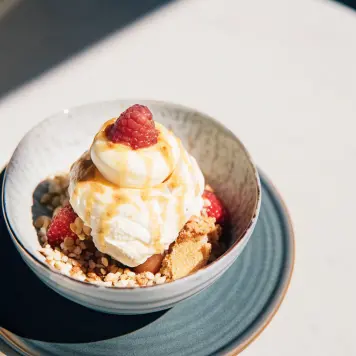
Cranachan
Cranachan began as a rustic harvest pudding of toasted oats, whipped cream, honey and raspberries, and a splash of Scotch whisky later made it an indulgent signature of Scottish desserts.
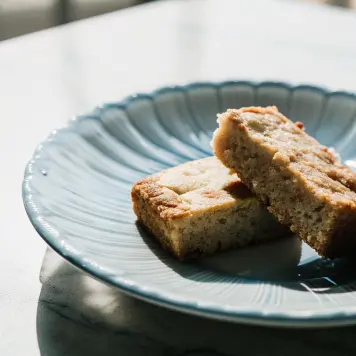
Shortbread
Shortbread traces back to medieval Scotland where rich, buttery biscuit dough was baked into crumbly slices, and it became a ceremonial treat at weddings and Hogmanay.
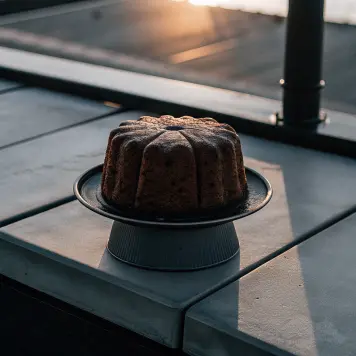
Dundee cake
Dundee cake was popularized by Keiller's of Dundee in the 19th century, its crown of whole almonds hiding a light, citrus-scented fruit cake that traditionally excludes candied peel.
Traditional Savory Dishes
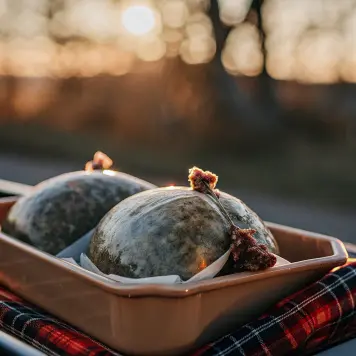
Haggis
Haggis combines minced sheep heart, liver and lungs with oats and spices inside a casing, and its bold, peppery taste has made it the iconic centerpiece of Burns Night celebrations.

Scotch broth
Scotch broth is a hearty, ancient staple of barley, root vegetables and lamb, simmered until thick and comforting, perfect for warming households through long Scottish winters.
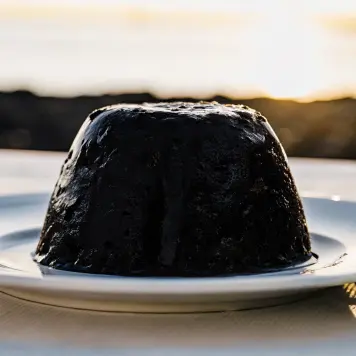
Black pudding
Black pudding is a blood sausage made with pork blood and oats or barley, prized in Scotland for its firm texture that crisps to a savory, iron-rich bite when fried.
Traditional Beverages

Scotch whisky
Scotch whisky must be distilled and matured in Scotland for at least three years in oak casks, and those casks, plus regional peat and water, give it the wide range of smoky, fruity and malty flavours.

Irn-Bru
Irn-Bru is a neon-orange, slightly metallic and fiercely beloved soft drink from Scotland, its unique flavour and cheeky 'made from girders' marketing earned it near-legendary status as the nation's other national drink.

Ale
Scottish ale covers styles from light session beers to robust 'wee heavy' malts, and its long brewing tradition favours rich, malty profiles that showcase caramel and roasted notes.
Send attractions to your email
Get a copy of these attractions in your inbox.
Day trips
Stirling
Historic castle and Wallace Monument with Stirling Old Town.
Google MapsSt Andrews
Home of golf, medieval university and coastal ruins.
Google MapsNorth Berwick
Seaside town with beaches, seabird colony and Bass Rock views.
Google MapsLoch Lomond (Balloch)
Scenic loch with hiking, boat trips and Highland views.
Google MapsComments (6)
Buy a day bus pass and use Lothian Buses, tap contactless to avoid queues. Much cheaper than cabs and buses run late into the evening.
Old city charm everywhere, the pubs and live music made the trip. Expect showers, a waterproof jacket saved me. 3 nights was enough.
Avoid restaurants right on the Royal Mile, walk a few streets to Grassmarket or head to Leith for better seafood and fairer prices.
Cobblestones are lovely but my knees hated them, and central cafes jack up prices near tourist spots. Early mornings are nicest.
Great for a long weekend, museums are compact and walkable. Add a day trip to the coast if you like quieter scenery.
Getting there
Train stations
LNER (East Coast Main Line), ScotRail, Caledonian Sleeper
ScotRail regional services, commuter connections
From Edinburgh Airport take the tram or Airlink 100 bus to Waverley; about 30 minutes.
Click to get eSim for Edinburgh, United Kingdom
The easiest and most affordable way to get mobile internet wherever you travel.