City BuddyCityBuddy
Slovenčina
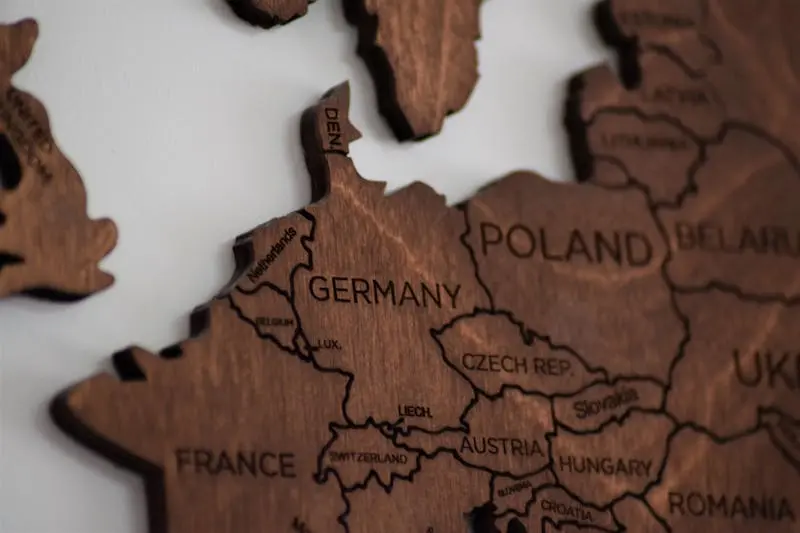
Detailed wooden map of Europe highlighting countries like Germany and Poland.

3-Dňové Nemecko pre Milovníkov Prírody a Kultúry

⛰️Turistika a príroda🏛️Kultúra a história💎Skryté poklady a miestne miesta
3 dnisummer

Objavte Nemecko ako ho nepoznáte - od majestátnych hradov a gotických katedrál až po skryté lesné chodníky, horské výhľady a autentické miesta, kde sa mieša história s divokou prírodou.

Načítavam

Doprava po meste

Prvý deň v Bavorsku najľahšie zvládnete kombináciou vlaku a prechádzky: z Füssenu jazdí autobus 73 priamo k zámku Neuschwanstein a na Zugspitze vás vyvezie zubačka z Garmisch-Partenkirchenu, cesta trvá približne 45 minút. Druhý deň v Čiernom lese využite regionálne vlaky z Tribergu do národného parku, turistické chodníky sú na pešo najlepšie. Tretí deň v Berlíne použite S-Bahn linku S7 a U-Bahn U5 medzi Brandenburskou bránou a Ostrovom múzeí, do Treptower Parku sa dá dopraviť na bicykli popri Spréve. Na kratšie presuny si stiahnite Free Now alebo Bolt, taxík stojí približne 2,5 eura za kilometer.

Rozpočet

$306Celková suma cesty · $102 za deň

Kde sa dnes ubytovať

Hotel v oblasti Füssen (historické centrum priamo pod hradom Neuschwanstein) $60-90/night

Blízko k hradu aj k vlakovej stanici, ideálne pre presuny po Bavorsku.

Search hotels in this area
Kde sa dnes ubytovať

Bed & Breakfast v oblasti Titisee-Neustadt (dedinka pri jazere Titisee v srdci Schwarzwaldu) $50-70/night

Odtiaľto máte blízko k vodopádom, hikingovým trasám aj farmárskemu trhu v mestečku.

Search hotels in this area

Kde sa dnes ubytovať

Hostel v oblasti Mitte (centrálna štvrť plná pamiatok, reštaurácií a nočného života) $20-40/noc (hostel) / $60-90/noc (hotel)

Odtiaľto máte všetky dnešné aktivity pešo na dosah, od Brandenburskej brány až po Hackescher Markt.

Search hotels in this area

Tradičné jedlá a nápoje, ktoré musíte ochutnať

Čo si objednať v Germany, so zaujímavosťou ku každému

Tradičné slané jedlá

Bratwurst

Bratwurst

Every region guards secret spice blends for bratwurst, and Nuremberg locals famously eat theirs three to a bun in a tradition called 'Drei im Weggla.' Bratwurst variety is a point of pride, with tiny local sausages and coarse country styles both celebrated.

Sauerbraten

Sauerbraten

Sauerbraten is made by marinating beef in a tangy mix of vinegar and spices for several days, which began as a preservation method before refrigeration. Regional twists like adding gingerbread in the Rhineland turn the roast into a sweet and sour centerpiece.

Schnitzel

Schnitzel

Schnitzel is thin meat coated in breadcrumbs and fried until golden, and although Wiener Schnitzel must be veal under Austrian law, Germans commonly use pork for everyday schnitzel. It is a versatile dish that welcomes toppings from mushroom sauce to a squeeze of lemon to change the whole flavor.

Tradičné sladké jedlá

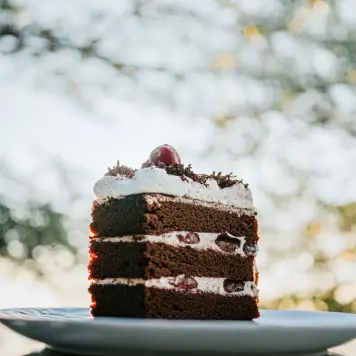
Black Forest cake

Black Forest cake

Black Forest cake hides a splash of clear cherry brandy called kirsch between its layers, which gives the dessert a boozy lift. Its name honors the Black Forest region and the local sour cherries, not the trees.

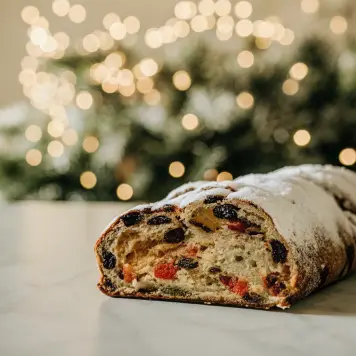
Stollen

Stollen

Stollen was once taxed for its rich butter and fruit, and bakers fought for special exemptions to keep the Christmas tradition alive. The loaf's powdered sugar coating and oblong shape are said to symbolize the swaddled baby Jesus, which made it a festive staple.

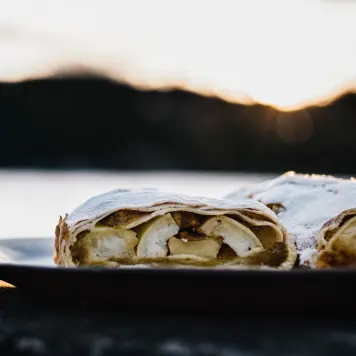
Apfelstrudel

Apfelstrudel

Apfelstrudel uses paper-thin pastry that some bakers stretch so finely you can almost read newsprint through it, showcasing incredible dough skill. The technique was influenced by Central European and Ottoman pastries, linking a humble apple filling to centuries of pastry craft.

Tradičné nápoje

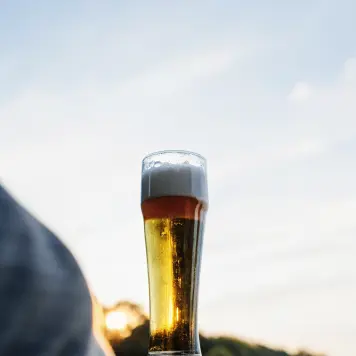
Beer

Beer

Germany's Reinheitsgebot of 1516 limited beer to water, barley, and hops, which helped create a culture of precise brewing and many regional styles. Today Germany hosts thousands of breweries, each fiercely proud of local varieties and seasonal brews.

Glühwein

Glühwein

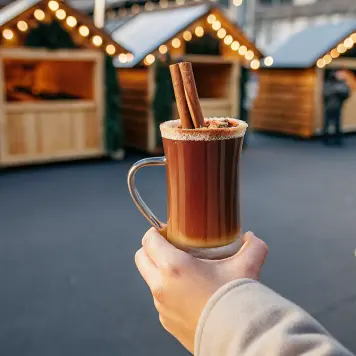
Glühwein is spiced hot wine sold at Christmas markets, and the warm aroma of cloves and cinnamon is the signature winter scent of German towns. Vendors often customize cups with extra spirits or citrus, making each mug a little different.

Schnapps

Schnapps

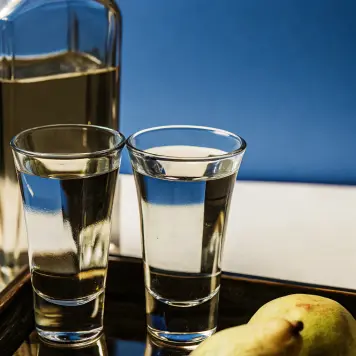
Schnapps in Germany usually means clear fruit brandy, distilled from fermented fruits like plums, pears, or cherries and served in small glasses for toasts. Local home distilling traditions produced countless flavors, with many villages or families guarding secret recipes.

Exportovať vašu cestu

Get your trip plan as a PDF with maps and a CSV spreadsheet.

Stiahnuť PDF

Vybraté na základe blízkosti k atrakciám vášho itinerára a recenzií hostí

Search all hotels in Germany

Powered by agoda

Vytvoriť ďalší plán cesty