 CityBuddy
 Suomi
Suomi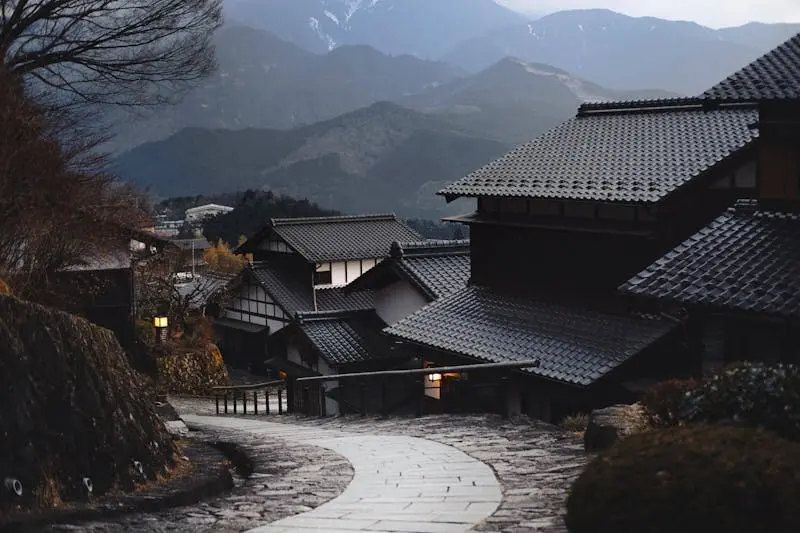
Tekemistä kohteessa Kiso, Japan
Kuvaaja Evgeny Tchebotarev Pexels.com-sivustolta
Milloin vierailla
Milloin matkustat kohteeseen Kiso, Japan?
Valitse päivämäärät ja matkustustyyli saadaksesi:
Onko jokin näistä erityisen tärkeä sinulle?
Valitse kaikki, jotka sopivat
Plan language: SuomiSuosituimmat nähtävyydet kohteessa Kiso, Japan
Kiso, Japanissa puuhaa riittää, kuten historiallisen Nakasendo-polun 8 kilometrin pituisen osuuden kävely Tsumago-jukun ja Magome-jukun välillä. Tutustu hyvin säilyneisiin Edo-kauden postikyliin, joissa on perinteisiä puumajataloja. Vieraile rauhallisella Kiso Ontaken pyhäköllä ja nauti jokimaisemista koskemattoman Kiso-joen varrella - tämä on täydellinen yhdistelmä historiaa ja luontoa.
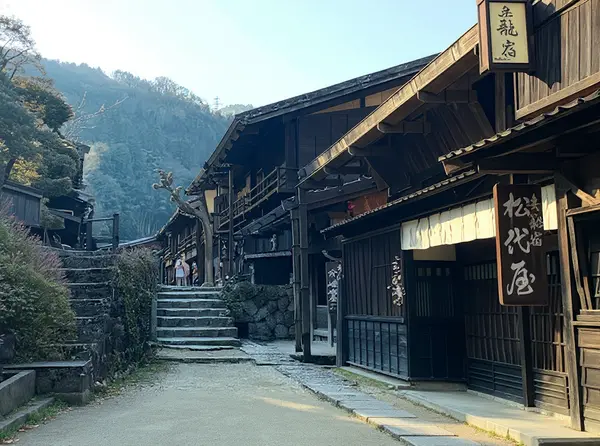
1. Tsumago-juku
Astu takaisin Edo-kaudelle 4 km pituisella osuudella, jossa aika hidastuu puisten ikkunaluukkujen ja tatamien rytmiin. Koe kylä, joka todella elää historiaansa autottomine katuineen ja perinteisine majataloineen.
Nopeat faktat: Kylässä on yli 20 Edo-kauden rakennusta, jotka reunustavat neljän kilometrin mittaista osuutta, joka oli aikoinaan tärkeä pysähdyspaikka matkailijoille Nakasendo-reitillä. Yli 200 000 kävijää kävelee näillä kaduilla vuosittain imien itseensä vanhan maailman käsityötaitoa ja puisia julkisivuja.
Kohokohdat: Paikalliset isännät noudattavat tiukasti sääntöjä, jotka kieltävät autot ja modernit mainostaulut, jotta tunnelma pysyy ajassa jäädytettynä, mikä tekee jokaisesta askeleesta kuin elävään museoon astumisen. Kylä tarjoaa myös yöpymismahdollisuuksia historiallisissa majataloissa, joissa matkailijat voivat nukkua tatamimatoilla ja syödä perinteisiä japanilaisia aamiaisia, jotka on valmistettu paikallisista raaka-aineista.
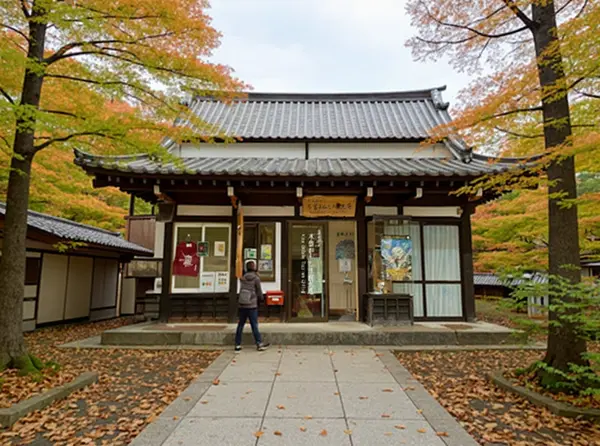
2. Kiso Ontake Shrine
Astu henkiseen porttiin yhdelle Japanin korkeimmista tulivuorenhuipuista. Koe muinaisia puhdistautumisriittejä ja eloisia pyhiä koristeita.
Nopeat faktat: Noin 1,5 miljoonaa ihmistä vierailee vuosittain kunnioittaakseen täällä sijaitsevaa vuorijumaluutta. Pyhäkkö sijaitsee lähellä Mt. Ontakea, Japanin toiseksi korkeinta tulivuorta, ja se houkuttelee sekä vuorilla palvojia että retkeilijöitä.
Kohokohdat: Kuulijat voivat todistaa lumoavaa 33-vaiheista puhdistusrituaalia, joka on ainutlaatuinen tälle pyhäkölle, jossa kävijät pesevät kätensä ja suunsa rukoillen. Värikkäät pyhät köydet nimeltään "shimenawa" ulottuvat pääpolun yli, jokainen halkaisijaltaan jopa 30 metriä pitkä ja kudottu rikkokasveista pahojen henkien torjumiseksi.
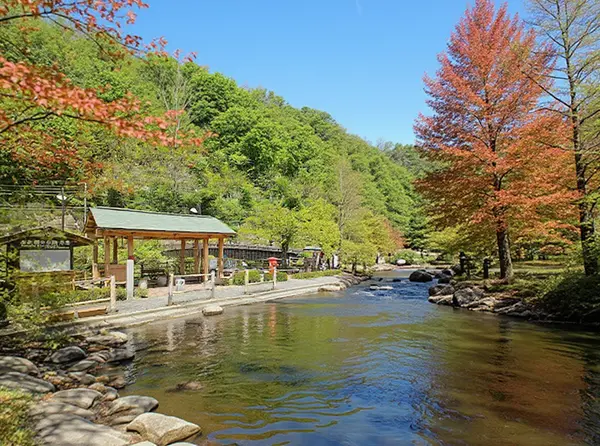
3. Kiso River
Tutustu viehättäviin jokimaisemiin, jotka ovat täynnä kulttuuriperinteitä. Koe hehkuvia lyhtyjuhlia ja rauhallisia veneretkiä kesän tulikärpästen alla.
Nopeat faktat: Noin 213 kilometrin matkalla virtaava joki halkoo Japanin vuoristoista Kiso-laaksoa tarjoten raikkaita makeanveden ekosysteemejä ja vilkasta kalastuselämää. Se oli vuosisatojen ajan ratkaisevassa asemassa historiallisilla kauppareiteillä ja paikallisyhteisöissä.
Kohokohdat: Kesäfestivaalien aikaan lipuvien perinteisten puuveneiden, ”Yakatabune”, lisäksi joki tarjoaa alkukesällä upeita kanerva-iltoja, jotka valaisevat yöllisiä vesiä. Ainutlaatuinen vuodenaikainen perinne sisältää paikallisten auringonlaskun aikaan laskemia puulyhtyjä, jotka luovat hohtavia polkuja pitkin vettä.
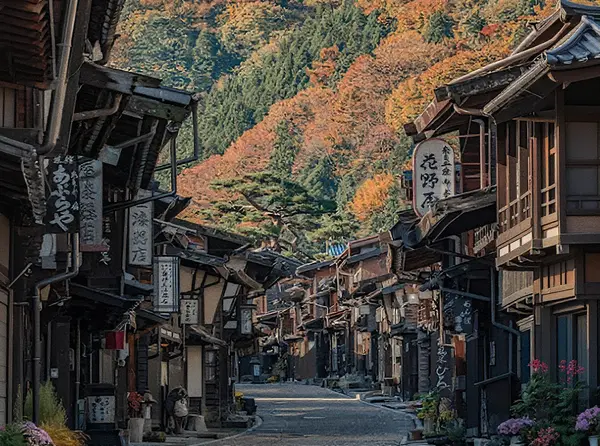
4. Narai-juku
Astu takaisin Edo-ajan upeaan puuarkkitehtuuriin ja viehättäviin ruokakojuihin. Kävele lyhtyvalaistuilla kaduilla ja nauti perinteestä jokaisella suupalalla.
Nopeat faktat: Kävele katua pitkin, jonka varrella on yli 30 historiallista puurakennusta Japanin Edo-kaudelta. Nauti paikallisista erikoisuuksista, kuten oyaki-mykyistä ja soba-nuudeleista perheomisteisistä kaupoista.
Kohokohdat: Kaupunki esittelee 70 puista kauppiastaloa, joissa jokaisessa on ainutlaatuiset käsin veistetyt ristikkää ja savitiilikatto. Koe hiljainen viehätys hämärässä, kun paperilyhdyt valaisevat kadun luoden lämpimän, meripihkanvärisen hehkun, jota harvoin näkee muualla.
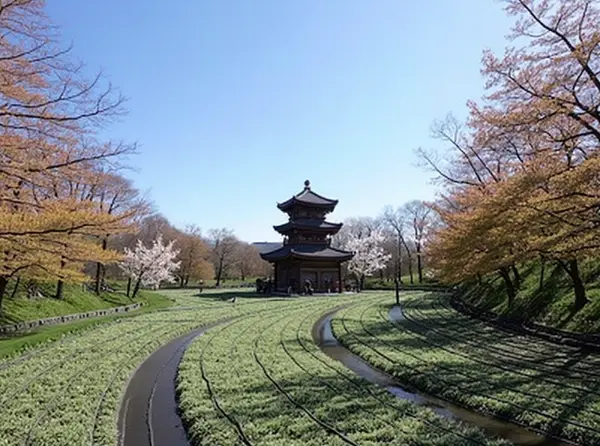
5. Daio Wasabi Farm
Tutustu laajaan wasabiparatiisiin kristallinkirkkaine puroineen. Koe kävely vedenalaisen wasabin rinnalla historiallisten pyörivien vesipyörien ympäröimänä.
Nopeat faktat: Yli 15 hehtaarin wasabipeltoja kastellaan puhtaalla vuoristovedellä, joka virtaa Pohjoisilta Alpeilta. Paikka jalostaa wasabia monenlaisiksi tuotteiksi tuoreista juurista kastikkeisiin ja makeisiin, ja se houkuttelee noin 400 000 kävijää vuosittain.
Kohokohdat: Kirkkaat vesivirrat kulkevat maatilan läpi, jolloin vierailijat voivat nähdä wasabikasvien kasvavan veden alla, juuret ankkuroituneina nopeasti virtaavaan kylmään veteen. Ikoniset puiset vesipyörät, joista osa on yli 100 vuotta vanhoja, lisäävät rytmikästä viehätystä pyöriessään hitaasti virtaavan veden voimasta.
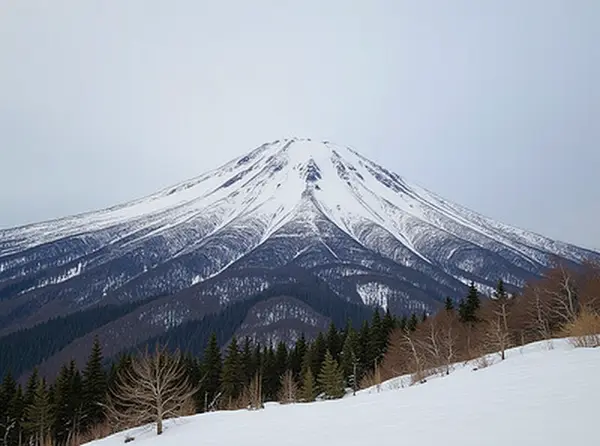
6. Mount Ontake
Näyttävä tulivuorenhuippu, jossa henkiset perinteet elävät. Koe eloisa syyslehti ja muinaiset vuoristopyhäköt polun varrella.
Nopeat faktat: Vuori kohoaa 3 067 metrin korkeuteen, mikä tekee siitä Japanin toiseksi korkeimman tulivuoren. Se houkuttelee vuosittain yli 200 000 retkeilijää, joita kiehtovat sen henkinen merkitys ja luonnonkauneus.
Kohokohdat: Kiipeilyreitit kulkevat pyhien pyhäkköjen ohi, joissa vierailijat rukoilevat matkan varrella, luoden tunteen kävelystä läpi elävän muinaisen rituaalin. Syksyllä tuliperäiset kivet eroavat elävästi tulipunaisen ja kultaisen lehtien väreistä tarjoten henkeäsalpaavia panoraamanäkymiä, joita ei muilla huipuilla ole.

7. Kiso Forest Museum
Sukella muinaiseen metsäelämään vuosisatoja vanhan puun ja työkalujen kautta. Tunne historian tuntu interaktiivisten näyttelyiden avulla, jotka paljastavat puurakentamisen perinnön.
Nopeat faktat: Varhaisiin näyttelyihin kuuluu työkaluja ja esineitä, jotka esittelevät perinteisiä metsätalouskäytäntöjä, jotka olivat tärkeitä paikalliselle elämälle. Museo paljastaa, miten Kison laakso toimitti valtavia määriä puutavaraa temppeleille ja linnoille muovaten historiallista Japania.
Kohokohdat: Erikoisuutena on valtava poikkileikkaus tuhannen vuoden ikäisestä Kison sypressipuusta, jonka näkyvät vuosirenkaat kertovat vuosisatojen tarinoita. Vierailijat voivat koskettaa perinteisiä puusepän työkaluja ja nähdä puunsyyn läheltä, kokien metsähistorian tuntoaistin kautta.
Where to Stay in Kiso, Japan
Selected by City Buddy based on guest reviews and proximity to top attractions
Search all hotels in Kiso, JapanPowered by agoda
Perinteiset makeat ruoat
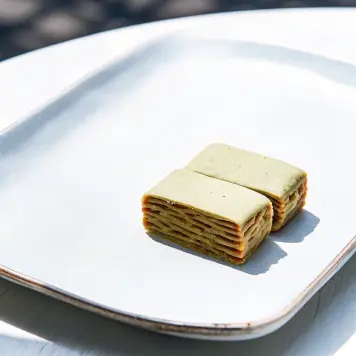
Kiso Soba Mochi
Kiso Soba Mochi is a traditional sweet made from buckwheat flour and is unique because of its chewy texture and subtle nutty flavor, reflecting the region's famous buckwheat production.
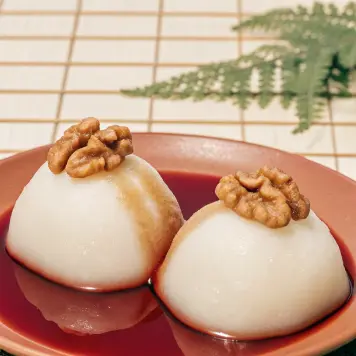
Kurumi Mochi
Kurumi Mochi features a walnut-based sweet sauce that perfectly complements the soft mochi, showcasing the local walnut harvest and traditional preservation methods.

Amazake
Amazake is a sweet, low-alcohol drink made from fermented rice, enjoyed as a warming dessert drink especially during winter festivals in Kiso.
Perinteiset suolaiset ruoat

Nozawana Pickles
Nozawana Pickles are a popular traditional savory dish made from turnip greens, renowned for their crisp texture and tangy flavor, often served as a side dish.

Oyaki
Oyaki are steamed or grilled dumplings filled with local vegetables or miso, a common and beloved comfort food in Kiso with origins dating back centuries.

Soba Noodles
Soba Noodles from Kiso are prized for their firm texture and rich taste, typically made from locally grown buckwheat and served cold or in hot broth.
Perinteiset juomat

Sake
Kiso's sake is distinguished by the pure mountain water used in its brewing, yielding a clean and fragrant flavor well-known throughout Japan.

Kiso Plum Wine
This regional plum wine is made using locally harvested ume plums, resulting in a sweet and tart beverage that embodies the local terroir.

Green Tea
Green Tea in Kiso is traditionally grown and processed using ancient methods, producing a fresh and slightly grassy taste that pairs well with local cuisine.
Frequently Asked Questions about Kiso, Japan
Onko Kiso, Japani turvallinen matkailijoille?
Kuinka monta päivää minun tulisi viettää Kiso, Japanissa?
Mikä on paras aika vierailla Kiso, Japanissa?
Onko Kiso, Japani kallis matkakohde?
Miten Kiso, Japanissa liikutaan?
Lähetä PDF suosituimmista nähtävyyksistä sähköpostiisi
Saat PDF:n kaikista nähtävyyksistä, arvioista ja vinkeistä. Täydellinen offline-käyttöön.
Suosituimmat päiväretket
Narai-juku
Historic post town with well-preserved Edo period buildings.
Tsumago-juku
Traditional post town on the old Nakasendo route, scenic and historic.
Matsumoto
Castle town known for Matsumoto Castle and cultural sites.
Saapuminen
Lentokentät
Rautatieasemat
JR Chuo Main Line
From Chubu Airport take Meitetsu train to Nagoya then JR train to Kiso-Fukushima station.
Etsi lentoja kohteeseen Kiso, Japan
Klikkaa saadaksesi eSim kohteelle Kiso, Japan
Helpoin ja edullisin tapa saada mobiilinettiä missä tahansa matkustat.
Hyödyllistä tietoa kohteesta Kiso, Japan
Yleiskatsaus kohteelle Kiso, Japan
Most popular itineraries for Kiso, Japan
Browse trip plans created by other travelers
Kommentit (5)
Loved the peaceful hiking trails but watch out for sudden rain. Places to eat are decent but a bit pricey for what you get.
Avoid the crowded weekend markets and head to a small soba shop off the main street. The prices are better and the food way tastier. Locals only spots!
Kiso felt a bit too quiet for me, especially outside the main tourist spots. The old town is pretty but I expected more cultural activities.
The small town charm of Kiso really shines in spring. The cherry blossoms and local soba make the visit worth it. Recommend staying two days max.
If you’re using the train, get a one-day unlimited pass for the Kiso Valley line. It saved us a lot compared to single fares and is a smooth ride.