 CityBuddy
 Suomi
Suomi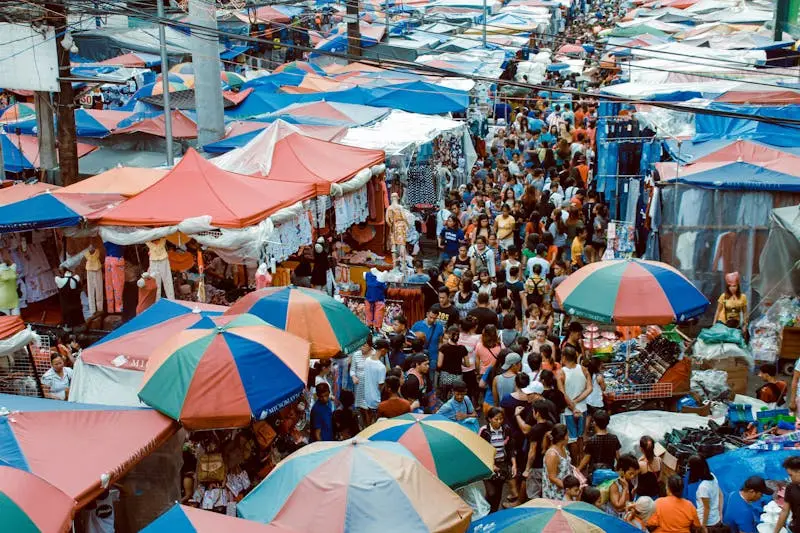
Tekemistä kohteessa Manila, Philippines
Kuvaaja NIC LAW Pexels.com-sivustolta
Milloin vierailla
Manila on maailman #14 ystävällisin kaupunki ulkomaalaisille, perustuen dataamme sadoista kohteista.
Suosituimmat nähtävyydet kohteessa Manila, Philippines
Parhaat tekemiset Manilassa, Filippiineillä, sisältävät Intramuroksen tutkimisen, historiallisen muurin ympäröimän kaupunginosan, joka juontaa juurensa Espanjan siirtomaakaudelle. Vieraile Fort Santiagossa, linnoituksessa, jolla on rikas historia ja joka sijaitsee vain 600 metrin päässä rannikosta. Älä missaa San Agustin kirkkoa ja museota, maan vanhinta kivikirkkoa, joka tarjoaa kiehtovia esineitä ja arkkitehtuuria.
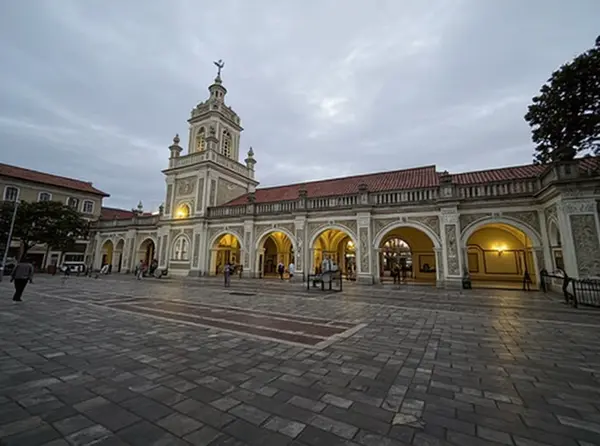
1. Intramuros (Historic Walled City)
Historic Walled City
Astu vuosisatojen filippiiniläiseen historiaan mahtavien kivimuurein ympäröimänä. Kulje mukulakivikatuja, siirtomaa-aikaisia kirkkoja, museoita ja ihaile auringonlaskuja vallihaudoilta.
Nopeat faktat: Auringonvalo siilautuu sammaleisten kiviseinien yli, hevoskärryt kolistelevat mukulakivillä ja kahvilat levittävät akustista musiikkia kapeille aukioille. Yli tusina kunnostettua linnoitus- ja siirtomaatyylistä rakennusta isännöi nyt museoita, taidegallerioita ja kattopuutarhoja. Vaeltaminen tuntuu kuin astuisi elävään aikakapseliin.
Kohokohdat: Vaella auringonlämpöisillä mukulakivikaduilla San Agustin -kirkon ohi, joka valmistui vuonna 1607, ja Fort Santiagon kaarevan portin ali. Siellä ruostuneet 1600-luvun espanjalaiset tykit edelleen osoittavat lahtea kohti. Rizal Shrine merkitsee solua, jossa José Rizal pidettiin ennen kuin hänet teloitettiin vuonna 1896. Päivällä hevoskärryt kolistelevat kaduilla ja työpajat valmistavat kymmeniä bambupyöriä. Ilmassa on paistoöljyn, jasminin ja joen heikosti metallinen vivahde. Näin voit kokea kolmen vuosisadan kerrostuneita tuoksuja ja tarinoita samanaikaisesti.
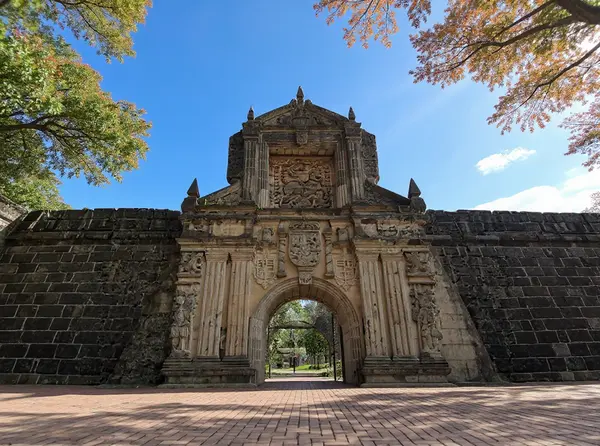
2. Fort Santiago
Kivimuurein ympäröity Fort Santiago paljastaa Manilan espanjalaisen siirtomaa-ajan ja sodan historian. Kävele lehtevillä pihoilla, näe Rizal-pyhäkkö ja katsele Pasig-joelle vanhoilta vallituksilta.
Nopeat faktat: Paksut tulivuorenkiven muurit ja hiljainen vallihauta luovat elokuvamaisen hiljaisuuden, jossa siirtomaa-arkkitehtuuri ja sodan jäljet voi yhä tuntea jaloissaan. Vierailijat pysähtyvät usein pienessä museossa ja kapeassa sellissä, jossa José Rizal kirjoitti viimeiset runonsa, kuvitellen hiljaisuuden ennen hänen viimeistä marssiaan.
Kohokohdat: Astukaa hämäriin selliin, jossa José Rizal vietti viimeiset yönsä ennen teloitustaan 30. joulukuuta 1896. Karkeat tiiliseinät ovat edelleen raaputettuja nimillä ja niissä on heikko metallinen vivahde vanhoista kanuunoista. Joka vuoden 30. joulukuuta sadat opiskelijat ja vapaamuurarilokit kokoontuvat laskemaan seppeleitä ja sytyttämään kynttilöitä pienelle marmorimerkille. Hiljaisuuden rikkoo vain yksinäinen pasuuna, joka soittaa kansallisen surulaulun.
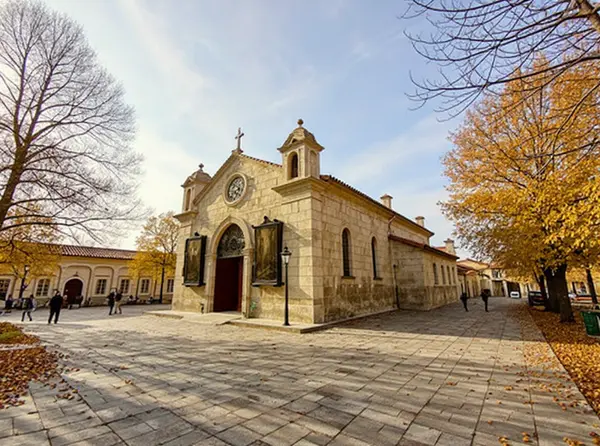
3. San Agustin Church and Museum
Astu espanjalaiseen Manilaan San Agustin kirkossa, Unescon barokkikohteessa. Ihastele kullattuja alttareita, trompe l'oeil -kattoja ja pientä siirtomaa-ajan esineistön museota.
Nopeat faktat: Astuttuasi sisään sinua häikäisee lämmin, hunajainen kivi ja ylellinen barokkikoristelu, samalla kun seinämaalaukselliset katot vaikuttavat hengittävän maalattujen pilvien kanssa. Yläkerrassa kompakti museo kätkee vuosisatojen kirkolliset aarteet, kirjotuista messupuvuista kiiltäviin reliikkeihin, ja koko rakennus selviytyi hämmästyttävästi pommituksista, jotka tuhosivat suuren osan sen ympäristöstä.
Kohokohdat: Vuonna 1607 rakennettu kivibasilika on seissyt yli 400 vuotta, ja sen laivakäytävän alla lepää valloittaja Miguel López de Legazpin hauta, jonka kaiverrettua epitafia voit vielä tunnustella sormillasi. Museon hämärissä huoneissa hunajakynttilän ja vanhan paperin tuoksu leijuu lasikaappien yllä, jotka pitävät 1600- ja 1700-luvun messupukuja, hopeisia liturgisia astioita ja puisia kulkuepyhimyksiä, joiden kuivat polykroomiset kasvot hohtavat yksittäisen lampun valossa.
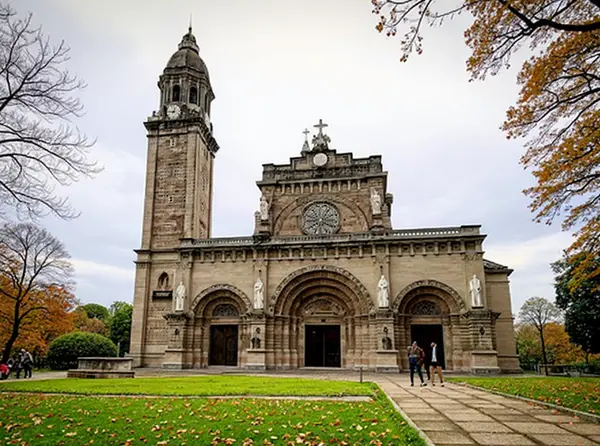
4. Manila Cathedral
Koe vuosisatoja Manilan historiaa suuressa siirtomaa-ajan katedraalissa Intramuroksen sydämessä. Ihaile restauroituja barokin ja romaanisen tyylin yksityiskohtia, lasimaalauksia ja rauhallista sisätilaa.
Nopeat faktat: Auringonvalo tulvii korkeiden lasimaalausten läpi levittäen värejä kiillotetulle marmorille, ja holviston akustiikka saa urkujen ja kuoron esitykset erityisen resonoiviksi. Hiljaiset muistolaatat ja korjattu kivimuuri kertovat dramaattisen tarinan useiden maanjäristysten ja sotavaurioiden selviytymisestä, kun taas kunnioitettu, vuosisatoja vanha kuva sisällä houkuttelee pyhiinvaeltajia ja uteliaita vierailijoita.
Kohokohdat: Astu sisään ja seisot kirkossa, joka on rakennettu uudelleen kahdeksan kertaa 1500-luvulta lähtien, joten marmorilattiat, uusklassiset pylväät ja barokkikaiverrukset muodostavat kerrostuneen aikajanan, jonka voit lukea silmilläsi. Monena iltapäivänä iäkäs kuoro harjoittelee gregoriaanisia hymnejä, kunnes auringonvalo lasimaalausten läpi muuttaa käytävän rubiinin ja kullan raidoiksi, ja seurakuntalaiset työntävät usein pieniä taitettuja lappuja alttarin rautaristikon läpi, niiden paperin reunat pehmentyneinä vuosien suitsukkeen kosketuksesta.
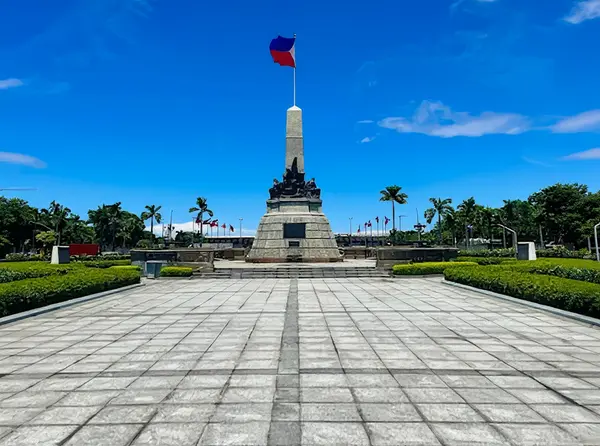
5. Rizal Park (Luneta)
Luneta
Historiallinen puisto Manilan sydämessä, jossa kansallinen muisti kohtaa arjen. Kävele Rizal-monumentilla, rentouttavissa puutarhoissa ja vilkkailla aukioilla ottaen kuvia ja seuraten ohikulkijoita.
Nopeat faktat: Aamunvalo paljastaa laajat vihreät nurmikentät, joita koristavat koristeelliset suihkulähteet ja varjoisat kävelytiet, joissa paikalliset harjoittavat tai chiä ja perheet pikniköivät kukkivien akasioiden keskellä. Näyttävä kansallinen monumentti on keskiössä, houkutellen väkeä seremonioihin ja hiljaiseen mietiskelyyn, samalla kun kyyhkysparvet lisäävät eloisaa kaupungin äänimaisemaa.
Kohokohdat: Aivan keskellä seisoo 12,8 metrin korkuinen pronssinen José Rizalin muistomerkki, jonka luo paikalliset jättävät auringonlaskun jälkeen hiljaa pieniä kynttilöitä ja käsin nyörättyjä sampaguita-seppeleitä, vahan ja kukkien tuoksun sekoittuessa ilta-ilmaan. Joka vuosi 30. joulukuuta sadat tai tuhannet kokoontuvat ennen aamunkoittoa seppeleenlasku- ja lippuseremoniaan, koulukuorot laulavat kansallislaulun, ja katukauppiaat myyvät pieniä paperilippuja ja riisikakkuja noin 10-20 pesolla.
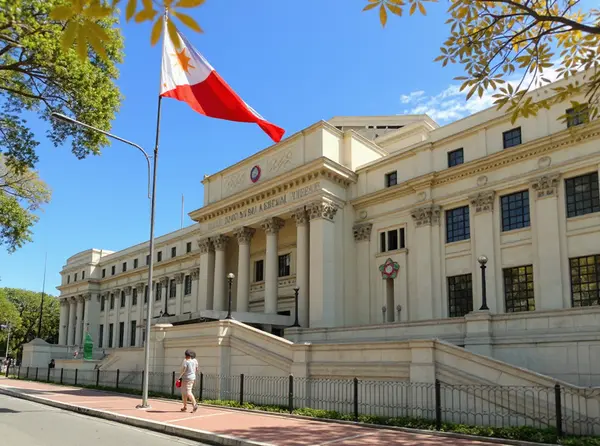
6. National Museum of the Philippines (National Museum Complex)
National Museum Complex
Tutustu Filippiinien taiteeseen, historiaan ja luonnon monimuotoisuuteen yhdessä keskuksessa. Näe Juan Lunan Spoliarium, luonnonhistoriallinen Elämän puu ja runsaasti kulttuuriesineitä.
Nopeat faktat: Astu sisään ja huomaat valtavat uusklassiset salit, joissa on esillä Juan Lunan Spoliarium sekä häikäiseviä esikolonialistisia kultatöitä ja runsaasti kudottuja tekstiilejä. Hiljaiset nurkat kutsuvat viipymään fossiilinäytteiden, seremoniallisten esineiden ja monumentaalisten maalausten äärellä, mikä tekee vierailusta kuin tiiviin matkan vuosisatojen läpi kulttuurin parissa.
Kohokohdat: Seiso vaalean uusklassisen pyöreän holvin alla, ja Juan Lunan Spoliarium vangitsee katseesi. Se on noin 4 kertaa 7 metrin kokoinen kangas, jonka tummat umbran sävyt ja karmiininpunaiset korostukset syvenevät, kun konservaattorit työstävät hellästi sen lakkakerrosta, vapauttaen heikon tärpätin tuoksun. Maalaus sai kultamitalin Madridissa vuonna 1884, voitto, jota oppaat yhä kertovat filippiiniläisen nationalismin kipinänä, ja tuon taustatarinan kuuleminen gallerian hiljentyessä tekee kohtauksesta odottamattoman elokuvamaisen.

7. Manila Ocean Park
Näe filippiiniläinen merielämä läheltä suuressa interaktiivisessa akvaariossa. Kävele pitkässä lasitunnelissa, katso ruokintanäytöksiä ja tapaa pingviinejä.
Nopeat faktat: Hehkuvat siniset valot ja kaareva lasitunneli antavat sinun katsella haiden ja rauskujen liukuvan tuumien päässä pääsi yläpuolella, mikä saa kävelyn tuntumaan vedenalaiselta postikortilta. Yli 3 000 merieläintä asuu teemoitetuissa altaissa, ja päivittäiset ruokinnat muuttavat sen, mikä voisi olla luokkahuonetietoa, käytännönläheisiksi ja jännitystä nostattaviksi kokemuksiksi.
Kohokohdat: Joka ilta akvaario himmentää valot merensiniseen ja järjestää "ruokintaserenadin", jossa noin 200 kimaltelevaa sardiinia koreografoidaan uimaan lasitunnelin pituudelta, veden kuiskutessa kuin kaukainen sade, samalla kun perheet painavat kämmenensä akryylia vasten. Pitkäaikainen sukeltaja Kuya Danny selostaa shown tagalogiksi tarjoten rohkeille lapsille mahdollisuuden tuntea sileän merikurkun viileä, samettinen iho ja opettaen heille kalojen paikallisia nimiä, mikä muuttaa kiljahdukset aina ylpeiksi, suurisilmäisiksi puheensorinoiksi.
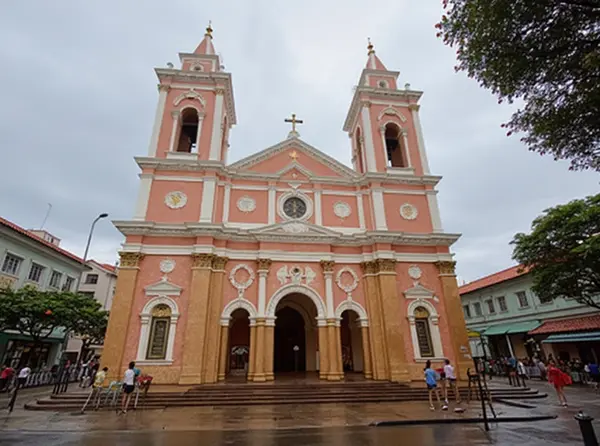
8. Binondo Church (Minor Basilica of San Lorenzo Ruiz)
Minor Basilica of San Lorenzo Ruiz
Koe vuosisatoja kiinalais-filippiiniläistä katolista historiaa Binondon kirkossa. Ihaile koristeellista barokkisisustusta ja näe paikallista hartautta läheltä.
Nopeat faktat: Lämmin suitsukkeen huuru ja värikkäät lyhdyt toivottavat vierailijat tervetulleiksi paljastaen yllättävän sekoituksen barokkialttareita ja kiinalaisia koristeaiheita. Monet tulevat kunnioittamaan maan ensimmäiseksi kanonisoiduksi pyhimystä, ja vilkkaat häät ja yhteisön rituaalit pitävät käytävät täynnä hartautta.
Kohokohdat: Vuonna 1596 perustettu kirkko palvelemaan kiinalais-filippiiniläisiä kauppiaita on yksi maan vanhimmista seurakunnista ja täyttyy yhä paksusta suitsukkeesta ja puisten rukoushelmien kalkkeesta suuren syyskuun 28. päivän juhlan aikana. Omalaatuinen paikallinen tapa saa vierailijat työntämään pieniä taiteltuja anomuksia ja punaisia rukousnauhoja sivukappelien rautaportaisiin, joten kymmeniä käsin kirjoitettuja lappuja ja haalistuneita nauhanpäitä näkyy lepattavan vedossa.
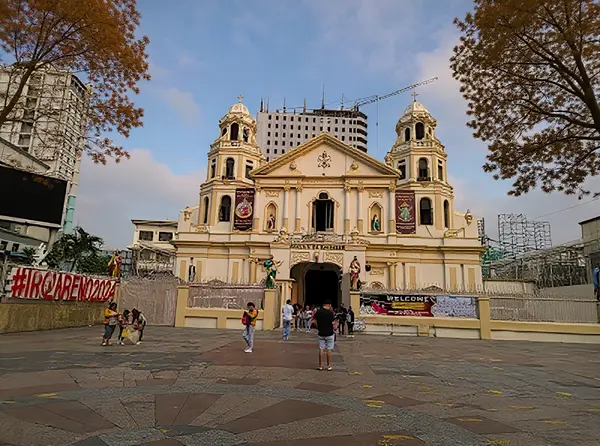
9. Quiapo Church (Minor Basilica of the Black Nazarene)
Minor Basilica of the Black Nazarene
Todista syvää kansanomaista hartautta ja Manilan elävää historiaa Mustan Nasaretilaisen basilikassa. Koe elävät messut, kynttilöiden valaisemat votiivilahjat ja läheiset näkymät Mustan Nasaretilaisen kuvaan.
Nopeat faktat: Väkijoukot ahtautuvat tuoksuvien, kynttilänvalaisemien käytävien läpi koskettaakseen tummaa puista kuvaa, luoden rukousten ja kuiskattujen uhrilahjojen jyrinän, joka värähtelee täpötäydessä kirkossa. Legendan mukaan hartaat uskovat lukevat lukemattomia vastattuja rukouksia patsaan ansioksi, ja vuosittainen kulkue vetää satoja tuhansia, jotka tungeksivat kaduilla saadakseen hetkellisen kosketuksen pyhään hahmoon.
Kohokohdat: Kynttiläsavun ja rukoushelmien metallisen kilinän alla palvojat painavat haalistuneita huiveja ja pieniä pyyhkeitä elävänkokoista tummaa puista Kristuksen patsasta vasten, jonka sanotaan olevan 1600-luvulta, toivoen kankaan poimivan siunauksen. Tammikuussa noin miljoona uskovaista osallistuu vauhdikkaaseen Traslacion-kulkueeseen, ihmiset seisovat kylki kyljessä yli 12 tuntia, huutaen rukouksia ja yrittäen koskettaa vaunua tai sen köyttä saadakseen ihmeen.

10. Divisoria Market (shopping district)
shopping district
Löydä lyömättömiä tarjouksia vaatteista, kankaista ja asusteista Manilan vilkkaimmalla markkinalla. Kulje tungoksessa värikkäitä kujia maistellen katukeittoa ja tinkien halpoja hintoja.
Nopeat faktat: Kapeat kujat sykkivät päällekkäisestä kojujen labyrintistä, joka tarjoaa kaikkea kangasrullista halpoihin elektroniikkatuotteisiin, joten tinkiminen tuntuu urheilulta. Kokeneet tarjouksenmetsästäjät rakastavat tukkukorien ja katukeittiökärryjen penkomista, löytäen irtotavaraa ja omituisia aarteita myyjien jatkuvien huutojen keskellä.
Kohokohdat: Kojurivit ovat ahtaalla niin tiiviisti, että voit maistaa valkosipulin myyjän grillatessa kalapyöryköitä, kun taas lähellä oleva kauppias myy samanlaisia LED-lamppuja jopa 10 pesolla. Kangasrullia on pinottu kymmenen jalan korkeudelle surisevien loisteputkien alla. Pitkäaikaisilla ostajilla on veikeä rituaali: he antavat "viimeisen hinnan" lähtölaskennan kolmella nopealla kopautuksella tiskiin, ja kun myyjä napsauttaa vihreää kynää, kauppa on sinetti, muuttaen tinkimisen katuesitykseksi.
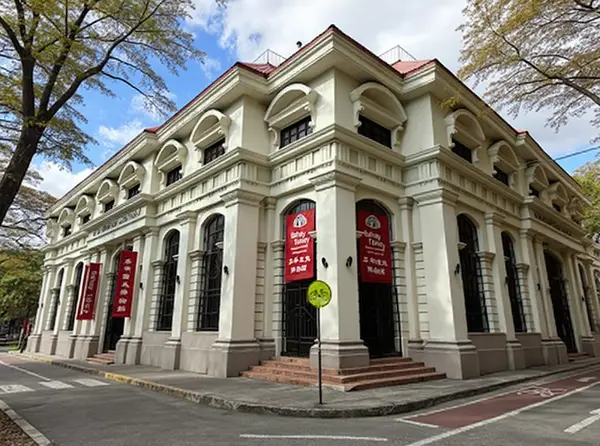
11. Visit Bahay Tsinoy Museum
Tutustu kiinalaisfilippiiniläisten rikkaaseen perintöön harvinaisten esineiden ja elävien tarinoiden kautta. Astu historian ääniin ja näkyihin, jotka herättävät menneisyyden eloon.
Nopeat faktat: Paikka esittelee yli 1,2 miljoonan kiinalaisfilipiiniläisen tarinoita ja heidän vaikutustaan Filippiinien kulttuuriin ja historiaan. Näyttelyissä on monimutkaisia esi-isien tietueita ja yli 300 vuotta vanhoja esineitä.
Kohokohdat: Vierailijat voivat kokea ainutlaatuisen ääninäyttelyn, jossa perinteisiä kiinalaisia soittimia soitetaan yhdessä vanhojen Manilan katumelujen kanssa luoden mukaansatempaavan aikamatkaelämyksen. Näyttelyn kohokohta on yksityiskohtainen dioraama Binondon kaupunginosasta kuten se näytti 1900-luvun alussa yli 500 pienoishahmon kanssa.
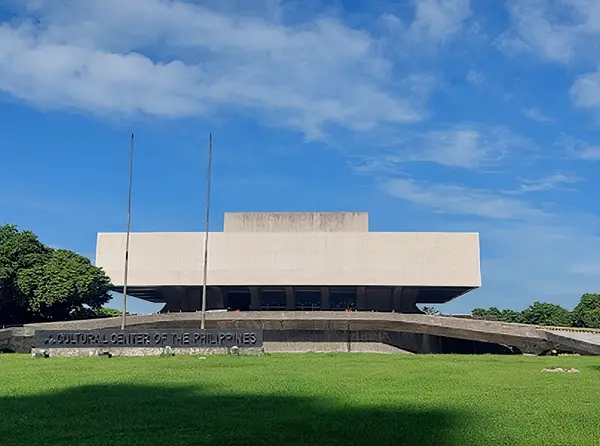
12. Cultural Center of the Philippines
Koe filippiiniläisen esittävän taiteen syke. Näe dynaamisia näytelmiä, konsertteja ja näyttelyitä arkkitehtonisesti ainutlaatuisessa ympäristössä, joka juhlistaa paikallista kulttuuria.
Nopeat faktat: Tämän paikan huomattava piirre on Tanghalang Nicanor Abelardo, teatteri, joka tunnetaan akustiikastaan, joka mahdollistaa jokaisen sanan ja sävelen kuulumisen selvästi viimeiselle riville. Yli 50 esitystä ja taidenäyttelyä järjestetään täällä kuukausittain, houkutellen taiteilijoita ja yleisöä ympäri maata.
Kohokohdat: Katso esiintyjien sytyttävän seremoniallisen soihdun ennen jokaista suurta tapahtumaa kunnioittaakseen filippiiniläistä taiteellisuutta, perinne jonka alkuperäinen kulttuurijohtaja aloitti. Pääteatteriin mahtuu 1 800 henkeä ja siellä on kattokruunu, joka on tehty kapiz-simpukankuorista, heijastaen paikallista käsityötaitoa valojen alla.
Where to Stay in Manila, Philippines
Selected by City Buddy based on guest reviews and proximity to top attractions
Search all hotels in Manila, PhilippinesPowered by agoda
Aukiolopäivät paikassa Manila, Philippines
Mitkä suosituimmista nähtävyyksistä ovat suljettuina minäkin viikonpäivänä. Klassinen matkanpilaaja, tarkistettu puolestasi.
maanantai: 9 / 19 suosituimmasta nähtävyydestä suljettu. Suunnittele museovierailut toiselle päivälle.
Suljettu maanantai · 9 suljettu, 10 avoinna
Aukiolopäivät Google Mapsista (tarkistettu 2026-03-14). Yleiset vapaapäivät, lakot ja kausittaiset aukioloajat voivat poiketa. Tarkista virallisilta verkkosivuilta ennen lähtöä.
Perinteiset makeat ruoat
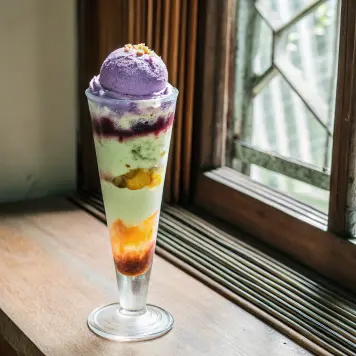
halo-halo
Halo-halo literally means 'mix', it evolved from Japanese shaved ice and Filipino sweet preserves, and today its rainbow layers topped with leche flan or ube ice cream are a summer symbol across Manila.
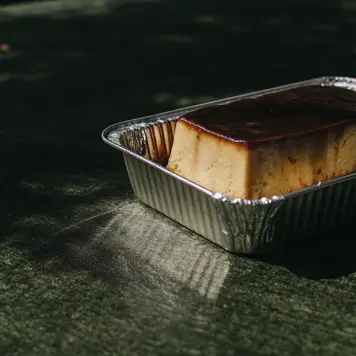
leche flan
Leche flan in the Philippines is denser and richer than its Spanish cousin because cooks use many egg yolks and condensed milk, and it is traditionally steamed in a tin mold called a llanera for a silky, custardy texture.
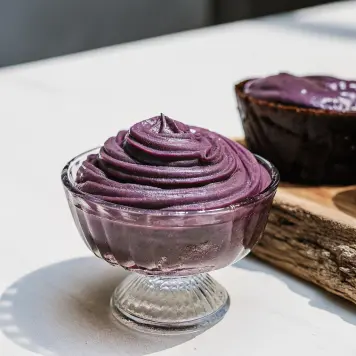
ube halaya
Ube halaya is a vivid purple jam made from purple yam, its color and nutty-sweet flavor turned it into a signature ingredient that elevates everything from halo-halo to pastries and ice cream.
Perinteiset suolaiset ruoat
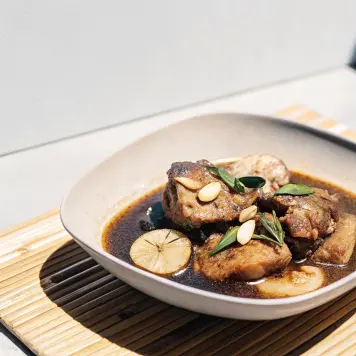
adobo
Adobo is more a method than a single recipe, vinegar and soy sauce preserve and flavor meat, and nearly every Filipino family in Manila guards a version they call their own.

sisig
Sisig began as a resourceful Kapampangan dish made from pig's head and ears, it was revived as a sizzling, tangy bar favorite in Manila and is often finished with a raw egg on the hot plate.
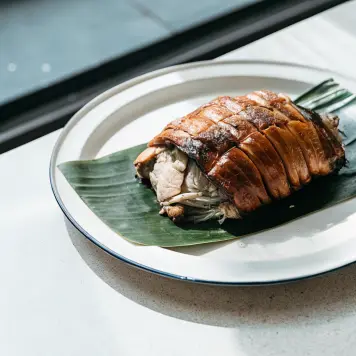
lechon
Lechon, a whole roasted pig with crackling skin and juicy meat, is the unmistakable centerpiece of Filipino fiestas and its carving announces celebration across Manila.
Perinteiset juomat

sago't gulaman
Sago't gulaman pairs chewy tapioca pearls with jiggly agar jelly in a sweet brown sugar syrup, it became a beloved street drink because it is both refreshing and texturally playful.

buko juice
Buko juice is the clear, slightly sweet water from young coconuts, sold straight from halved shells by vendors and prized as a natural electrolyte on hot Manila days.

tuba
Tuba is freshly tapped coconut sap that ferments into a mildly alcoholic palm wine, it has long been woven into Filipino rituals and fiestas and can be distilled into the stronger spirit lambanog.
Tiedä ennen matkaa
Mitä päivä maksaa paikassa Manila, ja huijaukset, joita kannattaa välttää
Kustannus per henkilö per päivä
Yleisimmät huijaukset, joita välttää
- Luvattomat lentokenttäkuljettajat. Käytä virallista kuponkitaksitiskiä terminaalin sisällä tai varaa Grab sovelluksesta ennen poistumista saapuvien alueelta.
- Taksamittarin väärentäminen. Tarkista, että mittari on nollattu matkan alkaessa ja että hinta vastaa ilmoitettua päiväajan perushintaa. Suosi Grabia kiinteän hinnan vuoksi.
- Huonon kurssin valuutanvaihtopisteet. Käytä pankkikonttoreita tai hyvämaineisia valuutanvaihtajia, joilla on ilmoitetut kurssit. Laske pesosi tiskillä ennen kuin lähdet.
Reilu taksi lentokentältä: 700 ₱ - 1 000 ₱ (10 € - 14 €)
Halvempi vaihtoehto: Lentokenttä-Jeepney tai virallinen lentokenttäsukkula/UV Express keskustan alueille kuten Baclaran tai Taft MRT-asemalle (50 ₱)
Kaikki huijaukset, reilut hinnat ja säännötUsein kysytyt kysymykset: Manila, Philippines
Paras aika vierailla Manilassa, Filippiineillä?
Onko Manila, Filippiinit kallis?
Kuinka liikkua Manilassa, Filippiineillä?
Onko Manila, Filippiinit turvallinen vierailla?
Kuinka monta turistia vierailee Manilassa vuosittain?
Lähetä PDF suosituimmista nähtävyyksistä sähköpostiisi
Saat PDF:n kaikista nähtävyyksistä, arvioista ja vinkeistä. Täydellinen offline-käyttöön.
Suosituimmat päiväretket
Tagaytay (Taal view)
Cool ridge with panoramic views of Taal Volcano.
Taal Volcano (via Talisay)
Boat trip to the volcanic island on Taal Lake.
Pagsanjan Falls (Laguna)
Scenic gorge and classic canoe (shooting the rapids) trip.
Anilao (Mabini, Batangas)
Popular snorkeling/diving spot with clear waters.
Saapuminen
Rautatieasemat
PNR South Main Line (to Laguna, Lucena, Bicol)
MRT-3 / LRT-2 (major Metro Manila interchange)
LRT-1 / connecting buses to airport/Metro
From NAIA take a metered taxi or Grab; expect heavy traffic—allow 1–2 hours.
Hyödyllistä tietoa kohteesta Manila, Philippines
Yleiskatsaus kohteelle Manila, Philippines
Haluatko päiväkohtaisen suunnitelman kohteeseen Manila, Philippines? Avaa matkasuunnittelija
Milloin matkustat kohteeseen Manila, Philippines?
Valitse päivämäärät ja matkustustyyli saadaksesi:
Onko jokin näistä erityisen tärkeä sinulle?
Valitse kaikki, jotka sopivat
Liikkuminen
Miten haluat liikkua paikkojen välillä?
Suunnitelman kieli: SuomiMost popular itineraries for Manila, Philippines
Browse trip plans created by other travelers
14-Day Authentic Philippines Adventure for Budget Backpackers
Discover the Philippines off the beaten path from Manila's local streets to Balabac's rugged islands and Boracay's hidden coves in this budget-friendly, authentic 14-day journey.
15-Day Manila Spring Immersion
Discover Manila’s rich history, vibrant culture, and local flavors in this 15-day spring adventure through famous landmarks and authentic experiences.