 CityBuddy
 Ελληνικά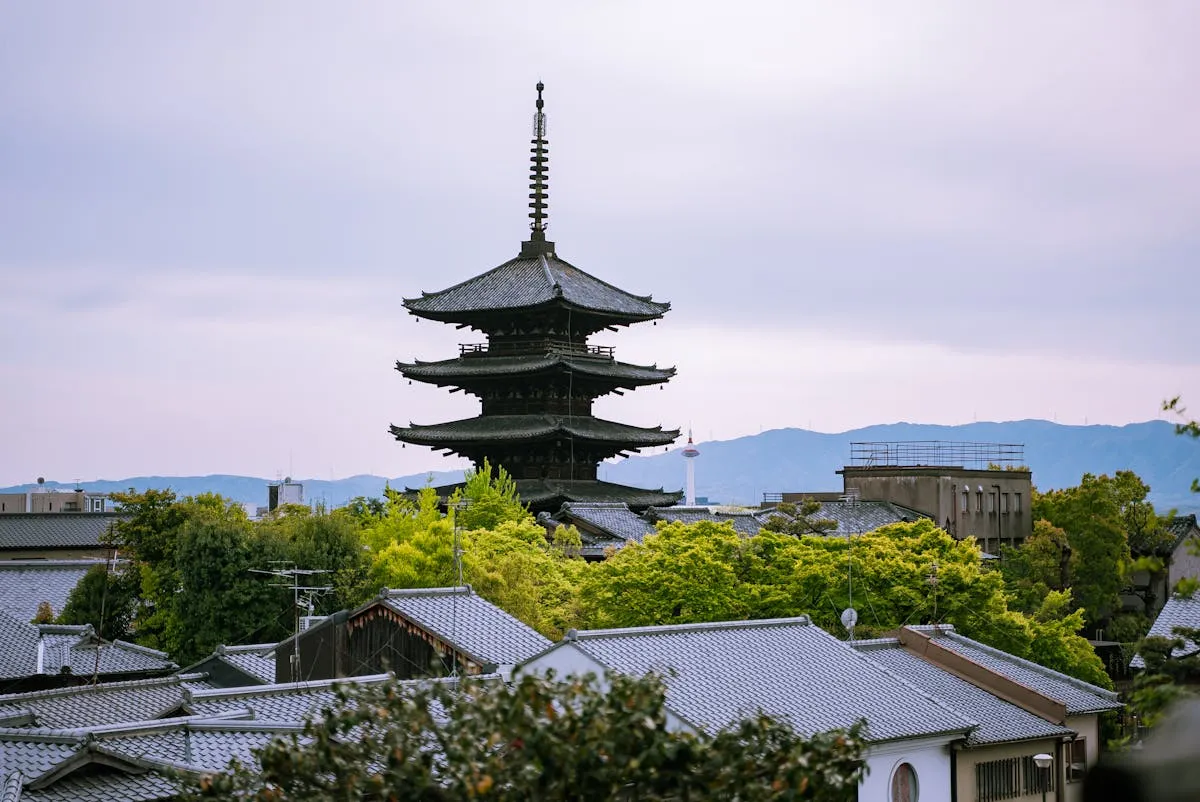
Τι να κάνετε στο Kyoto, Japan
Φωτογραφία από Satoshi Hirayama στο Pexels.com
Πότε να επισκεφθείτε
Η Kyoto είναι η #4 πιο καθαρή πόλη στον κόσμο, με βάση τα δεδομένα μας από εκατοντάδες προορισμούς.
Τα πιο δημοφιλή αξιοθέατα στο Kyoto, Japan
Τα πράγματα που μπορεί κανείς να κάνει στο Κιότο της Ιαπωνίας περιλαμβάνουν την εξερεύνηση του Fushimi Inari Taisha με τις χιλιάδες κόκκινες πύλες τορί που εκτείνονται για 4 χιλιόμετρα στο βουνό. Την επίσκεψη στην ξύλινη βεράντα του Kiyomizu-dera που προσφέρει πανοραμική θέα στην πόλη και τον περίπατο μέσα στον Μπαμπού Άρασιγιαμα, ένα ήρεμο δασικό μονοπάτι με επιβλητικούς μίσχους μπαμπού.
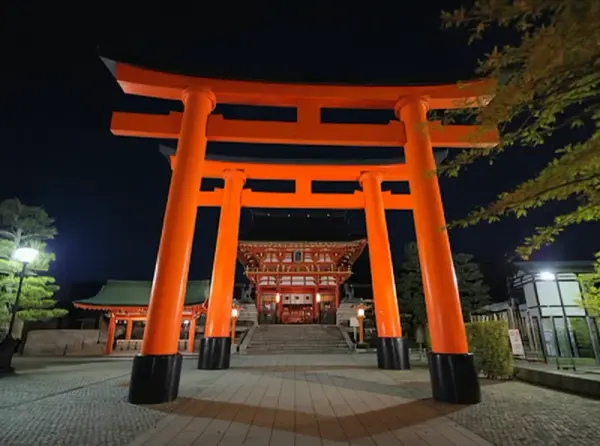
1. Fushimi Inari Taisha (伏見稲荷大社) - famous torii gate mountain shrine
Περπατήστε ανάμεσα σε χιλιάδες βερμιλιον πύλες τορίι που αναρριχώνται σε ένα ήσυχο δασώδες βουνό. Εξερευνήστε αγάλματα αλεπούδων, μικρές θολωτές ιερές θήκες και πανοραμικά σημεία θέας κατά μήκος του μονοπατιού.
Γρήγορα στοιχεία: Το να περπατάς κάτω από τις ερυθρές πύλες είναι σαν να μπαίνεις σε ένα φωτεινό, ατελείωτο διάδρομο, όπου οι επαναλαμβανόμενες κολόνες και οι σκιές του φωτός μετατρέπουν μια απλή πεζοπορία σε μια σουρεαλιστική, σχεδόν κινηματογραφική βόλτα. Πάνω από 10.000 μεμονωμένα τορίι στολίζουν τα μονοπάτια, πολλά με ονόματα δωρητών χαραγμένα, δημιουργώντας μεταβαλλόμενες σκιές και ηχώ από βήματα που αναζητούν τόσο οι φωτογράφοι όσο και οι ντόπιοι προσκυνητές στον ανατολή του ήλιου.
Αξιοσημείωτα: Σειρές από ερυθρά τορίι σφίγγουν το μονοπάτι σε τούνελ το ένα μετά το άλλο, χιλιάδες φωτεινές κολόνες σφραγισμένες με ονόματα δωρητών σε μαύρα καντζι, έτσι το ηλιακό φως πέφτει σε λωρίδες πορτοκαλί, ενώ το έλατο και το θυμίαμα αιωρούνται στον αέρα. Το μονοπάτι ανεβαίνει το βουνό για 233 μέτρα μέχρι την κορυφή, σημειωμένο από φθαρμένα αγάλματα kitsune που κρατούν μικρά κλειδιά στο στόμα τους, μια παράξενη παράδοση που σηματοδοτεί τον ρόλο κάθε ιερού ως φύλακα του ρυζιού και της τύχης.
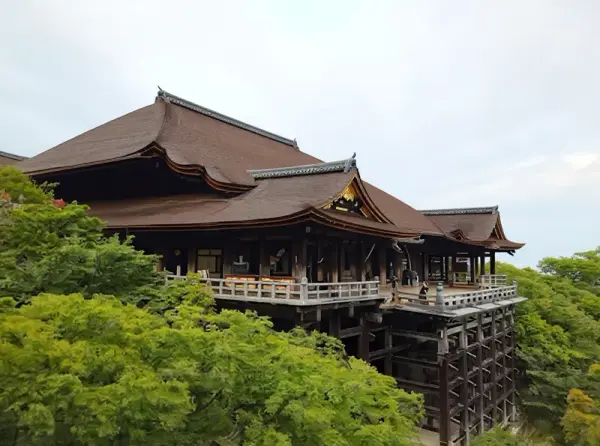
2. Kiyomizu-dera (清水寺) - historic hillside temple with wooden terrace
Τοποθετημένος πάνω από το Κιότο, ο Kiyomizu-dera προσφέρει εμβληματική ξύλινη αρχιτεκτονική και πανοραμική θέα στην πόλη. Περπατήστε στη μακριά βεράντα, πιείτε από τις πηγές Otowa και εξερευνήστε μονοπάτια φωτισμένα με φανάρια.
Γρήγορα στοιχεία: Μια μεγάλη ξύλινη βεράντα προεξέχει πάνω από μια απόκρημνη πλαγιά, προσφέροντας έναν ουρανό γεμάτο βήματα και πανοραμική θέα σε σφενδάμια και κερασιές από κάτω. Οι επισκέπτες ρίχνουν κέρματα προς έναν ιερό καταρράκτη με την ελπίδα να εκπληρωθούν οι ευχές τους, ενώ τα βράδια με φωτισμό από φανάρια λούζουν το συγκρότημα σε μια ζεστή, κινηματογραφική λάμψη.
Αξιοσημείωτα: Περπατήστε στη ξύλινη σκηνή του ναού πάνω στην πλαγιά και θα νιώσετε τα σανίδια να υποχωρούν ελαφρώς κάτω από τα πόδια σας, η κατασκευή προβάλλει περίπου 13 μέτρα πάνω από την κοιλάδα, υποστηριζόμενη από περίπου 139 διαπλεκόμενες ξύλινες κολόνες που ξαναχτίστηκαν διάσημα το 1633 υπό τον Tokugawa Iemitsu. Μπορείτε να μυρίσετε παλιό βερνίκι και έλατο στον αέρα καθώς το αεράκι περνά μέσα από τα δέντρα. Κάτω, ένας στενός καταρράκτης χωρίζεται σε τρεις ροές και οι επισκέπτες σχηματίζουν ουρά με μακριά μεταλλικά ποτήρια για να πιουν το κρύο μεταλλικό νερό. Κάθε ροή λέγεται ότι δίνει μια διαφορετική ευλογία, μακροζωία, ακαδημαϊκή επιτυχία ή ερωτική τύχη, και οι ντόπιοι μερικές φορές ψιθυρίζουν ότι το να πάρεις από τις τρεις μαζί δεν είναι κομψό.
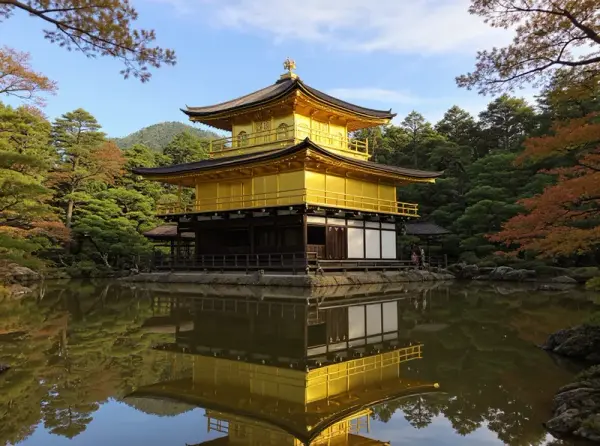
3. Kinkaku-ji (金閣寺, Golden Pavilion) - iconic gold-leaf temple
Golden Pavilion) - iconic gold-leaf temple
Ένα λαμπερό περίπτερο με φύλλα χρυσού πάνω σε μια λίμνη καθρέφτη, έμβλημα της εκλεπτυσμένης αισθητικής του Κιότο. Περπατήστε σε καλλιεργημένα μονοπάτια, τραβήξτε τέλειες αντανακλάσεις και νιώστε αιώνες επιρροής του Ζεν.
Γρήγορα στοιχεία: Οι επιχρυσωμένες επιφάνειες αιχμαλωτίζουν τον ήλιο και διαχέουν λαμπερές αντανακλάσεις στην λίμνη, κάνοντας κάθε φωτογραφία να φαίνεται προσεκτικά συνθέτη. Μια κοντινή ματιά αποκαλύπτει λεπτές υφές από χρυσό φύλλο και βερνίκι, ενώ ο περιβάλλων κήπος και το μαλακό θρυμμάτισμα των χαλικιών κάτω από τα πόδια ολοκληρώνουν το γαλήνιο, σχεδόν θεατρικό τοπίο.
Αξιοσημείωτα: Διασκεδαστικό γεγονός: οι πάνω δύο ορόφοι καλύπτονται με πραγματικό χρυσό φύλλο, επομένως όταν ο χαμηλός ήλιος χτυπά την λίμνη όλη η σκηνή λαμπυρίζει σαν λιωμένο μέταλλο και οι κυματισμοί των koi διασπούν την τέλεια αντανάκλαση. Μετά που ένας μοναχός έβαλε φωτιά στο αρχικό κτίριο το 1950, το περίπτερο ξαναχτίστηκε σχολαστικά το 1955 σύμφωνα με το τριώροφο σχέδιο της εποχής Muromachi, και οι ντόπιοι ακόμα στέκονται στα μονοπάτια με βρύα στο ξημέρωμα για να απολαύσουν αυτή την λαμπερή αντανάκλαση.
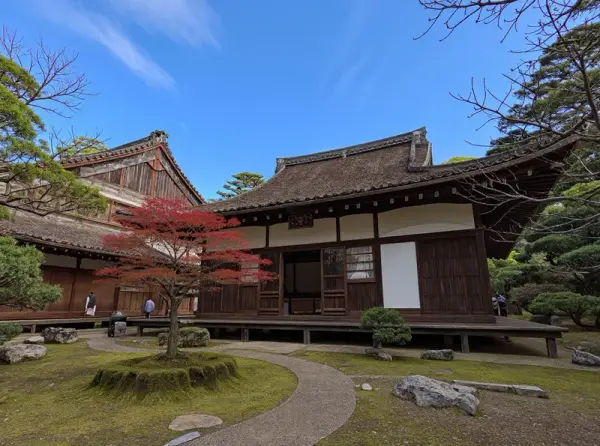
4. Ginkaku-ji (銀閣寺, Silver Pavilion) - Zen temple and moss garden
Silver Pavilion) - Zen temple and moss garden
Κομψός ναός Ζεν με ήσυχους κήπους μαϊντάνου και κλασική αισθητική του Κιότο. Περπατήστε σε κυματιστά μονοπάτια, θαυμάστε τον Ασημένιο Περίπτερο και έναν γλυπτό λόφο άμμου.
Γρήγορα στοιχεία: Μπορείτε να νιώσετε το απαλό βρύο κάτω από τα πόδια σας καθώς τα ακριβώς τριμμένα χαλίκια και μια σχηματισμένη κώνος από άμμο που ονομάζεται Kogetsudai σχηματίζουν ένα μικροσκοπικό τοπίο που ενθαρρύνει αργούς, στοχαστικούς περιπάτους. Ένα κιόσκι που ονομάζεται για το ασήμι δεν έλαβε στην πραγματικότητα ποτέ φύλλο αργύρου. Οι ήσυχες ξύλινες επιφάνειές του βοήθησαν να καθιερωθεί η αισθητική wabi-sabi που αναμόρφωσε τους ιαπωνικούς κήπους και τον πολιτισμό του τσαγιού.
Αξιοσημείωτα: Μια ήσυχη παράδοση θέλει τον επικεφαλής κηπουρό, κύριο Sato, να οδηγεί μια ομάδα πέντε κάθε άνοιξη για να επισκευάσουν ακριβώς 361 αυλακώσεις που τρίβονται στην αργυρή άμμο που αντιπροσωπεύουν κύματα, ένα μοτίβο που ανανεώθηκε τελευταία φορά το 2005 μετά από ζημιές από καταιγίδα. Ο θρύλος λέει ότι το αυστηρό διώροφο κιόσκι δεν καλύφθηκε ποτέ με ασήμι όπως σχεδίασε ο Ashikaga Yoshimasa το 1489, και η αντίθεση ανάμεσα στο σκούρο βερνικωμένο ξύλο και το ζωηρό πράσινο βρύο, που μυρίζει ελαφρά υγρή πέτρα μετά τη βροχή, είναι αυτό που εκπλήσσει περισσότερο τους ανθρώπους.
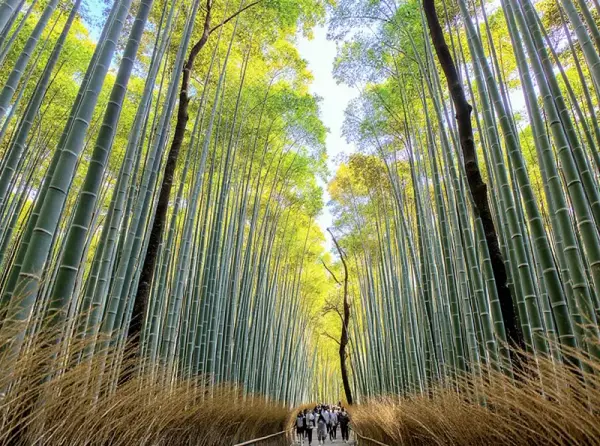
5. Arashiyama Bamboo Grove (Sagano Bamboo Forest) - scenic bamboo walk
Υψηλοί βλαστοί μπαμπού σχηματίζουν έναν ηρεμιστικό, εξωκοσμικό διάδρομο στο Κιότο. Περπατήστε σε μια σκιασμένη διαδρομή με ψιθυριστό πράσινο και βγάλτε δραματικές φωτογραφίες ανάμεσα σε κολώνες φωτός.
Γρήγορα στοιχεία: Οι τεράστιοι μίσχοι μπαμπού πλήθαινουν το μονοπάτι, οι κοίλοι σωλήνες τους χτυπούν απαλά όπως μακρινά ξύλινα πνευστά όταν ο άνεμος περνά μέσα τους. Πάνω από 500 μέτρα στριφογυριστούς διαδρόμους φέρνουν χιλιάδες κάθε μέρα, αλλά μια επίσκεψη την αυγή συχνά σας ανταμείβει με σχεδόν σιωπή και ένα παράξενο νεφελώδες πράσινο φως που διέρχεται από τη σκιά.
Αξιοσημείωτα: Περπατήστε στο στενό διάδρομο των 500 μέτρων την αυγή και θα νιώσετε τον αέρα να δροσίζει καθώς οι τεράστιοι μίσχοι μπαμπού, μερικοί πάνω από 20 μέτρα ύψος, λικνίζονται από πάνω και δημιουργούν έναν κοίλο, μεταλλικό ήχο όταν ο άνεμος περνά μέσα από τις σωλήνες τους. Οι ντόπιοι λένε ότι ο ήχος ταιριάζει τέλεια με έναν μοναχικό παίχτη σακούχατσι στον ήλιο, ένα πιο ήσυχο έθιμο που διατηρείται από λίγους καλλιτέχνες που προτιμούν το δάσος για την πρωινή τους εξάσκηση.
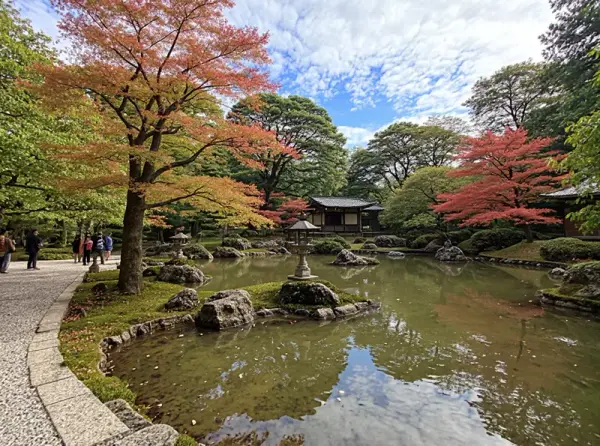
6. Ryoan-ji (龍安寺) - renowned Zen rock garden
Παγκοσμίως διάσημος κήπος με βράχους Ζεν που αποκαλύπτει μινιμαλιστικό σχεδιασμό και αιώνες ήσυχου τελετουργικού. Καθίστε στη ξύλινη βεράντα και μελετήστε το χαραγμένο χαλίκι, τον μαϊντανό και δεκαπέντε επιμελώς τοποθετημένες πέτρες.
Γρήγορα στοιχεία: Καθίστε στη χαμηλή ξύλινη βεράντα και θα συνειδητοποιήσετε ότι η σκηνή με πέτρες και χαλίκια σχεδιάστηκε για να μελετηθεί από μια καθιστή, διαλογιστική οπτική γωνία, καθιστώντας τον αρνητικό χώρο τον πρωταγωνιστή. Λεπτές αλλαγές στην οπτική κρύβουν ή αποκαλύπτουν πέτρες, μετατρέποντας το τελετουργικό τρίψιμο σε μια ήσυχη, απροσδόκητα εκφραστική παράσταση.
Αξιοσημείωτα: Ένα ακριβές ορθογώνιο από λευκά χαλίκια κρύβει δεκαπέντε πέτρες τοποθετημένες τόσο επιμελώς που, από οποιοδήποτε κάθισμα στη ξύλινη βεράντα, μόνο δεκατέσσερις είναι ορατές ταυτόχρονα, κάτι που αρέσει στους επισκέπτες να μετρούν και να διαφωνούν. Οι κηπουροί τρίβουν τα χαλίκια σε κυματισμούς σαν ωκεανό κάθε πρωί, και το γύρω βρύο, ο διακριτικός καπνός θυμιάματος και ο απαλός ήχος από σανδάλια κάνουν τη σιωπή να μοιάζει σαν κάτι μέσα στο οποίο μπορείς να περπατήσεις.
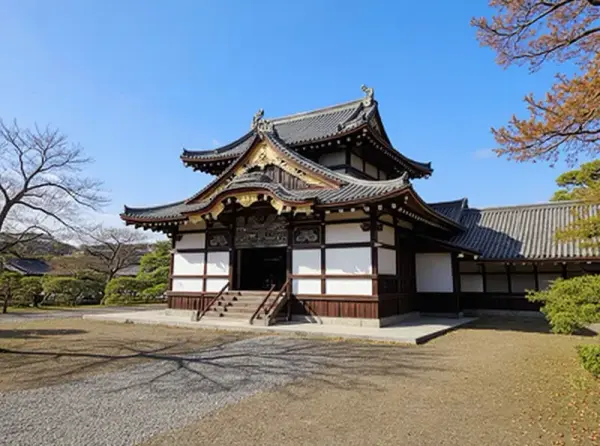
7. Nijo Castle (二条城) - Edo-period castle with nightingale floors
Μπείτε στην εποχή των σαμουράι του Κιότο μέσα σε έναν πλούσια διακοσμημένο παλάτι σόγουν. Περπατήστε σε δάπεδα νυχτοβαλάντων και θαυμάστε ζωγραφιστές συρόμενες πόρτες και κήπους περιπάτου.
Γρήγορα στοιχεία: Περπατήστε κατά μήκος αυλακωμένων ξύλινων διαδρόμων και θα ακούσετε μελωδικές τσιριχτές φωνές κάτω από τα πόδια σας, ένα έξυπνο ακουστικό τέχνασμα που προειδοποιούσε τους φύλακες για εισβολείς. Διακοσμημένες ζωγραφιστές οθόνες και εκτεταμένοι κήποι σκηνοθετούν ήσυρη δραματουργία. Μια μοναδική πολιτική πράξη εκεί άλλαξε την εξουσία της χώρας και την πορεία της ιστορίας.
Αξιοσημείωτα: Περπατήστε προσεκτικά και τα σανίδια θα τσιρίξουν κάτω από τα πόδια σας, ένα φωτεινό, πουλί-σαν τριξίματα που παράγεται όταν λεπτές σανίδες τρίβονται με χαλκάδες και κρυμμένα καρφιά, έτσι ένα μόνο βήμα μπορεί να πυροδοτήσει δεκάδες μικρά μεταλλικά τιτίβισματα. Σε μια αίθουσα με χρυσές επενδύσεις, ο τελευταίος σόγουν, Tokugawa Yoshinobu, επέστρεψε επίσημα την εξουσία στον Αυτοκράτορα το 1867, μια ήσυχη τελετή της οποίας η σιωπή γίνεται περίεργη όταν στέκεστε εκεί που στεκόταν κάποτε.
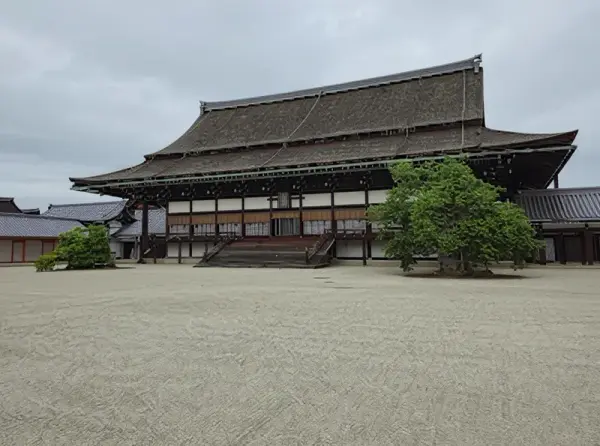
8. Kyoto Imperial Palace (京都御所) - historic residence of the imperial family
Μπείτε σε αιώνες αυτοκρατορικής ιστορίας μέσα σε ήσυχους κήπους με τείχη. Εξερευνήστε κομψές ξύλινες αίθουσες, πλατείς γκαζόν και εκλεπτυσμένη παλατιανή αρχιτεκτονική σε μια καθοδηγούμενη διαδρομή.
Γρήγορα στοιχεία: Το να περάσεις από τις μεγάλες πύλες νιώθεις σαν να μπαίνεις σε ένα ζωντανό πάπυρο, όπου λακαρισμένοι διάδρομοι, ερυθρές κολόνες και προσεκτικά τριμμένα χαλίκια δημιουργούν μια ατμόσφαιρα τελετουργικής ηρεμίας. Οι ξεναγήσεις αποκαλύπτουν εκπληκτικές λεπτομέρειες: πολλά κτίρια παραμένουν δεσμευμένα για επίσημες αυλικές λειτουργίες, και οι μετρημένες αναλογίες του χώρου ήταν προσαρμοσμένες σε τελετές που ρύθμιζαν την καθημερινή αυτοκρατορική ζωή.
Αξιοσημείωτα: Πίσω από λακαριστές ερυθρές κολόνες θα βρείτε μια έκπληξη: η κύρια αίθουσα τελετών εξακολουθεί να φιλοξενεί τον επιχρυσωμένο θρόνο Takamikura της ενθρόνισης, ένα μικροσκοπικό ιερό-σαν κάθισμα στρωμένο με φύλλο χρυσού και βερνίκι που ήταν το κέντρο τελετών που παρακολουθούσαν εκατοντάδες αυλικοί. Περπατήστε στους καλοκομμένους κήπους και θα μυρίσετε πεύκο και υγρή πέτρα, ενώ οι ξύλινες δοκοί πάνω από το κεφάλι σας τρίζουν τη σιωπή που θα άκουγαν οι αυλικοί κατά τις πομπές της εποχής Heian.
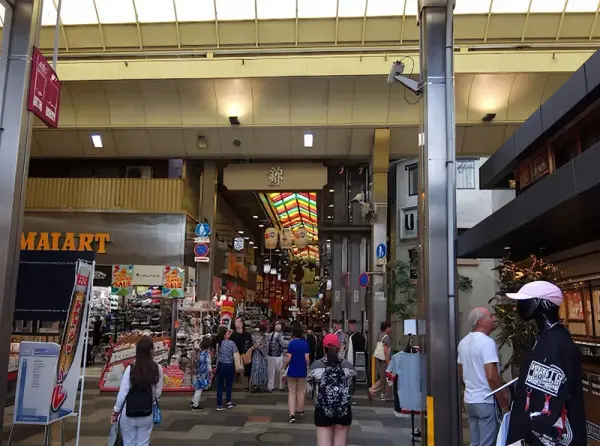
9. Nishiki Market (錦市場) - lively food market in downtown Kyoto
Ένας αισθητηριακός εορτασμός της γαστρονομικής κουλτούρας του Κιότο σε μια ζωντανή καλυμμένη στοά. Δοκιμάστε φρέσκα θαλασσινά, τουρσιά και σνακ δρόμου ενώ συζητάτε με φιλικούς πωλητές.
Γρήγορα στοιχεία: Ένας λαβύρινθος στενών διαδρόμων ξεχειλίζει από χρώματα και μυρωδιές που τηγανίζονται, όπου οι πωλητές πωλούν από ψημένα θαλασσινά και τουρσιά μέχρι γλυκά με στυλ Κιότο. Οι επισκέπτες μπορούν να δοκιμάσουν δεκάδες μικρά εδέσματα σε λιγότερο από μια ώρα, και τα μακροχρόνια οικογενειακά πάγκοι ακόμα φυλάνε μυστικές συνταγές που έχουν περάσει από γενιά σε γενιά.
Αξιοσημείωτα: Περπατήστε στο στενό καλυμμένο διάδρομο και οι πωλητές θα σας δώσουν ένα καυτό ψητό καλαμάρι κατευθείαν στο χέρι, ατμοί και γλυκιά σάλτσα σόγιας ανεβαίνουν καθώς πάνω από 100 μικρά μαγαζιά προσφέρουν τουρσιά, φρέσκο τόφου και θαλασσινά ώστε να δοκιμάσετε δωδεκάδες λιχουδιές σε μια σύντομη βόλτα. Μπείτε στο μαγαζί με μαχαίρια της Aritsugu και δείτε έναν μάστορα να ακονίζει με το χέρι τη λάμα ενός σεφ, σπίθες και μέταλο που χτυπά κάτω από το ζεστό φως ενός φαναριού, μια τεχνική πολλών αιώνων σε καθημερινή επίδειξη.
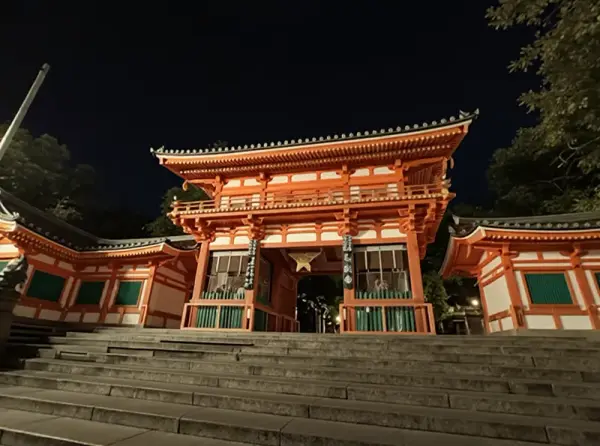
10. Gion District (祇園) - historic geisha district, including Hanami-koji and Yasaka Shrine
Μπείτε στην γειτονιά των γκέισες του Κιότο όπου τα ξύλινα τσαγεία φωτισμένα με φανάρια διατηρούν αιώνες παράδοσης. Περπατήστε στην Hanami-koji, ρίξτε μια ματιά σε μορφές ντυμένες με κιμονό και επισκεφθείτε τον ζωντανό ναό Yasaka.
Γρήγορα στοιχεία: Το φως των φαναριών λάμπει πάνω σε γυαλισμένα ξύλινα machiya καθώς οι maiko γλιστρούν κατά μήκος ενός στενού λιθόστρωτου διαδρόμου γεμάτου με τσαγεία, κάνοντας τα βράδια να φαίνονται κινηματογραφικά. Ένα ζωντανό σιντοϊστικό ιερό στην ανατολική άκρη της γειτονιάς προσελκύει θορυβώδεις καλοκαιρινούς εορτασμούς και χιλιάδες κρεμασμένα φανάρια, δημιουργώντας ένα ζωντανό αντίβαρο σε σχέση με τη λεπτή ησυχία των τσαγερίων της περιοχής.
Αξιοσημείωτα: Το σούρουπο, οι στενοί ξύλινοι δρόμοι γεμίζουν με τη μυρωδιά από γιακίτορι και κάρβουνα ενώ τα κόκκινα χάρτινα φανάρια δημιουργούν λίμνες φωτός, και μερικές φορές μπορείτε να δείτε τις maiko με πολύχρωμα κιμονό, το λευκό μακιγιάζ και τα λουλούδια κανζάσι να λάμπουν καθώς τα ξύλινα ξυλοπάπουτσα κτυπούν στα πετρώματα. Ένα ιερό που ιδρύθηκε το 656 μ.Χ. αγκυροβολεί ένα ετήσιο φεστιβάλ Ιουλίου όπου τεράστια διακοσμημένα άρματα που ονομάζονται yamaboko σέρνονται από ομάδες χωρικών, ένα τελετουργικό πολλών αιώνων που μετατρέπει τα ήσυχα σοκάκια σε παρέλαση με τύμπανα και καπνό θυμιάματος.
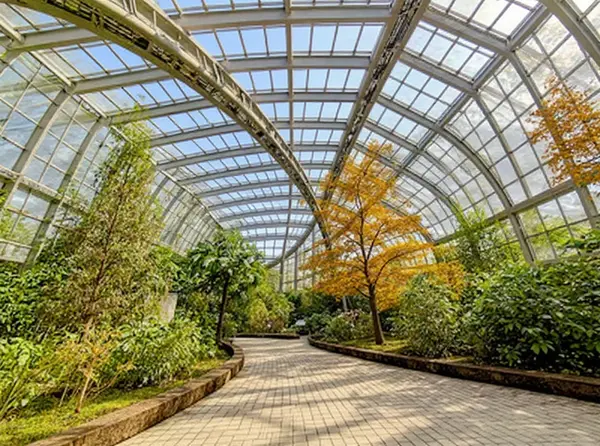
11. Visit Kyoto Botanical Gardens
Ανακαλύψτε πάνω από 12.000 είδη φυτών σε έναν εκτεταμένο κήπο. Ζήστε ήρεμες λίμνες με καλλιέργεια koi και μια εντυπωσιακή συλλογή τριαντάφυλλων.
Γρήγορα στοιχεία: Εξερευνήστε έναν κήπο με πάνω από 12.000 είδη φυτών που απλώνονται σε 24 εκτάρια. Οι επισκέπτες περιπλανιούνται μέσα σε μια τεράστια θερμοκήπιο που φιλοξενεί τροπικά και υποτροπικά φυτά, μια σπάνια εμπειρία σε μια ήπια πόλη όπως το Κιότο.
Αξιοσημείωτα: Ο κήπος διαθέτει έναν ροδόκηπο με περίπου 700 ποικιλίες, ιδανικό για ζωντανές, πολύχρωμες φωτογραφίες. Μια ήσυχη λίμνη με ψάρια koi καθρεφτίζει το γύρω πράσινο, δημιουργώντας ένα γαλήνιο σημείο αγαπητό από καλλιτέχνες και φωτογράφους.
Τι να κλείσετε εκ των προτέρων στο Kyoto
Αυτά εξαντλούνται ή χρειάζονται κράτηση. Κλείστε τα πρώτα, με αυτή τη σειρά.
- 1.Kyoto Imperial Palace (京都御所) - historic residence of the imperial familyΚράτηση 3 ημέρες πρινΛίγες μέρες έως μία εβδομάδα νωρίτερα Έλεγχος διαθεσιμότητας
Where to Stay in Kyoto, Japan
Selected by City Buddy based on guest reviews and proximity to top attractions
Search all hotels in Kyoto, JapanPowered by agoda
Ημέρες λειτουργίας στο Kyoto, Japan
Ποια από τα κορυφαία αξιοθέατα κλείνουν ποια μέρα της εβδομάδας. Ο κλασικός καταστροφέας διακοπών, ελεγμένος για εσένα.
Δευτέρα: 1 από τα 10 κορυφαία αξιοθέατα είναι κλειστά. Προγραμμάτισε τα μουσεία για άλλη μέρα.
Κλειστά την Δευτέρα · 1 κλειστά, 9 ανοιχτά
Ημέρες λειτουργίας από το Google Maps (ελέγχθηκαν 2026-03-18). Οι αργίες, οι απεργίες και οι εποχικές ώρες μπορεί να διαφέρουν. Έλεγξε την επίσημη ιστοσελίδα πριν πας.
Παραδοσιακά γλυκά πιάτα
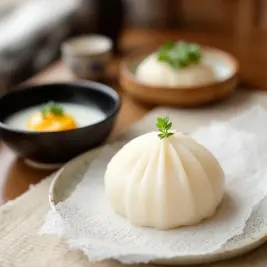
Mochi
Kyoto mochi is traditionally pounded by hand at festivals, producing a glossy, elastic texture that symbolizes good fortune and community spirit.
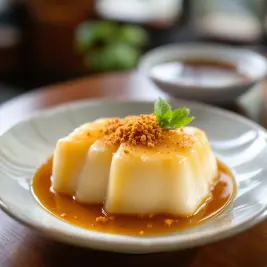
Yatsuhashi
Yatsuhashi is a cinnamon-flavored Kyoto sweet shaped like a folded triangle, and the soft unbaked version wrapped around sweet red bean paste is a must-try local specialty.
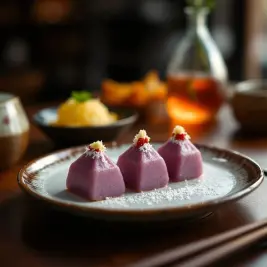
Wagashi
Kyoto wagashi are miniature seasonal landscapes you can eat, crafted to mirror flowers, leaves and festivals and designed to complement the bitterness of matcha during tea ceremonies.
Παραδοσιακά αλμυρά πιάτα

Kaiseki
Kaiseki in Kyoto is a poetic multi-course meal where each dish is arranged like a painting, highlighting one perfect seasonal ingredient and a delicate balance of taste and texture.
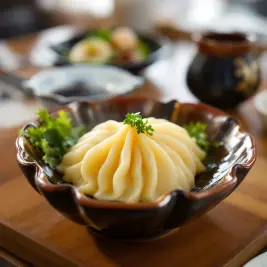
Yudofu
Yudofu is humble simmered tofu served near Kyoto temples, often enjoyed straight from the pot in a kelp-infused broth to celebrate simplicity, purity and the monk's palate.
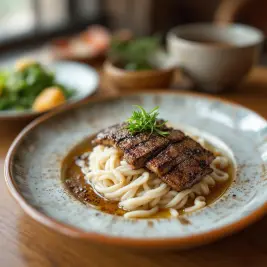
Obanzai
Obanzai is Kyoto's home-style cooking, made from small, seasonal ingredients sourced within the city and prepared with techniques passed down through generations, it embodies sustainable, everyday elegance.
Παραδοσιακά ποτά

Matcha
Kyoto's matcha, especially from Uji, is prized for its bright green color and savory umami, and in the tea ceremony it is whisked into a froth to create a meditative moment of flavor and focus.

Sake
In Kyoto's Fushimi district the soft groundwater creates silky, mellow sake, and centuries-old breweries still use traditional wooden fermentation methods to produce nuanced flavors.
Μάθετε πριν πάτε
Πόσο κοστίζει μια μέρα στο Kyoto και ποιες απάτες να αποφύγετε
Κόστος ανά άτομο ανά ημέρα
Οι μεγαλύτερες απάτες που πρέπει να αποφύγετε
- Οδηγοί χωρίς άδεια κοντά σε σταθμούς. Χρησιμοποιήστε την επίσημη πιάτσα ταξί και πάρτε ταξί με μετρητή. Βεβαιωθείτε ότι ο μετρητής λειτουργεί πριν από την αναχώρηση.
- Παραπλανητές που κατευθύνουν σε εστιατόρια με προμήθεια. Αρνηθείτε προσκλήσεις από παραπλανητές στον δρόμο. Επιλέξτε μέρη με αναρτημένα μενού και τιμές στην είσοδο.
- Περίπτερα ανταλλαγής με κακή ισοτιμία. Χρησιμοποιήστε ΑΤΜ τραπεζών αντί αυτών. Αν πρέπει να ανταλλάξετε μετρητά, συγκρίνετε ισοτιμίες εκ των προτέρων και αποφύγετε περίπτερα τύπου αντίστροφης μέτρησης.
Δίκαιη τιμή ταξί από το αεροδρόμιο: 9 000 ¥ - 15 000 ¥ (51 € - 85 €)
Φτηνότερη επιλογή: Τρένο ταχείας κυκλοφορίας Haruka προς τον σταθμό του Κιότο (3 000 ¥)
Όλες οι απάτες, οι δίκαιες τιμές και οι κανόνεςΣυχνές Ερωτήσεις για το Kyoto, Japan
Ποιος είναι ο καλύτερος χρόνος για να επισκεφτείτε το Κιότο, Ιαπωνία;
Είναι το Κιότο, Ιαπωνία, ασφαλές για ταξιδιώτες;
Είναι ακριβό το Κιότο, Ιαπωνία για να το επισκεφτείτε;
Πώς να μετακινηθείτε στο Κιότο, Ιαπωνία;
Είναι ασφαλές να πίνετε νερό βρύσης στο Κιότο, Ιαπωνία;
Λάβετε ένα PDF με τα πιο δημοφιλή αξιοθέατα στο email σας
Λάβετε ένα PDF με όλα τα αξιοθέατα, βαθμολογίες και συμβουλές. Ιδανικό για χρήση εκτός σύνδεσης.
Τα πιο δημοφιλή ημερήσια ταξίδια
Nara
Ancient temples and friendly free-roaming deer in Nara Park.
Osaka
Vibrant food, nightlife, and Osaka Castle.
Himeji
Home of Himeji Castle, Japan's best-preserved castle.
Amanohashidate
Scenic sandbar with classic 'view from above' lookout.
Πώς να φτάσετε
Αεροδρόμια
Σταθμοί τρένων
JR Tokaido/Sanyo Shinkansen, JR lines, Kintetsu connections
Keihan & Hankyu connections to Kyoto center
From KIX take the JR Haruka limited express or airport limousine bus to Kyoto Station.
Χρήσιμες πληροφορίες για Kyoto, Japan
Επισκόπηση για Kyoto, Japan
Συγκρίνετε το Kyoto με άλλους προορισμούς
Τιμές, ασφάλεια, καιρός και κορυφαία αξιοθέατα δίπλα δίπλα, με συμπέρασμα για κάθε είδος ταξιδιώτη.
Θέλετε ένα ημερήσιο πλάνο για την Kyoto, Japan; Ανοίξτε τον προγραμματιστή ταξιδιού
Πότε θα πάτε στο Kyoto, Japan;
Επιλέξτε τις ημερομηνίες και το στυλ ταξιδιού για να λάβετε:
Υπάρχει κάτι ιδιαίτερα σημαντικό για εσάς;
Επιλέξτε όλα όσα ισχύουν
Μετακινήσεις
Πώς θέλετε να μετακινείστε μεταξύ των τοποθεσιών;
Γλώσσα σχεδίου: ΕλληνικάMost popular itineraries for Kyoto, Japan
Browse trip plans created by other travelers
5-Day Relaxed Cultural and Culinary Journey in Kyoto
A comfortable-paced exploration of Kyoto's iconic landmarks, cultural sites, scenic walks, food markets, and local cuisine experiences over five spring days.
2-Day Autumn Exploration in Kyoto's Timeless Beauty
Immerse yourself in Kyoto's autumn charm with a perfect blend of historic temples, scenic walks, vibrant markets, and local experiences that capture the spirit of the season.
3-Day Autumn in Kyoto: Temples, Traditions, and Tranquility
Experience Kyoto's stunning autumn colors with temple visits, traditional experiences, and scenic strolls that capture the city's timeless charm.
4-Day Kyoto for Offbeat Culture and Food Explorers
Discover Kyoto's hidden gems and authentic local experiences through secret viewpoints, neighborhood eateries, ancient sites, and vibrant underground scenes this spring.