 CityBuddy
 Ελληνικά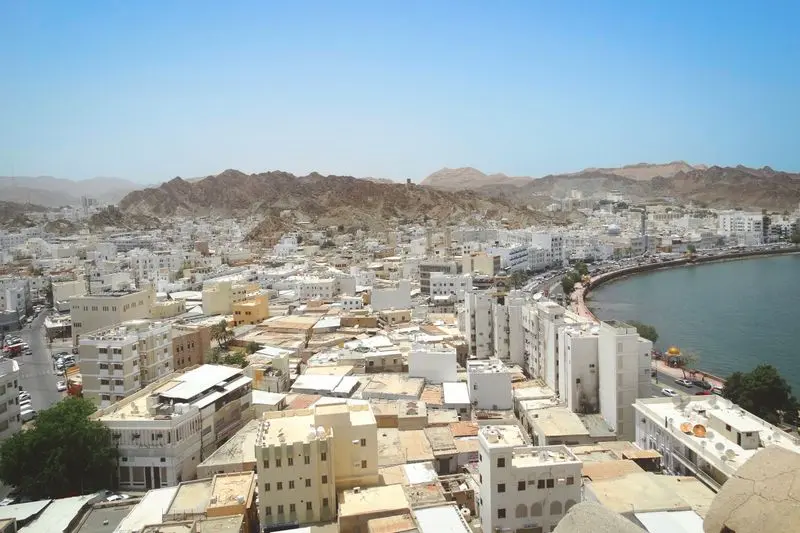
Τι να κάνετε στο Muscat, Oman
Φωτογραφία από Joerg Hartmann στο Pexels.com
Πότε να επισκεφθείτε
Πότε θα πάτε στο Muscat, Oman;
Επιλέξτε τις ημερομηνίες και το στυλ ταξιδιού για να λάβετε:
Υπάρχει κάτι ιδιαίτερα σημαντικό για εσάς;
Επιλέξτε όλα όσα ισχύουν
Plan language: ΕλληνικάΤα πιο δημοφιλή αξιοθέατα στο Muscat, Oman
Για τα κορυφαία πράγματα που μπορείτε να κάνετε στο Μουσκάτ του Ομάν, ξεκινήστε από το Σουλτανικό Τζαμί του Καμπούς, το οποίο διαθέτει έναν πολυέλαιο 14 μέτρων και το δεύτερο μεγαλύτερο χειροποίητο χαλί στον κόσμο, έκτασης 4.343 τετραγωνικών μέτρων. Στη συνέχεια, εξερευνήστε τα φιδωτά σοκάκια του Μάτρα Σουκ για λιβάνι και ασήμι, ακολουθούμενα από έναν περίπατο 3 χιλιομέτρων κατά μήκος του Μάτρα Κόρνιτς το ηλιοβασίλεμα.
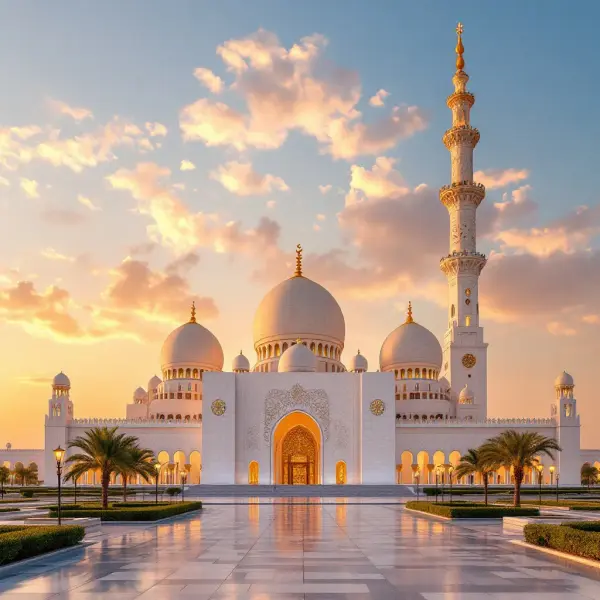
1. Sultan Qaboos Grand Mosque
Ένα από τα λίγα τζαμιά στο Ομάν ανοιχτά για μη μουσουλμάνους, και σε σταματάει με την τεράστια κλίμακα και την δεξιοτεχνία του. Περπάτα πάνω στο δεύτερο μεγαλύτερο χειροποίητο χαλί του κόσμου κάτω από έναν πολυέλαιο 14 μέτρων από κρύσταλλο Swarovski και χρυσό.
Γρήγορα στοιχεία: Το κεντρικό χαλί προσευχής είναι το δεύτερο μεγαλύτερο χαλί μονοκόμματο στον κόσμο, ζυγίζοντας 21 τόνους και φιλοτεχνημένο στο χέρι από 600 Ιρανές γυναίκες σε διάστημα τεσσάρων ετών. Πέντε πολυέλαιοι κρέμονται στο εσωτερικό, με τον μεγαλύτερο να βρίσκεται στην κεντρική αίθουσα προσευχής, με ύψος 14 μέτρα και βάρος 8,5 τόνους, κατασκευασμένο από κρύσταλλα Swarovski και επιχρύσωση 24 καρατίων.
Αξιοσημείωτα: Μπείτε μέσα στην κεντρική αίθουσα προσευχής και κοιτάξτε κάτω: το χαλί καλύπτει 4.343 τετραγωνικά μέτρα σε ένα ενιαίο κομμάτι, με μια χρωματική παλέτα που αλλάζει διακριτικά ανάλογα με την ώρα της ημέρας και τη γωνία του φωτός μέσα από τους κρυστάλλινους πολυελαίους από πάνω. Οι 35 πόρτες είναι σκαλισμένες από μασίφ ξύλο τικ με περίτεχνες ορειχάλκινες ενθέσεις, και η καθεμία ανοίγει σε μια διαφορετική αυλή με ψηφιδωτά πλακάκια που αντανακλά τον μεταβαλλόμενο ουρανό.
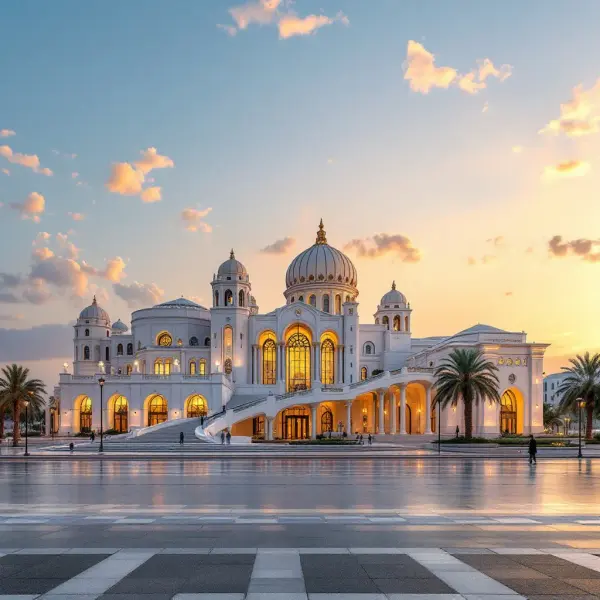
2. Royal Opera House Muscat
Μία από τις σπουδαίες πολιτιστικές σκηνές του Κόλπου, όπου η ομανική παράδοση συναντά την παγκόσμια τέχνη. Από όπερες του Πουτσίνι μέχρι παραδοσιακές βεδουίνικες αφηγήσεις κάτω από μια οροφή με 48.000 κρυστάλλους Swarovski.
Γρήγορα στοιχεία: Η περίτεχνη πρόσοψή του συνδυάζει την οχυρωματική αρχιτεκτονική του Ομάν με ιταλικό μάρμαρο και φύλλο χρυσού, έναν συνδυασμό που δεν θα δείτε πουθενά αλλού. Το αμφιθέατρο 1.100 θέσεων φιλοξενεί τα πάντα, από παραδοσιακούς χορούς καμήλας του Ομάν μέχρι τη Φιλαρμονική της Βιέννης.
Αξιοσημείωτα: Περπατώντας μέσα στο μεγάλο φουαγιέ θα παρατηρήσετε τη λεπτή μυρωδιά του λιβανιού να διαχέεται στον αέρα, μια αισθητηριακή αναφορά στην αρχαία εμπορική κληρονομιά του Ομάν. Το ειδικά κατασκευασμένο εκκλησιαστικό όργανο με 3.736 σωλήνες σχεδιάστηκε για να εναρμονίζεται τέλεια τόσο με τις αραβικές κλίμακες μακάμ όσο και με τις δυτικές κλασικές συνθέσεις, ένα επίτευγμα που χρειάστηκε τρία χρόνια μηχανικής μελέτης.
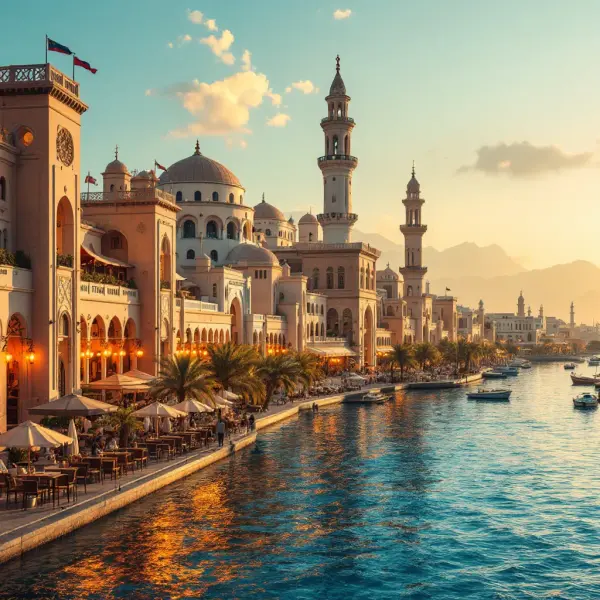
3. Muttrah Souq
Χάσου σε έναν λαβύρινθο με πάνω από 200 πάγκους όπου η μυρωδιά του λιβανιού και του σαφράν αιωρείται βαριά στον αέρα. Παζάρεψε για ασημένια στιλέτα, vintage υφάσματα και φρέσκες χουρμάδες βλέποντας τεχνίτες να δουλεύουν σε απόσταση αναπνοής.
Γρήγορα στοιχεία: Πάνω από 200 καταστήματα στριμώχνονται σε αυτόν τον σκεπαστό λαβύρινθο όπου έμποροι διακινούν λιβάνι, μπαχαρικά και υφάσματα εδώ και αιώνες. Θα βρείτε ασημένια κοσμήματα του Ομάν, κεντημένα khanjar (τελετουργικά στιλέτα) και ένα αφιερωμένο παζάρι αρωμάτων όπου τα attar αναμειγνύονται φρέσκα καθημερινά.
Αξιοσημείωτα: Στριμωχτείτε μέσα από το στενό δρομάκι προς την πίσω γωνία, όπου ένας ηλικιωμένος αργυροχόος χαράζει ακόμα στο χέρι νυφικά κοσμήματα χρησιμοποιώντας τεχνικές που περνούν από γενιά σε γενιά για πέντε γενιές. Το μικροσκοπικό του εργαστήριο, με πλάτος μόλις τρία μέτρα, παράγει κομμάτια που χρειάζονται δύο ολόκληρες εβδομάδες για να ολοκληρωθούν και κοστίζουν λιγότερο από τα μαζικής παραγωγής εισαγόμενα από την Ινδία.
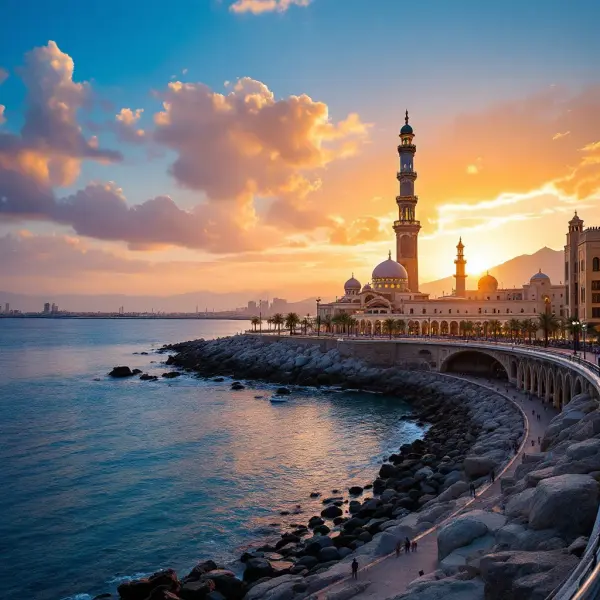
4. Muttrah Corniche
Περιπλανήσου σε μια παραθαλάσσια στοά όπου αρώματα λιβανιού πλέουν από τα διερχόμενα ντάου και οι ψαράδες ξεφορτώνουν τα πρωινά τους αλιεύματα. Δες τον ήλιο να λιώνει πίσω από ένα παλάτι του σουλτάνου ενώ ομανικές οικογένειες μοιράζονται κάχβα και χουρμάδες στην παραλία.
Γρήγορα στοιχεία: Η παραλιακή λεωφόρος μήκους 3 χιλιομέτρων διαγράφει καμπύλη κατά μήκος του Κόλπου του Ομάν και συνδέει το παλιό λιμάνι με την ιχθυαγορά, όπου οι ψαράδες βγάζουν καθημερινά κιτρινόπτερο τόνο. Τα πρωινά της Παρασκευής μεταμορφώνουν την παραλία σε ένα υπαίθριο παζάρι, όπου εκατοντάδες οικογένειες του Ομάν και ξένοι κάτοικοι συγκεντρώνονται για πρωινό, περίπατο και παρατήρηση του κόσμου.
Αξιοσημείωτα: Το σούρουπο, την άνοιξη και το φθινόπωρο, ο ήλιος δύει ακριβώς πίσω από το Παλάτι Αλ Αλάμ του Σουλτάνου στο δυτικό άκρο της παραλιακής, δημιουργώντας ένα παράθυρο 15 λεπτών χρυσού φωτός που βάφει την άσπρη και χρυσή πρόσοψη του παλατιού. Οι ντόπιοι το αποκαλούν "χρυσή ώρα του Αλ Αλάμ," και οι φωτογράφοι φτάνουν μία ώρα νωρίτερα για να εξασφαλίσουν τα παγκάκια κοντά στην ιχθυαγορά για την ανεμπόδιστη θέα.
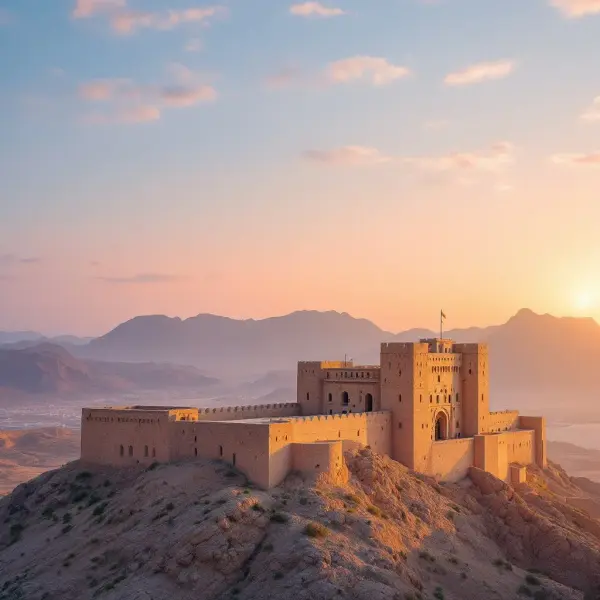
5. Al Jalali Fort
Ένα φρούριο του 16ου αιώνα σκαρφαλωμένο σε έναν γκρεμό με πανοραμική θέα στη θάλασσα και αυθεντικά κανόνια ακόμα στη θέση τους. Ανέβα τα στενά πέτρινα σκαλοπάτια, εξερεύνησε τις ανακαινισμένες αίθουσες και απόλαυσε το μαγευτικό λιμάνι από την ταράτσα.
Γρήγορα στοιχεία: Σκαρφαλωμένο σε έναν βραχώδη λόφο με θέα στον Κόλπο του Ομάν, αυτό το φρούριο χτίστηκε αρχικά από τους Πορτογάλους στη δεκαετία του 1580 για να προστατεύει το λιμάνι του Μουσκάτ. Οι δίδυμοι πύργοι παρατήρησης και η εντυπωσιακή θέση του στον γκρεμό φιλοξενούσαν κάποτε κανόνια που μπορούσαν να ρίξουν προειδοποιητικές βολές σε ολόκληρο τον κόλπο.
Αξιοσημείωτα: Σε αντίθεση με τα περισσότερα φρούρια που μοιάζουν με σκονισμένα μουσεία, αυτό εξακολουθεί να έχει μια λειτουργική κινητή γέφυρα και αυθεντικά πορτογαλικά κανόνια στραμμένα προς τη θάλασσα. Περπατήστε στα στενά σκαλοπάτια μέχρι την ταράτσα κατά τη δύση του ηλίου και δείτε τα φώτα της πόλης να ανάβουν απέναντι στο λιμάνι από κάτω.
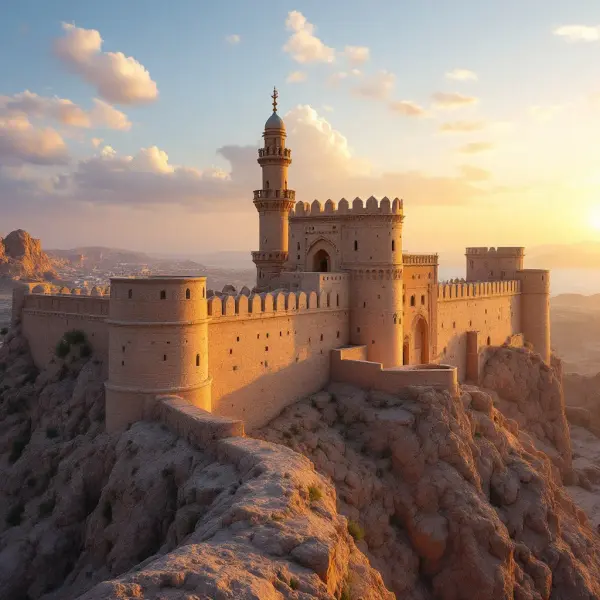
6. Al Mirani Fort
Κοίταξε το ναυτικό παρελθόν του Ομάν από ένα φρούριο σε γκρεμό που κάποτε φύλαγε ολόκληρο το λιμάνι από κάτω. Ανέβα τα στενά σκαλοπάτια, εξερεύνησε τις πλατφόρμες των κανονιών και δες τα ντάου να περνούν από ένα σκοπιό 400 ετών.
Γρήγορα στοιχεία: Σκαρφαλωμένο σε μια βραχώδη προεξοχή με θέα στο λιμάνι, αυτό το φρούριο φυλάει το λιμάνι του Μουσκάτ τουλάχιστον από τον 16ο αιώνα. Το δίδυμό του, το Φρούριο Αλ Τζαλάλι, βρίσκεται ακριβώς απέναντι από τον κόλπο, και μαζί κάποτε αλυσόδεναν κλειστή την είσοδο του λιμανιού για να ελέγχουν την πρόσβαση.
Αξιοσημείωτα: Κοιτάξτε προσεκτικά στη βάση των τειχών του φρουρίου και θα διακρίνετε τις αυθεντικές πορτογαλικές οβίδες ακόμα ενσωματωμένες στην πέτρα από πολύχρονες πολιορκίες. Το εσωτερικό του φρουρίου διατηρεί μια λειτουργική πορτογαλική δεξαμενή νερού που ακόμα συλλέγει το βρόχινο νερό, όπως ακριβώς όταν χτίστηκε από τους αποικιακούς μηχανικούς τη δεκαετία του 1580.
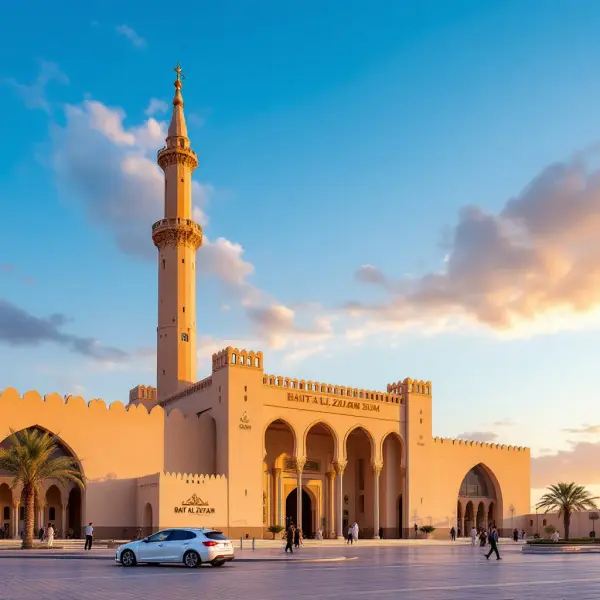
7. Bait Al Zubair Museum
Μπες στον ιδιωτικό κόσμο της ομανικής οικογενειακής ζωής μέσα από τρεις γενιές. Θα περιπλανηθείς σε τέσσερα παραδοσιακά σπίτια γεμάτα με ασημένια κοσμήματα, αρχαία σπαθιά και το άρωμα του λιβανιού.
Γρήγορα στοιχεία: Τρεις γενιές της οικογένειας Zubair συγκέντρωσαν πάνω από 5.000 αντικείμενα που καλύπτουν την ιστορία του Ομάν, από αρχαία κοσμήματα μέχρι καφετιέρες που χρησιμοποιούνταν σε τελετές φιλοξενίας των Βεδουίνων. Τα τέσσερα κτίρια του μουσείου αναπαριστούν το καθένα μια διαφορετική πτυχή της ζωής στο Ομάν, συμπεριλαμβανομένου ενός πλήρως επιπλωμένου παραδοσιακού σπιτιού από φοινικόφυλλα και μιας πινακοθήκης όπλων με 500 τελετουργικές khanjar.
Αξιοσημείωτα: Οι περισσότεροι επισκέπτες περνούν δίπλα από τη μικρή πόρτα στο κεντρικό κτίριο που οδηγεί στο γυναικωνίτη, ένα απομονωμένο καθιστικό όπου οι γυναίκες του Ομάν κάποτε διασκέδαζαν γυναίκες καλεσμένες μακριά από ανδρικά μάτια. Η οροφή εδώ είναι ζωγραφισμένη με ζωηρά γεωμετρικά σχέδια σε κόκκινο και χρυσό, και τα μαξιλάρια διατηρούν ακόμα την αμυδρή μυρωδιά του λιβανιού από δεκαετίες χρήσης.
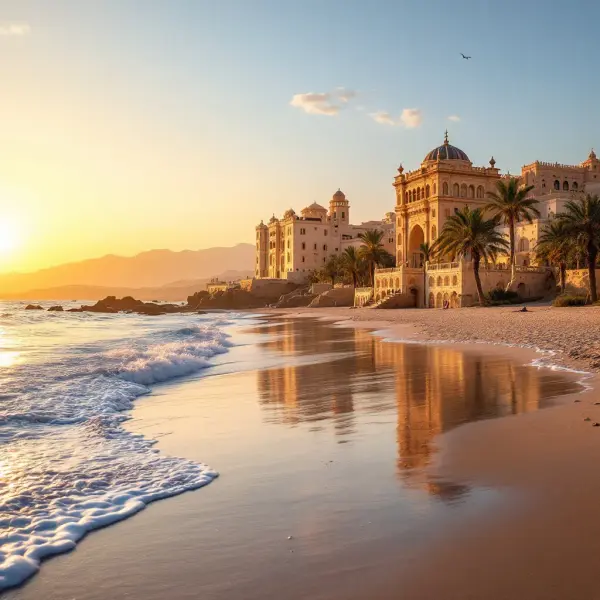
8. Qurum Beach
Το αγαπημένο παραθαλάσσιο καταφύγιο του Μουσκάτ όπου οι ντόπιοι έρχονται να χαλαρώσουν. Βύθισε τα δάχτυλά σου στη μαλακή σκοτεινή άμμο, δες τα ντάου να πλέουν και απόλαυσε ψητό καλαμπόκι από τους πωλητές της παραλίας καθώς ο ήλιος λιώνει στον Κόλπο.
Γρήγορα στοιχεία: Εκτεινόμενη σχεδόν 4 χιλιόμετρα κατά μήκος της Θάλασσας του Ομάν, αυτή η αμμώδης ημισέληνος προσελκύει χιλιάδες εκδρομείς τα Σαββατοκύριακα και περιπατητές το ηλιοβασίλεμα. Τρία διακριτά τμήματα προσφέρουν διαφορετικές εμπειρίες: μια ζωντανή κεντρική περιοχή με καροτσάκια φαγητού και χώρους παιχνιδιού, συν πιο ήσυχα ανατολικά και δυτικά άκρα για ήρεμους περιπάτους.
Αξιοσημείωτα: Μετά το ηλιοβασίλεμα, η παραλία μεταμορφώνεται σε μια ζωντανή κοινωνική σκηνή όπου οικογένειες του Ομάν απλώνουν χαλιά, ανάβουν μικρές φωτιές και μοιράζονται φρέσκα ψητά θαλασσινά από κοντινούς πωλητές. Η χαρακτηριστικά σκουρόχρωμη άμμος, πλούσια σε μεταλλικά στοιχεία από τα γύρω βουνά Χατζάρ, δημιουργεί εντυπωσιακή αντίθεση με το τιρκουάζ νερό κατά τη χρυσή ώρα.
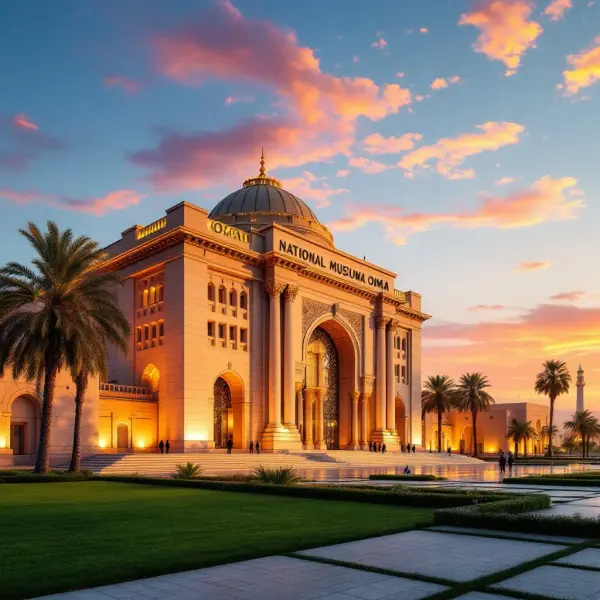
9. National Museum of Oman
Μπες στην ιστορία του Ομάν μέσα από 800 αντικείμενα που καλύπτουν 7.000 χρόνια. Περιηγήσου σε εννέα αίθουσες γεμάτες με θησαυρούς της γης και της θάλασσας, από θυμιατήρια λιβανιού μέχρι πορτογαλικά κανόνια.
Γρήγορα στοιχεία: Εννέα διακριτές αίθουσες εκτείνονται σε δύο ορόφους και παρουσιάζουν 7.000 χρόνια ιστορίας του Ομάν, από προϊστορικά εργαλεία μέχρι σύγχρονα ναυτικά αντικείμενα. Πάνω από 800 αντικείμενα εκτίθενται, μεταξύ των οποίων μια γιγάντια θυμιατήρι που χρησιμοποιούνταν στο παλάτι του Σουλτάνου και ένα πορτογαλικό κανόνι του 16ου αιώνα που ανασύρθηκε από τη θάλασσα.
Αξιοσημείωτα: Το μουσείο φιλοξενεί το σπαθί του Ιμάμη Φαϊζάλ μπιν Τούρκι, ένα τελετουργικό όπλο διακοσμημένο με διαμάντια και χρυσό που διατηρεί ακόμα την αμυδρή μυρωδιά του λιβανιού από αιώνες χρήσης. Μια τεράστια τρισδιάστατη ολογραφική προβολή των αρχαίων εμπορικών δρόμων του λιβανιού ζωντανεύει τα καραβάνια της ερήμου, επιτρέποντάς σας να παρακολουθείτε εικονικές καμήλες να διασχίζουν το Ρουμπ αλ Χάλι χωρίς ούτε μία λέξη στην οθόνη.
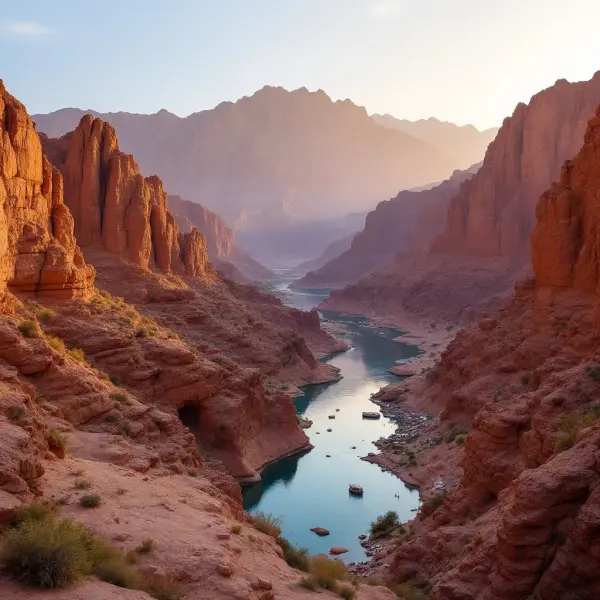
10. Wadi Shab
Μια πεζοπορία ανάμεσα σε φοίνικες και βράχινους τοίχους καταλήγει σε έναν καταρράκτη σπηλιάς όπου μπορείς να κολυμπήσεις. Περπάτησε μέσα από τιρκουάζ πισίνες, σκαρφάλωσε πάνω από ογκόλιθους και επίπλευσε σε ένα κρυμμένο σπήλαιο.
Γρήγορα στοιχεία: Κολυμπώντας μέσα από ένα στενό φαράγγι φτάνετε σε έναν εκπληκτικό καταρράκτη κρυμμένο μέσα σε μια σπηλιά. Το κρυστάλλινο τιρκουάζ νερό παραμένει δροσερό στους 25°C όλο τον χρόνο, καθιστώντας το ιδανικό για βουτιά οποιαδήποτε εποχή.
Αξιοσημείωτα: Μέσα σε εκείνη τη σπηλιά, ακτίνες ηλιακού φωτός διαπερνούν ανοίγματα στη βραχώδη οροφή, δημιουργώντας φυσικούς προβολείς πάνω στην τιρκουάζ λίμνη από κάτω. Σταθείτε ακριβώς κάτω από μία από αυτές τις δέσμες φωτός και το νερό λάμπει με ένα ηλεκτρικό μπλε που αλλάζει καθώς τα σύννεφα περνούν από ψηλά.
Where to Stay in Muscat, Oman
Selected by City Buddy based on guest reviews and proximity to top attractions
Search all hotels in Muscat, OmanPowered by agoda
Παραδοσιακά γλυκά πιάτα
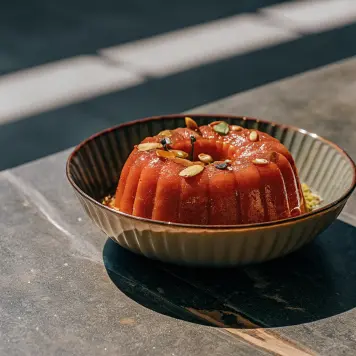
Halwa Omani
Halwa Omani is a gelatinous, rosewater flavored confection made with sugar, ghee, and nuts. It is considered a national symbol of hospitality and is often served to guests with Omani coffee.
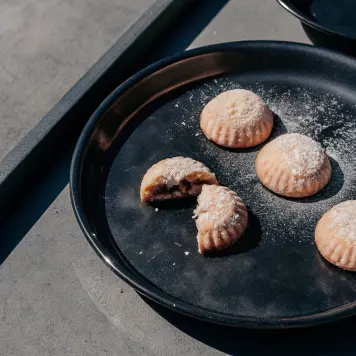
Mamoul
Mamoul are delicate semolina shortbread cookies stuffed with dates, walnuts, or pistachios. They are traditionally made for Eid celebrations and are often dusted with powdered sugar.
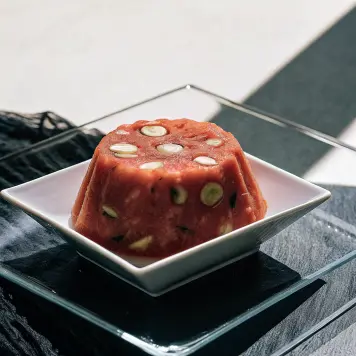
Loquat Halwa
Loquat Halwa is a unique Omani dessert made from the locally grown loquat fruit, which has a sweet and tangy flavor. It is less common than other halwas but highly prized by locals for its distinct taste.
Παραδοσιακά αλμυρά πιάτα
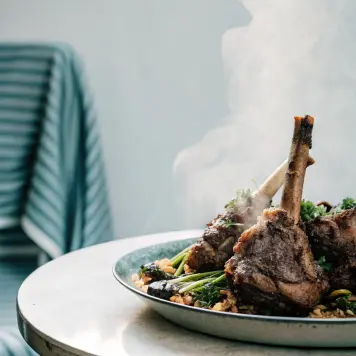
Shuwa
Shuwa is a festive dish of marinated lamb or goat slow cooked for up to 48 hours in an underground sand oven. The meat becomes so tender it falls off the bone, and it is typically served during Eid and weddings.
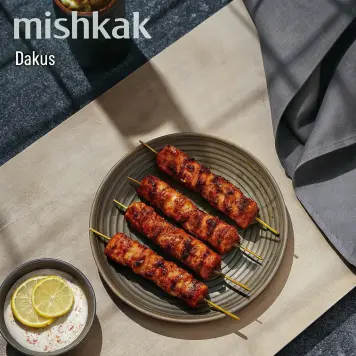
Mishkak
Mishkak are spicy, grilled fish or chicken skewers marinated in a tangy blend of chili, turmeric, and lemon. These popular street food skewers are often served with a garlicky dipping sauce called "dakus."
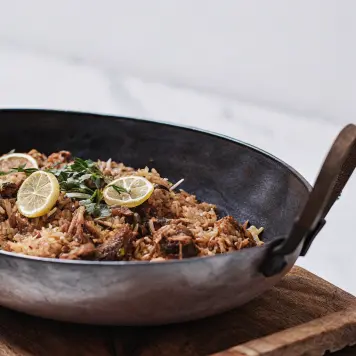
Majboos
Majboos is a fragrant rice dish cooked with spiced meat, usually chicken or lamb, and flavored with saffron, cardamom, and dried limes. It is considered the national comfort food of Oman and is similar to biryani but with a distinct Omani spice profile.
Παραδοσιακά ποτά
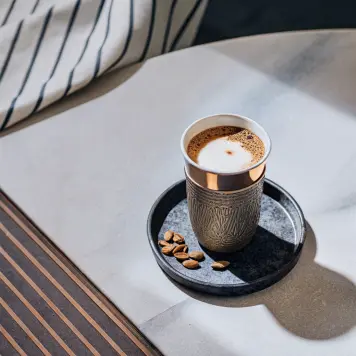
Omani Kahwa
Omani Kahwa is a lightly roasted coffee brewed with cardamom, saffron, and rosewater, giving it a golden hue and aromatic flavor. It is traditionally served in small handleless cups and is a cornerstone of Omani hospitality.
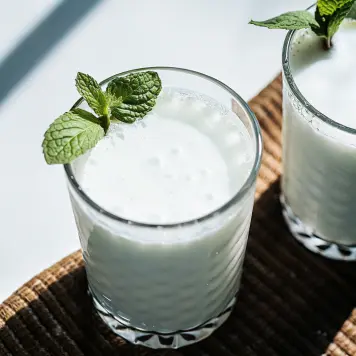
Laban
Laban is a tangy, thin buttermilk drink often blended with salt and mint to refresh in the intense Omani heat. It is commonly served alongside spicy rice dishes like Majboos to cool the palate.
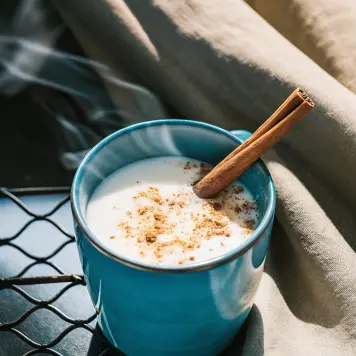
Sahlab
Sahlab is a warm, creamy milk drink thickened with orchid root powder and flavored with cinnamon, rosewater, and nuts. It is a beloved winter beverage in Muscat, often enjoyed as a comforting dessert drink.
Frequently Asked Questions about Muscat, Oman
Είναι ασφαλές το Μουσκάτ του Ομάν;
Πόσες μέρες στο Μουσκάτ του Ομάν;
Ποια είναι η καλύτερη εποχή για να επισκεφτείτε το Μουσκάτ του Ομάν;
Είναι ακριβό το Μουσκάτ του Ομάν;
Πώς μπορείτε να μετακινηθείτε στο Μουσκάτ του Ομάν;
Λάβετε ένα PDF με τα πιο δημοφιλή αξιοθέατα στο email σας
Λάβετε ένα PDF με όλα τα αξιοθέατα, βαθμολογίες και συμβουλές. Ιδανικό για χρήση εκτός σύνδεσης.
Τα πιο δημοφιλή ημερήσια ταξίδια
Πώς να φτάσετε
Αεροδρόμια
Muscat has no train service. From the airport, take a taxi or pre-book a ride. Taxis cost around 10-15 OMR to the city center.
Βρείτε πτήσεις προς Muscat, Oman
Κάντε κλικ για να αποκτήσετε eSim για Muscat, Oman
Ο πιο εύκολος και οικονομικός τρόπος για να έχετε κινητό ίντερνετ όπου κι αν ταξιδεύετε.
Σχόλια (10)
Grand Mosque is free to enter but you have to cover up fully. They lend abayas at the entrance but arrive early before tour groups flood it.
Most ATMs charge high fees. Bring enough cash from the airport and use cards at malls only. Saved me a ton in random surcharges.
Muttrah Souq is overwhelming in the best way. Got lost for hours. Just be ready to haggle and ignore the pushy shopkeepers.
Food scene surprised me a lot. Spiced rice and grilled seafood everywhere for cheap. Skip the hotel buffets and eat where locals eat.
Would come back just for the wadis and mountains nearby. Muscat itself is clean and pretty but the real magic is outside the city.