 CityBuddy
 Magyar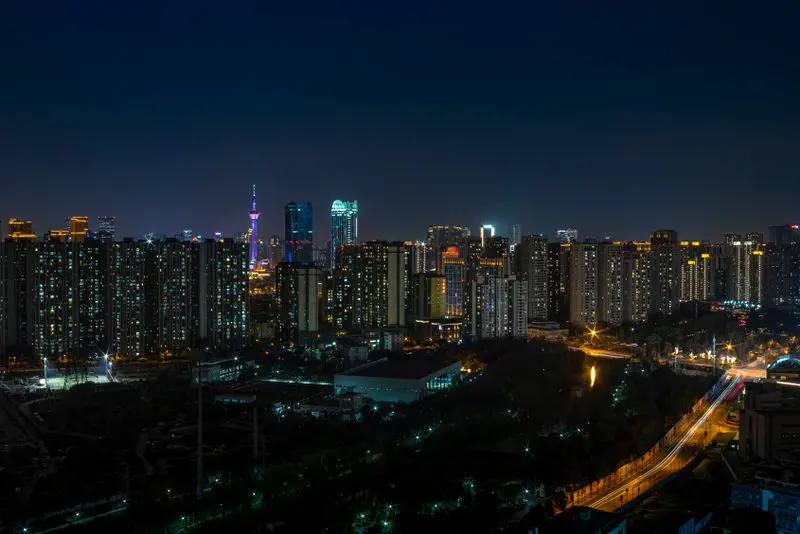
Látnivalók és programok: Chengdu, China
Fotó készítője: AG ZN a Pexels.com-on
Mikor érdemes látogatni
Chengdu a #3 város gasztronómia-rajongóknak a világon, a több száz úti cél adatai alapján.
Legnépszerűbb látnivalók itt: Chengdu, China
Ha a Chengdui látnivalók ajánlásáról van szó, a legvonzóbb nem más, mint a Chengdu Research Base of Giant Panda Breeding, ahol több mint 80 óriáspanda él, és a reggeli etetés ideje a legforgalmasabb. Ezt követően érdemes bejárni a Kuanzhai Alley (Wide and Narrow Alley) utcát, ezt a széles, keskeny és kútsikátorokból álló, Qing-dinasztia kori ókori utcát, amely megőrizte a régi Chengdu udvarházas életének hangulatát. A Wuhou Shrine pedig a Három Királyság korának híres kancellárját, Zhuge Liangot állítja emlékbe; a templomban ősi ciprusfák érnek az ég felé, és a történelmi hangulat kézzelfogható. Ez a három látnivaló felöleli Chengdu leglényegesebb kulturális és természeti élményeit.
1. Chengdu Research Base of Giant Panda Breeding
A nemzeti kincs megfigyelésének végső élménye, a tömzsi pandák bambuszrágása egy egész napos fáradtságot képes meggyógyítani. Sétálj a bambuszerdei ösvényeken, a mókás kölyköktől a nyugodtan evő felnőtt pandákig, minden pillanatot megörökíteni érdemes.
Gyors tények: Naponta több mint 100 óriáspanda él itt, a frissen született rózsaszín kölyköktől a felnőtt pandákig mindenki látható. Ez egyben a világ legnagyobb óriáspanda-mesterséges szaporítási kutatóintézete, amely eddig több mint 300 óriáspandát sikeresen szaporított.
Főbb látnivalók: A kora reggel a legvarázslatosabb pillanat itt: a néhány hónapos pandakölykök kiskutyákéhoz hasonló nyüszítő hangokat adnak a fiókokból, a gondozók pedig elvégzik a „pandaovis” közös etetési szertartását. Amikor az ember a saját szemével látja, ahogy több tucatnyi bolyhos pandababa sorban tejet iszik, az a boldogság szinte szívszaggatóan megható.
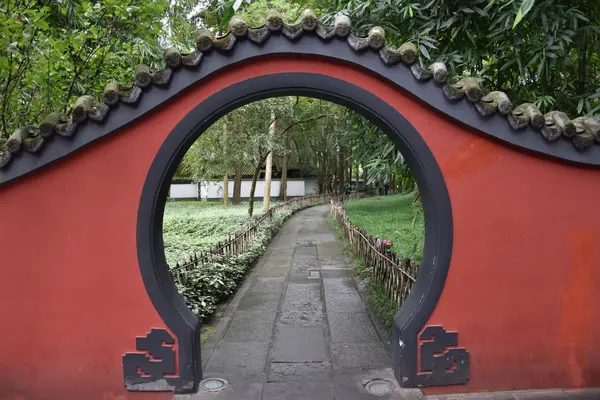
2. Wuhou Shrine
Lépj be a Három Királyság hőseinek legendás világába, és érezd meg Zhuge Liang minden erejét latba vető szellemi erejét. Sétálj át a vörös falak és ősi ciprusok között, és beszélgess az ezeréves történelemmel a füstölő illatában.
Gyors tények: A 37 ezer négyzetméteres templomterületen őrzik a „három remekmű sztélét”, amelyet Pei Du, a Tang-dinasztia miniszterelnöke írt, a kalligráfus Liu Gongchuo pedig lemásolt. Több mint 2000 ősi ciprusfa öleli körül a vörös falú, szürke cserepes épületeket, köztük egy olyan is van, amelyet állítólag maga Zhuge Liang ültetett, és kora meghaladja az 1700 évet.
Főbb látnivalók: A főcsarnok ereszén 47, a Három Királyság korabeli szereplőit ábrázoló agyagfigura található, mindegyik arcán különböző kifejezéssel. Esőben a máz zöldes fényben csillan meg. Még különlegesebb, hogy a füstölőből szálló tömjén illata keveredik az ősi ciprusfák friss illatával, az egész udvart olyan csendesség lengi be, mintha átszelné az évezredeket.
3. Du Fu Thatched Cottage
Lépj be a költőfejedelem hajdani, menedékként szolgáló chengdui nádfedeles házának eredeti helyére, és szagold meg a bambusz és a föld illatát. A bambuszok árnyékában megbúvó udvarban igyál egy csésze fedeles teát, és hallgasd, ahogy a helyiek szecsuáni dialektusban szavalják Du Fu verseit.
Gyors tények: Évente több mint 2 millió látogató keresi fel a költőfejedelem emlékének szentelt csendes kertet. A kertben több mint 800 falpár és 150 kőtábla alkotja Kína legnagyobb, Tu Fu témájú kalligráfiai sziklaerdőjét.
Főbb látnivalók: A nádfedeles ház előtti lótuszos tóban több tucat teknős él, amelyeket a régi Csengtu városrészből gyűjtöttek össze. Már több mint húsz éve itt élnek, a helyiek "a költőfejedelem őrzőinek" hívják őket. Minden évben a holdnaptár szerinti harmadik hónap harmadik napján a kert kihelyezi a négy kincset, hogy a látogatók a ház előtt másolhassák Tu Fu verseit, a papír és a tus teljesen ingyenes.
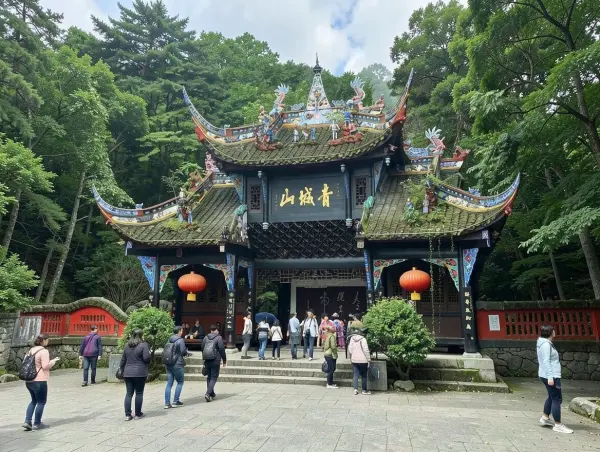
4. Mount Qingcheng
Szeretnéd megtapasztalni a taoista kultúra csendes erejét a dús hegyi erdőkben? Kapaszkodj fel a kőlépcsőkön, a régi kolostor reggeli harangja, a kristálytiszta forrás és a madárdal, az egész út olyan látványt nyújt, amely feledteti a város zaját.
Gyors tények: A Csingcseng-hegy első és hátsó részre oszlik: az első hegyen taoista templomok sorakoznak, és bőséges a füstölő illata, a hátsó rész viszont csendesebb és őszibb. Ez a kínai taoizmus egyik szülőhelye, az egész hegyen jelenleg 36 taoista templom található, amelyek még a keleti Han-dinasztia idejében épültek.
Főbb látnivalók: A Laocsun pavilon előtti reggeli ködben a fehér ruhás taoista papok tajcsizó alakjai halványan fel-felvillannak, mintha ezer éven át utaznánk. Ráadásul a hátsó hegy Voulong-völgyében a patak csobogása és a madárdal összeolvad, és az út során vadon élő makákókkal is találkozhatunk, ami egyetlen wuxia-regény hangulatának sem vall szégyent.
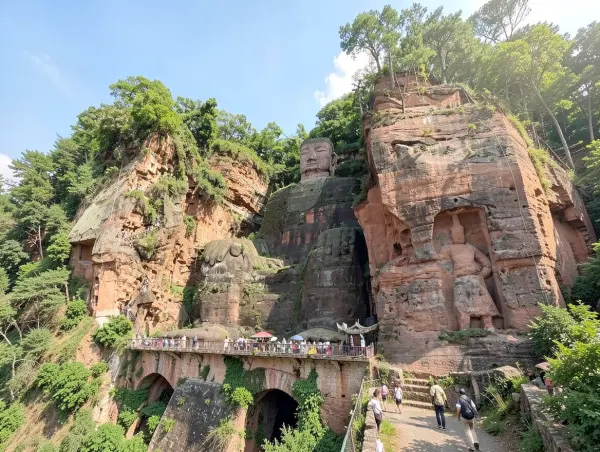
5. Leshan Giant Buddha
Lásd saját szemeddel a világ legnagyobb sziklába vésett Buddha-szobrát, és érezd meg a Tang-kori mesterek mesteri keze munkáját. Sétálj végig a kanyargó függőfolyosón a Buddha fejétől a lábáig, és hallgasd meg az évezredes visszhangot a három folyó találkozásánál.
Gyors tények: Ez a 71 méter magas sziklába vésett óriás Buddha a három folyó találkozásánál ül, magasabb, mint egy 20 emeletes épület, és már csak a lábfeje akkora, mint két kosárlabdapálya. Az egész Buddha elkészítése 90 évig tartott, három generáció kőfaragója dolgozott rajta egymást váltva, és egykor 13 emeletes pagoda védte az esőtől és a széltől.
Főbb látnivalók: Az óriás Buddha egyszer 20 évig tartó helyreállításon esett át, amelynek során a mesteremberek több mint ezer eredeti Tang-kori téglát találtak a feje tetején. Ami még elképesztőbb, a Buddha füleibe és hajába egy rejtett vízelvezető rendszert építettek, amelyet a Tang-kori mesterek zseniálisan terveztek meg, így az óriás évezredek viharait is kiállva ma is méltóságteljesen ül.
6. Sanxingdui Museum
Lépj be egy titokzatos ősi államba, amelyet soha nem jegyzett fel a történelem, és lásd saját szemeddel a 3000 évvel ezelőtti, képzeletet felülmúló bronzkori civilizációt. A háromméteres bronz szentfa, a kiugró szemű maszkok, minden egyes műtárgy felforgatja a kínai civilizációról alkotott képedet.
Gyors tények: Több mint ezer bronzmaszk, szent fa és elefántcsont került napvilágra 1986-ban két áldozati gödörből, mindegyik különös formájú, egyáltalán nem hasonlítanak a közép-kínai bronztárgyakra. A régészek mindmáig nem találtak semmilyen írott feljegyzést, hogy melyik ősi királysághoz tartoztak ezek a tárgyak, és miért temették el őket; ez máig megoldatlan rejtély.
Főbb látnivalók: A bronz szent fa 3,96 méter magas, három ágszintre oszlik, mindegyik szinten kilenc szent madár ül, a csúcsán pedig egy szerencsét hozó állat áll, az egész fa a kiállítóteremben a padlótól a mennyezetig ér. A legkülönösebbek a kiálló szemű maszkok, amelyek szemgolyói akár 16 centiméterre is kiállnak, és úgy néznek ki, mint egy idegen lény, így minden látogató, aki eléjük áll, önkéntelenül beszívja a levegőt.
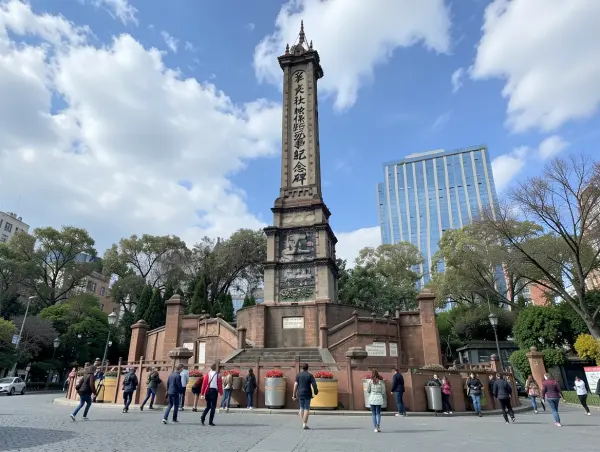
7. People's Park
Szeretnél egy pillanat alatt belecsöppeni a régi Chengdu lassú életébe? Gyere ide, igyál teát, tisztíttasd a füled, nézd, ahogy a járókelők bambulnak, és fél nap úgy elszáll, mint a szempillantás.
Gyors tények: A több mint 70 mú (nagyjából 4,7 hektár) területű, belvárosi oázis naponta több tízezer helyi lakost vonz, akik teázni, táncolni és madzsongozni jönnek ide. A park évszázados ginkgóerdője minden ősszel aranysárgává válik, és a csengtuiak által leginkább földhözragadtnak tartott pihenőparadicsom.
Főbb látnivalók: A park mélyén található Heming teaház 1923 óta üzemel, bambuszszékek, rézkanna, fedeles csészés tea, egy csésze csak néhány tíz jüanba kerül, és akár egész nap ülhetsz ott, senki sem zavar el. Minden vasárnap délelőtt az angol sarok és a párkereső sarok egyszerre zajlik, és ahogy az ősz hajú bácsik folyékony angolsággal beszélgetnek külföldi diákokkal, azt egész Kínában valószínűleg csak itt lehet látni.
Where to Stay in Chengdu, China
Selected by City Buddy based on guest reviews and proximity to top attractions
Search all hotels in Chengdu, ChinaPowered by agoda
Hagyományos édes ételek
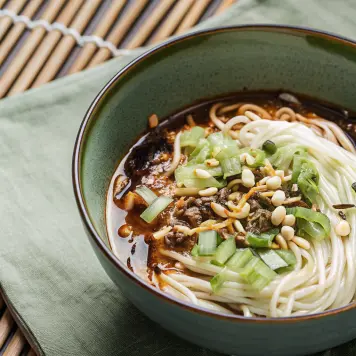
Dandan Mian (Dan Dan Noodles)
Despite being a noodle dish, Dandan Mian is often served as a sweet and savory street food. Its name comes from the bamboo pole (dan dan) that street vendors used to carry the noodles and sauce on their shoulders.
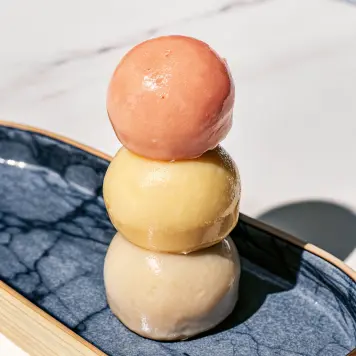
Three Balls (San Da Pao)
San Da Pao, or Three Big Bangs, is a Chengdu dessert made from glutinous rice that makes three loud sounds when prepared. The pounding and shaking of the rice cakes create a theatrical performance as the vendor calls out each bang.
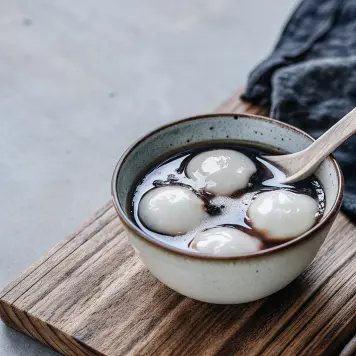
Sweet Rice Balls (Tangyuan)
Tangyuan are glutinous rice balls filled with black sesame paste or sweet bean paste, often served in a warm ginger syrup. In Chengdu, these are especially popular during the Lantern Festival as their round shape symbolizes family togetherness.
Hagyományos sós ételek
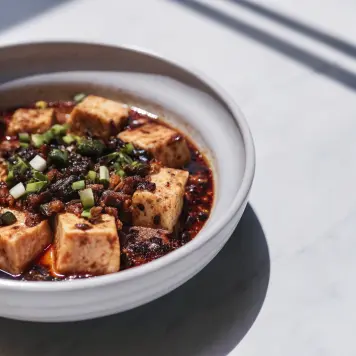
Mapo Tofu
This iconic Chengdu dish features soft tofu in a fiery sauce of doubanjiang (fermented bean paste) and Sichuan peppercorns. It is named after an elderly pockmarked woman (ma po) who supposedly invented the recipe in a small Chengdu eatery.
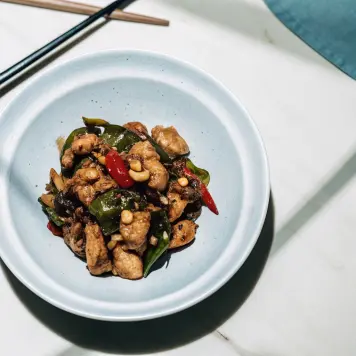
Kung Pao Chicken (Gong Bao Ji Ding)
This dish originated in Chengdu and is named after Ding Baozhen, a Qing Dynasty governor whose title was "Gong Bao" (Palace Guardian). The original recipe uses only chicken, peanuts, and chili peppers without the vegetables often added in Western adaptations.
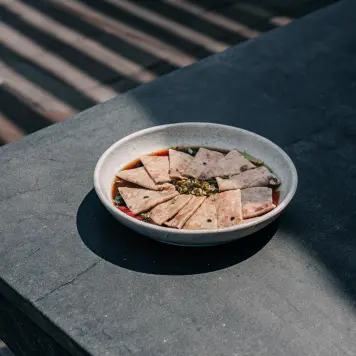
Fuqi Feipian (Husband and Wife Lung Slices)
Despite its literal name meaning "husband and wife lung slices," this dish actually contains no lung tissue but rather thinly sliced beef and offal. It was created by a married couple who sold the spicy, numbing cold beef dish from a pushcart in Chengdu.
Hagyományos italok
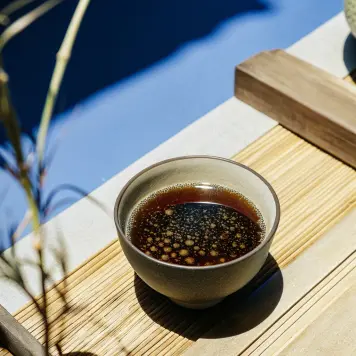
Sichuan Buckwheat Tea (Ku Qiao Cha)
Ku Qiao Cha is a nutty, slightly bitter tea made from roasted tartary buckwheat grown in the highlands of Sichuan. It is caffeine free and believed to help with digestion, especially after eating Chengdu's famously spicy food.

Suan Mei Tang (Sour Plum Drink)
This tangy, sweet beverage is made from smoked plums, rock sugar, and licorice root, and is a cherished Chengdu summer drink. It is said to have been invented during the Song Dynasty to cool down emperors in the heat.
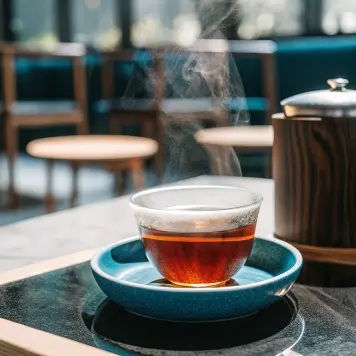
Gaiwan Tea (Covered Bowl Tea)
The gaiwan, a lidded bowl used for brewing and drinking tea, is inseparable from Chengdu's teahouse culture where locals spend hours sipping, socializing, and playing mahjong. Chengdu has the most teahouses of any city in China, with thousands dotting its streets and parks.
Gyakori kérdések: Chengdu, China
Biztonságos Csengtuban turistáskodni?
Hány napot érdemes Csengtuban tölteni?
Mikor a legjobb idő Csengtu meglátogatására?
Drága a turizmus Csengtuban?
Hogyan lehet közlekedni Csengtu belvárosában?
Küldjön PDF-et a legnépszerűbb látnivalókról az email címére
Szerezzen PDF-et az összes látnivalóról, értékelésekről és tippekről. Tökéletes offline használatra.
Legnépszerűbb egynapos kirándulások
Leshan Giant Buddha
Home to the world's largest stone Buddha statue carved into a cliff face.
Mount Qingcheng
Ancient Taoist mountain with lush greenery and serene temples.
Dujiangyan Irrigation System
Ancient irrigation system still in use, a UNESCO World Heritage site.
Panda Base (Bifengxia)
Giant panda breeding and research center in a lush valley setting.
Mount Emei
Sacred Buddhist mountain with stunning sunrise views and monasteries.
Hogyan jutunk el oda
Repülőterek
Vasútállomások
High-speed rail to Xi'an, Chongqing, Guangzhou, Shanghai, Beijing
High-speed rail to Leshan, Mount Emei, Kunming
High-speed rail to Dujiangyan, Qingchengshan
From Shuangliu Airport (CTU), take Metro Line 10 to city center in 30 minutes. Tianfu Airport (TFU) is farther; use the Airport Express Bus or Metro Line 18.
Hasznos információk itt: Chengdu, China
Áttekintés itt: Chengdu, China
Napról napra terveznél Chengdu, China-re? Nyisd meg az útvonaltervezőt
Mikor utazik Chengdu, China?
Válassza ki dátumait és utazási stílusát, hogy megkapja:
Van valami, ami különösen fontos Önnek?
Jelölje be az összeset, ami vonatkozik
Közlekedés
Hogyan szeretnél közlekedni a helyek között?
Terv nyelve: Magyar