 CityBuddy
 Magyar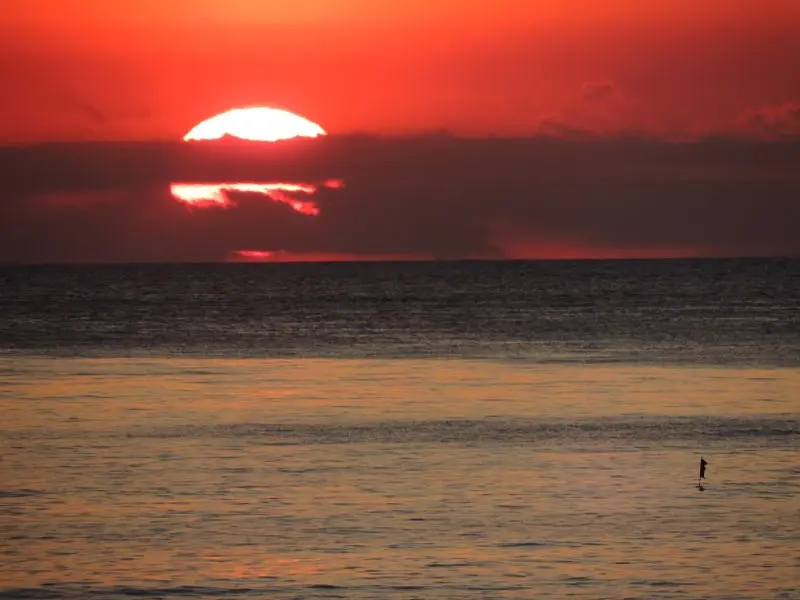
Látnivalók és programok: Umag, Croatia
Fotó készítője: Barb Cerar a Pexels.com-on
Mikor érdemes látogatni
Legnépszerűbb látnivalók itt: Umag, Croatia
Amikor azt keresi, mit csináljon Umagban, Horvátországban, az isztriai riviéra a történelem és a természet olyan egyvelegét kínálja, amely minden lépésnél rabul ejti. Feltétlenül látogassa meg Umag óvárosát a 7. századból származó keskeny középkori utcákkal és a 18. századi Szent Mária templomot a megőrzött barokk oltárral. Sétáljon el a Punta Katorhoz, a sziklás parttal és kristálytiszta tengerrel rendelkező fokhoz.
1. Umag Old Town
Umag old town is one of the rare places on the coast where medieval walls touch the sea. Walk through the stone-paved streets, smell the scent of olives and spices, and pause at the cape where waves of purple-lit sun hit the foundations of the town.
Gyors tények: It offers a view of Venetian bell towers and the rooftops of the old town changing color during sunset. Every year in July, the city streets become a stage for the International Folklore Festival, gathering more than 500 performers from around the world.
Főbb látnivalók: On the main square stands a 15th-century Venetian lodge, today repurposed as a summer stage with acoustics that turn cold stone into a natural speaker. At the foot of the city walls, remains of Roman baths with mosaics were found, still holding traces of blue pigment 2000 years old.
2. Church of St. Mary
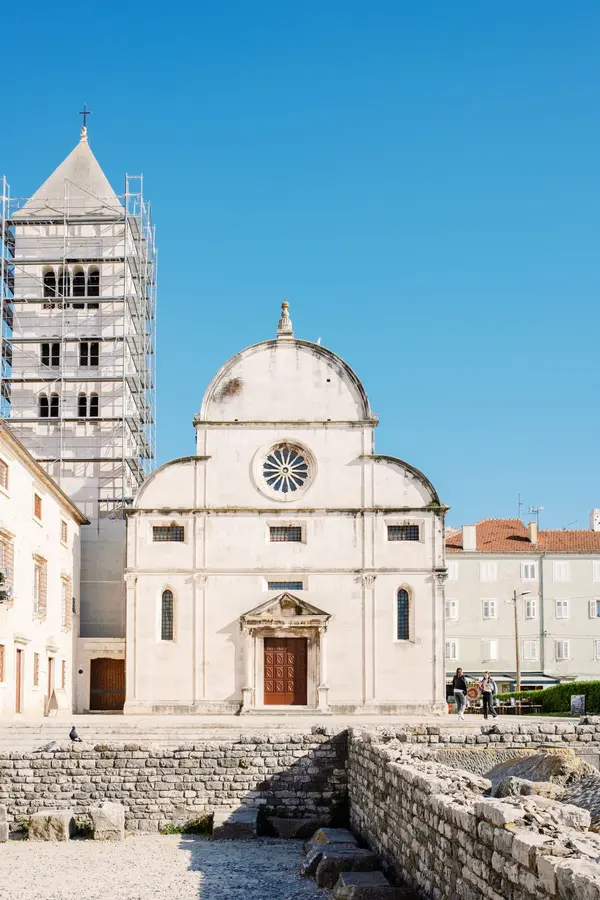
A peaceful oasis in the midst of Umag's bustle with artistic treasures that few know about. Stop on the bench in front of the church and watch how the light changes across the richly decorated facade.
Gyors tények: This 18th-century church hides a collection of paintings by Venetian masters that survived two world wars. Its 37-meter-high bell tower still serves as a landmark for fishermen returning to the harbor.
Főbb látnivalók: Behind the altar there is a wooden polychrome sculpture of the Virgin Mary from the 15th century, the only object to survive a fire that nearly destroyed the older church on the same site. When the afternoon sun falls through the rose window, a colorful mosaic of light appears on the floor and lasts only about twenty minutes.
3. Punta Katora
A place where rocks descend straight into crystal clear sea and where every sunset looks like a purposefully lit stage. You will smell dried herbs, hear the rustle of pebbles beneath your feet, and rest your gaze on a horizon without a single building.
Gyors tények: A naplemente itt narancssárga és lila árnyalatokkal festi be a tengert, és a víz olyan átlátszó, hogy bizonyos helyeken több méteres mélységben is látni az alját. A helyi halászok azt mondják, hogy ez az Isztriai partvidék egyik ritka helye, ahol még mindig hagyományos módon halásszák a kagylót.
Főbb látnivalók: Amikor a tenger visszahúzódik, előbukkan egy kis kőhíd, amely természetes módon köt össze két öblöt, létrehozva egy medencét, amelyet a helyiek „hal-spának” neveznek. Kizárólag itt hallhatja a helyiek történeteit az 1944-es partizánkórházról, amely a környező barlangokban volt elrejtve, és nyomai ma is láthatók.
4. Aci Umag Marina
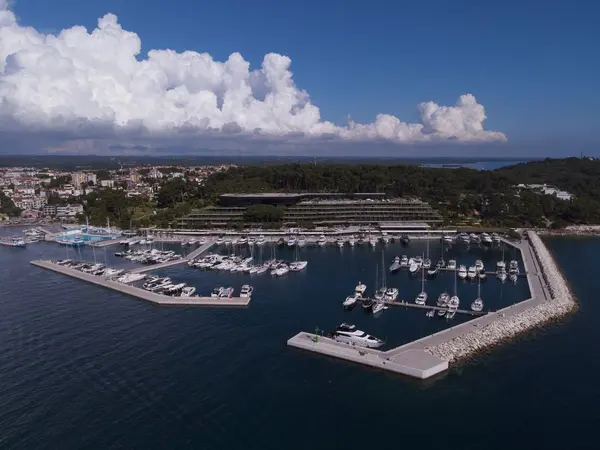
A place where the sea, yachts, and authentic Istrian atmosphere intertwine in a perfect blend. Walk along the pier, have a coffee while watching the boats, and feel the true Mediterranean rhythm of life.
Gyors tények: The marina has over 400 berths for yachts up to 40 meters in length, making it one of the largest on the Adriatic. The sailing season here begins in March and lasts until November, and every year over 10,000 sailors from around the world pass through it.
Főbb látnivalók: At night, the quay turns into a natural stage where the lights from the yachts create a fireworks of colors on the water, and the cries of seagulls echo among the masts. Every morning at 6 a.m., local fishermen bring their fresh catch directly to the pier, so the smell of the sea and fresh fish wakes the entire marina before dawn.
5. Museum of Umag
Peek into Umag's past through objects that bear witness to the lives of ordinary people, fishermen, and olive growers. You will walk through rooms that smell of old stone and wood, while each display case reveals a new story.
Gyors tények: Az óváros szívében található múzeum több mint 3000 kiállítási tárgyat őriz, amelyek 4000 év emberi életének történetét mesélik el ezen a területen. A látogatók mindent láthatnak a római kori amfóráktól kezdve az olajbogyó-feldolgozáshoz használt, évszázadokkal ezelőtt használt szerszámokig.
Főbb látnivalók: Az egyik legszembetűnőbb kiállítási tárgy egy teljesen épségben megmaradt etruszk bronzmérleg a Kr. e. 4. századból, az egyetlen ilyen példány az Adrián. Amikor a kezébe veszi, érzi a történelem súlyát: a mutató még mindig pontosan mutat, mintha tegnap készült volna.
6. Savudrija Lighthouse
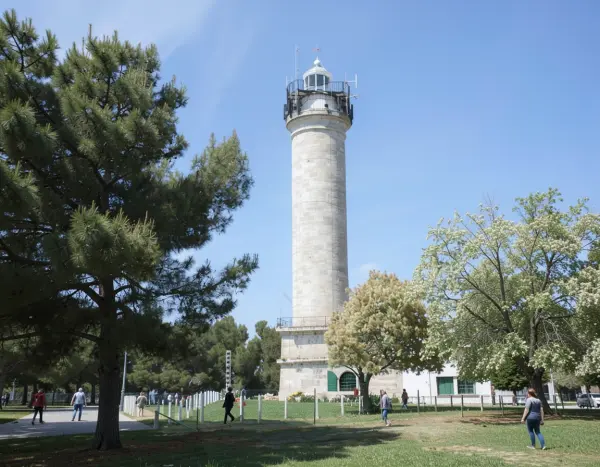
Step onto the oldest lighthouse of the Adriatic and feel the breath of history with the sound of waves. From its top, you will watch the sunset that paints three countries in gold.
Gyors tények: It is the oldest active lighthouse on the Adriatic, and its light first shone in 1818. It only got electricity in 1960, and until then it was maintained by three keepers working eight-hour shifts.
Főbb látnivalók: The stone for its construction was brought by ships from a quarry on the island of Brač, the same one used to build Diocletian's Palace in Split. From a height of 36 meters, the view stretches across three countries at once: Croatia, Slovenia, and Italy, and on clear days even the outlines of the Alps can be seen.
7. Umag City Beach
Imagine a beach with crystal clear sea located in the very heart of the city. You walk along the coastal promenade, skip from rocks to sand, and refresh yourself with a cocktail from a nearby bar.
Gyors tények: It stretches almost two kilometers along the coast, and its gentle entry into the water makes it safe even for the youngest swimmers. It has been awarded the Blue Flag for sea cleanliness and service quality, confirming its high standard.
Főbb látnivalók: At one end of the beach, there is an old city wall that descends directly into the sea, creating a natural pool where children play for hours. At sunset, the sky above the beach turns into shades of orange and purple, while the light plays on the water's surface, creating a scene that few urban beaches can offer.
8. Kanegra Beach
A place where the pine forest kisses the sea, and the gravel under your feet tells stories of fishermen from centuries past. Smell the scent of pine resin as the waves gently wash the shore before you.
Gyors tények: With 25 meters in width and over 300 meters in length, this pebble beach is one of the most spacious on the Istrian coast. It attracts over 150,000 visitors annually who come for the crystal clear sea and natural shade from the pine forest that descends almost to the water's edge.
Főbb látnivalók: The uniqueness of this beach lies in its fishing heritage: local fishermen still pull their small boats onto the pebbles exactly where their forefathers once did. The scent of pine resin mixed with salty air creates a unique aroma that you will not experience at any other beach in Istria.
Where to Stay in Umag, Croatia
Selected by City Buddy based on guest reviews and proximity to top attractions
Search all hotels in Umag, CroatiaPowered by agoda
Nyitvatartási napok itt: Umag, Croatia
Melyik fő látnivaló zár be a hét melyik napján. A klasszikus utazásrontó, neked ellenőrizve.
hétfő: 7 fő látnivalóból 1 zárva. Tervezd a múzeumlátogatást másik napra.
Zárva: hétfő · 1 zárva, 6 nyitva
Nyitvatartási napok a Google Mapsről (ellenőrizve: 2026-08-11). Ünnepnapok, sztrájkok és szezonális nyitvatartás eltérhet. A hivatalos weboldalt indulás előtt ellenőrizd.
Hagyományos édes ételek

Fritule
These small fried dough balls are infused with rum and citrus zest, often dusted with powdered sugar. They are a beloved Christmas and carnival treat throughout the Istrian region.

Kroštule
These thin, crispy fried pastry ribbons are twisted into elegant shapes and dusted with powdered sugar. They are a staple at Croatian celebrations and are said to have been brought to the region by Venetian traders.

Fritaja s Asparagusom
While technically a savory omelet in many places, in Umag this wild asparagus frittata is sometimes served as a sweet dish with a drizzle of local honey. The contrast of earthy asparagus and sweet honey is a true Istrian specialty.
Hagyományos sós ételek

Maneštra
This thick Istrian vegetable and bean soup often contains corn, potatoes, and smoked pork ribs. It is so hearty and beloved that locals say a proper meal is not complete without a bowl of maneštra.

Fuži s Tartufima
Fuži are a unique hand-rolled pasta shape from Istria, and Umag lies near the famous Motovun forest, a prime truffle hunting area. This dish combines the pasta with shaved black or white truffles and olive oil for a rich, earthy flavor.
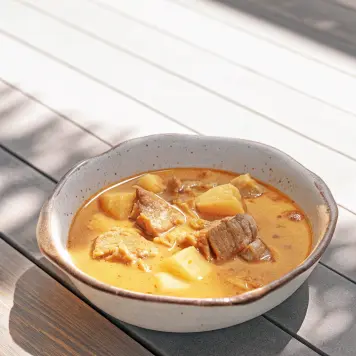
Boškarin Goulash
Made from the meat of the Istrian boškarin, a massive ancient breed of ox that was nearly extinct, this slow-cooked goulash is tender and deeply flavorful. Conservation efforts have brought the boškarin back, making this dish a symbol of Istrian heritage.
Hagyományos italok
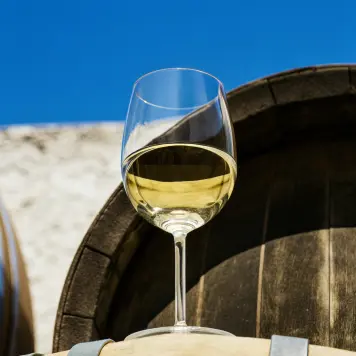
Malvazija (Malvasia) Wine
This is the signature white wine of the Istrian peninsula, with a rich history dating back to ancient Greek settlers. It pairs perfectly with seafood and truffle dishes and has a distinctive floral and nutty character.
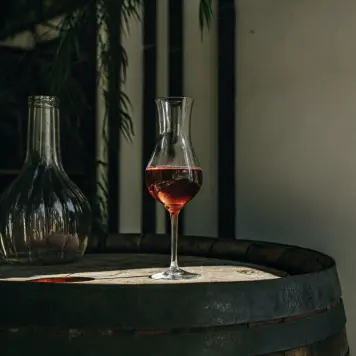
Teran Wine
A bold red wine unique to the Istrian region, Teran is known for its deep ruby color and high iron content. Legend says it was a favorite of Roman emperors who prized it for its health benefits.

Biska (Mistletoe Grappa)
This traditional Istrian grappa is infused with white mistletoe berries, giving it a pale yellow color and herbal flavor. It is believed to have medicinal properties and is often served as a digestive after meals.
Gyakori kérdések: Umag, Croatia
Biztonságos Umag a turisták számára?
Mikor a legjobb Umagba látogatni?
Hány nap elegendő Umagban eltölteni?
Drága Umag a turisták számára?
Hogyan lehet közlekedni Umagban?
Küldjön PDF-et a legnépszerűbb látnivalókról az email címére
Szerezzen PDF-et az összes látnivalóról, értékelésekről és tippekről. Tökéletes offline használatra.
Legnépszerűbb egynapos kirándulások
Poreč
Historic town with UNESCO-listed Euphrasian Basilica and Roman ruins
Pula
Home to the well-preserved Roman Pula Arena amphitheater
Trieste, Italy
Italian border city with Habsburg architecture and seafood cuisine
Hogyan jutunk el oda
Vasútállomások
Local line to Buje and Kopar
Main line connecting Istria to Slovenia
The nearest major airport is Pula (PUY), about 1 hour by car. A rental car is highly recommended for exploring Istria.
Hasznos információk itt: Umag, Croatia
Áttekintés itt: Umag, Croatia
Napról napra terveznél Umag, Croatia-re? Nyisd meg az útvonaltervezőt
Mikor utazik Umag, Croatia?
Válassza ki dátumait és utazási stílusát, hogy megkapja:
Van valami, ami különösen fontos Önnek?
Jelölje be az összeset, ami vonatkozik
Közlekedés
Hogyan szeretnél közlekedni a helyek között?
Terv nyelve: Magyar