 CityBuddy
 Magyar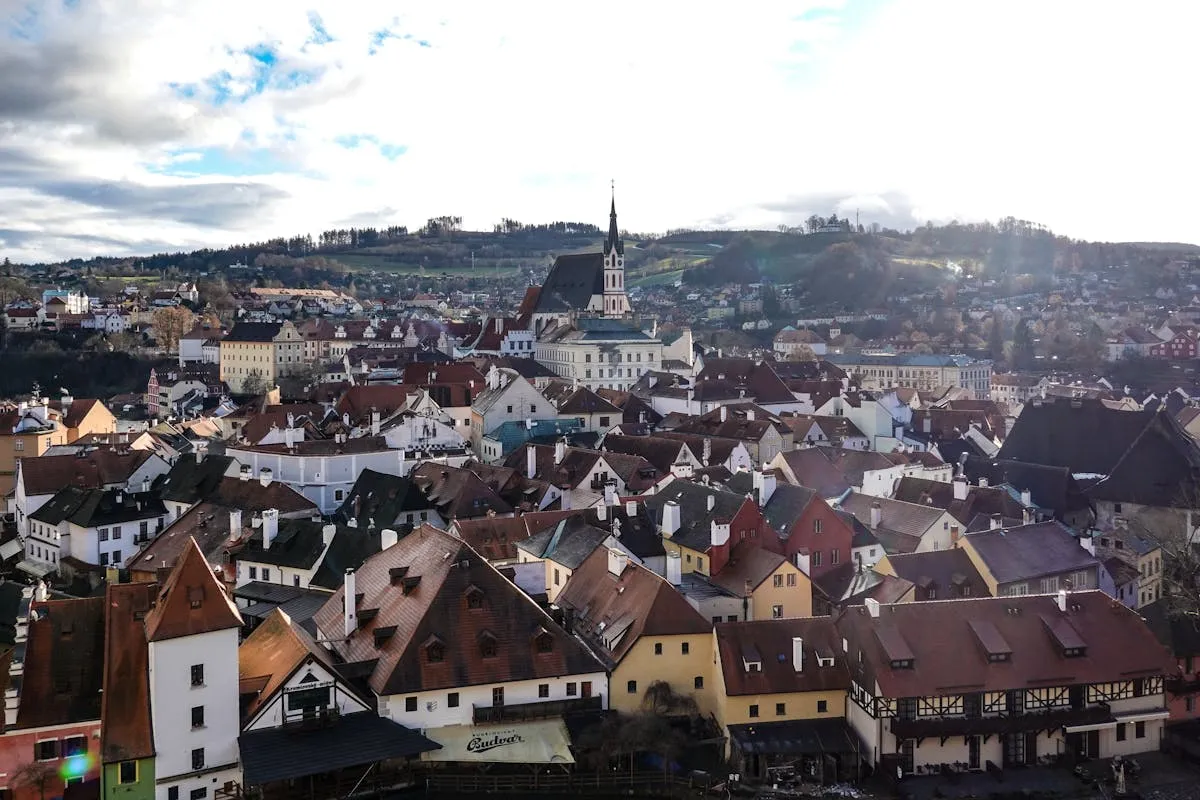
Látnivalók és programok: Český Krumlov, Czechia
Fotó készítője: Magda Ehlers a Pexels.com-on
Mikor érdemes látogatni
Legnépszerűbb látnivalók itt: Český Krumlov, Czechia
Tennivalók Český Krumlovban, Csehországban többek között a hatalmas Český Krumlovi kastély felfedezése, amely a Vltava folyó fölé magasodik reneszánsz és barokk építészetével. Bóklásszon az UNESCO által védett Történelmi Központban, amelyet macskaköves utcák és színes házak jellemeznek. Ne hagyja ki a Fotoatelier Seidel Múzeumot, amely bepillantást nyújt a korai fényképezés történetébe.
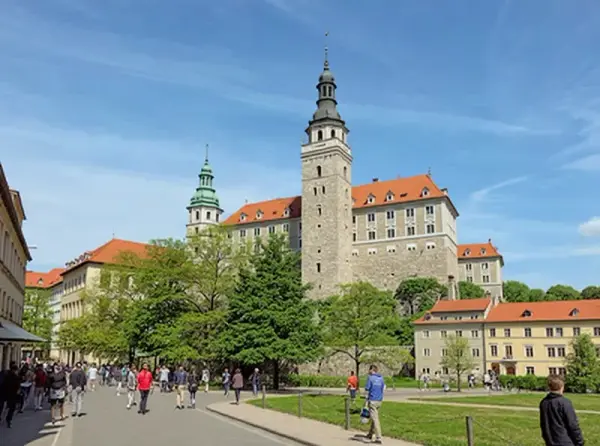
1. Český Krumlov Castle (Zámek Český Krumlov)
Zámek Český Krumlov
Közép-Európa egyik legnagyobb várkomplexuma rétegzett gótikus, reneszánsz és barokk építészettel. Sétáljon az udvarokon, másszon fel a toronyba a városkilátásért, és sétálgasson a folyóparti kertekben.
Gyors tények: A meredek, mozaikokkal díszített udvarokat megmászva egy barokk színház jutalmát kapod, amelynek eredeti színpadi gépezete még mindig működik, ritka bepillantást engedve az élő történelmi látványosságba. Egy kanyargós toronyfolyosó szalagként hullámzó folyóra nyíló kilátást keretez és több mint 300 szobát rejt a domboldalban, így a barangolás olyan, mintha titkos fejezeteket nyitogatnál minden lépcsőnél.
Főbb látnivalók: Egy 18. századi barokk színház, amely egy udvarban rejtőzik, még mindig az eredeti színpadgépezetet és kézzel festett háttereket használja. Különleges előadások során a páholyok tucatnyi gyertya fényében ragyognak, miközben a festett díszletek szinkronban forognak. Egy élő hagyomány a 16. század óta tart barna medvéket a várárokban, így a párkány fölött nézve láthatja őket, amint lassan mászkálnak a fűben, miközben a Vltava folyó susog a kanyarban.
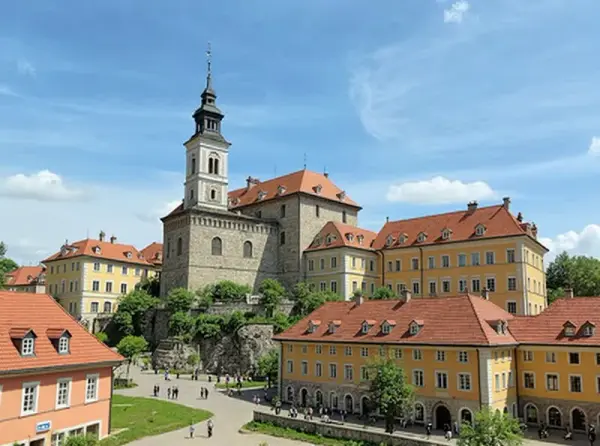
2. Historic Centre of Český Krumlov (Staré Město) — UNESCO World Heritage Site
Középkori utcák, folyóparti vár és barokk homlokzatok teszik felejthetetlenné Český Krumlovot. Sétáljon macskaköves sikátorokban, másszon fel a vártoronyba, és figyelje a Vltavát.
Gyors tények: A macskaköves sikátorok labirintusában bolyongani olyan, mintha egy élő mesekönyvbe lépnénk. Pasztellszínű homlokzatok, vörös tetők és egy lassan kanyargó folyó festményszerű középkori hangulatot teremtenek. Egy barokk színház eredeti forgószínpaddal még mindig hangulatos előadásokat tart, és a vár réteges udvarai váratlan kilátásokkal jutalmazzák az érdeklődő felfedezőket az egész városra.
Főbb látnivalók: Sétáljon a mézszínű sikátorokon, amelyek a 13. századi mag köré tekeredtek. Az elhasznált macskakövek kattognak a láb alatt, és egy kanyargó folyó úgy öleli körül a vörös tetőket, hogy hattyúk úszkálnak el a kávéház ablakai előtt. A falak mögött egy apró 1760-as évekbeli barokk színház maradt fenn eredeti színpadi gépezettel, kézzel festett hátterekkel és mintegy 100 fából készült székkel. Így a bensőséges nyári előadások alatt hallani lehet a fogaskerekek nyikorgását, valamint az olaj és por illatát, miközben a gyertyafény pislákol.
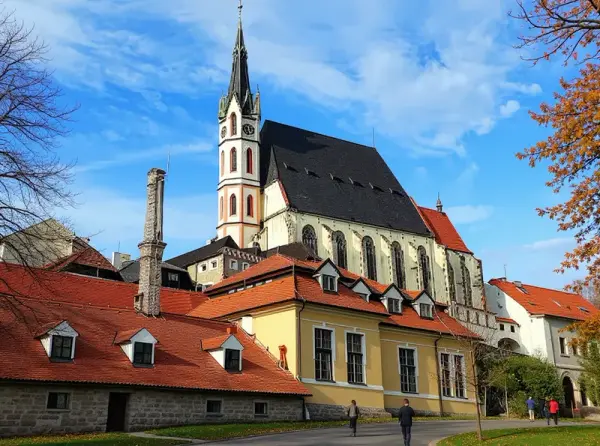
3. St. Vitus Church (Kostel sv. Víta)
Kostel sv. Víta
Gótikus templom a folyó mellett középkori freskókkal és békés hangulattal. Lépjen be, hogy megcsodálja a festett falakat, és élvezze a város és a vár nyugodt kilátását.
Gyors tények: A magasra nyúló hajóban suttogó akusztika hallható, amely még egy-két lépést is úgy visszhangoz, mintha egy kis kórus szólna, miközben a színes üvegablakok drágakőként festik meg a követ. Mássz fel egy szűk csigalépcsőn, hogy megpillantsd a barokk oltárokat és freskó töredékeket, amelyek évszázadok változó ízlését tárják fel, és ne hagyd ki a meglepő, 16. századi sírszobrokat, amelyek az oldalkápolnákban rejtőznek.
Főbb látnivalók: A tompa boltíves hajó mögött egyetlen kövezett padló, nem nagyobb egy vacsora tányérnál, évszázadok térdei és ujjai által fényesre kopott, és gyertyafényben olyan, mint egy apró fekete tükör. Az öreg idősek még mindig odanyomják a homlokukat ehhez a kőhöz és suttognak egy nevet a mise előtt. Azt mondják, a plébániai anyakönyvbe feljegyzik azt a személyt a következő megemlékezéskor, és a hajnal levegője mindig méhviasz és hideg kő illatú.
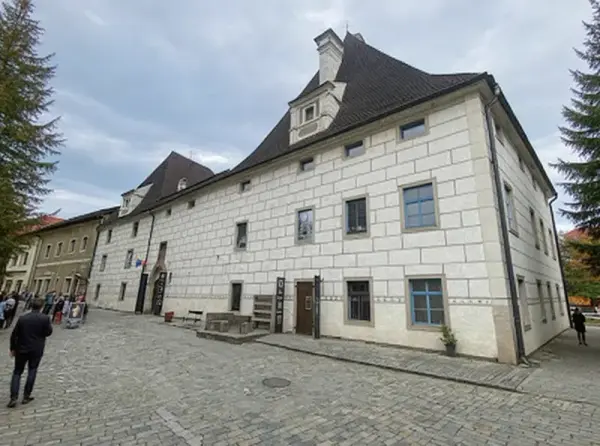
4. Egon Schiele Art Centrum
Eredeti Schiele-rajzok és gondolatébresztő kortárs kiállítások tárják fel a művész helyi kötődését. Járjon be intim galériákat, nézze meg a váltakozó kiállításokat, és másszon fel a toronyba a városkilátásért.
Gyors tények: Lépj be, és a szobák nyers, szögletes rajzokkal és elektromos színekkel lepnek meg, amelyek miatt a portrék meglepően élettel telik. Több mint 300 művet tartalmazó meglepő gyűjtemény plusz időszakos kortárs kiállítások azt jelentik, hogy minden látogatás új élményt kínál a kifejező figuratív művészet kedvelőinek.
Főbb látnivalók: Lépj be, és a levegő enyhén az öreg papír és lenolaj illatát árasztja, a galéria alacsony világítása a krétavonalakat és a százéves rajzok törékeny barna széleit élő erekként mutatja. Lassú délutánokon egy idegenvezető apró nagyítót ad, és összeesküvésesen hajolva rámutat egy 1912-es ceruzás dátumra és egy alig látható ujjlenyomatra a margón, egy csendes kis történetre, amely a fehér papírt valaki megélt pillanatává változtatja.
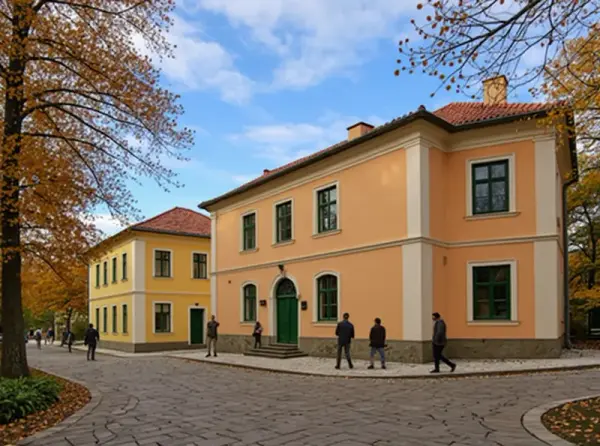
5. Museum Fotoatelier Seidel (Muzeum Fotoateliér Seidel)
Muzeum Fotoateliér Seidel
Lépjen be egy megőrzött 19. századi fényképészeti műterembe, amely eredeti felszerelést és családi portrékat mutat be. Fedezze fel közelről a sötétkamrát, az üvegnegatívokat és a beállított stúdiódíszleteket.
Gyors tények: Lépj be egy meleg fényű műterembe, és azonnal érezni fogod a precíz sötétkamra-munka csendjét, miközben az üvegnegatívok és antik fényképezőgépek polcai mintha családi történeteket suttognának. A kurátorok az eredeti archívum meglepően nagy részét megőrizték, így több tucat portré és több száz negatív maradt fenn épen, lehetővé téve, hogy generációkon át kövesd nyomon a személyes történeteket.
Főbb látnivalók: Lépj be a régi műterembe, és az előhívó és a viaszolt fa illata csap meg, miközben a fából és sárgarézből készült fényképezőgépek polcain és a kézzel színezett portrék albumain még mindig láthatók Josef Seidel ceruzás jegyzetei és műtermi bélyegzői. Bizonyos vezetett túrákon egy tárlatvezető egy eredeti sárgarézlemezes fényképezőgépet ad a kezedbe, és megmutatja, hogyan materializálódik lassan egy üvegnegatív a vörös lámpa alatt, az ezüstkép úgy jelenik meg, mint egy szellem a szemed előtt.
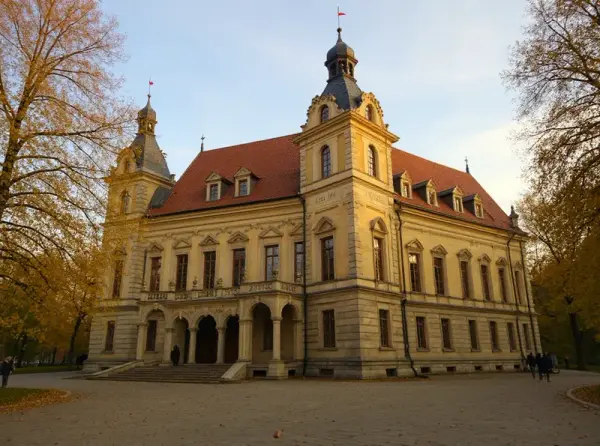
6. Baroque Theatre (Zámecké barokní divadlo)
Zámecké barokní divadlo
Ritka, működő 18. századi udvari színház eredeti színpadi gépezettel és festett díszletekkel. Lépjen be a korabeli díszletek közé, és nézze meg élőben a történelmi színpadtechnikát.
Gyors tények: Lépjen be és hallja a gyertyafényes erkélyek csendjét, amelyeket eredeti színpadi szerkezetek mozgatnak, így az előadások kézzelfogható, szinte varázslatos hangulatot árasztanak. Százak kézzel készített kellékek és találékony színpadi trükkök maradtak meg eredeti helyükön, némely előadásban korhű hangszereket is használnak, így a hang meglepően autentikus.
Főbb látnivalók: Belépni olyan, mintha több mint 250 évvel ezelőtt csöppentünk volna vissza az időben, amikor a gyertyaláng alatt kézzel festett felhők és aranyozott dobozok ragyogtak, miközben a méhviasz és a régi fa illata töltötte be a levegőt. Egy eredeti kötél-vonó szerkezet még mindig mozgatja a perspektívás háttereket bemutatók közben, és a személyzet különös szokást tart backstage: minden évad előtt a színpadi munkás háromszor megkopogtatja a fő kötélvezetéket szerencsehozóként.
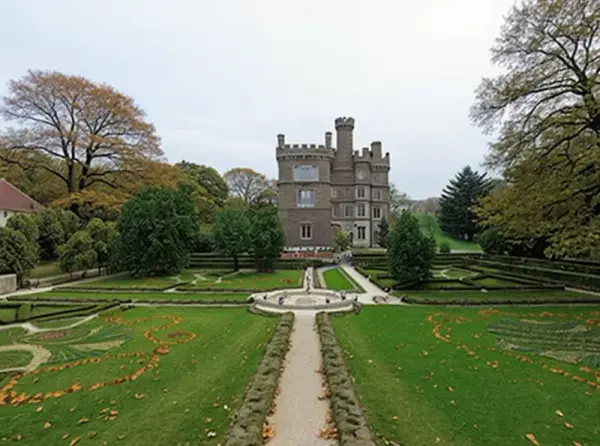
7. Český Krumlov Castle Gardens (Zámecká zahrada)
Zámecká zahrada
Reneszánsz teraszok és drámai várkilátás koronázza meg a békés folyóparti kertet. Sétáljon árnyas ösvényeken, díszágyások között és a barokk színházkertben, hogy remek fotókat készítsen.
Gyors tények: A teraszos gyepre lépve olyan érzés, mintha egy élő színpadra lépnénk, ahol egykor barokk színdarabok játszódtak, elrejtett grottával és faragott alakokkal, amelyek a kanyargós ösvények mentén bukkannak elő. Mássz fel a felső belvederéhez, ahonnan hirtelen tárul eléd a nyírott fasorok és évszakos virágágyások panorámája, illatos rózsák adják át helyüket a hűs hársfaárnyéknak, ahogy bandukolsz.
Főbb látnivalók: Mássz fel az ötíves fedett hídon a felső teraszról, és hirtelen egy titkos barokk fa színpadra bukkansz, ahol az eredeti 18. századi színpadi gépezet még mindig nyikorog a talpad alatt, és a meleg tölgy- és olaj illata száll fel, amikor délben rásüt a nap. A helyi idegenvezetők még mindig suttognak arról az évszázados szokásról, hogy szalagot kötnek a kovácsoltvas kerti kapura; néhány látogató otthagyja a nevét és a dátumot, és a meleg nyári estéken a rózsák olyan sűrűn illatosítják a levegőt, hogy szinte érzed a méz ízét a nyelveden.
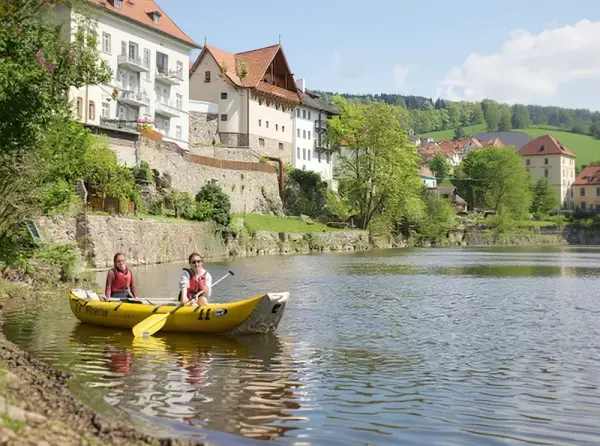
8. Vltava River (rafting/kayaking and riverfront)
rafting/kayaking and riverfront
Kanyargó folyóképek és lágy zuhatagok teszik Český Krumlovot szabadtéri játszótérré. Evezzen el a várkanyar, a folyóparti kávézók és a történelmi hidak mellett egy festői, könnyed kalandért.
Gyors tények: A folyóparti kávézók és a fákkal szegélyezett partszakaszok azt az érzést keltik, mintha egy mozgó képeslapba eveznél, miközben a túravezetők rejtett zuhatagokra és tökéletes piknikező helyekre mutatnak rá. Választhatsz békés tutajozást vagy fürge kajakozást, és gyakran láthatod, ahogy több tucat hajó kanyarog a szűk kanyarokban a nyári délutánok forgalmas óráiban, a nevetés és az evezős csobbanások tovább fokozzák a folyóparti élet pezsgését.
Főbb látnivalók: A város szoros patkó alakú kanyarulatán át evezni olyan, mintha egy élő képeslapon siklánál: kastélyfalak és vörös cserepes tetők szorongatják a folyópartot, minden kanyarnál kőhidak bukkannak fel, és az áramlat elég gyenge ahhoz, hogy a legtöbb rövid vízitúra 20-40 percet vegyen igénybe a fő beszálló és a kikötő között. A helyi raftingszolgáltatók még mindig régi favágó-történeteket mesélnek a kanyarulatok között, és nyári estéken apró csoportok gyakran összekötöznek fa tutajokat, lámpásokat gyújtanak, és nesztelenül sodródnak a sárga fényben, miközben egy vezető a nemzedékeken át öröklődő folyami dalokat énekli.
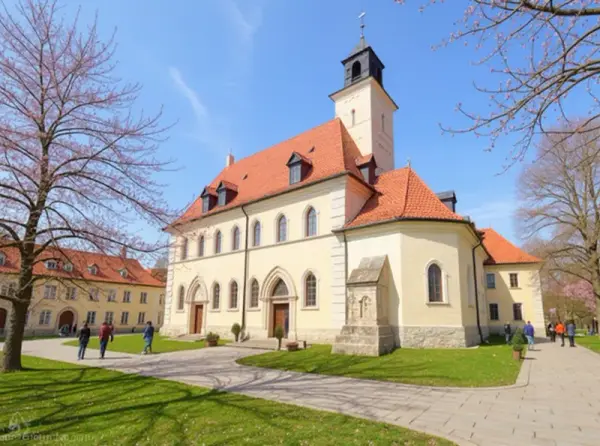
9. Latrán — historic street and neighborhood
Középkori báj színes reneszánsz házakban és barokk homlokzatokban teszi Latránt meglátogatásra érdemessé. Sétáljon macskaköves sikátorokban, nézze meg a kézműves boltokat, és pillantson be a csendes udvarokba.
Gyors tények: Macskaköves utcácskák visszhangozzák a léptek kopogását és a pörkölt kávé illatát, miközben színes barokk és reneszánsz homlokzatok magasodnak a rejtett udvarok fölé. Meredek, meghitt utcahálózat tárul fel, kis kézműves boltokkal, családi kocsmákkal és váratlan kilátópontokkal, amelyek a vörös cserepes tetők fölé tekintenek, jutalmazva mindenkit, aki letér a fő turistaútvonalakról.
Főbb látnivalók: Sétálj le a meredek macskaköves utcán, és megérzed a füst és a szilvapálinka illatát, meglátod, ahogy a sárgabarack- és kékeszöld színű barokk homlokzatok ragyognak a késő délutáni napsütésben, és bekukkantasz apró boltíves pincékbe, ahol a helyiek még mindig sajtot és szilvóriumot érlelnek cserépedényekben. Naplemente után kb. tíz faragott fa tábla leng a bejáratok felett, mindegyiken egy céhnév, mint Timár, Kádár vagy Zsindelyes - egy különös hagyomány, amely állítólag segített az utazóknak mesterembert találni a házszámok korát megelőzően.
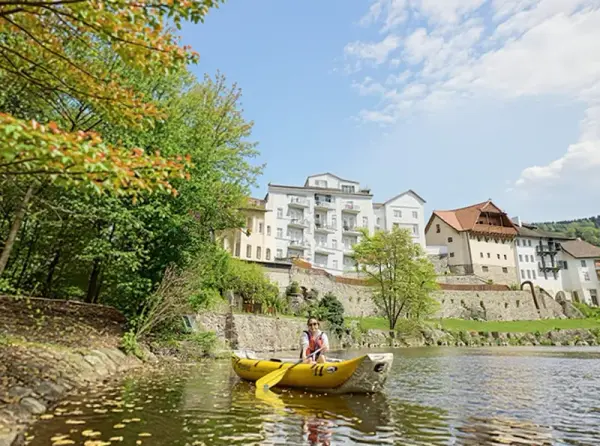
10. Regional Museum in Český Krumlov (Regionální muzeum v Českém Krumlově)
Regionální muzeum v Českém Krumlově
Fedezze fel Český Krumlov helyi történelmét jelmezeken, népművészeten és régészeti leleteken keresztül. Járjon végig kompakt galériákat, amelyek életre keltik a város múltját.
Gyors tények: Sétálj át a hangulatos korszak szobáin, és lenyűgöző cseh népviselet- és kézzel festett bútorgyűjteménybe botlasz, amelytől a múlt kézzelfoghatóvá és élettel teli válik. A kurátorok félelmetes mennyiségű bábut, középkori fegyvert és finom barokk festményt őriznek; egyes darabok olyan aprók, hogy észre sem veszed őket, hacsak nem hajolsz egészen közel.
Főbb látnivalók: Kérd meg az idegenvezetőt, hogy mutassa meg az üvegajtó mögött rejtőző apró 19. századi bábszínpadot, ahol 24 kézzel faragott marionett még mindig aranyfonállal varrott, fakuló jelmezt visel, és enyhén kámfor illatú. Kiválasztott délutánokon egy kurátor felhúzza a szerkezetet, és előad egy háromperces jelenetet; a fa ízületek úgy kattognak, mint a távoli eső, miközben egyetlen gázlámpa okkersárga fényt vet a festett arcokra.
Where to Stay in Český Krumlov, Czechia
Selected by City Buddy based on guest reviews and proximity to top attractions
Search all hotels in Český Krumlov, CzechiaPowered by agoda
Nyitvatartási napok itt: Český Krumlov, Czechia
Melyik fő látnivaló zár be a hét melyik napján. A klasszikus utazásrontó, neked ellenőrizve.
hétfő: 5 fő látnivalóból 3 zárva. Tervezd a múzeumlátogatást másik napra.
Zárva: hétfő · 3 zárva, 2 nyitva
Nyitvatartási napok a Google Mapsről (ellenőrizve: 2026-02-19). Ünnepnapok, sztrájkok és szezonális nyitvatartás eltérhet. A hivatalos weboldalt indulás előtt ellenőrizd.
Hagyományos édes ételek

trdelník
Trdelník is a spit cake baked on a rotating spit over an open flame, and its crisp, sugar-crusted exterior and hollow center make it perfect for filling with ice cream or cream.
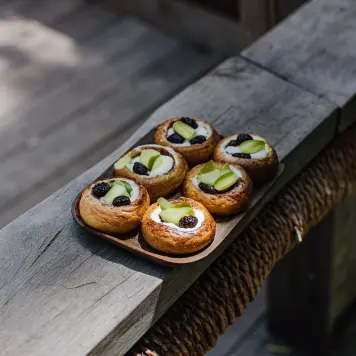
koláče
Koláče are small round pastries filled with fruit, poppy seed or sweet cheese, and they trace their roots to medieval Czech celebrations where they symbolized prosperity.
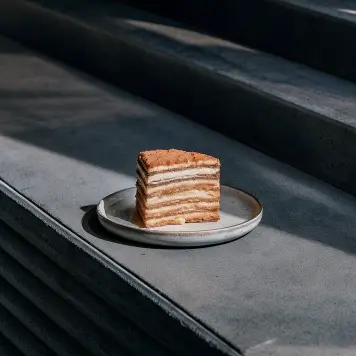
medovník
Medovník is a layered honey cake held together with sweet cream, and its caramelized, floral honey notes made it a favorite among Austro-Hungarian-era households.
Hagyományos sós ételek
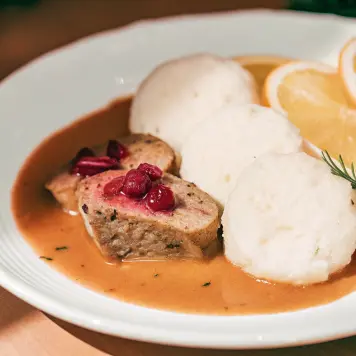
svíčková
Svíčková na smetaně is marinated beef sirloin braised in a creamy root-vegetable sauce, and it is traditionally served with a slice of lemon, cranberry compote and fluffy dumplings.
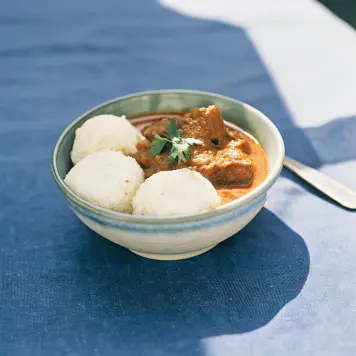
gulaš
Czech guláš is a paprika-scented beef stew slow-cooked until the meat almost melts, and it became a beloved comfort food often served with bread or dumplings.
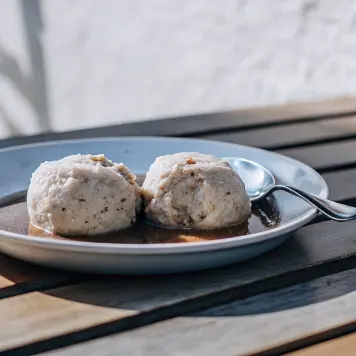
knedlíky
Knedlíky are steamed or boiled bread dumplings designed to soak up sauces, and locals will judge a restaurant by how light and springy its knedlíky are.
Hagyományos italok

Pilsner beer
Pilsner lager was invented in nearby Plzeň in 1842, and its golden clarity and crisp hop bite set the standard for modern pale lagers around the world.
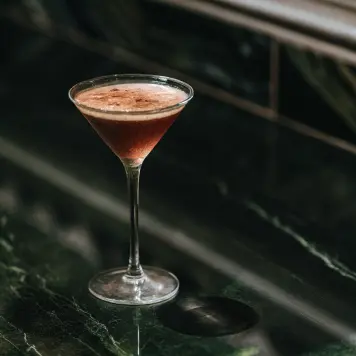
Becherovka
Becherovka is an aromatic herbal liqueur from Karlovy Vary, and locals often sip it as a digestif after heavy meals to settle the stomach.

Slivovice
Slivovice is a potent plum brandy distilled from ripe plums, and it is traditionally offered for toasts and sometimes aged in wooden barrels for extra smoothness.
Gyakori kérdések: Český Krumlov, Czechia
"Biztonságos Český Krumlov, Csehország az utazók számára?"
"Hány napot érdemes Český Krumlovban, Csehországban tölteni?"
"Mikor a legjobb idő Český Krumlov, Csehország látogatására?"
"Drága hely Český Krumlov, Csehország látogatása?"
"Hogyan lehet közlekedni Český Krumlovban, Csehországban?"
Küldjön PDF-et a legnépszerűbb látnivalókról az email címére
Szerezzen PDF-et az összes látnivalóról, értékelésekről és tippekről. Tökéletes offline használatra.
Legnépszerűbb egynapos kirándulások
České Budějovice
Regional capital with a large square and Budweiser brewery.
Hluboká nad Vltavou
Neo-Gothic castle with landscaped park and interiors.
Holašovice
UNESCO-listed traditional South Bohemian village.
Lipno nad Vltavou
Lake area with water sports and a treetop walkway.
Hogyan jutunk el oda
Vasútállomások
Regional line to České Budějovice (connects to national network)
Mainline connections: Prague, Linz and other Czech cities
From Prague Airport take bus/train to Prague, then a direct bus to Český Krumlov; book summer buses early.
Hasznos információk itt: Český Krumlov, Czechia
Áttekintés itt: Český Krumlov, Czechia
Napról napra terveznél Český Krumlov, Czechia-re? Nyisd meg az útvonaltervezőt
Mikor utazik Český Krumlov, Czechia?
Válassza ki dátumait és utazási stílusát, hogy megkapja:
Van valami, ami különösen fontos Önnek?
Jelölje be az összeset, ami vonatkozik
Közlekedés
Hogyan szeretnél közlekedni a helyek között?
Terv nyelve: Magyar