 CityBuddy
 Magyar
Látnivalók és programok: Addis Ababa, Ethiopia
Fotó készítője: Abdullah aljaberti a Pexels.com-on
Mikor érdemes látogatni
Mikor utazik Addis Ababa, Ethiopia?
Válassza ki dátumait és utazási stílusát, hogy megkapja:
Van valami, ami különösen fontos Önnek?
Jelölje be az összeset, ami vonatkozik
Plan language: MagyarLegnépszerűbb látnivalók itt: Addis Ababa, Ethiopia
Ha Addisz-Abebában, Etiópiában keresel programokat, kezdd az Etióp Nemzeti Múzeum meglátogatásával, ahol kiállítják Lucyt, a 3,2 millió éves hominida fosszíliát. Mássz fel az Entoto-hegyre a panorámás kilátásért 3200 méteres magasságban. Ezután fedezd fel a Merkatót, Afrika legnagyobb szabadtéri piacát, amely több négyzetkilométert ölel fel.
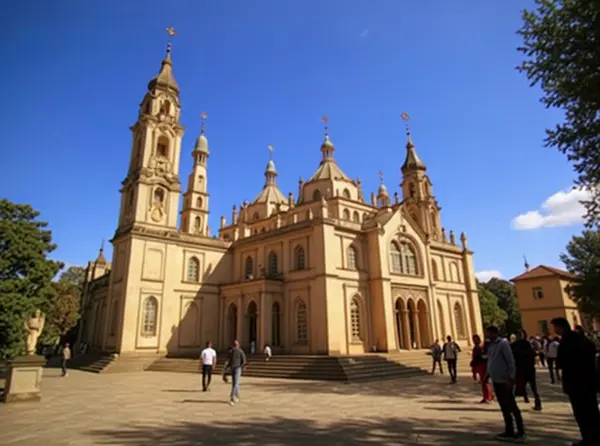
1. Holy Trinity Cathedral
Etiópia legjelentősebb modern katedrálisa őrzi utolsó császára sírját, és a hit és a kitartás történetét meséli el. A látogatók díszes boltívek és ólomüveg ablakok között sétálnak, miközben az ortodox papok visszhangzó énekeit hallják.
Gyors tények: A székesegyház együttese magában foglalja Haile Selassie császár és felesége, Menen császárné sírjait, ami zarándokokat vonz Etiópia minden részéből. Jellegzetes barokk stílusú építészete és magasba törő harangtornya a főváros egyik legismertebb nevezetességévé teszi.
Főbb látnivalók: Vasárnaponként a székesegyház területét több ezer hívő tölti meg, akik folyó fehér netela kendőket viselnek, fehér tengert alkotva, amely átöleli az udvart. Az altemplomban egy kis múzeum található a császár személyes tárgyaival, köztük arany trónusával és kézzel írt imáival, amelyeket tompa borostyánszínű fényben őriznek.
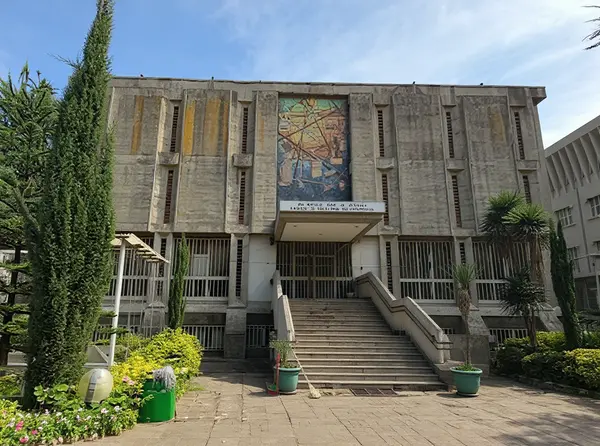
2. National Museum of Ethiopia
Nézz szembe Lucyval, a 3,2 millió éves lelettel, amely újraírta az emberiség történelmét. Fedezz fel négy emeletnyi etióp művészetet, ékszert és régészeti tárgyat, amelyek több millió évet ölelnek fel egyetlen tető alatt.
Gyors tények: Itt található a híres 3,2 millió éves hominida fosszília, "Lucy" (helyi nevén Dinknesh), amelynek felfedezése megváltoztatta az emberi evolúcióról alkotott képünket. A múzeumban egy még idősebb fosszíliát, Selamot is őrzik, egy 3,3 millió éves Australopithecus afarensis gyermeket, akit "A Csodának" becéznek.
Főbb látnivalók: Közvetlenül a valódi, eredeti Lucy csontvázhoz sétálhatsz, amely egy klímaszabályozott teremben van kiállítva, nem egy másolat. Látni a parányi, 3,2 millió éves combcsontjait közelről, tudva, hogy egykor egy lényt hordoztak, aki egyenesen járt az őskori Afrikában, libabőrt okoz.

3. Merkato
Afrikában sehol máshol nem találsz ilyen hatalmas, hangos és eleven piacot. Kanyarogj át a fűszerekkel, kelmékkel és a járdán zajló kávéceremóniákkal teli keskeny sikátorokon.
Gyors tények: Több mint 7 000 kereskedő működik 15 hatalmas részlegen, ami Afrika legnagyobb szabadtéri piacává teszi. Naponta hozzávetőleg 13 000 ember fordul meg itt, akik mindennel kereskednek, a fűszerektől és kávébabtól kezdve a használt elektronikán át a hagyományos textilekig.
Főbb látnivalók: Kereskedőcsaládok három generáció óta adják tovább ugyanazokat az árusstandokat, így akár egy nagymamával is alkudozhatsz, akinek az édesapja az 1960-as években pontosan ugyanarról a fa pultról árulta a kávét. Tartsd nyitva a szemed a kifejezetten fűszereknek fenntartott negyedre, ahol több mint 200 árus kézzel őrli a berberét, a kurkumát és a korarimát, a levegőt pedig élénksárgára színezi a szálló por.
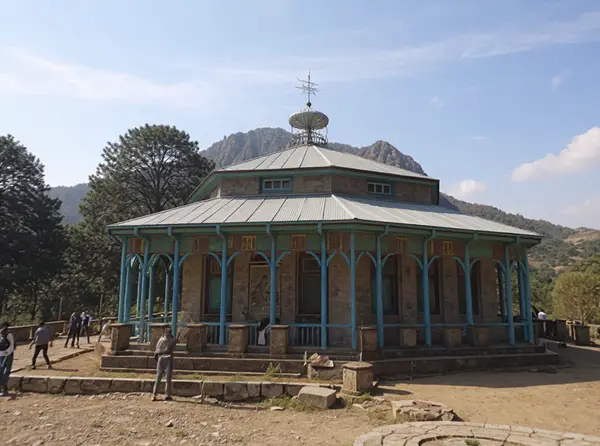
4. Entoto Mountains
Menekülj a város zajából egy hűvös, illatos eukaliptuszerdőbe, ahonnan pompás kilátás nyílik Addisz-Abebára. Túrázz hagyományos farmok mellett, látogass meg egy történelmi császári templomot, és nézd, ahogy a naplemente befesti az eget Etiópia fővárosa fölött.
Gyors tények: Az erdős lejtők egykor hatalmas mennyiségű eukaliptuszfát szolgáltattak az Etióp Birodalom számára építkezéshez és tüzelőanyagként. A hegység legmagasabb csúcsa, több mint 3200 méteres magasságával, tiszta reggeleken az egész fővárosra kiterjedő kilátást kínál.
Főbb látnivalók: II. Menelik császár és Taitu császárné az 1880-as években itt építtette fel hegycsúcsi palotáját, így ez volt a modern Addisz-Abeba eredeti székhelye, mielőtt a város a síkvidékre terjeszkedett. Ma is meglátogathatjuk a kicsi, alázatos Szent Mária templomot, ahol a császárné imádkozott, halványult falfestményeivel és nyugodt, eukaliptuszfák árnyékolta udvarával.
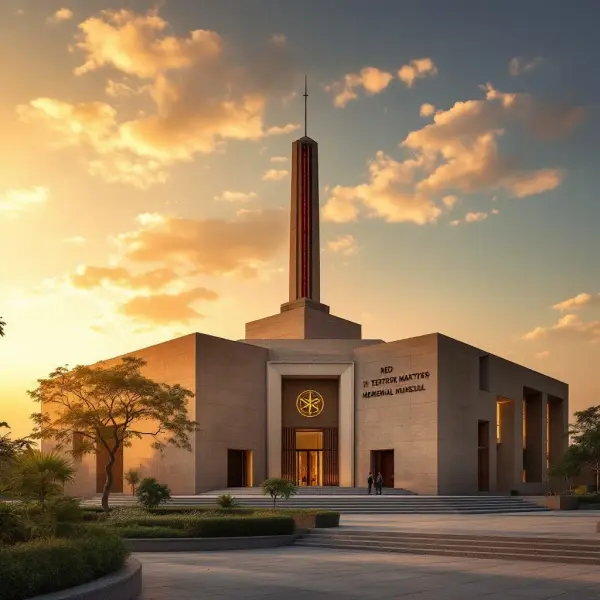
5. Red Terror Martyrs Memorial Museum
Kelet-Afrikában egyetlen múzeum sem néz szembe ilyen közvetlenül a politikai erőszak borzalmaival, mint ez. Végigsétálsz a valódi földalatti cellákon, vérfoltos falakat látsz, és ott állsz, ahol az áldozatok utolsó leheletüket vették.
Gyors tények: A múzeum egykori pincebörtönében működött a brutális Derg-rezsim, ahol kínzások és kihallgatások zajlottak a Vörös Terror idején, amely 1976 és 1978 között becslések szerint 500 000 és 1,5 millió ember halálát okozta. A kiállítási tárgyak között vérfoltos ruhák, csontdarabok és a kivégzésekhez használt valódi eszközök találhatók, pontosan úgy, ahogy a rendszer 1991-es bukásakor megtalálták őket.
Főbb látnivalók: Lépjen be a halványan megvilágított pincecellákba, és láthatja a falakat, amelyeken még mindig látszanak a foglyok kéznyomai, akik kétségbeesetten nyúltak ki a sötétben. Az egyik teremben egy guillotine-szerű "húsdaráló" gép található, amelyet az őrök testek feldarabolására használtak, a betonpadlón még mindig láthatóak az eredeti vérfoltok.
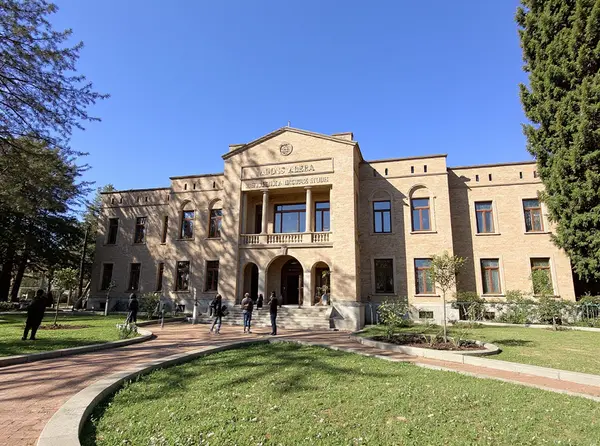
6. Addis Ababa University Institute of Ethiopian Studies
Sétálj végig egy császári palotán, amelyet királyi koronák és ősi evangéliumok töltenek meg. Etiópia 5000 éves története bontakozik ki előtted három emeletnyi régészeti lelet között.
Gyors tények: A volt haile selassie császári palotában elhelyezkedő múzeum egy fedél alatt mutatja be Etiópia több mint 5000 éves örökségét. Gyűjteménye felbecsülhetetlen értékű vallási kéziratokat, koronákat és királyi tárgyakat foglal magában, amelyek egy olyan civilizáció történetét mesélik el, amely saját írást és naptárat fejlesztett ki.
Főbb látnivalók: A királyi hálószoba pontosan úgy van megőrizve, ahogy Haile Selassie otthagyta, személyes kádjával és egy rejtett földalatti alagúttal, amelyet egykor menekülésekre használtak. A tudósok ma is használják az eredeti olvasótermet, ahol maga a császár tanult, körülvéve ősi pergamen kéziratokkal, amelyek szantálfa és kor illatát árasztják.
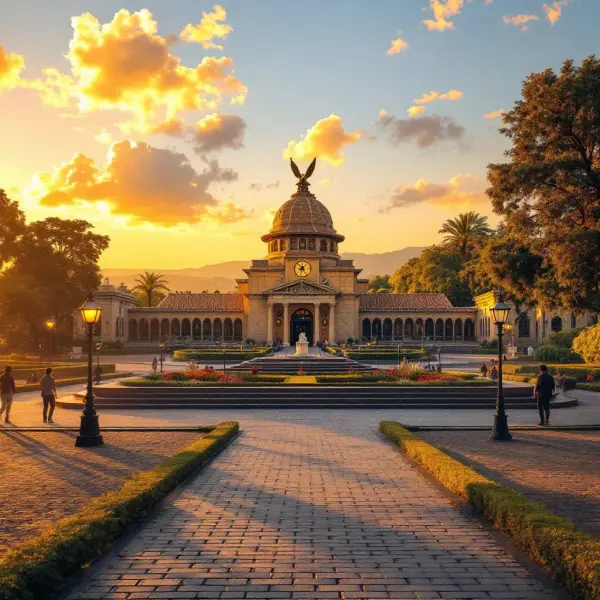
7. Ethnological Museum
Lépj be Etiópia kulturális kaleidoszkópjába anélkül, hogy elhagynád Addiszt. Végigsétálsz életnagyságú falusi házakon, megérinted a hagyományos eszközöket, és meglátod az ország közösségei által viselt ünnepi ruhákat.
Gyors tények: Több mint 12 000 műtárgy képviseli Etiópia 80+ etnikai csoportját, a díszes harcosi köpenyektől a kézzel faragott fából készült fejtámlákig. A szubszaharai Afrika egyik legrégebbi gyűjteményeként olyan szent ikonokat őriz, amelyeket az etióp ortodox szertartásokon használnak, és amelyek évszázadokra nyúlnak vissza.
Főbb látnivalók: Egy Hamar családi otthon életnagyságú másában benézhetsz egy nádfedeles kunyhóba, és megtapinthatod a füstös falakat, ahol a családok együtt főznek és alszanak. Találkozhatsz egy 19. századi, leopárdmintás bársonyból készült királyi sátorral is, amely II. Menelik császár ajándéka, és olyan, mintha egy meséből lépett volna elő.
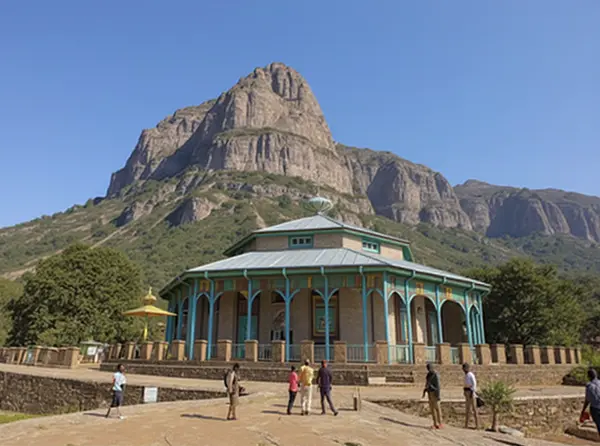
8. Mount Entoto
Menekülj a város nyüzsgése elől a lélegzetelállító kilátásért és a hűvös hegyi levegőért Addisz-Abeba legmagasabb pontján. Fedezd fel a királyi romokat, ősi erdőket és egy működő ortodox kolostort egy felejthetetlen túra során.
Gyors tények: 3.200 méterrel a tengerszint felett magasodó erdős gerinc, amely panorámás kilátást nyújt Addisz-Abeba terjeszkedő városképére. Az eukaliptuszligeteket Menelik császár ültettette, miután a 19. század végén itt alapította meg fővárosát.
Főbb látnivalók: Menelik császár eredeti palotája még mindig itt áll, egy szerény faház, amely inkább hasonlít egy vidéki nyaralóra, mint egy császári rezidenciára. Lépj be, és meglátod személyes imaszobáját, ahol a császár csendes reggeleket töltött, mielőtt egy egész birodalmat irányított.
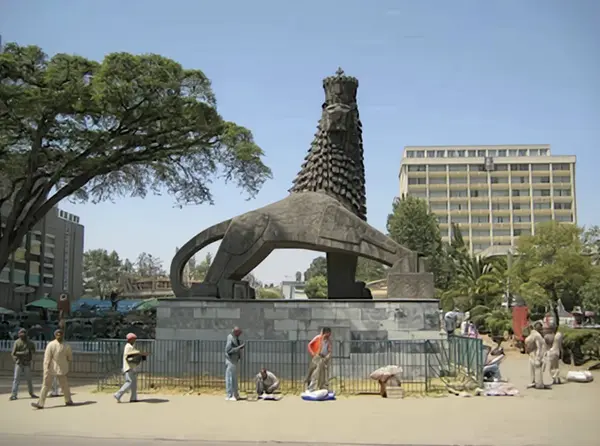
9. Lion of Judah Monument
Állj meg egy 40 méteres emlékmű előtt, amely kövön és bronzon keresztül meséli el Etiópia el nem mondott ellenállástörténetét. Végigsimíthatod ujjaidat 12 faragott domborművön, amelyek évszázadok büszkeségét sűrítik egyetlen erőteljes helybe.
Gyors tények: A 40 méteres gránitoszlop azt a helyet jelöli, ahol Haile Selassie császárt rövid időre száműzték az 1936-os olasz megszállás során. Az emlékmű körül 12 kődombormű található, amelyeket Afewerk Tekle etióp művész faragott, mindegyik az ország függetlenségi harcának egy-egy fontos eseményét ábrázolja.
Főbb látnivalók: Sétálj körbe az alapzatnál, és rájössz, hogy a megmintázott oroszlán nem pusztán szobor, hanem ereklyetartó is: a belsejében lévő bronzlemezek Etiópia valamennyi történelmi tartományából származó földet őriznek. Tiszta reggeleken a tavaszi napéjegyenlőség idején pontosan 9:17-kor éri a napfény az oroszlán sörényét, éles árnyékot vetve, amely egyenesen a régi császári palota felé mutat.
Where to Stay in Addis Ababa, Ethiopia
Selected by City Buddy based on guest reviews and proximity to top attractions
Search all hotels in Addis Ababa, EthiopiaPowered by agoda
Hagyományos édes ételek

Chechebsa (Dabbo)
Chechebsa is a sweet breakfast dish made from shredded flatbread mixed with butter, honey, and spices. It is often enjoyed with a cup of traditional coffee or tea.

Firfir with Honey
While firfir is typically savory, a sweet version is made by crumbling injera and mixing it with honey, clarified butter, and sometimes yogurt. It is a comforting and beloved dish in Ethiopian homes.

Genfo
Genfo is a thick, dough-like porridge made from barley or wheat flour, often served with a well of spiced butter and honey in the center. It is traditionally eaten with the hands, pinching off pieces to scoop up the sweet topping.
Hagyományos sós ételek

Doro Wat
Doro Wat is a spicy chicken stew considered Ethiopia's national dish, slow-cooked with berbere spice blend and hard-boiled eggs. It is traditionally served during special occasions and celebrations.
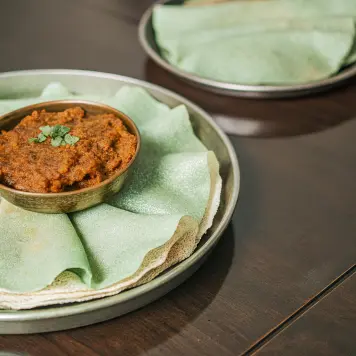
Injera with Misir Wat
Injera is a spongy sourdough flatbread made from teff flour, and misir wat is a lentil stew flavored with berbere spices. Together they form a staple meal eaten across Ethiopia, with injera used as both plate and utensil.

Kitfo
Kitfo is a traditional Ethiopian dish of minced raw beef seasoned with mitmita chili powder and clarified butter. It is often served with a side of fresh cheese and collard greens.
Hagyományos italok

Ethiopian Coffee (Buna)
Ethiopia is the birthplace of coffee, and the traditional coffee ceremony is a revered ritual involving roasting beans, brewing, and serving three rounds. The third round is called "baraka," meaning blessing.

Tej
Tej is a traditional Ethiopian honey wine or mead, often flavored with gesho leaves. It has a sweet, slightly tangy taste and is commonly enjoyed during holidays and feasts.

Atmet (Ethiopian Barley Drink)
Atmet is a warm, comforting beverage made from roasted barley flour mixed with water, butter, and sugar or honey. It is often given to nursing mothers and those recovering from illness for its nourishing properties.
Frequently Asked Questions about Addis Ababa, Ethiopia
Biztonságos Addisz-Abeba, Etiópia a turisták számára?
Hány napot tervezzek Addisz-Abebában, Etiópiában?
Mikor a legjobb Addisz-Abebát, Etiópiát meglátogatni?
Drága Addisz-Abebát, Etiópiát meglátogatni?
Hogyan közlekedjünk Addisz-Abebában, Etiópiában?
Küldjön PDF-et a legnépszerűbb látnivalókról az email címére
Szerezzen PDF-et az összes látnivalóról, értékelésekről és tippekről. Tökéletes offline használatra.
Legnépszerűbb egynapos kirándulások
Debre Libanos Monastery
Historic monastery perched on a stunning cliff overlooking the gorge
Lake Ziway
Scenic rift valley lake with hippos and bird watching opportunities
Entoto Mountains
Scenic mountain range offering panoramic views of the city
Adadi Mariam Rock Church
13th century rock-hewn church similar to Lalibela's architecture
Menagesha Suba Forest
Ancient protected forest with hiking trails and native wildlife
Hogyan jutunk el oda
Repülőterek
Vasútállomások
Addis Ababa to Djibouti railway line
Bole International Airport is about 8 km from the city center. Taxis and ride-hailing apps like Ride and Feres are widely available.
Járatok keresése ide: Addis Ababa, Ethiopia
Kattintson az eSIM beszerzéséhez ide: Addis Ababa, Ethiopia
A legegyszerűbb és legkedvezőbb módja a mobilinternet beszerzésének bárhol, ahova utazik.
Hozzászólások (5)
Addis surprised me way more than I expected. The food scene is incredible especially the injera and fresh honey wine. Stayed 4 days which felt right.
Pro tip: bring cash in birr because so many smaller shops and taxis don't accept cards. ATMs work but have low daily limits.
Weather was perfect year round spring vibes every single day. Loved the museums and the energy around Bole area at night felt safe enough.
Honestly the traffic is brutal like nothing I've experienced. Plan extra time between things and just accept you won't get everywhere fast.
Skip the tourist trap restaurants near Meskel Square. Walk a few blocks toward the side streets and you'll find better food for half the price.