 CityBuddy
 Magyar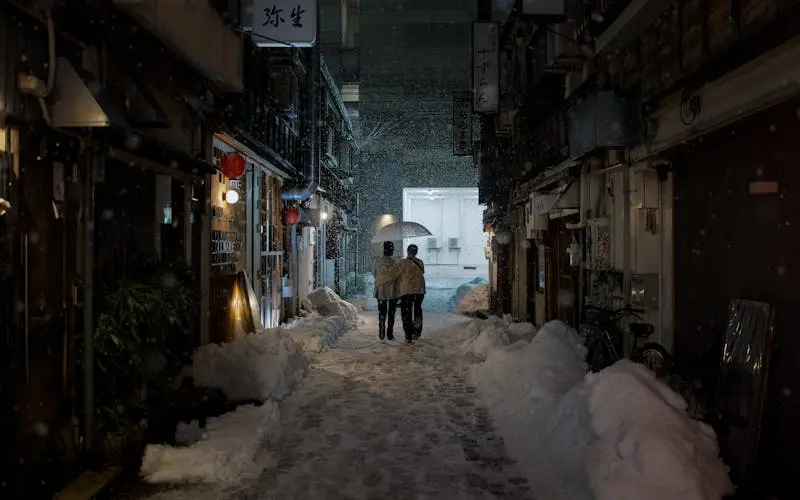
Látnivalók és programok: Kanazawa, Japan
Fotó készítője: Julien a Pexels.com-on
Mikor érdemes látogatni
Kanazawa a #8 legtisztább város a világon, a több száz úti cél adatai alapján.
Legnépszerűbb látnivalók itt: Kanazawa, Japan
A legfontosabb tennivalók Kanazavában, Japánban közé tartozik a Kenroku-en kert felfedezése, amely az ország három nagy kertjének egyike, valamint a történelmi Higasi Csaja negyed bebarangolása a jól megőrzött teaházakkal. Ne hagyd ki a Kanazava Várparkot sem, amely lenyűgöző kőfalakkal és tágas tereivel ideális a kellemes sétákhoz.
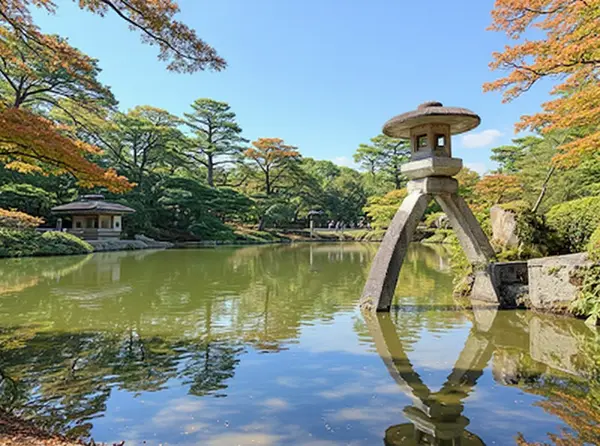
1. Kenroku-en Garden
Japán egyik legelőkelőbb tájkerije, bővelkedő tavakban, teaházakban és évszakos díszítésekben. Sétáljon fenyőkkel szegélyezett utakon, nézze meg a Kotoji lámpást és a téli yukitsuri köteleket.
Gyors tények: Moha szőnyegek és kanyargós ösvények hirtelen keretezett kilátásokat tárnak fel, amelyek évszakonként változnak, a tavaszi szilvaillattól a téli hófehér tájképekig. Teaházak, kőlámpások és egy festői szigetecskés tó lassú barangolásra és számos fotóra kész tökéletes szög felfedezésére hívnak.
Főbb látnivalók: A yukitsuri kötelek télenként az ágvégeket óvják, a finom zsinórok koronaszerű árnyékokat vetnek a friss hóra és fotogén rácsozatot alkotnak. Az idegenvezetők szívesen mutatják a karasaki fenyőt, melynek szélfútta ágai a lámpásokkal megvilágított tó fölé hajolnak, így sziluettje alkonyatkor japán tusfestményre emlékeztet.
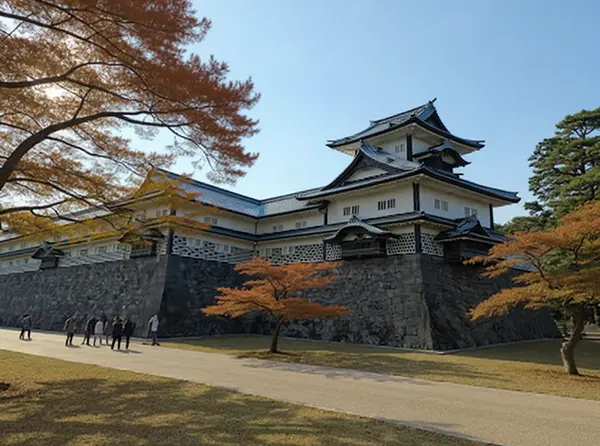
2. Kanazawa Castle Park
Jól megőrzött szamuráj kori vár drámai kőfalakkal és felújított fából készült kapukkal. Sétáljon tágas területen, másszon fel tornyokba, és élvezze a Kenrokuen Kertre nyíló kilátást.
Gyors tények: Hatalmas fehér vakolt falak és magasba törő fa kapuk kereteznek egy kőutakból és vizesárkokból álló labirintust, ahol pontyok siklának a gyaloghidak alatt, olyan közel, hogy hallani lehet a csobbanásukat. Vezetett túrák és ismertető táblák mutatják meg az eredeti kőmunkákat és az újjáépített tornyokat, így kézzelfogható betekintést nyújtanak a hagyományos ácsmunka és a várvédelem világába.
Főbb látnivalók: Ha felmászol az egyik felújított torony fa lépcsőjén, megérzed a gyanta illatát és hallani fogod a vastag gerendák tompa koppanását, miközben egy kis tábla név szerint említi a helyi ács céheket. Esti rendezvényeken lágy borostyánszínű fény önti el a vizesárkot több mint 50 lebegő lámpásból, a tükröződések a kőfalakat mozgó faliszőnyegekké változtatják, amelyek szinte filmszerű hatást keltenek.
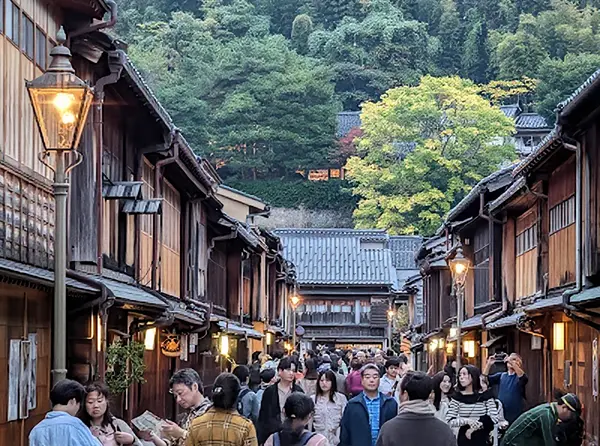
3. Higashi Chaya District
Lépjen be a jól megőrzött Edo-kori utcákra, ahol fa teaházak és gésa kultúra él tovább. Barangoljon szűk sikátorokban, kóstoljon helyi édességeket, és figyelje a kézművesek munkáját.
Gyors tények: Szűk utcácskák, amelyeket mézszínű fa rácsok kereteznek, olyan érzést keltenek, mintha egy filmforgatási helyszínre lépnénk, miközben a lakkozott belső terekből néha a shamisen lágy pengetése szűrődik ki az utcára. A város három hagyományos teaházi negyedének egyike, az terület még mindig otthont ad gejša előadásoknak és olyan boltoknak, amelyek finom aranyleveleket és lakkozott tárgyakat árulnak.
Főbb látnivalók: Váratlan csemege az aranyleveles fagylalt, ahol az árusok egyetlen lap 24 karátos aranyat terítenek a fagylaltra, így a levél csillogva olvad el a nyelven. Alkonyat után akár egy két- vagy háromfős gésaelőadást is elkaphatsz egy emelt verandán, a samiszen, a réteges kimonó suhogása és a suttogó beszélgetés a tömeget egy intim, filmszerű pillanattá formálja.
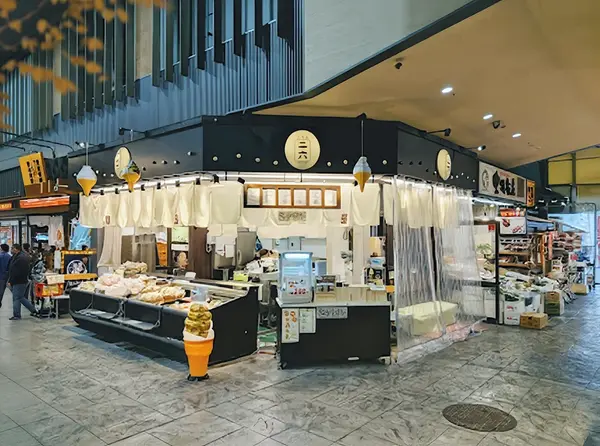
4. Omicho Market
Kanazawa nyüzsgő tengeri élelmiszerpiaca a Japán-tenger legfrissebb fogásaival. Sétáljon keskeny folyosókon, kóstoljon szasimit a pultoknál, és figyelje, ahogy az árusok a napi ajánlatokat készítik.
Gyors tények: Az illatos gőz a lassan főző alapléből és a sistergő takoyaki keverékből keveredik az friss tengeri ételek sós aromájával, betöltve a szűk sikátorokat, ahol az árusok hangosan kiabálják az árakat. Több mint 200 bódé és apró étterem zsúfolódik össze a helyen, és a tengeri ételek naponta érkeznek a közeli kikötőkből, így a szashimit órákon belül felszolgálhatják, miután kifogták.
Főbb látnivalók: A helyiek gyűlnek össze, miközben egy rákárus egy másfél kilogrammos hókalmárt emel egy régi sárgaréz mérlegre, és éneklő hangon hirdeti az árat, ami végigcseng a folyosókon. Az egyik sáv mögött tizenkét alacsony pultnál ülnek a vendégek meleg izzók alatt, ahol a séfek áttetsző kanburi szeleteket reszelnek, és egy csipet wasabival és szójaszósszal adják át őket.
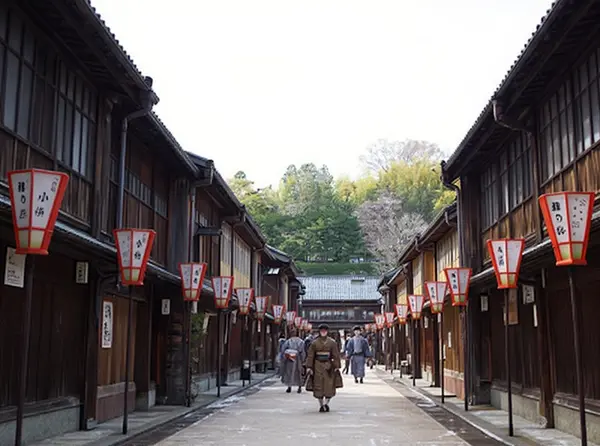
5. Nagamachi Samurai District
Lépjen be a szamuráj életbe a megőrzött földfalak és keskeny sikátorok között. Barangoljon felújított rezidenciákban, kis múzeumokban és egy nyugodt kerti teaházban.
Gyors tények: Keskeny, földes utak vastag agyagfalakat és fa rácsokat tárnak fel, amelyek eső után enyhén nyirkos földillatot árasztanak. A látogatók gyakran elhaladnak védműként szolgáló kura raktárak és szamurájlakosztályok mellett, lakkozott tolóajtókkal, amelyek családi címereket mutatnak, néhány házban még megvannak az eredeti tatamis szobák és rejtett kertek.
Főbb látnivalók: Merülj el egy néma sikátorban, és a tompa léptek, a mohás kövek, valamint az olajozott fa illata tapinthatóvá és közvetlenné teszik a múltat. Több mint 20 fennmaradt szamurájlakosztály található, és egy felújított ház egy kis teakertet és tatamis szobákat mutat be, amelyekbe rácsos ablakokon keresztül pillanthatsz be, közelről meglátva a fekete lakkmunkát.

6. 21st Century Museum of Contemporary Art
Merész kortárs művészet egy feltűnő kör alakú múzeumban Kanazawa vára közelében. Barangoljon magával ragadó installációk, tükröződő tavak és interaktív fényalkotások között.
Gyors tények: Kör alakú, akadálymentesített campuson barangolhat, ahol a galériák nyilvános terekkel folynak össze, így a kortárs alkotások gyakran keverednek a mindennapi élettel. A látogatók rendszeresen találkoznak minimalista termekkel, érzékszervi alkotásokkal és játékos optikai illúziókkal, amelyek a véletlenszerű pillantásokat kétszeres nézésre késztetik.
Főbb látnivalók: Leandro Erlich gravitációt tagadó installációja azt a látszatot kelti, hogy emberek a víz alatt sétálnak, miközben mások fentről néznek le, így szürreális fotók és elragadtatott ámultok jönnek létre. Meleg természetes fény árad be a széles üvegfalakon és tetőablakokon, a betonpadlót folyamatosan változó kék és arany árnyalatokban fürdetve, így a látogatás óránként vizuálisan más és más élményt nyújt.
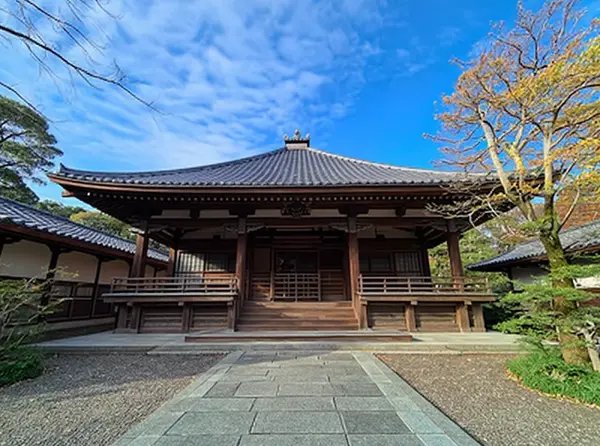
7. Myoryu-ji (Ninja Temple)
Ninja Temple
Edo-kori templom tele titkos védelmi elemekkel. Vezetett túrák során keskeny lépcsők, csapóajtók és rejtett szobák tárulnak fel, melyeket egykor védelemre használtak.
Gyors tények: Kőfolyosók és ügyesen elrejtett ajtók labirintusszerű belsőt alkotnak, ahol megtévesztően egyszerű szobák rejtenek titkos lépcsőket és csapóajtókat. A túravezetők gyakran rámutatnak több mint 20 védelmi elemre, amelyeket az intrikáló betolakodók megzavarására terveztek, a kukucskálólyukaktól és hamis mennyezetektől kezdve a rejtett menekülési útvonalakig.
Főbb látnivalók: Egy hirtelen, madárszerű csivitelés a talpunk alatt felfedi a hely furfangosságát. Néhány 'uguisubari', vagyis fülemüle deszka lett beépítve, hogy az őrök előre hallják a lépteket, mielőtt a betolakodók megjelennének. Nézzen meg egy csúsztatható panelt, amely visszanyílik, hogy felfedjen egy keskeny átjárót, amely alig 60 centiméter széles. Elég egy embernek, hogy átférjen, miközben teljesen rejtve marad.
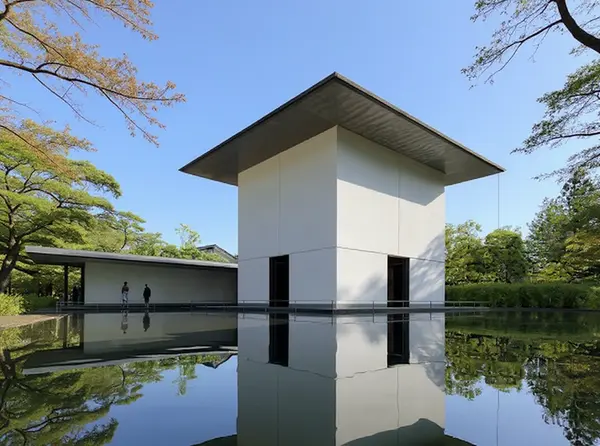
8. D.T. Suzuki Museum
Meditatív tér D.T. Suzukitól, amely ritka nyugalmat kínál Kanazawában. Csendes galériák, egy tükröződő medence és egy olvasószoba lassú, elmélyült felfedezésre hív.
Gyors tények: A betonfalak és a sekély medencék alakítják minden szobát, így az eső és az égbolt a kiállítások részévé válnak. A csendet a gyűjtemény részeként kezelik, és sok látogató 15-20 percet tölt azzal, hogy a víz mellett ülve nézi, ahogy a fény végigcsúszik a kövön és a rozsdamentes acélen.
Főbb látnivalók: Egyetlen sekély tükröző medence található a helyszín közepén, mindössze néhány centiméter mély, így az égbolt és a környező fák tükröződése éles és tükörszerű marad. Az alacsony, diffúz fény és a víz lágy csobogása bensőséges hangzást eredményez a galériákban, élénkítve a suttogásokat és arra ösztönözve, hogy észrevegyük a legapróbb textúrákat és az árnyék pontos szögét.
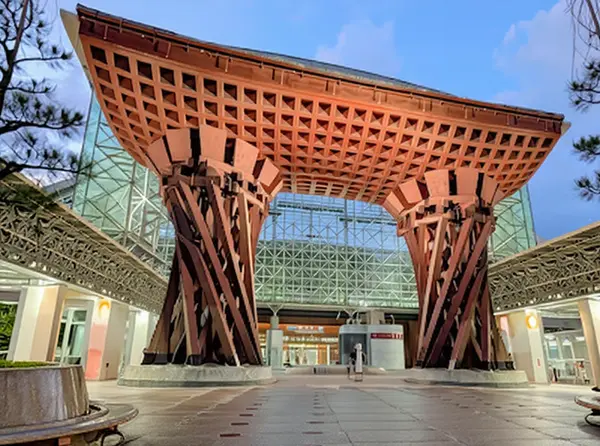
9. Kanazawa Station (Tsuzumi-mon Gate)
Tsuzumi-mon Gate
Egy feltűnő fából készült, tsuzumi alakú kapu és magasba törő üvegkupola várja Kanazawa pályaudvarán. Sétáljon át a kapu alatt és a kupolába, hogy drámai fotókat készítsen és könnyen elérje a várost.
Gyors tények: Sétálj át egy hatalmas, kézidobokra emlékeztető faajtón, és érezd a hirtelen váltást az utcazajból egy csendes, katedrálisra emlékeztető nyugalomba. A meleg cédrusárnyalatok találkoznak egy ívelt üvegkupolával, így a tér visszaverődő fényben ragyog, és az esőcseppek ritmikus koppanása a háttérzene részévé válik.
Főbb látnivalók: Lépj be az előtérbe, ahol két hatalmas faoszlop fogad, melyeket a Noh színház hagyományos tsuzumi dobjai ihlettek, közelről látható a fa erezete és a bronzszalagok. A naplemente után borostyánfény fürdeti a fát és az üvegkupolát, így a tér egy színpaddá válik, ahol a lábnyomok finom visszhangja és a távoli vonathangok szinte filmes hatást keltenek.
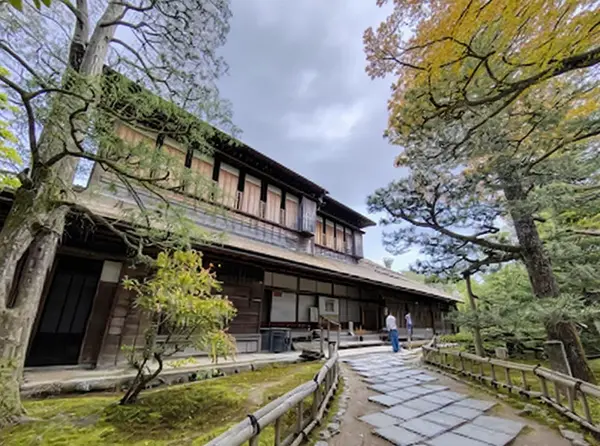
10. Seisonkaku Villa
Elegáns szamuráj villa, amely a Maeda klán ízlését tükrözi. Sétáljon tatami szobákban, díszes paravánok között és egy nyugodt kertben, amely az évszakokkal változik.
Gyors tények: Egy volt feudális család villája aranyozott tolóképernyőivel és lakkozott belső tereivel meglep, amelyek megfogják a fényt, meleg mézes tükröződéseket vetítve a tatamira. Megfigyelhet egy privát hímzett kimonók és lakkozott bútorok gyűjteményt, amit gondosan megőriztek, így az aranyszál és a pigment még mindig ragyog, ha közelről nézi.
Főbb látnivalók: Csússzon végig egy keskeny verandán egy mohás udvar felé, ahol pontosan 13 lépőkő vezeti lépteit, egy szándékos ritmus, amely lelassította a vendégeket a rituális látogatások során. A napfény, amely felmelegíti a polírozott padlót, enyhe kámforillattal árasztja el a teret, és több tucatszámra festett képernyőn olyan finom ecsetvonásokat láthat, hogy gondos szemmel az egyes vonalakat is ki tudja venni.
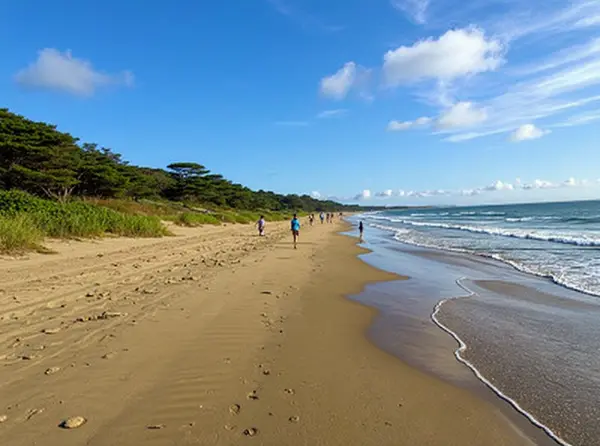
11. Chirihama Nagisa Driveway (beach driving)
beach driving
Japán egyetlen legális tengerparti autóútja, ahol a gumik találkoznak a dagály vonalával. Húzza le az ablakokat, érezze a tengeri szellőt, és vezessen az óceán állandó társaságában.
Gyors tények: Saját autóddal hajthatsz végig a partvonal mentén, ahol a hullámok néha alig néhány méterre mossák a gumikat, ez pedig az egyike annak a kevés helynek Japánban, ahol a strandvezetés legális. A 8 kilométeres, tömör homokkal borított szakasz az erdő és a Japán-tenger között 1965 óta nyilvános út, amelyet bárki szabadon használhat.
Főbb látnivalók: Apálykor a homok annyira megszilárdul, hogy még egy kompakt szedán is képes 50 km/h-s sebességgel haladni, miközben a sóspray rápermetez a szélvédőre. Állj meg bárhol a 8 kilométeres szakaszon, csapd fel a csomagtartót, és tarts egy teljes strandpikniket az autó sztereójának szóló zenére, miközben a hullámok néhány lépésnyire törnek meg.
Where to Stay in Kanazawa, Japan
Selected by City Buddy based on guest reviews and proximity to top attractions
Search all hotels in Kanazawa, JapanPowered by agoda
Nyitvatartási napok itt: Kanazawa, Japan
Melyik fő látnivaló zár be a hét melyik napján. A klasszikus utazásrontó, neked ellenőrizve.
kedd: 11 fő látnivalóból 2 zárva. Tervezd a múzeumlátogatást másik napra.
Zárva: kedd · 2 zárva, 9 nyitva
Nyitvatartási napok a Google Mapsről (ellenőrizve: 2026-06-08). Ünnepnapok, sztrájkok és szezonális nyitvatartás eltérhet. A hivatalos weboldalt indulás előtt ellenőrizd.
Hagyományos édes ételek
wagashi
Kanazawa wagashi are edible miniatures of the seasons, crafted with local ingredients and precise knife work so each sweet looks like a tiny landscape from Kenrokuen Garden.

gold leaf soft ice cream
Kanazawa produces over 99% of Japan's gold leaf, and vendors sometimes wrap an entire soft-serve cone in a paper-thin sheet of edible gold, creating a shimmering treat that is more about spectacle than flavor.
Hagyományos sós ételek

kaga ryori
Kaga ryori, the refined cuisine of the old Kaga domain, arranges many small courses that highlight local mountain vegetables, freshwater fish and seasonal presentation, turning a meal into a visual and seasonal tour.

jibuni
Jibuni is a comforting Kanazawa stew of duck or chicken lightly dusted with flour, simmered in a savory dashi with soy and mirin, and it began as a favorite dish of samurai households.

seafood
Sitting on the Sea of Japan gives Kanazawa access to prized catches like winter snow crab, fatty nodoguro and migrating yellowtail, and chefs often serve them simply so the pure ocean flavors stand out.
Hagyományos italok

sake
Kanazawa and nearby Ishikawa breweries use soft, mineral-rich mountain water and cold winters to slow fermentations, producing elegant, complex sake that pairs naturally with local seafood and Kaga cuisine.

green tea
Kanazawa tea is central to its tea ceremony culture, with shade-grown leaves producing a rich umami and silky texture that is often enjoyed in the refined setting of Kenrokuen or a tea house.
Gyakori kérdések: Kanazawa, Japan
Mi a legjobb időszak Kanazawa, Japán látogatására?
Kanazawa, Japán drága az utazók számára?
Mennyire biztonságos Kanazawa, Japán a turisták számára?
Hogyan lehet közlekedni Kanazawában, Japánban?
Hány turista látogat Kanazawába, Japánba évente?
Küldjön PDF-et a legnépszerűbb látnivalókról az email címére
Szerezzen PDF-et az összes látnivalóról, értékelésekről és tippekről. Tökéletes offline használatra.
Legnépszerűbb egynapos kirándulások
Shirakawa-go
UNESCO gassho-zukuri village with thatched-roof houses.
Takayama
Well-preserved old town, morning markets, traditional crafts.
Noto Peninsula (Wajima)
Scenic coastal drives, Wajima morning market, lacquerware.
Kaga Onsen (Yamanaka, Yamashiro)
Hot spring towns with ryokan, gardens, local crafts.
Fukui (Echizen, Tojinbo)
Coastal cliffs, dinosaur museum, Echizen pottery.
Hogyan jutunk el oda
Repülőterek
Vasútállomások
Hokuriku Shinkansen, JR Hokuriku Line, IR Ishikawa Railway
Local JR and Noto Railway services
From Komatsu Airport take the direct airport bus to Kanazawa Station, about 40 minutes.
Hasznos információk itt: Kanazawa, Japan
Áttekintés itt: Kanazawa, Japan
Napról napra terveznél Kanazawa, Japan-re? Nyisd meg az útvonaltervezőt
Mikor utazik Kanazawa, Japan?
Válassza ki dátumait és utazási stílusát, hogy megkapja:
Van valami, ami különösen fontos Önnek?
Jelölje be az összeset, ami vonatkozik
Közlekedés
Hogyan szeretnél közlekedni a helyek között?
Terv nyelve: Magyar