 CityBuddy
 Magyar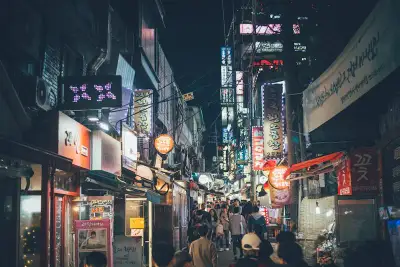
Látnivalók és programok: Shinjuku, Japan
Fotó készítője: Tan Danh a Pexels.com-on
Mikor érdemes látogatni
Shinjuku a #2 város az éjszakai élethez a világon, a több száz úti cél adatai alapján.
Legnépszerűbb látnivalók itt: Shinjuku, Japan
A legjobb programok Japánban, Sindzsukuban a nyugodt kikapcsolódástól a neonfényű kalandokig terjednek. Sétáljon át a 23,5 hektáros Sindzsuku Gjoen Nemzeti Kerten, amely ötvözi a francia és a japán tájépítészeti stílust. Utazzon fel az ingyenes lifttel 202 méter magasra a Tokiói Fővárosi Kormányzati Épületbe, ahonnan panorámás kilátás nyílik a városra. Ezután bújjon be az Omoide Jokocsóba, egy keskeny sikátorba, ahol hatvan apró grillezőn a második világháború óta sütik a jakitorit.
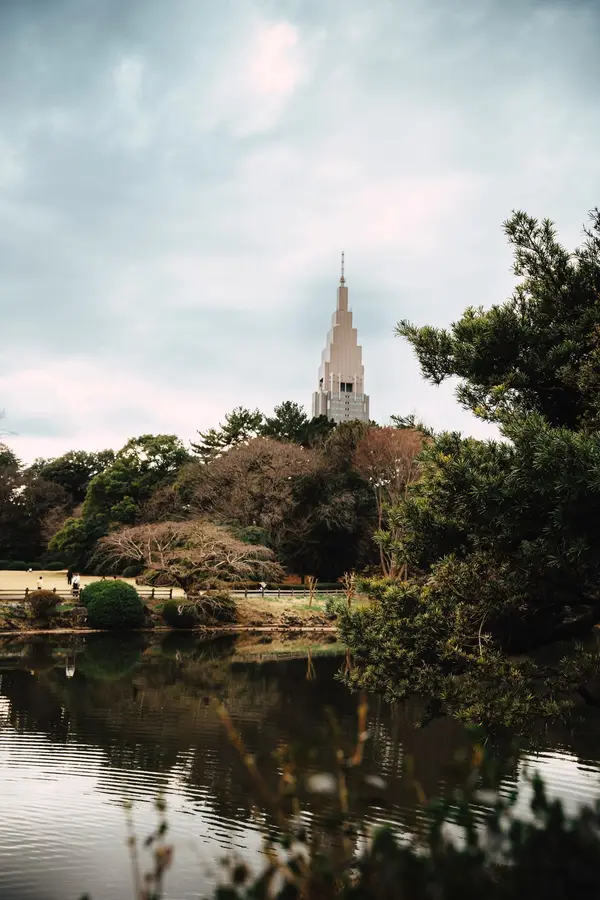
1. Shinjuku Gyoen National Garden
Menekülj Tokió neonkáoszából 58 hektárnyi békés kertbe, ahol cseresznyevirágok és ősi fenyők három tökéletesen összeállított tájat kereteznek. Vándorolj egyetlen délután alatt egy francia barokk kert, egy japán teaház és egy angol rét között.
Gyors tények: 58 hektáron elterülő területén három különböző kertstílus találkozik: egy francia formakert, egy angol tájképi kert és egy hagyományos japán kert egy nagy tóval. Több mint 20 000 fa él itt a világ minden tájáról, köztük mintegy 1500 cseresznyefa, amelyek minden tavasszal virágba borulnak.
Főbb látnivalók: A kora 20. századi nagy kiterjedésű tájkertek egy ritka, fennmaradt példája Tokióban, egykor egy feudális úr magánrezidenciája volt, mielőtt a császári családnak adták volna. A hagyományos japán kertrészben egy fából készült pavilon található, ahol leülhet és nézheti, ahogy a koi halak örvénylenek alatta, miközben egy kimonós kísérő által felszolgált matcha teát kortyolgathat.
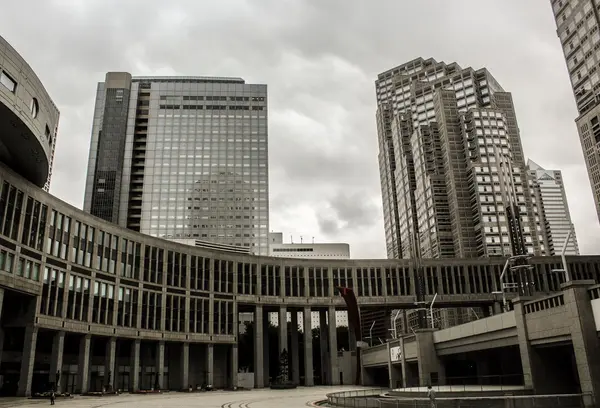
2. Tokyo Metropolitan Government Building
Két ingyenes kilátóterasz Tokió legjobb városképével. Utazz fel a lifttel 45 emeletet, és nézd, ahogy a Fuji megjelenik a horizonton, miközben a város elterül alattad.
Gyors tények: Ingyenes kilátóteraszok a két torony 45. emeletén, ahonnan tiszta időben egészen a Fudzsi-hegyig ellátni. Az épületet gótikus katedrális mintájára tervezték, ikertornyai 243 méter magasak, homlokzatát 12 000 tükrözött ablak borítja.
Főbb látnivalók: Menjünk fel naplemente előtt, és nézzük a 45. emeletről, ahogy Tokió átváltozik: a városi fények lassan felkapcsolódnak, miközben az égbolt még színes. A déli kilátó este 11 óráig nyitva van, és éjszaka teljesen más hangulatot kínál, sokkal kevesebb látogatóval, a városkép pedig úgy csillog, mint egy áramköri lap.
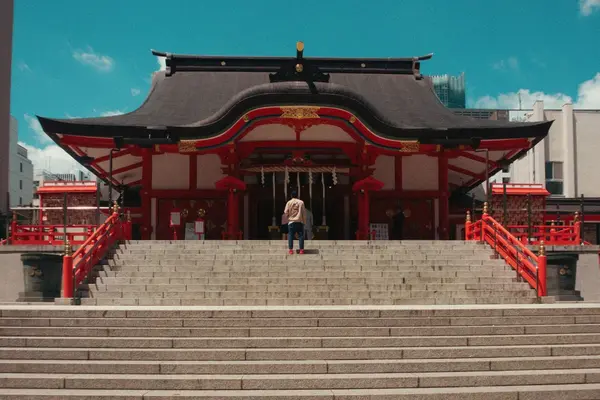
3. Hanazono Shrine
Találj egy kis nyugalmat Sinjuku neonkáoszában egy szentélynél, amely a 1600-as évek óta tartja össze ezt a negyedet. Sétálj el a magasba törő betonépületek mellett, és lásd, ahogy a helyiek érmét dobnak, tapsolnak, és suttogják kívánságaikat az isteneknek.
Gyors tények: A Hanazono Szentély éves bolhapiacain több mint 300 árus kínálja portékáját, így minden hétvégén rengeteg alkalmi vásárlót vonzva. Az üzleti jólét és a jó szerencse isteneinek szentelt szentély Shinjuku modern felhőkarcolói és szórakozónegyede közepén található.
Főbb látnivalók: Szilveszter éjjelén a szentély 500 kilogrammos harangját önkéntesek szólaltatják meg 108 alkalommal, minden egyes ütés egy emberi vágy megtisztulását szimbolizálva a buddhista hagyomány szerint. A hang visszaverődik Shinjuku betonkanyonjaiban, szürreális akusztikus találkozást teremtve az ősi rituálé és a neonfényes modernitás között.
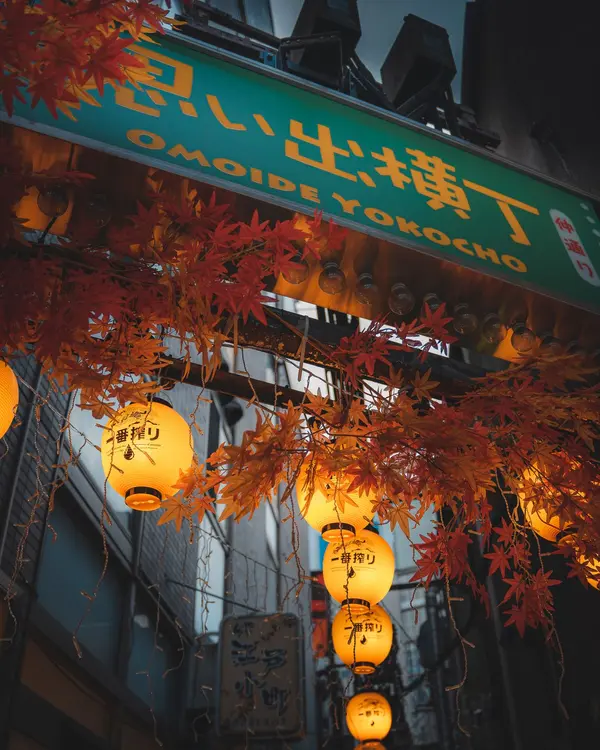
4. Omoide Yokocho
Lépj be egy füstös, lámpásokkal megvilágított időutazásba, ahol Tokió életed legjobb jakitoriját süti. Férkőzz fel egy apró pultos székre, rendelj nyársakat és hideg sört, és nézd, ahogy a séfek centiméterekre az arcodtól legyezik az izzó szenet.
Gyors tények: Nagyjából 60 apró, füstös jakitoribár és étterem zsúfolódik össze ebben a keskeny sikátorhálózatban a Sindzsuku állomás közelében. A helyiek már a háború utáni feketepiac idején, az 1940-es években szorongtak a zsámolyokon, amikor a terület először kialakult.
Főbb látnivalók: A régi Tokió egyik utolsó megmaradt szeglete, ez a sikátor valahogy elkerülte a fejlesztést, ami a környéket üvegfelhőkarcolók erdejévé változtatta. A levegőben még mindig faszenes csirke és szójaszósz illata érződik, akárcsak 70 évvel ezelőtt, és néhány üzlet ma is ugyanazoktól a családi beszállítóktól szerzi be a nyársakat.
5. Golden Gai
Több mint 200 apró bár zsúfolódik hat lámpásos sikátorba, ahol minden helyiségben alig fér el néhány ember. Vándorolj szűk átjárókon, bújj be egy négy ülőhelyes whiskybárba, és oszd meg a történeteidet a helyiekkel a késő éjszakába nyúlóan.
Gyors tények: Shinjuku felhőkarcolói között megbújva ez a 200 apró bárból álló labirintus hat keskeny sikátort foglal el, amelyek túlélték a háború utáni újjáépítést. A legtöbb bárban csak 4-6 fő fér el, így az idegenek kénytelenek szoros beszélgetésbe bonyolódni whiskey vagy szaké mellett.
Főbb látnivalók: Sok bárt itt még mindig idősödő tulajdonosok vezetnek, akik 50+ éve szolgálnak ugyanannál a pultnál, néhányan pedig nem hajlandók kiszolgálni senkit, aki 30 alattinak tűnik. Az egyik bárban van egy házimacska, amely eldönti, mikor jön el a zárás ideje: felugrik a vendég ölébe, jelezve, hogy ideje távozni.
6. Samurai Museum
Kerülj közelebb az igazi szamurájfelszereléshez, mint bárhol máshol Tokióban. A kezedbe vehetsz 700 éves kardokat, felpróbálhatod a páncélt, és naponta élő kardbemutatót nézhetsz.
Gyors tények: Több mint 13 000 műtárgy öleli fel a szamurájok történelmének 700 évét a Kamakura-kortól az Edo-korszakig. A látogatók valódi szamurájkardokat foghatnak meg és hiteles páncélt próbálhatnak fel a személyzet felügyelete mellett.
Főbb látnivalók: Egy nyugalmazott szamurájpáncél-restaurátor személyesen gondozza a gyűjteményt, és időnként bemutatja a teljes páncélzat felöltésének 45 perces folyamatát. A múzeum fából készült kendó padlóján még mindig látszanak a karcolások és horpadások, amelyeket a tokiói egyetemi kendóklubok évtizedes gyakorlásai hagytak hátra.
7. Shinjuku Ni-chome
Sehol máshol nincs ennyi queer energia néhány neonfényes utcányi területre zsúfolva. Ugrálj apró bárok között, ahol a helyiek edamames tányérokat osztanak meg, és a következő italodat már azelőtt töltik, hogy az elsőt befejeznéd.
Gyors tények: Több mint 300 bár, klub és kis étterem zsúfolódik néhány háztömbnyi területre, így ez a parányi negyed a világ egyik legnagyobb LGBTQ+ helyszín-koncentrációjával dicsekedhet. Itt a bárok több mint 30 százaléka olyan apró üzlet, amely kevesebb mint 10 embert tud leültetni, így minden este magánpartinak tűnik.
Főbb látnivalók: Sok bárt visszavonult drag queen-ek üzemeltetnek, akik az 1980-as évek óta ugyanannál a 10 férőhelyes pultnál töltik az italokat, és minden törzsvendéget név szerint ismernek. Éjfélkor besétálhatsz egy négyfős pincebárba, ahol egy 70 éves egykori kabaré-sztár Edith Piafot énekelve keveri a highballodat.
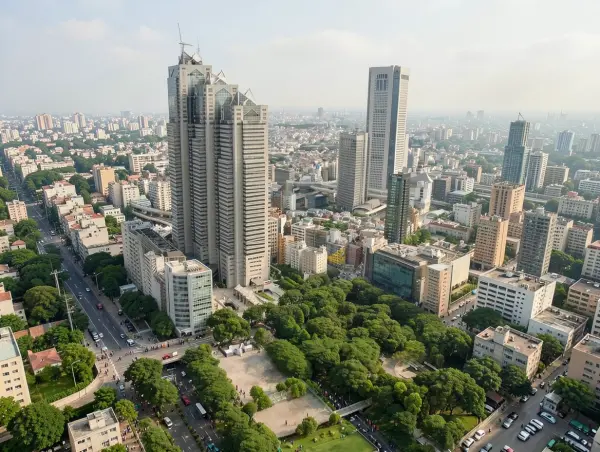
8. Shinjuku Central Park
Egy buja zöld menedék a felhőkarcolók közé szorítva, első soros kilátással Tokió városi balettjére. Fogj egy kávét, keress egy padot, és nézd, ahogy az üzletemberek szunyókálnak, a varjak tervezgetnek, és a cseresznyeszirmok elsodródnak a beton és az üveg mellett.
Gyors tények: Sindzsuku legforgalmasabb ingázó csomópontja a zöldfolyosó egyik oldalán fekszik, mégis a park meglepően csendes marad, több mint 700 cseresznyefa szegélyezi az útjait. Az egykori üres telek, amely egy soha meg nem épült sportstadionra várt, ezzé a 2,25 hektáros zöldsávvá változott, amely a város két jelentős felhőkarcoló-negyedét köti össze.
Főbb látnivalók: Hétköznap ebédidő tájban öltönyös irodistákat látsz szunyókálni a füvön, ami egy csendes tokiói rituálé, szinte koreografáltnak hat. A park szabadtéri művészeti galériaként is szolgál, ahol a közeli Tokyo Opera City Galéria váltakozó installációinak ad otthont, így a szobrok néhány havonta cserélődnek.
Where to Stay in Shinjuku, Japan
Selected by City Buddy based on guest reviews and proximity to top attractions
Search all hotels in Shinjuku, JapanPowered by agoda
Nyitvatartási napok itt: Shinjuku, Japan
Melyik fő látnivaló zár be a hét melyik napján. A klasszikus utazásrontó, neked ellenőrizve.
hétfő: 8 fő látnivalóból 1 zárva. Tervezd a múzeumlátogatást másik napra.
Zárva: hétfő · 1 zárva, 7 nyitva
Nyitvatartási napok a Google Mapsről (ellenőrizve: 2026-07-03). Ünnepnapok, sztrájkok és szezonális nyitvatartás eltérhet. A hivatalos weboldalt indulás előtt ellenőrizd.
Hagyományos édes ételek
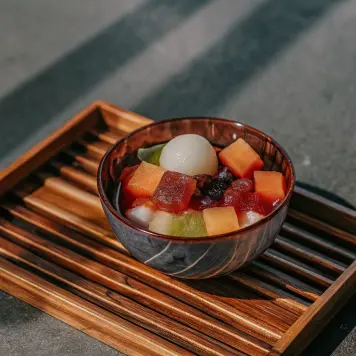
Anmitsu
Anmitsu features small cubes of agar jelly, sweet red bean paste, mochi, and fresh fruit all served with a drizzle of kuromitsu, a dark sugar syrup that originated as a medicine in the Edo period.
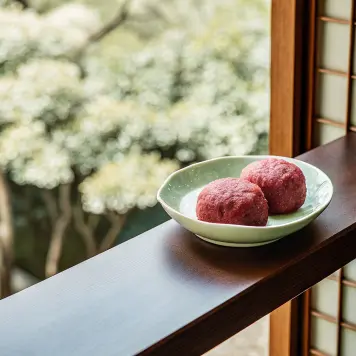
Ohagi (Botamochi)
Ohagi is a traditional sweet made from glutinous rice coated in sweet azuki bean paste, and its name changes to botamochi in spring depending on the seasonal flower in bloom.
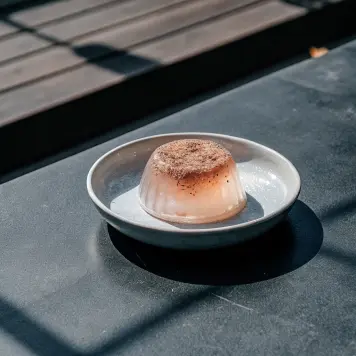
Kuzumochi
Unlike regular mochi made from rice, kuzumochi is made from kuzu (arrowroot) starch giving it a uniquely translucent, jelly-like texture, and it is often served with kinako (roasted soybean flour) and kuromitsu.
Hagyományos sós ételek
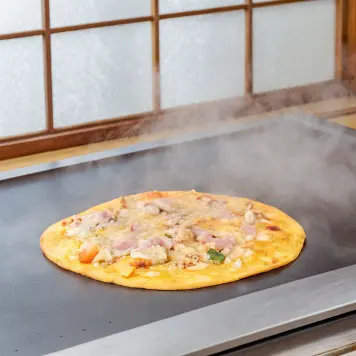
Monjayaki
Monjayaki is a thin, runny savory pancake cooked on a hot griddle that is famously associated with Tokyo's shitamachi (old town) culture, and Shinjuku has some of the best monjayaki specialty restaurants in the city.
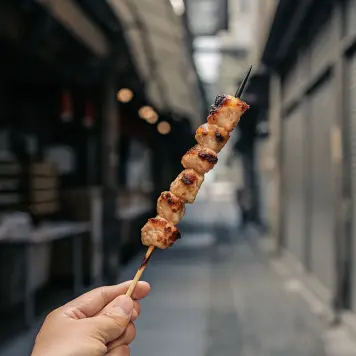
Yakitori
Shinjuku's Omoide Yokocho (Memory Lane) is legendary for its tiny yakitori stalls where skewers of chicken are grilled over charcoal, and the smoky alleyway has been a beloved dining destination since the post-war era.
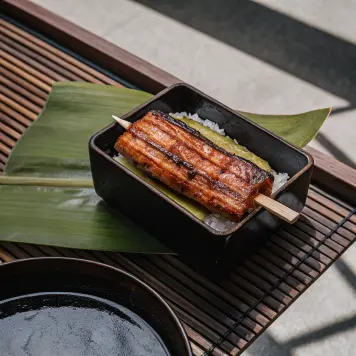
Unagi no Kabayaki
This dish features grilled eel glazed with a sweet soy-based sauce, and Shinjuku is home to some of Tokyo's most historic unagi restaurants that have been serving it continuously since the 1800s.
Hagyományos italok
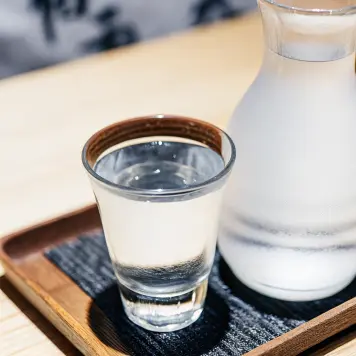
Sake
Sake is Japan's iconic rice wine, and Shinjuku's many izakaya (Japanese pubs) offer extensive sake selections where you can enjoy everything from fruity ginjo to rich, aged koshu varieties.
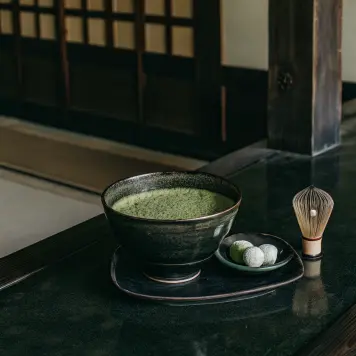
Matcha (Ceremonial Green Tea)
Matcha is a finely ground powder of specially grown green tea leaves, and Shinjuku's traditional tea houses offer this vibrant drink alongside the district's famous wagashi (Japanese sweets) for a perfect pairing.

Shochu
Shochu is a distilled spirit typically made from barley, sweet potato, or rice, and it is a staple at Shinjuku's drinking establishments where it is enjoyed on the rocks, with water, or mixed with hot water.
Gyakori kérdések: Shinjuku, Japan
Biztonságos Sindzsuku, Japán?
Hány napot töltsünk Sindzsukuban, Japánban?
Mikor a legjobb Sindzsukuba látogatni, Japánban?
Drága-e Sindzsuku, Japán?
Hogyan közlekedjünk Sindzsukuban, Japánban?
Küldjön PDF-et a legnépszerűbb látnivalókról az email címére
Szerezzen PDF-et az összes látnivalóról, értékelésekről és tippekről. Tökéletes offline használatra.
Legnépszerűbb egynapos kirándulások
Kamakura
Historic coastal town with Great Buddha statue and serene temples
Hakone
Hot spring resort with views of Mount Fuji and Lake Ashi
Yokohama
Port city with Chinatown, Minato Mirai waterfront and gardens
Hogyan jutunk el oda
Vasútállomások
JR Yamanote Line, JR Chuo Line, Odakyu Line, Keio Line, Tokyo Metro Marunouchi Line
Highway bus connections to airports and other cities
From Haneda Airport take the Limousine Bus (45 min) or train via Yamanote Line. From Narita take the Narita Express (80 min) directly to Shinjuku Station.
Hasznos információk itt: Shinjuku, Japan
Áttekintés itt: Shinjuku, Japan
Napról napra terveznél Shinjuku, Japan-re? Nyisd meg az útvonaltervezőt
Mikor utazik Shinjuku, Japan?
Válassza ki dátumait és utazási stílusát, hogy megkapja:
Van valami, ami különösen fontos Önnek?
Jelölje be az összeset, ami vonatkozik
Közlekedés
Hogyan szeretnél közlekedni a helyek között?
Terv nyelve: Magyar