 CityBuddy
 Magyar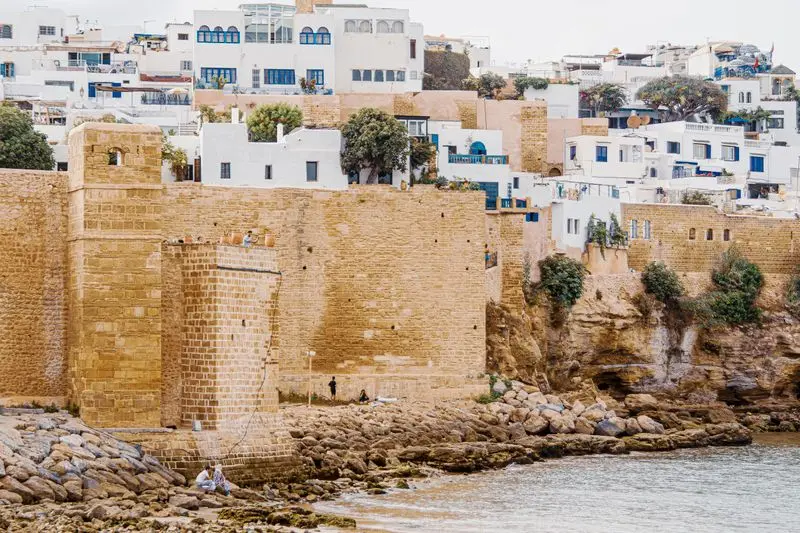
Látnivalók és programok: Rabat, Morocco
Fotó készítője: Jean Marc Bonnel a Pexels.com-on
Mikor érdemes látogatni
Mikor utazik Rabat, Morocco?
Válassza ki dátumait és utazási stílusát, hogy megkapja:
Van valami, ami különösen fontos Önnek?
Jelölje be az összeset, ami vonatkozik
Plan language: MagyarRabat is the #1 city for English speakers in the world, based on our data across hundreds of destinations.
Legnépszerűbb látnivalók itt: Rabat, Morocco
Rabat, Marokkó legszebb élményei a 12. századi építményeinél kezdődnek. Kúszd fel a 44 méter magas Hasszon-toronyra, amely a világ legmagasabb minaréttjeként épült. Közelében a Mohammed V. mausoleum található, amely a modern király és apája kriptája. Majd flánoz az Udayák kasbah kobaltkék ajtónakjai közt, az Atlanti-oceán fölött.
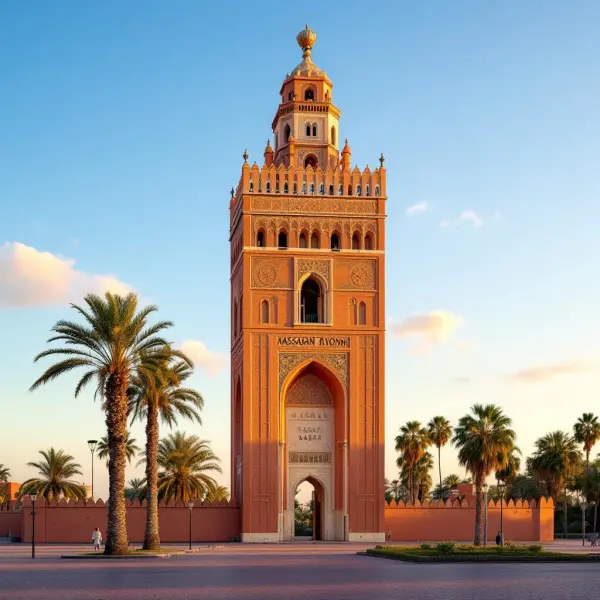
1. Hassan Tower
A minaret that stopped rising halfway is oddly more stirring than any finished tower. Stand where the earthquake felled the mosque and feel 800 years of history in the sea breeze.
Gyors tények: Csak mintegy 44 méternyi vörös kőből emelkedett a tervezett 86 méter helyett, örökre meghaltattá az napon, amikor a szultán, aki elrendelte, 1199-ben meghalt. Az előtte hívőház 20.000 hívőt kapadó volna, és durva 200 kolonn még mindig ott van, ahol az 1755-ös earthquake őtöketelkészüttött.
Főbb látnivalók: Kötöted your fingers along a carvéd capitals és you'll trace horseshoe arches és geometric patterns still crisp after more than 800 Moroccan summers. Durva 200 kolonnstumps ott amit ahol earthquake flung őtöket, so a whole esplanade reads like a photograph frozen mid-disaster.
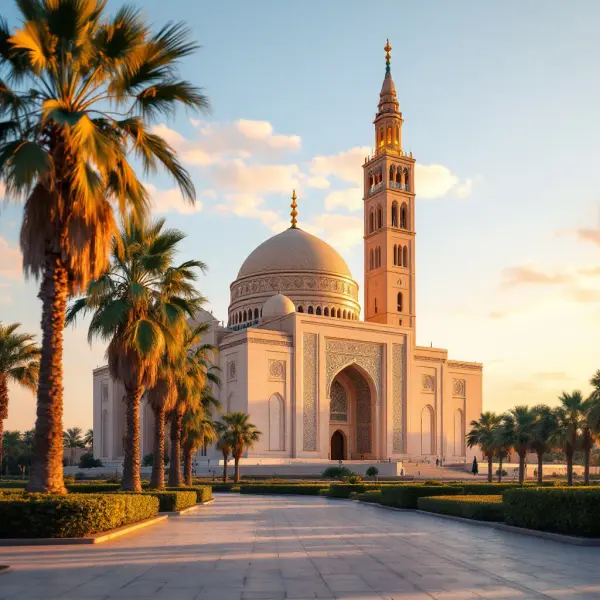
2. Mausoleum of Mohammed V
Step into a gleaming white hall where three royal tombs rest beneath a green-tiled crown. Feel the hush as horse guards and sunlight turn a quick stop into a quiet ceremony.
Gyors tények: A gleaming white hall capped with a vivid green tiled roof holds a tombs of three Moroccan royals, side by side under one roof. Du
Főbb látnivalók: Az ezüst puskák megcsillannak a fényben, amint turbános királyi gárdisták lovagolnak a márvány sétányon, egy őrség, amely több mint 50 éve fut napi 24 órában. Nézz fel a fehér lepelbe burkolt sírról, és meglátod az aranyozott sárgaréz csillárt a tömeg fölött, miközben a kaleidoszkópszerű padlólapok mindegyikét hetekig formázták kézzel a mesterek.
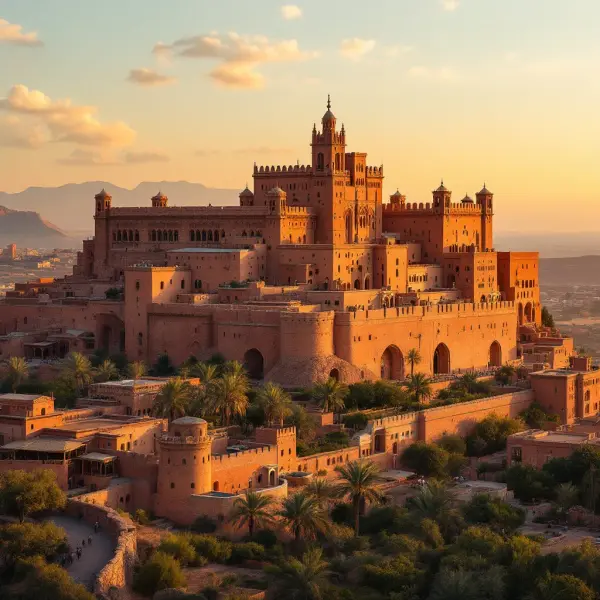
3. Kasbah of the Udayas
Wander a blue washed fortress village where every alley ends in ocean light. Climb the ramparts for mint tea with the river mouth spilling out below.
Gyors tények: Kilenc évszázad atlanti szele formálta ezt a domboldali erődöt, amelynek 1195-ös monumentális patkóíves kapuja őrzi a lágy kékre és fehérre meszelt utcákat. Mentatea gőzölög a folyótorkolat fölötti sziklai kávézóban, miközben kóbor macskák járőröznek a burkolt udvarokban lent.
Főbb látnivalók: Védelmi trükk rejlik a régi kapu kialakításában: a főutca élesen megtörik, hogy a támadók soha ne láthassák a végét, ám ma ez a kanyar egy sor kékre meszelt házat óv, ahol egy életnyi teregetés szárad a napon. Az utolsó házon túl a szikla lélegzetelállító kilátásba zuhan alá, ahol szörfösök, kompok és halászhajók mind ugyanazt az atlanti sávot habosítják.
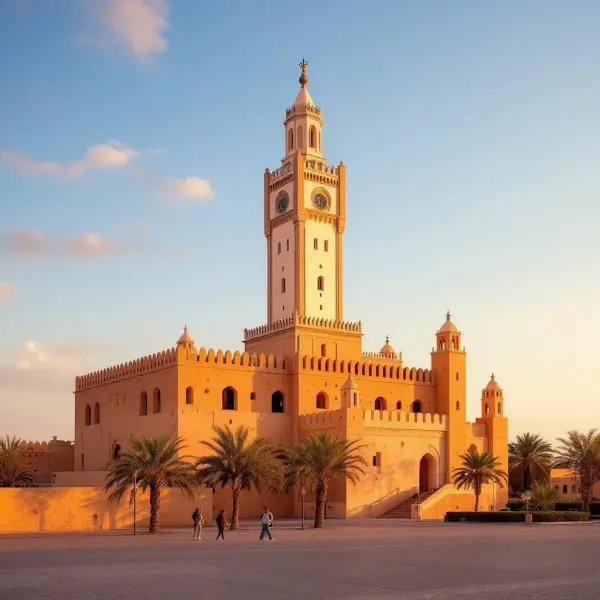
4. Chellah
Climb to where storks rule crumbling Roman walls and medieval tombs. Hear the spring, meet the resident cats, and watch the sun paint the old stones gold.
Gyors tények: Hatalmas gólyafészkek koronázzák a romos minaretet és a várfalakat, csőrük hangosan kattog a kerteken át. A római ásatások itt egy templomot, fürdőket és fórumot tártak fel, amelyek korábbiak a középkori merinida síroknál, amelyeket ugyanerre a szent földre építettek.
Főbb látnivalók: A falakon belüli szent forrás állítólag gyógyítja a meddőséget, és a helyi nők ma is zöld szalagot kötnek a mellette álló ősi fügefákra. Egy csendes délutánon megfigyelheted, ahogy angolnák siklának át ugyanabban a medencében, ahol egykor a rómaiak áldozatokat hagytak isteneiknek.
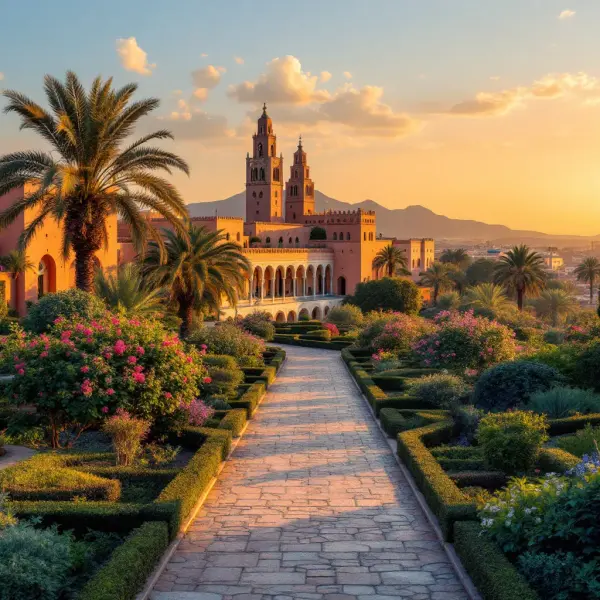
5. Andalusian Gardens
Escape the rampart crowds into a scented pocket of orange trees and fountains. You'll wander shaded tile paths to a terrace overlooking the river meeting the Atlantic.
Gyors tények: Körülbelül 6000 négyzetméternyi teraszos zöldterület függ a Bou Regreg folyótorkolat fölött, narancs-, citrom- és ciprusfákkal, jázminnal és bougainvilleával beültetve. A spanyol születésű tájépítész, Jean-Claude Forestier az 1920-as évek elején lóhere alakú központi szökőkút köré rendezte az ágyásokat, újraértelmezve szülővárosa, Sevilla mór kertstílusát.
Főbb látnivalók: Körülbelül 6000 négyzetméterével az egész kert belefér egy városi tömbbe, de csak a túlsó sarokteraszról tárul fel a folyó, ahogy az alatta nyíló atlanti vizekbe siklik. A lóhere alakú szökőkutak megállás nélkül csobognak, miközben galambok röppennek fel a ciprusok tetejéről, és májustól kezdve narancsvirág illatát hozza a levegő, mint egy régi falak közé bújt magánudvar.
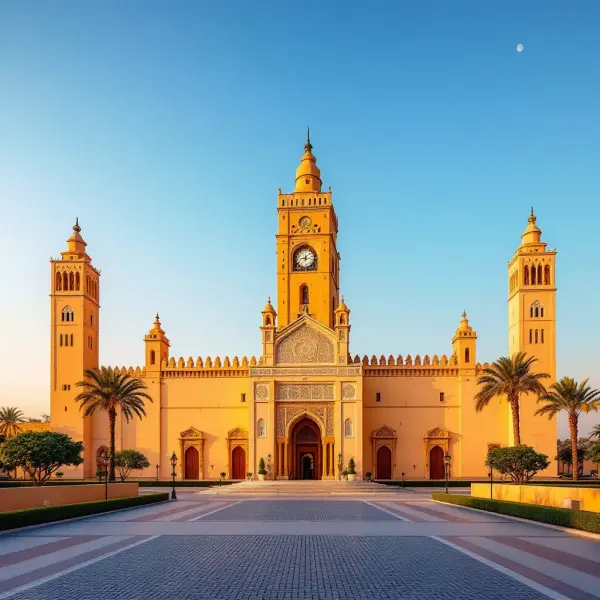
6. Royal Palace of Rabat
Stand at the gates of a working royal residence and watch a real cavalry parade. Pink walls, tiled fountains and gleaming sabres make this the easiest royal encounter in the city.
Gyors tények: Hatvan hektárnyi kert és reprezentációs tér terül el a rezidencia körül, ahol Marokkó királya hivatalos teendőit intézi. A bíbor-arany egyenruhás, lovas királyi gárda minden délután végigüget a kapuk előtt, ezt a díszszemlét a látogatók ingyen nézhetik.
Főbb látnivalók: Ellentétben a legtöbb működő palotával, a hatalmas oszlopos udvar szabadon bejárható, így a látogatók ugyanazon a márvány sétányon sétálhatnak, ahol a látogató államfőket fogadják. Ha megvárod a délután 5 órai lovas váltást, a főkapuknál megcsillanó kardokat és a dobszóra oldalazó lovakat láthatsz.
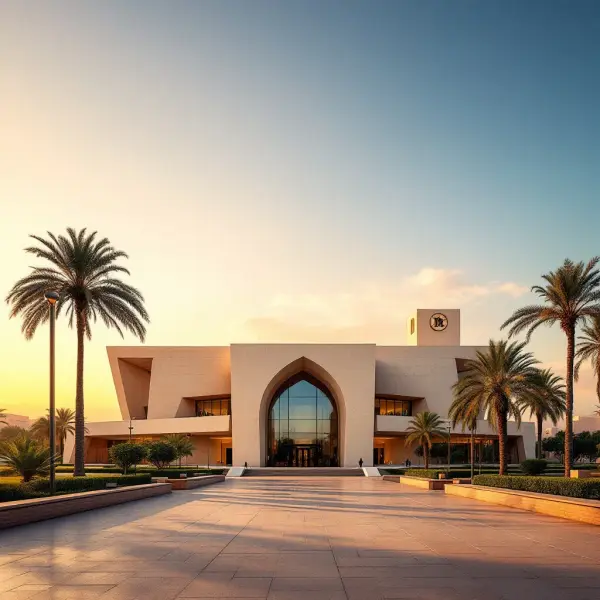
7. Mohammed VI Museum of Modern and Contemporary Art
Modern Moroccan masters hang beside international stars in one purpose-built space. Stroll the glassy galleries, then claim a bench on the rooftop terrace for skyline views.
Gyors tények: A permanens kollekcióban több mint 2000 mű található, és egy adott időpontban nagyjából 400 darab rotál a galériákban. Az intézményt a ország első, kifejezetten modern és kortárs művészet céljára épített vitrineként számoltanak, amikor egy évtizeddel ezelőtt debütált.
Főbb látnivalók: A bronz, mashrabiya-stílusú lattice verkört a fasádát, így az utánnapi nap laced szadbrukat fest a courtyardon még azelőtt, hogy belépőt kénédtél. Belső keress azokat a műveket, ahol a marokkói festők az európai olajasokat natural pigmentokra cserélték, beleértve a henna- és az Atlas-előhegyekből származó saffron-nal festett róbákat.
Where to Stay in Rabat, Morocco
Selected by City Buddy based on guest reviews and proximity to top attractions
Search all hotels in Rabat, MoroccoPowered by agoda
Hagyományos édes ételek
Chebakia
Chebakia is a flower shaped sesame cookie that is fried and then soaked in warm honey and orange blossom water. It is a signature treat during Ramadan, traditionally served alongside harira soup to break the fast.
Kaab el Ghazal
Kaab el Ghazal, which means gazelle horns, are delicate crescent pastries with a thin, crisp shell and a fragrant almond paste filling scented with orange blossom water and cinnamon. Their elegant shape is said to mimic the curved horns of a gazelle.
Sellou
Sellou is a rich, crumbly sweet made from roasted flour, toasted almonds, sesame seeds, and honey blended with butter and anise. It is pressed into balls or cones and is especially cherished in Rabat homes during Eid and Ramadan for its energy and long shelf life.
Hagyományos sós ételek
Couscous
Couscous is Morocco's national dish, made of steamed semolina grains topped with a slow cooked stew of vegetables and lamb or chicken. In Rabat, Friday couscous is a beloved weekly family ritual served at midday.
Pastilla
Pastilla is a savory sweet feast of flaky warqa pastry filled with spiced pigeon or chicken, toasted almonds, and a dusting of cinnamon and sugar. It brilliantly blends sweet and savory, a hallmark of Moroccan festive cooking served at weddings and celebrations.
Tagine
A tagine is a slow cooked stew named after the conical clay pot in which it simmers, locking in moisture and flavor. Popular Rabat versions pair chicken with preserved lemon and green olives, or feature lamb with prunes and almonds.
Hagyományos italok
Moroccan Mint Tea
Moroccan mint tea, or atay, is a strong green tea brewed with fresh spearmint and plenty of sugar, poured from a height to create a frothy top. It is the ultimate symbol of hospitality and is served to guests throughout the day, with three glasses said to mean life, love, and death.
Fresh Orange Juice
Rabat is famous for its dazzlingly fresh orange juice, squeezed to order from sweet, sun ripened Moroccan oranges. Street stalls and cafes across the city serve it ice cold, making it a vibrant everyday refreshment.
Sbiten
Sbiten is a warming, spiced winter drink made from milk simmered with dates, nuts, cinnamon, and orange blossom water. It is traditionally sold by street vendors on cold evenings and is prized for its cozy, comforting sweetness.
Frequently Asked Questions about Rabat, Morocco
Biztonságos Rabat, Marokkó?
Hány napot töltsünk Rabatban, Marokkóban?
Mikor a legjobb Rabatba, Marokkóba látogatni?
Drága Rabat, Marokkó?
Hogyan közlekedjünk Rabatban, Marokkóban?
Küldjön PDF-et a legnépszerűbb látnivalókról az email címére
Szerezzen PDF-et az összes látnivalóról, értékelésekről és tippekről. Tökéletes offline használatra.
Legnépszerűbb egynapos kirándulások
Casablanca
Morocco's largest city with the stunning Hassan II Mosque on the coast
Meknes
Imperial city with grand gates, the mausoleum, and historic medina
Fes
Ancient capital known for its vast medieval medina and tanneries
Chefchaouen
Picturesque blue-washed mountain town in the Rif hills
Tangier
Cosmopolitan port city at the Strait of Gibraltar, great for a day visit
Rent a car in Rabat, Morocco
Hogyan jutunk el oda
Vasútállomások
ONCF main line connecting Casablanca, Kenitra, Tangier, Meknes, and Fes
Serves the southern districts with the same ONCF corridor routes
From Rabat-Sale Airport take a short taxi into the center. From Casablanca airport, use the direct ONCF train to Rabat Ville station for the easiest transfer.
Járatok keresése ide: Rabat, Morocco
Kattintson az eSIM beszerzéséhez ide: Rabat, Morocco
A legegyszerűbb és legkedvezőbb módja a mobilinternet beszerzésének bárhol, ahova utazik.
Hozzászólások (5)
Cheapest tagine of my whole trip was in a random spot near the medina walls. The city felt more workaday than touristy, which I actually liked. Good base for day trips too.
Most museums here close 12 to 2:30 for lunch and shut Mondays too. Plan mornings instead, and carry small bills because vendors never have change for a 200 dirham note.
Was expecting more energy honestly. Things shut down early and by Sunday the old town felt dead. Safe and clean for sure, but if you only have a week I'd spend it in Fes.
Skip the seafood places right at the Kasbah gate. Walk two blocks downhill and the same fish plate costs half. Locals eat at the spots with no English menus.
Rabat surprised me honestly. Way chillier than Marrakech with a fraction of the crowds. Three days felt right, the medina is small but that coastal walk at sunset is for real.