 CityBuddy
 Magyar
Látnivalók és programok: Las Palmas de Gran Canaria, Spain
Fotó készítője: Canary Vista ES a Pexels.com-on
Mikor érdemes látogatni
Mikor utazik Las Palmas de Gran Canaria, Spain?
Válassza ki dátumait és utazási stílusát, hogy megkapja:
Van valami, ami különösen fontos Önnek?
Jelölje be az összeset, ami vonatkozik
Plan language: MagyarLas Palmas de Gran Canaria is the #19 most LGBTQ+ friendly city in the world, based on our data across hundreds of destinations.
Legnépszerűbb látnivalók itt: Las Palmas de Gran Canaria, Spain
Ha Las Palmas de Gran Canaria, Spanyolország látnivalóit fontolgatja, kezdje a Playa de Las Canteras-szal, egy három kilométer hosszú aranyhomokos tengerparttal, amelyet egy természetes zátony szegélyez. Fedezze fel a történelmi Catedral de Santa Ana-t, amelynek építése 1497-ben kezdődött, és látogassa meg a Museo Casa de Colónt, ahol állítólag Kolumbusz Kristóf is megszállt útjai során.
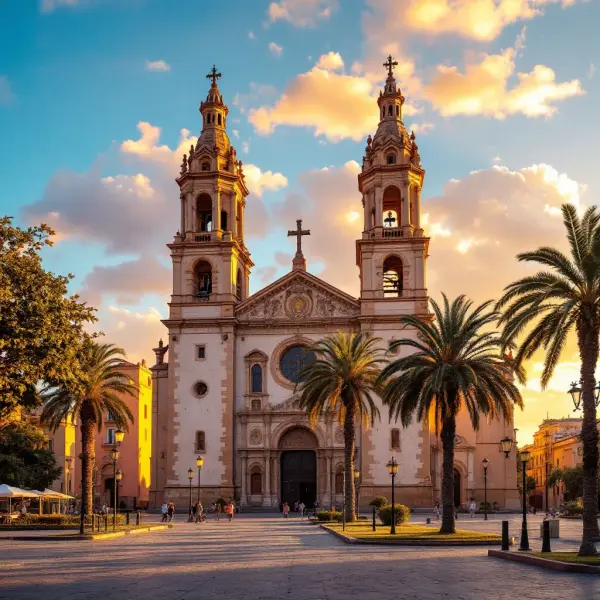
1. Catedral de Santa Ana
Gran Canaria spirituális szíve ötvözi a gótikus tornyokat a Szahara napsütésével. Sétálj el 44 ólomüveg ablak mellett, ahogy a déli nap színkaleidoszkóppá változtatja a kőoszlopokat.
Gyors tények: A templom egy olyan helyen áll, amely több mint 500 éve számít szent helynek, a jelenlegi épület pedig az eredeti 16. századi építmény lebontása után emelkedett. Neogótikus homlokzatát 44 ólomüveg ablak díszíti, amelyek a nap folyamán drágakőszínű fénnyel árasztják el a belső teret.
Főbb látnivalók: Lépj be és nézz fel: a főhajó fából készült mudéjar mennyezetét bonyolult geometrikus minták festik, a gótikus szerkezet és az iszlám ihletésű művészet ritka kanári-szigeteki ötvözete. A templom orgonája több mint 1200 síppal rendelkezik, az 1850-es években épült, és a vasárnapi misék alatt ma is megrengeti a padsorokat.
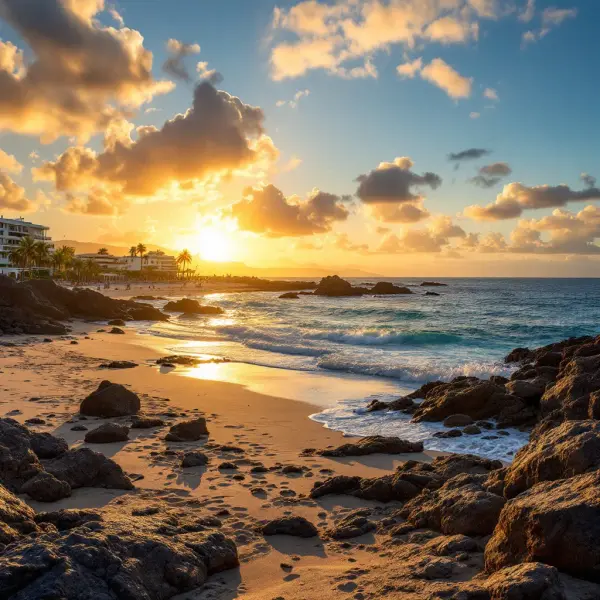
2. Playa de Las Canteras
Aranyszínű városi strand vulkanikus zátonnyal, amely a partvonalat egy hatalmas természetes úszómedencévé alakítja. Gázolj, ússz, vagy csatlakozz egy röplabdameccshez, miközben az Atlanti-óceán lábadhoz simogat.
Gyors tények: A kilométer hosszú aranyhomokos strandot egy La Barra nevű természetes zátony védi, amely nyugodt lagúnát hoz létre, tökéletes az úszáshoz bármilyen dagálykor. Naponta több mint 50 röplabdahálót állítanak fel a parton, amelyek a helyieket és turistákat egyaránt lelkes játékra csábítják naplementekor.
Főbb látnivalók: A La Barra, a parttal párhuzamosan húzódó sziklás zátony nem csupán hullámtörő; sekély, akváriumszerű lagúnát hoz létre, ahol sznorkelfelszerelés nélkül is megfigyelheted a tengeri keszegeket, a márnákat és akár a rájákat is. Apálykor a kitűnő vulkanikus sziklamedencékre sétálhatsz ki, amelyek olyanok, mint egy titkos természetes játszótér, teljesen elvágva a mögötted húzódó várostól.
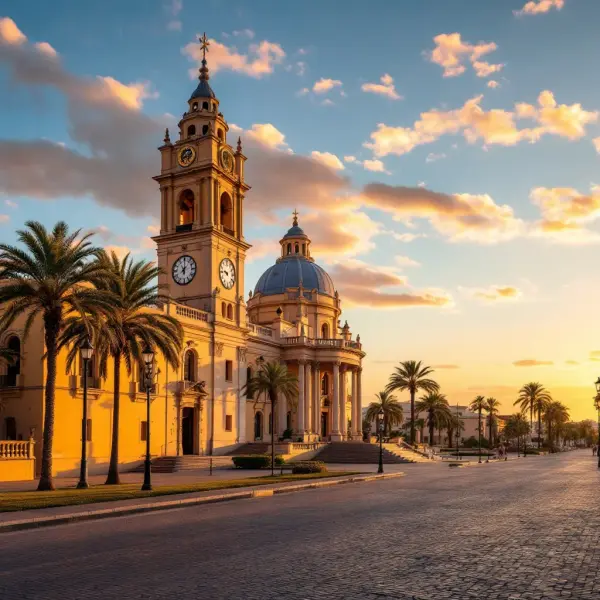
3. Museo Casa de Colón
Lépj be a 15. századi házba, ahol Kolumbusz az Atlanti-óceán átszelésére készült. Fedezz fel termeket, amelyek tele vannak prekolumbiánus műtárgyakkal, korabeli bútorokkal és trópusi kertekkel, amelyek a felfedezések korába repítenek.
Gyors tények: Columbus itt állt meg 1492-ben, az első amerikai útja előtt, és a ház a történelmi Vegueta negyedben található. Az épület a gótika, a mudéjar és a reneszánsz építészeti stílusait ötvözi, lenyűgöző belső udvarral, faragott kanári-szigeteki kőlépcsővel.
Főbb látnivalók: A múzeum egyik legbecsesebb kincse Kolumbusz Kristóf levelének első kiadása, amelyben bejelenti az Újvilág felfedezését, és amelyet 1493-ban Barcelonában nyomtattak. A látogatók abban a bizonyos szobában is állhatnak, ahol a navigátor állítólag megszállt, eredeti 15. századi famennyezettel és Kanári-szigeteki sárkányfa gerendákkal a fejük fölött.
Hallott már az ingyenes sétákról?
Több mint 30 országot bejárva van egy dolog, amit bárcsak az első naptól tudtam volna, és teljesen megváltoztatta az új városok élményét.
Ingyenes séták. Igen, tényleg ingyenesek. Nem kell bankkártya. Nincs csapda.
Helyi idegenvezető, 2-3 óra
Fő látványosságok, rejtett gyöngyszemek, helyi történetek
100% borravaló alapú
Az idegenvezetők csak borravalót kapnak, ezért a legjobbat nyújtják
Annyit ad borravalónak, amennyit jónak érez
A végén csak annyi borravalót ad, amennyit jónak érez
Több tucat városban jártam így, és szinte minden utazásom fénypontja volt. Ha Las Palmas de Gran Canaria, Spain városába látogat, ezt az első napon tegye meg. Később meg fogja köszönni.
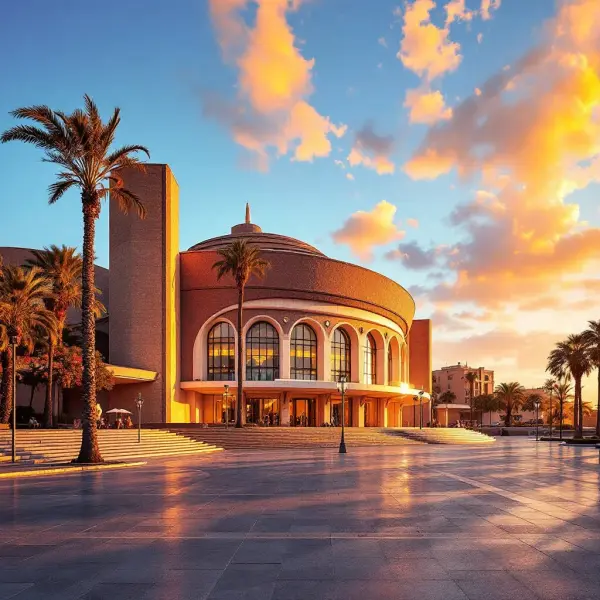
4. Auditorio Alfredo Kraus
Nézd, ahogy a naplemente megfesti az Atlanti-óceánt egy üvegfalon át, mielőtt az első hang felcsendül. Egy futurisztikus kagyló belsejében ülsz, miközben az óceán gyakorlatilag csatlakozik a zenekarhoz a padlótól mennyezetig érő ablakokon át.
Gyors tények: A kagyló alakú hangversenyterem 1658 férőhelyes, és a legendás spanyol tenorról, Alfredo Krausról kapta a nevét, aki Las Palmasban született. Kristályüveg függönyfala panorámás kilátást nyújt az Atlanti-óceánra, így az auditorium olyan érzést kelt, mintha a tenger és az ég között lebegne.
Főbb látnivalók: Az auditorium 40 méter magas üveghomlokzata a nap folyamán visszatükrözi az óceán változó színeit, magát az épületet is a fény és a víz előadásává változtatva. Szeles napokon az ívelt betonkagyló ténylegesen az atlanti szellőt vezeti át a gondosan megtervezett akusztikai szellőzőnyílásokon, létrehozva egy természetes hűtőrendszert, amelyet a mérnökök "hang-szél szobornak" neveztek.
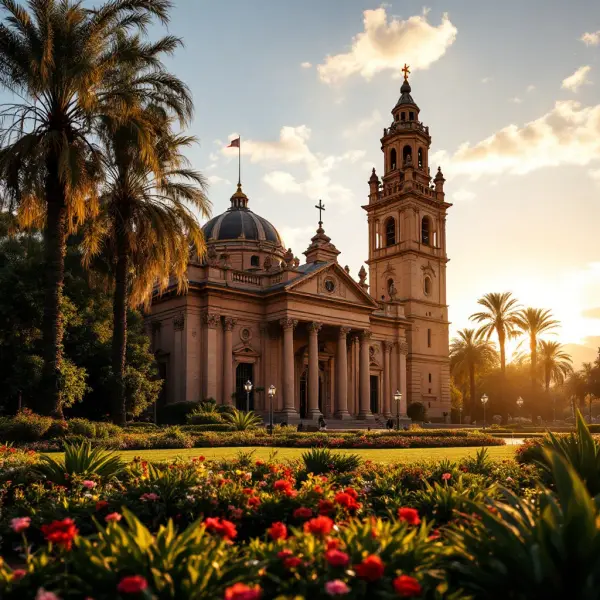
5. Parque de Santa Catalina
Menekülj egy buja botanikai csodába, ahol évszázados sárkányfák árnyékolják az élénk tereket, és vasárnap reggelente spontán szalma tör ki. Kanyarogj ösvényeken trópusi virágok, szökőkutas udvarok és helyiek mellett, akik kopott kőasztaloknál dominóznak.
Gyors tények: Két hatalmas sárkányfa, mindegyik több mint 300 éves, uralja a park főterét. Több mint 80 trópusi és szubtrópusi növényfaj él itt, létrehozva egy sűrű városi oázist.
Főbb látnivalók: Vasárnap reggelente a park szabadtéri táncparketté változik, ahol minden korosztály helyi lakosai gyűlnek össze spontán szalsza és timba sessionökre a fikuszfák alatt. A legjobb hely a régi fa zenepavilon közelében van, ahol a kőből készült emelt padok első soros kilátást nyújtanak az élő kongadobokra pörgő párokra.
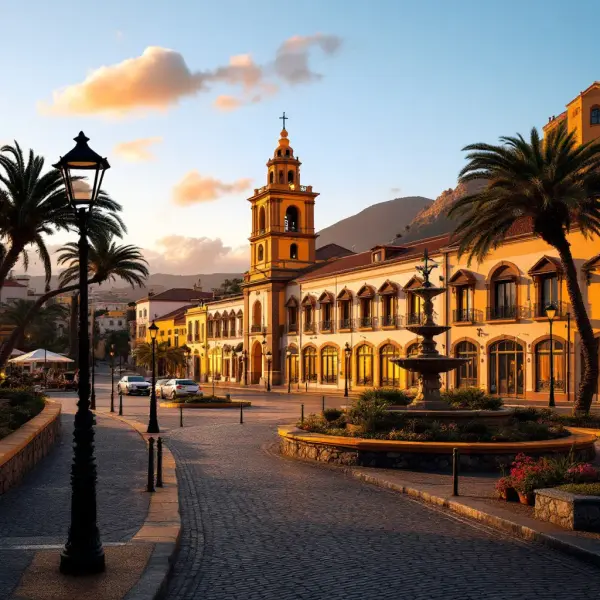
6. Barrio de Vegueta
Sétálj Las Palmas legrégebbi negyedében, ahol a macskaköves utcák öt évszázad történeteit suttogják. Lombos terekbe, sörbetszínűre festett gyarmati kúriákba és a mindent összefogó hatalmas Santa Ana-székesegyházba botlasz.
Gyors tények: Calle Mayor de Triana, a negyed fő ütőere, volt az első utca a Kanári-szigeteken, amely 1893-ban elektromos világítást kapott. A kerület macskaköves sikátorai több mint 500 év folyamatos történelmét rejtik, maga Kolumbusz is itt állt meg 1492-ben, hogy megjavítsa a Pintát, mielőtt továbbhajózott nyugat felé.
Főbb látnivalók: A Calle Colón és a Calle Mendizábal sarkán egy élénkkék kerámiatáblát találsz, amely azt jelöli, ahol Kolumbusz állítólag imádkozott a transzatlanti útja előtt, bár a helyiek még mindig vitatkoznak, hogy a történet tény vagy folklór. A levegő itt tengeri só illatától és egy apró sarokbódéból származó sült churros szagától illatos, amely 1927 óta működik, ugyanazt a százéves receptet használva, amely négy generáción át öröklődött.
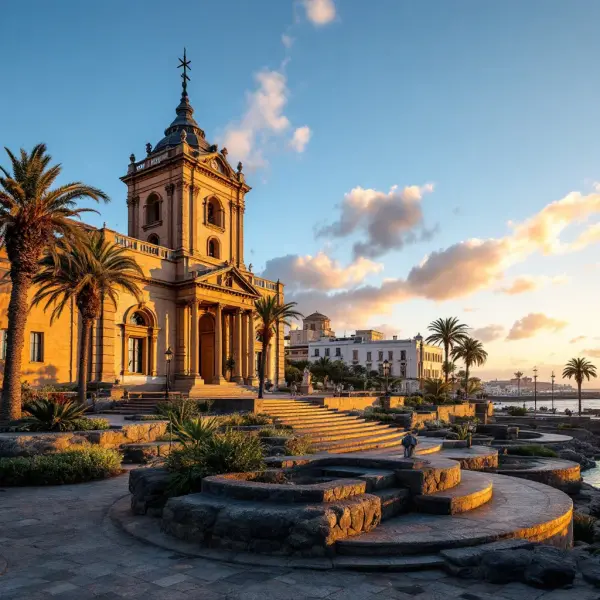
7. Museo Canario
Nézz szembe azokkal az ősi guanche néppel, akik itt éltek, mielőtt Kolumbusz valaha is hajóra szállt volna. Megvizsgálod múmiáikat, kerámiáikat és obszidián pengéiket egy hangulatos 19. századi épületben, amely egy ritkaságkabinetre emlékeztet.
Gyors tények: Körülbelül 1200 koponyának ad otthont a gyarmatosítás előtti guancse múmiákból, a gyűjtemény nyugtalanító bepillantást nyújt abba, hogyan bántak ezek az őslakosok a halottaikkal. Több mint 5000 műtárgy mutatja be a Kanári-szigetek több mint 1500 éves történetét a spanyol hódítás előtt.
Főbb látnivalók: Az egyik teremben tucatnyi gondosan elrendezett guancse koponya található, mindegyiken jellegzetes fogkopási mintázattal egy bizonyos növényi gyanta rágásától, amely olyan történeteket mesél el, amelyeket egyetlen írott feljegyzés sem őrzött meg. Centiméterekre állhatsz egy kiszáradt múmia kezétől, a köröm még 800 év után is érintetlen, amelyet nem őriztek meg más, csak állati zsírok és a sziget vulkanikus ásványai.
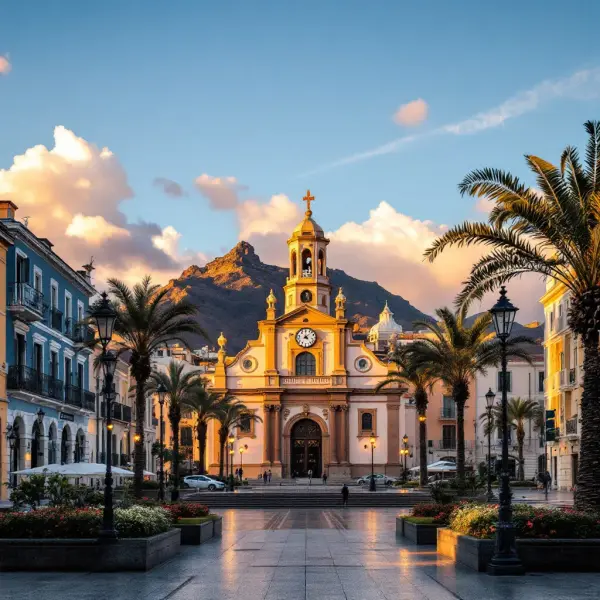
8. Plaza de Santo Domingo
Lépj be egy nappaliba, ahol a helyiek egy 200 éves sárkányfa árnyékában gyűlnek össze. Kortyolj kávét egy járdai teraszon, miközben utcazenészek hagyományos kanári dallamokat pengetnek.
Gyors tények: Egy pár vulkanikus kőből faragott fekete kutya őrzi a központi szökőkutat 1894 óta, némán figyelve a helyieket és a látogatókat egyaránt. A téren található a sziget egyik legtöbbet fényképezett fája, egy hatalmas sárkánybabér, amely úgy teríti ki lombkoronáját, mint egy zöld esernyő a tér fölött.
Főbb látnivalók: A tér kövezetébe egy hatalmas bronz szélrózsa van belevésve pontosan azon a helyen, ahol egykor a régi városfalak főkapuja állt, a tenger felé mutatva, amely évszázadokkal ezelőtt Amerikából hozta a hajókat. Vasárnap reggelenként helyi kézművesek és zenészek gyűlnek össze a szökőkút körül, megtöltve a levegőt a timple húrjainak hangjával, miközben idős kanári-szigeteki férfiak dominóznak az árnyékos kőasztaloknál.
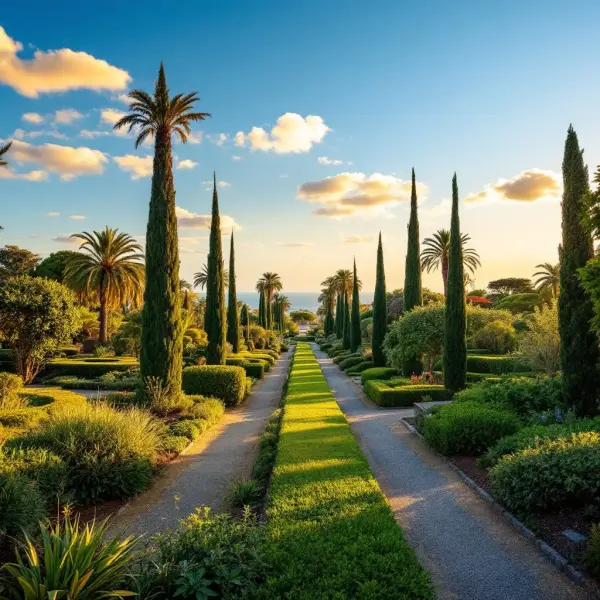
9. Jardín Botánico Canario Viera y Clavijo
Sétálj át egy vulkanikus kanyonon, amely tele van olyan prehisztorikus növényekkel, amelyek a Földön sehol máshol nem élnek túl. Függőhidakon kelsz át egy buja szurdok fölött, elhaladsz 200 éves sárkányfák mellett, és ritka gyíkokat pillantasz meg, amint ősi vulkanikus köveken szaladgálnak.
Gyors tények: A kert 10 hektáron terül el egy vulkanikus domboldalon, több mint 500 őshonos kanári-szigeteki növényfajjal, köztük 10 veszélyeztetett növénytípussal, amelyek a Földön sehol máshol nem találhatók meg. A sárkányfák, némelyikük több mint 200 éves, szoborszerű kaktuszok fölé magasodnak és egy buja szurdokvölgyön átívelő hidak hálózata fölé.
Főbb látnivalók: A "Jardín de los Dragos" nevű rejtett sarokban ősi sárkányfák gyűjteménye található, amelyek nedvét történelmileg az őslakos guancsék használták halottaik mumifikálására. Állj a függőhídhoz az aranyórában, és figyeld, ahogy az atlanti vadgyíkok napoznak a vulkanikus köveken, miközben az egész völgy alattad borostyánszínűvé válik.
Where to Stay in Las Palmas de Gran Canaria, Spain
Selected by City Buddy based on guest reviews and proximity to top attractions
Search all hotels in Las Palmas de Gran Canaria, SpainPowered by agoda
Hagyományos édes ételek
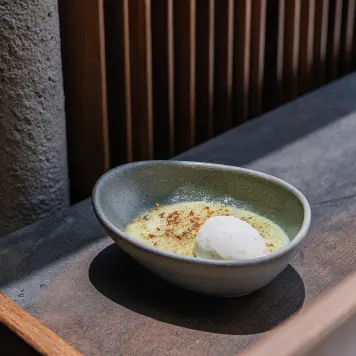
Bienmesabe
Bienmesabe literally means "tastes good to me" in Spanish. This creamy almond dessert is made with ground almonds, eggs, sugar, and lemon zest, often served with ice cream or as a cake filling.
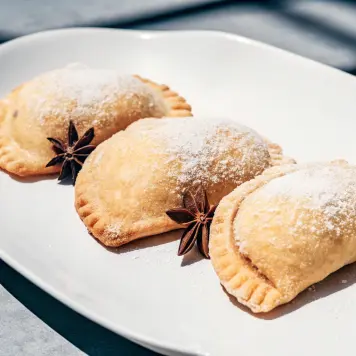
Truchas de Batata
These sweet potato filled pastries are a Christmas tradition in the Canary Islands. The dough is made with flour, olive oil, and anise, while the filling uses local sweet potato mixed with almonds and spices.
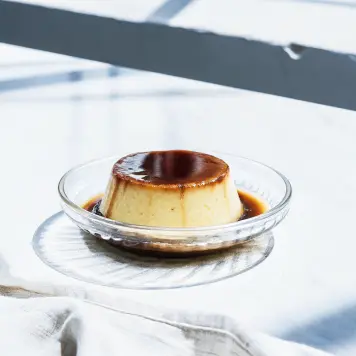
Quesillo
Quesillo is the Canarian version of flan, made with condensed milk, eggs, and caramel. Unlike traditional flan, it gets its name from its slightly porous, cheese-like texture.
Hagyományos sós ételek
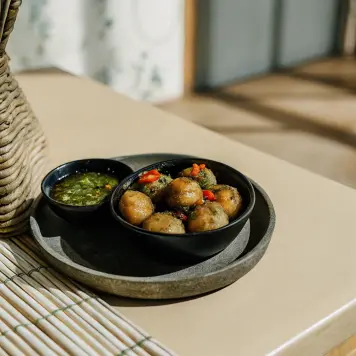
Papas Arrugadas con Mojo
This iconic Canarian dish features small potatoes boiled in heavily salted water until wrinkled, then served with mojo sauce. The two classic mojo varieties are mojo rojo, made with red peppers and cumin, and mojo verde, made with fresh cilantro or parsley.
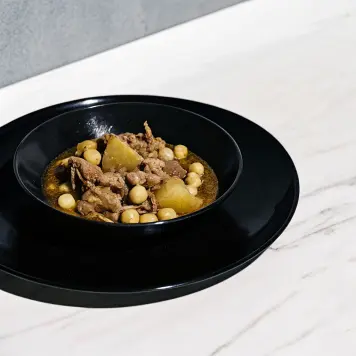
Ropa Vieja Canaria
Unlike its Cuban namesake, Ropa Vieja Canaria is made with shredded beef, chickpeas, and potatoes cooked together in a flavorful broth. The name means "old clothes" in Spanish, referring to the shredded appearance of the meat.
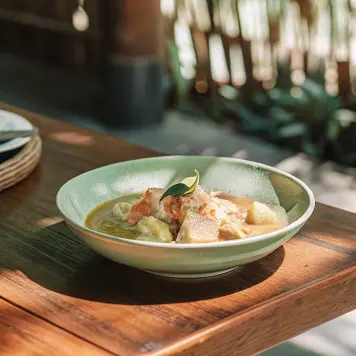
Sancocho Canario
This traditional fish stew is made with salted local fish such as cherne or vieja, served with sweet potatoes, gofio (toasted corn flour), and mojo sauce. It is a beloved Sunday meal in Las Palmas homes.
Hagyományos italok

Barraquito
Barraquito is a layered coffee drink unique to the Canary Islands, containing espresso, condensed milk, milk, cinnamon, and lemon zest. It is also known as "Cafe Barraquito" and is a staple of local cafes in Las Palmas.

Ron de Miel
Ron de Miel is a honey rum produced in the Canary Islands, often served as a digestif or used in cocktails. It blends local rum with honey from the island's unique flora, creating a sweet and aromatic liqueur.
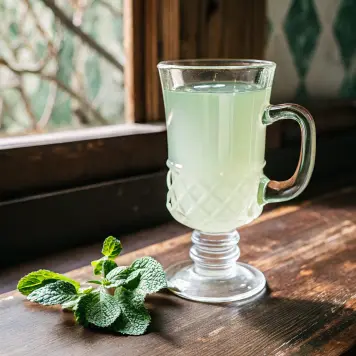
Poleo
Poleo is a traditional Canarian herbal tea made from the leaves of the poleo mint plant, which grows wild on the islands. It is commonly enjoyed after meals for its digestive properties and refreshing flavor.
Frequently Asked Questions about Las Palmas de Gran Canaria, Spain
Biztonságos Las Palmas de Gran Canaria, Spanyolország?
Hány napot érdemes Las Palmas de Gran Canaria, Spanyolországban tölteni?
Mikor a legjobb idő Las Palmas de Gran Canaria, Spanyolország meglátogatására?
Drága Las Palmas de Gran Canaria, Spanyolország?
Hogyan lehet közlekedni Las Palmas de Gran Canaria, Spanyolországban?
Küldjön PDF-et a legnépszerűbb látnivalókról az email címére
Szerezzen PDF-et az összes látnivalóról, értékelésekről és tippekről. Tökéletes offline használatra.
Legnépszerűbb egynapos kirándulások
Maspalomas
Famous for its stunning sand dunes and Maspalomas lighthouse beach area.
Teror
Charming mountain town with traditional Canarian architecture and basilica.
Agaete
Coastal town known for natural pools, cliffs, and coffee plantations.
Tejeda
Scenic village in the mountains with almond trees and Roque Nublo views.
Puerto de Mogan
Picturesque fishing port called 'Little Venice' with canals and beaches.
Rent a car in Las Palmas de Gran Canaria, Spain
Hogyan jutunk el oda
Repülőterek
Vasútállomások
Global bus lines to all parts of the island and airport connections
Regional and intercity bus lines connecting Las Palmas to south resorts
Gran Canaria Airport (LPA) is 21 km south of the city. Take the Global bus No. 60 or a taxi (25 min) to reach the center.
Járatok keresése ide: Las Palmas de Gran Canaria, Spain
Kattintson az eSIM beszerzéséhez ide: Las Palmas de Gran Canaria, Spain
A legegyszerűbb és legkedvezőbb módja a mobilinternet beszerzésének bárhol, ahova utazik.
Hasznos információk itt: Las Palmas de Gran Canaria, Spain
Áttekintés itt: Las Palmas de Gran Canaria, Spain
Most popular itineraries for Las Palmas de Gran Canaria, Spain
Browse trip plans created by other travelers
Hozzászólások (10)
Skip the restaurants right on Las Canteras beachfront. Walk two streets inland and you'll pay half the price for better food. La Marinera in La Isleta does amazing grilled fish.
I loved the beaches here, Las Canteras is huge and the water is warm even in winter. The old town Vegueta surprised me with its charm. Would visit again.
Best spot in the Canary Islands in my opinion. The weather is incredible year round and the food market in Vegueta is a must. Stayed 4 days which was perfect.
Bring cash for smaller restaurants and taxis, lots of places don't accept card for small amounts. Found that out the hard way. ATMs on Triana street have decent rates.
Go to the Vegueta market on Saturday morning for the best local produce and tapas. Arrive before 10 am to avoid queues for the popular stalls like Casa Montesdeoca.