 CityBuddy
 English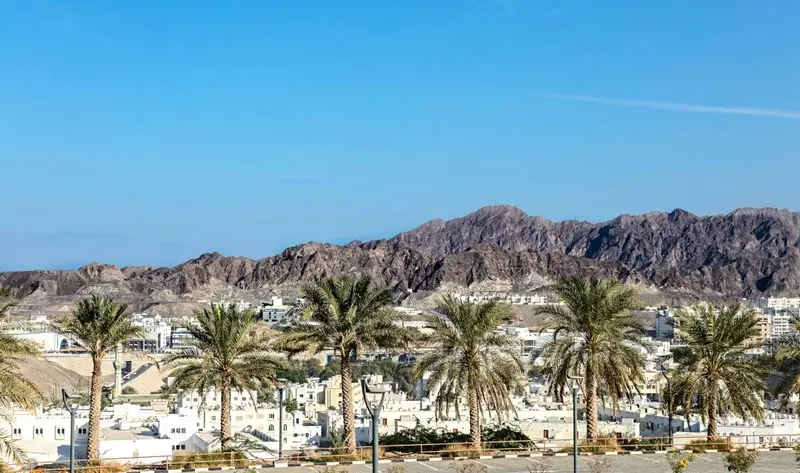
Things to Do in Oman
Photo made by Tayssir Kadamany on Pexels.com
When to visit
Plan your perfect trip to Oman
Get a complete travel plan built just for you in under 30 seconds, with daily routes, local food tips, budget estimates and more.
Are any of these especially important to you?
Select all that apply
Plan language: EnglishMost popular attractions in Oman
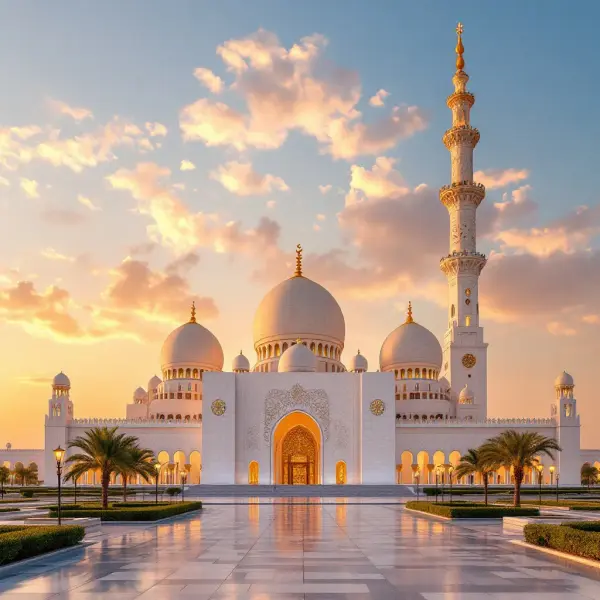
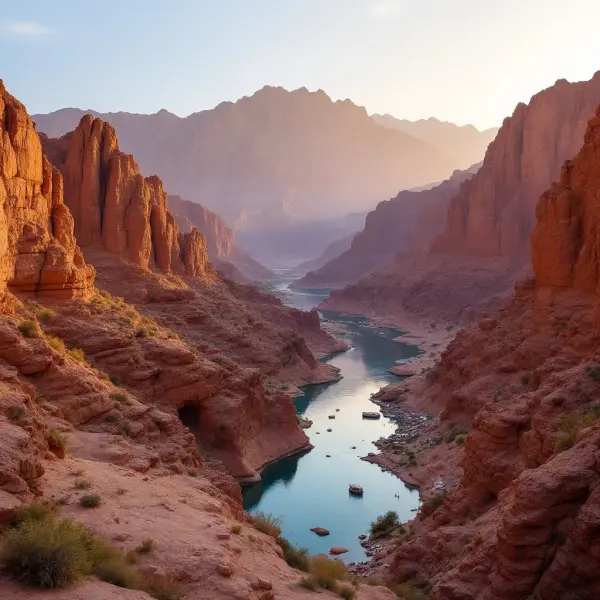
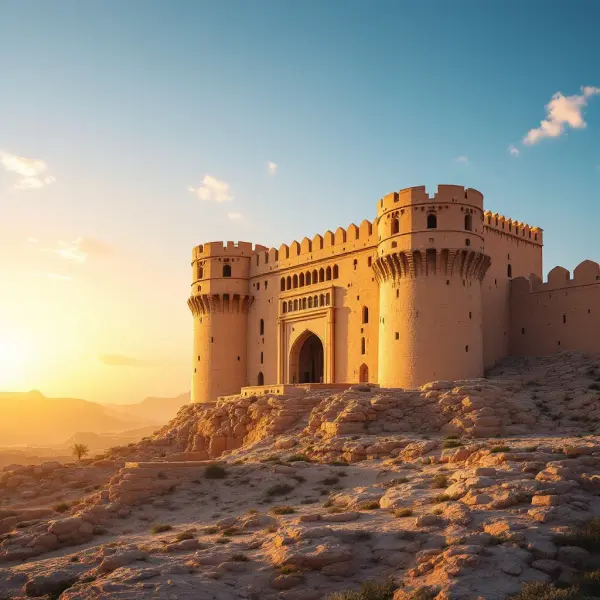
The top things to do in Oman range from architectural marvels to natural wonders. Start at the Sultan Qaboos Grand Mosque with its 14-acre grounds and the world's largest hand-loomed carpet. Then hike through Wadi Shab's turquoise pools to reach a hidden waterfall cave. End at Nizwa Fort, a 17th-century stronghold with 115-foot towers overlooking the old souq.
1. Sultan Qaboos Grand Mosque
Muscat
Quick facts: The main prayer carpet is the second largest single-piece carpet in the world, weighing 21 tons and hand-knotted by 600 Iranian women over four years. Five chandeliers dangle inside, with the largest hanging in the main prayer hall measuring 14 meters tall and weighing 8.5 tons, made of Swarovski crystals and 24-karat gold plating.
Highlights: Step inside the main prayer hall and look down: the carpet covers 4,343 square meters in one seamless piece, with a color palette that subtly shifts depending on the time of day and angle of light through the crystal chandeliers above. The 35 doors are carved from solid teak wood with intricate brass inlays, and each one opens into a different mosaic-tiled courtyard that reflects the changing sky.
2. Wadi Shab
Tiwi
Quick facts: Swimming through a narrow canyon leads you to a stunning waterfall hidden inside a cave. The crystal-clear turquoise water stays a refreshing 25°C year-round, making it perfect for a dip any season.
Highlights: Inside that cave, shafts of sunlight pierce through openings in the rock ceiling, creating natural spotlights on the emerald pool below. Stand directly underneath one of these light beams and the water glows an electric blue that shifts as clouds pass overhead.
3. Nizwa Fort
Nizwa
Watch the morning sunlight paint ancient mud-brick walls in shades of gold and amber. Climb to the top for sweeping views over date plantations and the imposing Hajar Mountains.
Quick facts: At 34 meters tall, the main round tower ranks among the largest of its kind in the Arabian Peninsula. The fort's 500 date palm trunks support the ceilings, while ingenious falaj irrigation channels once kept defenders supplied with water during sieges.
Highlights: Hidden within the walls are three cleverly disguised trap doors that would drop attackers into a dark prison pit below. The 12-meter deep well inside the tower could sustain 200 people for two years, a detail most visitors walk right past.
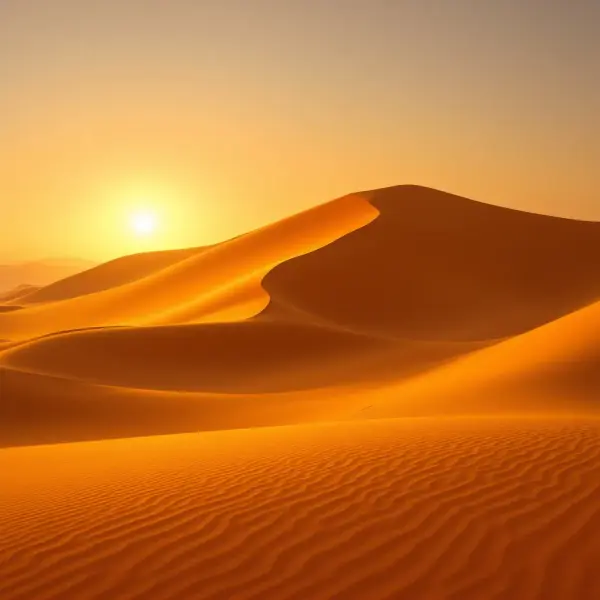
4. Wahiba Sands
Bidiyah
Ride massive amber dunes that stretch farther than the eye can see. Sleep under a blanket of stars with nothing but sand and silence around you.
Quick facts: Stretching 180 kilometers north to south and covering 12,500 square kilometers, this sea of sand dunes reaches heights of up to 100 meters. Nearly 200 species of birds stop by alongside Bedouin herders who still move through with their camels and goats.
Highlights: The dunes actually sing. When sand grains shift and slide down steep slopes, they produce a low-frequency hum that sounds like a cello being bowed, a phenomenon heard most clearly just before sunset. Scientists have recorded this sound reaching 105 decibels, loud enough to drown out a conversation at close range.
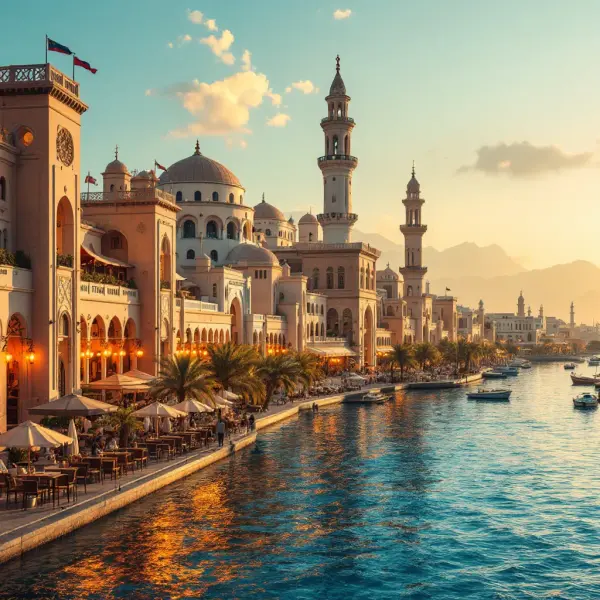
5. Muttrah Souq
Muscat
Quick facts: Over 200 shops cram into this covered labyrinth where merchants have been trading frankincense, spices, and textiles for centuries. You'll find Omani silver jewelry, embroidered khanjars (ceremonial daggers), and a dedicated perfume souq where attars are mixed fresh daily.
Highlights: Squeeze through the narrow alley to the back corner where a single elderly silversmith still hand-engraves bridal jewelry using techniques passed down through five generations. His tiny workshop, barely three meters wide, produces pieces that take two full weeks to complete and cost less than mass-produced imports from India.
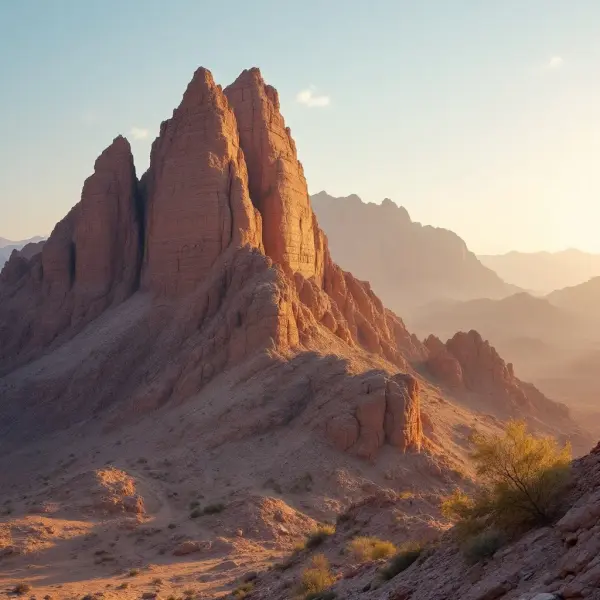
6. Jebel Shams
Al Hamra
Stand at the rim of a canyon deeper than the Grand Canyon and watch the sun paint the cliffs in shades of gold and crimson. You'll trek along narrow ledges, past abandoned stone villages, with nothing but the wind and your own footsteps for company.
Quick facts: Oman's highest mountain peaks at 3,009 meters, with a dramatic 1,000-meter cliff face that rivals the depth of the Grand Canyon. The mountain got its name "Mountain of the Sun" because its summit catches the first rays of dawn before the rest of the surrounding landscape.
Highlights: What makes this place unforgettable is the abandoned village of As Sab, perched halfway down the canyon wall with its mud-brick homes still intact, untouched since the 1970s. Hike down to find old falaj irrigation channels still trickling with water, where you can sit in the shade of ancient almond trees that have been bearing fruit for centuries.
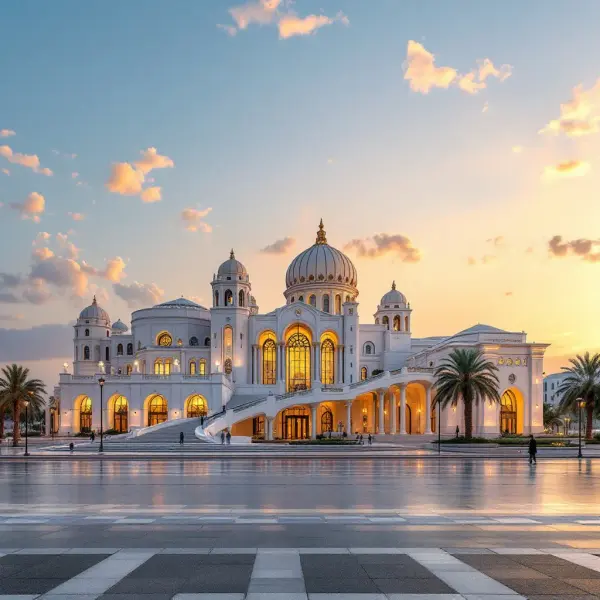
7. Royal Opera House Muscat
Muscat
Quick facts: Its ornate facade combines Omani fort architecture with Italian marble and gold leaf, a blend you won't see anywhere else. The 1,100-seat auditorium hosts everything from traditional Omani camel dance performances to the Vienna Philharmonic.
Highlights: Walk through the grand foyer and you'll notice the subtle scent of frankincense diffusing through the air, a sensory nod to Oman's ancient trading heritage. The custom-built 3,736-pipe organ was designed to perfectly harmonize with both Arabic maqam scales and Western classical compositions, a feat that took three years to engineer.
8. Bahla Fort
Bahla
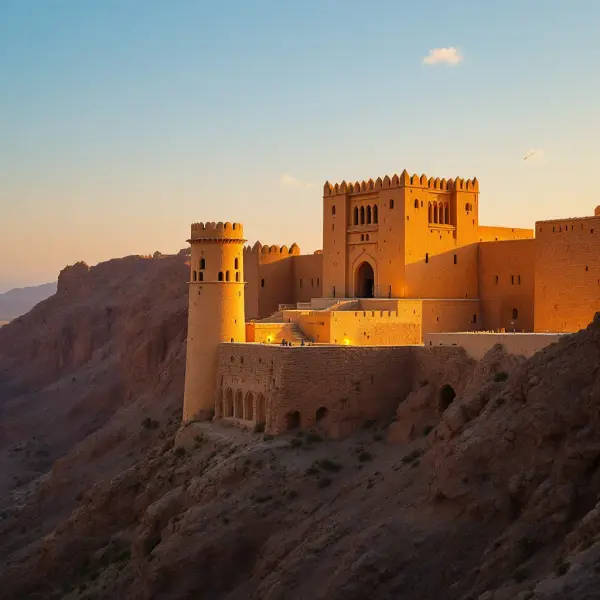
Wander through Oman's largest fort, a sprawling mud-brick maze with 55 watchtowers. Feel the desert breeze as you climb ancient stairways and peer through arrow slits at the surrounding palm groves.
Quick facts: One of Oman's oldest forts, it sprawls across a 12-acre site with 55 towers and stretches of wall that snake over 7 kilometers. Locals say the fort was built by a jinn (spirit) named Bin Ras al-Ghul at the request of a tribal leader, a story still told by village elders today.
Highlights: Deep inside the fort's quiet chambers, you can still see the original wooden beams carved with intricate Quranic verses and geometric patterns, untouched for centuries. The fort's walls were built using a special mixture of mud, straw, and crushed date stones that give them a warm, honey-colored glow at sunset.
9. Wadi Bani Khalid
Bidiyah
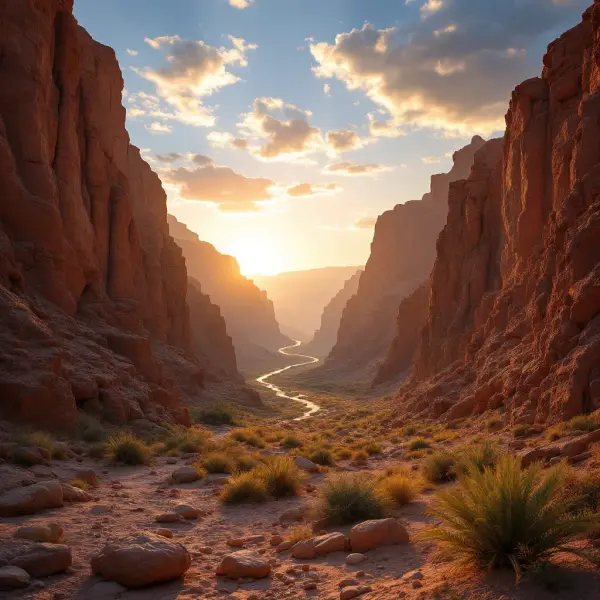
A natural swimming pool carved through canyon rock where you can float beneath towering cliff walls. Wade through cool turquoise waters past date palms and small waterfalls for an unforgettable desert oasis experience.
Quick facts: Swimming in the turquoise pools feels like floating in liquid jade, with water so clear you can count every pebble 15 feet below. The wadi feeds from an underground river system that flows year-round, maintaining a constant 24°C temperature even during Oman's scorching summer months.
Highlights: Most visitors splash in the main pools and never venture past the cave at the canyon's end, but squeezing through that narrow passage reveals a hidden second cavern where sunlight filters through a crack in the ceiling, illuminating water that glows electric blue. On Friday mornings, Omani families arrive with picnic baskets, coolers, and inflatable floats, turning the wadi into a lively social scene where strangers share grilled chicken and sweet karak tea.
10. Qalhat
Sur
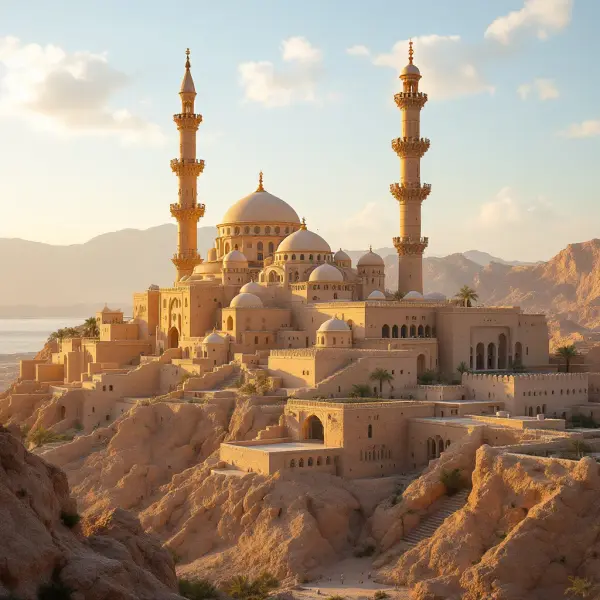
Wander through the weathered ruins of a medieval port that once connected Oman to the silk roads of China and Africa. Crumbling tombs, ancient cisterns, and the hauntingly beautiful Bibi Maryam mausoleum await among coastal hills.
Quick facts: Once a major trading port rivaling Hormuz, Qalhat was the second city of the Kingdom of Ormus whose merchants traded silk, spices, and horses across the Indian Ocean. A 14th-century traveler described its buildings as "well built and reminiscent of Basra," with the famous Bibi Maryam mausoleum still standing as a testament to its former glory.
Highlights: The Bibi Maryam mausoleum, with its soaring arched walls and intricate carved niches, is the only surviving structure from Qalhat's golden age - and it still stands with no roof, open to the desert sky after 700 years. Local legend says the mausoleum was built by a grieving queen for her husband, and the site remains a place where Omani families come to picnic among the ruins, children weaving between centuries-old stones.
Where to Stay in Oman
Selected by City Buddy based on guest reviews and proximity to top attractions
Search all hotels in OmanPowered by agoda

Traditional Sweet Dishes
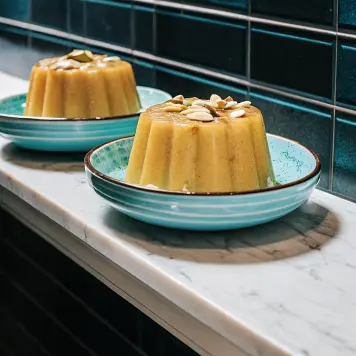
Halwa
Omani Halwa is a gelatinous, saffron-infused confection made with brown sugar, rose water, and nuts. It is considered a symbol of Omani hospitality and is always served to guests with Omani coffee.
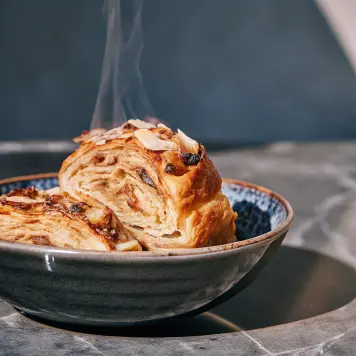
Umm Ali
Umm Ali is a rich bread pudding made with pastry, milk, sugar, raisins, and nuts, often flavored with coconut and cardamom. It is a beloved dessert across Oman and is typically served warm, especially during festive gatherings.
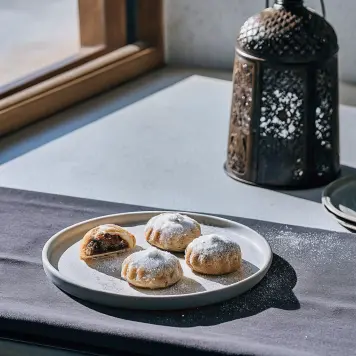
Ma'amoul
Ma'amoul are delicate semolina cookies stuffed with dates, walnuts, or pistachios and dusted with powdered sugar. These ornate, molded pastries are traditionally made for Eid celebrations and family gatherings in Oman.
Traditional Savory Dishes
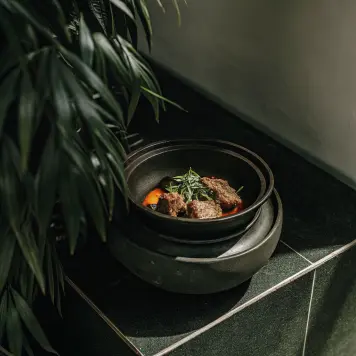
Shuwa
Shuwa is Oman's most iconic celebratory dish, where marinated lamb or goat is slow-cooked for up to 48 hours in an underground sand oven. The meat becomes incredibly tender and infused with aromatic spices like cardamom, cumin, and coriander.
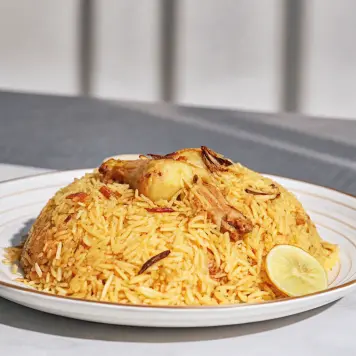
Majboos
Majboos is a fragrant spiced rice dish cooked with tender chicken or meat, often considered Oman's national dish. It gets its distinctive golden hue and aroma from black lime (loomi), saffron, and a unique blend of Omani spices.
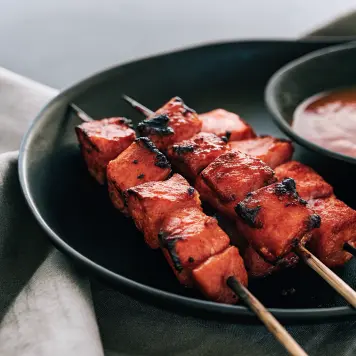
Mishkak
Mishkak are skewered, grilled meat kebabs marinated in a tangy mixture of tamarind, garlic, and Omani spices. These popular street food skewers are often served with a spicy mango or chili dipping sauce.
Traditional Beverages
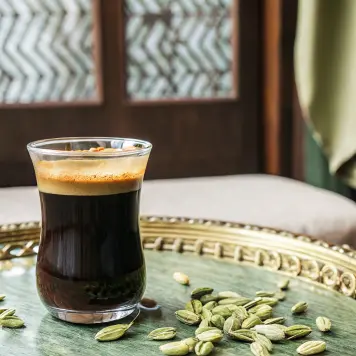
Omani Kahwa
Omani Kahwa is a traditional cardamom-spiced coffee brewed with lightly roasted beans and often infused with saffron or rose water. Serving this aromatic coffee to guests is a deeply rooted ritual of Omani hospitality and generosity.
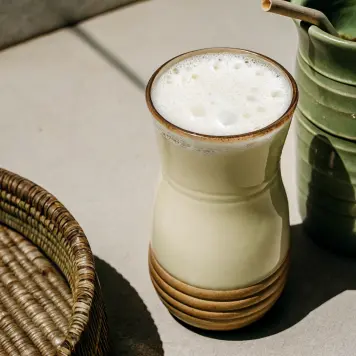
Laban
Laban is a traditional Omani buttermilk drink made by fermenting yogurt with salt and water until it becomes tangy and refreshing. It is the perfect palate cleanser alongside rich, spiced Omani meals like Shuwa and Majboos.
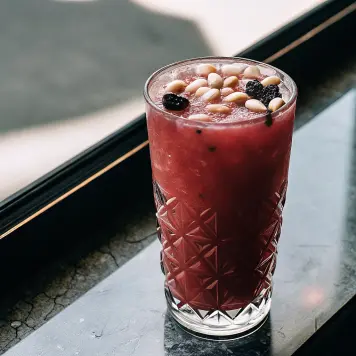
Jallab
Jallab is a beloved Omani drink made from date syrup, rose water, and tamarind, served over crushed ice with pine nuts and raisins. This sweet, aromatic beverage is especially popular during Ramadan to break the fast.
Frequently Asked Questions about Oman
Is Oman safe for tourists?
How many days should I spend in Oman?
What is the best time to visit Oman?
Is Oman expensive to visit?
How do I get around Oman?
Get a PDF with the most popular attractions sent to your email
Get a PDF with all attractions, ratings, and tips. Perfect for offline use.
Most popular day trips
Muscat
The capital and largest city, blending modern and traditional Oman
Getting there
No passenger trains exist. Fly into Muscat International Airport (MCT) and take a taxi or pre-book a transfer to reach the city center.
Click to get eSim for Oman
The easiest and most affordable way to get mobile internet wherever you travel.
Visa & entry
GCC countries (Saudi Arabia, UAE, Qatar, Kuwait, Bahrain)
Most nationalities require a visa, but many can obtain a visa on arrival or an eVisa
Check the Royal Oman Police eVisa website before travel. Many passport holders can apply online for a tourist visa valid for 30 days.
Comments (10)
Honestly Oman surprised me. The landscapes are unreal but the humidity in July was brutal. Would go back in winter instead.
Food was decent but not life changing. Shuwa meat was good. Restaurants in budget hotels are where locals eat.
Too many tourists at the Grand Mosque but it is stunning. Go right when it opens at 8am. No crowds and cooler.
Mutrah Souq was cool but some vendors are aggressive. Still worth a walk through. The frankincense smell everywhere is unique.
Most hotels offer late checkout for free if you ask nicely. Resorts in Muscat are negotiable on price during summer low season.