 CityBuddy
 English
Things to Do in Marka, Somalia
Photo made by Dio Helmy Ardham on Pexels.com
When to visit
Plan your perfect trip to Marka, Somalia
Get a complete travel plan built just for you in under 30 seconds, with daily routes, local food tips, budget estimates and more.
Are any of these especially important to you?
Select all that apply
Plan language: EnglishMost popular attractions in Marka, Somalia
When answering the question "things to do in Marka, Somalia," it is worth starting with the 200-year-old Marka Old Town, where alleys wind between stone houses. Beach lovers will appreciate the 3-kilometer-long Marka Beach, along which stretch long shores. Sheikh Hussein Mosque, a 15th-century place of reverence, offers peace and historical spirit.
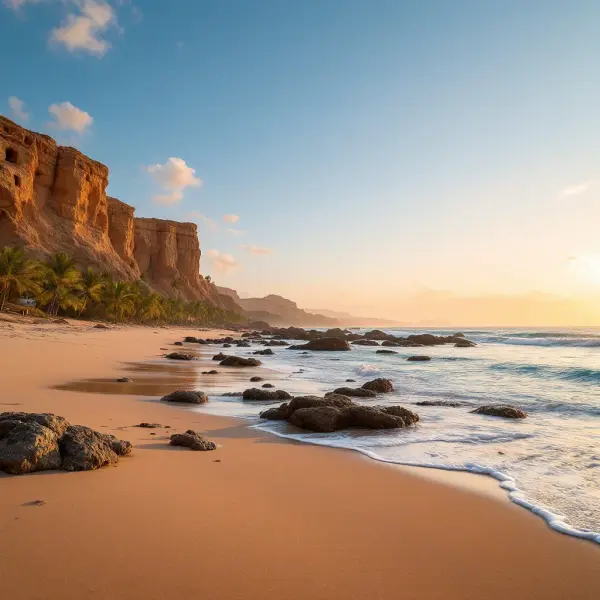
1. Marka Beach
A place where history and ocean meet in untouched sand. You walk hundreds-of-years-old trade routes, you can swim in crystal clear water that stretches to the horizon.
Quick facts: Here lies one of the world's largest natural harbors, which has been a trade hub for centuries. White sandy beaches stretch nearly 30 kilometers in length and the water is so clear that the bottom is visible from ten meters deep.
Highlights: Near the coastline lie the ruins of ancient Egyptian and Roman period trading cities, which sand has repeatedly swallowed and revealed again over the centuries. Local fishermen occasionally find ancient coins and pottery shards in the sand, telling the story of this harbor's distant importance on the Indian Ocean trade routes.
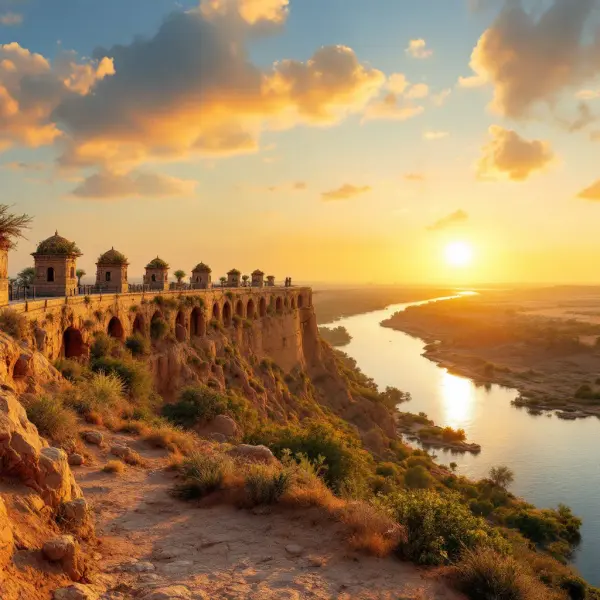
2. Jubba River Viewpoint
Already by the river a view opens up that makes you forget the whole world around you. Sit on a rock, watch the boats move and let the river current carry your thoughts away.
Quick facts: Already from the river viewpoint one can observe how the river forms dynamic bends that local fishermen use daily with their small boats. The view comes with a unique soundscape: a mix of birdsong, water flow, and distant market calls.
Highlights: From here opens a view of one of the widest sections of the Juba River, where underwater sandbars create clearly defined shimmering water surfaces as the current slows. Local youths release water lanterns toward the sky here at sunset, creating an unforgettable play of light and shadows against the river's surface.
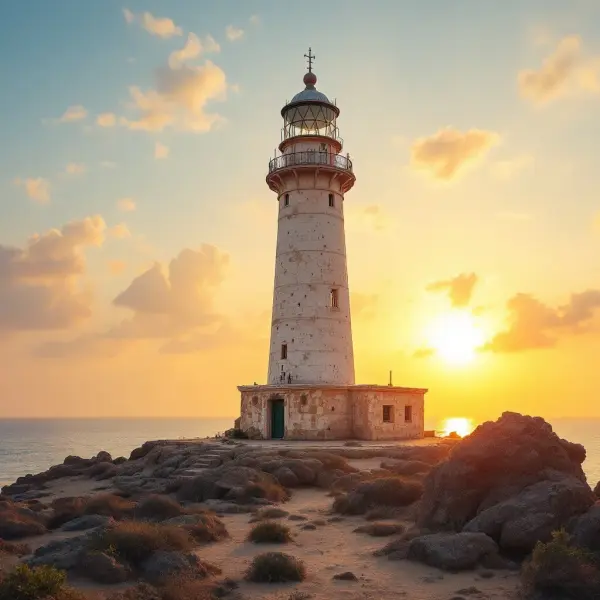
3. Marka Lighthouse
A view from 46 meters high over the Indian Ocean and the Libyan desert will leave you speechless. Here you stand in the same spot where merchants and sea travelers have sought landmarks for centuries.
Quick facts: This is one of the world's tallest stone lighthouses, reaching a height of 64 meters. Completed in 1904, the structure is one of the few functioning lighthouses in the Horn of Africa region.
Highlights: Local fishermen believe that the tower's white lantern has magical power to protect them from pirates, and they burn incense near the lantern during a full moon. More than 30 rock engravings have been preserved on the tower walls, left centuries ago by merchants and sailors who traveled across the Mediterranean and Indian Ocean.
4. Italian Colonial Buildings
An Italian facade in the middle of the African savanna - a clash of two cultures that you will only see here. Walk through arcades where colonial power and local life intertwine in every crevice.
Quick facts: The buildings constructed in the 1930s are characterized by columns, arches, and Roman-style windows that stand out against the desert sand backdrop. Locals call them "Casa Bianca" because the white lime plaster shines from kilometers away in the sun's glare.
Highlights: The former ruler's residence built in 1935 is the only fully preserved Italian colonial building in the Horn of Africa, with an original Italian lemon tree still growing in its inner courtyard. From the rooftop terrace, a view opens where Roman columns and camel tents stand side by side, as if historical periods have been layered on top of one another.
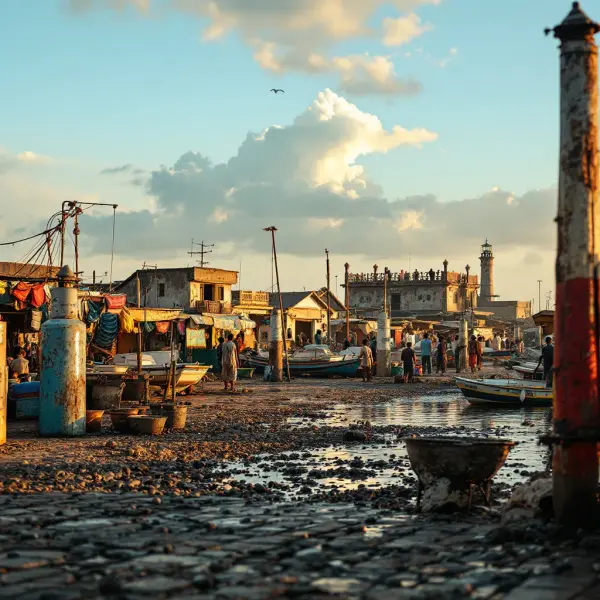
5. Marka Fish Market
Here you can see the real life of an African fish market that has been preserved for centuries. Listen to the auction shouts mix with the cries of seagulls and feel the scent of fresh seawater.
Quick facts: Every day over 40 fishing boats arrive at the harbor to sell the morning catch at an auction that lasts only a few hours. Here, local women process over 10 tons of fish by hand every day, using methods passed down from generation to generation.
Highlights: When the morning boats reach the shore, a lively auction begins where prices rise and fall within minutes like on a stock exchange. Experienced fishermen haul nets full of giant tuna by hand, while pelicans circle overhead waiting for their share of the catch.
Where to Stay in Marka, Somalia
Selected by City Buddy based on guest reviews and proximity to top attractions
Search all hotels in Marka, SomaliaPowered by agoda
Traditional Sweet Dishes
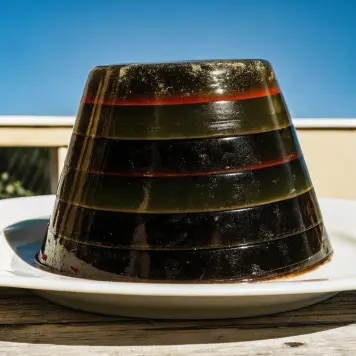
Xalwo (Halwa)
Xalwo is a dense, gelatinous confection made from sugar, cornstarch, cardamom, and ghee. It is a staple at Somali weddings and celebrations, often served in colorful, layered slices.
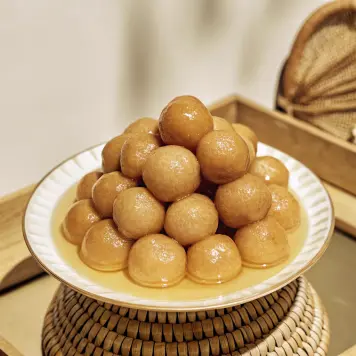
Burkude
Burkude are sweet, fried dough balls infused with cardamom and then soaked in a fragrant sugar syrup. They are especially popular during Ramadan to break the daily fast.
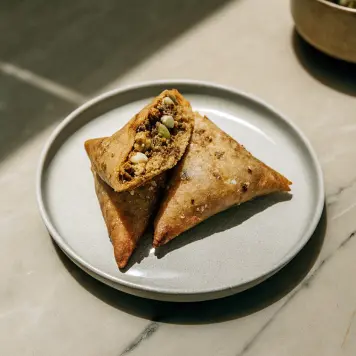
Sambuusa (Sweet Version)
Unlike their savory cousins, sweet sambuusas are filled with a mixture of sugar, nuts, and cinnamon before being deep fried. They are a beloved treat during festive occasions in Marka.
Traditional Savory Dishes
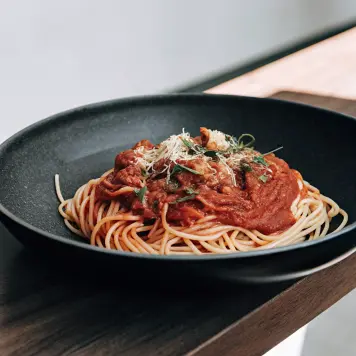
Baasto iyo Suugo (Pasta with Sauce)
Marka's coastal location means this Somali pasta dish is often served with a rich tomato and meat sauce featuring local spices like cumin and coriander. It reflects the Italian colonial influence blended with Somali flavors.
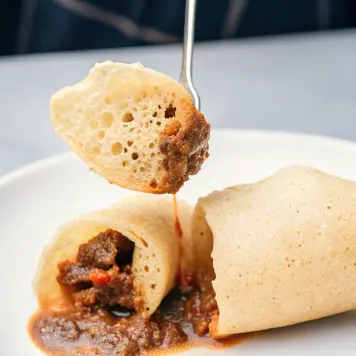
Canjeero (Somali Pancakes) with Maraq (Stew)
Canjeero is a spongy, fermented pancake similar to Ethiopian injera but thinner and softer. It is typically eaten for breakfast or dinner, dipped into a spicy goat or vegetable stew called maraq.
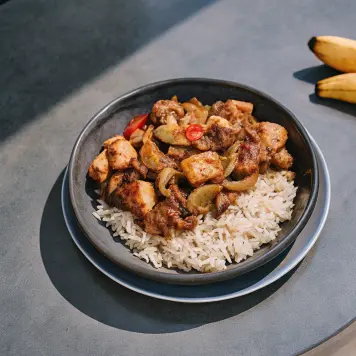
Suqaar (Sauteed Meat)
Suqaar is a simple yet flavorful dish of cubed meat, usually goat or beef, sauteed with onions, peppers, and Somali spices. In Marka, it is commonly served with rice or anjero and a side of bananas.
Traditional Beverages

Shaah (Somali Spiced Tea)
Shaah is a sweet, milky black tea infused with cardamom, cloves, cinnamon, and sometimes ginger. It is an essential part of Somali hospitality, offered to guests throughout the day.
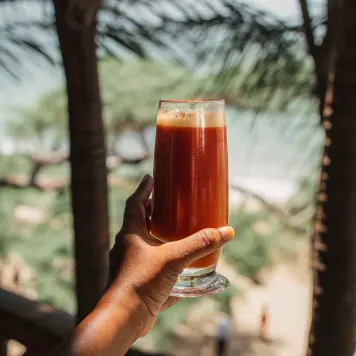
Fiimto (Somali Tamarind Juice)
Fiimto is a tangy and refreshing drink made from tamarind pulp, sugar, and water. It is especially popular in coastal towns like Marka where tamarind trees grow abundantly.
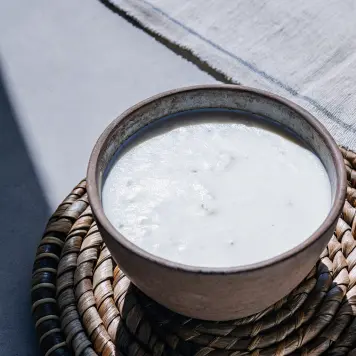
Caano geel (Camel Milk)
Camel milk is a nutritional staple in Somali culture, prized for its richness and slightly salty flavor. It is often consumed fresh or fermented and is believed to have medicinal properties.
Frequently Asked Questions about Marka, Somalia
Is Marka, Somalia safe?
How many days to spend in Marka, Somalia?
When is the best time to visit Marka, Somalia?
Is Marka, Somalia expensive?
How to get around in Marka, Somalia?
Get a PDF with the most popular attractions sent to your email
Get a PDF with all attractions, ratings, and tips. Perfect for offline use.
Most popular day trips
Mogadishu
Capital city with beaches, markets, and historic architecture.
Getting there
Airports
Fly into Aden Adde International Airport in Mogadishu, then take a shared minibus or private car 1.5 hours south to Marka.
Click to get eSim for Marka, Somalia
The easiest and most affordable way to get mobile internet wherever you travel.
Comments (10)
If you want real food, skip the spots near the main road. Walk toward the fishing docks and eat where the locals eat. Half the price and twice as good.
Try to visit during the cooler months between December and February. I went in July and the heat was brutal, made exploring miserable.
Hire a local guide before you arrive. It's easy to get lost and some areas are not safe to wander alone. A guide changed everything for me.
The people were incredibly welcoming. A local invited me for tea and we sat talking for hours. That alone made the trip worth it.
I was there for 3 days and honestly that was enough. The beaches are beautiful but there isn't a ton to do beyond that.