 CityBuddy
 Lietuvių
Ką veikti Osaka, Japan
Nuotrauką padarė Ehsan Haque Pexels.com
Kada lankytis
Osaka yra #4 saugiausias miestas pasaulyje, remiantis mūsų duomenimis iš šimtų kelionės tikslų.
Populiariausios lankytinos vietos Osaka, Japan
Dalykai, kuriuos reikia nuveikti Osakoje, Japonijoje, apima Osakos pilies, istorinės vietos, apsuptos 2 kilometrų parko teritorijos, tyrinėjimą. Pasivaikščiokite Dotonbori gatve, kad pamatytumėte garsųjį Glico ženklą ir paragautumėte vietinio gatvės maisto. Šeimos laisvalaikiui praleiskite dieną Universal Studios Japan, kur rasite jaudinančių atrakcionų ir šou.
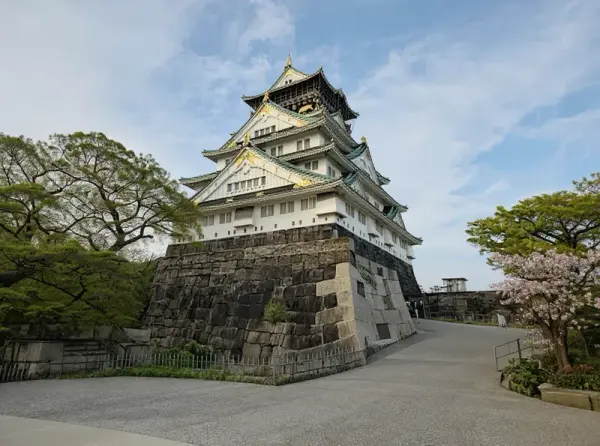
1. Osaka Castle (Osaka-jo)
Osaka-jo
Patirkite samurajų eros didybę Osakos pilyje, įsikūrusioje plačiame parke. Apžiūrėkite muziejais prikimštą bokštą ir užlipkite apžvalgos aikštelėn, iš kurios atsiveria miesto panorama ir žydinčios vyšnios.
Greiti faktai: Granito sienos ir paauksuotas stogas gaudo šviesą, o vyšnių žiedai ir platus griovys sukuria tokius gražius atspindžius, kad jie atrodo kaip nutapyti atvirukai. Užėjus į aukštą bokštą, modernus muziejus atskleidžia samurajų istorijas, o kelionė baigiama liftu į apžvalgos aikštelę, iš kurios atsiveria panoraminiai miesto vaizdai ir stebinantis masto pojūtis.
Akcentai: Virš 3 000 vyšnių medžių juosia parką, o kai kovo pabaigoje jie sužydi, šviesiai rausvas vainikas ir popierinio švelnumo žiedlapiai, plaukiantys į griovį, verčia penkis išorinius ir aštuonis vidinius bokšto aukštus atrodyti tarsi sklandančius ant rožinės spalvos ežero. Bokšto muziejuje galite susilenkti į atkurtą Auksinę arbatos kambarį, kur kiekvienas stumdomas skydas spindi aukso lapais, o artimas, smilkalais persmelktas oras leidžia įsivaizduoti Toyotomi Hideyoshi rengiant mažas, teatrališkas arbatos ceremonijas.
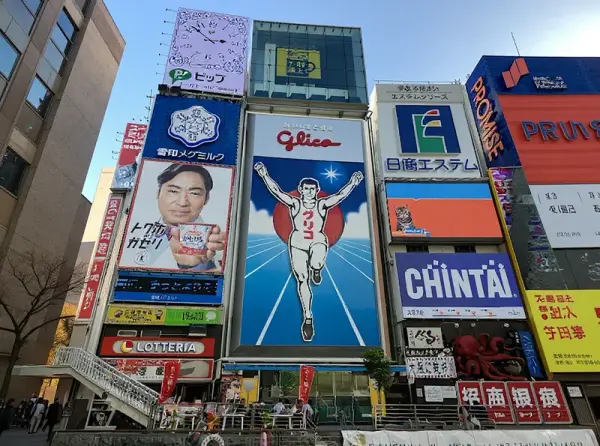
2. Dotonbori (Dotonbori Street & Glico Sign)
Dotonbori Street & Glico Sign
Neonu nušvitusi upės pakrantės vieta, perteikianti Osakos energiją. Pasivaikščiokite šurmuliuojančiu kanalu, nusifotografuokite prie Glico ženklo ir pasimėgaukite takoyaki bei okonomiyaki.
Greiti faktai: Neoniniai atspindžiai raiba ant kanalo, paversdami naktį ūžiančia reklaminių stendų ir gatvės maisto prekystalių garais dvelkiančia mozaika. Vietiniai ir turistai dalijasi takoyaki ir nuotraukomis po milžinišku bėgančio vyro ženklu, o milijonai fotoaparatų spragtelėjimų kasmet ir spontaniški susitikimai liejasi į promenadą.
Akcentai: Naktį kanalo koridorius užliejamas neoniniais atspindžiais, o oras tirštėja nuo saldaus, sūraus takoyaki ir okonomiyaki garo iš dešimčių prekystalių, o garsus apšviestas bėgančio vyro reklaminis stendas, pirmą kartą įrengtas 1935 metais, meta ritmišką šviesą ant minios. Keista vietinė tradicija skatina žmones išsirikiuoti ant tilto grupėmis, kad nusifotografuotų imituodami bėgiko pergalės pozą, dažnai derinant šūksnius ir fotoaparatų kampus, kad dešimtys pakeltų rankų sinchronizuotųsi su stendo šviesomis.

3. Universal Studios Japan (USJ)
USJ
Patirkite blokbasterių filmų pasaulius ir didelio greičio įspūdžius Universal Studios Japan. Aplankykite Wizarding World, Minion Park ir intensyvius kalnelius su gyvais šou ir teminiais patiekalais.
Greiti faktai: Neonu apšviestos gatvės pulsuoja teatrališkomis procesijomis ir energingais šou, nuo kurių minios dar ilgai nenurimsta po fejerverkų. Aukštųjų technologijų atrakcionai sujungia judesio simuliaciją ir praktinius efektus, suteikdami kvapą gniaužiančius pojūčius, o sezoniniai maisto kioskai nustebina išradingomis vietinėmis variacijomis, tokiomis kaip matcha churros.
Akcentai: Po vakarinio šou pagrindinė parko gatvė prisipildo šilto, riešutinio specialių keptų karamelinių spragėsių kvapo, o fanai rikiuojasi prie spalvingo kiosko, kuris sukioja daugiau nei keliolika riboto leidimo kibirėlių dizainų. Ilgamečiai darbuotojai slapčia įdeda mažyčius spausdintus atvirukus į atsitiktinius maišelius, kai kuriomis naktimis išdalijama net 200, tad jei užtruksite prie išėjimų, galite rasti vieną, pasirašytą su dienos data ir išdaigingu piešinuku.

4. Osaka Aquarium Kaiyukan (Tempozan)
Tempozan
Iš arti pamatykite banginius ryklius ir didžiulius Ramiojo vandenyno akvariumus - retą jūros reginį. Praeikite per sluoksniuotus eksponatus nuo tropinių rifų iki Arkties ir stebėkite gyvūnų maitinimą.
Greiti faktai: Didžiulis centrinis rezervuaras talpina grakštų bangininį rykliuką, kuris sklando giliai mėlyname vandenyje, suteikdamas lankytojams svaiginantį pojūtį, tarsi jie plauktų šalia atviros jūros padaro. Klaidžiodami spiralinėmis galerijomis tikėkitės staigių, intymių susitikimų su žaismingomis ūdromis, švytinčiomis medūzomis ir rankų darbo baseinėliais, kurie visą apsilankymą daro gyvą ir netikėtai asmenišką.
Akcentai: Jūs slidinate stikline siena aptvertu rampų taku pro 15 buveinių rezervuarų, kurių kiekvienas apšviestas skirtinga spalva, todėl vanduo keičiasi nuo tamsiai violetinės iki neoninės mėlynos, kol atsiduriate priešais 5,4 milijono litrų centrinį rezervuarą, kuriame švelnus banginis ryklys plūduriuoja kaip lėtas, gyvas povandeninis laivas. Maitinimo metu narai įslysta į rezervuarą su žibintais ir saujomis sardinių, plojimų garsas prislopinamas vandens ir sidabrinis maisto lietus, verčiantis spindulius ir žuvų būrius suktis aplink rykliuką balete, kurį jaučiate krūtinėje.
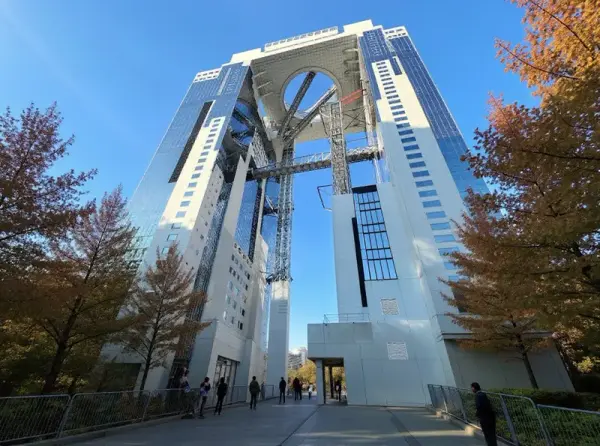
5. Umeda Sky Building - Floating Garden Observatory
Floating Garden Observatory
Panoraminiai stogo vaizdai iš dviejų sujungtų bokštų daro Umeda Sky vertą kelionės. Patirkite atvirą Floating Garden Observatory ir didingą Osakos panoramą.
Greiti faktai: Apvalus dangaus tiltas rėmina svaiginančią panoramą, o po juo liejasi miesto šviesų juostos, o vėjas atrodo stebėtinai artimas. Lankytojai geria kavą atviroje aikštelėje, o liftai švilpia tarp dviejų bokštų, siūlydami artimus dramatiškų konstrukcinių vingių vaizdus.
Akcentai: Du 40 aukštų bokštai yra vainikuoti apvalia stogo apžvalgos aikštele 173 metrų aukštyje virš gatvės lygio, pasiekiama stikliniais uždarais eskalatoriais, kurie kyla per atvirą atriumą ir susitinka kaip mechaninės akies vyzdžiai, suteikdami svaiginančią 360 laipsnių panoramą, kur traukiniai skamba kaip barškančios mašinos toli apačioje. Po bokštais yra sąmoningai nostalgiška požeminė arkada, vadinama Takimi Koji, atkurianti siauras žibintais apšviestas alėjas, pilnas garuojančių yakitori iešmelių ir kushikatsu prekystalių, sojų ir keptos tešlos kvapas susimaišo su medinėmis pastogėmis, todėl visas pastatas atrodo kaip slaptas laiko mašinas į XX a. pradžios Japoniją.
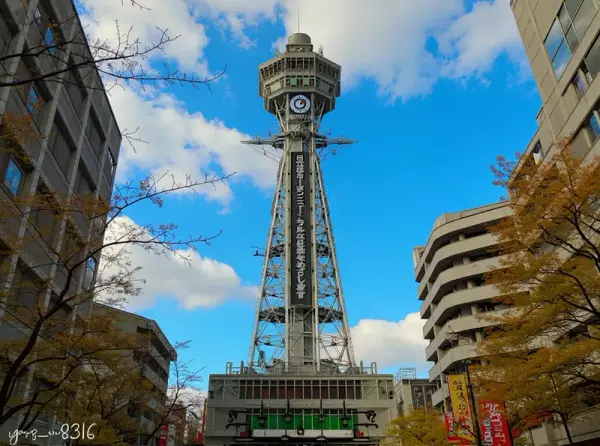
6. Tsutenkaku Tower (Shinsekai)
Shinsekai
Ikoniškas retro bokštas, siūlantis panoraminius Osakos vaizdus ir neoninį Shinsekai žavesį. Važiuokite liftu į apžvalgos aikštelę, pastebėkite Billikeną ir paragaukite kushikatsu apačioje.
Greiti faktai: Neoninės šviesos ir nuolatinis arkadinių žaidimų dūzgesys įrėmina liekną bokštą, kurio apžvalgos aikštelė suteikia panoraminius miesto vaizdus ir keistai raminantį retro švytėjimą sutemus. Mylimas bronzinis dievukas, kurio pėdos trinamos, žada sėkmę lankytojams, o keisti Showa eros ženklai ir plakatai viduje verčia kopimą jaustis tarsi klaidžiojant gyvame senoviniame nuotraukų albume.
Akcentai: Didžiulė bronzinė Billiken statula, kurios padai nupoliruoti tūkstančių trynimų, sėdi po spindinčiu neoniniu vainiku, o vietiniai tikina, kad trynimas pėdų atneša septynerius metus sėkmės; žmonės laukia eilėse keistomis valandomis, kad tik jas paliestų. Apžvalgos aikštelėje senoviniai pranešimai, įrašyti 1960 metais buvusio tramvajaus konduktoriaus, groja per laiku sureguliuotus garsiakalbius, o ore jaučiamas silpnas kushikatsu aliejaus kvapas, o vaizdas aprėpia apie 20 kvartalų suspaustų, neoninių gatvių apačioje.
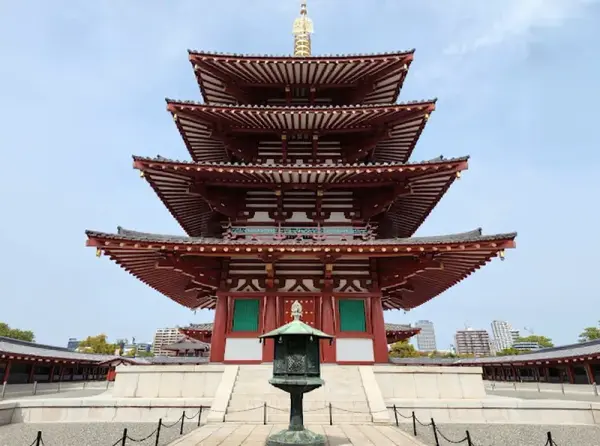
7. Shitennoji Temple
Viena seniausių Japonijos šventyklų, siūlanti ramią istoriją Osakos centre. Pasivaikščiokite ramiais sodais, pamatykite penkių aukštų pagodą ir senovines šventyklų sales.
Greiti faktai: Žengę pro platų medinį vartus pajusite giedojimo tylą ir šiltą saulę ant poliruotų sijų, o grakšti pagoda įtvirtina tvarkingą kiemą. Maždaug 1 300 metų senumo pušis stovi vidiniame sode, o gyvos sezoninės ceremonijos vis dar pritraukia vienuolius, kurie patiekia paprastus vegetariškus patiekalus svečiams.
Akcentai: Įkurtas 593 metais princo Shotoku, ši vieta vis dar laikosi pirminio VII amžiaus išplanavimo su penkių aukštų pagoda ir plačiu akmeniniu kiemu, kur varpo žemas gūsis vibruoja po jūsų šonkauliais. Jei apsilankote tinkamu laiku, galite stebėti, kaip vienuoliai atlieka goma ugnies ritualą, o lankytojai meta vieną medinę maldos lazdelę į liepsnas, o oras prisipildo aštraus pušies ir sandalmedžio dūmų, o pelenai traška po kojomis.
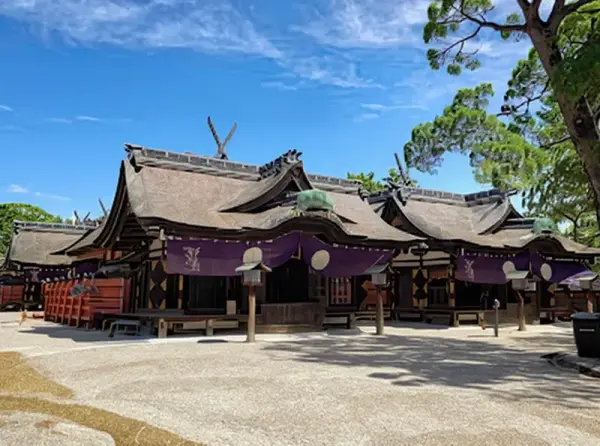
8. Sumiyoshi Taisha Shrine
Senovinė šintoistų šventykla su įspūdingu Taiko-bashi tiltu ir klasikiniais rūmų stiliaus pastatais. Klaidžiokite ramiomis teritorijomis, stebėkite ritualines ceremonijas ir fotografuokite ryškiai raudonus vartus.
Greiti faktai: Įsiterpusi tarp pušų, šventovės tiesios, baltu stogu dengtos salės ir ryškiai raudoni tiltai sukuria asketišką, teatrališką ramybę, kuri smarkiai kontrastuoja su netoliese esančiu miesto šurmuliu. Lankytojai dažnai girdi švelnų medinių sandalų kleketėjimą ant akmeninių takų ir pastebi mažas votyvines valtis, naudojamas jūrinėse maldose, ryškų priminimą apie vietos ryšius su jūrų kelionėmis.
Akcentai: Perėję stačiai išlenktą raudoną Sorihashi tiltą, fotografai varžosi dėl saulėtekio atspindžio, kai siauros medinės lentos girgžda po kojomis, o sūrus vėjelis nešioja tolimų bangų garsą. Šventovės pastatai yra senoviniu Sumiyoshi-zukuri stiliumi, kuris yra senesnis už budizmą, juose įsikūrę keturi dievai, įskaitant tris Sumiyoshi brolius ir imperatorę Jingū, o kiekvieną liepos 30 ir 31 dieną oras prisipildo būgnų, žibintų ir valčių procesijų.
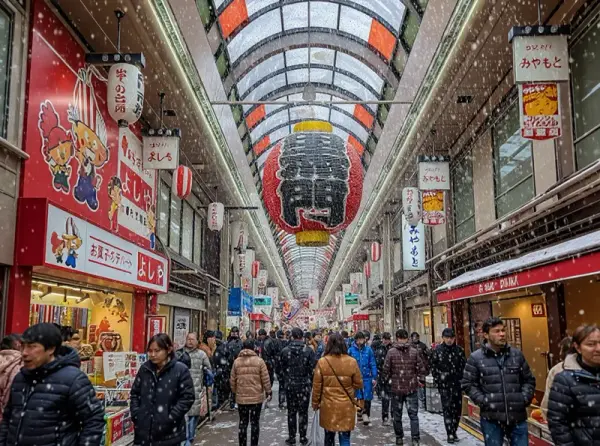
9. Kuromon Ichiba Market
Šviežios jūros gėrybės, gatvės maistas ir gyva vietinė atmosfera - dėl to verta sustoti Kuromon Ichiba. Klaidžiokite siaurais takais, ragaukite sashimi, takoyaki ir griliuotas jūros gėrybes iš draugiškų prekystalių.
Greiti faktai: Eikite koridoriumi, kuriame šnypščia griliai, blizga jūros gėrybių vitrinos ir nuolat čiauška prekeiviai, dalijantys nemokamus užkandžius, todėl kiekvienas apsilankymas jaučiasi kaip mini maisto festivalis. Daugiau nei 170 prekystalių užpildo siauras alėjas, siūlydami viską nuo pūsliažuvės sashimi iki burnoje tirpstančių wagyu iešmelių, tad per vieną popietę galite užkandžiauti per kelias receptų kartas.
Akcentai: Klaidžiodami dengta arkada, pajusite sūrų jūros dumblių ir anglies kvapą, stebėsite, kaip šefai skutinėja blizgančius jūros ežių ikrus ant ryžių ir pūsto marbled wagyu iešmelius už 800 jenų, o prekeiviai derasi dainuojančiais balsais, kviesdami paragauti aštriausio kąsnio. Vietiniai krautuvininkai, kaip 80-metis p. Tanaka, vis dar brandina tuną galiniame kambaryje septynias dienas, naudodami sake suvilgyto audeklo metodą, perduotą nuo Meiji eros, ir jums duos gabalėlį už 200 jenų, kad pajustumėte šilkinį skirtumą.
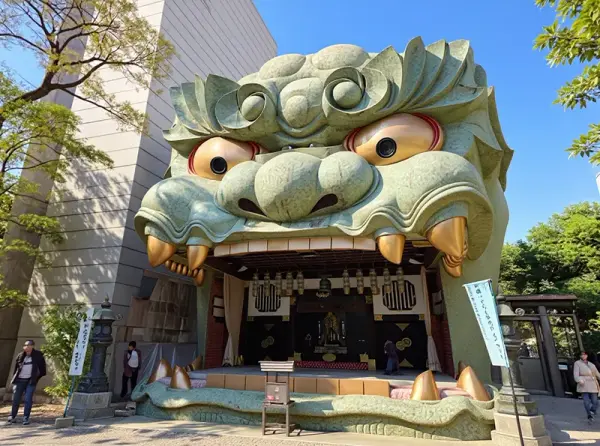
10. Namba Yasaka Shrine
Milžiniška liūto galvos scena suteikia unikalias nuotraukas. Tikėkitės greito, atmosferiško apsilankymo, puikiai tinkančio įspūdingoms nuotraukoms ir trumpam vietinės kultūros sustojimui.
Greiti faktai: Milžiniška liūto atvira burna formuoja šventovės pagrindinę sceną, o vietos tikėjimas sako, kad įkandus į ją, bloga lemtis praryjama ir kviečiama sėkmė. Fotografai ir festivalio lankytojai dievina dramatiškus, lakuotus dantis ir gilų burnos foną portretams bei energingiems pasirodymams.
Akcentai: Sunkioji raudona liūto galva dominuoja šventovės teritorijoje, maždaug 12 metrų aukščio su blizgančiais aukso dantimis ir blizgiomis akimis, kurios gaudo saulės spindulius. Žmonės rikiuojasi, kad įžengtų į plačią burną nuotraukai ir neįprastam palaiminimo ritualui, kuriame liūtas tariamai praryja blogą lemtį, ypač Naujųjų metų metu, kai lankytojų srautas gali siekti šimtus.
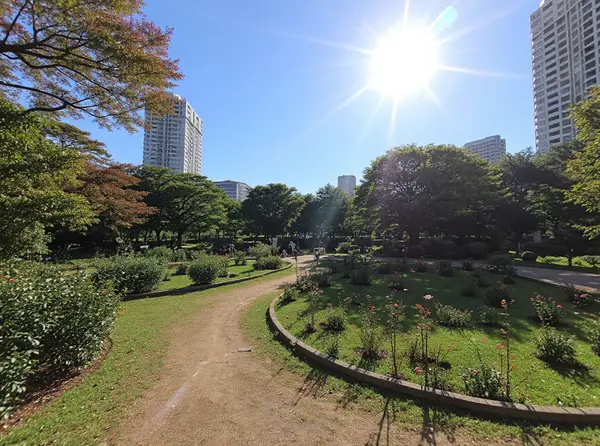
11. Visit Utsubo Park and Rose Garden
Atraskite daugiau nei 400 rožių veislių visu žydėjimu. Mėgaukitės ramiais pasivaikščiojimais ir žavingomis kavinukėmis, įsiterpusiomis tarp gražiai išdėstytų gėlynų.
Greiti faktai: Šis parkas siūlo daugiau nei 400 rožių veislių, sukurdamas spalvingą spektaklį, kuris kiekvieną pavasarį traukia gėlių mylėtojus. Jis įsikūręs ten, kur kadaise buvo judrus krovinių terminalas, paverstas ramia miesto oaze.
Akcentai: Lankytojai gali pasivaikščioti Rožių sode gegužės mėnesį, kai žydėjimo piko metu daugiau nei 5 000 rožių krūmų skleidžia subtilų kvapą, kuris užpildo orą. Mažos kavinės, išsibarsčiusios po parką, leidžia mėgautis kava, žvelgiant į žydinčius žiedlapius ir geometrinius sodo išdėstymo raštus.
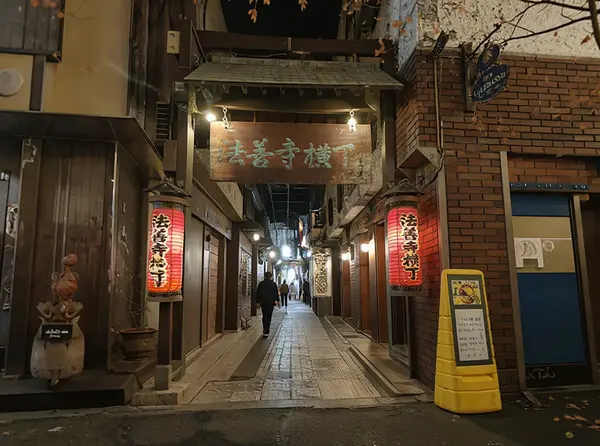
12. Visit Hozenji Yokocho Alley
Ženkite į kompaktišką gatvę, pilną jaukių užkandinių ir šventos samanomis apaugusios statulos. Ragaukite vietinius skonius, mėgaudamiesi išskirtinai ramia atmosfera po švytinčiais žibintais.
Greiti faktai: Ši alėja talpina daugiau nei 60 mažyčių restoranų ir barų, suspaustų į siaurą akmenimis grįstą gatvelę, kuri tęsiasi tik apie 150 metrų. Lankytojai dažnai jaučiasi traukiami samanomis apaugusios Fudo Myoo statulos, tyliai apliejamos vandeniu praeivių kaip malda už sėkmę.
Akcentai: Alėjos akmeniniai žibintai naktį šiltai švyti, o vandens lašų garsas nuo šventos statulos sukuria ramią, beveik meditatyvią atmosferą. Kiekvienas užkandinės slepiasi už medinių grotelių durų, siūlydamas intymų žvilgsnį į tradicinę Osakos valgymo kultūrą, kur lankytojai sėdi arti šefų.
Where to Stay in Osaka, Japan
Selected by City Buddy based on guest reviews and proximity to top attractions
Search all hotels in Osaka, JapanPowered by agoda
Darbo dienos mieste Osaka, Japan
Kurie iš pagrindinių lankytinų vietų uždaromos kurią savaitės dieną , klasikinis kelionės griovėjas, patikrintas už jus.
Geros žinios: visos 9 pagrindinės lankytinos vietos su žinomu darbo laiku atviros kiekvieną savaitės dieną.
Uždaryta pirmadienis · uždaryta: 0, atvira: 9
pirmadienis niekas neuždaroma , visos 9 lankytinos vietos su žinomu darbo laiku atviros.
Darbo dienos pagal Google Maps (tikrinta 2026-03-18). Valstybinių švenčių, streikų ir sezoninis darbo laikas gali skirtis , prieš vykdami patikrinkite oficialią svetainę.
Tradiciniai saldūs patiekalai
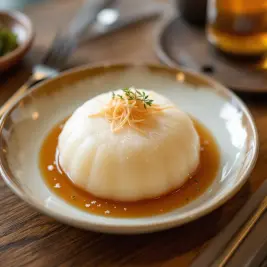
Mochi
In Osaka mochi is often pounded fresh at festivals and New Year celebrations, its chewy texture celebrated as a symbol of good luck and community.
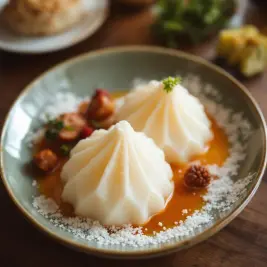
Daifuku
Daifuku is soft mochi stuffed with sweet red bean paste, and Osaka vendors popularized fruity versions like ichigo daifuku that burst with seasonal flavor.
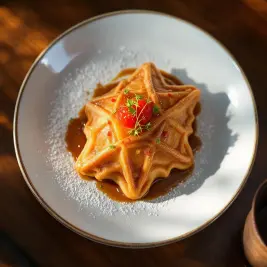
Taiyaki
Taiyaki looks like a fish because fish symbolize good fortune, and Osaka vendors fill them with everything from classic sweet red bean to creamy custard and savory fillings.
Tradiciniai sūrūs patiekalai

Okonomiyaki
Osaka's okonomiyaki is a hearty, savory pancake loaded with cabbage, meat, and toppings, and many restaurants cook it on a hot griddle in front of you for a theatrical, communal meal.

Takoyaki
Takoyaki were perfected in Osaka, they are crisp-on-the-outside balls of batter filled with diced octopus, and the expert flipping technique creates a creamy center that locals prize.
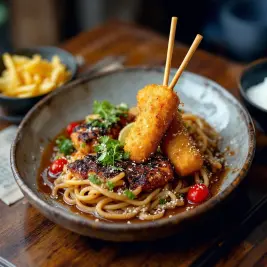
Kushikatsu
Kushikatsu are skewered, deep-fried bites that originated in Osaka's Shinsekai neighborhood, and there is strict sauce etiquette, so do not double-dip into the communal sauce.
Tradiciniai gėrimai

Green tea
In Osaka, green tea, especially matcha and sencha, is commonly paired with sweets and street food, its bright bitterness cutting through rich flavors.

Sake
Sake in Osaka is often enjoyed alongside hearty street dishes, and local festivals showcase brewers who craft styles meant to stand up to robust, savory foods.

Umeshu
Umeshu, a sweet and tart plum liqueur, is a favorite in Osaka bars, where some shops age ume in spirits for years to create deep, honeyed flavors.
Dažnai užduodami klausimai apie Osaka, Japan
Koks geriausias laikas aplankyti Osaką, Japonijoje?
Ar brangu gyventi Osakoje, Japonijoje?
Ar saugu gerti vandentiekio vandenį Osakoje, Japonijoje?
Koks geras viešasis transportas Osakoje?
Kiek turistų kasmet aplanko Osaką, Japonijoje?
Gaukite PDF su populiariausiomis lankytinomis vietomis į savo el. paštą
Gaukite PDF su visomis lankytinomis vietomis, įvertinimais ir patarimais. Puikiai tinka naudoti neprisijungus.
Populiariausios dienos išvykos
Kyoto
Historic temples, shrines and classic geisha districts.
Nara
Famous for free-roaming deer and Todai-ji temple.
Kobe
Harbor city with mountain views and great beef.
Himeji
Home of Himeji Castle, Japan's best-preserved castle.
Mount Koya (Koyasan)
Sacred mountain with temple lodgings and serene forests.
Kaip nuvykti
Oro uostai
Geležinkelio stotys
Tokaido/Sanyo Shinkansen (bullet train)
JR Osaka Loop Line, JR Tokaido Main, private lines & subways
From KIX use the JR Haruka or Nankai Rap:t; get an IC card (ICOCA) for easy transfers.
Naudinga informacija apie Osaka, Japan
Apžvalga apie Osaka, Japan
Palyginti Osaka su kitomis kryptimis
Kainos, saugumas, orai ir populiariausios lankytinos vietos greta viena kitos, su išvada kiekvienam keliautojų tipui.
Norite dienos plano Osaka, Japan? Atidarykite kelionės planuoklį
Kada keliaujate į Osaka, Japan?
Pasirinkite datas ir kelionės stilių, kad gautumėte:
Ar kas nors iš šių jums ypač svarbu?
Pažymėkite visus, kurie tinka
Judėjimas mieste
Kaip norite keliauti tarp vietų?
Plano kalba: LietuviųMost popular itineraries for Osaka, Japan
Browse trip plans created by other travelers
2-Day Osaka Autumn Offbeat Explorer
Discover Osaka's hidden gems and local favorites away from the crowds this autumn. Immerse yourself in secret viewpoints, underground scenes, and authentic neighborhoods for a unique adventure.
12-Day Spring Delight in Osaka, Kyoto & Kobe
Discover the perfect blend of history, culture, and nature over 12 days through the vibrant cities of Osaka, Kyoto, and Kobe in springtime.
7-Day Spring Adventure in Osaka
Experience the vibrant culture, historic landmarks, and lively neighborhoods of Osaka in spring with this balanced 7-day itinerary.
4-Day Osaka Spring Adventure for General Travelers
Explore Osaka's rich history, vibrant neighborhoods, iconic attractions, and local flavors in a balanced four-day spring itinerary with practical travel tips and realistic budgets.