 CityBuddy
 English
Things to Do in Zadar, Croatia
Photo made by Tanja Lončarić Leontić on Pexels.com
When to visit
Plan your perfect trip to Zadar, Croatia
Get a complete travel plan built just for you in under 30 seconds, with daily routes, local food tips, budget estimates and more.
Are any of these especially important to you?
Select all that apply
Plan language: EnglishMost popular attractions in Zadar, Croatia
Are you wondering what you can do in Zadar, Croatia? The city offers a unique blend of history and modern art. Listen to the symphony of the sea at the Sea Organ, where the waves create music through 35 pipes. Watch the sunset reflect in the Greeting to the Sun, a 22-meter wide circle of solar panels. Also visit the 9th-century St. Donatus Church.
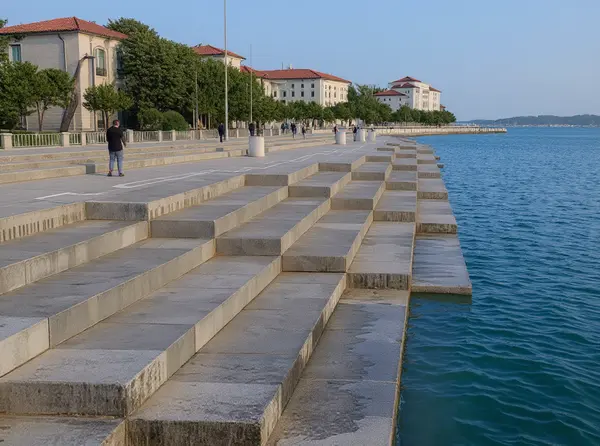
1. Sea Organ
Here you sit on marble stairs while the sea plays its own melody directly for you. Waves and wind become tonal chords in this unique interplay between nature and architecture.
Quick facts: Over 70,000 sounding pipes are built into the marble staircase along the Zadar coast. Waves and wind push air through the pipes, creating an endless, random composition that never repeats itself.
Highlights: Architect Nikola Bašić was inspired by ancient Greek water organs when he designed this 70-meter-long sea organ. The sound is a constant, living conversation between the sea and the city. You can tell whether the waves are gentle or stormy just by listening to the tones.
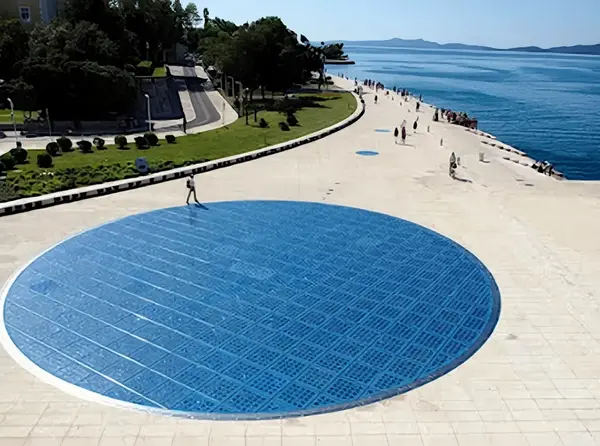
2. Greeting to the Sun
Experience a spectacular sunset combined with a futuristic light show that dances across the stone promenade. See the solar energy transform into magical light patterns beneath your feet.
Quick facts: The monument consists of 300 solar panels covered with tempered glass, and stores enough energy to light up the entire coastal promenade for several hours after nightfall. Each panel is placed in circular layers that symbolize the solar system, and the installation has become a symbol of the city's innovative spirit.
Highlights: When the sun goes down, a pulsating light installation sets off an almost hypnotic light dance that changes in time with the ocean waves. Over 1,300 LEDs create a living work of art that never repeats itself the same way two evenings in a row.
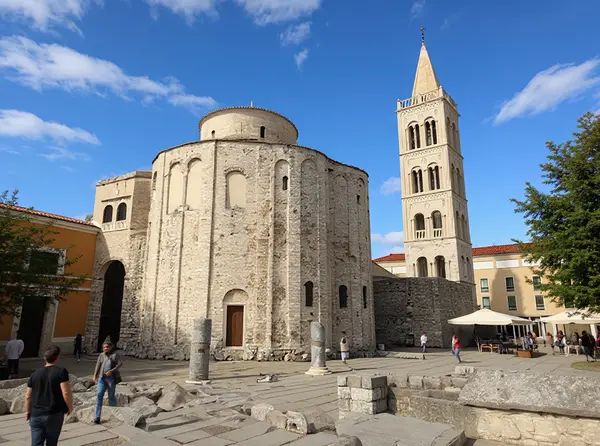
3. St. Donatus Church
Step into a 1200-year-old circle built from Roman ruins. You stand in the middle of one of Europe's oldest churches and hear the echo of history around you.
Quick facts: St. Donatus Church was built in the 9th century using stone from the Roman forum right next to it. Its circular shape with three apses and massive tower make it one of the best-preserved examples of pre-Romanesque architecture in all of Europe.
Highlights: When you stand inside the church and look up, you notice the incredible acoustics. Since the 1960s, the church has hosted the world-famous "Musical Evenings in St. Donatus," where brass music fills the room in a way that makes the hairs on your arms stand up.
Have you heard of free walking tours?
After traveling to 30+ countries, there's one thing I wish someone had told me from day one, and it completely changed how I experience new cities.
Free walking tours. Yes, actually free. No credit card needed. No catch.
Local guide, 2-3 hours
Major sights, hidden gems, local stories
100% tip-based
Guides earn only tips, so they give their absolute best
You tip what feels right
At the end, just tip whatever you feel is right
I've done these in dozens of cities and they've been the highlight of almost every trip. If you're visiting Zadar, Croatia, do this on your first day. You'll thank me later.
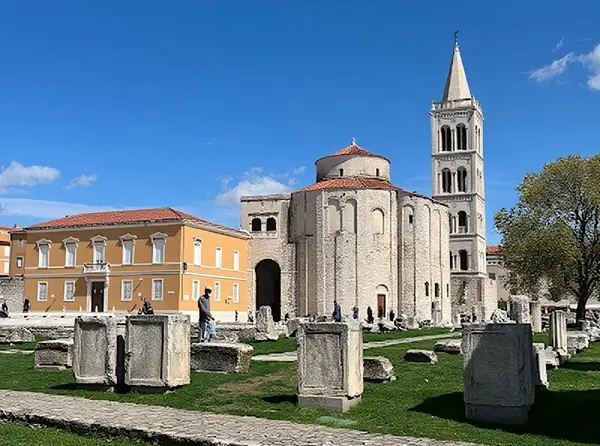
4. Roman Forum
A historic cross where you literally walk on the remains of an old Roman square. Feel the pulse from several millennia while you sip a coffee at one of the nearby outdoor cafes.
Quick facts: Here you can walk on the original stone slabs from the Roman Empire's heyday, right in the heart of the old town. Over 2000 years of history lie beneath your feet, while you hear laughter and the clinking of glasses from the cafes around you.
Highlights: Most people rush right past the excavated streets without noticing they are stepping on history older than Rome's Colosseum. Sit down on the edge at sunset and see how the light makes the thousand-year-old stone walls glow in warm orange tones.
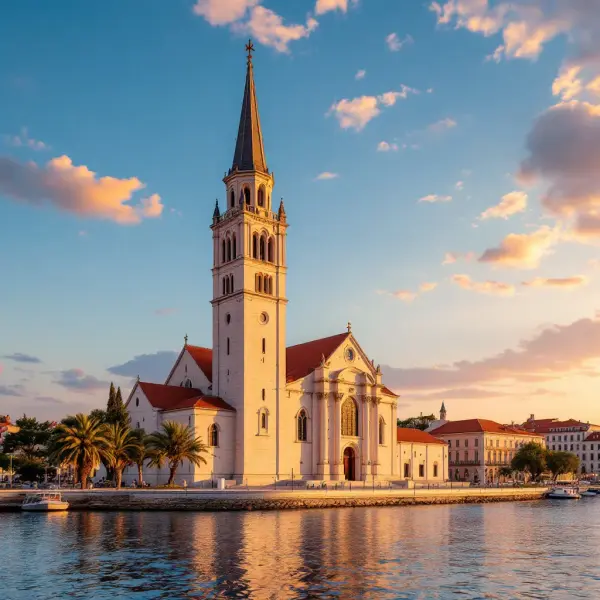
5. St. Anastasia's Cathedral
One of Dalmatia's most beautiful cathedrals hides behind a simple facade. You are greeted by the scent of old stone and the sound of a choir singing beneath a magnificent coffered ceiling.
Quick facts: The church's two Romanesque bell towers are 31 meters high, and the southern tower has never been fully completed. Inside you will find one of the most beautiful organ facades in Europe, carved in wood and decorated with 144 gilded angel figures.
Highlights: The floor is made of stone from the Roman city of Aenona, and you are literally walking on 2000 years of history. Look up at the 36 unique capitals in the colonnades, each one decorated with different animal motifs, from lions to mythological creatures.
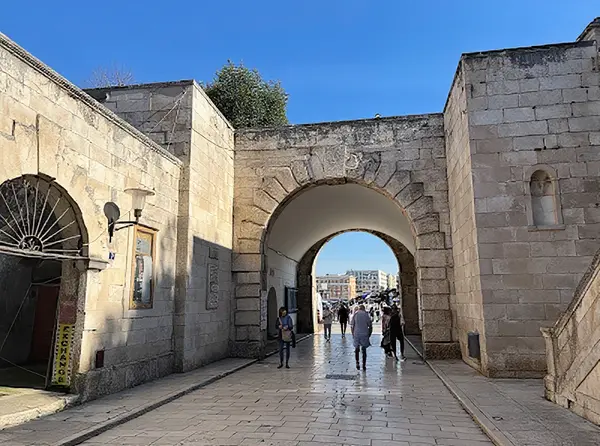
6. Zadar City Walls
Take a walk along old fortifications and get panoramic views of the Adriatic Sea and the rooftops of Zadar. You wander on historic stones while the wind carries the scent of salt and maritime adventures.
Quick facts: The walls stretch over several kilometers and surround the old town. They have withstood both attacks and the test of time since the Middle Ages.
Highlights: In the afternoon, the old stone casts a warm, golden glow over the alleyways below. The sound of waves crashing against the base of the wall mixes with the hum of the city, creating an atmosphere you won't find anywhere else.
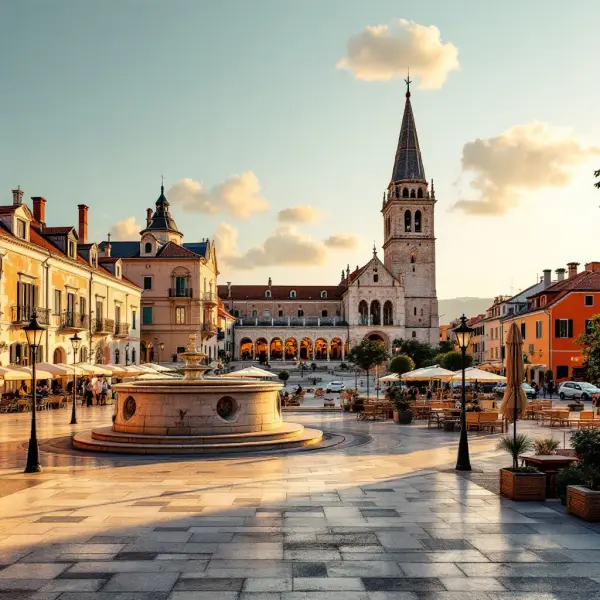
7. Five Wells Square
One of Europe's best preserved Roman forums lies hidden beneath a modern stone pavement. Here you sip coffee while stepping on 2000-year-old historical remains.
Quick facts: Here, the Roman forum was built in ancient times, and today it lies beneath the terrace in front of several cafes and restaurants. Through glass plates in the ground, you can see the remains of the old Roman forum right under your feet.
Highlights: On the south side of the square stands a 20-meter high Roman column that has remained untouched since the 2nd century. The locals call it "The Pillar of Shame" because criminals were once chained here for public humiliation.
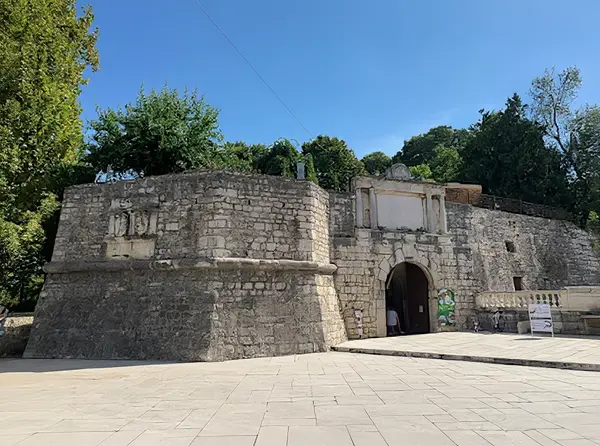
8. Queen Jelena Madijevka Park
A green oasis filled with over 300 tree species and peaceful walking paths. Here you can go from the city's pulse to shady avenues in just a few minutes.
Quick facts: Laid out in the 19th century as part of the city's expansion beyond the medieval walls, the park stretches over 5 hectares of green avenues. Here you will find an impressive collection of over 300 tree species, including rare specimens such as the 150-year-old magnolia that blooms every year in April.
Highlights: What makes this park special is its role as a living botanical archive: over 300 different tree species from around the world grow here side by side. Under an old plane tree you can still see the remains of gun emplacements from World War II, a quiet reminder that the park has been both a sanctuary and a battlefield.
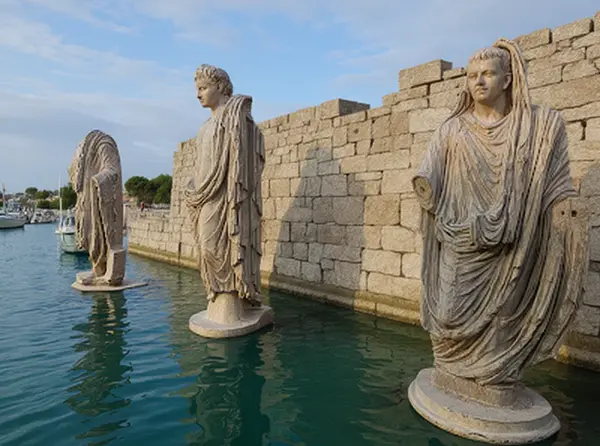
9. Archaeological Museum Zadar
Travel 2000 years back in time without leaving the city. You wander through halls filled with Roman jewelry, weapons and glass that tell vivid stories from the past.
Quick facts: Over 150,000 items tell the story of the Zadar region from the Stone Age to the Middle Ages. The collection includes the famous Zadar glass tower, one of the best preserved Roman glass artifacts in Croatia.
Highlights: Among the exhibits you will find a Roman glass collection that was discovered during excavations of an ancient well in the 1960s. Over 300 perfectly preserved glass shards and jars tell stories about everyday life 2,000 years ago.
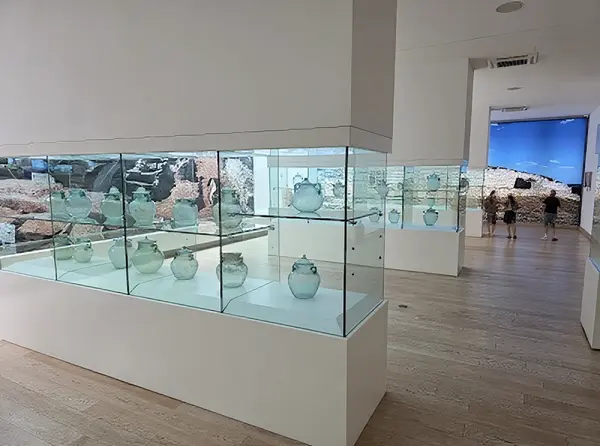
10. Museum of Ancient Glass
One of the world's few museums dedicated exclusively to ancient glass, and you get to try it yourself. Here you stand face to face with fragile treasures from antiquity and can blow your own glass souvenir.
Quick facts: Over 2,000-year-old glass objects are exhibited here, from worn perfume bottles to magnificent funeral urns. The collection contains more than 5,000 objects that tell the story of glass production around the Mediterranean through the millennia.
Highlights: Here you get up close to a 1,700-year-old glass bowl that is still intact and functional. Imagine drinking from something that was used in the Roman Empire. The workshop in the basement lets you blow glass yourself, just as craftsmen did 2,000 years ago, using the same techniques and similar tools.
Where to Stay in Zadar, Croatia
Selected by City Buddy based on guest reviews and proximity to top attractions
Search all hotels in Zadar, CroatiaPowered by agoda
Traditional Sweet Dishes

Maraschino Cherry Crostata
This delicious pastry uses maraschino cherries which originally come from the Marasca sour cherry tree that grows abundantly around Zadar.

Fritule
Fritule are small fried dough balls flavored with citrus zest and brandy, traditionally made during Christmas time in Zadar and across Dalmatia.

Kroštule
Kroštule are thin, twisted, deep-fried pastries dusted with powdered sugar and have been a beloved Dalmatian sweet treat for centuries.
Traditional Savory Dishes

Pašticada
Pašticada is a beef stew marinated in wine and vinegar with prunes and vegetables, slow-cooked for hours and traditionally served with gnocchi in Zadar.

Brodet
Brodet is a rich Adriatic fish stew made with multiple types of fish, tomatoes, and garlic, cooked slowly and served with creamy polenta.

Škampi na buzaru
Škampi na buzaru features scampi cooked in a sauce of olive oil, garlic, white wine, and tomato, and it is one of Zadar's most famous seafood dishes.
Traditional Beverages

Maraschino Liqueur
Maraschino liqueur is made from the native Marasca sour cherry and has been produced in Zadar since the 16th century, with a distillery still operating in the city.

Travarica
Travarica is a fragrant herbal rakija (brandy) infused with local Mediterranean herbs, often served as a digestive after meals in Zadar.

Cedevita
Cedevita is a popular Croatian vitamin powder drink originally developed in Zagreb but widely consumed in Zadar, especially enjoyed as a refreshing citrus beverage.
Frequently Asked Questions about Zadar, Croatia
Is Zadar, Croatia safe?
How many days should one spend in Zadar, Croatia?
When is the best time to visit Zadar, Croatia?
Is Zadar, Croatia expensive?
How do you get around in Zadar, Croatia?
Get a PDF with the most popular attractions sent to your email
Get a PDF with all attractions, ratings, and tips. Perfect for offline use.
Most popular day trips
Plitvice Lakes National Park
UNESCO heritage site with stunning turquoise lakes and waterfalls
Krka National Park
Famous for beautiful waterfalls and scenic hiking trails
Rent a car in Zadar, Croatia
Getting there
Train stations
Main line connecting to Knin, Split and Zagreb
From Zadar Airport, take bus number 37 to the city center. Journey takes about 20 minutes.
Find flights to Zadar, Croatia
Click to get eSim for Zadar, Croatia
The easiest and most affordable way to get mobile internet wherever you travel.
Comments (7)
Food was decent but not mind blowing. Had a great truffle pasta for cheap but also paid way too much for a sad pizza near the square.
Three days felt like the right amount. Could have done two but glad we had a full day to just wander and sit by the water.
If you want the sea organ to yourself, go at sunrise. At sunset it's shoulder to shoulder. Also bring cash, lots of places still don't take card.
Honestly a bit overhyped. It's nice but I wouldn't go out of my way again. Dubrovnik and Split left a stronger impression.
Zadar was way more chill than Split. The sea organ at sunset is honestly magical, but the main strip gets packed with cruise ship crowds by 10am.