 CityBuddy
 English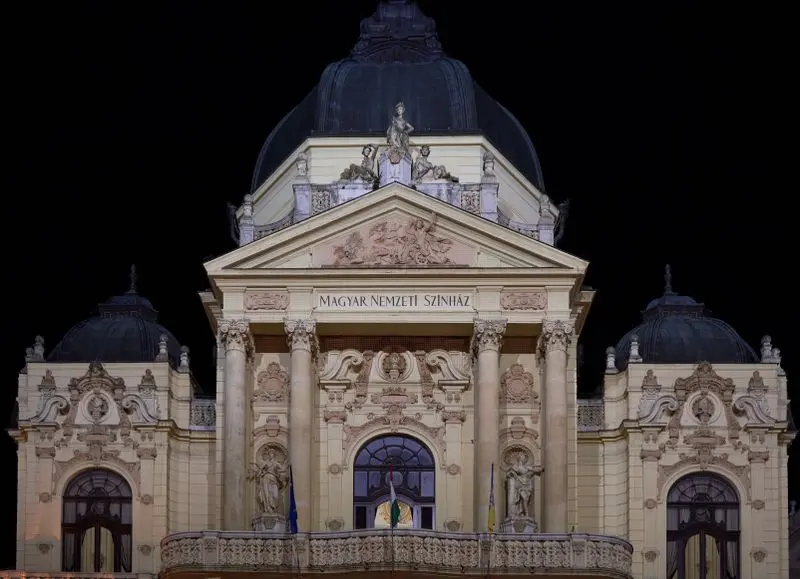
Things to Do in Pécs, Hungary
Photo made by Barnabas Davoti on Pexels.com
When to visit
Plan your perfect trip to Pécs, Hungary
Get a complete travel plan built just for you in under 30 seconds, with daily routes, local food tips, budget estimates and more.
Are any of these especially important to you?
Select all that apply
Plan language: EnglishMost popular attractions in Pécs, Hungary
If you are looking for things to do in Pécs, Hungary, start at Széchenyi Square, where the 16th century Pasha Gazi Kasim Mosque stands alongside Baroque buildings. A few streets away, the Cathedral of Saints Peter and Paul dominates with its four 11th century towers. Finally, the Zsolnay Cultural District showcases the high quality porcelain that made this university city famous.
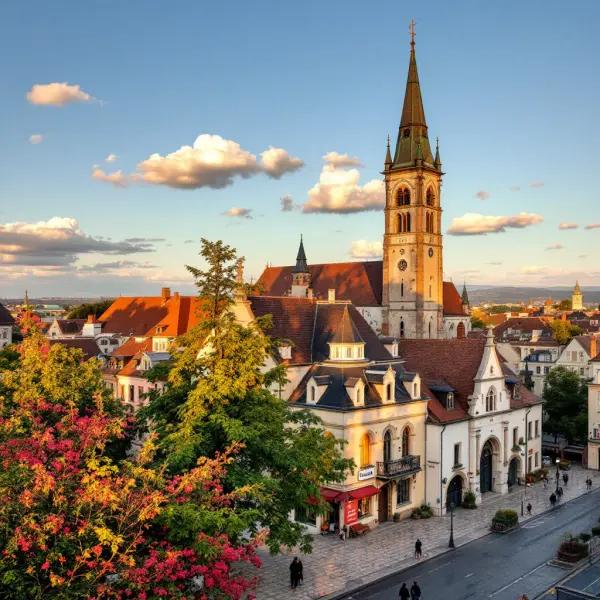
1. Zsolnay Cultural Quarter
An old industrial quarter transformed into a hive of creativity where classical and contemporary art coexist among brick chimneys. You will stroll through pottery workshops, interactive museums, and sculpture gardens that transport you to another era.
Quick facts: Here the famous Zsolnay porcelains were manufactured, recognized for their characteristic iridescent sheen called pyrogranite. The cultural district covers more than 5 hectares and houses artisan workshops, galleries, and contemporary art spaces.
Highlights: The green and blue roofs that gleam under the sun are not painted, but use a special uranium oxide glaze that Zsolnay perfected in the 19th century. At sunset, the pyrogranite facades capture the golden light and seem to come to life.
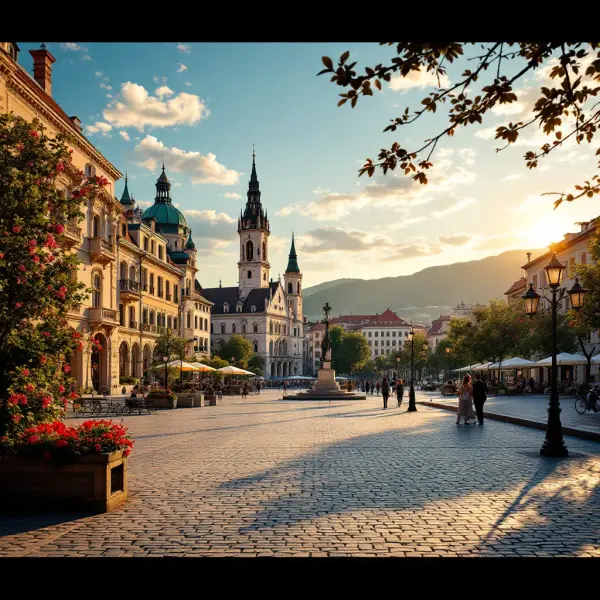
2. Széchenyi Square
The beating heart of Pecs where Roman history and modern life come together. You will walk among lively terraces, centuries-old fountains, and archaeological remains that peek out from between the stones.
Quick facts: With its 150 meters in length and 70 meters in width, this square is one of the largest in Hungary. Beneath its surface lies a system of Roman tunnels and catacombs dating from the 4th century, open to the public for guided tours.
Highlights: In the center of the square stands the bronze equestrian statue of King Louis the Great, but what almost nobody notices is that the horse has only one raised leg, a detail that symbolizes that the king died in battle. Every August 20, the square transforms into a stage of light and music with more than 10,000 candles lit to celebrate the national holiday.
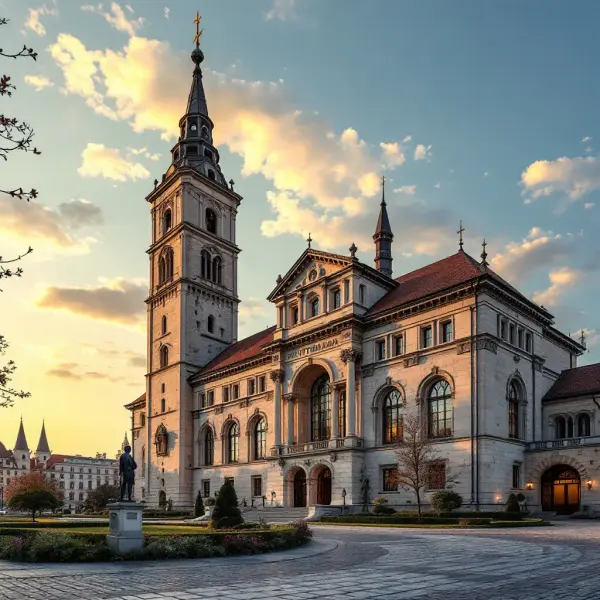
3. Csontváry Museum
The only place in the world where you can see 130 works by the most enigmatic Hungarian genius of modern art. You will walk among monumental canvases that seem to vibrate with impossible colors and an almost supernatural energy.
Quick facts: Here is kept the largest collection of works by Tivadar Csontváry Kosztka, a Hungarian painter who worked as a pharmacist before dedicating himself to art at age 41. His monumental canvases, such as "The Lonely Cedar," reach 4 meters in width and were painted with a unique technique that no one has managed to fully decipher.
Highlights: The museum houses "The Entrance to the Valley," a 3.5-meter oil painting that Csontváry considered his masterpiece and that predicted his own artistic success before anyone recognized him. The brushstrokes have such pronounced reliefs that you can see the texture of the paint from several meters away, as if the painting were breathing.
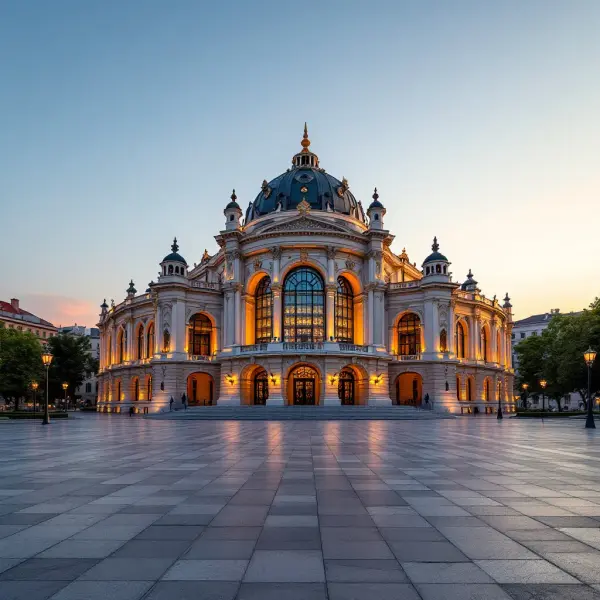
4. Pécs National Theatre
A neo-Renaissance facade hides an interior of red velvet and gold that transports you to the 19th century. Enjoy an opera or ballet in a hall with such perfect acoustics that every whisper can be heard from the stage.
Quick facts: Its copper dome, 12 meters high, shines under the sun like a beacon in the center of the city. The 1,200 seats in the main hall are arranged in a horseshoe shape, offering exceptional acoustics for opera and theater.
Highlights: Just before each performance, an usher dressed in red livery strikes the floor three times with an ebony cane, a tradition dating from 1895. The metallic thunder of the cane echoes through the marble lobby and can be heard in every corner of the theater.
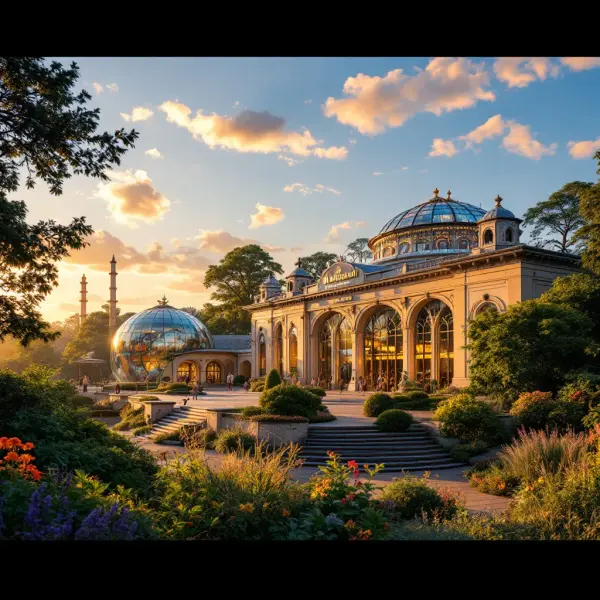
5. Pécs Zoo and Aquarium-Terrarium
A walk where jaguars, sharks, and pythons coexist just a few steps apart. You will go through an underwater tunnel and see fascinating reptiles up close in one single place.
Quick facts: More than 100 different species live together in the zoo and aquarium-terrarium, including jaguars, meerkats, and an impressive collection of reptiles. The aquarium houses sharks, piranhas, and colorful tropical fish that fascinate both children and adults.
Highlights: The aquarium-terrarium offers a 12-meter underwater tunnel where sharks swim literally over your head, an experience that few zoos in the country provide. The terrarium section brings together python snakes over 4 meters long alongside poisonous dart frogs in impossible colors, all in a single tour.
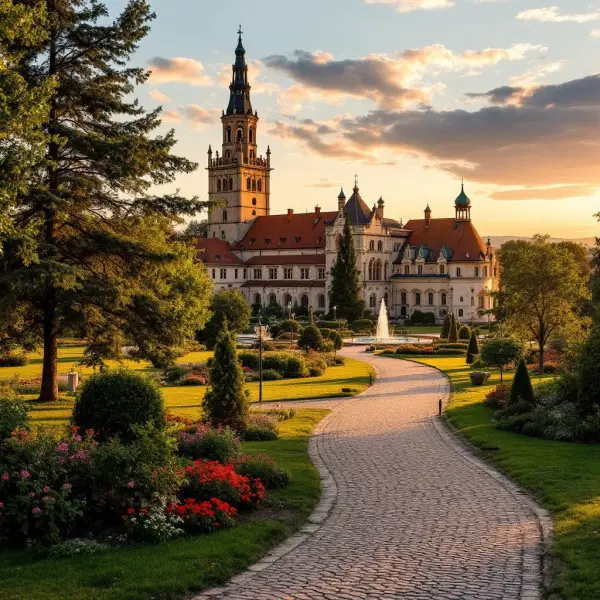
6. Tettye Park
Wander through 2,000 years of history compressed into a single hillside park. Explore Celtic tombs, a Turkish fountain, and Renaissance ruins among trickling springs and ancient trees.
Quick facts: At over 2,000 years old, the Celtic burial mounds at Tettye Park predate the Roman occupation of Pannonia. A 16th-century Turkish fountain and the ruins of a bishop's Renaissance palace sit side by side, revealing layers of Pécs's complex history in one compact hillside park.
Highlights: Buried beneath the ivy-covered walls are the remnants of an elaborate Renaissance loggia and an underground cave system that once served as a wine cellar for the bishops. On misty mornings, the park's natural spring-fed pools reflect the ruined arches, creating an almost ethereal atmosphere that feels centuries removed from the city below.
Where to Stay in Pécs, Hungary
Selected by City Buddy based on guest reviews and proximity to top attractions
Search all hotels in Pécs, HungaryPowered by agoda
Traditional Sweet Dishes
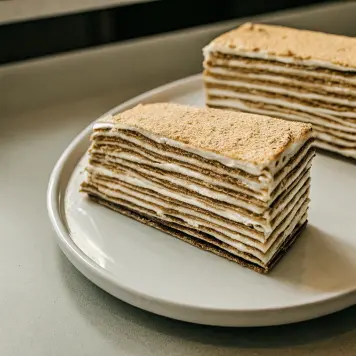
Mézes krémes (Pécsi mézes krémestészta)
This layered honey cake with creamy vanilla filling is a specialty of Pécs. Local legend says the recipe was perfected by nuns in the city's convents during the 18th century.

Pécsi gesztenyepüré
Pécs is famous for its sweet chestnut puree made from locally harvested chestnuts from the nearby Mecsek hills. It is often served with whipped cream in the shape of a volcano.
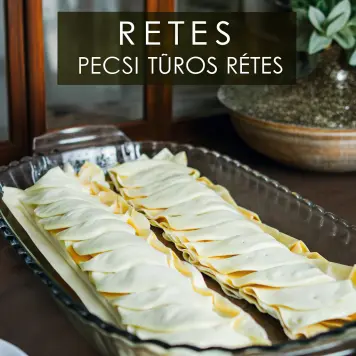
Rétes (Pécsi túrós rétes)
Pécs has a beloved variation of strudel filled with creamy Hungarian curd cheese. The city's Ottoman-era ovens were historically used to bake these paper-thin pastries to perfection.
Traditional Savory Dishes
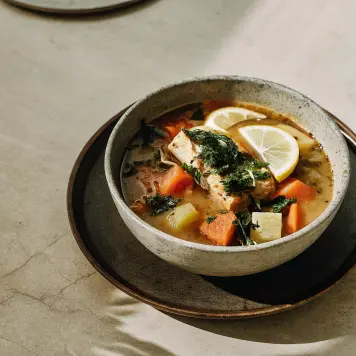
Halászlé (Pécsi pontyhalászlé)
This spicy fisherman's soup made with local carp is a staple along the Danube region near Pécs. It is traditionally cooked outdoors in a cauldron over an open fire for hours.
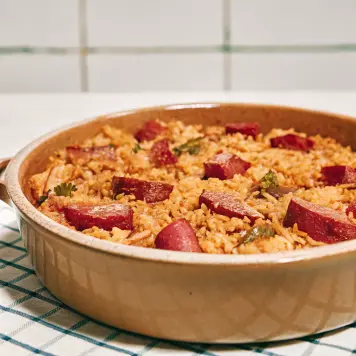
Pécsi bácskai rizses hús
This hearty rice and pork dish, heavily seasoned with paprika, reflects the strong Balkan and Hungarian culinary fusion found in Pécs. The city's multicultural history as a meeting point of different empires shaped this comforting one-pot meal.
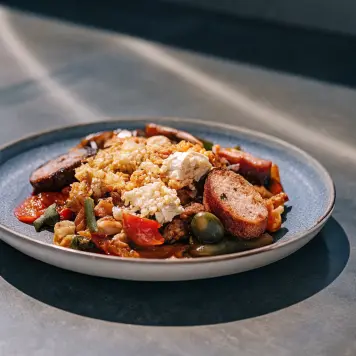
Lecsó
Pécs is renowned for its version of lecsó, a vegetable stew of peppers, tomatoes and onions. Local cooks often add spicy Hungarian sausage and eggs, making it a complete meal that pairs perfectly with fresh bread.
Traditional Beverages
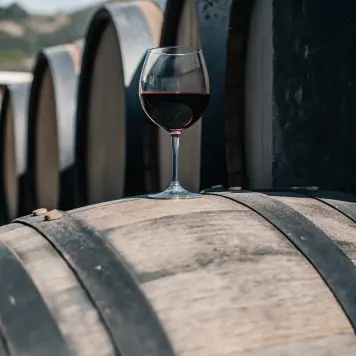
Villányi vörösbor (Villány red wine)
The nearby Villány wine region, just south of Pécs, is Hungary's most famous red wine area. Its full-bodied Cabernet Sauvignon and Merlot wines benefit from the Mediterranean climate unique to this part of the country.
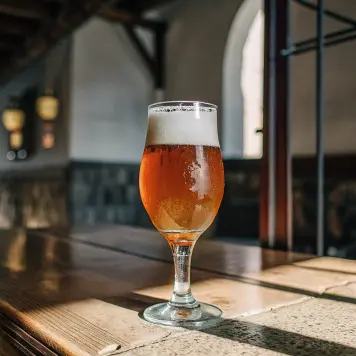
Pécsi sör (Pécsi Brewery beer)
The Pécsi Sörfőzde brewery, founded in 1848, is one of Hungary's oldest and most respected breweries. Their signature Szalon Sör is a light lager that has been brewed continuously for over 170 years.
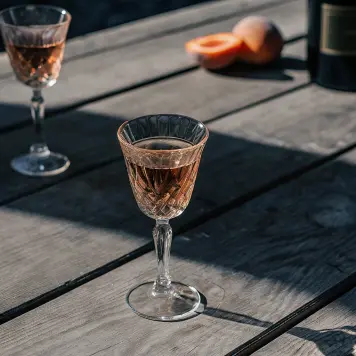
Pálinka (Pécsi barackpálinka)
Apricot pálinka from the Pécs region is among Hungary's most celebrated fruit brandies. The apricots from the sunny slopes around Pécs give this spirit its distinctively aromatic and fruity character.
Frequently Asked Questions about Pécs, Hungary
Is it safe to travel to Pecs, Hungary?
How many days are recommended to spend in Pecs, Hungary?
What is the best time to visit Pecs, Hungary?
Is it expensive to travel to Pecs, Hungary?
How to get around Pecs, Hungary?
Get a PDF with the most popular attractions sent to your email
Get a PDF with all attractions, ratings, and tips. Perfect for offline use.
Most popular day trips
Siklós
Visit the well-preserved Siklós Castle with a winery and museum.
Villány
Famous wine region with historic cellars and wine tasting tours.
Mohács
Historic town on the Danube with busójárás carnival tradition.
Harkány
Thermal spa town perfect for relaxation and healing baths.
Szentlőrinc
Quaint small town known for local vineyards and peaceful walks.
Rent a car in Pécs, Hungary
Getting there
Train stations
Direct trains from Budapest (2.5h), connections to Villány and Mohács
Intercity buses to Budapest, Zagreb, and surrounding towns
Take a direct train from Budapest Deli Station to Pécs in about 2.5 hours. It is the most convenient option.
Find flights to Pécs, Hungary
Click to get eSim for Pécs, Hungary
The easiest and most affordable way to get mobile internet wherever you travel.
Useful information for Pécs, Hungary
Overview for Pécs, Hungary
Most popular itineraries for Pécs, Hungary
Browse trip plans created by other travelers
3-dnevni Pécs za raziskovalce skritih kotičkov in zgodovine
Odkrijte Pécs onkraj turističnih poti - zgodnjekrščanske nekropole, skrite dvorišča, lokalne tržnice in razgledne točke v hribih Mecsek, ki jih poznajo le domačini.
5-Day Pécs on a Budget: Summer Backpacker's Guide
Discover Pécs' rich history, vibrant street food, and stunning Mecsek hiking trails without breaking the bank on this authentic 5-day summer adventure.
Comments (8)
Mixed feelings. The catacombs tour under the cathedral was interesting but overpriced for what you get. Wish I'd spent more time at the Csontváry museum instead.
Skip the overpriced restaurants on Széchenyi tér. Walk up to Király utca, there is a self-service place called Retro Bistro that locals use. Half the price, twice the flavor.
Pécs was way more chill than Budapest. The whole Zsolnay quarter area is beautiful at sunset, perfect for photos without fighting crowds.
Most of the smaller museums have free entry on the third Saturday of each month. Check the Pecs tourism site before you go, saved us about 8000 forints.
Best lángos I had in Hungary was from a tiny stall near the market, not anywhere near the tourist spots. Really affordable too.