 CityBuddy
 English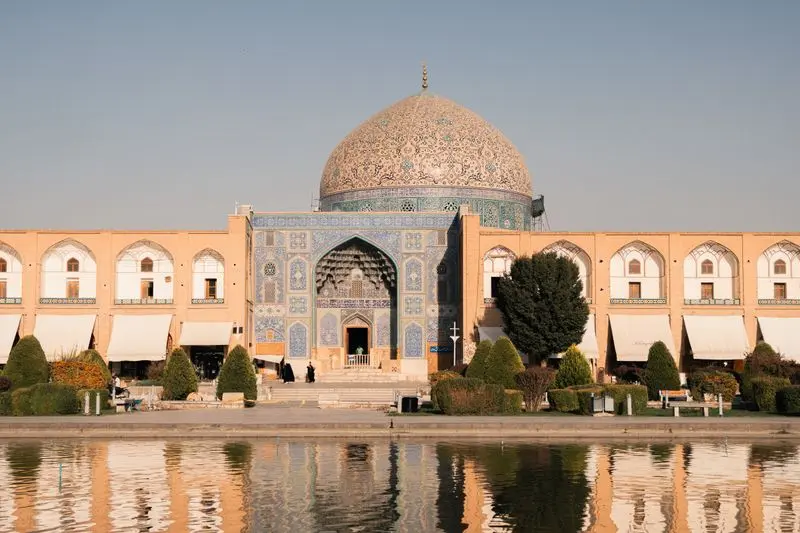
Things to Do in Isfahan, Iran
Photo made by Faruk Tokluoğlu on Pexels.com
When to visit
Plan your perfect trip to Isfahan, Iran
Get a complete travel plan built just for you in under 30 seconds, with daily routes, local food tips, budget estimates and more.
Are any of these especially important to you?
Select all that apply
Plan language: EnglishMost popular attractions in Isfahan, Iran
When thinking about things to do in Isfahan, Iran, a must-visit is Naqsh-e Jahan Square, one of the largest city squares in the world with an area of 89,600 square meters. It features the Sheikh Lotfollah Mosque with its beautiful tiles and the magnificent Imam Mosque, which daily attracts thousands of visitors with its perfect acoustic domes.
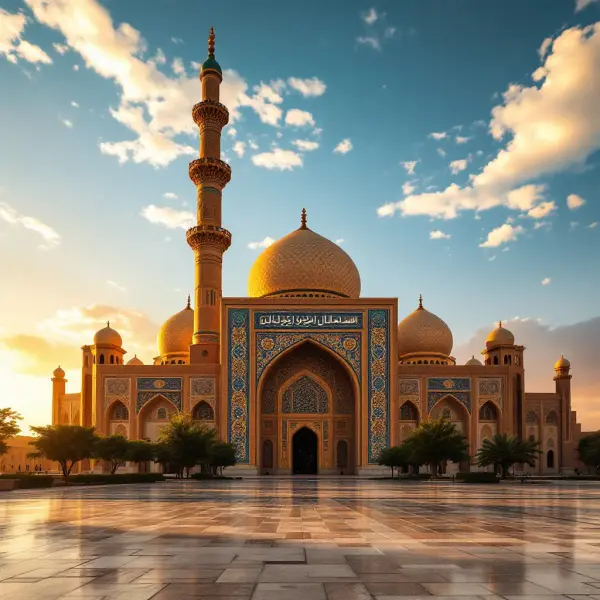
1. Sheikh Lotfollah Mosque
Experience a play of light you will not find anywhere else in the world. The visitor passes through a dark hallway to suddenly behold a dome that changes color like a peacock's feathers.
Quick facts: Under the 32-meter-high dome, daylight changes throughout the day, creating the illusion of a peacock's tail on the interior walls. The mosque never had a minaret because it was built exclusively for the royal family, not for public prayers.
Highlights: At the center of the dome, at a height of 32 meters, there is a small peacock-shaped opening through which sunlight breaks at certain times of the day. That beam of light travels along the mosque walls as if wanting to touch every ornament, and the spring equinox directs it exactly onto the prayer niche.
2. Ali Qapu Palace
The sunset through the stalactite vaults of the terrace turns every frame into a masterpiece. You climb wooden stairs while the sounds of an ancient music hall echo beneath your feet.
Quick facts: The hall with 18 wooden pillars served as a royal loge for watching games of pola below on Naqsh-e Jahan Square. The acoustics were enhanced by recesses in the walls and ceiling shaped like musical instruments, so a whisper from the stage reaches the last row.
Highlights: The most magical detail are the ceilings carved in the shape of lutes and tambourines, which not only look spectacular but were also deliberately shaped to amplify sound. When musicians play in the niches on the balcony, the entire terrace vibrates like a living speaker above the 400-year-old square.
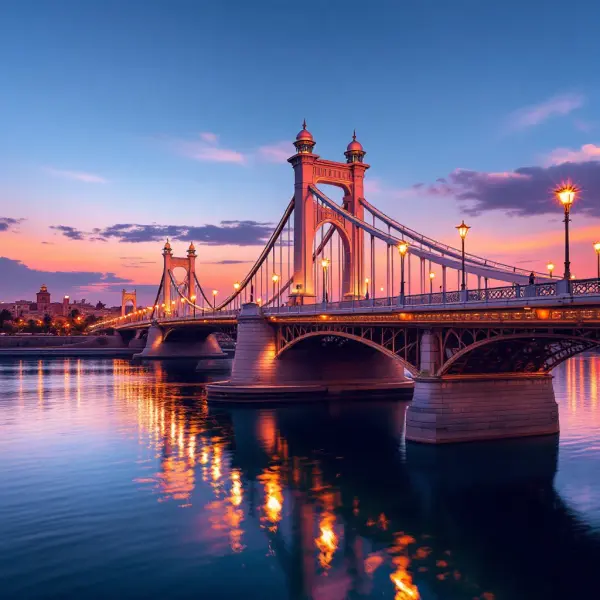
3. Si-o-se-pol Bridge
No sunset in Isfahan is complete without a walk across this bridge of 33 arches. Feel the centuries-old stone cool beneath your feet as hundreds of lights turn on above the calm river.
Quick facts: The bridge with 33 arches stretches 298 meters across the Zayandeh Rud River. Its two-level structure allows walking on the upper level for pedestrians while the lower level serves as a dam for regulating water flow.
Highlights: At dusk, when the 33 arches are lit, the entire bridge turns into a series of golden crescents shimmering on the water. Local poets believe each arch has its own acoustics, so a whisper from one end of the bridge can only be heard by a person standing at the opposite arch.
4. Khaju Bridge
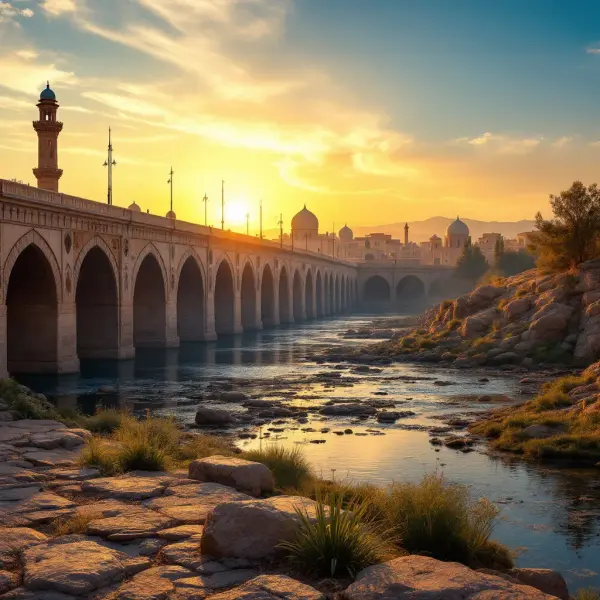
The only bridge in the world that combines a pedestrian promenade, a dam and a teahouse. Pass through its arches as water quietly flows beneath you and feel the breath of the Safavid era.
Quick facts: With 23 arches and 7 meters in width, this bridge also serves as a dam that regulates the water level in the Zayandeh River. At night, its arches are illuminated with warm light, and performances with tea and live music used to be held in the seating niches.
Highlights: Shah Abbas II personally supervised the construction and often came here to drink tea to the sounds of traditional music while watching the play of light on the water. The central pavilion was reserved exclusively for the Shah and his guests, and the steps on both sides of the bridge allowed passersby to sit and enjoy the view.
5. Chehel Sotoun Palace
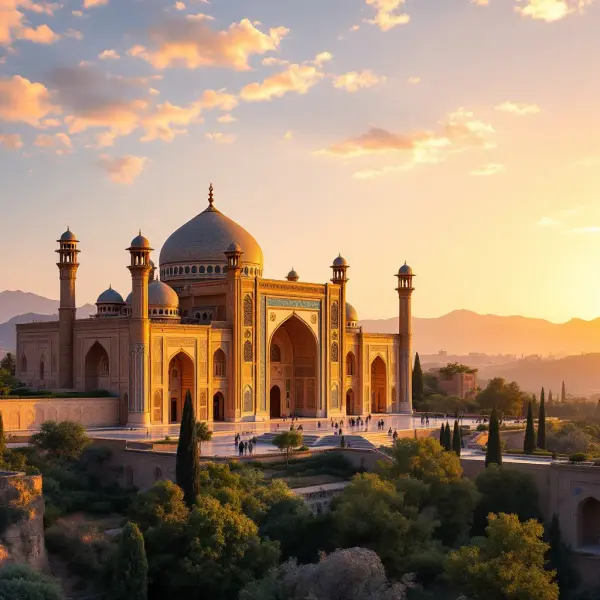
Peer into the hall where shahs received foreign ambassadors over wine and poetry. Walk through rooms with original frescoes and mother-of-pearl decorations that are nearly 400 years old.
Quick facts: Twenty columns of plane trees surround the open terrace, although we translate the name as "Forty Columns" due to the poetic effect of their reflection in the water. Frescoes inside the palace depict historical battles and royal feasts from the Safavid period, and some were restored after surviving the earthquake of 1853.
Highlights: The entrance wooden gates, 4.5 meters high, are decorated with carvings of ivory and mother of pearl, and each tells a different symbolic scene. Only twenty columns hold the roof, but the mirror in the pool creates the illusion that there are forty, which was a deliberate trick by Safavid architects.
6. Vank Cathedral
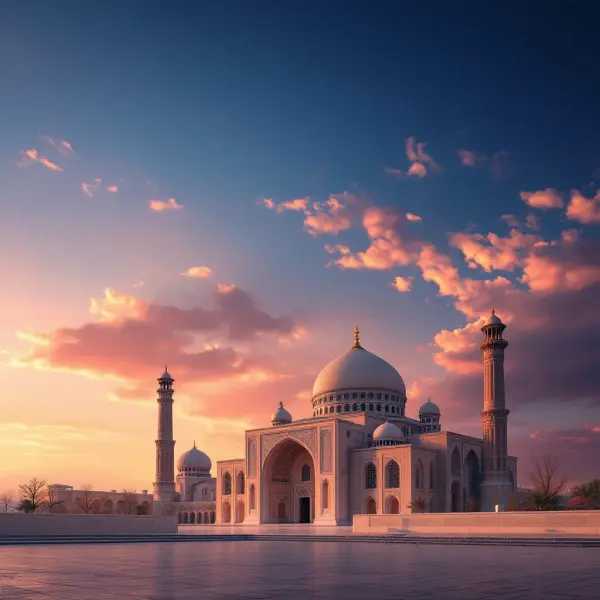
The only place in the world where a Christian altar is hidden behind a Persian arabesque. Feel the scent of incense as you walk through a courtyard full of orange trees and whispering histories.
Quick facts: Inside this cathedral hides a world of art that combines Christian and Islamic motifs. The walls are covered with more than 100 lavish frescoes and gilded carvings that tell the story of the Armenian community in the heart of Persia.
Highlights: After you step inside, you will notice that the ceilings are painted with scenes from paradise, while the floors depict the everyday life of Armenian merchants. One fresco shows an angel wearing a Persian turban, a perfect symbol of cultural fusion that you will not see anywhere else.
7. Jameh Mosque of Isfahan
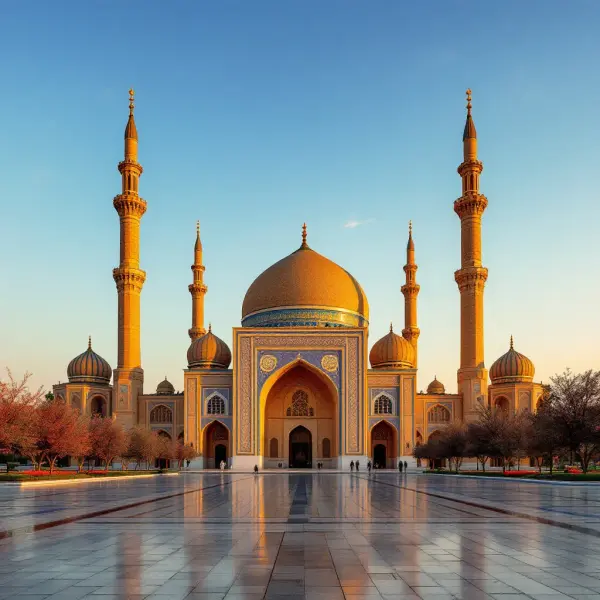
Walk through a living museum of a thousand years of Islamic architecture. Each of the four courtyard portals tells a unique story through different styles of brick construction and ornamental details.
Quick facts: The domes of this mosque represent a true architectural laboratory of Islamic art, where styles from as many as four different historical periods can be seen. Here, the brick dome construction techniques that would later become the hallmark of Persian architecture were perfected.
Highlights: Beneath the southern dome hides an acoustic phenomenon: a whisper uttered at one end of the room is perfectly heard at the far opposite wall, even when the room is full of people. Imams used this sound secret over the centuries to amplify their prayers without any modern devices.
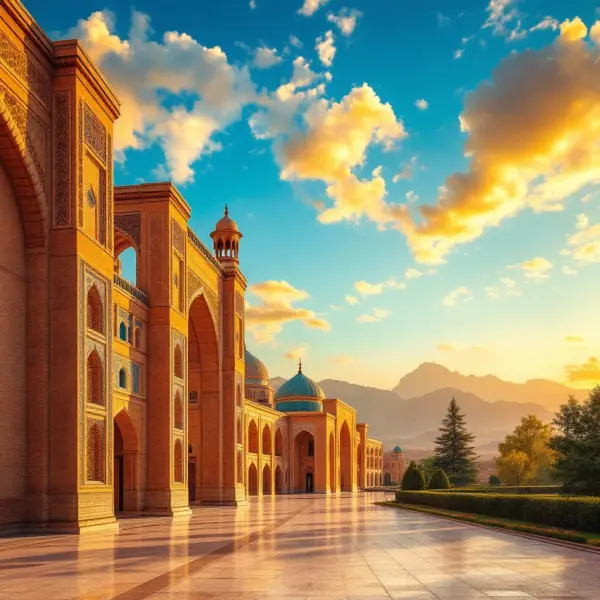
8. Hasht Behesht Palace
Eight heavens in one place: a palace that leads you through Persian gardens as you walk on a single floor. Stroll through rooms of different colors and feel the breath of history in the colorful stained glass.
Quick facts: With its height of 32 meters, this pavilion is actually significantly lower than the nearby Chehel Sotoun Palace, but surpasses it in the richness of its painted ceilings, where scenes from court life, hunting, and mythical creatures intertwine. Although it is called "Eight Heavens," the palace has only four floors, and it got its name from the eight rooms on the first floor that symbolize the eight heavenly gardens from Persian mythology.
Highlights: On the first floor, eight rooms surround the central hall, and each was once decorated in a different color and dedicated to one of the eight heavenly gardens, creating the impression that you are passing through a rainbow spectrum as you walk from room to room. Interestingly, the palace functioned as a summer pavilion: water from an underground channel (qanat) flowed through a system of pools on the ground floor, cooling the air naturally before air conditioning ever existed.
Where to Stay in Isfahan, Iran
Selected by City Buddy based on guest reviews and proximity to top attractions
Search all hotels in Isfahan, IranPowered by agoda
Traditional Sweet Dishes
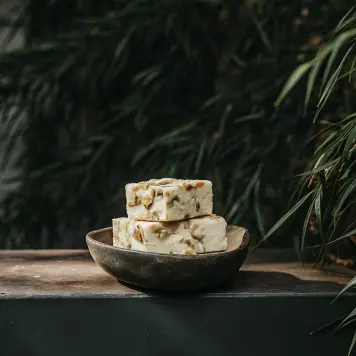
Gaz (Isfahanian Nougat)
Gaz is a famous Persian nougat made with pistachios, rose water, and the sap of the angebin plant, a desert shrub unique to the Isfahan region. This chewy, white confection has been produced in Isfahan for over 450 years.
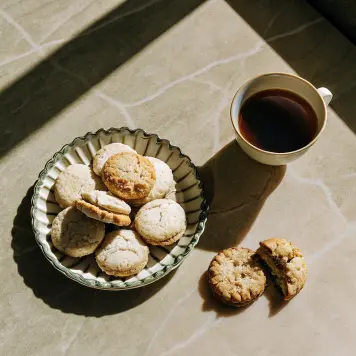
Koloocheh
Koloocheh is a soft, buttery cookie filled with a sweet mixture of walnuts, cinnamon, and cardamom, and it is a beloved specialty of Isfahan. These cookies are often enjoyed with a cup of Persian tea during gatherings and holidays.
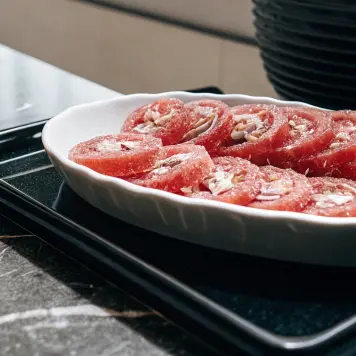
Poolaki
Poolaki are thin, crisp, disc-shaped candies made from sugar, rose water, and saffron or mint, originating from Isfahan. Their delicate, melt-in-the-mouth texture and subtle floral flavor make them a classic gift for visitors.
Traditional Savory Dishes
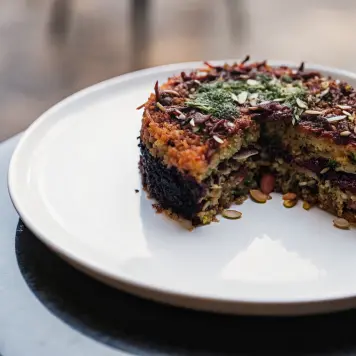
Berenj Polo (Rice with Saffron and Barberries)
This iconic Isfahani rice dish is layered with saffron, barberries, and slivered almonds, creating a vibrant, tart, and savory flavor. The crispy tahdig (golden rice crust) at the bottom is considered the best part by many locals.
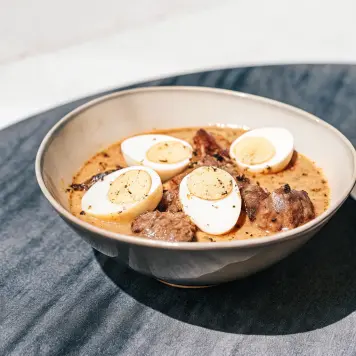
Khoresht-e Mast (Yogurt Stew)
Khoresht-e Mast is a unique Isfahani stew made from lamb, yogurt, saffron, and egg yolks, creating a rich, creamy, and tangy sauce. This ancient dish is said to date back to the Safavid era and is a proud specialty of Isfahan.
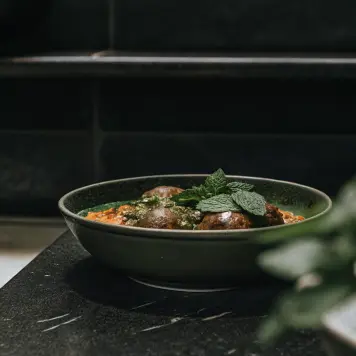
Bademjan (Isfahani Eggplant Stew)
Unlike other Persian eggplant stews, Isfahani Bademjan includes a distinctive addition of split peas, fried mint, and garlic, giving it a uniquely bold and herby profile. It is typically served over saffron rice and is a comfort food staple in local homes.
Traditional Beverages

Doogh
Doogh is a savory, carbonated yogurt drink flavored with mint, salt, and sometimes dried lime, and it is the quintessential refreshment of Isfahan. It is traditionally served alongside kebabs and rice dishes to aid digestion.
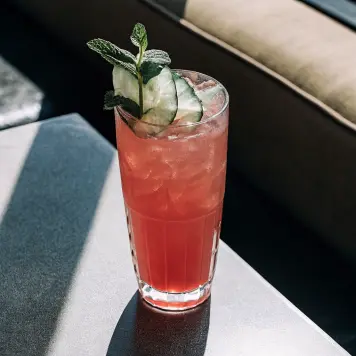
Sharbat-e Sekanjebin
This traditional Persian drink is made from a syrup of vinegar and honey or sugar, diluted with cold water and often served with fresh mint leaves and cucumber. It is beloved in Isfahan for its sweet and tangy taste, especially during hot summers.
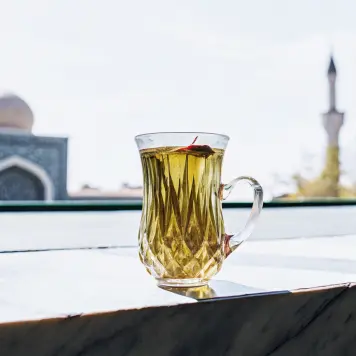
Chai-e Gol Mohammadi (Rose Tea)
Isfahan is famous for its fragrant rose tea, which blends black tea with dried rose buds and rose water for a delicate floral flavor. It is often sweetened with rock candy and sipped alongside traditional sweets like Gaz and Koloocheh.
Frequently Asked Questions about Isfahan, Iran
Is Isfahan in Iran safe for tourists?
How many days are needed to visit Isfahan?
What is the best time to visit Isfahan?
Is Isfahan expensive for travelers?
How to get around Isfahan?
Get a PDF with the most popular attractions sent to your email
Get a PDF with all attractions, ratings, and tips. Perfect for offline use.
Most popular day trips
Abyaneh Village
A historic red-hued village with traditional architecture and culture.
Kashan
City of historic houses, Fin Garden, and the ancient Tepe Sialk.
Persepolis
UNESCO ruins of the ceremonial capital of the Achaemenid Empire.
Varzaneh Desert
Scenic desert landscape with sand dunes and caravanserai.
Getting there
Airports
Train stations
Main line connecting Tehran, Mashhad, and southern Iran
Taxis and ride-hailing apps available from the airport to the city center. The train station is south of the city near the bus terminal.
Find flights to Isfahan, Iran
Click to get eSim for Isfahan, Iran
The easiest and most affordable way to get mobile internet wherever you travel.
Comments (6)
Honestly Isfahan surprised me. The bazaar is massive and chaotic but the people were so welcoming. Stayed 3 days, wish I had done 4. The main square at sunset is something else.
Maybe I caught bad weather but the air quality was rough and the traffic is insane. Naqsh-e Jahan square is beautiful but its surrounded by pushy carpet sellers. Felt a bit underwhelmed after Shiraz honestly.
The bridge especially Si-o-se-pol at night with locals singing under it was the most magical travel moment Ive had in years. Simple but unforgettable. Isfahan felt safe and easy to walk around.
Go to the Jameh Mosque around 7am before the bus tours arrive. Youll have the whole courtyard to yourself. Also bring cash, almost no shops take card and the ATMs sometimes dont work with foreign cards.
Skip the restaurants right on the main square. Walk to Saray-e Tala in the bazaar, small place called Haj Mirza. Same food half the price and actual locals. Also download Snapp app for taxis, way cheaper than flagging down cabs.