 CityBuddy
 English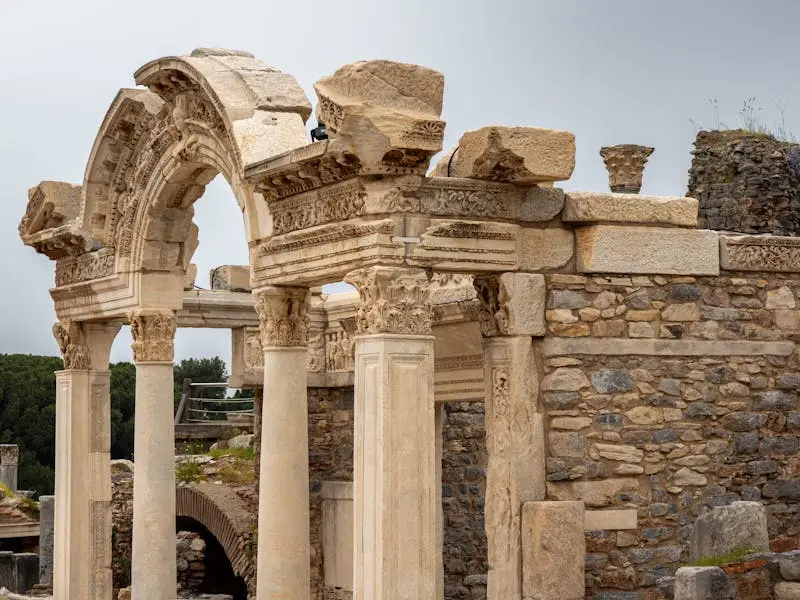
Things to Do in Selçuk, Turkey
Photo made by Murat Halıcı on Pexels.com
When to visit
Plan your perfect trip to Selçuk, Turkey
Get a complete travel plan built just for you in under 30 seconds, with daily routes, local food tips, budget estimates and more.
Are any of these especially important to you?
Select all that apply
Plan language: EnglishMost popular attractions in Selçuk, Turkey
The top things to do in Selçuk, Turkey begin with the sprawling Ephesus Ancient City, a Roman marvel where you can walk marble streets past the 25,000-seat theatre. Nearby, the House of the Virgin Mary sits 7 kilometers up a mountain road, a peaceful stone sanctuary. The Temple of Artemis, though mostly ruins, once ranked among the Seven Wonders of the Ancient World.
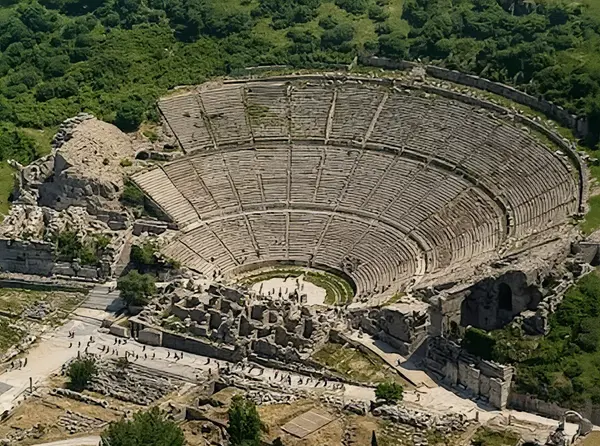
1. Ephesus Ancient City
Step onto marble roads that Cleopatra herself once walked. You'll stand in a 25,000-seat theater and trace Greek letters carved into stone public toilets.
Quick facts: Over 1.5 million tourists walk the marble streets each year. The library once held more than 12,000 scrolls, making it one of the ancient world's largest collections.
Highlights: The Terrace Houses sit behind a protective canopy, preserving vibrant frescoes and intricate mosaics that everyday Romans decorated their walls with. You can walk on elevated walkways above these elite homes and peer down into actual Roman living rooms, kitchens, and bath chambers nearly untouched since the 7th century.
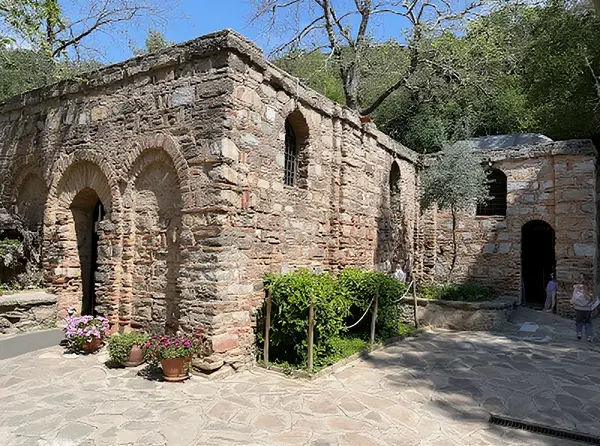
2. House of the Virgin Mary
Pope Benedict XVI celebrated mass here in 2006, cementing this humble stone dwelling as one of Christianity's most quietly powerful sites. You'll walk the same cobbled path where pilgrims have left handwritten prayers for centuries, stuffing them into cracks along the sanctuary walls.
Quick facts: Pilgrims drink from three taps flowing with water believed to have healing properties, though scientists have never tested the claims. The stone house sits on a foundation that predates the 1st century AD, and thermal scans reveal older structures buried beneath.
Highlights: A small patch of wild oregano grows only at the base of the house's south wall, and local botanists have never found it elsewhere in the region. When the morning light hits the courtyard tiles between 7:00 and 7:30 AM, the shadows form the exact shape of a Byzantine cross before dissolving by 7:45.
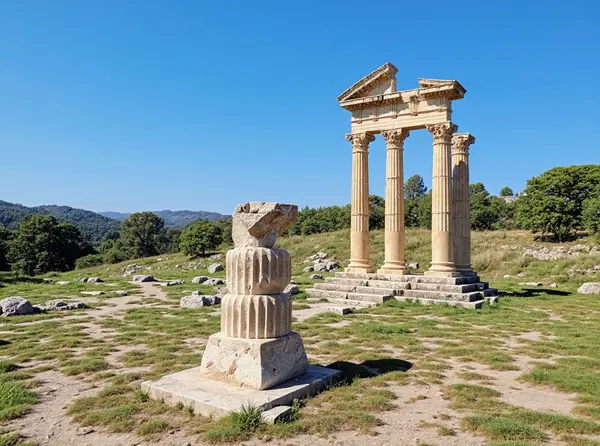
3. Temple of Artemis
Stand where one of the Seven Wonders of the Ancient World once towered over the ancient city of Ephesus. You'll walk among scattered marble ruins and see the lone reconstructed column rising from the marsh, storks circling overhead.
Quick facts: Only one of the Seven Wonders of the Ancient World still standing is this temple, though just a single column remains upright from its 127 original columns. Archaeologists discovered that the temple was built and rebuilt at least three times on the same sacred site over nearly a thousand years.
Highlights: Scattered among a marshy field are fragments of columns and marble blocks, but the lone standing column is surrounded by storks nesting on top in spring. Locals say the storks return each year as if guarding the last remnant of a wonder that once drew pilgrims from across the ancient Mediterranean.
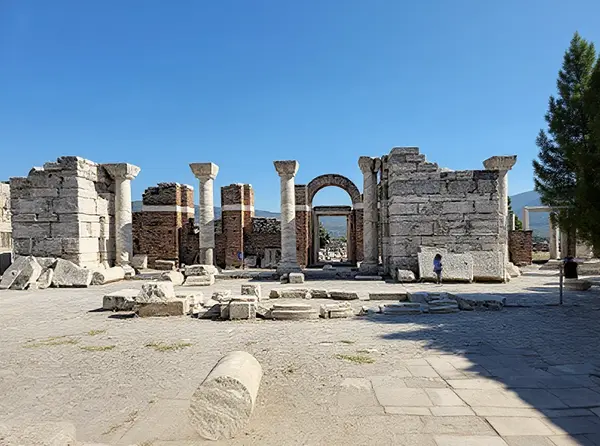
4. Basilica of St. John
Few places in Turkey blend biblical history with sweeping coastal views so effortlessly. Wander through colossal ruined arches and imagine the pilgrims who crossed continents to reach this sacred hilltop.
Quick facts: The towering walls and six massive domes of this 6th-century basilica were built over the believed burial site of John the Apostle. At 110 meters long, it was once one of the largest churches in the Byzantine Empire, outshining many contemporary cathedrals in scale.
Highlights: Emperor Justinian poured enormous resources into this church in the 6th century, convinced he was building a tomb grand enough for one of Christ's closest disciples. Climb to the hilltop and you can still trace the original marble floor patterns where pilgrims once walked, with the ancient fortress looming above and green countryside rolling out toward the Aegean Sea.
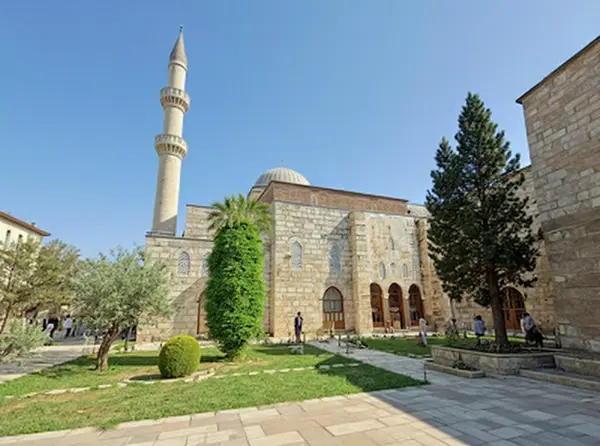
5. İsa Bey Mosque
Wander through one of the oldest and most architecturally unique mosques in Anatolia, built with plundered Roman columns. Feel the cool stone underfoot as you stand beneath two domes, surrounded by quiet gardens and the distant echoes of empires.
Quick facts: The prayer hall is covered by two massive domes, each supported by four granite columns salvaged from the ancient Ephesus harbor. Unlike typical Ottoman mosques built with a single large dome, this 14th-century structure was designed by Syrian architect Ali ibn al-Dimashqi.
Highlights: Those eight towering granite columns holding up the domes were originally part of a Roman gymnasium, pilfered directly from the ruins of ancient Ephesus. You can still see the faint traces of blue and turquoise tilework on the western facade, remnants of what was once a brilliantly colored exterior.
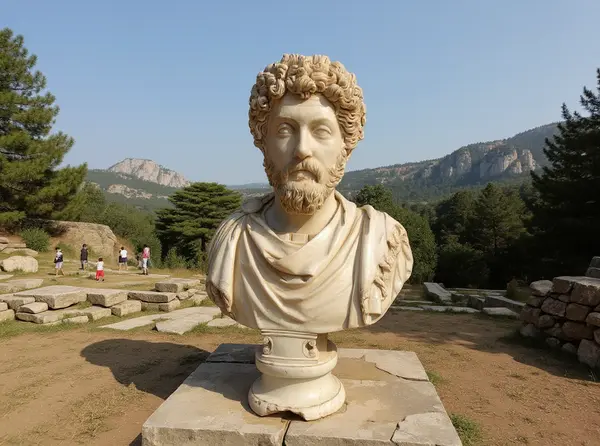
6. Ephesus Archaeological Museum
Step face-to-face with the breathtaking Artemis statues that once guarded one of the Seven Wonders. Wander through 9,000 years of history in airy, light-filled halls with artifacts that feel fresh from the dig.
Quick facts: The museum holds one of Turkey's most important collections, including the famous Statue of Artemis from the Temple of Artemis, one of the Seven Wonders of the Ancient World. More than 20,000 artifacts span from the Bronze Age through the Byzantine period, all excavated from the ancient city of Ephesus just steps away.
Highlights: Two colossal marble statues of Artemis stand here, their chests covered in dozens of eggs representing fertility, and their lower bodies wrapped in mysterious bee, bull, and lion imagery you won't see anywhere else. What makes them genuinely haunting is that they were pulled directly from the mud of the Temple of Artemis site, where they had lain buried for over 1,500 years after earthquakes toppled them.
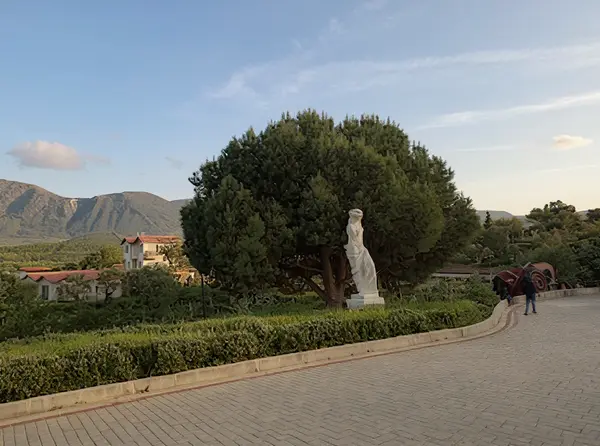
7. Şirince Yedi Bilgeler Çiftliği
Walk through living history where ancient philosophers once debated under these same olive trees. Taste farm-pressed oil still warm from the stone mill, then hike terraced hillsides with views across the Selçuk valley.
Quick facts: Seven ancient philosophers once gathered on these hillsides, and the farm's olive trees are direct descendants of groves they walked through. Over 3,000 olive trees sprawl across the property, some producing oil from fruit picked on the same day they're pressed.
Highlights: The farm runs on a forgotten irrigation system of stone channels carved by the original settlers, still carrying mountain spring water to every terrace without a single pump. During harvest, guests can join a 500-year-old olive pressing tradition using a granite millstone turned by hand, crushing fruit into oil that's tasted warm straight from the spout.
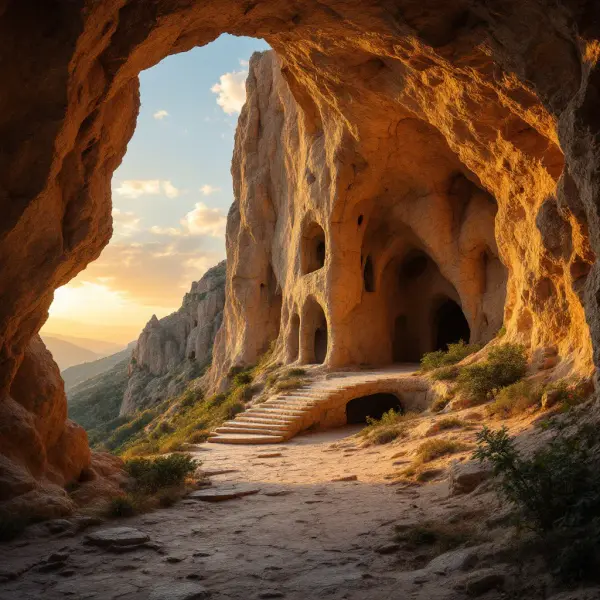
8. Cave of the Seven Sleepers
One cave, two faiths, and a story that has captivated travelers for over a thousand years. Stand inside the quiet chamber where legend says seven sleepers dreamed through three centuries of history.
Quick facts: A cave where, according to Christian and Islamic tradition, seven young men slept for over 300 years to escape religious persecution. The site draws pilgrims from both faiths and contains a small Byzantine-era church built into the rock face.
Highlights: A single opening in the limestone leads to a cave chamber where the story says the sleepers and their dog Qitmir rested for centuries. Pilgrims tie small ribbons and fabric scraps to nearby bushes as a centuries-old tradition of leaving prayers and wishes behind.
Where to Stay in Selçuk, Turkey
Selected by City Buddy based on guest reviews and proximity to top attractions
Search all hotels in Selçuk, TurkeyPowered by agoda
Traditional Sweet Dishes
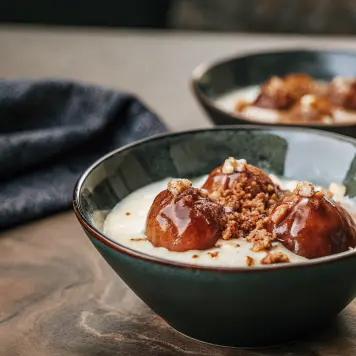
İncir Uyutması
This is a traditional fig-based dessert from the Selçuk region, made by slowly cooking dried figs with milk and sugar until creamy, then chilled and served with crushed walnuts.
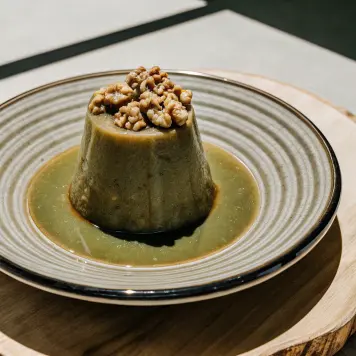
Kabak Tatlısı
Selçuk's version of pumpkin dessert is slow-cooked in a syrup with cloves and cinnamon, then topped with tahini and crushed walnuts for a rich, earthy sweetness.
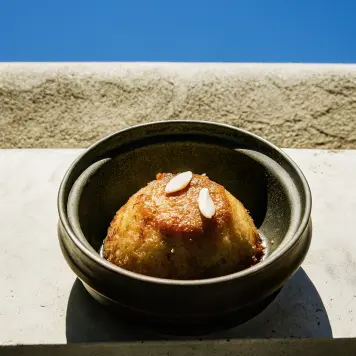
Şambali
This semolina-based dessert is baked until golden, soaked in sweet syrup, and often topped with a single almond or pistachio. It is a beloved street food sweet in the Aegean region including Selçuk.
Traditional Savory Dishes
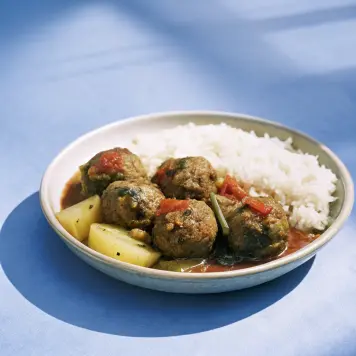
İzmir Köfte
A specialty of the broader İzmir region including Selçuk, these spiced meatballs are baked in a tomato and pepper sauce with sliced potatoes, and they are typically served with rice pilaf.
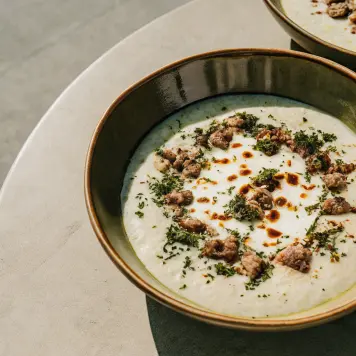
Keşkek
Keşkek is a slow-cooked porridge of wheat and lamb or chicken, pounded until smooth and creamy. It is a traditional ceremonial dish in Selçuk and other Aegean areas, often served at weddings and festivals.
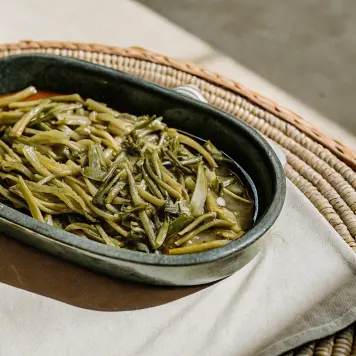
Şevketi Bostan
This is a unique wild thistle plant that grows in the Aegean region near Selçuk. Its peeled stems are cooked with olive oil, lemon, and sometimes meat, creating a mildly bitter and earthy local delicacy.
Traditional Beverages
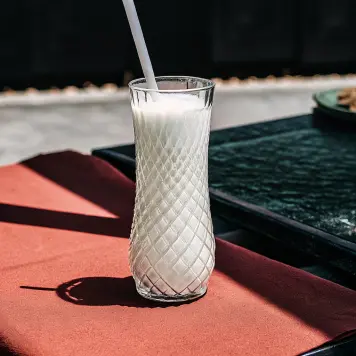
Ayran
Ayran is a savory yogurt drink mixed with water and salt, served ice cold. It is the most popular traditional beverage in Selçuk and throughout Turkey, especially alongside kebabs and köfte.
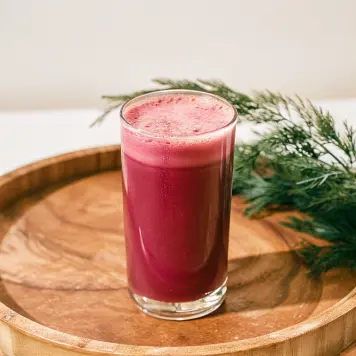
Şalgam Suyu
This tangy, purple-hued drink is made from fermented black carrots, turnips, and bulgur flour with salt and spices. It is a beloved sour beverage in the Aegean region and pairs perfectly with savory dishes.
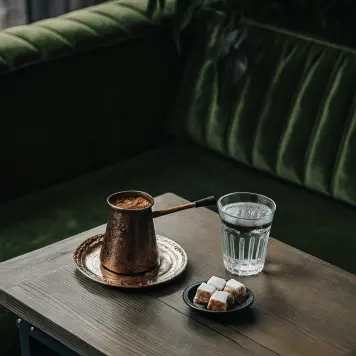
Türk Kahvesi
Turkish coffee is finely ground coffee brewed in a special pot called a cezve. In Selçuk, it is traditionally served with a glass of water and a small sweet treat like Turkish delight on the side.
Frequently Asked Questions about Selçuk, Turkey
Is Selçuk, Turkey safe?
How many days in Selçuk, Turkey?
Best time to visit Selçuk, Turkey?
Is Selçuk, Turkey expensive?
How to get around Selçuk, Turkey?
Get a PDF with the most popular attractions sent to your email
Get a PDF with all attractions, ratings, and tips. Perfect for offline use.
Most popular day trips
Ephesus Ancient City
One of the best-preserved ancient Roman cities in the Mediterranean region.
Şirince Village
A charming hillside village known for wine tasting and Ottoman architecture.
Kuşadası
Popular coastal resort town with beaches, marina, and vibrant bazaar.
Pamukkale and Hierapolis
Stunning white travertine terraces and ancient Roman spa city ruins.
Priene Ancient City
Well-preserved Hellenistic city with a scenic hillside location near Soke.
Rent a car in Selçuk, Turkey
Getting there
Train stations
Izmir to Denizli regional line and Basmane-Denizli intercity trains
From Izmir Airport, take the IZBAN commuter train to Tepekoy then transfer to Selçuk; or take a direct Havaş shuttle bus to Selçuk.
Find flights to Selçuk, Turkey
Click to get eSim for Selçuk, Turkey
The easiest and most affordable way to get mobile internet wherever you travel.
Comments (9)
Skip the restaurants on the main street. Walk two blocks toward the train station and eat where locals eat. Half the price, double the flavor.
If you're going to Ephesus, get there right when it opens at 8am. By 10am the cruise ship crowds arrive and it's miserable.
Selçuk surprised me way more than Ephesus did. The town itself has this quiet charm, nice little restaurants, and people are super friendly.
Kind of wish I'd skipped the House of Virgin Mary. Long lines, expensive, and felt overly commercialized.
Went in August. Honestly too hot to enjoy daytime walking around. Mornings and evenings are beautiful though.