 CityBuddy
 Polski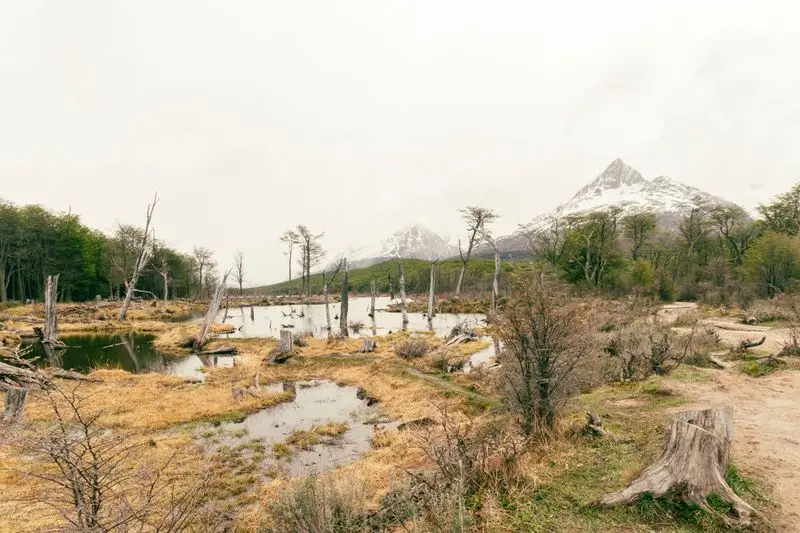
Co robić w Patagonia, Argentina
Zdjęcie wykonane przez Carolina Noir na Pexels.com
Kiedy odwiedzić
Najpopularniejsze atrakcje w Patagonia, Argentina
Poszukiwanie najlepszych atrakcji w Patagonii w Argentynie prowadzi podróżników do Parku Narodowego Los Glaciares, gdzie lodowiec Perito Moreno rozciąga się na 250 kilometrów kwadratowych wśród Andów. Miłośnicy górskich wędrówek zdobywają granitowe iglice Monte Fitz Roy o wysokości 3405 metrów w pobliżu El Chaltén, podczas gdy piesze wędrówki po lodzie na przesuwającym się froncie lodowca o wysokości 60 metrów oferują niezapomniane spotkanie z surowym krajobrazem Patagonii.
1. Perito Moreno Glacier
Niewiele miejsc pozwala stanąć twarzą w twarz z żywym, jęczącym lodowym olbrzymem. Zobaczysz, jak bloki wielkości domów odrywają się i wpadają do jeziora z dźwiękiem przypominającym grzmot.
Szybkie fakty: Pole lodowe o powierzchni 250 kilometrów kwadratowych przesuwa się do 2 metrów dziennie, stale odrywając ogromne kawałki do turkusowej wody poniżej. W przeciwieństwie do większości lodowców, które się wycofują, ten utrzymuje mniej więcej równowagę, od czasu do czasu tamując odnogę jeziora i tworząc most lodowy, który ostatecznie zapada się w grzmiącym spektaklu natury.
Najważniejsze atrakcje: Co kilka lat przesuwający się czoło lodowca napiera na półwysep i tworzy naturalną tamę, odcinając jedno ramię jeziora. Ciśnienie wody narasta przez miesiące, aż most lodowy pęka w eksplozywnym zdarzeniu, które przyciąga widzów z całego świata, by obserwować jego zawalenie.
2. Monte Fitz Roy
Niewiele szczytów na ziemi wymaga tyle cierpliwości dla jednego idealnego widoku. Przejdziesz przez wietrzne doliny i lasy lenga, zanim zobaczysz, jak wschód słońca rozpala granit ogniem.
Szybkie fakty: Wznoszący się na 3405 metrów nad patagońskim stepem, jego postrzępione granitowe iglice zostały po raz pierwszy zdobyte dopiero w 1952 roku przez francuską ekspedycję. Lud Tehuelche nazywał go Chaltén, co oznacza "dymiącą górę", ponieważ chmury często wirują wokół szczytu jak dym z ognia.
Najważniejsze atrakcje: O wschodzie słońca wschodnia ściana łapie pierwsze światło i świeci ognistym pomarańczowo-czerwonym blaskiem przez około 15 minut, co wśród mieszkańców znane jest jako "Fitz Roy en Fuego". To krótkie zjawisko występuje tylko około 60 dni w roku, gdy chmury współpracują, co czyni je jednym z najbardziej nieuchwytnych pokazów świetlnych na planecie.
3. Cerro Torre
Spójrz w górę na jeden z najbardziej pionowych szczytów planety, iglicę tak stromą, że ledwo trzyma się jej lód. Zobaczysz, jak wschód słońca maluje jej słynną lodową grzybę w odcieniach różu i złota.
Szybkie fakty: Chmury lodu szronowego otaczają tę granitową iglicę przez cały rok, rzeźbiąc zamarznięty kapelusz grzyba, który rośnie i zapada się wraz z porami roku. Wspinacze nazywają ją najtrudniejszą górą w Amerykach, z tylko około 100 udanymi wejściami na szczyt w historii.
Najważniejsze atrakcje: Przyjrzyj się uważnie szczytowi w pogodny dzień, a dostrzeżesz zamarzniętego grzyba z lodu szronowego, który może urosnąć na ponad 9 metrów grubości. Wspinacze czekają latami na idealne okno pogodowe, wiedząc, że wiatr tutaj regularnie przekracza 160 kilometrów na godzinę.
4. Tierra del Fuego National Park
Patagońskie wiatry wiją się przez subantarktyczne lasy wzdłuż Kanału Beagle'a. Podążaj śladami bobrów obok torfowisk, aby wysłać pocztówkę z dosłownego końca świata.
Szybkie fakty: Trzysta bobrów przemierza park, potomkowie 20 par sprowadzonych z Kanady w 1946 roku dla handlu futrami, który nigdy nie wystartował. Mały urząd pocztowy wewnątrz parku wysyła listy ręcznie ostemplowane napisem „Fin del Mundo” z tego, co twierdzi, że jest najdalej na południe wysuniętą pocztą na świecie.
Najważniejsze atrakcje: Większość odwiedzających omija odległą zatokę Lapataia, dosłowny koniec argentyńskiej Trasy 3, która rozciąga się na 3000 kilometrów z Buenos Aires. Stań na brzegu wody, a zobaczysz kondory andyjskie szybujące na prądach termicznych nad Kanałem Beagle, ich trzy metrowe rozpiętości skrzydeł rzucające cienie na torfowiska poniżej.
5. Peninsula Valdes
Jedno z najgęstszych skupisk dzikiej przyrody na planecie, gdzie wieloryby wynurzają się tuż przy plaży, a słonie morskie walczą o terytorium tuż obok twoich stóp. Będziesz chodzić wśród miliona pingwinów, obserwować polujące w przyboju orki i słyszeć oddech 40-tonowych olbrzymów niosący się nad wodą.
Szybkie fakty: Każdego roku między czerwcem a grudniem ponad 2000 wielorybów biskajskich południowych migruje do spokojnych zatok otaczających ten półwysep, aby się rozmnażać i rodzić. Linia brzegowa jest także miejscem, gdzie jako jedynym na Ziemi orki celowo wyrzucają się na brzeg, by polować na szczenięta lwów morskich.
Najważniejsze atrakcje: W Punta Norte niewielka rodzina orek opanowała technikę łowiecką niespotykaną nigdzie indziej: celowo rzucają swoje trzynastotonowe ciała na kamienistą plażę, by porwać szczenięta lwów morskich, a następnie wiją się z powrotem do wody przed następną falą. Obserwowanie sześciometrowej orki sunącej po mokrych kamieniach z zaciśniętymi szczękami na wijącej się zdobyczy to ten surowy moment natury, który na zawsze pozostaje wypalony w pamięci.
6. Cueva de las Manos
Nigdzie indziej na Ziemi nie znajdziesz 10 000-letnich odcisków dłoni pozostawionych przez łowców-zbieraczy w odległym kanionie. Przejdziesz obok setek stencili dłoni, scen myśliwskich i geometrycznych wzorów, które śledzą obecność człowieka przez 90 wieków.
Szybkie fakty: Około 829 odcisków dłoni pokrywa ściany jaskini, przy czym 9 na 10 to lewe dłonie. Sztuka naskalna obejmuje prawie 10 000 lat, a najstarsze warstwy pochodzą z około 9000 roku p.n.e.
Najważniejsze atrakcje: Prawie 800 z 829 szablonowych dłoni to lewe ręce, co sugeruje, że artyści trzymali dmuchawkę z kości lub wydrążonej trzciny w prawej ręce, rozpylając pigment ustami. Czerwony pigment wciąż widoczny po 10 000 latach pochodził z hematytu zmieszanego z tłuszczem guanako, a artyści wydmuchiwali kolor przez rurkę, zamiast malować go bezpośrednio.
7. Nahuel Huapi Lake
Wiosłuj po wodzie tak czystej, że dostrzeżesz ryby 15 metrów pod swoim kajakiem. Pradawne lasy, strumienie zasilane lodowcem i potężne szczyty odbijają się w każdej fali.
Szybkie fakty: Wody z topnienia lodowca zasilają ogromny basen o powierzchni 557 kilometrów kwadratowych, nadając jego wodzie uderzający turkusowy kolor, który zmienia się wraz z porami roku. Ponad 30 wysp usianych na powierzchni, w tym jedna, na której rośnie rzadki las o cynamonowej korze, który świeci na pomarańczowo przez cały rok.
Najważniejsze atrakcje: Na głębokości 464 metrów słup wody tworzy strefy, w których światło gaśnie do całkowitej ciemności, zanim dotknie dna. Na największej wyspie rośnie 300-letni las poskręcanych drzew o gładkiej, papierowej korze cynamonowej.
8. Beagle Channel
Ślizgaj się po wodach zasilanych lodowcem, gdzie lwy morskie wygrzewają się na bojach, a pingwiny nurkują pod powierzchnią. Dostrzeż kondory andyjskie krążące nad ośnieżonymi szczytami, podczas gdy twoja łódź płynie między wyspami nietkniętymi przez drogi.
Szybkie fakty: Kanał Beagle rozciąga się na 240 kilometrów przez Ziemię Ognistą, nazwany na cześć HMS Beagle, który przewoził Karola Darwina w jego słynną podróż. Pingwiny, lwy morskie i kormorany zamieszkują jego wyspy, podczas gdy lodowce odrywają się bezpośrednio do lodowatych wód z otaczającego Pasma Darwina.
Najważniejsze atrakcje: Na Isla Martillo kolonia ponad 400 par pingwinów magellańskich dzieli linię brzegową z pingwinami białobrewymi, tworząc naturalne przedszkole pingwinów, które można obserwować z odległości zaledwie kilku metrów. Latarnia Les Eclaireurs, często błędnie identyfikowana jako "Latarnia na Końcu Świata", znajduje się na małej skalistej wysepce i została zbudowana z lokalnej cegły w 1920 roku, a jej czerwono-białe pasy migają co 10 sekund, prowadząc statki przez wąskie przejście.
9. Cerro Catedral
Jeździj na nartach po największym plac zabaw Ameryki Południowej ze 120 km tras z widokiem na najpiękniejsze jezioro Patagonii. Wytnij świeży puch przez pradawne lasy lenga, a potem popijaj gorącą czekoladę w górskim refugio.
Szybkie fakty: Największy ośrodek narciarski Ameryki Południowej rozciąga się na 2650 akrach ze 120 kilometrami przygotowanych tras. Sieć 35 wyciągów przewozi narciarzy na szczyt na wysokości 2388 metrów, skąd roztacza się widok na ciemnoniebieską toń jeziora Nahuel Huapi.
Najważniejsze atrakcje: Charakterystyczne granitowe iglice góry zmieniają kolor w ciągu dnia, świecąc na różowo o zachodzie słońca na tle ciemniejącego patagońskiego nieba. W pogodne zimowe poranki ze szczytu roztacza się widok na Andy aż do Chile, a na południowym horyzoncie widoczny jest stożek wulkanu Lanín.
Where to Stay in Patagonia, Argentina
Selected by City Buddy based on guest reviews and proximity to top attractions
Search all hotels in Patagonia, ArgentinaPowered by agoda
Dni otwarcia w Patagonia, Argentina
Które z najważniejszych atrakcji są zamknięte w poszczególne dni tygodnia. Klasyczny pogromca wycieczek, sprawdzony za Ciebie.
Dobra wiadomość: wszystkie 3 najważniejsze atrakcje ze znanymi godzinami otwarcia są otwarte każdego dnia tygodnia.
Zamknięte w poniedziałek · 0 zamkniętych, 3 otwartych
Nic nie jest zamknięte w poniedziałek. Wszystkie 3 atrakcje ze znanymi godzinami są otwarte.
Dni otwarcia z Google Maps (sprawdzone 2026-06-23). Święta, strajki i godziny sezonowe mogą się różnić. Sprawdź oficjalną stronę przed wyjazdem.
Tradycyjne słodkie potrawy

Helado de Calafate
The calafate berry is a native Patagonian fruit with a deep purple color. Legend says that anyone who eats calafate berries will return to Patagonia one day.

Alfajor de Dulce de Leche
Argentina is the world's largest consumer of alfajores, with Patagonia producing some of the finest versions. These cookies sandwich a generous layer of dulce de leche and are often dipped in chocolate.

Torta de Chocolate de Bariloche
Bariloche, in the Patagonian Andes, is considered Argentina's chocolate capital. The region's alpine-style chocolate shops produce famously rich, dense chocolate cakes using local dairy and cacao.
Tradycyjne słone potrawy
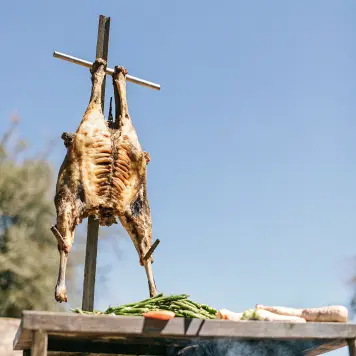
Cordero al Palenque
This iconic Patagonian dish features whole lamb slow-roasted on a metal cross or spit over an open fire for hours. The technique was adopted from the indigenous Tehuelche people and is central to Patagonian gaucho culture.
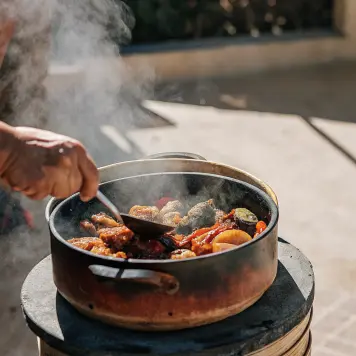
Curanto
Curanto is a traditional Mapuche cooking method where seafood, meats, potatoes, and vegetables are layered in a pit lined with hot stones and covered with leaves. It means "stewed in a hole" in the Mapuche language.

Trucha a la Patagónica
Patagonia's crystal-clear lakes and rivers are world famous for fly fishing. The region's rainbow and brown trout are typically grilled or pan-fried with lemon, garlic, and local herbs.
Tradycyjne napoje

Mate
Mate is the national drink of Argentina and is especially cherished in Patagonia's cold climate. The herbal infusion is sipped from a gourd through a metal straw and is deeply woven into social bonding rituals.
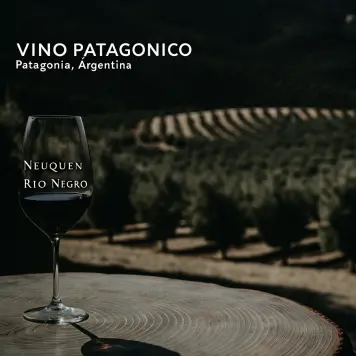
Vino Patagónico
The Patagonian wine region, particularly the Neuquén and Río Negro valleys, produces exceptional Pinot Noir and Malbec. These are some of the southernmost vineyards in the world, giving the wines a unique fresh and elegant character.

Licor de Calafate
This vibrant purple liqueur is made from macerating calafate berries in alcohol and sugar. It is a beloved digestif across Patagonia and is often served after meals or poured over vanilla ice cream as a dessert.
Często zadawane pytania o Patagonia, Argentina
Czy Patagonia w Argentynie jest bezpieczna dla podróżnych?
Kiedy jest najlepszy czas na wizytę w Patagonii w Argentynie?
Ile dni zaleca się spędzić w Patagonii w Argentynie?
Czy wizyta w Patagonii w Argentynie jest droga?
Jak poruszać się po Patagonii w Argentynie?
Wyślij PDF z najpopularniejszymi atrakcjami na swój e-mail
Otrzymaj PDF ze wszystkimi atrakcjami, ocenami i wskazówkami. Idealne do użytku offline.
Najpopularniejsze wycieczki jednodniowe
Perito Moreno Glacier
Massive advancing glacier with breathtaking ice trekking and viewing walkways
El Chalten
Trekking capital of Argentina with stunning Cerro Torre and Fitz Roy peaks
Torres del Paine National Park
Iconic Chilean Patagonia park with granite towers, glaciers, and guanacos
Rio Gallegos
Coastal city for penguin colonies and Atlantic coastline views
Punta Arenas
Historic Chilean port city on the Strait of Magellan
Jak dojechać
Lotniska
Stacje kolejowe
Long distance buses to Rio Gallegos, El Chalten, and Puerto Natales
Limited freight and heritage rail service
Fly into El Calafate Airport (FTE) and take a shuttle bus to downtown for about 20 minutes. Renting a car is best for exploring remote Patagonia.
Przydatne informacje dla Patagonia, Argentina
Przegląd dla Patagonia, Argentina
Chcesz plan dzień po dniu dla Patagonia, Argentina? Otwórz planer podróży
Kiedy jedziesz do Patagonia, Argentina?
Wybierz daty i styl podróży, aby otrzymać:
Czy coś z tego jest dla Ciebie szczególnie ważne?
Wybierz wszystkie, które pasują
Przemieszczanie się
Jak chcesz się przemieszczać między miejscami?
Język planu: Polski