 CityBuddy
 Polski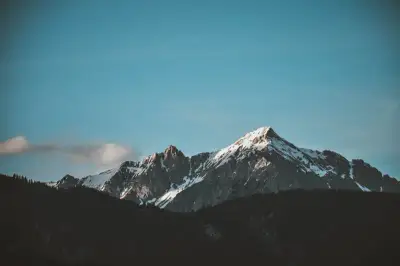
Co robić w Austria
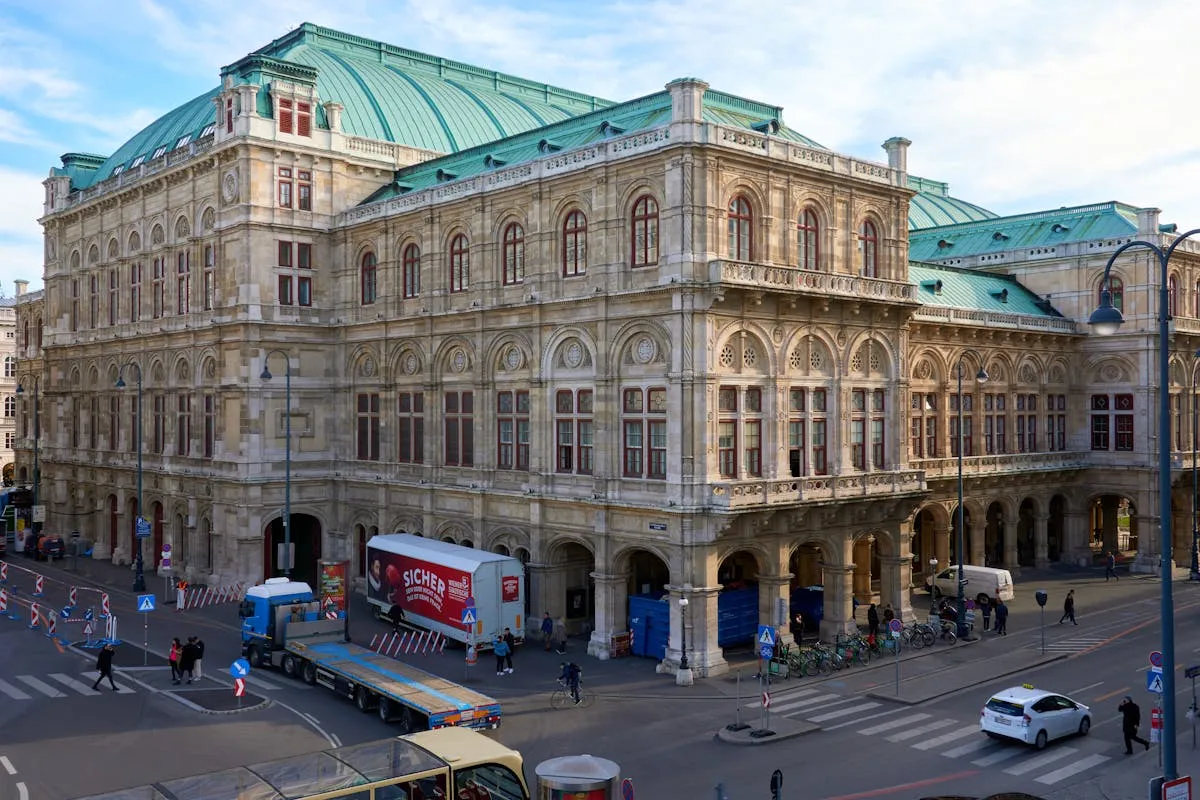
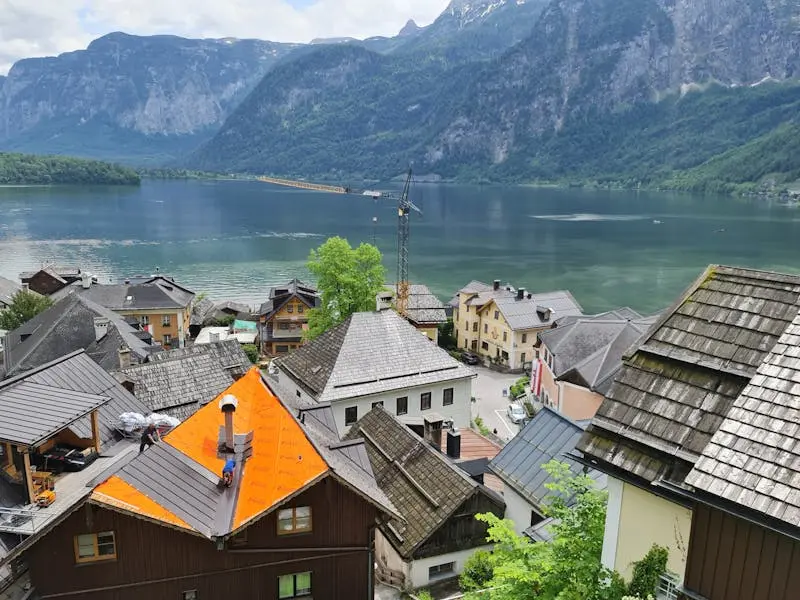
Zdjęcie wykonane przez Stephan Seeber na Pexels.com
Kiedy odwiedzić
Najpopularniejsze atrakcje w Austria
Do najważniejszych atrakcji Austrii należy zwiedzanie pałacu Schönbrunn, dawnej letniej rezydencji cesarskiej, która może poszczycić się 1441 pokojami oraz rozległymi ogrodami. W Wiedniu Złoty Dach oferuje wgląd w historię dzięki 2657 pozłacanym miedzianym dachówkom, natomiast twierdza Hohensalzburg w Salzburgu zapewnia panoramiczne widoki na miasto z wysokości 506 metrów nad poziomem morza.
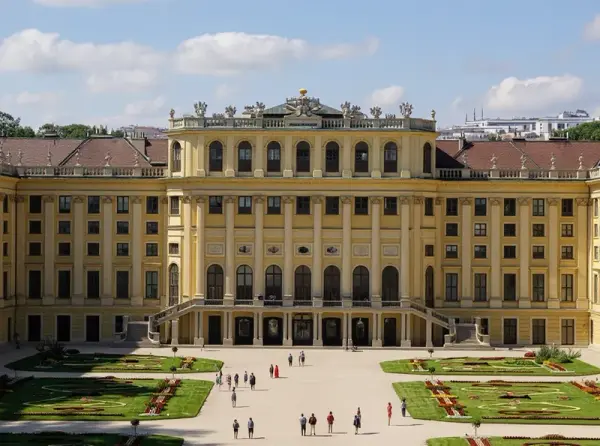
1. Schönbrunn Palace
Vienna
Odkryj wielkie życie cesarskie z zachwycającymi ogrodami i żywą historią. Zwiedź olśniewające sale balowe i najstarsze zoo w Europie, spędzając fascynujący dzień.
Szybkie fakty: Królewska letnia rezydencja z ponad 1 400 pokojami, dorównująca rozmachem Wersalowi, ale z wyraźnym urokiem barokowym. W jej ogrodach stoi budowla Glorietta, skąd rozciąga się panoramiczny widok na panoramę Wiednia.
Najważniejsze atrakcje: Wielka Galeria zachwyca freskami na suficie i kryształowymi żyrandolami, które służyły na dworskich balach cesarskich, w których uczestniczył Mozart. Zoo w pałacu, najstarsze działające nieprzerwanie na świecie, zaprasza gości do żywej historii z egzotycznymi zwierzętami.
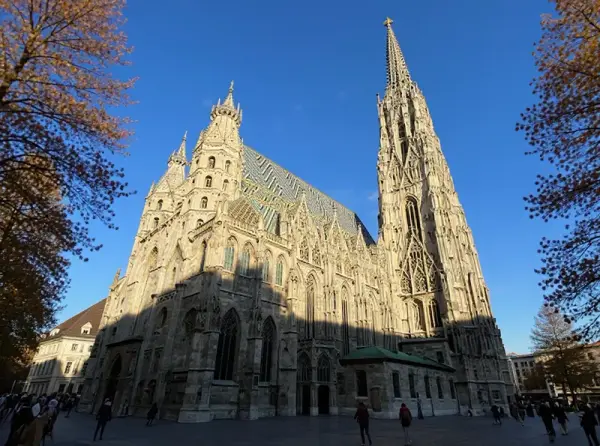
2. St. Stephen's Cathedral
Vienna
Doświadcz zapierających dech widoków i kolorowej sztuki z płytek. Poznaj wieki historii pod i nad ziemią w oszałamiającej katedrze.
Szybkie fakty: Dach katedry to przepiękna mozaika z ponad 230 000 kolorowych dachówek, tworzących misterny geometryczny wzór widoczny z daleka. Południowa wieża ma 136 metrów, dominuje nad linią miejską i oferuje panoramiczne widoki tym, którzy pokonają 343 schody.
Najważniejsze atrakcje: Tajemnica do podzielenia się: katakumby pod budowlą skrywają szczątki wiedeńskiej szlachty, oddając echa wieków historii. Odwiedzający mogą podziwiać wielokolorowy dach, na którym widnieje dwugłowy orzeł, symbol dynastii Habsburgów, w żywych detalach.
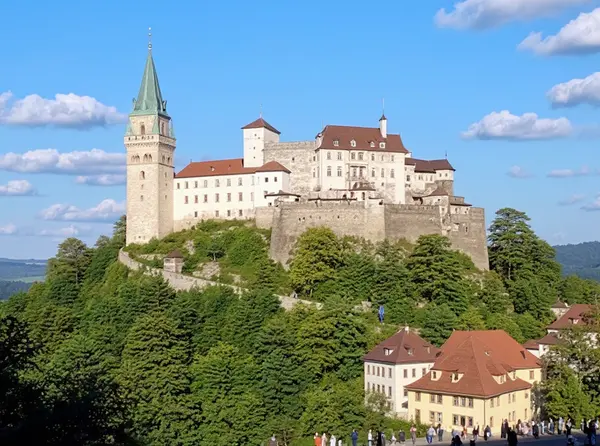
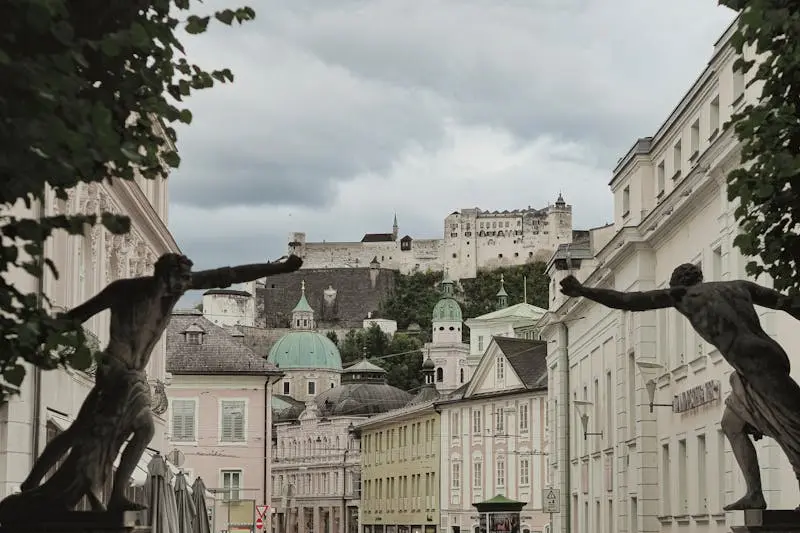
3. Hohensalzburg Fortress
Salzburg
Usytuowany nad Salzburgiem, Hohensalzburg nagradza odwiedzających szerokimi widokami na miasto i Alpy. Zwiedzaj średniowieczne pokoje, zbrojownię i panoramiczne mury obronne.
Szybkie fakty: Usytuowana około 500 metrów nad miastem twierdza dominuje nad panoramą i oferuje rozległe widoki na dachy i alpy. Krótka kolejka linowa lub strome, 20-minutowe podejście pozwalają dostać się na wzgórze, gdzie grube kamienne mury i oryginalne działa przywołują przeszłość.
Najważniejsze atrakcje: Wsiądź do kolejki linowej, zainstalowanej w 1892 roku, na skrzypiący, pocztówkowy wjazd, gdy dolina rozwija się pod tobą. Zajrzyj do prywatnych komnat księcia-arcypasterza, gdzie stół bankietowy mieści dokładnie dwunastu gości, i wyobraź sobie powietrze wypełnione światłem świec oraz zapachem pieczonego mięsa i dymu fajek.
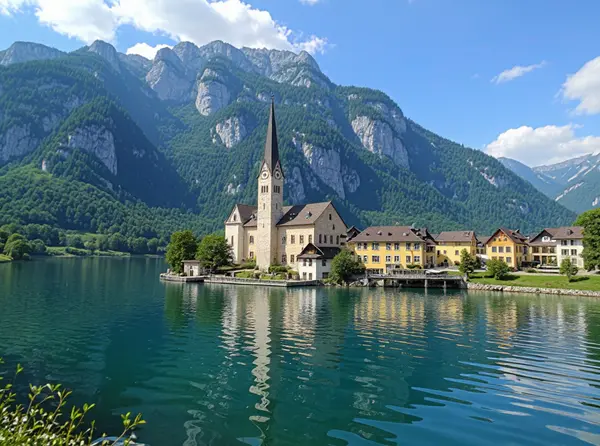
4. Hallstatt
Hallstatt
Bajkowa wioska nad jeziorem z alpejskim urokiem i starożytną historią soli. Przemierzaj wąskie uliczki, weź kolejkę linową do kopalni soli i rób zdjęcia z odbiciem w lustrze wody.
Szybkie fakty: Mgła unosi się znad jeziora o świcie, zamieniając strome, malowane dachy i samotną wieżę kościelną w lustra, które przyciągają fotografów każdą złotą godzinę. Pracująca pod stokami kopalnia soli przyniosła niespodziewane lokalne bogactwo, a wciąż można wsiąść do górniczej saneczki i pędzić przez stare drewniane tunele.
Najważniejsze atrakcje: Wejdź do małego kostnicy i spotkasz około 600 malowanych czaszek, wiele opatrzonych imionami i datami śmierci z XVIII i XIX wieku, z których każda ozdobiona jest kwiatami lub krótkimi epitafiami. Lokalni mieszkańcy rutynowo otwierali groby po około dziesięciu latach, aby zwolnić miejsce, więc przodkowie byli zachowywani za pomocą ręcznie malowanych czaszek zamiast stałych znaków, co sprawia, że bezpośrednie spojrzenie jest niezwykle intymne i szczegółowe.
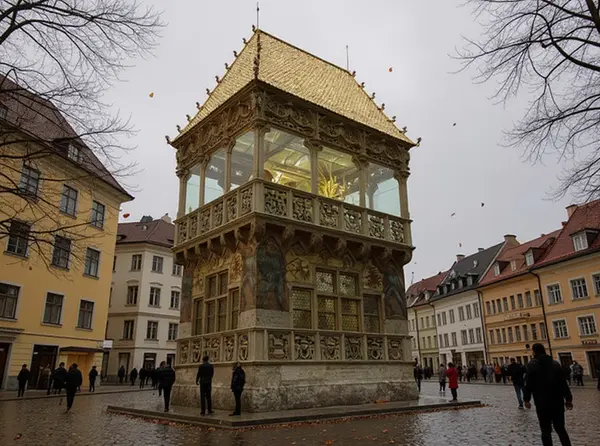
5. Golden Roof
Innsbruck
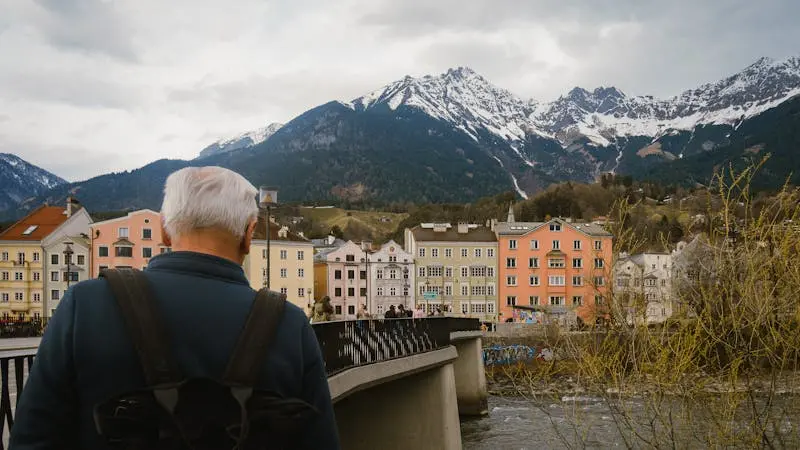
Późnośredniowieczny balkon z ponad 2600 pozłacanymi miedzianymi płytkami, symbol cesarskiego Innsbrucku. Podziwiaj bogato malowane fasady, szybkie wystawy muzealne i klasyczne widoki Starego Miasta do zdjęć.
Szybkie fakty: Rozłożysty balkon lśni 2657 pozłacanymi miedzianymi dachówkami, które łapią światło słoneczne i przyciągają wzrok mieszkańców miasta. Miejscowi opowiadacze wskazują wyryte herby i malowidła przedstawiające życie dworskie, ceremonie i cesarską symbolikę.
Najważniejsze atrakcje: Cesarz Maksymilian I używał ozdobnego balkonu jako królewskiej loży do oglądania turniejów i procesji, gdzie pozłacane dachówki rzucały ciepłe, złote światło na zgromadzony tłum. Z bliska metalowe dachówki ukazują drobne ślady po młotkach i pozłocenia, które błyszczą jak łuski, efekt wywołany dokładnie 2657 ogniowo pozłacanymi miedzianymi dachówkami.
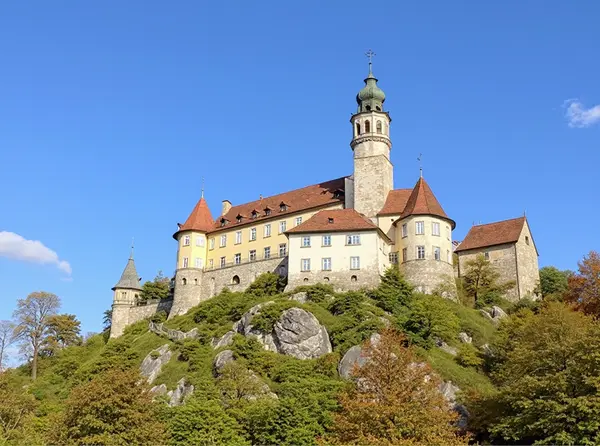
6. Schlossberg
Graz
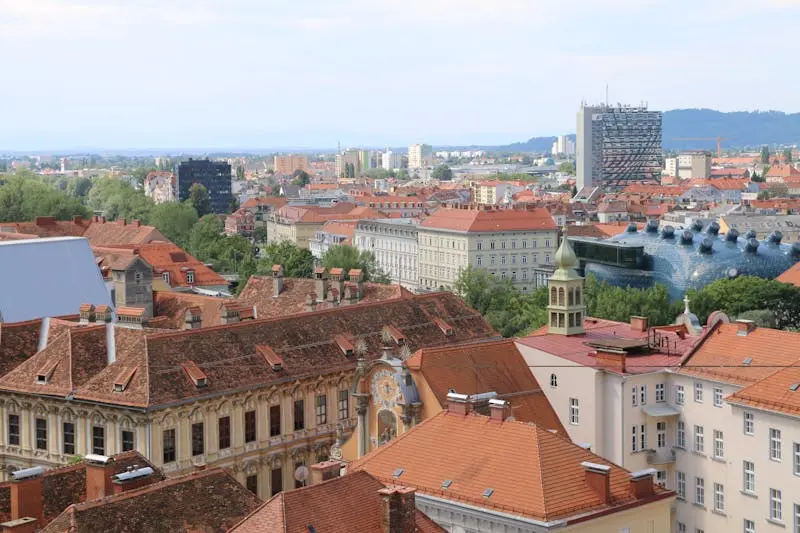
Panoramiczne widoki z wzgórza na Graz z charakterystyczną wieżą zegarową. Spaceruj lub skorzystaj z windy w tunelu, ciesz się zacienionymi ścieżkami, kawiarniami i miejscami do zdjęć o zachodzie słońca.
Szybkie fakty: Sieć rzeźbionych schodów, tuneli i szklana winda prowadzą na skaliste wzgórze, dając wybór między zadyszaną wspinaczką a bezwysiłkową przejażdżką. Panoramiczne punkty widokowe obejmują dachy pokryte czerwoną dachówką i zakola rzeki, dzięki czemu wschody i zachody słońca zamieniają widok w żyjący obraz.
Najważniejsze atrakcje: Na starym zegarze czeka wizualna niespodzianka: duża wskazówka pokazuje godziny, a mniejsza minuty, odwrócenie które bawi i zaskakuje nowych odwiedzających. Wejdź na drewnianą galerię i usłysz wiatr uderzający w kamień, skrzypienie podłogi oraz odległy stukot tramwajów, a ta warstwowa atmosfera sprawia, że szczyt wydaje się żywym punktem obserwacyjnym.
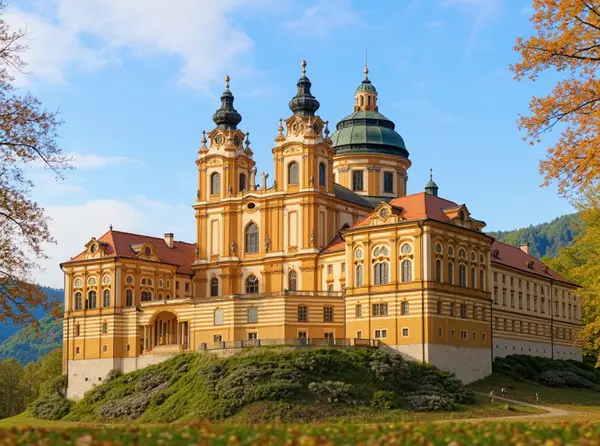
7. Melk Abbey
Melk
Usytuowane nad Dunajem z rokokowym przepychem, Opactwo Melk wieńczy dolinę Wachau. Zwiedzaj pozłacane sale, ozdobną bibliotekę i rozległe widoki na rzekę.
Szybkie fakty: Usytuowane na skalnym występie nad rzeką, pozłacane wieże i cebulaste kopuły łapią światło na wiele kilometrów wkoło, tworząc niezapomniany zarys. W środku ozdobna barokowa sala ceremonialna i stara biblioteka pełna iluminowanych manuskryptów oferują teatralny kontrast do rozciągających się poniżej winnic.
Najważniejsze atrakcje: Słońce przelewa się przez wysokie okna na freski Johanna Michaela Rottmayra, a malowane anioły zdają się pochylać w twoją stronę, podczas gdy muzyka organowa rozbrzmiewa w nawie. Długa, bursztynowo oświetlona biblioteka mieści około 100 000 woluminów, skórzane oprawy i delikatny zapach pergaminu tworzą intymny szmer, gdzie szept przewracanej strony jest głośny.
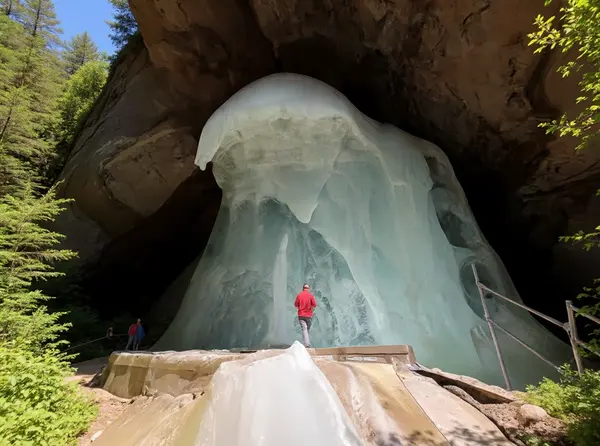
8. Eisriesenwelt Ice Caves
Werfen
Odkryj największą jaskinię lodową w Europie, dramatyczny świat rzeźbionego lodu. Wycieczki z przewodnikiem prowadzą przez błyszczące groty, lodospady i strome wycięte przejścia.
Szybkie fakty: Odkryj ponad 42 kilometry naturalnych przejść, chociaż tylko około jeden kilometr jest dostępny dla odwiedzających podczas wycieczek z przewodnikiem. W jaskiniach temperatura utrzymuje się w okolicach zera, a lodowe formacje tworzą krystaliczne korytarze, które łapią światło jak witraże.
Najważniejsze atrakcje: W jednej komnacie znajdują się wysokie lodowe formacje sięgające nawet 10 metrów, ich powierzchnie są delikatnie rzeźbione i świecą upiornym niebieskim blaskiem, gdy przewodnik kieruje na nie światło. Podczas wycieczki nagła cisza, gdy światła przygasa, zamienia krople topniejącego lodu i trzask butów w żywą ścieżkę dźwiękową, tak bliską, że można poczuć chłodne powietrze na policzkach.
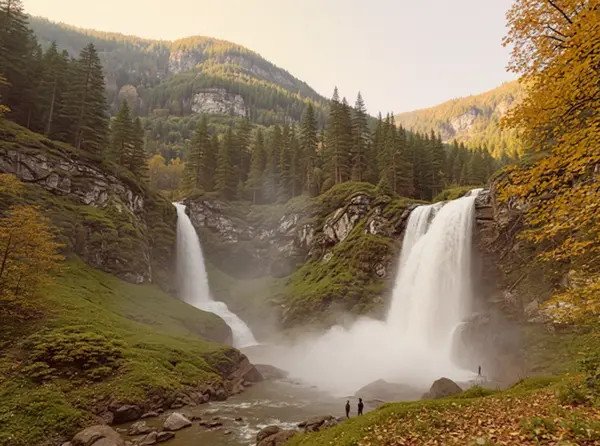
9. Krimml Waterfalls
Krimml
Najwyższy wodospad Austrii spada ponad 380 metrów przez trzy głośne poziomy. Wędruj po trasach skropionych mgłą wodną i punktach widokowych, by zrobić zapierające dech w piersiach zdjęcia.
Szybkie fakty: Wodospady spadają łącznie na 380 metrów przez trzy dramatyczne stopnie, będąc jednymi z najwyższych w Europie. Szum wody słychać z kilometrów podczas sezonowego topnienia śniegu, a przepływy sięgają dziesiątek metrów sześciennych na sekundę, rozpraszając mgiełkę przez dolinę.
Najważniejsze atrakcje: Poranne słońce przecina mgłę, malując stałe tęcze wokół spadku, a powietrze jest chłodne, mineralne i orzeźwiające. Zygzakowata ścieżka prowadzi obok trzech platform widokowych, gdzie krople rozpryskują się na kurtkę, a echo wodospadu unosi się nawet przez trzy sekundy, rytmiczny puls, na który miejscowi przewodnicy często zwracają uwagę.
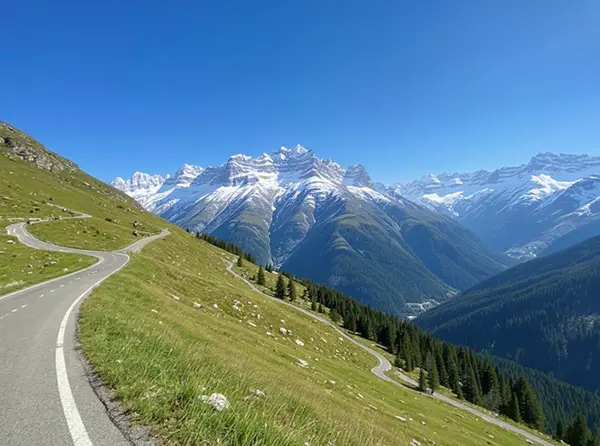
10. Grossglockner High Alpine Road
Grossglockner
Oszałamiające alpejskie panoramy sięgające najwyższego szczytu Austrii i lodowca Pasterze. Kręć się przez serpentyny, odwiedzaj punkty widokowe i wędruj krótkimi szlakami dla bliskich widoków na lodowiec.
Szybkie fakty: Droga wijąca się po alpejskich zboczach wspina się na wysokości powyżej 2 500 metrów z dramatycznymi zakrętami i panoramami lodowcowych szczytów, przypominającymi sceny filmowe. Spotkania z dziką fauną są częste, kierowcy często dostrzegają świstaki i orły przednie podczas przejazdu przez dziesiątki mostów i tuneli, świadectwa śmiałej inżynierii.
Najważniejsze atrakcje: Na najwyższym przełęczy mosiężna tabliczka oznacza 2 504 metry, gdzie porywisty wiatr niesie ostry zapach zmiażdżonego kamienia, a daleki lód błyszczy na migoczących lodowcach. Kierowcy mają dziwny zwyczaj kredą wypisywać imiona na starym drewnianym słupie kilometrowym przy górnym tunelu, na którym nadal można odczytać podpisy odręczne sięgające roku 1955.
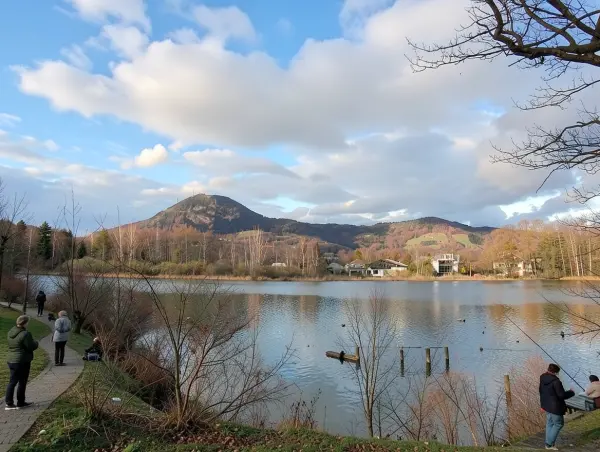
11. Wędrówka na Gaisberg
Wymień ruchliwe ulice Salzburga na rozległe widoki alpejskie w niecałą godzinę. Malownicza kolejka zabierze cię przez lasy i łąki na szczyt, skąd rozciąga się panorama obejmująca Austrię, Niemcy i Alpy.
Szybkie fakty: Wznosząca się 1287 metrów nad Salzburgiem, ta góra oferuje panoramiczne widoki na Alpy i miasto poniżej. Kolejka zębata przewozi pasażerów na szczyt od 1887 roku, co czyni ją jedną z najstarszych kolei górskich w Austrii.
Najważniejsze atrakcje: W pogodne dni ze szczytu można dostrzec 14 jezior lśniących w regionie Salzkammergut. Ze znajdującego się na szczycie punktu widokowego oferującego widok 360 stopni można policzyć ponad 100 różnych alpejskich szczytów rozciągających się przez trzy kraje.
Where to Stay in Austria
Selected by City Buddy based on guest reviews and proximity to top attractions
Search all hotels in AustriaPowered by agoda
Dni otwarcia w Austria
Które z najważniejszych atrakcji są zamknięte w poszczególne dni tygodnia. Klasyczny pogromca wycieczek, sprawdzony za Ciebie.
poniedziałek: 1 z 5 najważniejszych atrakcji zamkniętych. Zaplanuj muzea na inny dzień.
Zamknięte w poniedziałek · 1 zamkniętych, 4 otwartych
Dni otwarcia z Google Maps. Święta, strajki i godziny sezonowe mogą się różnić. Sprawdź oficjalną stronę przed wyjazdem.
Tradycyjne słodkie potrawy
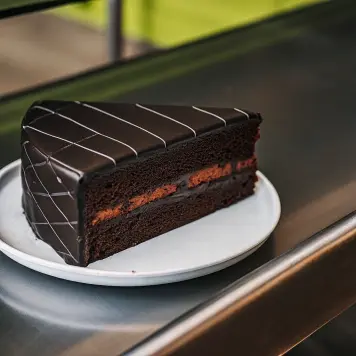
Sachertorte
Created in 1832 by Franz Sacher for Prince Metternich, this dense chocolate cake with apricot jam and a glossy chocolate icing became a symbol of Viennese patisserie and a source of bakery rivalry.

Apfelstrudel
Made with paper-thin strudel dough wrapped around tart apples, raisins, and cinnamon, it reflects the Austro-Hungarian culinary exchange and remains a staple in cafés and homes.

Kaiserschmarrn
A fluffy shredded pancake named for Emperor Franz Joseph, it is usually caramelized, torn into pieces, and served with plum compote or fruit preserves.
Tradycyjne słone potrawy
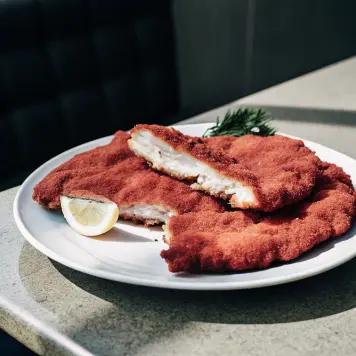
Wiener Schnitzel
A thin, breaded and pan-fried veal cutlet, Wiener Schnitzel is so emblematic that by tradition it must be made from veal, otherwise it is called Schnitzel 'Wiener Art'.
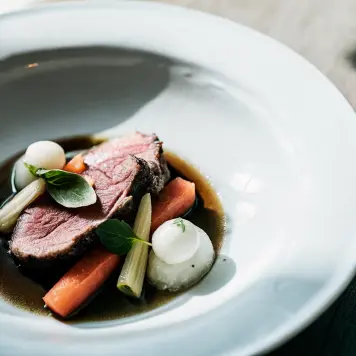
Tafelspitz
A classic Viennese boiled beef dish once favored by Emperor Franz Joseph, it is simmered with root vegetables and served with horseradish and apple-cream accompaniments.
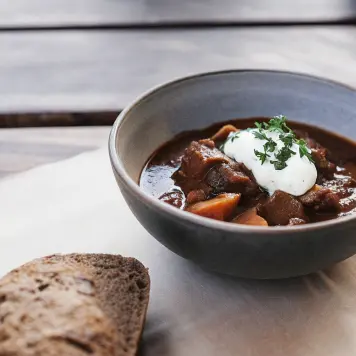
Austrian Gulasch
Adapted from Hungarian goulash, Austrian gulasch is a rich, paprika-spiced stew often thicker and served with bread or dumplings, reflecting Central European comfort food traditions.
Tradycyjne napoje

Almdudler
Invented in the 1950s, Almdudler is a sweet herbal soda made from alpine herbs, and it has become a national soft drink often enjoyed as an alternative to beer or wine.

Wiener Melange
The Viennese Melange is a coffee-house classic similar to a cappuccino, consisting of espresso and steamed milk topped with a small foam, and it is central to Vienna's coffee culture.
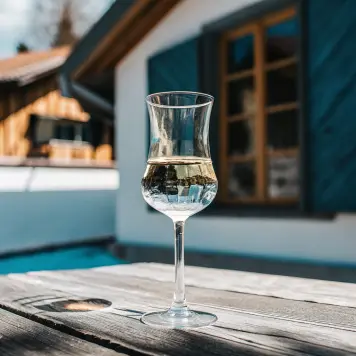
Obstler (fruit schnapps)
Obstler is a strong, clear fruit brandy distilled from apples, pears, or plums, traditionally homemade and served as a digestif after meals or during celebrations.
Co warto wiedzieć przed wyjazdem
Ile kosztuje dzień w Austria i czego unikać
Największe naciągactwa, których unikać
- Unlicensed drivers at airport. Walk to the official taxi rank outside the terminal and take a licensed vehicle with a roof sign and meter.
- Tourist menu markup. Check the menu prices before sitting down and confirm the final bill includes no surprise additions.
- Poor-rate exchange booths. Use bank ATMs for cash or pay by card. If exchanging, compare the rate on Google against the booth's displayed rate first.
Uczciwa taksówka z lotniska: 35 € - 45 €
Tańsza opcja: CAT (City Airport Train) to Wien Mitte (15 €)
Wszystkie naciągactwa, uczciwe ceny i zasadyCzęsto zadawane pytania o Austria
Jaki jest najlepszy czas na odwiedzenie Austrii?
Czy Austria jest droga dla podróżnych?
Jak wygląda transport publiczny w Austrii?
Czy woda z kranu w Austrii jest bezpieczna do picia?
Ilu turystów odwiedza Austrię rocznie?
Wyślij PDF z najpopularniejszymi atrakcjami na swój e-mail
Otrzymaj PDF ze wszystkimi atrakcjami, ocenami i wskazówkami. Idealne do użytku offline.
Najpopularniejsze wycieczki jednodniowe
Salzburg
Baroque city, Mozart birthplace, fortress and Mirabell Gardens.
Wachau Valley (Dürnstein)
Scenic Danube valley, vineyards, medieval Dürnstein village.
Hallstatt
Iconic lakeside village, salt mine, Alpine scenery.
Graz
UNESCO old town, lively squares, modern art and cuisine.
Innsbruck
Alpine capital, imperial architecture, winter sports.
Jak dojechać
Lotniska
Stacje kolejowe
Domestic and international connections to Salzburg, Graz, Budapest, Prague, Munich
Regional and international connections to Vienna, Munich
Alpine routes to Germany, Italy, Switzerland; domestic services
Use the City Airport Train or S-Bahn from Vienna Airport to city center; book long-distance trains in advance.
Wiza i wjazd
EU/EEA, United States, Canada, United Kingdom, Australia, New Zealand, Japan, South Korea, Switzerland, Norway, Israel
China, India, Russia, Nigeria, Pakistan, Bangladesh, many African countries without EU visa-free agreements
Schengen allows 90 days in any 180-day period; carry passport and travel insurance.
Przydatne informacje dla Austria
Przegląd dla Austria
Chcesz plan dzień po dniu dla Austria? Otwórz planer podróży
Kiedy jedziesz do Austria?
Wybierz daty i styl podróży, aby otrzymać:
Czy coś z tego jest dla Ciebie szczególnie ważne?
Wybierz wszystkie, które pasują
Przemieszczanie się
Jak chcesz się przemieszczać między miejscami?
Język planu: PolskiMost popular itineraries for Austria
Browse trip plans created by other travelers