 CityBuddy
 Polski
Co robić w Rio de Janeiro, Brazil
Zdjęcie wykonane przez Renata Meneses na Pexels.com
Kiedy odwiedzić
Najpopularniejsze atrakcje w Rio de Janeiro, Brazil
Wśród najważniejszych atrakcji Rio de Janeiro w Brazylii, odwiedzający mogą zwiedzić pomnik Chrystusa Odkupiciela na górze Korbabados, mierzący 30 metrów wysokości i oferujący panoramiczne widoki na miasto. Góra Sugarloaf, wznosząca się na wysokość 396 metrów, umożliwia przejażdżki kolejką linową z rozległymi widokami. Relaks na plaży Copacabana, o długości 4 kilometrów, jest ulubionym lokalnym zajęciem.
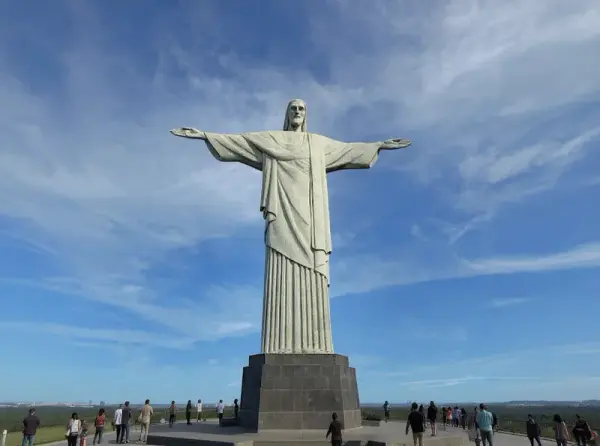
1. Christ the Redeemer (Cristo Redentor) - Corcovado
Corcovado
Wielki posąg górujący nad Rio oferuje niezrównane panoramiczne widoki na miasto i zatokę. Wjedź pociągiem zębatym lub wejdź na górę, aby stanąć pod 30-metrową postacią i uchwycić wschód słońca lub światła miasta.
Szybkie fakty: Posąg o wysokości 30 metrów i rozpiętości ramion 28 metrów pokryty jest tysiącami trójkątnych płytek ze steatytu, co nadaje jego gładkiej, bladej powierzchni subtelną teksturę widoczną nawet z podstawy. Mgła i słońce często przeplatają się na szczycie, więc zwiedzający bywają świadkami, jak sylwetka znika we mgle, by za chwilę stanąć na tle żywego błękitu nieba.
Najważniejsze atrakcje: Wznoszący się 30 metrów ponad 8-metrowym cokołem, z rozpiętością ramion 28 metrów, pomnik został odsłonięty 12 października 1931 roku, a jego konstrukcję zaprojektował Heitor da Silva Costa, podczas gdy twarz wyrzeźbił rumuński artysta Gheorghe Leonida. Ponieważ warstwa zewnętrzna jest ręcznie układana ze steatytu, konserwatorzy musieli wymieniać odpryskiwane płytki po uderzeniach piorunów i burzach, więc przy bliższym przyjrzeniu się można dostrzec subtelne zmiany koloru i wąskie szwy naprawcze w miejscach, gdzie wymieniono blade płytki.

2. Sugarloaf Mountain (Pão de Açúcar)
Pão de Açúcar
Oszałamiające panoramiczne widoki na Rio, Zatokę Guanabara i Chrystusa Odkupiciela. Wjedź zabytkową kolejką linową i obserwuj, jak miasto malują wschód lub zachód słońca.
Szybkie fakty: Ze szklanej kolejki linowej unosisz się nad szmaragdowymi zatokami i siatką miejskiej zabudowy, podczas jazdy wznoszącej się na prawie 396 metrów, by odkryć panoramy jak z pocztówek. Granitowe klify łapią złote światło o zachodzie słońca, a stromy, zaokrąglony szczyt przyciąga wspinaczy skałkowych, którzy testują klasyczne drogi, podczas gdy fotografowie gonią za zmieniającymi się kolorami.
Najważniejsze atrakcje: O wschodzie słońca nagi granitowy szczyt rozpływa się w ciepłych miodowych tonach, można poczuć słony smak powietrza i wiatr, który sprawia, że cała 396-metrowa skała mieni się jak żywa istota. Ponad stuletnia kolejka linowa, otwarta po raz pierwszy w 1912 roku i nadal jeżdżąca w dwóch etapach, przewozi tłumy, podczas gdy wspinacze zachowują dziwaczny zwyczaj nuconia cichej samby lub uderzania w mały dzwonek na szczycie po długim podejściu, tradycji, którą miejscowi cicho potwierdzają.
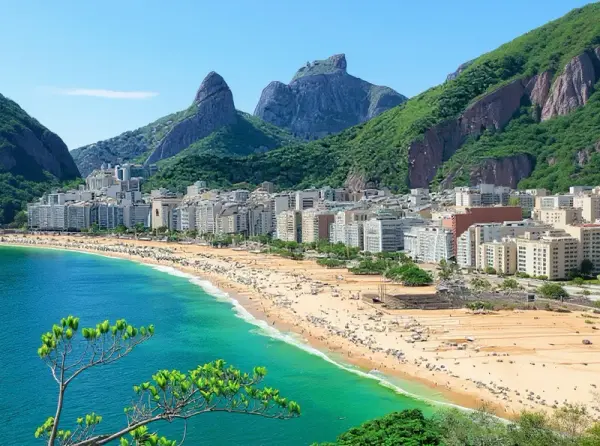
3. Copacabana Beach
Kultowa energia plaży i rozległe widoki na miasto sprawiają, że Copacabana jest niezapomniana. Czekają na Ciebie kąpiele słoneczne, jedzenie uliczne i tętniące życiem deptaki.
Szybkie fakty: Złoty piasek wygina się wzdłuż szerokiej zatoki, gdzie czarno-biała falista mozaika promenady tętni bosymi piłkarzami, sprzedawcami i rytmami samby. Wielkie pokazy fajerwerków w sylwestra i kolorowe ofiary morskie tworzą elektryzujące noce, przyciągając miliony ludzi, którzy tańczą, oglądają i składają życzenia przy wodzie.
Najważniejsze atrakcje: W sylwestra ponad 2 miliony ludzi tłoczy się na półksiężycu piasku, aby wypuścić pływające bukiety i odręcznie pisane notatki do Yemanjá, bogini morza, podczas gdy fajerwerki eksplodują nad falami, a słone powietrze wypełnia płuca. Wzdłuż brzegu ciągnie się czarno-biała falista promenada autorstwa Roberto Burle Marxa, falująca pod stopami, jej śmiałe portugalskie płyty chodnikowe wygładzone dekadami bosych tańców samby i nocnych sprzedawców oferujących gorącą kukurydzę i słodką cocadę.
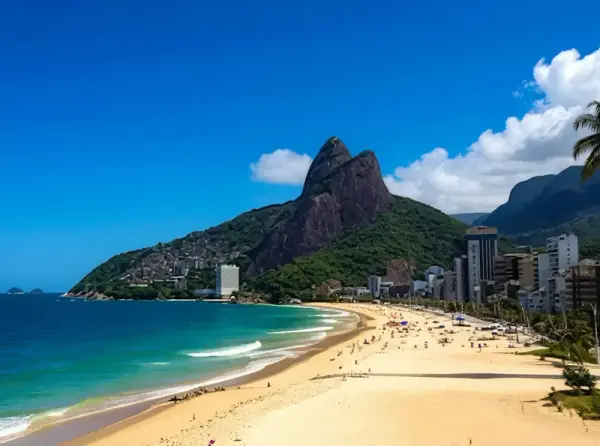
4. Ipanema Beach
Słynna na całym świecie plaża z tętniącą życiem kulturą Carioca i rozległymi widokami na góry. Spodziewaj się plażowiczów, surferów, tętniących życiem kiosków i oszałamiających zachodów słońca Arpoador.
Szybkie fakty: Złoty piasek wygina się wzdłuż tętniącej życiem linii brzegowej, gdzie miejscowi i turyści dzielą fale, surferzy kroją czyste fale, a sprzedawcy oferują schłodzoną wodę kokosową pod kolorowymi parasolami. Wieczory rozświetlają się szalonymi zachodami słońca, które prowokują spontaniczną sambę i kręgi bębniarzy, a w ruchliwe dni promenada pęcznieje od setek biegaczy, tancerzy i obserwatorów.
Najważniejsze atrakcje: Traf w idealnym momencie złotej godziny, a zobaczysz setki ludzi, od nastolatków w przyciętych dżinsach po pary o srebrnych włosach, zbierających się przy Posto 9, by klaskać i śpiewać, gdy słońce chowa się za szczytami Dois Irmãos, zmieniając niebo w roztopiony pomarańcz i magentę. Sprzedawcy zachwalają zimne kokosy i ciepłe pão de queijo, powietrze jest słone i ciepłe, przetykane bębnami samby oraz chytrymi, znajomymi akordami bossa novy Antônia Carlosa Jobima i Viníciusa de Moraesa.
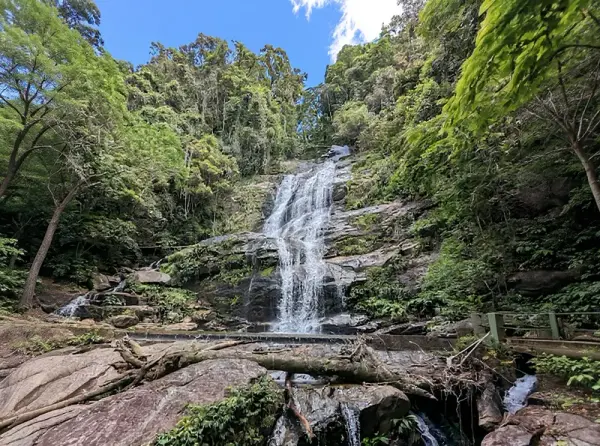
5. Tijuca National Park (Parque Nacional da Tijuca)
Parque Nacional da Tijuca
Bujny las deszczowy Atlantyku i rozległe widoki na Rio sprawiają, że Tijuca jest warta odwiedzenia. Wędrówki szlakami do wodospadów, wypatrywanie małp i fotografowanie widoków na panoramę miasta.
Szybkie fakty: Szlaki owinięte mgłą wiją się przez miejski las deszczowy, gdzie wyjce i ponad tysiąc rodzimych gatunków roślin współdzieli katedrę drzew. Wspinaj się na granitowe szczyty, by dotrzeć do rozległych punktów widokowych z panoramami miasta i morza, a następnie ochłoń pod ukrytymi wodospadami, które nagradzają wędrowców zacisznymi basenami kąpielowymi.
Najważniejsze atrakcje: W połowie XIX wieku cesarz Pedro II zarządził ponowne zalesianie terenów, które wcześniej były plantacjami kawy, a te ekipy pomogły zregenerować około 32 kilometrów kwadratowych lasu, sadząc tysiące rodzimych drzew na stromych, mglistych zboczach. Wyrusz wąską, skalistą ścieżką na granitowy punkt widokowy, gdzie powietrze pachnie mokrymi liśćmi i orchideami, i obserwuj paralotniarzy startujących ramię w ramię w termiki, które unoszą ich nad miastem w stronę oceanu.
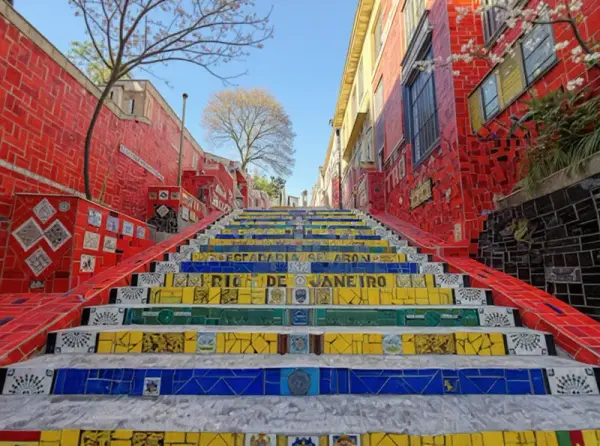
6. Selarón Steps (Escadaria Selarón) - Santa Teresa
Santa Teresa
Kultowe schody z mozaiką, które oddają kolor i kreatywnego ducha Rio. Spodziewaj się żywych sesji zdjęciowych i tętniącego życiem życia ulicznego między Lapa a Santa Teresa.
Szybkie fakty: Eksplozja ponad 2000 płytek z ponad 60 krajów pokrywa schody, nadając każdemu stopniowi patchwork kolorów, który aż prosi się o zdjęcia. Przechodnie mówią, że każda wizyta jest inna, ponieważ światło słoneczne, zużycie i nowe dodatki zmieniają nastrój, przekształcając trasę w nieustannie zmieniające się miejskie dzieło sztuki.
Najważniejsze atrakcje: Artysta Jorge Selarón ręcznie pokrył płytkami każdy z 215 stopni przez dekady, zbierając i układając ponad 2000 płytek z ponad 60 krajów, dzięki czemu można dostrzec odłamek japońskiej porcelany obok zielonej portugalskiej azulejo. Miejscowi i turyści wciąż wsuwają małe malowane płytki i odręczne notatki w szczeliny jako nieformalny rytuał, a w noce karnawału całe schody pachną grillowanym mięsem, rozbrzmiewają sambą i echo niosą się jak żywa mozaika.
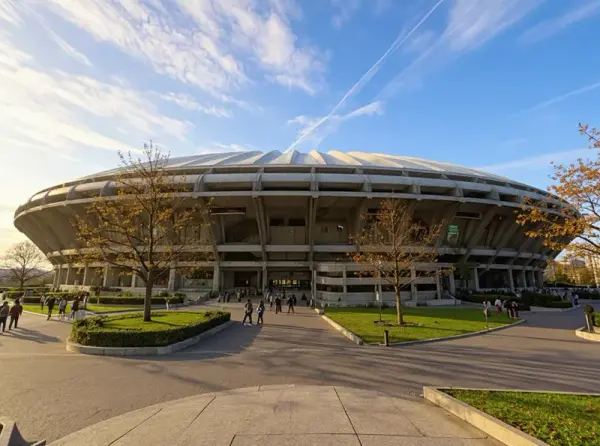
7. Maracanã Stadium (Estádio do Maracanã)
Estádio do Maracanã
Jedna z kultowych aren światowej piłki nożnej, na której grali legendy. Zwiedź trybuny, przejdź się po boisku i rzuć okiem na szatnie i panoramiczne widoki.
Szybkie fakty: Niemal 200-tysięczny tłum wypełnił kiedyś te trybuny podczas finału mistrzostw świata, a ta intensywność do dziś sprawia, że włosy stają dęba na karku. Mecze wieczorne zalewają trybuny oślepiającym kolorem i grzmiącymi przyśpiewkami, a ogromna skala zamienia każdą bramkę w sejsmiczne uderzenie, które czujesz w klatce piersiowej.
Najważniejsze atrakcje: Wierz lub nie, finał mistrzostw świata w 1950 roku zgromadził oficjalną publiczność liczącą 199 854 widzów, a po zwycięskiej bramce Urugwaju zdumiona cisza z trybun zamieniła tę porażkę w narodową legendę. Dziś 78 838 miejsc wibruje podczas wielkich wieczorów, ponad 70 000 gardeł skanduje nazwiska zawodników w zwartym, wstrząsającym sercem unisono, a powietrze wypełnia ostry zapach churrasco od sprzedawców na zewnątrz.
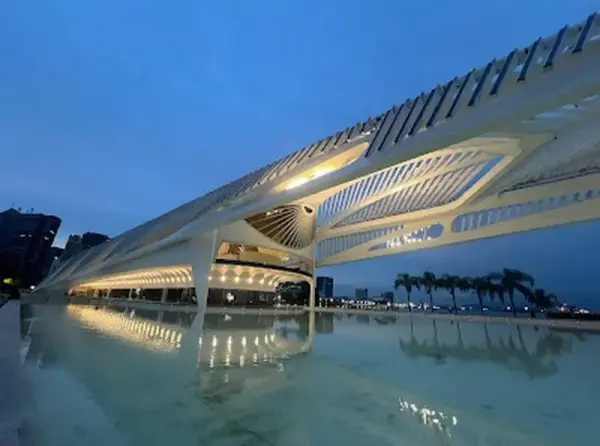
8. Museum of Tomorrow (Museu do Amanhã) - Praça Mauá
Praça Mauá
Futurystyczne nadbrzeżne muzeum o uderzającej konstrukcji Calatravy. Interaktywne wystawy o klimacie i przyszłości życia w połączeniu z oszałamiającymi widokami na Zatokę Guanabara.
Szybkie fakty: Elegancka sylwetka ze szkła i stali rozciąga się wzdłuż nabrzeża, z ruchomymi panelami słonecznymi i zacienionymi promenadami, które tworzą dramatyczną grę światła i cienia, idealną do zdjęć. W środku interaktywne wystawy łączą naukę i sztukę, dzięki czemu zwiedzający mogą manipulować symulacjami klimatu i zobaczyć, jak małe wybory przekształcają się w długoterminowe scenariusze.
Najważniejsze atrakcje: Zaprojektowany przez Santiago Calatravę i otwarty 17 grudnia 2015 roku budynek nosi żebrowany biały dach usiany przechylającymi się panelami słonecznymi, które ustawiają się pod słońce, a z esplanady można poczuć słony smak bryzy, podczas gdy czarne lustrzane oczko wodne odbija niebo jak szkło. Lokalni fotografowie i rodziny gromadzą się o złotej godzinie, by obserwować, jak żebra nabierają różowych i złotych odcieni, gdy słońce zachodzi, a rozwinęła się też kameralna tradycja, w ramach której wolontariusze rozdają małe laminowane karteczki wyjaśniające, jak woda morska jest wykorzystywana do chłodzenia galerii.
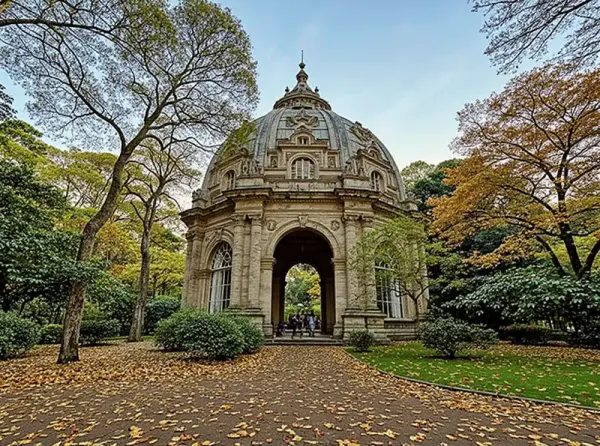
9. Rio de Janeiro Botanical Garden (Jardim Botânico)
Jardim Botânico
Stare ogrody i wysokie palmy królewskie przynoszą spokój w zgiełku Rio. Spaceruj zacienionymi alejkami, oglądaj orchidee i kolibry, i kadruj Corcovado między drzewami.
Szybkie fakty: Spacer wśród wyniosłych palm królewskich przypomina wkroczenie do żywego muzeum, gdzie około 6500 gatunków roślin ciągnie się wzdłuż zacienionych alei, a baldachim z orchidei i bromelii olśniewa oko. Ciche stawy odbijają ozdobne posągi i przyciągają czaple oraz kolorowe tangary, a trasy z przewodnikiem podkreślają rośliny lecznicze wciąż stosowane w tradycyjnych medykamentach.
Najważniejsze atrakcje: Przejdź aleją 134 palm królewskich zasadzonych w 1809 roku przez króla Jana VI, gdzie pnie wznoszą się jak kolumny katedry, a smugi światła dzielą ścieżkę na pasy złota. Za tymi palmami sieć wilgotnych, omszałych mikroklimatów gości wielowiekowe drzewa i setki gatunków orchidei oraz bromelii, tak blisko, że po nagłym deszczu można poczuć ostry zapach cytrusów i mokrej ziemi.
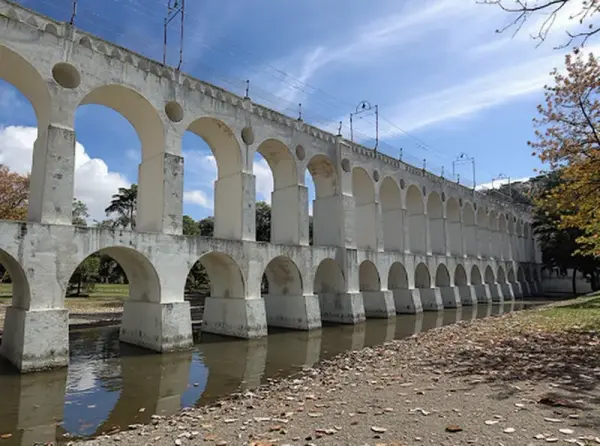
10. Lapa Arches (Arcos da Lapa)
Arcos da Lapa
Kultowy kolonialny akwedukt z rozległymi widokami na miasto i wzgórza. Spaceruj pod łukami, łap uliczne sambę i tętniące życiem życie nocne.
Szybkie fakty: Pod rzędem 42 wznoszących się kamiennych łuków powietrze pulsuje sambą, barami w neonach i delikatnym stukotem zabytkowego tramwaju nad głową. Ciekawi podróżni stają na jego ocienionych chodnikach, by uchwycić dramatyczne kąty widzenia i skosztować drinków na dachach, które odsłaniają nieoczekiwane panoramiczne widoki na miasto.
Najważniejsze atrakcje: O zmierzchu krąg tancerzy zbiera się pod 42 zwietrzałymi kamiennymi łukami, a bębny samby i tamburyny sprawiają, że powietrze ma smak grillowanego sera queijo coalho i limonki, podczas gdy sprzedawcy wykrzykują swoje oferty ponad muzyką. Skrzypiący żółty tramwaj zwany Bondinho co godzinę przetacza się przez szczyt, a jego dzwonek przecina zabawę, przypominając wszystkim, że ta osiemnastowieczna budowla niegdyś przewoziła wodę przez miasto.
Co zarezerwować z wyprzedzeniem w Rio de Janeiro
Te miejsca szybko się wyprzedają lub wymagają rezerwacji. Zarezerwuj je najpierw, w tej kolejności.
- 1.Christ the Redeemer (Cristo Redentor) - CorcovadoRezerwuj 7 dni wcześniej1-2 tygodnie wcześniej, zwłaszcza w szczycie sezonu Bilety z pominięciem kolejki
- 2.Sugarloaf Mountain (Pão de Açúcar)Rezerwuj 3 dni wcześniejKilka dni wcześniej w szczycie sezonu Bilety z pominięciem kolejki
Where to Stay in Rio de Janeiro, Brazil
Selected by City Buddy based on guest reviews and proximity to top attractions
Search all hotels in Rio de Janeiro, BrazilPowered by agoda
Dni otwarcia w Rio de Janeiro, Brazil
Które z najważniejszych atrakcji są zamknięte w poszczególne dni tygodnia. Klasyczny pogromca wycieczek, sprawdzony za Ciebie.
środa: 1 z 4 najważniejszych atrakcji zamkniętych. Zaplanuj muzea na inny dzień.
Zamknięte w środa · 1 zamkniętych, 3 otwartych
Dni otwarcia z Google Maps (sprawdzone 2026-02-19). Święta, strajki i godziny sezonowe mogą się różnić. Sprawdź oficjalną stronę przed wyjazdem.
Tradycyjne słodkie potrawy

Brigadeiro
Brigadeiro was named in the 1940s after Brigadier Eduardo Gomes, and it became a political fundraiser and later the indispensable chocolate truffle at Brazilian birthday parties.

Quindim
Quindim's glossy, golden surface comes from dozens of egg yolks mixed with coconut, creating a jewel-like custard that traces its roots to Portuguese and African influences.
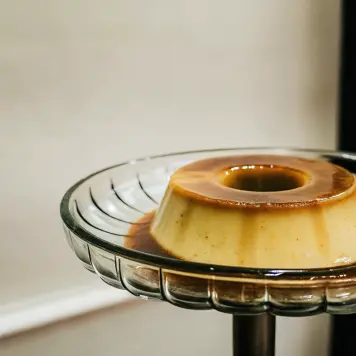
Pudim de leite
Pudim de leite is a silky caramel flan that is baked slowly in a water bath for hours, and many Brazilian families guard secret recipes passed down through generations.
Tradycyjne słone potrawy
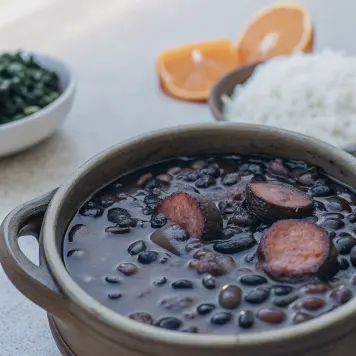
Feijoada
Feijoada, a hearty black bean stew with many pork cuts, started as a humble dish made by enslaved people using discarded meats, and today it is a festive communal meal often served with rice, collard greens and orange slices.

Coxinha
Coxinha is a crunchy fried snack shaped like a little drumstick and filled with seasoned shredded chicken, and its playful shape helped it become one of Brazil's most beloved street foods.

Pastel
Pastel, a thin fried pastry sold at lively street fairs, shows Chinese influence and is commonly paired with fresh sugarcane juice for a classic Carioca combo.
Tradycyjne napoje

Caipirinha
Caipirinha began as a rural home remedy for colds and evolved into Brazil's signature cocktail, made by muddling lime and sugar and mixing with cachaça and ice.

Cachaça
Cachaça is distilled from fresh sugarcane juice rather than molasses, giving it bright vegetal and fruity notes, and it has been produced in Brazil since the 16th century making it older than many world spirits.

Guaraná
Guaraná soda is flavored with the Amazonian guaraná berry and became a national favorite because of its fruity taste and natural stimulant from high caffeine levels.
Co warto wiedzieć przed wyjazdem
Ile kosztuje dzień w Rio de Janeiro i czego unikać
Koszt na osobę dziennie
Największe naciągactwa, których unikać
- Beach and crowd theft. Leave passports and valuables at your hotel. Take only cash and an inexpensive phone to the beach, and keep items in front of you.
- Distraction and pickpocket teams. Keep bags zipped and in front of your body. Ignore people who crowd you and step away if someone tries to distract you.
- Unlicensed airport drivers. Walk past unsolicited offers and use only the official taxi rank at the terminal exit. Uber and 99 through their apps are also reliable.
Uczciwa taksówka z lotniska: 130 R$ - 180 R$ (23 € - 32 €)
Tańsza opcja: Executive coach (Alvorada/Real Auto Ônibus) to central bus station, then metro or local bus (22 R$)
Wszystkie naciągactwa, uczciwe ceny i zasadyCzęsto zadawane pytania o Rio de Janeiro, Brazil
Jakie są najlepsze miesiące na wizytę w Rio de Janeiro w Brazylii?
Czy Rio de Janeiro w Brazylii jest drogie dla podróżnych?
Ilu turystów rocznie odwiedza Rio de Janeiro w Brazylii?
Jak poruszać się po Rio de Janeiro w Brazylii?
Czy Rio de Janeiro w Brazylii jest bezpieczne dla turystów?
Wyślij PDF z najpopularniejszymi atrakcjami na swój e-mail
Otrzymaj PDF ze wszystkimi atrakcjami, ocenami i wskazówkami. Idealne do użytku offline.
Najpopularniejsze wycieczki jednodniowe
Petrópolis
Historic mountain town; imperial museums and cooler weather.
Ilha Grande
Car-free island with hiking, clear waters and secluded beaches.
Teresópolis
Mountain town in Serra dos Órgãos; hiking and milder climate.
Jak dojechać
Stacje kolejowe
SuperVia commuter rail to suburbs; connections to metro
From GIG use BRT or taxi; from SDU use VLT/metro or taxi; Central do Brasil links to the metro.
Przydatne informacje dla Rio de Janeiro, Brazil
Przegląd dla Rio de Janeiro, Brazil
Chcesz plan dzień po dniu dla Rio de Janeiro, Brazil? Otwórz planer podróży
Kiedy jedziesz do Rio de Janeiro, Brazil?
Wybierz daty i styl podróży, aby otrzymać:
Czy coś z tego jest dla Ciebie szczególnie ważne?
Wybierz wszystkie, które pasują
Przemieszczanie się
Jak chcesz się przemieszczać między miejscami?
Język planu: Polski