 CityBuddy
 Polski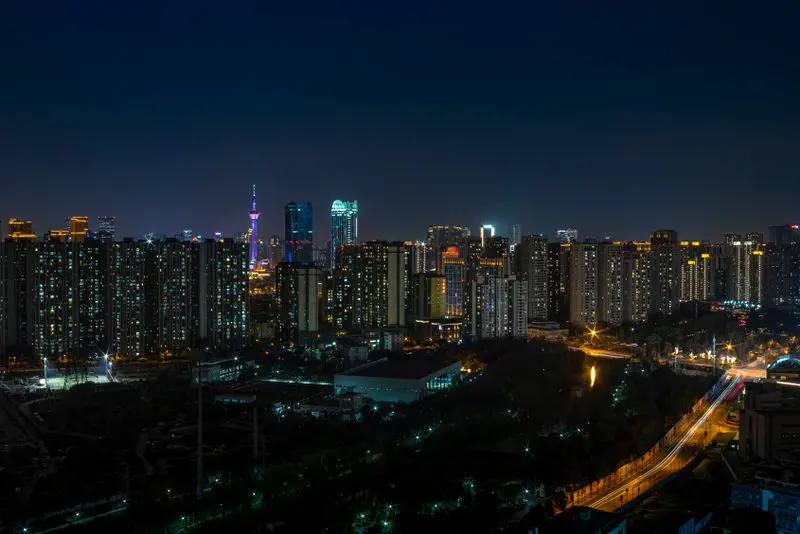
Co robić w Chengdu, China
Zdjęcie wykonane przez AG ZN na Pexels.com
Kiedy odwiedzić
Chengdu jest #3 miasto dla miłośników jedzenia na świecie na podstawie naszych danych z setek miejsc docelowych.
Najpopularniejsze atrakcje w Chengdu, China
Jeśli chodzi o polecane atrakcje turystyczne Chengdu, najbardziej przyciągającym jest Chengdu Research Base of Giant Panda Breeding, gdzie żyje ponad 80 pand wielkich, a najbardziej ruchliwa jest tam pora porannego karmienia. Następnie warto przespacerować się po Kuanzhai Alley (Wide and Narrow Alley), starożytnej ulicy z czasów dynastii Qing, złożonej z szerokiej, wąskiej i studziennej uliczki, która zachowała atmosferę życia na dziedzińcach dawnego Chengdu. Wuhou Shrine upamiętnia natomiast słynnego kanclerza z okresu Trzech Królestw, Zhuge Lianga, a w jego wnętrzu rosną wysokie, wiekowe cyprysy, co nadaje miejscu historycznego charakteru. Te trzy atrakcje obejmują najważniejsze doświadczenia kulturalne i przyrodnicze Chengdu.
1. Chengdu Research Base of Giant Panda Breeding
Najlepsze doświadczenie, by z bliska podziwiać narodowy skarb: widok okrąglutkich pand chrupiących bambus leczy zmęczenie całego dnia. Spacerując ścieżkami w bambusowym gaju, od rozkosznych młodych po spokojnie jedzące dorosłe pandy, każda chwila zasługuje na uwiecznienie.
Szybkie fakty: Każdego dnia żyje tu ponad 100 pand wielkich, od nowo narodzonych różowych młodych po dorosłe pandy. Jest to także największa na świecie instytucja badawcza zajmująca się hodowlą pand wielkich, w której do tej pory z powodzeniem odchowano ponad 300 pand wielkich.
Najważniejsze atrakcje: Każdy wczesny poranek to tu najbardziej magiczny moment. Kilkumiesięczne młode pandy wydają w inkubatorach piski podobne do szczenięcych, a opiekunowie przeprowadzają zbiorowy rytuał karmienia mlekiem w "pandzim przedszkolu". Widok kilkunastu puchatych pandek ustawionych w rzędzie pijących mleko to szczęście, od którego po prostu miękną kolana.
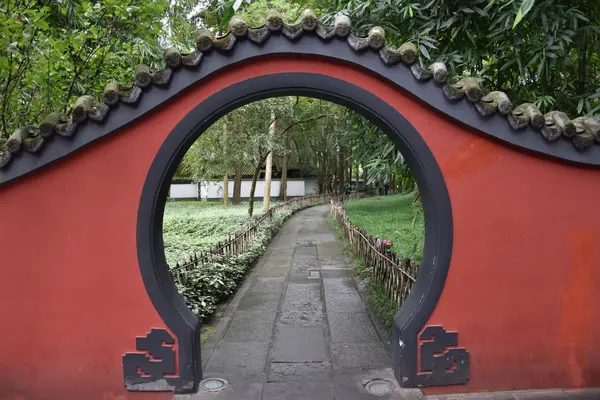
2. Wuhou Shrine
Wejdź do legendarnego świata bohaterów Trzech Królestw i poczuj moc ducha Zhuge Lianga, który służył do ostatniego tchnienia. Przejdź między czerwonymi murami i starymi cyprysami i wśród kłębów kadzidlanego dymu porozmawiaj z tysiącletnią historią.
Szybkie fakty: W obrębie świątyni zajmującej 37 000 metrów kwadratowych znajduje się "Stela Trzech Doskonałości", której tekst napisał kanclerz dynastii Tang, Pei Du, a kaligrafię wykonał Liu Gongchuo. Ponad 2000 starych cyprysów otacza czerwone mury i szare dachy pawilonów, a jeden z nich, według legendy, został zasadzony osobiście przez Zhuge Lianga i ma ponad 1700 lat.
Najważniejsze atrakcje: Na okapie głównego pawilonu znajduje się 47 ceramicznych figurek postaci z Trzech Królestw, każda z innym wyrazem twarzy, a podczas deszczu ich glazura nabiera zielonkawego połysku. Co bardziej niezwykłe, zapach kadzidła z kadzielnicy miesza się ze świeżym aromatem starych cyprysów, a cały dziedziniec spowija atmosfera spokoju trwająca przez tysiąclecia.
3. Du Fu Thatched Cottage
Wejdź na miejsce, gdzie ongiś, uciekając przed zawieruchą do Chengdu, mieszkał w słomianej chacie Święty Poezji. Poczuj zapach bambusa i ziemi. W dziedzińcu skrytym w bambusowym gaju wypij filiżankę herbaty gaiwan i posłuchaj, jak miejscowi recytują wiersze Du Fu po syczuańsku.
Szybkie fakty: Co roku ponad dwa miliony turystów odwiedza ten spokojny ogród upamiętniający największego poetę. Znajdujące się w nim ponad 800 par wersetów na tabliczkach i ponad 150 kamiennych stel tworzy największe w Chinach skupisko kaligrafii poświęconej Du Fu.
Najważniejsze atrakcje: W stawie z lotosami przed słomianym domkiem żyje kilkadziesiąt żółwi przywiezionych ze starej dzielnicy Chengdu. Mieszkają tu już od ponad dwudziestu lat, a miejscowi nazywają je „strażnikami największego poety". Co roku trzeciego dnia trzeciego miesiąca kalendarza księżycowego zarząd ogrodu przygotowuje cztery skarby gabinetu uczonego, aby turyści mogli przepisywać wiersze Du Fu przed słomianym domkiem. Papier i tusz są całkowicie darmowe.
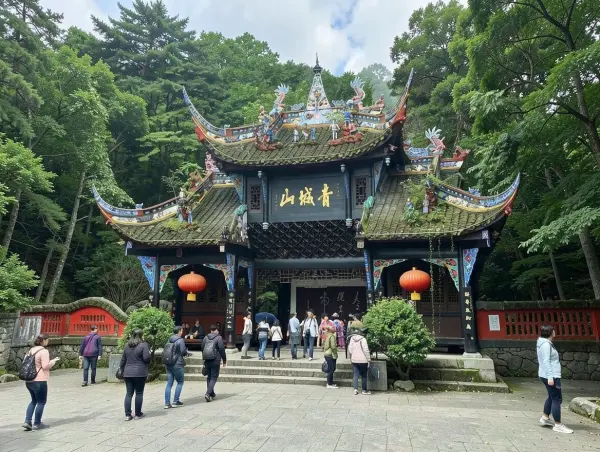
4. Mount Qingcheng
Chcesz wśród bujnych leśnych wzgórz poczuć spokojną moc taoistycznej kultury? Wspinaj się po kamiennych schodach, a poranny dzwon starożytnej świątyni, czyste źródła i śpiew ptaków, cała droga to widoki, które sprawiają, że zapominasz o miejskim zgiełku.
Szybkie fakty: Góra Qingcheng dzieli się na przednią i tylną część. Przednia część pełna jest świątyń taoistycznych i tętni życiem, tylna zaś jest bardziej dzika i spokojna. To jedno z miejsc narodzin chińskiego taoizmu. Na całej górze znajduje się 36 klasztorów taoistycznych, których początki sięgają czasów dynastii Han Wschodnich.
Najważniejsze atrakcje: W porannej mgle przed pawilonem Laojun można dostrzec białe postacie taoistycznych mnichów ćwiczących tai chi, jakby przeniesione sprzed tysiąca lat. Co więcej, w tylnym wąwozie Wulong szum strumienia miesza się z ptasim śpiewem, a po drodze można spotkać dzikie makaki górskie - to scena niczym z powieści wuxia.
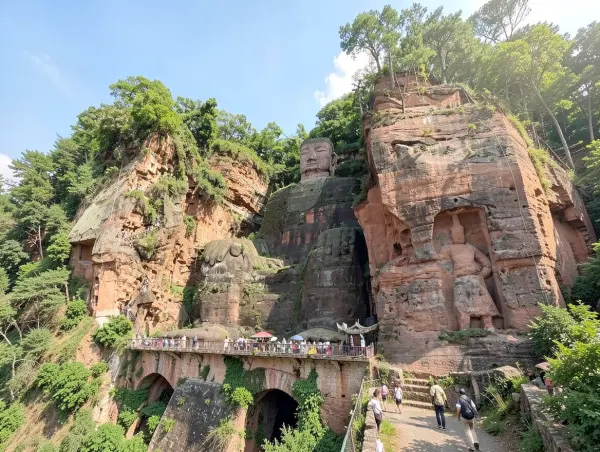
5. Leshan Giant Buddha
Na własne oczy zobacz największą na świecie skalną rzeźbę Buddy i poczuj boski kunszt rzemieślników z dynastii Tang. Krętą ścieżką na urwisku przejdź od głowy Buddy do jego stóp i u zbiegu trzech rzek wsłuchaj się w tysiącletnie echo.
Szybkie fakty: Ten 71-metrowy posąg wykuty w skale znajduje się u zbiegu trzech rzek, jest wyższy niż 20-piętrowy budynek, a same stopy mają powierzchnię dwóch boisk do koszykówki. Cały posąg powstawał przez 90 lat, a prace kontynuowały trzy pokolenia rzemieślników. Kiedyś chronił go przed wiatrem i deszczem 13-piętrowy pawilon.
Najważniejsze atrakcje: Posąg przeszedł 20-letnią renowację, podczas której rzemieślnicy odkryli na jego głowie ponad tysiąc oryginalnych cegieł z czasów dynastii Tang. Co jeszcze bardziej zdumiewające, w uszach i włosach posągu ukryty jest sprytny system odwadniający, zaprojektowany przez rzemieślników z dynastii Tang, dzięki któremu ten kolos przetrwał tysiące lat w nienaruszonym stanie.
6. Sanxingdui Museum
Wejdź do tajemniczego królestwa, którego nigdy nie opisano w kronikach, i na własne oczy zobacz cywilizację brązu sprzed 3000 lat, która przechodzi wszelkie wyobrażenie. Trzymetrowe święte drzewo z brązu, maski o wystających gałkach ocznych, każdy zabytek wywraca twoje wyobrażenie o cywilizacji chińskiej.
Szybkie fakty: Ponad tysiąc brązowych masek, Święte Drzewo i kości słoniowej odkopano w 1986 roku w dwóch jamach ofiarnych. Każdy przedmiot ma niezwykły kształt, zupełnie niepodobny do brązów z centralnych Chin. Archeolodzy do dziś nie znaleźli żadnych inskrypcji. Do jakiego starożytnego państwa należały te zabytki i dlaczego zostały pogrzebane - to wciąż nierozwiązana zagadka.
Najważniejsze atrakcje: Brązowe Święte Drzewo ma 3,96 metra wysokości i dzieli się na trzy poziomy konarów. Na każdym poziomie siedzi dziewięć świętych ptaków, a na szczycie stoi magiczne zwierzę. Całe drzewo sięga od podłogi aż po sufit sali wystawowej. Najbardziej zadziwiające są maski z wytrzeszczonymi oczami - gałki oczne wystają na aż 16 centymetrów, wyglądają niczym postacie z kosmosu. Każdy, kto stanie przed nimi, mimowolnie wstrzymuje oddech.
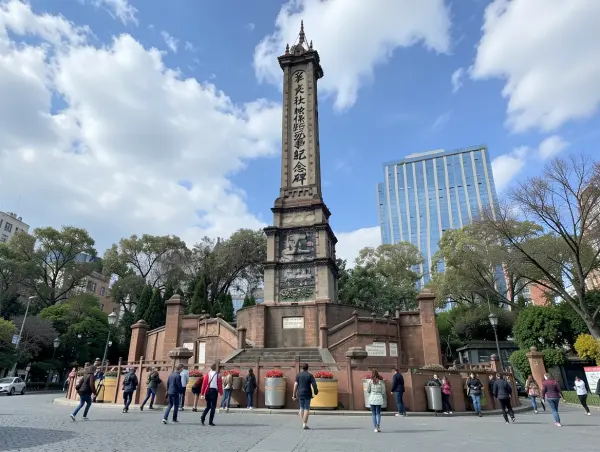
7. People's Park
Chcesz w sekundę wskoczyć w powolne życie dawnego Chengdu? Przyjdź tu, pij herbatę, czyść uszy i patrz, jak przechodnie gdzieś odpływają myślami, a pół dnia minie w mgnieniu oka.
Szybkie fakty: Ta oaza w centrum miasta zajmuje powierzchnię ponad 70 mu i każdego dnia przyciąga dziesiątki tysięcy mieszkańców, którzy przychodzą tu napić się herbaty, potańczyć i pograć w mahjonga. Stuletni gaj miłorzębów w parku każdej jesieni złoci się na żółto i jest dla mieszkańców Chengdu najbardziej przyziemnym i ukochanym miejscem wypoczynku.
Najważniejsze atrakcje: Położona w głębi parku herbaciarnia Heming działa nieprzerwanie od 1923 roku. Bambusowe krzesła, miedziane czajniki i herbata w filiżankach z pokrywkami, a wszystko za kilkanaście juanów. Można tu siedzieć cały dzień i nikt nie wyrzuci gościa. W każdą niedzielę rano równolegle odbywają się kącik konwersacyjny po angielsku i kącik randkowy dla singli. Widok siwowłosych panów rozmawiających płynną angielszczyzną z zagranicznymi studentami można zobaczyć w całych Chinach chyba tylko tutaj.
Where to Stay in Chengdu, China
Selected by City Buddy based on guest reviews and proximity to top attractions
Search all hotels in Chengdu, ChinaPowered by agoda
Tradycyjne słodkie potrawy

Dandan Mian (Dan Dan Noodles)
Despite being a noodle dish, Dandan Mian is often served as a sweet and savory street food. Its name comes from the bamboo pole (dan dan) that street vendors used to carry the noodles and sauce on their shoulders.

Three Balls (San Da Pao)
San Da Pao, or Three Big Bangs, is a Chengdu dessert made from glutinous rice that makes three loud sounds when prepared. The pounding and shaking of the rice cakes create a theatrical performance as the vendor calls out each bang.
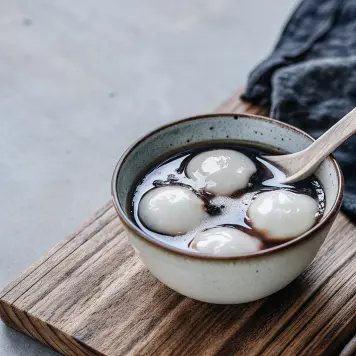
Sweet Rice Balls (Tangyuan)
Tangyuan are glutinous rice balls filled with black sesame paste or sweet bean paste, often served in a warm ginger syrup. In Chengdu, these are especially popular during the Lantern Festival as their round shape symbolizes family togetherness.
Tradycyjne słone potrawy
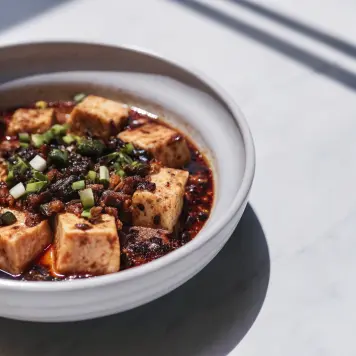
Mapo Tofu
This iconic Chengdu dish features soft tofu in a fiery sauce of doubanjiang (fermented bean paste) and Sichuan peppercorns. It is named after an elderly pockmarked woman (ma po) who supposedly invented the recipe in a small Chengdu eatery.
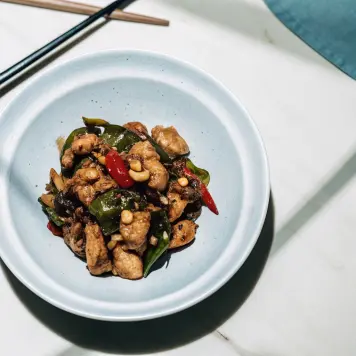
Kung Pao Chicken (Gong Bao Ji Ding)
This dish originated in Chengdu and is named after Ding Baozhen, a Qing Dynasty governor whose title was "Gong Bao" (Palace Guardian). The original recipe uses only chicken, peanuts, and chili peppers without the vegetables often added in Western adaptations.
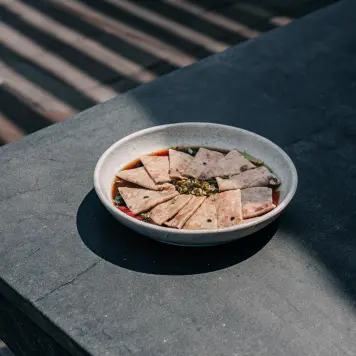
Fuqi Feipian (Husband and Wife Lung Slices)
Despite its literal name meaning "husband and wife lung slices," this dish actually contains no lung tissue but rather thinly sliced beef and offal. It was created by a married couple who sold the spicy, numbing cold beef dish from a pushcart in Chengdu.
Tradycyjne napoje

Sichuan Buckwheat Tea (Ku Qiao Cha)
Ku Qiao Cha is a nutty, slightly bitter tea made from roasted tartary buckwheat grown in the highlands of Sichuan. It is caffeine free and believed to help with digestion, especially after eating Chengdu's famously spicy food.

Suan Mei Tang (Sour Plum Drink)
This tangy, sweet beverage is made from smoked plums, rock sugar, and licorice root, and is a cherished Chengdu summer drink. It is said to have been invented during the Song Dynasty to cool down emperors in the heat.
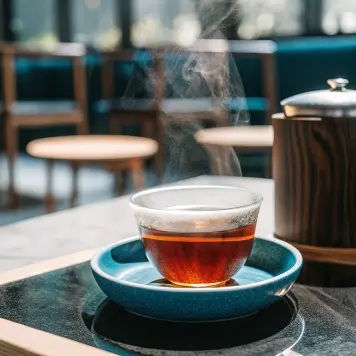
Gaiwan Tea (Covered Bowl Tea)
The gaiwan, a lidded bowl used for brewing and drinking tea, is inseparable from Chengdu's teahouse culture where locals spend hours sipping, socializing, and playing mahjong. Chengdu has the most teahouses of any city in China, with thousands dotting its streets and parks.
Często zadawane pytania o Chengdu, China
Czy Chengdu jest bezpieczne dla turystów?
Ile dni warto spędzić na zwiedzaniu Chengdu?
Kiedy jest najlepszy czas na wizytę w Chengdu?
Czy wydatki na turystykę w Chengdu są wysokie?
Jak poruszać się po centrum Chengdu?
Wyślij PDF z najpopularniejszymi atrakcjami na swój e-mail
Otrzymaj PDF ze wszystkimi atrakcjami, ocenami i wskazówkami. Idealne do użytku offline.
Najpopularniejsze wycieczki jednodniowe
Leshan Giant Buddha
Home to the world's largest stone Buddha statue carved into a cliff face.
Mount Qingcheng
Ancient Taoist mountain with lush greenery and serene temples.
Dujiangyan Irrigation System
Ancient irrigation system still in use, a UNESCO World Heritage site.
Panda Base (Bifengxia)
Giant panda breeding and research center in a lush valley setting.
Mount Emei
Sacred Buddhist mountain with stunning sunrise views and monasteries.
Jak dojechać
Lotniska
Stacje kolejowe
High-speed rail to Xi'an, Chongqing, Guangzhou, Shanghai, Beijing
High-speed rail to Leshan, Mount Emei, Kunming
High-speed rail to Dujiangyan, Qingchengshan
From Shuangliu Airport (CTU), take Metro Line 10 to city center in 30 minutes. Tianfu Airport (TFU) is farther; use the Airport Express Bus or Metro Line 18.
Przydatne informacje dla Chengdu, China
Przegląd dla Chengdu, China
Chcesz plan dzień po dniu dla Chengdu, China? Otwórz planer podróży
Kiedy jedziesz do Chengdu, China?
Wybierz daty i styl podróży, aby otrzymać:
Czy coś z tego jest dla Ciebie szczególnie ważne?
Wybierz wszystkie, które pasują
Przemieszczanie się
Jak chcesz się przemieszczać między miejscami?
Język planu: Polski