 CityBuddy
 Polski
Co robić w Lhasa, China
Zdjęcie wykonane przez Alexas Fotos na Pexels.com
Kiedy odwiedzić
Kiedy jedziesz do Lhasa, China?
Wybierz daty i styl podróży, aby otrzymać:
Czy coś z tego jest dla Ciebie szczególnie ważne?
Wybierz wszystkie, które pasują
Plan language: PolskiNajpopularniejsze atrakcje w Lhasa, China
Najważniejsze atrakcje do zobaczenia w Lhasie w Chinach to zwiedzanie Pałacu Potala, ogromnej fortecy wznoszącej się na 13 pięter z ponad 1000 pokojami. Spacer po ulicy Barkhor to trasa o długości 1 kilometra wokół świątyni Jokhang, duchowego serca miasta, gdzie można odkryć tętniące życiem targi oraz starożytne modlitewne koła.
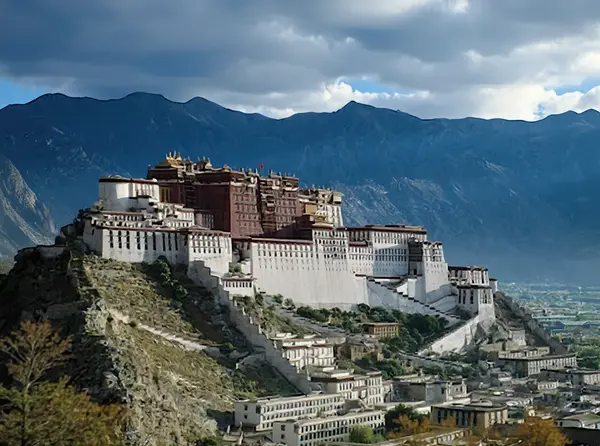
1. Potala Palace
Doświadcz legendarnej tybetańskiej twierdzy pełnej sztuki i historii. Przemierzaj starożytne sale i chłon duchowe malowidła oraz misternie wykonane rzeźby z masła.
Szybkie fakty: Pałac wznosi się na 117 metrów ponad dolinę Lhasy i składa się z ponad 1 000 pomieszczeń, w tym kaplic, sanktuariów i bibliotek. Odwiedzający mogą eksplorować jego rozległą kolekcję starożytnych pism, fresków i tybetańskich artefaktów, które opowiadają o wiekach historii.
Najważniejsze atrakcje: Odkryj Czerwony Pałac w centrum, gdzie święte sale lśnią złotem, a freski przedstawiają nauki buddyzmu tybetańskiego. Unikalne, sakralne rzeźby z masła, wycinane pieczołowicie z kolorowego masła jaka, zdobią świątynie podczas specjalnych festiwali.
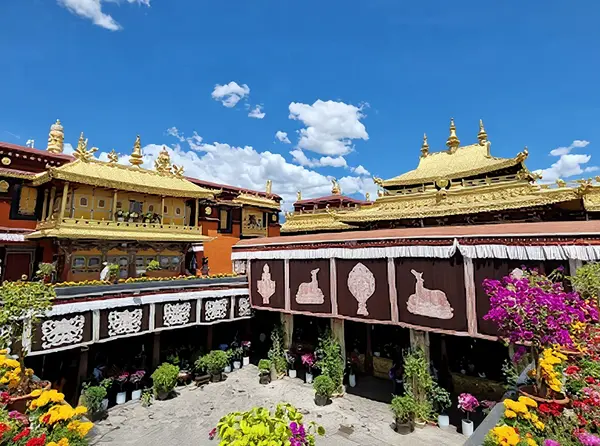
2. Jokhang Temple
Odkryj żywą historię poprzez starożytne rytuały buddyjskie i złożone dzieła sztuki. Doświadcz oddania i barwnej kultury tybetańskiej duchowości z bliska.
Szybkie fakty: Ponad 1000 lat temu powstała ta świątynia, w której czczony jest posąg Jowo Rinpoche, uważany za błogosławiony przez samego Buddę. Pielgrzymi często kłaniają się nawet do 300 razy na ścieżce świątyni podczas świętych wizyt.
Najważniejsze atrakcje: Złoty dach jasno błyszczy w słońcu, ukrywając trzy główne sale wypełnione buddyjską sztuką i pismami. Unikalna tradycja pozwala odwiedzającym obserwować pielgrzymów wykonujących obchód zgodny z ruchem wskazówek zegara, kręcących modlitewne koła i składających jedwabne szaliki na każdym zakręcie.
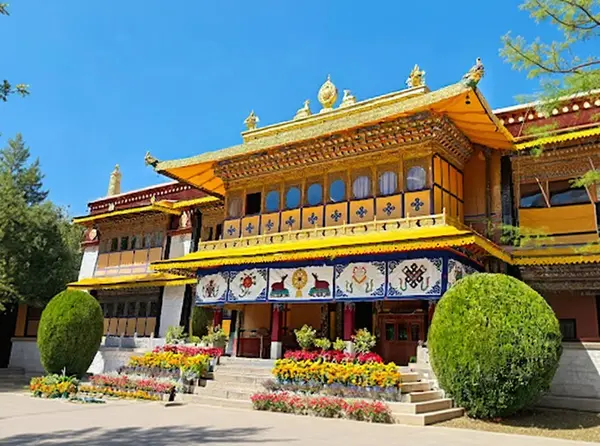
3. Norbulingka
Wejdź do spokojnej oazy, gdzie historia i natura przeplatają się ze sobą. Przeżyj ciszę w ogrodach i podziwiaj ozdobną tybetańską sztukę pod spokojnym niebem Lhasy.
Szybkie fakty: Ciesz się rozległymi ogrodami zajmującymi ponad 36 hektarów, otoczonymi tradycyjnymi tybetańskimi pałacami i pawilonami. Kiedyś służyły jako letnia rezydencja Dalajlamów i goszczą coroczne religijne festiwale z żywymi procesjami rytualnymi.
Najważniejsze atrakcje: Wyróżnia się tutaj misternie wykonane rzeźby w drewnie i ręcznie malowane freski, które żywo ukazują tybetańskie rzemiosło. Można spacerować po spokojnych zaroślach i kwiatowych tarasach, zauważając wiekowe chorteny i modlitewne flagi powiewające w górskim wietrze.
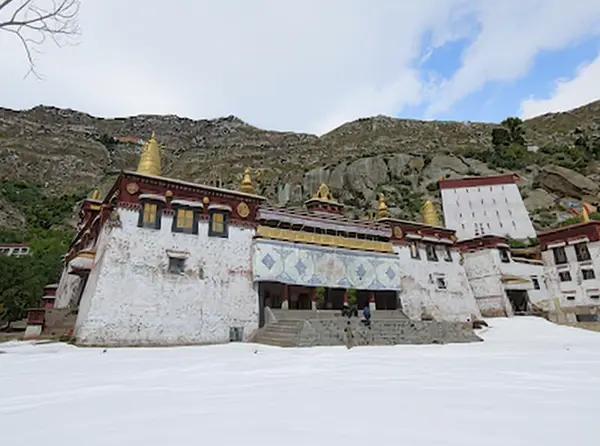
4. Sera Monastery
Doświadcz intensywnego przypływu kultury dzięki żywym debatom mnichów i oszałamiającej sztuce buddyjskiej. Zanurz się głęboko w starożytnych tybetańskich tradycjach i poczuj energię drgającą na dziedzińcu.
Szybkie fakty: Ponad 400 mnichów studiuje i mieszka tutaj, angażując się w żywe filozoficzne debaty, które rozbrzmiewają na dziedzińcu. Klasztor zawiera imponującą kolekcję ponad 100 000 starożytnych pism i fresków, które ukazują żywą historię buddyzmu tybetańskiego.
Najważniejsze atrakcje: Obserwuj słynne "sesje debat", podczas których mnisi tupią nogami i używają dramatycznych gestów, by doskonalić swoje rozumienie, tworząc energetyczną atmosferę jak żadna inna. Centralna sala zgromadzeń mieści ogromny posąg Je Tsongkhapy, duchowego przywódcy, który ma prawie 15 metrów wysokości i budzi respekt wśród wszystkich odwiedzających.
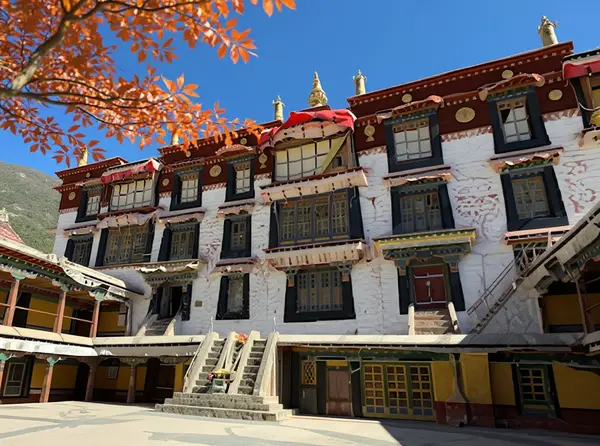
5. Drepung Monastery
Wejdź do świata spokojnej duchowości i filozofii. Doświadcz żywych debat mnichów i spójrz na majestatyczną świętą sztukę.
Szybkie fakty: Jednego dnia w murach tego klasztoru praktykuje buddyzm tybetański ponad 1500 mnichów. Klasztor zajmuje rozległy teren o powierzchni 35 hektarów i był niegdyś największym klasztorem na świecie pod względem liczby ludności.
Najważniejsze atrakcje: Intrygująca tradycja pozwala odwiedzającym obserwować codzienne sesje debat mnichów, gdzie filozofia ściera się w żywych, rytmicznych wymianach zdań. Złota Sala klasztoru mieści jeden z największych posągów Buddy w Tybecie, olśniewający i mający 15 metrów wysokości.
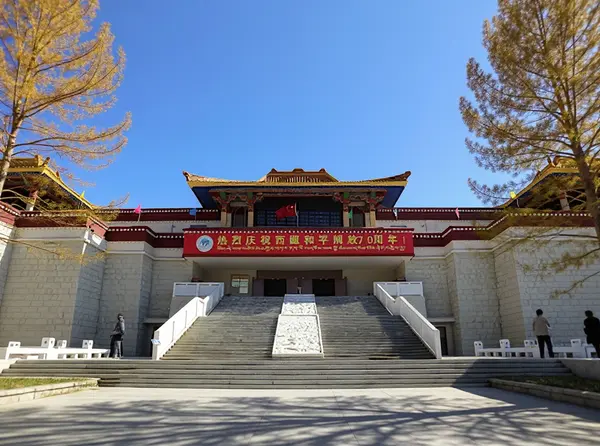
6. Tibet Museum
Odkryj ponad 10 000 artefaktów ukazujących bogatą kulturę i historię Tybetu. Zobacz tradycyjne tybetańskie domy i starożytne manuskrypty z bliska.
Szybkie fakty: Muzeum posiada ponad 10 000 artefaktów prezentujących historię kulturową, religijną i naturalną Tybetu. Przyciąga około 450 000 odwiedzających rocznie, oferując głębokie spojrzenie na dziedzictwo i tradycje Tybetu.
Najważniejsze atrakcje: Wejdź do środka, aby zobaczyć rekonstrukcję tradycyjnego tybetańskiego domu o wielkości rzeczywistej wraz z autentycznymi przedmiotami domowymi i żywymi malowidłami thangka, które ożywiają lokalne opowieści. Wystawa muzealna zawiera rzadkie manuskrypty i starożytne teksty religijne, które niewielu poza Tybetem miało okazję zobaczyć.
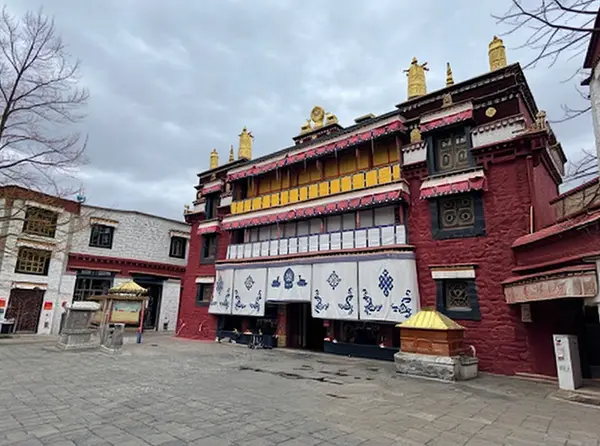
7. Ramoche Temple
Odkryj święte miejsce, w którym znajduje się posąg Buddy z fascynującą historią pochodzenia. Doświadcz żywych rytuałów i oszałamiającego tybetańskiego rzemiosła z bliska.
Szybkie fakty: Dom dla rzadkiego posągu Buddy Jowo, uważanego za błogosławiony przez samego Buddę, świątynia co roku przyciąga tysiące osób. W przeciwieństwie do wielu buddyjskich świątyń, ten obiekt przetrwał wiele historycznych wstrząsów, zachowując swój oryginalny tybetański styl architektoniczny.
Najważniejsze atrakcje: Posąg Buddy Jowo w tej świątyni jest uważany za przywieziony z Indii w VII wieku i podczas specjalnych ceremonii jest ubrany w wykwintne jedwabne szaty. Odwiedzający mogą obserwować mnichów wykonujących starożytne rytuały sięgające ponad 1 300 lat wstecz, uzupełnione rezonującym śpiewem i pokazami thangka.
Where to Stay in Lhasa, China
Selected by City Buddy based on guest reviews and proximity to top attractions
Search all hotels in Lhasa, ChinaPowered by agoda
Tradycyjne słodkie potrawy
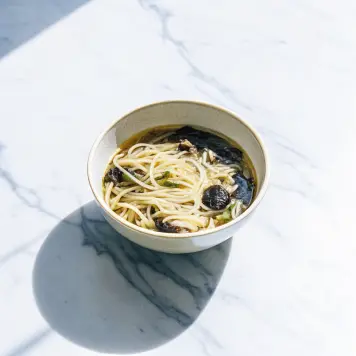
Guthuk
Guthuk is a special Tibetan noodle soup eaten during the Tibetan New Year that includes nine different ingredients symbolizing good fortune.
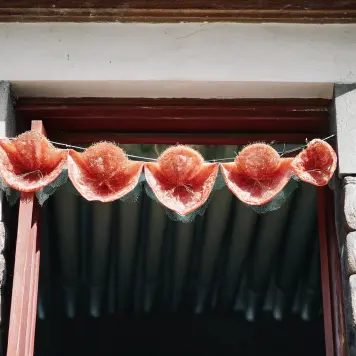
Khapse
Khapse are traditional Tibetan crunchy fried pastries, often made for special festivals and celebrations, representing joy and prosperity.
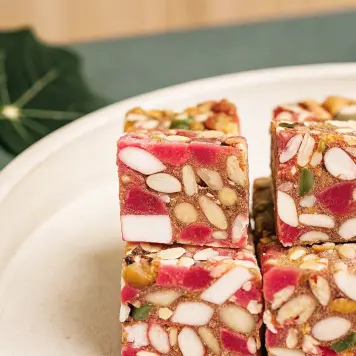
Sugarcandy
Sugarcandy is a popular sweet treat in Lhasa, made from hardened sugar often mixed with nuts and dried fruits.
Tradycyjne słone potrawy
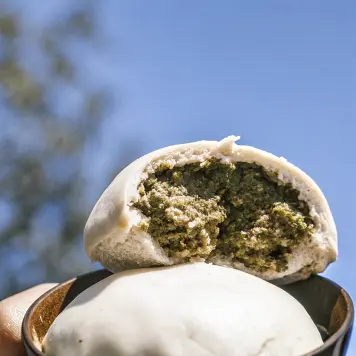
Tsampa
Tsampa is roasted barley flour, a staple in Tibetan cuisine, often mixed with butter tea or yogurt to form a nourishing dough.
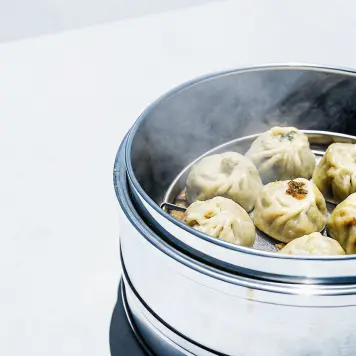
Momos
Momos are Tibetan steamed dumplings filled with meat or vegetables, enjoyed widely across the region and beyond for their delicate taste.
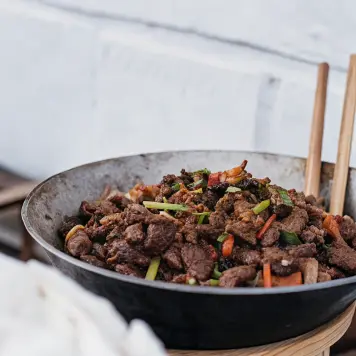
Shapta
Shapta is a spicy Tibetan stir-fried meat dish, usually made with beef or lamb, known for its bold flavors and hearty nature.
Tradycyjne napoje
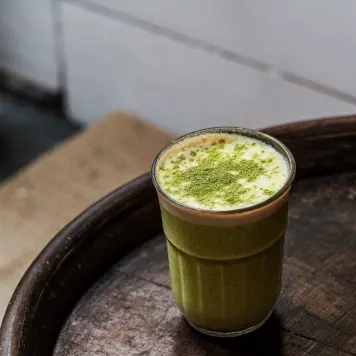
Butter Tea
Butter tea, made with tea leaves, yak butter, and salt, is a traditional Tibetan drink that provides energy and warmth in high altitudes.
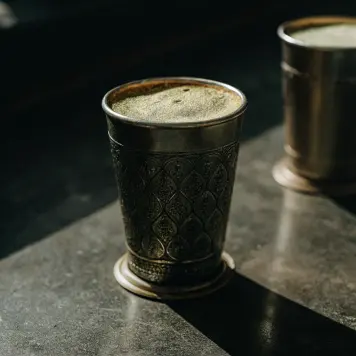
Chang
Chang is a Tibetan barley beer, mildly alcoholic and often consumed during festivals and social gatherings.

Sweet Milk Tea
Sweet milk tea is a popular variation of traditional Tibetan tea, served with milk and sugar for a comforting and rich flavor.
Frequently Asked Questions about Lhasa, China
Czy Lhasa w Chinach jest bezpieczna dla podróżnych?
Ile dni powinienem spędzić w Lhasie, Chinach?
Jaki jest najlepszy czas na odwiedzenie Lhasy w Chinach?
Czy Lhasa w Chinach jest droga dla podróżnych?
Jak poruszać się po Lhasie w Chinach?
Wyślij PDF z najpopularniejszymi atrakcjami na swój e-mail
Otrzymaj PDF ze wszystkimi atrakcjami, ocenami i wskazówkami. Idealne do użytku offline.
Najpopularniejsze wycieczki jednodniowe
Yamdrok Lake
A stunning turquoise high-altitude lake surrounded by snow-capped mountains.
Namtso Lake
A sacred lake known for its clear blue waters and natural beauty.
Ganden Monastery
A prominent Tibetan Buddhist monastery with panoramic valley views.
Jak dojechać
Lotniska
Stacje kolejowe
Qinghai-Tibet Railway
From Lhasa Gonggar Airport, take a taxi or airport shuttle bus to Lhasa city center; the railway station is centrally located
Znajdź loty do Lhasa, China
Kliknij, aby uzyskać eSim dla Lhasa, China
Najprostszy i najtańszy sposób na dostęp do internetu mobilnego gdziekolwiek podróżujesz.
Komentarze (8)
Pro tip: buy a prepaid local SIM at the airport, it’s much cheaper than roaming and you’ll need good data for maps and translation apps.
The vibe is very spiritual, peaceful in many areas but can get crowded around the Potala Palace which makes it less tranquil than expected.
If you want true local eats avoid the restaurants right by the Jokhang Temple. Walk two blocks away and you’ll find some authentic momos and tea houses for less.
The food was a mixed bag. Some traditional Tibetan dishes are really flavorful but street food prices near tourist spots felt a bit inflated.
I stayed 4 nights which was just enough for me, gives you time to see the main sights plus some chill days without rushing.