 CityBuddy
 Polski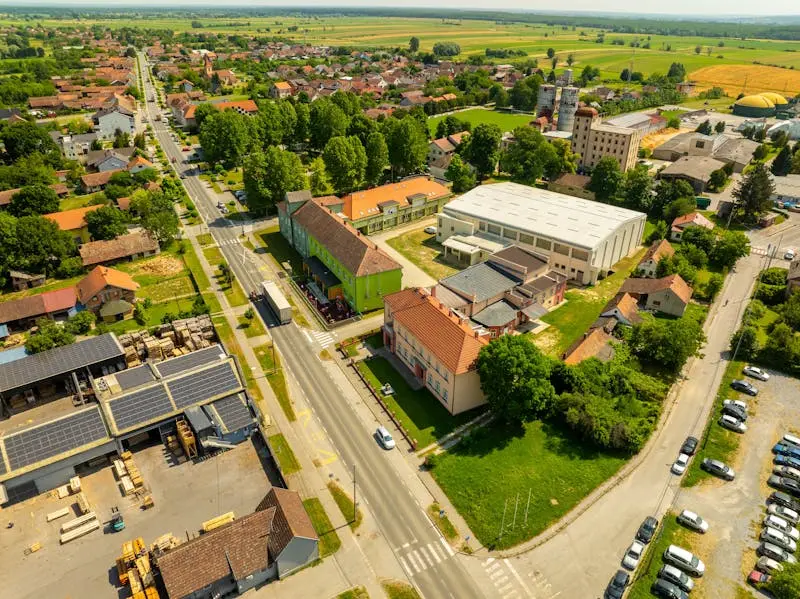
Co robić w Mljet, Croatia
Zdjęcie wykonane przez Vladimir Srajber na Pexels.com
Najpopularniejsze atrakcje w Mljet, Croatia
Najważniejsze atrakcje do zobaczenia w Chorwacji to zwiedzanie Parku Narodowego Jezior Plitwickich z jego 16 kaskadowymi jeziorami i krystalicznie czystą wodą, spacer po starożytnym pałacu rzymskiego cesarza Dioklecjana w Splicie oraz przechadzka prawie 2-kilometrowymi murami miasta Dubrownik, skąd roztaczają się oszałamiające widoki na Adriatyk. Każda z tych atrakcji oferuje wyjątkowy wgląd w naturalne piękno i bogatą historię Chorwacji.
1. Mljet National Park
Mljet
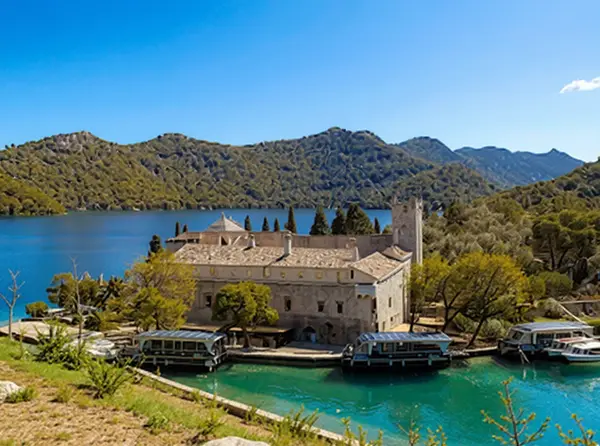
Dwa słone jeziora otoczone sosnowymi lasami i średniowieczne klasztorne wyspy sprawiają, że Mljet to spokojna ucieczka. Spaceruj lub jeźdź na rowerze, wybierz się na krótką przeprawę łodzią na wyspę i pływaj w spokojnych jeziorach.
Szybkie fakty: Ponad 80 procent Parku Narodowego Mljet pokrywa wiecznie zielony las śródziemnomorski, dając zacienione ścieżki i pachnące sosnowe powietrze niemal na każdym szlaku. Dwa głębokie słonawe jeziora leżą blisko morza, a na małej wysepce w jednym z nich znajduje się klasztor benedyktyński, do którego można dotrzeć krótką przejażdżką łodzią.
Najważniejsze atrakcje: Wiosłuj po szklistych wodach i w mniej niż 10 minut możesz opłynąć wysepkę z klasztorem, gdzie dzwony przebijają sosnowo pachnące powietrze, a kamienne schody noszą ślady wieków użytkowania. Złote światło późnego popołudnia zmienia lagunę w metaliczny turkus, podczas gdy sól, rozmaryn, głosy mew i cykady mieszają się tak mocno, że czujesz się jak w żywej pocztówce.
Where to Stay in Mljet, Croatia
Selected by City Buddy based on guest reviews and proximity to top attractions
Search all hotels in Mljet, CroatiaPowered by agoda
Tradycyjne słodkie potrawy
Kremšnita
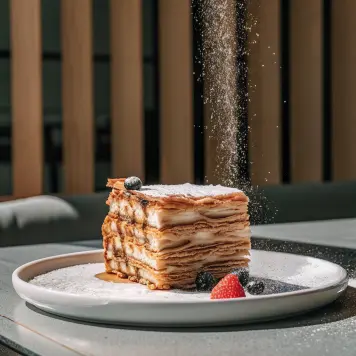
A tall custard slice of layers of crisp puff pastry and silky vanilla custard, kremšnita is famously associated with Samobor and Zagreb, and locals often queue for it fresh from the patisserie.
Rožata
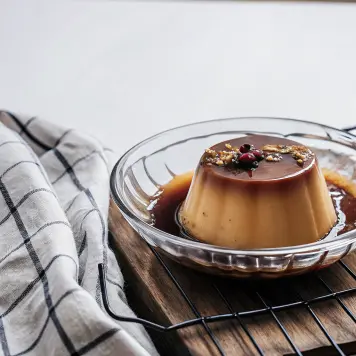
A Dalmatian caramel custard traditionally scented with rose liqueur or rose water, rožata blends Mediterranean and Central European influences into a silky, fragrant dessert.
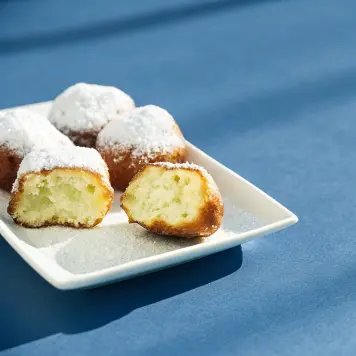
Fritule
Small, rum and citrus scented fritters dusted with powdered sugar, fritule are a beloved festive treat especially around Christmas, with family recipes handed down through generations.
Tradycyjne słone potrawy
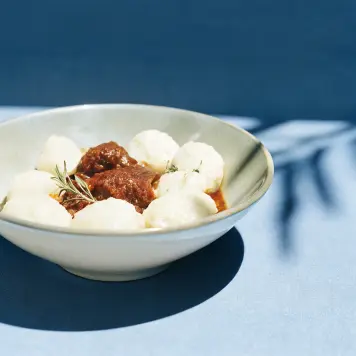
Pašticada
A slow-braised Dalmatian beef stew marinated in wine, vinegar and dried fruit, pašticada is a rich, celebratory dish typically served with gnocchi at feasts and family gatherings.
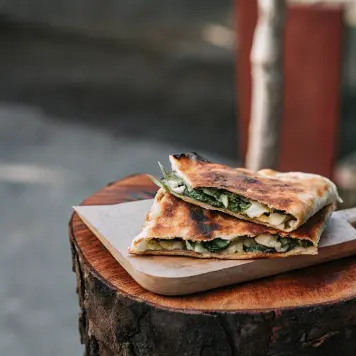
Soparnik
A paper-thin savory pie filled with Swiss chard, onions and garlic, soparnik is a rustic coastal specialty traditionally baked in a wood-fired oven and served at village celebrations.
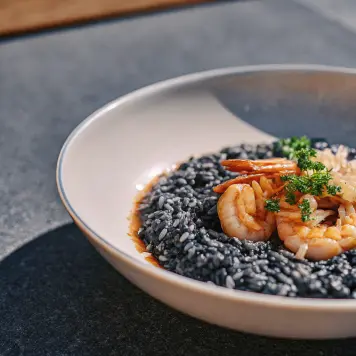
Crni rižot
A striking black risotto colored by cuttlefish or squid ink, crni rižot is prized on the Adriatic coast for its briny, umami-packed flavor and silky texture.
Tradycyjne napoje
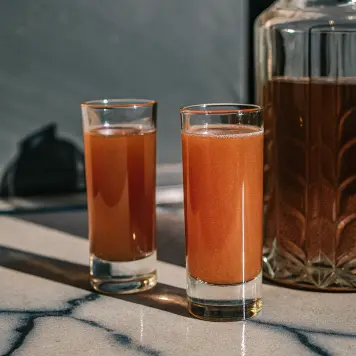
Rakija (Šljivovica)
A potent fruit brandy commonly made from plums or grapes, rakija is often homemade, served as a welcome drink, and plays a central role in Croatian hospitality and celebrations.
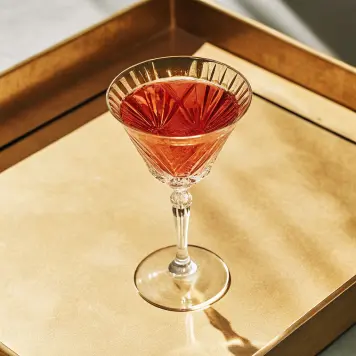
Maraschino
A cherry liqueur that originated in Zadar and is made from Marasca cherries including their pits, maraschino has a distinctive bitter-almond complexity and long history in European cocktails.
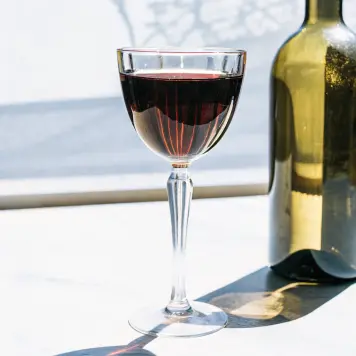
Plavac Mali wine
Made from the indigenous Plavac Mali grape of Dalmatia, these bold, tannic red wines show dark fruit and Mediterranean herb notes, with famed sites like Dingač producing age-worthy bottles.
Często zadawane pytania o Mljet, Croatia
Jaki jest najlepszy czas na wizytę w Chorwacji?
Czy Chorwacja jest droga do życia lub podróżowania?
Jak bezpieczna jest woda z kranu w Chorwacji?
Jak można poruszać się po Chorwacji?
Ilu turystów odwiedza Chorwację każdego roku?
Wyślij PDF z najpopularniejszymi atrakcjami na swój e-mail
Otrzymaj PDF ze wszystkimi atrakcjami, ocenami i wskazówkami. Idealne do użytku offline.
Przydatne informacje dla Mljet, Croatia
Przegląd dla Mljet, Croatia
Chcesz plan dzień po dniu dla Mljet, Croatia? Otwórz planer podróży
Kiedy jedziesz do Mljet, Croatia?
Wybierz daty i styl podróży, aby otrzymać:
Czy coś z tego jest dla Ciebie szczególnie ważne?
Wybierz wszystkie, które pasują
Przemieszczanie się
Jak chcesz się przemieszczać między miejscami?
Język planu: Polski