 CityBuddy
 Polski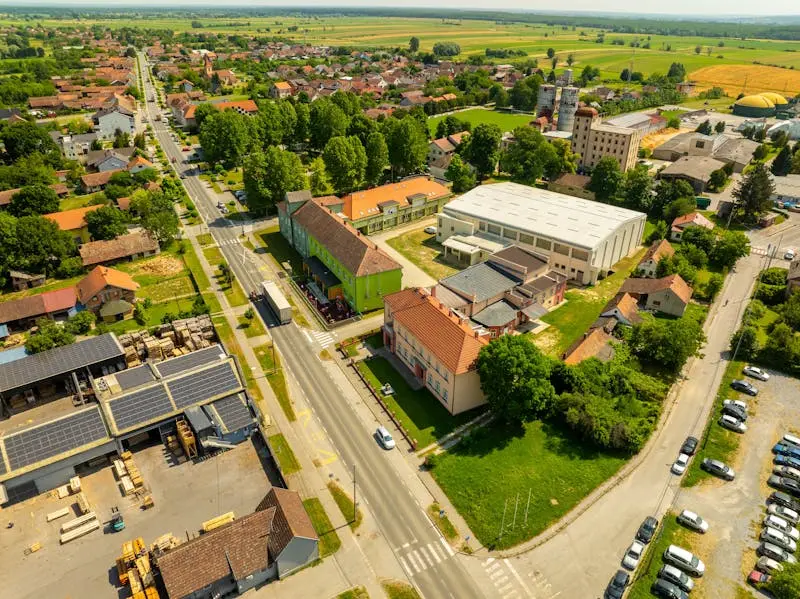
Oszustwa na turystach w Croatia i jak ich uniknąć
Zdjęcie wykonane przez Vladimir Srajber na Pexels.com
Croatia is generally safe for tourists, with a low violent-crime rate and locals comfortable with English in main tourist towns. The main watch-outs are overcharging in tourist-heavy coastal spots like Dubrovnik and Split: unofficial taxi drivers, restaurants without printed prices, and poor-rate exchange booths. Stick to official taxi ranks, check menus for prices, and pay in local currency at ATMs.
Zaktualizowano wrzesień 2026
Typowe oszustwa w Croatia i jak ich unikać
1. Unlicensed airport drivers
Jak to działa: Drivers approach tourists inside or just outside the arrivals hall offering rides at inflated flat rates, often without a working meter, and charge several times the fair price.
Jak tego uniknąć: Use only the official taxi rank outside the terminal and confirm a meter or agreed price before starting.
2. Poor-rate exchange booths
Jak to działa: Exchange booths near main squares and popular streets advertise attractive rates on their boards but apply hidden commissions or worse mid-market rates on the actual transaction.
Jak tego uniknąć: Withdraw euros from a bank ATM or pay by card and decline dynamic currency conversion.
3. Unpriced menus and add-ons
Jak to działa: Tourist-area restaurants bring bread or appetizers without asking, then charge for them, or present menus without printed prices and quote a higher amount on the bill.
Jak tego uniknąć: Check that prices are shown in EUR before ordering, and politely refuse items you did not ask for.
4. Friendly bracelet and trinket tricks
Jak to działa: People approach with bracelets, flowers or 'gifts' and press them on you, then demand payment once you hold them.
Jak tego uniknąć: Politely but firmly decline and keep your hands and distance from anyone offering free items.
5. Unofficial private airport transfers
Jak to działa: Drivers pose as official airport transport or sell overpriced 'shared' rides to the centre at several times the bus or normal taxi cost.
Jak tego uniknąć: Book through the official airport transport desk or bus and ignore drivers offering private deals.
6. Fake apartment listings
Jak to działa: Online listings for apartments that look perfect but do not exist, or shift the 'better' unit description after you book and press for payment upfront.
Jak tego uniknąć: Book through reputable platforms, pay through the site's secure process, and confirm addresses before sending deposits.
Oficjalne bilety do największych atrakcji w Croatia
Pomiń ulicznych sprzedawców: zarezerwuj oficjalne bilety i wycieczki z darmowym odwołaniem.
Z lotniska do centrum miasta
Zagreb Franjo Tuđman Airport
Uczciwa cena taksówki (oficjalna, w ciągu dnia): 15 € - 20 €. Use the official taxi rank outside the terminal, not unlicensed drivers who approach you in the arrivals hall. Metered day fares to the centre run about 15 to 20 EUR. Confirm the driver uses a meter or agrees the fair price before you start.
Najlepsza alternatywa: Airport bus (Zagreb Airport Express) to the main Zagreb bus station (6 €, około 30 min)
Transport publiczny: bilety, kasowanie i mandaty
- Bilet jednorazowy
- 1,06 € (Zagreb single tram/bus ticket valid for 30 minutes of travel)
- Zasady kasowania
- In Zagreb, buy a ticket from a vending machine or kiosk and validate it by stamping in the machine inside the tram or bus as soon as you board. Unvalidated tickets are treated as no ticket. Tap contactless cards at the reader where available for buses.
- Mandat za brak ważnego biletu
- 200 €. On-the-spot fine for not having a valid stamped ticket, reduced if paid immediately
- Płatność kartą
- Contactless bank cards work for tapping on some buses and ferries; daily caps may apply. Not accepted on all modes, so keep a ticket as backup.
Napiwki i opłaty serwisowe
Napiwki: About 10% in restaurants if satisfied, round up for taxis, and leave a small tip for cafe service. Not mandatory but appreciated.
Opłaty za nakrycie i serwis: Cover and service charges are not common, but some tourist-heavy restaurants add a service or cover note (koperto in some coastal areas). Always check the menu states prices in EUR before ordering, and warn about places that bring bread without asking or skip printed prices.
Karty, bankomaty i kantory walutowe
At ATMs always choose to be charged in EUR and decline dynamic currency conversion, which adds a poor exchange rate. Prefer bank-attached ATMs over independent street machines, which often carry high fees. Pay by card where possible and keep some euro cash for smaller spots.
Okolice, w których zalecana jest szczególna ostrożność
- Zagreb main station area: Around the main bus and train station late at night, keep bags closed and valuables out of sight, as in most large-city stations.
- Dubrovnik Old Town: In the very crowded main street, keep wallets and phones in front pockets and pockets closed, as pickpocketing is reported in peak season.
Numer alarmowy
112
Planujesz budżet?
Często zadawane pytania o Croatia
Czy Croatia jest bezpieczne dla turystów?
Ile kosztuje taksówka z lotniska do centrum Croatia?
Czy muszę kasować bilety komunikacji miejskiej w Croatia?
Czy w Croatia oczekuje się napiwków?
Jaki jest numer alarmowy w Croatia?
Na podstawie powszechnie opisanych doświadczeń podróżnych i oficjalnych zaleceń. Ceny są orientacyjne i mogą się zmieniać; sprawdź aktualne opłaty na miejscu. Zaktualizowano wrzesień 2026.