 CityBuddy
 Polski
Co robić w Addis Ababa, Ethiopia
Zdjęcie wykonane przez Abdullah aljaberti na Pexels.com
Kiedy odwiedzić
Kiedy jedziesz do Addis Ababa, Ethiopia?
Wybierz daty i styl podróży, aby otrzymać:
Czy coś z tego jest dla Ciebie szczególnie ważne?
Wybierz wszystkie, które pasują
Plan language: PolskiNajpopularniejsze atrakcje w Addis Ababa, Ethiopia
Jeśli szukasz pomysłów na spędzenie czasu w Addis Abebie w Etiopii, zacznij od wizyty w Muzeum Narodowym Etiopii, gdzie wystawiony jest 3,2-milionowy skamieniały hominid Lucy. Wejdź na górę Entoto, aby podziwiać panoramiczne widoki na miasto na wysokości 3200 metrów. Następnie odwiedź Merkato, największy targ na świeżym powietrzu w Afryce, zajmujący kilka kilometrów kwadratowych.
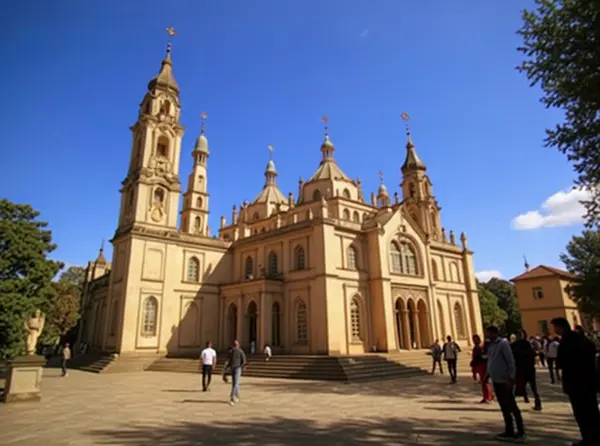
1. Holy Trinity Cathedral
Najważniejsza współczesna katedra Etiopii kryje groby ostatniego cesarza i opowiada historię wiary i odporności. Odwiedzający przechodzą przez ozdobne łuki i witraże, słysząc echo śpiewów prawosławnych kapłanów.
Szybkie fakty: Kompleks katedralny mieści grobowce cesarza Hajle Syllasje i jego żony cesarzowej Menen, przyciągając pielgrzymów z całej Etiopii. Jego charakterystyczna architektura w stylu barokowym i wysoka dzwonnica sprawiają, że jest to jeden z najbardziej rozpoznawalnych zabytków w stolicy.
Najważniejsze atrakcje: W niedziele tereny katedry wypełniają się tysiącami wiernych ubranych w powiewające białe szale netela, tworząc morze bieli rozciągające się na całym dziedzińcu. Podziemna krypta mieści małe muzeum z osobistymi przedmiotami cesarza, w tym jego złotym tronem i ręcznie pisanymi modlitwami przechowywanymi pod przyćmionym bursztynowym światłem.
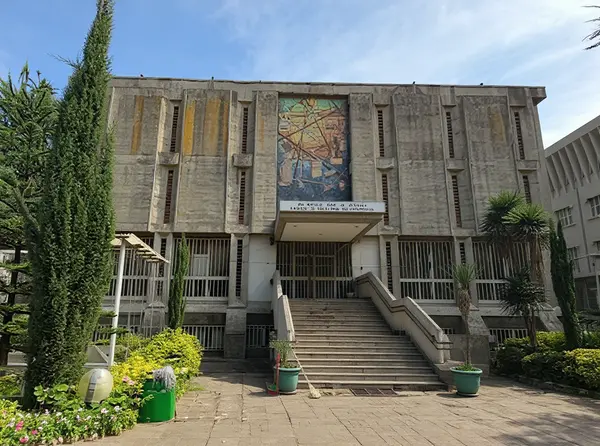
2. National Museum of Ethiopia
Stań twarzą w twarz z Lucy, 3,2-milionowym skamieniałym szkieletem, który przepisał historię ludzkości. Odkryj cztery pięra etiopskiej sztuki, regaliów i artefaktów obejmujących miliony lat pod jednym dachem.
Szybkie fakty: Słynne na całym świecie miejsce przechowywania 3,2-milionowego skamieniałego hominida "Lucy" (znanej lokalnie jako Dinknesh), której odkrycie zmieniło nasze rozumienie ewolucji człowieka. W muzeum znajduje się również jeszcze starsza skamielina, Selam, 3,3-milionowe dziecko Australopithecus afarensis nazywane "Cudem".
Najważniejsze atrakcje: Możesz podejść tuż obok prawdziwego, oryginalnego szkieletu Lucy wystawionego w klimatyzowanym skarbcu, a nie repliki. Widok jej maleńkich, 3,2-milionowych kości udowych z bliska, świadomość, że kiedyś niosły istotę, która chodziła wyprostowana po prehistorycznej Afryce, wywołuje dreszcze.

3. Merkato
Nigdzie indziej w Afryce nie znajdziesz targu tak rozległego, głośnego i pełnego życia. Przemierzaj wąskie zaułki wypełnione przyprawami, tkaninami i ceremoniami kawy odbywającymi się tuż na chodniku.
Szybkie fakty: Ponad 7 000 handlarzy działa w 15 rozległych sekcjach, co czyni go największym targowiskiem na świeżym powietrzu w Afryce. Około 13 000 osób przechodzi przez nie codziennie, handlując wszystkim, od przypraw i ziaren kawy po używany sprzęt elektroniczny i tradycyjne tekstylia.
Najważniejsze atrakcje: Rodziny kupieckie przekazują te same stoiska od trzech pokoleń, więc możesz targować się z babcią, której ojciec sprzedawał kawę z tego samego drewnianego kontuaru w latach 60. Wypatruj wyznaczonej dzielnicy przypraw, gdzie ponad 200 sprzedawców ręcznie miele berbere, kurkumę i korarimę, a powietrze robi się elektrycznie żółte od unoszącego się proszku.
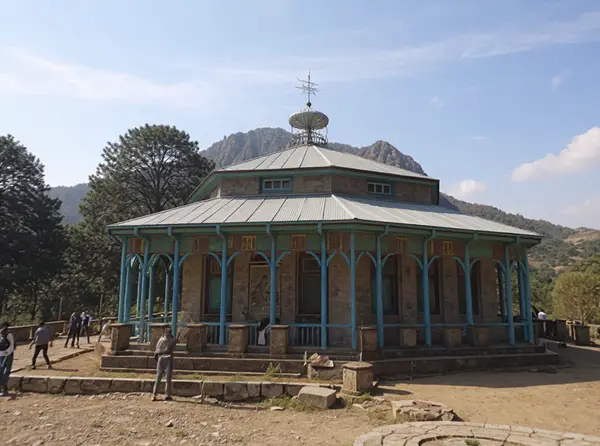
4. Entoto Mountains
Ucieknij od zgiełku miasta do chłodnego, pachnącego eukaliptusowego lasu z rozległymi widokami na Addis Abebę. Wędruj obok tradycyjnych farm, odwiedź historyczny cesarski kościół i obserwuj, jak zachód słońca maluje niebo nad stolicą Etiopii.
Szybkie fakty: Lesiste stoki niegdyś dostarczały cesarstwu etiopskiemu ogromnych ilości drewna eukaliptusowego do budowy i opału. Najwyższy szczyt pasma górskiego, ponad 3200 metrów, oferuje w pogodne poranki widoki rozciągające się na całą stolicę.
Najważniejsze atrakcje: Cesarz Menelik II i cesarzowa Taitu założyli tu swój pałac na szczycie góry w latach 80. XIX wieku, czyniąc to miejsce pierwotną siedzibą nowoczesnego Addis Abeby, zanim miasto rozprzestrzeniło się na niziny. Wciąż można odwiedzić mały, skromny kościół św. Maryi, w którym modliła się cesarzowa, z jego wyblakłymi freskami i spokojnym, zacienionym eukaliptusami dziedzińcem.
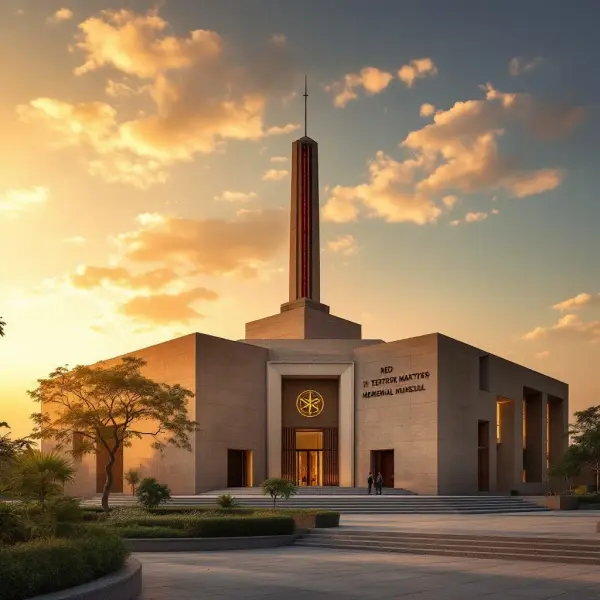
5. Red Terror Martyrs Memorial Museum
Żadne muzeum we wschodniej Afryce nie konfrontuje się z okropnościami przemocy politycznej tak bezpośrednio jak to. Przejdziesz przez rzeczywiste podziemne cele, zobaczysz poplamione krwią ściany i staniesz tam, gdzie ofiary wzięły ostatnie oddechy.
Szybkie fakty: Muzeum mieści się w dawnym więzieniu piwnicznym brutalnego reżimu Derg, w którym podczas Czerwonego Terroru, który w latach 1976-1978 pochłonął szacunkowo od 500 000 do 1,5 miliona ofiar, przeprowadzano tortury i przesłuchania. Wystawy obejmują zakrwawione ubrania, fragmenty kości oraz rzeczywiste narzędzia używane do egzekucji, zachowane dokładnie w takim stanie, w jakim zostały znalezione po upadku reżimu w 1991 roku.
Najważniejsze atrakcje: Wejdź do słabo oświetlonych piwnicznych cel, a zobaczysz ściany wciąż noszące ślady odcisków dłoni więźniów rozpaczliwie sięgających w ciemności. W jednym pomieszczeniu znajduje się przypominająca gilotynę maszyna do mielenia mięsa, której strażnicy używali do ćwiartowania ciał, a na betonowej podłodze wciąż widoczne są oryginalne plamy krwi.
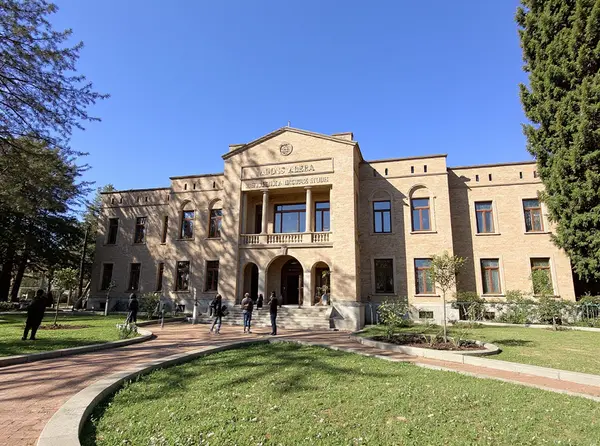
6. Addis Ababa University Institute of Ethiopian Studies
Przejdź przez cesarski pałac wypełniony królewskimi koronami i starożytnymi ewangeliami. Zobaczysz 5000-letnią historię Etiopii rozwijającą się na trzech piętrach pełnych artefaktów.
Szybkie fakty: Mieszczące się w dawnym pałacu cesarza Hajle Syllasje muzeum gromadzi pod jednym dachem ponad 5000 lat etiopskiego dziedzictwa. W jego zbiorach znajdują się bezcenne rękopisy religijne, korony i królewskie artefakty, które opowiadają historię cywilizacji, która stworzyła własne pismo i kalendarz.
Najważniejsze atrakcje: Sypialnia królewska jest zachowana dokładnie tak, jak zostawił ją Hajle Syllasje, z jego osobistą wanną i ukrytym podziemnym tunelem używanym niegdyś do ucieczek. Naukowcy wciąż korzystają z oryginalnej czytelni, w której cesarz studiował, otoczeni starożytnymi pergaminowymi rękopisami pachnącymi drzewem sandałowym i wiekiem.

7. Ethnological Museum
Wejdź do etiopskiego kalejdoskopu kultury bez opuszczania Addis. Przespacerujesz się po pełnowymiarowych wiejskich domach, dotkniesz tradycyjnych narzędzi i zobaczysz ceremonialne stroje noszone przez społeczności z całego kraju.
Szybkie fakty: Ponad 12 000 artefaktów obejmuje 80 i więcej grup etnicznych Etiopii, od wyszukanych wojowników płaszczy po ręcznie rzeźbione drewniane podgłówki. Będąc jedną z najstarszych kolekcji w Afryce Subsaharyjskiej, mieści święte ikony używane w etiopskich ceremoniach prawosławnych, które sięgają wieków wstecz.
Najważniejsze atrakcje: Pełnowymiarowa replika rodzinnego gospodarstwa Hamarów pozwala wejść do chaty ze strzechą i poczuć zadymione ściany, gdzie rodziny gotują i śpią razem. Można też dostrzec dziewiętnastowieczny królewski namiot z aksamitu w lamparcie wzory, prezent od cesarza Menelika II, który wygląda jak z bajki.
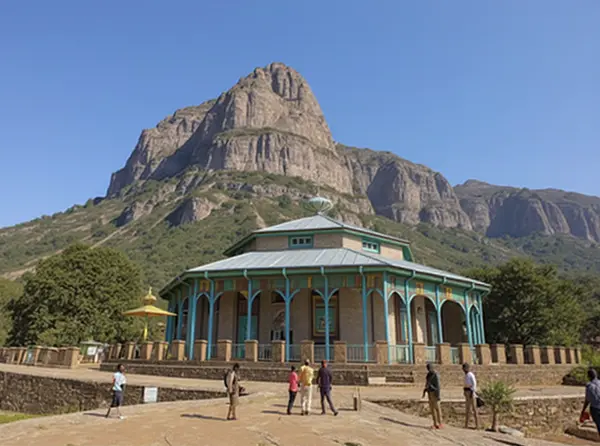
8. Mount Entoto
Ucieknij od miejskiego zgiełku, by cieszyć się rozległymi widokami i chłodnym górskim powietrzem na najwyższym punkcie Addis Abeby. Odkryj cesarskie ruiny, starożytne lasy i działający prawosławny klasztor podczas jednego niezapomnianego trekkingu.
Szybkie fakty: Położony na wysokości 3200 metrów nad poziomem morza, ten zalesiony grzbiet oferuje panoramiczne widoki na rozległą panoramę Addis Abeby. Jego gaje eukaliptusowe zostały zasadzone przez cesarza Menelika II, gdy założył tu swoją stolicę pod koniec XIX wieku.
Najważniejsze atrakcje: Oryginalny pałac Menelika II wciąż stoi na górze, skromna drewniana budowla, która bardziej przypomina wiejską chatę niż rezydencję cesarza. Wejdź do środka, a zobaczysz jego osobistą kaplicę, gdzie cesarz spędzał ciche poranki przed rządzeniem całym imperium.
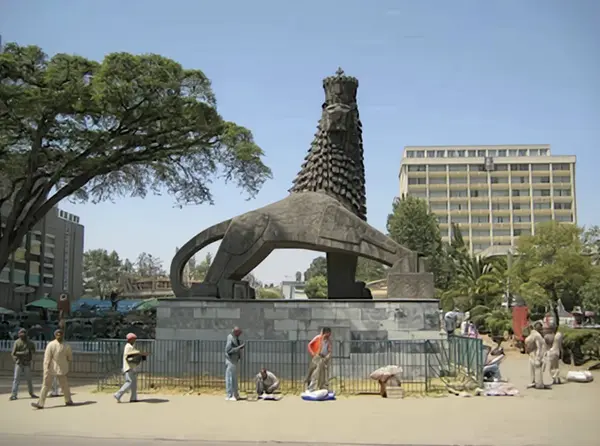
9. Lion of Judah Monument
Stań przed 40-metrowym pomnikiem, który opowiada niewypowiedzianą historię oporu Etiopii przez kamień i brąz. Przesuń palcami po 12 wykutych płaskorzeźbach, które uchwycają wieki dumy w jednym potężnym miejscu.
Szybkie fakty: 40-metrowy granitowy filar oznacza miejsce, w którym cesarz Haile Selassie został na krótko zesłany podczas włoskiej okupacji w 1936 roku. Wokół pomnika znajduje się 12 kamiennych płaskorzeźb wyrzeźbionych przez etiopskiego artystę Afewerka Tekle, z których każda przedstawia ważne wydarzenie w walce kraju o niepodległość.
Najważniejsze atrakcje: Spacerując wokół podstawy, odkryjesz, że wyrzeźbiony lew to nie tylko posąg, ale także relikwiarz: wewnątrz znajdują się brązowe płyty zawierające ziemię z każdej z historycznych prowincji Etiopii. W pogodne poranki podczas równonocy wiosennej o godzinie 9:17 światło słoneczne pada na grzywę lwa, tworząc ostry cień wskazujący bezpośrednio na stary Pałac Cesarski.
Where to Stay in Addis Ababa, Ethiopia
Selected by City Buddy based on guest reviews and proximity to top attractions
Search all hotels in Addis Ababa, EthiopiaPowered by agoda
Tradycyjne słodkie potrawy

Chechebsa (Dabbo)
Chechebsa is a sweet breakfast dish made from shredded flatbread mixed with butter, honey, and spices. It is often enjoyed with a cup of traditional coffee or tea.

Firfir with Honey
While firfir is typically savory, a sweet version is made by crumbling injera and mixing it with honey, clarified butter, and sometimes yogurt. It is a comforting and beloved dish in Ethiopian homes.

Genfo
Genfo is a thick, dough-like porridge made from barley or wheat flour, often served with a well of spiced butter and honey in the center. It is traditionally eaten with the hands, pinching off pieces to scoop up the sweet topping.
Tradycyjne słone potrawy

Doro Wat
Doro Wat is a spicy chicken stew considered Ethiopia's national dish, slow-cooked with berbere spice blend and hard-boiled eggs. It is traditionally served during special occasions and celebrations.
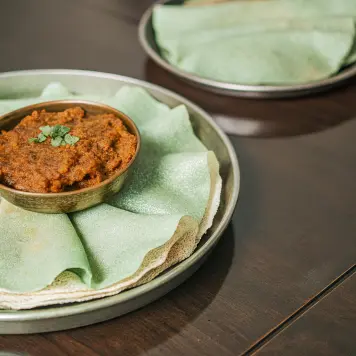
Injera with Misir Wat
Injera is a spongy sourdough flatbread made from teff flour, and misir wat is a lentil stew flavored with berbere spices. Together they form a staple meal eaten across Ethiopia, with injera used as both plate and utensil.

Kitfo
Kitfo is a traditional Ethiopian dish of minced raw beef seasoned with mitmita chili powder and clarified butter. It is often served with a side of fresh cheese and collard greens.
Tradycyjne napoje

Ethiopian Coffee (Buna)
Ethiopia is the birthplace of coffee, and the traditional coffee ceremony is a revered ritual involving roasting beans, brewing, and serving three rounds. The third round is called "baraka," meaning blessing.

Tej
Tej is a traditional Ethiopian honey wine or mead, often flavored with gesho leaves. It has a sweet, slightly tangy taste and is commonly enjoyed during holidays and feasts.

Atmet (Ethiopian Barley Drink)
Atmet is a warm, comforting beverage made from roasted barley flour mixed with water, butter, and sugar or honey. It is often given to nursing mothers and those recovering from illness for its nourishing properties.
Frequently Asked Questions about Addis Ababa, Ethiopia
Czy Addis Abeba w Etiopii jest bezpieczna dla turystów?
Ile dni powinienem zaplanować na pobyt w Addis Abebie w Etiopii?
Jaki jest najlepszy czas na wizytę w Addis Abebie w Etiopii?
Czy Addis Abeba w Etiopii jest droga do odwiedzenia?
Jak poruszać się po Addis Abebie w Etiopii?
Wyślij PDF z najpopularniejszymi atrakcjami na swój e-mail
Otrzymaj PDF ze wszystkimi atrakcjami, ocenami i wskazówkami. Idealne do użytku offline.
Najpopularniejsze wycieczki jednodniowe
Debre Libanos Monastery
Historic monastery perched on a stunning cliff overlooking the gorge
Lake Ziway
Scenic rift valley lake with hippos and bird watching opportunities
Entoto Mountains
Scenic mountain range offering panoramic views of the city
Adadi Mariam Rock Church
13th century rock-hewn church similar to Lalibela's architecture
Menagesha Suba Forest
Ancient protected forest with hiking trails and native wildlife
Jak dojechać
Lotniska
Stacje kolejowe
Addis Ababa to Djibouti railway line
Bole International Airport is about 8 km from the city center. Taxis and ride-hailing apps like Ride and Feres are widely available.
Znajdź loty do Addis Ababa, Ethiopia
Kliknij, aby uzyskać eSim dla Addis Ababa, Ethiopia
Najprostszy i najtańszy sposób na dostęp do internetu mobilnego gdziekolwiek podróżujesz.
Komentarze (5)
Addis surprised me way more than I expected. The food scene is incredible especially the injera and fresh honey wine. Stayed 4 days which felt right.
Pro tip: bring cash in birr because so many smaller shops and taxis don't accept cards. ATMs work but have low daily limits.
Weather was perfect year round spring vibes every single day. Loved the museums and the energy around Bole area at night felt safe enough.
Honestly the traffic is brutal like nothing I've experienced. Plan extra time between things and just accept you won't get everywhere fast.
Skip the tourist trap restaurants near Meskel Square. Walk a few blocks toward the side streets and you'll find better food for half the price.