 CityBuddy
 Polski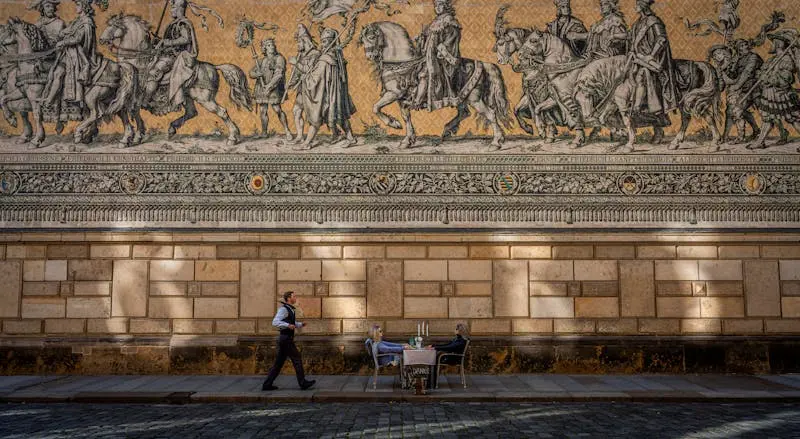
Co robić w Dresden, Germany
Zdjęcie wykonane przez Duc N. na Pexels.com
Kiedy odwiedzić
Kiedy jedziesz do Dresden, Germany?
Wybierz daty i styl podróży, aby otrzymać:
Czy coś z tego jest dla Ciebie szczególnie ważne?
Wybierz wszystkie, które pasują
Plan language: PolskiNajpopularniejsze atrakcje w Dresden, Germany
For spectacular things to do in Dresden, Germany, begin at the Zwinger Palace, a Baroque masterpiece whose crown gate and sprawling courtyard host Old Masters paintings including Raphael's Sistine Madonna. Steps away, the reconstructed Frauenkirche Dresden rises with its 96-meter sandstone dome. Music lovers should book tickets for the Semperoper Dresden, a 1,300-seat opera house on the Elbe's bank.
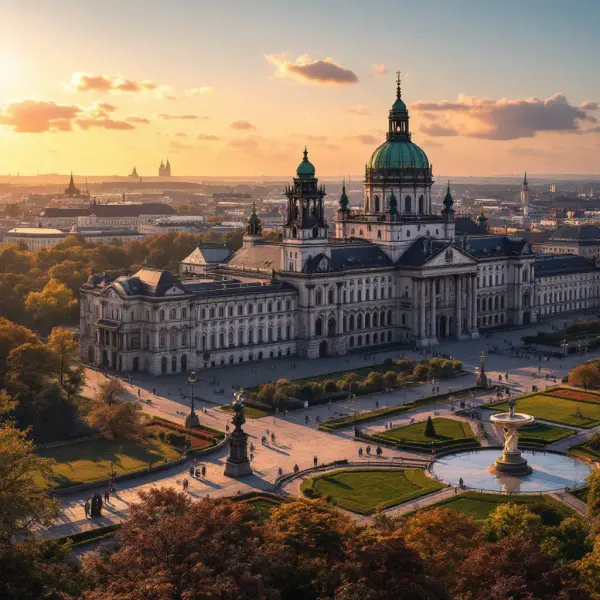
1. Zwinger Palace
A Baroque palace courtyard wrapped in delicate stone galleries and filled with over a million porcelain treasures. Wander through airy arcades, discover the famous "Sistine Madonna," and watch light dance across the fountains at golden hour.
Szybkie fakty: Rozległe barokowe galerie Zwingeru mieszczą ponad milion porcelanowych przedmiotów, tworząc jedną z największych kolekcji porcelany na ziemi. Jego ogromny dziedziniec był niegdyś miejscem wystawnych festynów dworskich z setkami lampionów, występami orkiestrowymi, a nawet mechanicznymi fontannami tryskającymi winem.
Najważniejsze atrakcje: Stań w przejściu bramy koronnej i raz klaszcz w dłonie: perfekcyjna akustyka łuku sprawia, że dźwięk odbija się jako czyste, ostre echo, które wydaje się wręcz nadprzyrodzone. Zostało to celowo zaprojektowane przez architekta Matthäusa Daniela Pöppelmanna, aby wzmacniać królewskie proklamacje i muzykę podczas uroczystości na dziedzińcu.
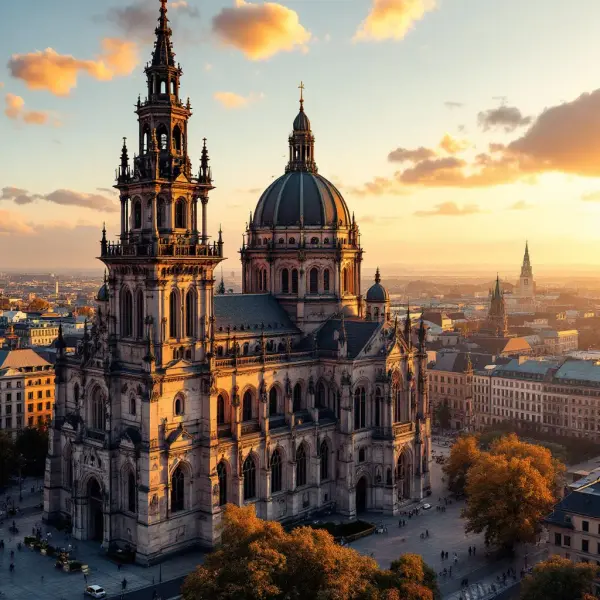
2. Frauenkirche Dresden
Faithful reconstruction from a pile of 8,400 numbered rubble stones makes this a living monument to peace. Inside, the kaleidoscope of pastel colors from the 360-degree balcony and glowing golden altar will stop you mid-stride.
Szybkie fakty: Ponad 9,500 ton piaskowca użyto do odbudowy tego kościoła po zniszczeniach z II wojny światowej, a 8,400 oryginalnych kamieni starannie ponumerowano i ponownie wykorzystano. Charakterystyczna 96-metrowa kopuła, spięta żelaznymi obręczami wykutymi przez lokalnego kowala, przetrwała 200 trafień bombami, zanim zawaliła się drugiego dnia nalotu zapalającego.
Najważniejsze atrakcje: Przyjrzyj się uważnie zewnętrznym ścianom, a dostrzeżesz ciemne, osmalone kamienie obok jasnych, nowych, zamierzona "kamienna mozaika" opowiadająca historię zniszczenia i odrodzenia. Samotny krzyż na szczycie kopuły został wykuty z gwoździ wydobytych z gruzów przez brytyjskiego kowala, którego ojciec był pilotem bombowca z II wojny światowej, ciche gest pojednania.
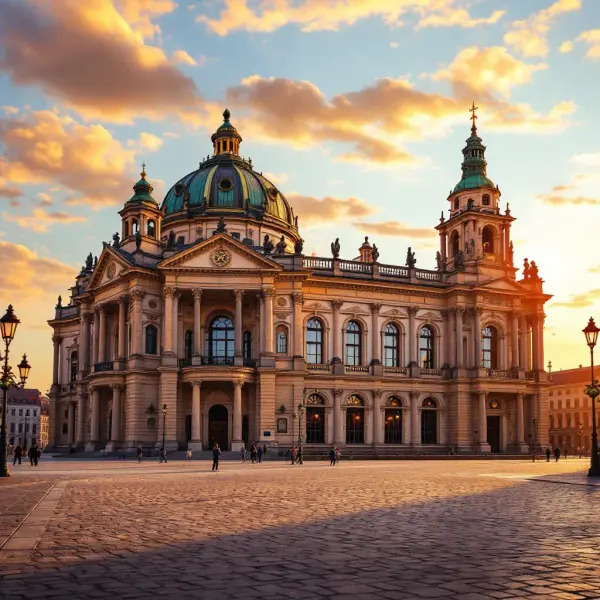
3. Semperoper Dresden
Watching an opera here means sitting inside one of the world's most acoustically perfect halls, rebuilt from ashes twice over. You will hear every breath of the singers and every bow stroke from any of the 1,300 seats.
Szybkie fakty: Dwa ogromne pożary oraz bombardowanie w 1945 roku zrównały ten gmach opery z ziemią, ale za każdym razem mieszkańcy Drezna odbudowywali go z pieczołowitą precyzją. Pierwotny architekt z 1841 roku celowo zaprojektował widownię tak, aby była niewidoczna z zewnątrz, pozwalając muzyce i występowi stać się pełnym przeżyciem.
Najważniejsze atrakcje: Wewnątrz widowni ułożone tarasowo siedzenia wiją się jak gigantyczna muszla w pięciu wdzięcznych kręgach, a z każdego z 1300 miejsc scena jest doskonale widoczna. Oryginalny XIX-wieczny system wentylacji wykorzystywał ukryte kominy biegnące przez rdzeń budynku, odprowadzając ciepłe powietrze bezszelestnie, tak aby żaden szum wentylatora nie przerwał nigdy pasaży pianissimo.
Słyszałeś o darmowych wycieczkach pieszych?
Po podróżach do ponad 30 krajów, jest jedna rzecz, którą chciałbym, żeby ktoś powiedział mi od pierwszego dnia, i całkowicie zmieniła sposób, w jaki poznaję nowe miasta.
Darmowe wycieczki piesze. Tak, naprawdę darmowe. Bez karty kredytowej. Bez haczyków.
Lokalny przewodnik, 2-3 godziny
Główne atrakcje, ukryte perełki, lokalne historie
100% oparte na napiwkach
Przewodnicy zarabiają tylko napiwki, więc dają z siebie wszystko
Dajesz napiwek według uznania
Na końcu dajesz napiwek, który uważasz za odpowiedni
Brałem udział w takich wycieczkach w dziesiątkach miast i były one najważniejszym punktem niemal każdej podróży. Jeśli odwiedzasz Dresden, Germany, zrób to pierwszego dnia. Podziękujesz mi później.
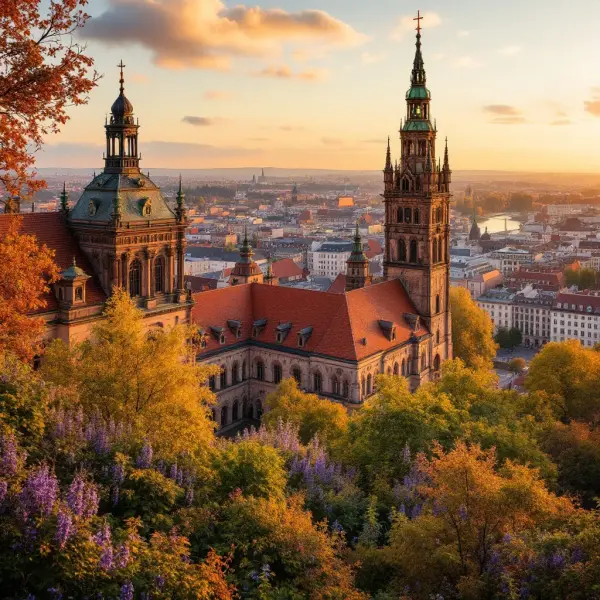
4. Fürstenzug
Nowhere else in the world will you find the largest porcelain artwork ever made, spanning an entire city block. Walk alongside 24,000 hand-painted Meissen tiles depicting nearly a thousand years of royal history.
Szybkie fakty: Rozciągająca się na 102 metry wzdłuż ściany królewskiego pałacu w Dreźnie, ta porcelanowa procesja przedstawia 93 naturalnej wielkości postacie na około 24 000 kafelkach z miśnieńskiej porcelany. Każda postać to władca z dynastii Wettynów lub ważna osobistość, maszerująca chronologicznie od XII wieku do początku XX wieku.
Najważniejsze atrakcje: Większość odwiedzających nie zdaje sobie sprawy, że ceramiczne kafelki przetrwały bombardowanie Drezna w 1945 roku praktycznie nietknięte, podczas gdy cały pałac wokół nich runął. Kafelki wymagały jedynie delikatnego czyszczenia wodą, aby usunąć sadzę, i stały się jedną z nielicznych oryginalnych przedwojennych powierzchni wciąż widocznych w mieście.
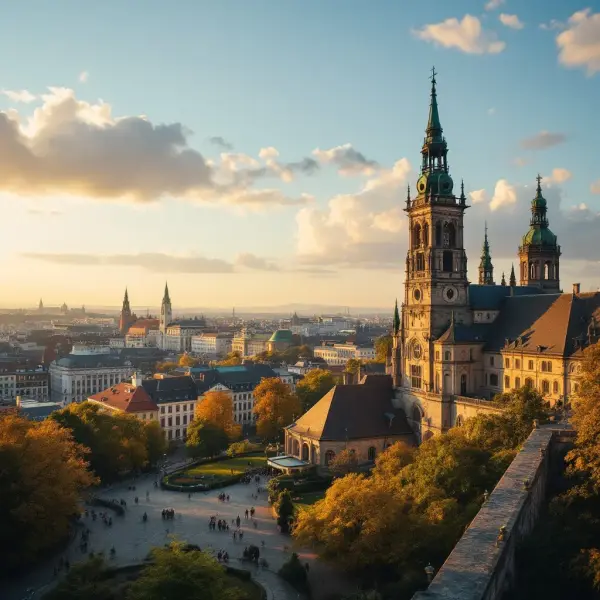
5. Brühl's Terrace
Nowhere else in Dresden can you take in the entire city skyline from a single spot. Come for the 180-degree river views, stay for the golden-hour light show on sandstone and spires.
Szybkie fakty: Stretching nearly 500 meters along the Elbe River, this sandstone terrace rises dramatically above the water and offers uninterrupted panoramic views of the entire Dresden skyline. Locals affectionately call it "the Balcony of Europe," a nickname coined by a 19th-century painter who was captivated by its sweeping vistas.
Najważniejsze atrakcje: In 1814, a frustrated general ordered the medieval fortress wall that once stood here to be transformed into a public promenade, turning a defensive barrier into one of Europe's most beautiful urban viewpoints. Three terracotta-colored staircases, each with 74 steps, carry visitors up from the riverbank level, and at sunrise the sandstone glows so warm that photographers camp out an hour early to claim their spot.
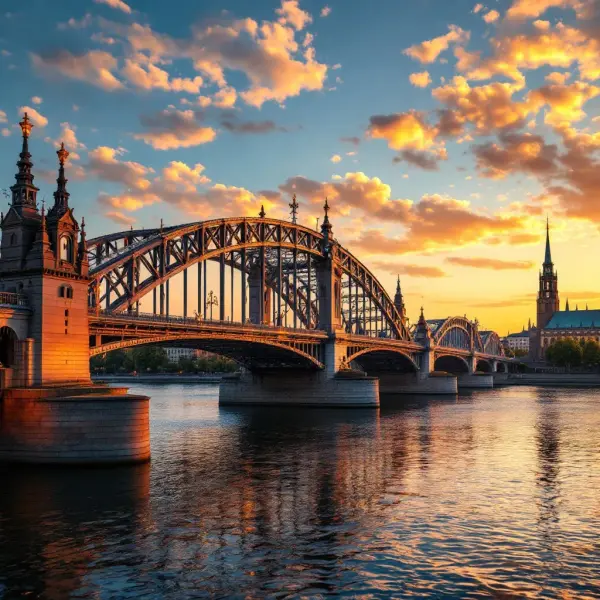
6. Loschwitz Bridge (Blue Wonder)
Blue Wonder
Take a front-row seat to a 130-year-old marvel of engineering that still carries trams and cars daily. Walk or bike across the Elbe while soaking in sweeping views of Dresden's Elbe Valley.
Szybkie fakty: Spanning 280 meters across the Elbe River, this steel cantilever truss bridge was the first of its kind in Europe when it opened. Its distinctive blue-green color comes from over 30,000 liters of paint, giving locals the affectionate nickname "Blaues Wunder."
Najważniejsze atrakcje: At 141 meters, the central span was so daring for its 1893 construction that engineers required no supporting pillars in the water, a radical first for European bridge building. You can stand underneath at the Loschwitz riverbank and see how the entire 2,500-ton structure hangs together with nothing but rivets and steel tension.
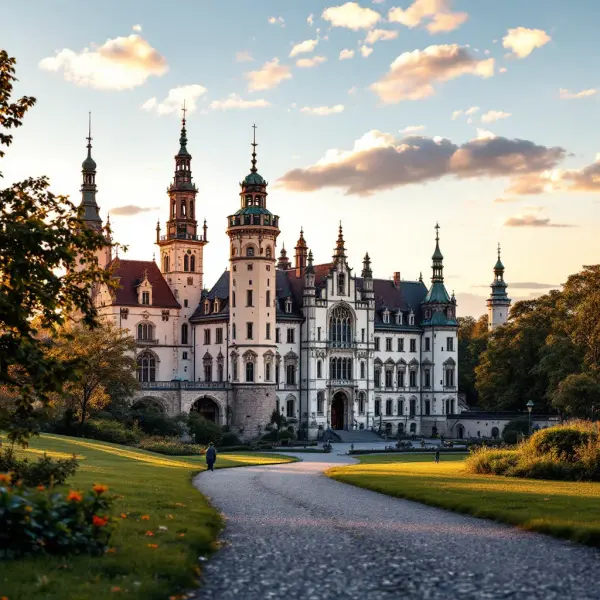
7. Pillnitz Castle
A Chinese-style palace on the Elbe, straight out of a fairy tale. Wander through ornate halls, browse a seasonal flower show in the orangery, then sip coffee on the river terrace.
Szybkie fakty: Chinese workers painted tens of thousands of miniature scenes across the palace walls using real gold leaf, a detail most visitors walk right past. The castle sits directly on the Elbe River and its grounds flood several times each decade, forcing staff to move priceless furniture to higher floors.
Najważniejsze atrakcje: Every summer the palace's sprawling English garden transforms into a stage for Europe's oldest folkloric boat parade, complete with dozens of elaborately decorated vessels drifting down the Elbe. For one July weekend, the castle's serene riverside lawns fill with costumed performers, traditional music echoing across the water as fireworks burst over the turrets.
Where to Stay in Dresden, Germany
Selected by City Buddy based on guest reviews and proximity to top attractions
Search all hotels in Dresden, GermanyPowered by agoda
Tradycyjne słodkie potrawy

Dresdner Stollen (Christstollen)
This famous fruit bread has been baked in Dresden since the 14th century. The original version was so bland due to Lenten butter restrictions that Saxon nobles had to petition the Pope for permission to use butter.
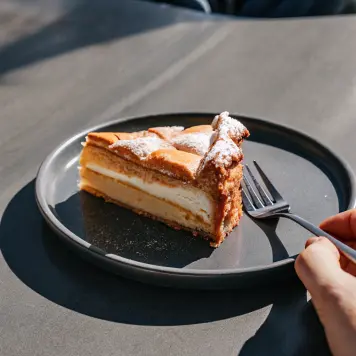
Dresdner Eierschecke
This layered cheesecake has a name derived from "Eierschecke," referring to a type of fabric underskirt, because the cake's layers resemble the ruffled hem of a dress. It features a quark cheese layer, custard, and a thin yeast dough base.

Pulsnitzer Pfefferkuchen
These traditional gingerbread-like spiced cookies come from the Pulsnitz region near Dresden. They are made with honey and a secret blend of spices, and have been baked using traditional recipes for over 400 years.
Tradycyjne słone potrawy

Sächsischer Sauerbraten
Unlike other German versions made with beef, the Saxon Sauerbraten is traditionally made with horse meat, though beef is much more common today. The meat is marinated for several days in a mixture of vinegar, wine, and spices before slow roasting.

Leipziger Allerlei
Despite its name referencing Leipzig, this vegetable medley of peas, carrots, asparagus, and morels originated in the wider Saxony region including Dresden. It was once called "the most expensive vegetable side dish in the world" due to its use of premium ingredients.

Quarkkäulchen
These small fried potato-quark dumplings are a Saxon specialty that can be served savory with sauerkraut or sweet with applesauce and cinnamon sugar. They were a favorite dish of the Saxon royal court in Dresden.
Tradycyjne napoje

Radeberger Pilsner
Brewed just outside Dresden in Radeberg since 1872, this is one of Germany's most famous pilsner beers. It was the official beer of the Saxon royal court and was even served on the Titanic.

Dresdner Christstollen Punch
This warm winter punch is a beloved treat at the Dresden Striezelmarkt, Germany's oldest Christmas market dating back to 1434. It combines rum, tea, and spices, traditionally served in a festive mug.

Altschadower Fassbrause
This traditional Saxon soft drink is made from a mix of malt, fruit extracts, and spices, creating a slightly fizzy, tangy flavor. It was a popular non-alcoholic alternative in Dresden breweries dating back over 100 years.
Frequently Asked Questions about Dresden, Germany
Is Dresden, Germany safe for tourists?
How many days in Dresden, Germany are recommended?
What is the best time to visit Dresden, Germany?
Is Dresden, Germany expensive for tourists?
How to get around Dresden, Germany?
Wyślij PDF z najpopularniejszymi atrakcjami na swój e-mail
Otrzymaj PDF ze wszystkimi atrakcjami, ocenami i wskazówkami. Idealne do użytku offline.
Najpopularniejsze wycieczki jednodniowe
Meissen (Meißen)
Charming town known for its famous Meissen porcelain and picturesque old town.
Saxon Switzerland National Park
Stunning sandstone rock formations, hiking trails, and the iconic Bastei Bridge.
Leipzig
Vibrant city with music heritage, museums, and a lively cultural scene.
Prague, Czech Republic
Historic capital with Gothic architecture, Charles Bridge, and Old Town Square.
Moritzburg Castle
Fairytale Baroque castle surrounded by a scenic lake and forest.
Rent a car in Dresden, Germany
Jak dojechać
Lotniska
Stacje kolejowe
ICE, IC, EC, regional trains to Berlin, Leipzig, Prague, and across Saxony
ICE, regional trains and S-Bahn connections
From Dresden Airport, take tram line 7 or S-Bahn S2 to the city center in about 20 minutes. From the main train station, trams and buses connect to all major attractions.
Znajdź loty do Dresden, Germany
Kliknij, aby uzyskać eSim dla Dresden, Germany
Najprostszy i najtańszy sposób na dostęp do internetu mobilnego gdziekolwiek podróżujesz.
Przydatne informacje dla Dresden, Germany
Przegląd dla Dresden, Germany
Most popular itineraries for Dresden, Germany
Browse trip plans created by other travelers
Komentarze (8)
Buy the Dresden City Card if you plan to hit more than 2 museums. Pays for itself and includes transit. Saved us like 20 euros.
The tram system is super easy and runs on time. Download the DVB app for tickets. Way faster than waiting for buses.
The Frauenkirche is incredible but honestly the whole city center felt like a museum piece. Beautiful but didn't feel alive.
Get dinner in Neustadt not Altstadt. Walk across the river. Same quality food for half the price and actual locals eat there.
Mixed feelings. Some parts are gorgeous rebuilt architecture but a lot of construction still going on. Give it 2-3 days max.