 CityBuddy
 Polski
Co robić w Trier, Germany
Zdjęcie wykonane przez Rodolfo Gaion na Pexels.com
Kiedy odwiedzić
Najpopularniejsze atrakcje w Trier, Germany
Rzeczy do zrobienia w Trewirze w Niemczech obejmują zwiedzanie starożytnej Porta Nigra, masywnej rzymskiej bramy miejskiej pochodzącej z 180 roku n.e. Odwiedź katedrę w Trewirze z jej oszałamiającą romanizującą architekturą i bezcennymi dziełami sztuki. Nie przegap pobliskiego kościoła Najświętszej Marii Panny, znanego ze swojego gotyckiego piękna i historycznego znaczenia.
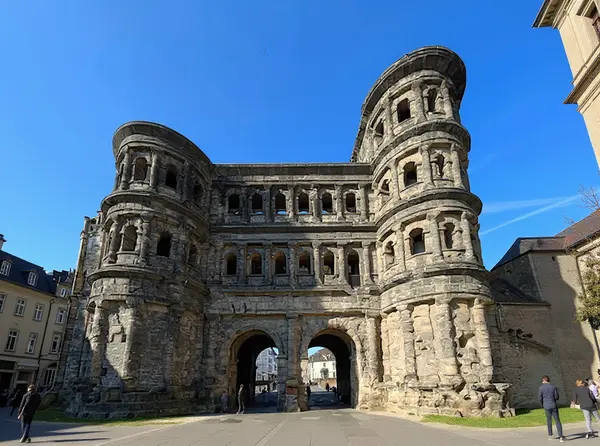
1. Porta Nigra
Spektakularna rzymska brama ukazująca cesarską przeszłość Trewiru. Przejdź przez potężne łuki, wejdź na wyższe poziomy i podziwiaj miasto z antycznych kamiennych murów.
Szybkie fakty: Można dostrzec ogromne bloki szarego piaskowca tworzące największą rzymską bramę miejską na północ od Alp, której konstrukcja wznosi się na około 30 metrów. Wewnątrz jednej wieży mieszkał pustelnik imieniem Simeon, który później został tam pochowany. Ten pochówek zmienił to miejsce w kościół pielgrzymkowy na około 800 lat.
Najważniejsze atrakcje: Wespnij się po wąskich kamiennych rampach i poczuj pod stopami żłobkowany piaskowiec. Oryginalna rzymska murawa wciąż trzymana jest żelaznymi klamrami, które możesz wyczuć palcami. W zaskakującym średniowiecznym zwrocie akcji pustelnik imieniem Simeon został pochowany wewnątrz jednej komnaty, a jego grób sprawił, że brama pozostawała miejscem kultu przez około 800 lat, pozostawiając warstwy graffiti i śladów dewocjonaliów, które odwiedzający wciąż mogą dziś dostrzec.
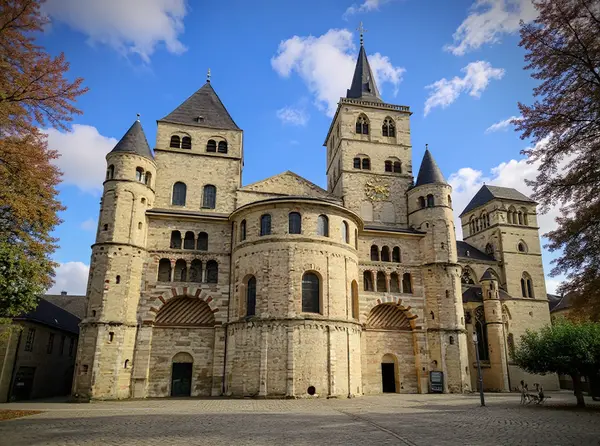
2. Trier Cathedral
Najstarsza katedra Niemiec, warstwami pokryta historią rzymską, średniowieczną i barokową. Odkryj strzelistą nawę, Skarbiec Cesarski i relikwię Świętej Tuniki.
Szybkie fakty: Spójrz w górę, aby zobaczyć miszmasz stylów, gdzie ciężkie romańskie filary spotykają się z przestronnymi gotyckimi sklepieniami. To patchwork odzwierciedlający stulecia zmian. Słynna relikwia, Święta Szata, przyciąga pielgrzymów i ciekawskich do skarbca i kaplicy.
Najważniejsze atrakcje: Wkradnij się do małej północnej kaplicy, a znajdziesz Świętą Szatę przechowywaną w przyćmionym świetle, z ledwo widocznym żebrowanym splotem tkaniny za ochronną szybą. Podczas rzadkich pokazów szatę oświetla pojedyncza latarnia, a wielu odwiedzających mówi, że cisza i chłodne powietrze sprawiają, że detale szwów wydają się prawie świetliste.
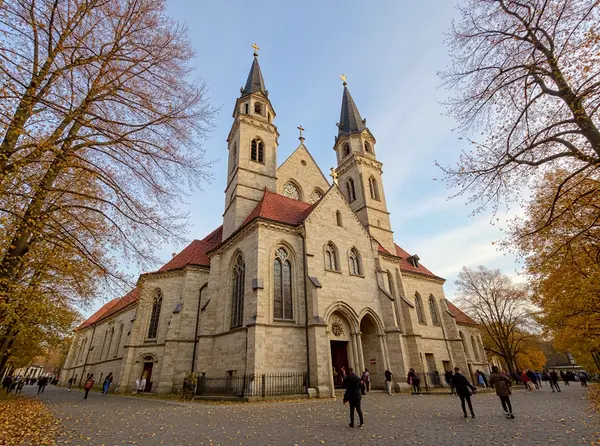
3. Church of Our Lady (Liebfrauenkirche)
Liebfrauenkirche
Zabytkowy średniowieczny kościół łączący romańską solidność z gotycką wysokością. Przejdź pod sklepionym kamieniem, studiuj wielowiekowe rzeźby i znajdź ciche krużganki.
Szybkie fakty: Jeden z najwcześniejszych gotyckich kościołów na północ od Alp. Budynek łączy romańską masywność z wyniosłymi gotyckimi sklepieniami, tak że światło słoneczne wpada przez maswerki i barwi wnętrze. Stanowi integralną część zespołu światowego dziedzictwa UNESCO wraz z pobliskimi rzymskimi zabytkami. Gdy echo kroków odbija się od rzeźbionych kapiteli i startych płyt, można poczuć ponad tysiąc lat warstwowej historii.
Najważniejsze atrakcje: Wejdź do środka, a późnopopołudniowe słońce około godziny 15 wpada przez wysokie okna z maswerkami, zalewając rzeźbione kapitele i chłodne płyty podłogowe ciepłym złotem i głębokim błękitem. Lokalni przewodnicy często wskazują płytkie wgłębienie na północnym filarze, gdzie mieszkańcy przez ponad 200 lat wygładzali kamień ofiarami. Możesz poczuć wygładzone miejsce pod opuszkami palców.
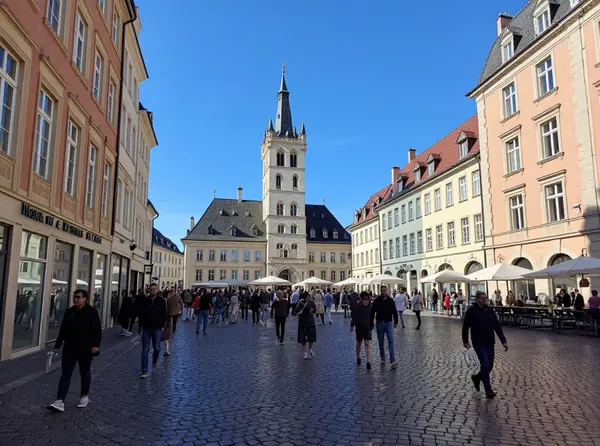
4. Hauptmarkt
Historyczne serce targowe Trewiru, tętniące życiem targów i średniowiecznej architektury. Spodziewaj się fontann, kolorowych domów z szczytami, kawiarni na świeżym powietrzu i tętniącego życiem sobotniego targu rolników.
Szybkie fakty: Kostka brukowa dźwięczy od turkotu wózków sprzedawców i rozmów, a kolorowe stragany wylewają kwiaty, rękodzieło i kieliszki lokalnego rieslinga na otwartą przestrzeń. Patynowana fontanna rynkowa kotwiczy plac, oferując jeden z ulubionych punktów spotkań dla mieszkańców i fotografów, którzy kochają wyrazistą sylwetkę o złotej godzinie.
Najważniejsze atrakcje: Świecące skupiska około 100 drewnianych straganów wypełniają plac każdej zimy na jarmark bożonarodzeniowy, wypełniając powietrze aromatem grzanego wina, cynamonu i pieczonych kasztanów pod girlandami ciepłych żarówek. Jeśli przyjrzysz się podstawie fontanny, możesz dostrzec drobne znaki kamieniarskie i wyryte inicjały. To niemy rejestr rzemieślników, którzy ukształtowali plac, łapiący światło słoneczne w nieoczekiwanych szczelinach.
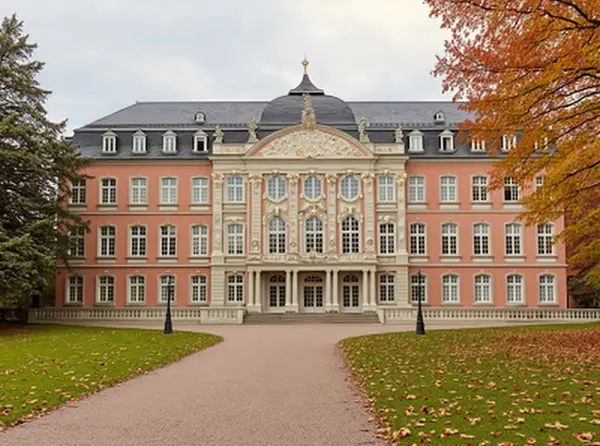
5. Electoral Palace (Kurfürstliches Palais)
Kurfürstliches Palais
Elegancki barokowy pałac z zadbanym ogrodem formalnym odzwierciedlającym arystokratyczną przeszłość Trewiru. Przejdź przez wspaniałe sale, sfotografuj fasadę, a potem odpocznij przy stawie z odbiciami.
Szybkie fakty: Możesz wędrować po ogromnych sklepionych salach ze złoconymi sufitami, gdzie ceremonialne kroki wciąż zdają się odbijać echem w kamieniu. Zaskakujące kontrasty między średniowiecznymi fundamentami a krzykliwymi barokowymi zdobieniami pojawiają się na każdym kroku, a zaciszny ogród zapewnia ciche miejsce, by usiąść i patrzeć, jak światło rozlewa się po starym kamieniu.
Najważniejsze atrakcje: Wejdź do głównej sali bankietowej, a prawie poczujesz zapach wosku i skórki pomarańczowej. Lokalna opowieść głosi, że elektor Klemens Wacław wydał tam kiedyś bal maskowy dla około 400 gości. Poszukaj małego, ukrytego korytarza z 12 kamiennymi stopniami. Mieszkańcy mówią, że studenci zjeżdżali nimi w dni festiwalowe, a wytarte krawędzie wciąż lśnią pod stopami.
Where to Stay in Trier, Germany
Selected by City Buddy based on guest reviews and proximity to top attractions
Search all hotels in Trier, GermanyPowered by agoda
Dni otwarcia w Trier, Germany
Które z najważniejszych atrakcji są zamknięte w poszczególne dni tygodnia. Klasyczny pogromca wycieczek, sprawdzony za Ciebie.
sobota: 1 z 4 najważniejszych atrakcji zamkniętych. Zaplanuj muzea na inny dzień.
Zamknięte w sobota · 1 zamkniętych, 3 otwartych
Dni otwarcia z Google Maps (sprawdzone 2026-02-24). Święta, strajki i godziny sezonowe mogą się różnić. Sprawdź oficjalną stronę przed wyjazdem.
Tradycyjne słodkie potrawy

Quetschekuchen
A plum cake made with local damson plums, Quetschekuchen celebrates the Moselle harvest and is a seasonal favorite in Trier cafés and bakeries, especially in autumn.

Rheinischer Apfelkuchen
Rhenish apple cake, often spiced and served with whipped cream, is a homey, much-loved dessert found throughout Trier and the surrounding Rhineland-Palatinate region.

Dampfnudel with vanilla sauce
Steamed yeast dumplings served hot with vanilla sauce or fruit compote, Dampfnudeln are a comforting traditional dessert enjoyed at family meals and local festivals in the region.
Tradycyjne słone potrawy
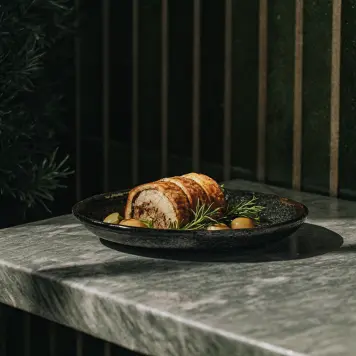
Saumagen
Originally from the Palatinate but widely eaten across Rhineland-Palatinate, Saumagen is a hearty stuffed pork-and-potato dish that became famous nationally and is still served in traditional Trier restaurants.

Himmel und Erde
Himmel und Erde, meaning Heaven and Earth, combines mashed potatoes and apple purée with blood sausage or fried bacon, offering a sweet and savory contrast typical of Rhineland cuisine and common in Trier.
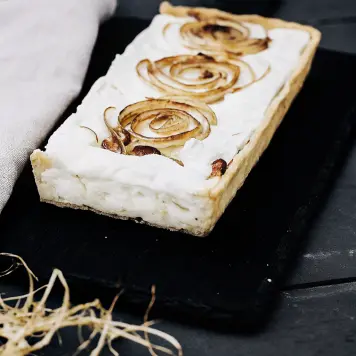
Zwiebelkuchen
Onion tart made with a yeasted or flaky crust topped with caramelized onions and bacon, Zwiebelkuchen is a staple at Moselle wine festivals and pairs perfectly with local new wine.
Tradycyjne napoje
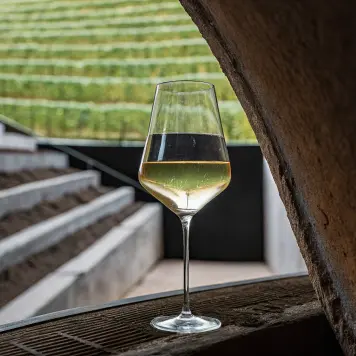
Mosel Riesling
Riesling from the Moselle is world-renowned, its crisp acidity and mineral notes come from steep slate terraces that define Trier's wine culture and seasonal festivals.

Federweißer
Federweißer is a young, partially fermented grape must available in autumn during the grape harvest, commonly enjoyed in Trier with savory pastries and at wine festivals.

Mosel Sekt
Locally produced sparkling wine, Mosel Sekt is the region's bubbly choice for celebrations and offers a fruit-driven, mineral character that reflects Trier's vineyards.
Co warto wiedzieć przed wyjazdem
Ile kosztuje dzień w Trier i czego unikać
Często zadawane pytania o Trier, Germany
Czy Trewir, Niemcy jest bezpieczny dla podróżnych?
Ile dni powinienem spędzić w Trewirze, Niemcy?
Jaki jest najlepszy czas na wizytę w Trewirze, Niemcy?
Czy Trewir, Niemcy jest drogi do odwiedzenia?
Jak poruszać się po Trewirze, Niemcy?
Wyślij PDF z najpopularniejszymi atrakcjami na swój e-mail
Otrzymaj PDF ze wszystkimi atrakcjami, ocenami i wskazówkami. Idealne do użytku offline.
Najpopularniejsze wycieczki jednodniowe
Luxembourg City, Luxembourg
Grand Ducal Palace, Old Town, compact international capital.
Bernkastel-Kues (Mosel Valley), Germany
Picturesque wine village, half-timbered houses, river views.
Burg Eltz (Eltz Castle), Germany
Well-preserved medieval castle in a forested valley.
Koblenz and Deutsches Eck, Germany
Confluence of Mosel and Rhine, cable car to Ehrenbreitstein.
Saarbrücken, Germany
Regional capital with French influence, shops and museums.
Jak dojechać
Stacje kolejowe
Regional and Intercity services to Koblenz, Luxembourg, Saarbrücken and Cologne
From Luxembourg Airport take train or shuttle to Trier; from Hahn use airport bus; Trier Hbf is walkable from center.
Przydatne informacje dla Trier, Germany
Przegląd dla Trier, Germany
Porównaj Trier z innymi destynacjami
Ceny, bezpieczeństwo, pogoda i główne atrakcje obok siebie, z werdyktem dla każdego rodzaju podróżnika.
Chcesz plan dzień po dniu dla Trier, Germany? Otwórz planer podróży
Kiedy jedziesz do Trier, Germany?
Wybierz daty i styl podróży, aby otrzymać:
Czy coś z tego jest dla Ciebie szczególnie ważne?
Wybierz wszystkie, które pasują
Przemieszczanie się
Jak chcesz się przemieszczać między miejscami?
Język planu: PolskiMost popular itineraries for Trier, Germany
Browse trip plans created by other travelers