 CityBuddy
 Polski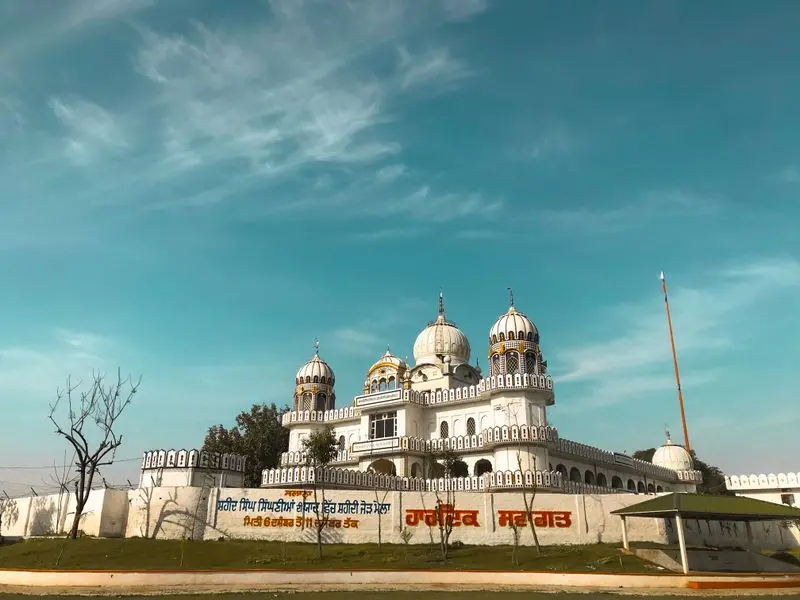
Co robić w Gurdaspur, India
Zdjęcie wykonane przez Sant Singh na Pexels.com
Kiedy odwiedzić
Kiedy jedziesz do Gurdaspur, India?
Wybierz daty i styl podróży, aby otrzymać:
Czy coś z tego jest dla Ciebie szczególnie ważne?
Wybierz wszystkie, które pasują
Plan language: PolskiNajpopularniejsze atrakcje w Gurdaspur, India
Jeśli szukasz rzeczy do zrobienia w Gurdaspur w Indiach, zacznij od dostojnej Wieży Zegarowej w Gurdaspur, zabytku z lat 20. XX wieku, wznoszącego się na 18 metrów w centrum miasta. Oddaj hołd w Gurdwara Shri Guru Hargobind Ji, świętym sanktuarium nazwanym na cześć szóstego guru sikhijskiego. Na koniec przejdź się wzdłuż spokojnego punktu widokowego nad kanałem w Gurdaspur o zachodzie słońca.
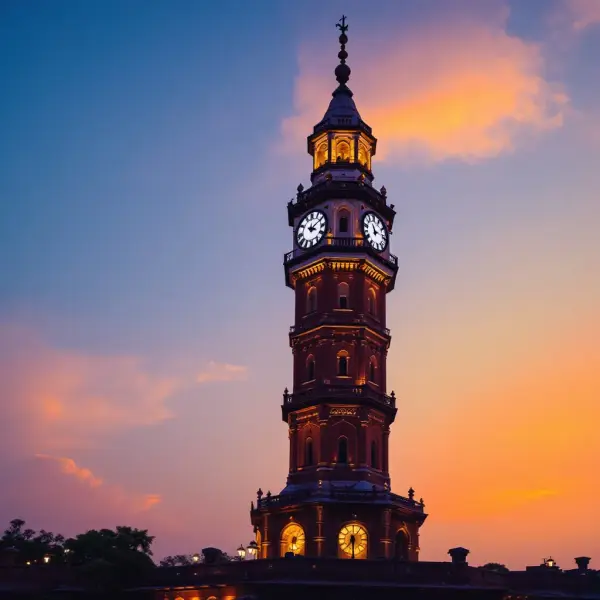
1. Gurdaspur Clock Tower
Zobacz 130-letni zegar, który wciąż działa wyłącznie dzięki sile mięśni. Patrz, jak opiekun wciąga w górę ciężkie obciążniki, i usłysz dźwięk oryginalnego dzwonu rozbrzmiewający nad starym bazarem.
Szybkie fakty: Wznosząc się wyraźnie w sercu miasta Gurdaspur, ten kolonialny zegar wyznacza rytm miasta od końca XIX wieku. Jego czterostronny mechanizm wciąż działa, ręcznie nakręcany przez opiekuna, który co tydzień pokonuje ponad 100 schodów wieży.
Najważniejsze atrakcje: W przeciwieństwie do wielu wież zegarowych, które przestały tykać dziesiątki lat temu, ta wciąż wybija każdą godzinę oryginalnym dzwonem, a mieszkańcy ustawiają według niej swoje zegarki. Mechanizm nakręcania wymaga, aby opiekun co tydzień podnosił 30-kilogramowy ciężar, co jest rytuałem niezmienionym od ponad stu lat.
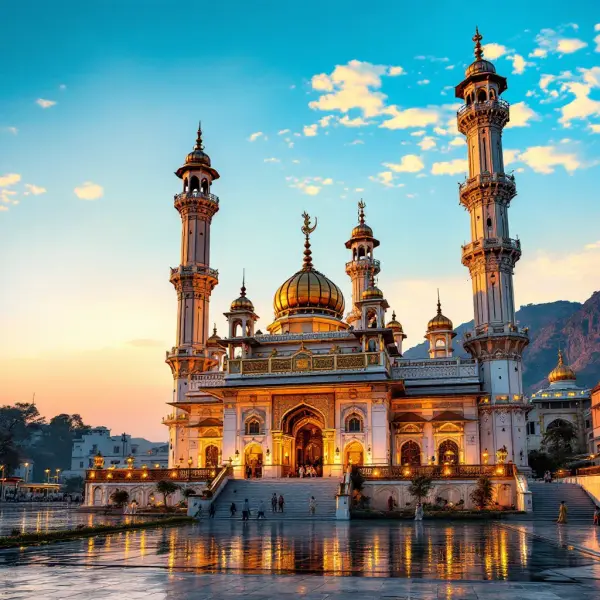
2. Shri Guru Hargobind Ji Gurudwara
Wejdź do spokojnej sikhijskiej świątyni, gdzie od wieków modlitwy wciąż odbijają się echem nad świętym stawem. Poczuj chłodny marmur pod stopami, dołączając do mieszkańców w kuchni langar na darmowy, wspólny posiłek.
Szybkie fakty: Nazwany na cześć szóstego Guru Sikhów, ten Gurudwara wyznacza miejsce, w którym Guru Hargobind Ji odpoczywał podczas swoich podróży. Kompleks posiada duży sarovar (święty zbiornik), którego wody według wiernych mają właściwości lecznicze.
Najważniejsze atrakcje: W przeciwieństwie do wielu większych gurudwar, ta zachowuje cichą, kameralną atmosferę, w której o świcie można usłyszeć ciche śpiewy modlitw odbijające się echem nad sarovarem. Oryginalne drzewo pipal, pod którym według tradycji siadywał Guru, wciąż stoi na dziedzińcu, a jego rozłożyste gałęzie dają cień odwiedzającym, tak jak robiły to ponad 400 lat temu.
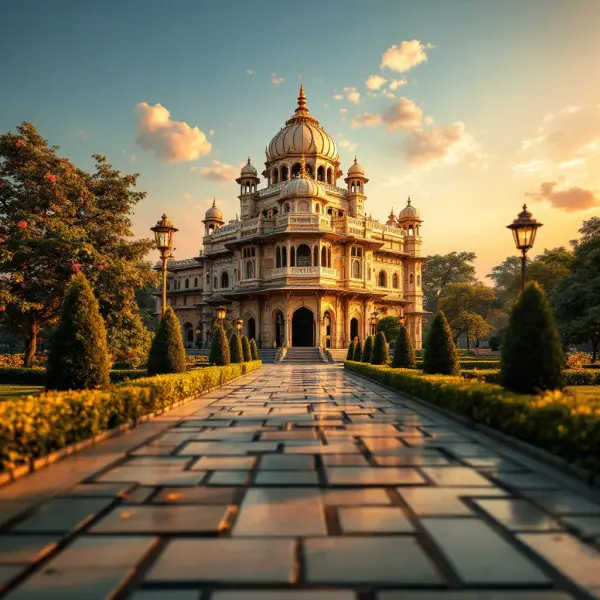
3. Moti Mahal
Przechadzaj się po XIX-wiecznym pałacu, gdzie ściany pokryte lustrami i tajne przejścia szepczą historie o królewskich latach. Poczuj chłodny powiew przez piaskowcowe kratownice i wypatruj blaknące freski, które większość zwiedzających mija bez uwagi.
Szybkie fakty: W ściany Moti Mahal wbudowano tysiące małych lusterek, które niegdyś odbijały światło świec podczas królewskich zgromadzeń. Trzypiętrowy pałac z piaskowca był letnią rezydencją, w której chłodne bryzy przepływały przez kratowe okna, utrzymując przyjemny mikroklimat we wnętrzach nawet podczas upałów.
Najważniejsze atrakcje: Wejdź do centralnej sali, a znajdziesz ukryte podziemne przejście, które niegdyś łączyło pałac z pobliską rzeką, umożliwiając członkom rodziny królewskiej niezauważoną ucieczkę w sytuacjach awaryjnych. Zblednięte freski na górnym piętrze wciąż noszą ślady pigmentów indygo i cynobru, ręcznie mieszanych technikami przekazywanymi z pokolenia na pokolenie przez lokalnych rzemieślników.
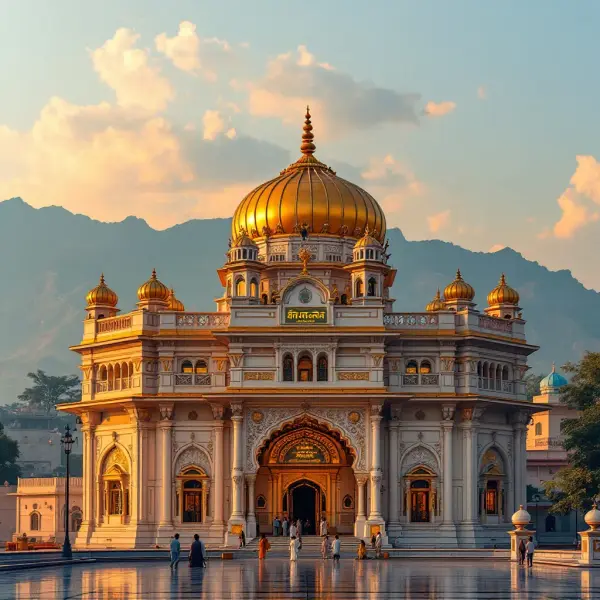
4. Baba Bakala Sahib Gurudwara
Wejdź na spokojny dziedziniec, gdzie dziewiąty Guru spędził lata w cichej pobożności. Przejdziesz po tych samych kamieniach i zobaczysz studnię, która codziennie go podtrzymywała.
Szybkie fakty: Tradycja sikhijska głosi, że Baba Bakala to miejsce, gdzie Guru Tegh Bahadur spędził dziewięć lat na głębokiej medytacji, zanim został uznany za dziewiątego Guru Sikhów. Centralne sanktuarium gurudwary nadal zawiera tę samą studnię, z której codziennie czerpał wodę, obecnie uważaną za niezwykle świętą.
Najważniejsze atrakcje: W przeciwieństwie do większości gurudwar, ta otacza 300-letnią studnię, z której Guru Tegh Bahadur korzystał podczas codziennych ablucji. Wciąż można zobaczyć oryginalną ceglaną konstrukcję i wąskie schody prowadzące w dół do wody, przy których wyznawcy spokojnie medytują, tak jak on niegdyś.
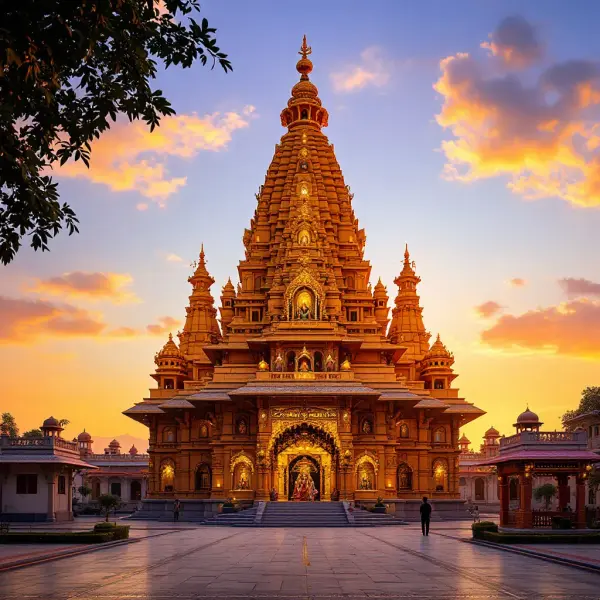
5. Kali Mata Mandir
Jedno z 51 świętych miejsc Shakti Peetha w Indiach, gdzie surowa energia duchowa spotyka się ze spokojem nad rzeką. Obejrzyj wieczorną aarti, gdy lampki oliwne migoczą na tle ciemnych wód, a niebo płonie pomarańczem.
Szybkie fakty: Położona u zbiegu rzek Ujh i Ravi, ta świątynia jest jedną z 51 Śakti Pith, gdzie według tradycji spadła część ciała Sati. Nazwa świątyni tłumaczy się jako "Świątynia Ciemnej Matki", a wyznawcy wierzą, że czoło bogini spoczęło tutaj, co czyni to miejsce potężnym punktem dla poszukujących duchowości.
Najważniejsze atrakcje: W przeciwieństwie do większości Śakti Pith, gdzie główne sanktuarium jest zwrócone na wschód, sanktuarium Kali Mata Mandir jest zwrócone na zachód, w stronę zachodzącego słońca, tworząc dramatyczną sylwetkę bogini na tle ciepłego bursztynowego światła podczas wieczornej aarti. Ponad 200-letnie drzewo banianowe na dziedzińcu jest związane tysiącami czerwonych i żółtych nici, każda umieszczona przez wyznawcę z szeptanym życzeniem.
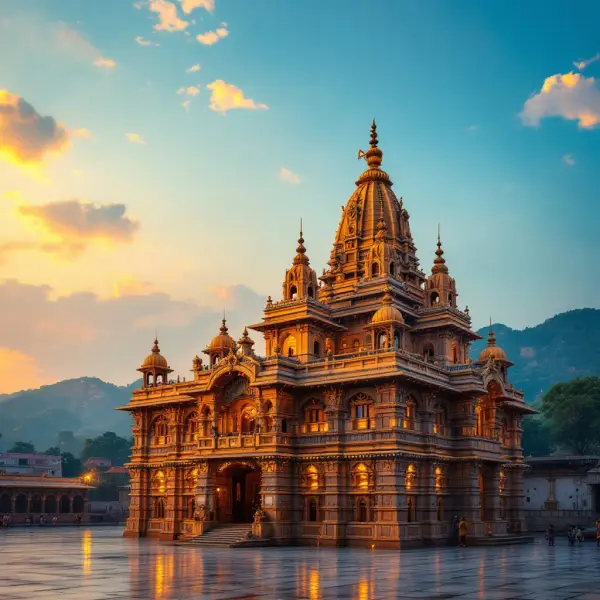
6. Shiv Temple Gurdaspur
Jedna z niewielu świątyń, gdzie można być świadkiem nieprzerwanej ceremonii ofiarowania miodu i mleka, która trwa bez przerwy od 300 lat. Stań w rozświetlonym lampami sanktuarium, gdy 108 dzwonów grzmi nad głową, a zapach sandałowca otula cię.
Szybkie fakty: Shivling w świątyni wyrzeźbiono z pojedynczego czarnego kamienia, który po uderzeniu wydaje delikatny rezonans, zjawisko dokumentowane przez wyznawców od ponad 400 lat. Poranne modlitwy obejmują tu rytuał, podczas którego jednocześnie dzwoni się 108 mosiężnych dzwonków, tworzących warstwowy dźwięk niosący się po całej okolicy Gurdaspuru.
Najważniejsze atrakcje: W przeciwieństwie do większości świątyń, gdzie ofiary z wody kapie na shivling, tutaj kapłani wlewają miód i mleko naprzemiennymi strumieniami, pozostawiając czarny kamień lśniący złotymi smugami przez cały dzień. Wewnętrzne sanktuarium nie ma oświetlenia elektrycznego, opierając się wyłącznie na lampach oliwnych zasilanych 5000-letnimi przepisami na ghee przekazywanymi przez 17 pokoleń opiekunów świątyni.
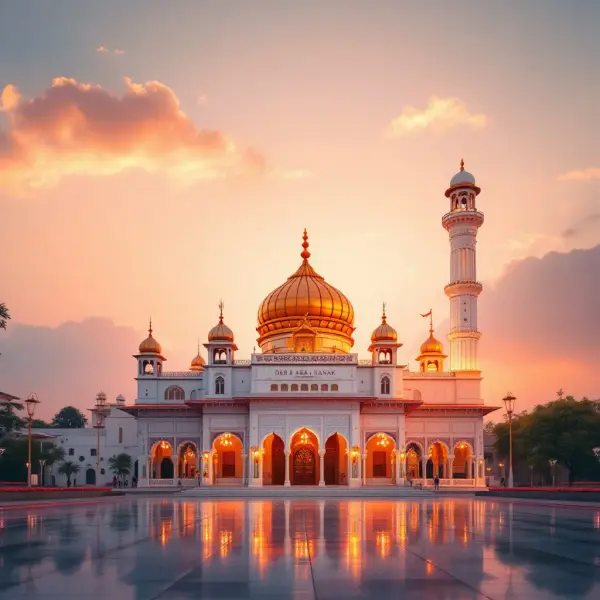
7. Dera Baba Nanak Temple
Zobacz jedyną gurdwarę na świecie, gdzie codzienne modlitwy przekraczają międzynarodową granicę. Przeżyj poruszającą ceremonię, podczas której święte pisma są każdego dnia paradnie przenoszone do Pakistanu i z powrotem.
Szybkie fakty: Mówi się, że pojedynczy strzał oddany przez wyznawcę Guru Nanaka trafił dokładnie w miejsce, gdzie obecnie stoi ta świątynia, wyznaczając miejsce cudownego wydarzenia. Świątynia oznacza miejsce, gdzie Guru Nanak, założyciel sikhizmu, zniknął w rzece podczas swojej ostatniej podróży, pozostawiając po sobie tylko szatę i kwiat.
Najważniejsze atrakcje: Pielgrzymi gromadzą się o świcie, aby obserwować Guru Granth Sahib niesionego w procesji z palankinem przez most do Pakistanu, gdzie jest wystawiany na cały dzień i wracany każdego wieczoru. Ten codzienny rytuał odbywa się nawet przez międzynarodową granicę, a pakistańscy i indyjscy strażnicy współpracują, aby otworzyć bramy dla tej świętej ceremonii.
Where to Stay in Gurdaspur, India
Selected by City Buddy based on guest reviews and proximity to top attractions
Search all hotels in Gurdaspur, IndiaPowered by agoda
Tradycyjne słodkie potrawy
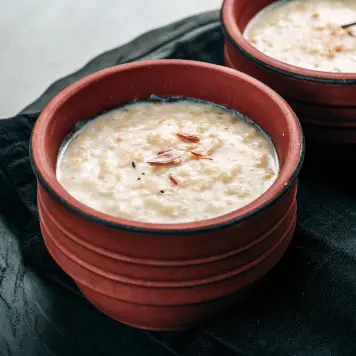
Phirni
Phirni is a creamy rice pudding traditionally served in earthenware bowls called shikoras, which give it a distinct earthy aroma.
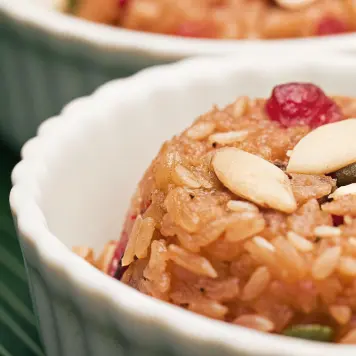
Gur Ke Chawal
Gur Ke Chawal is a beloved winter dessert made by cooking rice with jaggery and ghee, often flavored with cardamom and dry fruits.
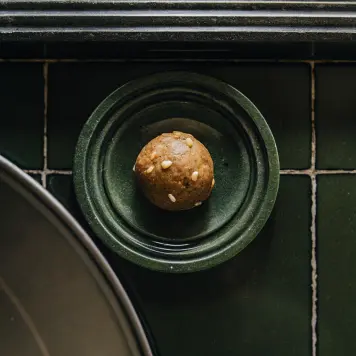
Pinni
Pinni is a dense, energy-rich sweet made from wheat flour, ghee, sugar, and nuts, traditionally prepared during the cold months for warmth and vitality.
Tradycyjne słone potrawy
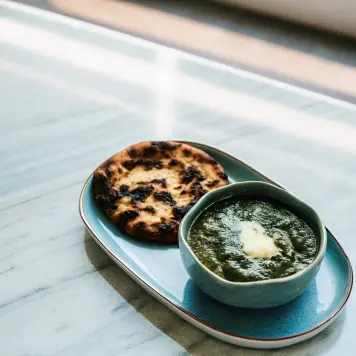
Makki Di Roti and Sarson Da Saag
This iconic winter meal pairs corn flour flatbread with a spicy puree of mustard greens, and is traditionally topped with a dollop of butter or ghee.
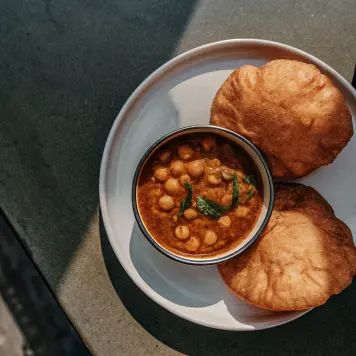
Chole Bhature
Chole Bhature is a beloved Punjabi dish featuring spicy chickpea curry served with deep-fried, fluffy bread, often enjoyed as a hearty breakfast or lunch.
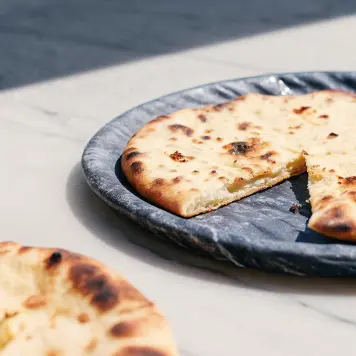
Amritsari Kulcha
Amritsari Kulcha is a stuffed leavened bread typically filled with spiced potatoes and baked in a tandoor, then served with tangy chutney and butter.
Tradycyjne napoje

Lassi
Punjabi lassi is a creamy yogurt-based drink that can be sweet or salted, and is often served in large steel glasses as a refreshing summer cooler.
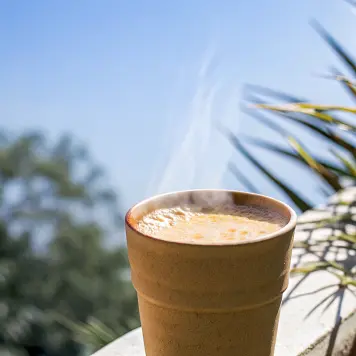
Karak Chai
Karak Chai is a strong, spiced milk tea brewed with cardamom, ginger, and cinnamon, and is a staple at roadside dhabas across the Gurdaspur region.

Sharbat
Sharbat is a sweet, concentrated fruit or flower-based syrup diluted with water or milk, and rose-flavored sharbat is especially popular during hot summers in Gurdaspur.
Frequently Asked Questions about Gurdaspur, India
Czy Gurdaspur w Indiach jest bezpieczny?
Ile dni spędzić w Gurdaspur w Indiach?
Kiedy jest najlepszy czas na wizytę w Gurdaspur w Indiach?
Czy Gurdaspur w Indiach jest drogi?
Jak poruszać się po Gurdaspur w Indiach?
Wyślij PDF z najpopularniejszymi atrakcjami na swój e-mail
Otrzymaj PDF ze wszystkimi atrakcjami, ocenami i wskazówkami. Idealne do użytku offline.
Najpopularniejsze wycieczki jednodniowe
Sujanpur Tira
Historic fort town with Mughal and Sikh architecture
Jak dojechać
Lotniska
Stacje kolejowe
Jammu Tawi - Amritsar line, connects to major cities
Jammu and Amritsar route connections
Auto-rickshaws and taxis are available from the railway station. For ATQ airport, take a bus or taxi which takes about 1.5 hours.
Znajdź loty do Gurdaspur, India
Kliknij, aby uzyskać eSim dla Gurdaspur, India
Najprostszy i najtańszy sposób na dostęp do internetu mobilnego gdziekolwiek podróżujesz.
Komentarze (7)
The weather was brutal honestly way too hot to enjoy walking around. Winter would be a much better bet.
Not much of a tourist scene but that's what made it special. Felt like real India without any fake prices.
Carry cash everywhere. Hardly any ATMs work and most shops don't take cards. Learned this the hard way.
Don't rely on Google Maps for restaurants. Walk toward the railway station side, little eateries there are half the price and twice the taste.
I was a bit bored after two days. There's only so much to see unless you're really into history or temples.