 CityBuddy
 Polski
Co robić w Mumbai, India
Zdjęcie wykonane przez NEOSiAM 2024+ na Pexels.com
Kiedy odwiedzić
Najpopularniejsze atrakcje w Mumbai, India
Odkrywanie atrakcji w Mumbaju, Indiach, obejmuje wizytę u Bramy Indii, pięknego łuku z widokiem na Morze Arabskie. Zaledwie 10 km dalej znajduje się Stacja Chhatrapati Shivaji Maharaj, która oferuje wgląd w architekturę wiktoriańskiego gotyku. Nie można przegapić jaskiń Elephanta z VII wieku, do których można szybko dopłynąć promem z Bramy Indii.
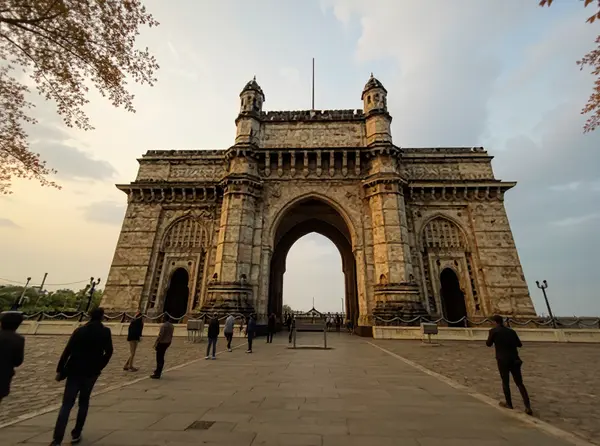
1. Gateway of India
Ikoniczny pomnik nadbrzeżny symbolizujący kolonialną przeszłość Mumbaju. Ciesz się widokami na morze, tętniącymi życiem promenadami i rejsami łodzią do jaskiń Elephanta.
Szybkie fakty: Słoneczne, zasolone bazaltowe ściany wznoszą się około 26 metrów nad nabrzeżem, tworząc dramatyczną sylwetkę, która przyciągała odwiedzających królewskich gości i filmowców. Tłumy spacerowiczów i sprzedawców wylewają się na promenadę, gdzie parające kubki chai i zapach prażonej kukurydzy mieszają się z nawoływaniami flisaków.
Najważniejsze atrakcje: Przeciągnij palcami po dolnych kamieniach, a znajdziesz mosiężne śruby pokryte solą i małe wciśnięcia muszli, odciski palców morza pozostawione przez codzienną bryzę. Około tuzina łodzi rybackich kołysze się przy brzegu z latarniami malującymi ruchome, złote pasy na startych schodach, sprawiając, że cała scena błyszczy jak migotanie świec.
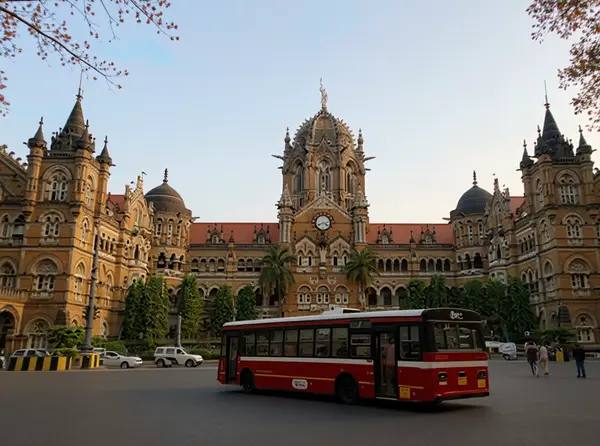
2. Chhatrapati Shivaji Maharaj Terminus
Wiktoriańska gotycka kolejowa niesamowitość wpisana na listę UNESCO z rzeźbionym kamieniem i witrażami. Spaceruj po zatłoczonych halach, obserwuj pociągi i fotografuj dramatyczną fasadę o złotej godzinie.
Szybkie fakty: Zawrotny mix wiktoriańskich strzelistych wież gotyckich, mauzoleów Mogołów i indyjskiego kamieniarskiego rzeźbienia zaprasza do spokojnego i wielokrotnego podziwiania, odsłaniając rzeźbione zwierzęta i motywy kwiatowe, których nie spodziewałbyś się na węźle kolejowym. Codziennie przechodzi przez nią ponad 300 000 pasażerów, więc poczujesz puls miasta, gdy ozdobne łuki oprawiają nieustanny nurt ludzi.
Najważniejsze atrakcje: Wślizgnij się tuż przed świtem, a wielkie kamienne łuki rzucą długie, miodowe cienie, podczas gdy sprzedawcy podają parujące cięte chai za około 10 INR, a wonny, kardamonowy para rozmywa misternie rzeźbione zdobienia. Lokalni fotografowie gromadzą się w konkretnych punktach widokowych, jak centralna pochylna i balkony na końcach, by uchwycić idealną symetrię podczas złotej godziny, potem wymieniają się odbitkami i wskazówkami.
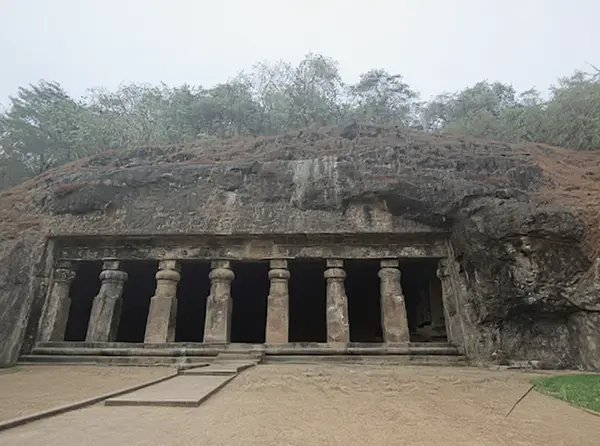
3. Elephanta Caves
Wyryte w skale świątynie na wyspie prezentują monumentalne rzeźby Śiwy. Przechadzaj się po rozległych halach, studiuj szczegółowe reliefy i podziwiaj panoramiczne widoki na port w Mumbaju.
Szybkie fakty: Słona, morskie powietrze o silnym zapachu soli i echo silników łodzi wita odwiedzających przed krótkim wspinaniem się po startych bazaltowych schodach prowadzących do zacienionych komnat. W środku ponad czterdzieści płaskorzeźb i filarów wyłania się z skały, centralnym punktem jest trójgłowa rzeźba bóstwa rozciągająca się na około 6 metrów szerokości.
Najważniejsze atrakcje: Wejdź do głównej sali, a dominującą przestrzeń zajmie pojedyncza, ogromna kamienna głowa o trzech twarzach, nazwana Trimurti, której rzeźbione cechy oświetla popołudniowe światło, zdając się ożywiać każdą twarz. Ciekawostka historyczna: dzienniki marynarzy z XVII wieku wspominają o zwietrzałej statui słonia przy nabrzeżu, która zainspirowała lokalne nazwy, a niektórzy przewodnicy pokazują nadal płytkie wgłębienia w podłodze, gdzie kiedyś podczas rytuałów migotały lampy olejne.
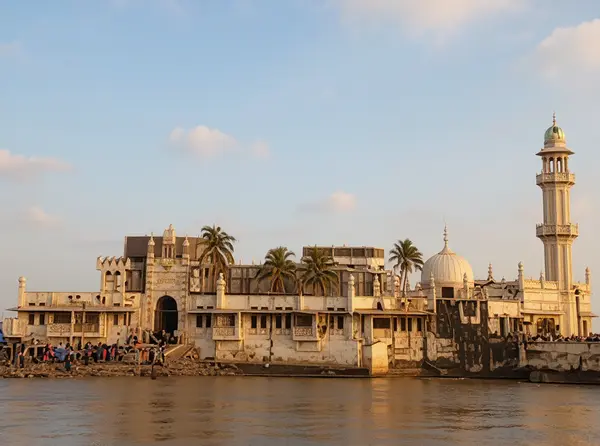
4. Haji Ali Dargah
Meczet-przybytek nad oceanem na wąskim pomoście, spokojna przystań w zgiełku Mumbaju. Przejdź się po pomoście, zobacz ozdobne wnętrza grobowców i złap złoty zachód słońca nad Morzem Arabskim.
Szybkie fakty: Biały meczet i sanktuarium stoją na małej, sercowatej wysepce, do której prowadzi wąska kamienna grobla, znikająca pod wodą podczas wysokiego przypływu, tworząc spektakularne widoki na morze. Ludzie wielu wyznań odwiedzają to miejsce codziennie, a tłumy zwiększają się do kilku tysięcy podczas Ramadanu i wieczorami w czwartki.
Najważniejsze atrakcje: Wąska grobla znika pod wodą dwa razy dziennie, więc spacer nią przypomina znikającą ścieżkę splataną z morskiej soli i krzyków mew. Wierni często okrążają wewnętrzne sanktuarium dokładnie siedem razy, wiążąc kolorowe nitki do poręczy, zostawiając setki monet i płatków róż, które brzęczą jak bęben, gdy przypływ wyrzuca fale.
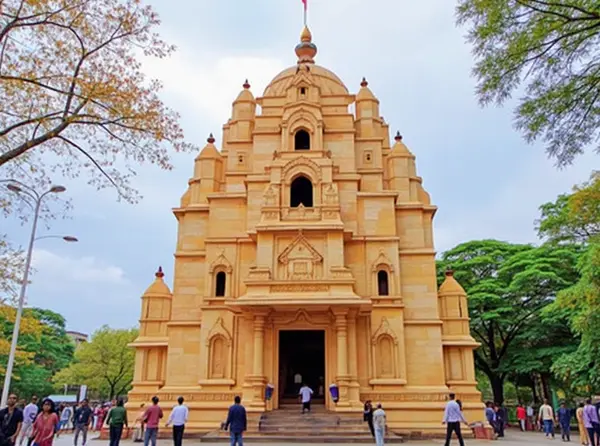
5. Siddhivinayak Temple
Jeden z najsłynniejszych świątyń Ganapati w Mumbaju, tętniący oddaniem i historią. Doświadcz żywych aarti, ozdobnego sanktuarium i duchowego tętna miasta.
Szybkie fakty: Migoczące, wewnętrzne sanktuarium przyciąga wiernych do kompaktowej, złoto oświetlonej przestrzeni, gdzie kapłani poruszają się z spokojną precyzją, a powietrze jest gęste od kadzidła i aksamitnych nagietków. Tłumy mogą gwałtownie rosnąć, a kolejki często ciągną się godzinami, przy czym władze zarządzają nimi z dyscypliną i skutecznością.
Najważniejsze atrakcje: Niecodzienna tradycja zakłada podawanie laddoo prasadam po głównym rytuale, a wolontariusze rozdają około 10 000 laddoos podczas szczytowych dni festiwalu, stanowiąc klejący, słodki kontrast do wonnego dymu. Korytarz zawieszonych przez odwiedzających ponad 200 mosiężnych dzwonków dzwoni za każdym razem, gdy składany jest nowy dar, tworząc delikatną, dzwoniącą ścieżkę dźwiękową, która pozostaje długo po wyjściu.
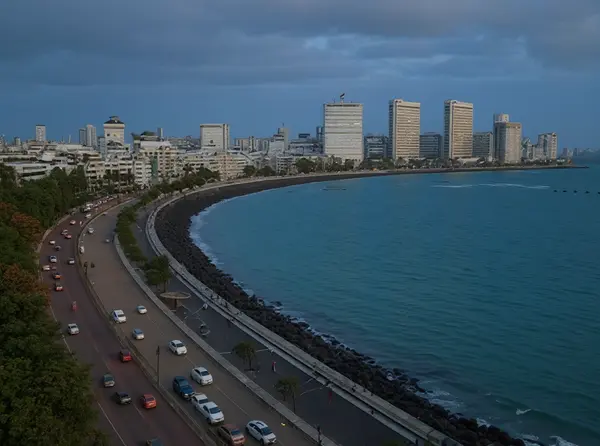
6. Marine Drive
Rozległa nadmorska promenada z dramatycznymi zachodami słońca i Art Deco na tle nieba. Ciesz się spacerem o zachodzie, lokalnymi przekąskami, morską bryzą i okazjami do zdjęć panoramy miasta.
Szybkie fakty: Zakola nabrzeża o długości około 3,6 km tworzą zatoczkę, która nocą lśni jak długi półksiężyc. Lampy uliczne wieczorami obrysowują łuk tak idealnie, że ludzie nazywają go naszyjnikiem, podczas gdy monsunowe wiatry uderzają w promenadę tworząc dramatyczne rozbryzgi.
Najważniejsze atrakcje: Wczesnoporanne grupy często przebiegają dwa okrążenia tego zatoczkowego łuku, robiąc trening o długości 7-8 km, podczas gdy starsi gracze spotykają się na ławkach, by grać w hałaśliwe, szybkie szachy. Pomarańczowe zachody słońca barwią bazaltową promenadę, a podczas niektórych festiwali rodziny zapalają sznury po sześć do ośmiu zimnych ogni, które tworzą miniaturowe wybuchy gwiazdek na nocnym niebie.
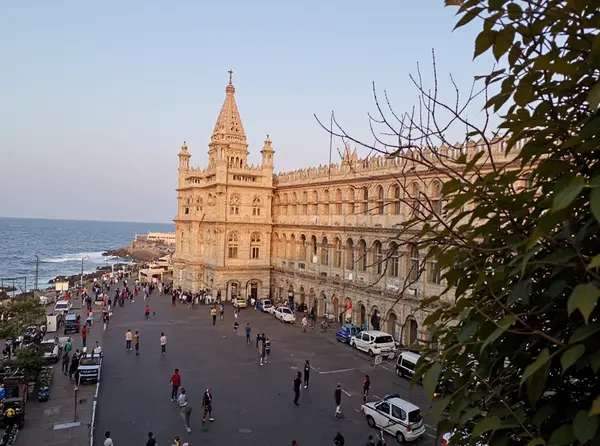
7. Colaba Causeway
Nadmorska ulica handlowa z kolonialnym urokiem i żywymi targami. Spodziewaj się okazji, stoisk z jedzeniem ulicznym i kolorowych tłumów przemierzających wąskie uliczki.
Szybkie fakty: Targi rozlewają się na chodnik z kramami sprzedającymi wszystko, od antycznych map i plakatów z Bollywood po ręcznie robioną biżuterię, a targowanie się jest częścią zabawy. Kolory, zapachy i stały gwar rozmów łączą się z uliczną muzyką i małymi księgarniami schowanymi między stojakami na odzież.
Najważniejsze atrakcje: Neonowo oświetlone stragany odsłaniają czasem prawdziwe ciekawostki, jak ręcznie pisana księga sprzedawcy dokumentująca sprzedaże i klientów od 1964 roku oraz jeden stoisko oferujące ponad 300 rodzajów szalików. Pij mocne chai parzone w samowarach sięgających pasa w starej kawiarni irańskiej, gdzie para jest gęsta od kardamonu i mleka skondensowanego, w którym pływają kropelki przypraw.
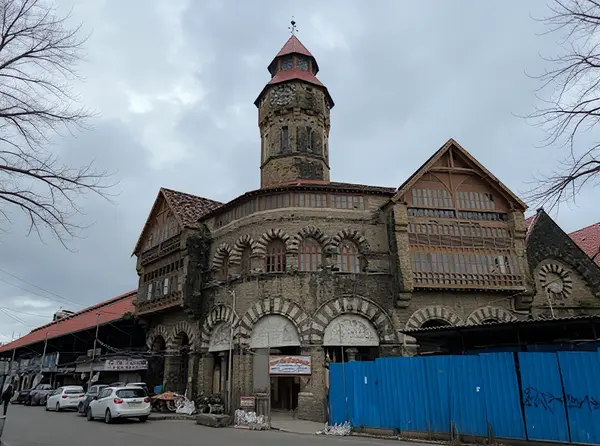
8. Crawford Market
Targ z epoki kolonialnej oferujący intensywne smaki, zapachy i kolory. Przechadzaj się między stoiskami z owocami, przyprawami, zwierzętami i antykami pod wiktoriańską fasadą.
Szybkie fakty: Spodziewaj się intensywnej mieszanki przypraw, owoców i vintage dekoracji pod jednym wysokim, ozdobnym dachem, gdzie targowanie się jest częścią sportu i rozmowy. Miejscowi handlarze często wołają ceny po marathi i hindi, używając wiekowych wag i drewnianych balansów obok nowoczesnych kas fiskalnych.
Najważniejsze atrakcje: Wejdź do środka, a powietrze wypełni słodki, ziemisty zapach świeżej kolendry i kwaśnych cytrusów, podczas gdy kilkadziesiąt papug gaworzy w klatkach blisko stoisk ze zwierzętami. Wyćwiczony rytm pojawia się, gdy handlarze z kredowymi rękami liczą ceny i układają drewniane skrzynie w kilka sekund, tworząc choreografię ludzką, która pozwala długim kolejkom płynnie przesuwać się podczas sezonu festiwalowego.
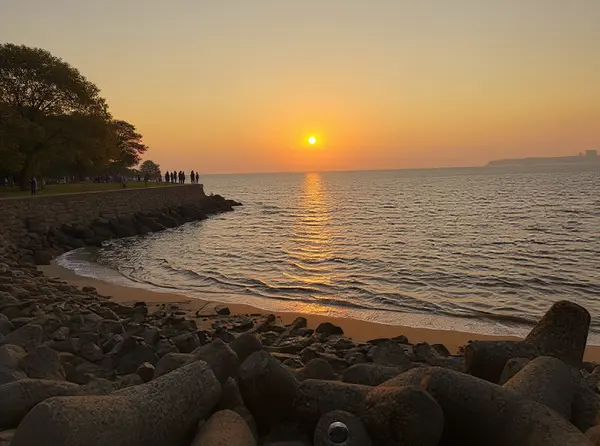
9. Girgaum Chowpatty
Ikoniczna plaża w Mumbaju z tętniącym życiem jedzeniem ulicznym i widokami na zachód słońca. Spaceruj promenadą, próbuj bhel i kulfi, i oglądaj jak miasto rozświetla się nocą.
Szybkie fakty: Złoty piasek spotyka tętniący życiem miejski krajobraz przy plaży w kształcie półksiężyca, gdzie wieczorni biegacze i puszczający latawce dzielą przestrzeń z kramami z gorącym jedzeniem. Lokalni sprzedawcy oferują bhelpuri, pav bhaji i prażoną kukurydzę, a jedna godzina zachodu słońca może napełnić powietrze co najmniej pięcioma różnymi przyprawami i słonym zapachem morza.
Najważniejsze atrakcje: Podczas szczytu Ganesh Visarjan setki glinianych lampionów i tysiące płatków nagietka płyną jednocześnie, zmieniając morską falę w migoczący dywan pomarańczy i światła świec. Aromaty ulicznego jedzenia mieszają się z modlitewnymi pieśniami i brzękiem mosiężnych lotasów, gdy rodziny wysyłają małe gliniane łódki unoszące się pod nocnym niebem pachnącym solą.
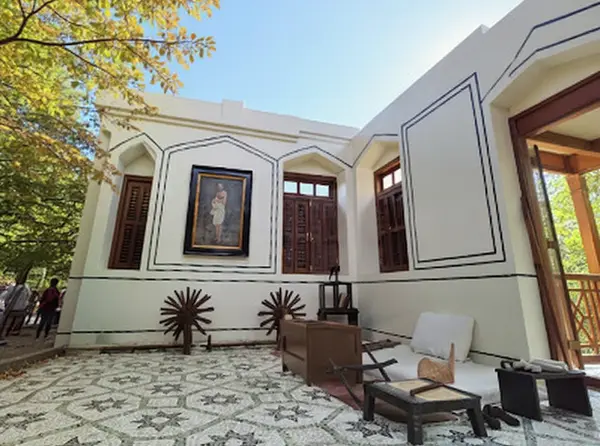
10. Mani Bhavan
Wejdź do domu, gdzie Gandhiego planował kluczowe kampanie. Zachowany jako ciche muzeum. Spaceruj jego prostym gabinetem, oglądaj zdjęcia z epoki i spokojny ogród dziedzińca.
Szybkie fakty: Nasłonecznione pokoje kryją skromną kolekcję ręcznie pisanych listów, rzadkich zdjęć i przedmiotów osobistych, które odsłaniają codzienne zwyczaje ważnej postaci politycznej. Zwiedzający często zwracają uwagę na zachowany gabinet i prosty kołowrotek, podczas gdy dach oferuje cichy widok kontrastujący z zgiełkiem miasta pod spodem.
Najważniejsze atrakcje: Wejdź do małego pokoju na górze, gdzie niskie drewniane łóżko, postrzępiony charkha i para okrągłych okularów w szkle sprawiają, że przeszłość jest niemal namacalna, a zapach starego papieru i połysku jest wciąż wyczuwalny. Lokalna tradycja rozbrzmiewa dzwonem mosiężnym o 17:00 każdego dnia, wolontariusze odmawiają krótką modlitwę, a wielu odwiedzających zatrzymuje się w ciszy, a pojedynczy czysty dźwięk rozbrzmiewa przez okoliczne uliczki.
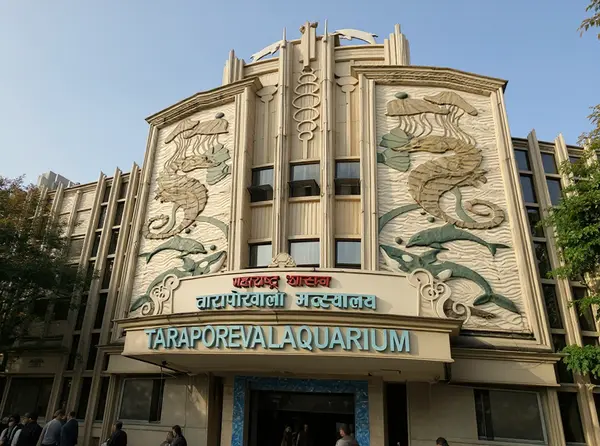
11. Taraporewala Aquarium
Odkryj długoletnie akwarium morskie Indii niedaleko Marine Drive z różnorodnymi gatunkami przybrzeżnymi i tropikalnymi. Spaceruj obok szklanych zbiorników, obserwuj kolorowe ryby, płaszczki i okazjonalne karmienia z bliska.
Szybkie fakty: Wejdź do środka, a zobaczysz kalejdoskop zbiorników zawierających ponad 2000 ryb z ponad 200 gatunków, kolory migoczą na starannie dobranych koralowych tłach. Niebieskie ambientowe oświetlenie i niski szum filtrów sprawiają, że zwiedzanie przypomina spacer przez podwodne miasto, gdzie ciekawe płaszczki i jasne ryby klauny unoszą się kilka cali od szkła.
Najważniejsze atrakcje: Niezapomnianym momentem jest sposób, w jaki ustawiono 55 zbiorników, kierując światło i ruch tak, że wirująca szkoła srebrnych ryb wypełnia całe pole widzenia. Uważnie słuchaj podczas karmienia w ciągu tygodnia po południu, personel ogłasza nazwy gatunków, a ty możesz usłyszeć szelest sieci i plusk, gdy pracownicy zachęcają tuzin płaszczek do szkła widokowego, tworząc zaskakująco teatralny, lekko słony dźwięk.
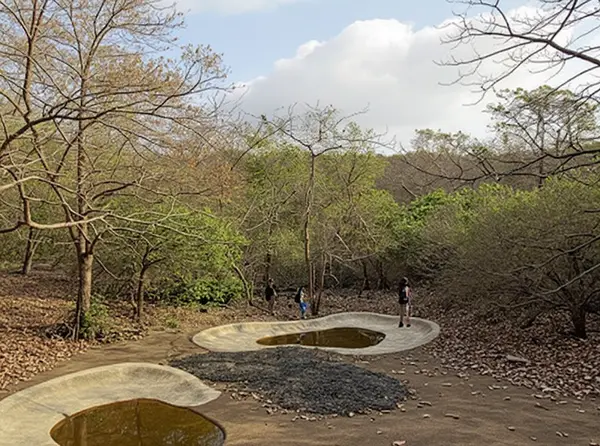
12. Sanjay Gandhi National Park and Kanheri Caves
Zielona enklawa dzikiej przyrody w Mumbaju z wodospadami i starożytnymi jaskiniami wyciosanymi w skale. Spaceruj zacienionymi ścieżkami, obserwuj ptaki i jelenie oraz eksploruj jaskinie Kanheri.
Szybkie fakty: Gęsty zielony baldachim pokrywa około 87 kilometrów kwadratowych, gdzie małpy rozmawiają z drzewa na drzewo, a lamparty czasami pojawiają się na krawędzi szlaków spacerowych. Zespół około 109 wykutych w skale buddyjskich jaskiń wspina się po bazaltowych zboczach, zawierając rzeźbione chaity, cele monastyczne i inskrypcje, które zmieniają kamień w żywy zapis codziennego życia.
Najważniejsze atrakcje: Wejdź do chłodnej, kolumnowej hali skalnej, gdzie pojedyncze promienie słońca rzucają światło na wyrzeźbioną stupę, tworząc nagłe światło reflektora, a cząsteczki kurzu błyszczą jak zawieszone gwiazdy. Podążaj wąską ścieżką prowadzącą przez 109 komnat, gdzie wieśniacy nadal zostawiają niewielkie jaśminowe ofiary w wyrzeźbionych wnękach, a delikatny zapach i odgłosy ptaków sprawiają, że miejsce to przypomina żywy rytuał.
Where to Stay in Mumbai, India
Selected by City Buddy based on guest reviews and proximity to top attractions
Search all hotels in Mumbai, IndiaPowered by agoda
Dni otwarcia w Mumbai, India
Które z najważniejszych atrakcji są zamknięte w poszczególne dni tygodnia. Klasyczny pogromca wycieczek, sprawdzony za Ciebie.
poniedziałek: 2 z 6 najważniejszych atrakcji zamkniętych. Zaplanuj muzea na inny dzień.
Zamknięte w poniedziałek · 2 zamkniętych, 4 otwartych
Dni otwarcia z Google Maps (sprawdzone 2026-02-27). Święta, strajki i godziny sezonowe mogą się różnić. Sprawdź oficjalną stronę przed wyjazdem.
Tradycyjne słodkie potrawy

Gulab Jamun
Soft, milk-solid dumplings fried and soaked in rose-scented sugar syrup, Gulab Jamun is a staple at Indian festivals, weddings and celebrations, beloved for its melt-in-your-mouth texture.

Jalebi
Bright orange, coiled strands of fermented batter fried until crisp and then soaked in syrup, Jalebi is a street-food favorite that is enjoyed hot for breakfast or as a dessert.

Rasgulla
Made from chhena cheese balls cooked in light sugar syrup until spongy, Rasgulla is especially associated with Eastern India and is known for its delicate, milky sweetness.
Tradycyjne słone potrawy

Samosa
A triangular fried pastry filled most commonly with spiced potatoes and peas, Samosa is a ubiquitous snack across India and a popular street food enjoyed with chutneys.

Biryani
A fragrant, layered rice dish cooked with marinated meat or vegetables and aromatic spices, Biryani has royal Mughal roots and regional varieties like Hyderabadi and Lucknowi that are celebrated nationwide.
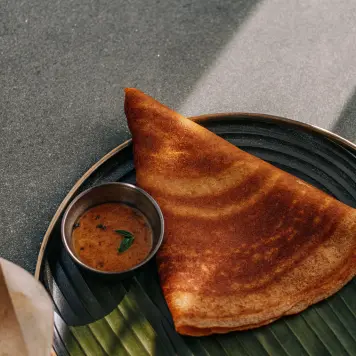
Dosa
A thin, crisp crepe made from fermented rice and lentil batter, Dosa hails from South India and is traditionally served with sambar and coconut chutney for breakfast or a light meal.
Tradycyjne napoje

Masala Chai
A spiced milk tea brewed with black tea, milk, sugar and warming spices such as cardamom and ginger, Masala Chai is a daily ritual in many Indian homes and tea stalls.
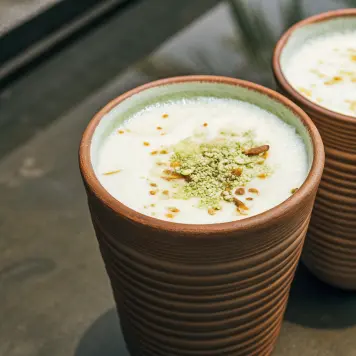
Lassi
A yogurt-based drink that can be sweet, salty or fruit-flavored, Lassi is cooling and popular in the north, especially Punjab, often enjoyed during hot weather and with heavy meals.
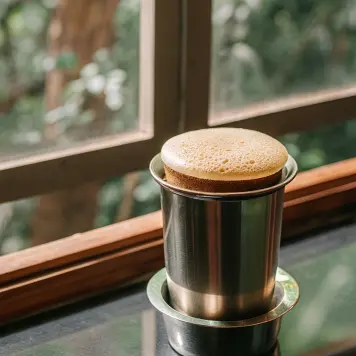
Filter Coffee
South Indian filter coffee is a strong brew made from roasted coffee mixed with chicory, served with hot milk in a traditional metal tumbler and davara, and is an integral part of morning routines in the south.
Często zadawane pytania o Mumbai, India
Jaki jest najlepszy czas na odwiedzenie Mumbaju w Indiach?
Czy Mumbaj w Indiach jest drogi dla turystów?
Jak większość turystów porusza się po Mumbaju w Indiach?
Ilu turystów odwiedza Mumbaj rocznie?
Czy Mumbaj w Indiach jest bezpieczny dla turystów?
Wyślij PDF z najpopularniejszymi atrakcjami na swój e-mail
Otrzymaj PDF ze wszystkimi atrakcjami, ocenami i wskazówkami. Idealne do użytku offline.
Najpopularniejsze wycieczki jednodniowe
Elephanta Caves
Island with ancient rock-cut Hindu cave temples.
Alibaug
Beach town with forts and laid-back vibe.
Lonavala and Khandala
Popular hill stations with waterfalls and viewpoints.
Matheran
Car-free hill station with viewpoints and forest trails.
Jak dojechać
Stacje kolejowe
Central line, long-distance trains
Western line, long-distance trains
From the airport take a prepaid taxi or app cab to the city; local trains are fastest, avoid peak hours.
Przydatne informacje dla Mumbai, India
Przegląd dla Mumbai, India
Chcesz plan dzień po dniu dla Mumbai, India? Otwórz planer podróży
Kiedy jedziesz do Mumbai, India?
Wybierz daty i styl podróży, aby otrzymać:
Czy coś z tego jest dla Ciebie szczególnie ważne?
Wybierz wszystkie, które pasują
Przemieszczanie się
Jak chcesz się przemieszczać między miejscami?
Język planu: Polski