 CityBuddy
 Polski
Oszustwa na turystach w Jakarta, Indonesia i jak ich uniknąć
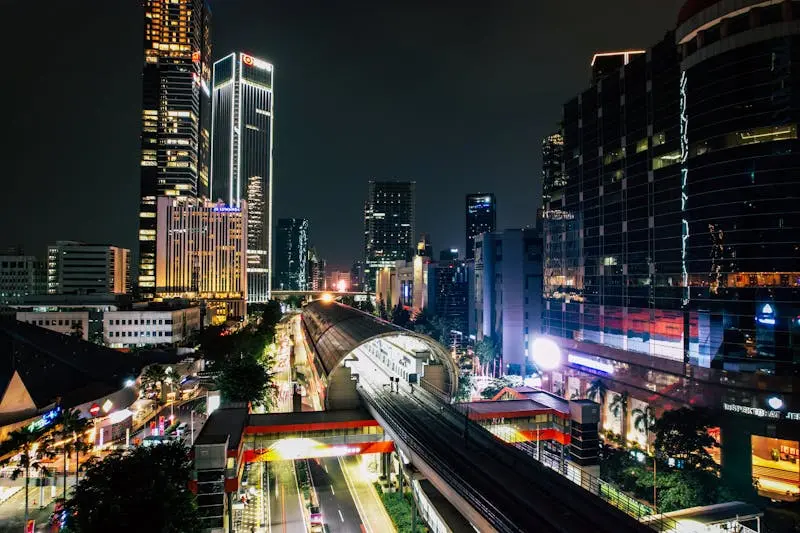
Zdjęcie wykonane przez Afif Ramdhasuma na Pexels.com
Jakarta is generally safe for tourists but has moderate petty crime, weak traffic safety, and language barriers. The main risks are taxi overcharging, pickpocketing in crowded transit, and overpriced goods aimed at foreigners. Official taxi ranks and reputable ride apps are the reliable way to get around fairly.
Zaktualizowano październik 2026
Typowe oszustwa w Jakarta, Indonesia i jak ich unikać
1. Unlicensed airport drivers
Jak to działa: Drivers without official permits approach arriving tourists in baggage claim and outside arrivals, quote inflated flat rates, and run without meters. Some operate from rental fleets posing as taxis.
Jak tego uniknąć: Walk to the official taxi rank or book through Gojek, Grab, or Bluebird on your phone. Agree to metered fares only.
2. Bad-rate money changers
Jak to działa: Exchange booths near malls and tourist spots quote rates well below the official rate, hide commissions, or count cash quickly and shortchange. Some swap in damaged notes.
Jak tego uniknąć: Check the interbank rate on your phone and compare. Count cash yourself before leaving the counter and use bank ATMs instead.
3. Flower and trinket sellers
Jak to działa: Sellers approach tourists at landmarks and put flowers, bracelets, or keychains into their hands, then demand payment for the 'gift' and escalate if refused.
Jak tego uniknąć: Do not accept items handed to you. Politely but firmly say no and keep walking. Keep hands busy or in pockets.
4. Meter manipulation
Jak to działa: Some taxi drivers take longer routes, run 'special' meters that tick faster, or claim the meter is broken and quote a high flat price at the destination.
Jak tego uniknąć: Use app-based Gojek or Grab where the fare is fixed upfront. If taking a Bluebird, confirm the meter runs before departure.
5. Unlisted charges
Jak to działa: Some restaurants present bills with undisclosed service charges, 'cover' fees, or inflated prices, particularly in tourist-heavy dining areas. Menu prices may be absent.
Jak tego uniknąć: Check menus for listed prices and the service charge line on the bill. Ask to see the price list before ordering when none is displayed.
6. Fake ticket sellers
Jak to działa: Outside transport hubs, touts sell tickets or passes that look official but may be invalid or overpriced. Some direct tourists to unmarked vans for 'shared rides' at high rates.
Jak tego uniknąć: Buy tickets only at official counters, vending machines, or the official app. Ignore touts and use marked station entrances.
7. Shimming and high-fee ATMs
Jak to działa: Card skimming devices have been found on standalone ATMs, and convenience store machines charge high withdrawal fees. Attackers may help 'assist' you at the machine.
Jak tego uniknąć: Use ATMs inside bank branches during business hours. Cover your PIN and pull the card slot to check for skimmers.
Oficjalne bilety do największych atrakcji w Jakarta, Indonesia
Pomiń ulicznych sprzedawców: zarezerwuj oficjalne bilety i wycieczki z darmowym odwołaniem.
Z lotniska do centrum miasta
Soekarno-Hatta International Airport (CGK)
Use the official metered taxi rank inside the terminal or book through Gojek, Grab, or Bluebird apps. Refuse unlicensed drivers who approach you in the arrivals hall, and insist the meter runs or agree a fare in writing before departure.
Najlepsza alternatywa: Damri airport bus to Gambir or other central stops (około 60 min)
Transport publiczny: bilety, kasowanie i mandaty
- Bilet jednorazowy
- 3 500 Rp (0,17 €) (Single ride on TransJakarta bus or one-way MRT fare, varies by distance)
- Zasady kasowania
- Tap your card or ticket at the gates before boarding TransJakarta or MRT. Hold on to your ticket for inspection by staff. On the Commuter Line, tap in and out at the station gates; forgetting the exit tap can flag your card.
- Płatność kartą
- Contactless bank cards and QRIS payments work on MRT and some TransJakarta routes. Jakarta's JakCard and the TransJakarta app are the standard prepaid options. Not all older buses accept cards.
Napiwki i opłaty serwisowe
Napiwki: Tipping is not required but appreciated in restaurants. Many mid-range and upscale venues add a 10% service charge; if not included, rounding up or leaving small change is common. Taxi drivers generally do not expect tips.
Opłaty za nakrycie i serwis: Many restaurants add a 10% service charge and 10% government tax shown on the bill. Check whether service is already included before tipping extra. Some street stalls quote prices only verbally, so confirm the price before ordering and check menus for listed prices.
Karty, bankomaty i kantory walutowe
Use ATMs attached to banks, not standalone or convenience store machines which often carry high fees. Always choose to be charged in Indonesian rupiah and decline dynamic currency conversion. Avoid exchange booths in tourist-heavy areas with poor rates; bank ATMs or official bank counters give better rates.
Okolice, w których zalecana jest szczególna ostrożność
- Around Gambir and Pasar Senen stations: Late at night, keep bags closed and phones secured. Pickpocketing is reported near these hubs, especially during peak commuter hours.
- Kota Tua area: Busy with street sellers and crowds; keep valuables in front pockets and be alert to distraction tactics by trinket and flower sellers.
Numer alarmowy
112
Planujesz budżet?
Często zadawane pytania o Jakarta, Indonesia
Czy Jakarta, Indonesia jest bezpieczne dla turystów?
Czy muszę kasować bilety komunikacji miejskiej w Jakarta, Indonesia?
Czy w Jakarta, Indonesia oczekuje się napiwków?
Jaki jest numer alarmowy w Jakarta, Indonesia?
Na podstawie powszechnie opisanych doświadczeń podróżnych i oficjalnych zaleceń. Ceny są orientacyjne i mogą się zmieniać; sprawdź aktualne opłaty na miejscu. Zaktualizowano październik 2026.