 CityBuddy
 Polski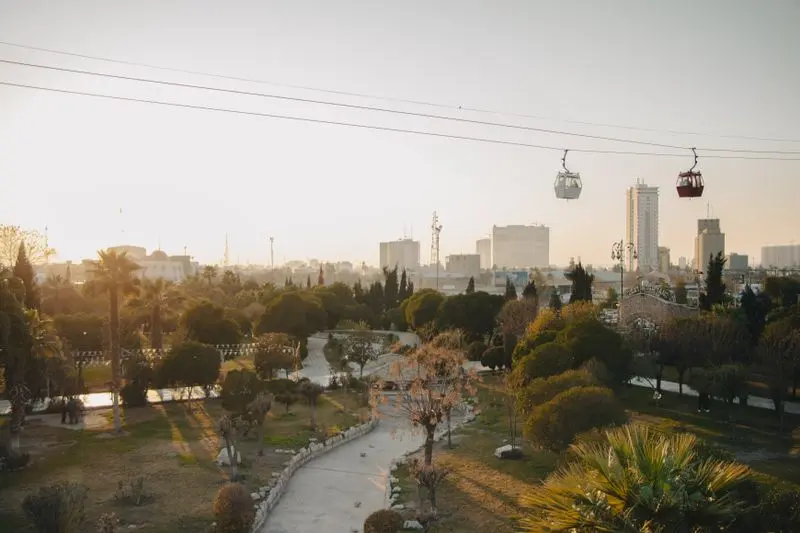
Co robić w Erbil, Iraq
Zdjęcie wykonane przez Dextar Studio ™ na Pexels.com
Kiedy odwiedzić
Kiedy jedziesz do Erbil, Iraq?
Wybierz daty i styl podróży, aby otrzymać:
Czy coś z tego jest dla Ciebie szczególnie ważne?
Wybierz wszystkie, które pasują
Getting around
How do you want to move between places?
Plan language: PolskiNajpopularniejsze atrakcje w Erbil, Iraq
The top things to do in Erbil, Iraq begin at the 8,000-year-old Erbil Citadel, whose layered ruins rise 30 meters above the surrounding city. Wander through Qaysari Bazaar's covered aisles for spices and textiles, then relax at Sami Abdulrahman Park, a 160-hectare green space perfect for late-afternoon walks.
1. Erbil Citadel
Stroll a mound lived on for 8,000 straight years, one of Earth's oldest settlements. Winding lanes, mud-brick facades, and rooftop views over the city below await.
Szybkie fakty: Around 8,000 years of stacked human history form the 30-meter mound underfoot. Roughly 500 mud-brick homes line its circular streets, and UNESCO inked the spot onto its World Heritage list in 2014.
Najważniejsze atrakcje: The whole ring-shaped settlement works like one enormous interlocking house, with roughly 500 homes sharing walls along a spiral that climbs the mound. Under your soles sit 8,000 years of compacted floors, and in the shade of a side lane the salty, earthen smell of old brick lingers.
2. Sami Abdulrahman Park
One of the Middle East's biggest public green spaces, with lakes and light shows to roam for hours. Expect pedal boats, playgrounds, picnicking families, and a sunset glow over the water.
Szybkie fakty: At around 3 million square meters, this green expanse ranks among the biggest urban parks in the Middle East. Two artificial lakes anchor the grounds, where pedal boats glide across the water while families crowd the shaded banks on warm evenings.
Najważniejsze atrakcje: The twin lakes are fed by a recycling system that keeps the water clear through the brutal summer heat. At sundown, dozens of synchronized fountains burst into shifting colors while families spread carpets on the grass to picnic, turning the whole park into an open-air festival.
3. Kurdish Textile Museum
Watch traditional weaving come alive on a working loom inside an ancient courtyard house. Touch the goat-hair rugs and climb to the rooftop for citadel views.
Szybkie fakty: Inside a stone courtyard house, working looms, spinning wheels, and pots of natural dye show how weaving structured everyday life for generations. Camel-hair tents, felt slippers, and embroidered bridal cloths fill the rooms, with some textiles woven from pure goat and camel wool.
Najważniejsze atrakcje: In the largest hall, a full camel-hair tent sits pitched on the floor, and you can step inside it to feel how the tightly woven fabric kept desert families cool and dry. Weavers use madder root for red dye, and the exact recipe, passed down within one family, turns threads a deep brick color that no synthetic dye can copy.
4. Mudhafaria Minaret
An 800-year-old brick tower that plays with light through its fluted curves. Stand at its base and watch shadows dance across ancient Kufic calligraphy bands.
Szybkie fakty: Standing roughly 33 meters tall, this brick tower tapers into a conical crown from an unusual oval base. Inside, a double spiral staircase lets two groups climb at the same time without ever crossing paths.
Najważniejsze atrakcje: Look closely at the tower's middle section and you'll notice it bulges outward slightly, a shape local legend says resembles a pregnant woman's belly. Inside, twin spiral staircases wind in opposite directions, so two sets of climbers can pass a whole ascent without ever meeting.
5. Erbil Civilization Museum
Wander 100,000 years of history inside a restored Ottoman mansion. Peer at Neanderthal flower burials and Ottoman silver, then take in the citadel from the rooftop.
Szybkie fakty: Roughly 1,000 artifacts are arranged across nine halls spanning 100,000 years, from chunk-shaped Neanderthal hand axes to delicate Ottoman silver filigree. A skull brought from Shanidar Cave still carries traces of pollen from flowering plants, one of archaeology's most heated debates about early burial ritual.
Najważniejsze atrakcje: Clusters of tiny pollen grains, pressed into a 70,000-year-old grave at Shanidar Cave, hint that Neanderthals laid their dead on a bed of flowers. Follow the stone staircase to the roof terrace, where the twisting alleys and peeling ochre walls of the citadel unfurl beneath you in a full 360-degree sweep.
6. Jalil Khayat Mosque
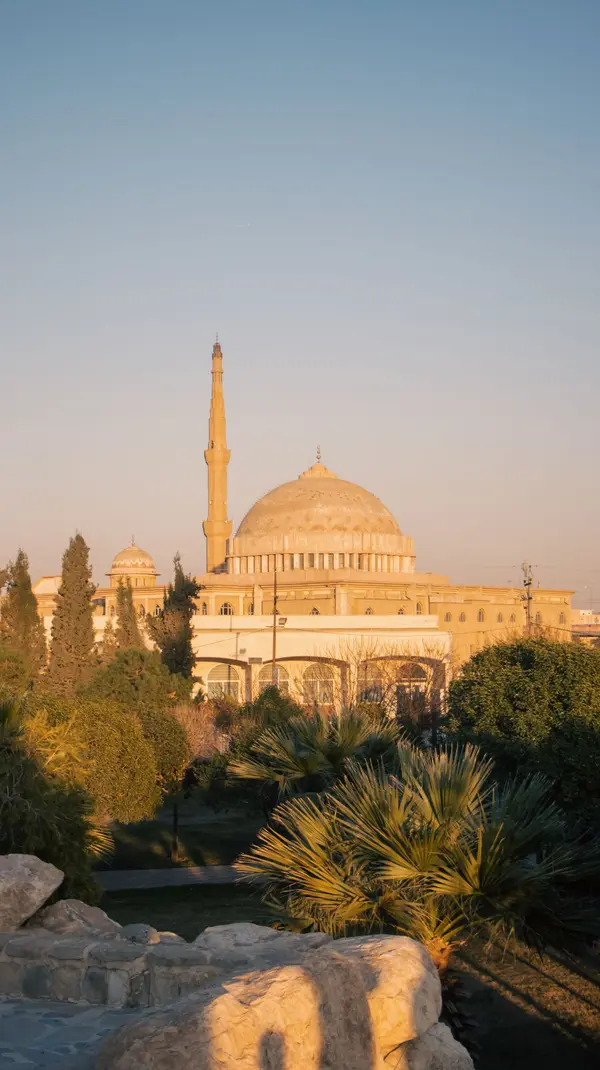
Pray beneath a dome whose scale rivals Istanbul's finest mosques. Cool marble underfoot, hand-painted Ottoman tiles overhead, and golden light spilling through tall windows greet every visitor.
Szybkie fakty: The four 48-meter minarets copy the Ottoman proportions of Istanbul's Blue Mosque, yet the whole project was bankrolled by one family rather than a government. The main dome spans 19 meters wide, and the prayer hall swallows 8,000 worshippers at Friday midday prayers.
Najważniejsze atrakcje: One family paid for the entire build, and when the patriarch died in 2007, his relatives kept funding the hand-painted tiles until the doors opened in 2014. Turkish artisans flew in from Istanbul to decorate the dome's base with Ottoman flower motifs, and you can stand directly beneath that work and trace the brushstrokes.
7. Minaret Park
Climb a leaning brick minaret rising out of city lawns, then watch kite crowds take over the weekend sky. Expect tight stone stairs, a full skyline view, and cheap snacks by the gate.
Szybkie fakty: Roughly 36 meters of patterned brickwork climbs at the heart of this green space, each level switching between star-shaped and interlaced tile motifs. Locals jokingly call the slightly tilted tower "the leaning minaret," and Friday evenings here turn into packed family picnics with tea and sweets.
Najważniejsze atrakcje: A tight spiral staircase with 87 worn stone steps corkscrews to the top, where you can poke your head through the small opening and see the whole city ringed by mountains. On weekend afternoons the lawns below fill with fluttering kites, and the tower becomes the constant backdrop for wedding photo shoots.
8. Shanidar Park
No other city green space pairs a 7,000-year-old citadel with pedal boats and laser-lit fountains. Pack a picnic and stay for the evening water show and open-air cafes.
Szybkie fakty: Roughly 200,000 square meters of grass, artificial lakes, and paved loops unfold directly beneath the walled citadel hill, whose layers of settlement go back some 7,000 years. The name pays tribute to a nearby cave where nine Neanderthal skeletons were unearthed, one buried on a bed of pollen that hints at the earliest known ritual flower burial.
Najważniejsze atrakcje: The lake's choreographed fountain show fires up right after dark, with jets shooting 20 or more meters into the air and lasers tinting the spray red and gold. Grab a bench near the amphitheater and the entire spectacle is free to watch, with the floodlit 7,000-year-old citadel towering behind the water.
9. Syriac Heritage Museum
Step into a culture you can see, touch, and almost live inside. Three floors of rescued objects and a rebuilt home bring centuries of daily life within arm's reach.
Szybkie fakty: More than 300 objects, from embroidered wedding shawls to hand-carved cradles, trace a way of life that spans centuries. Several pieces survived raids on northern church storerooms in 2014, so every case carries a story of escape.
Najważniejsze atrakcje: A life-sized replica of a traditional Syriac home fills the ground floor, complete with a clay oven and a low wooden door you actually duck under. In the manuscript room, a handwritten prayer book on gazelle skin shows gold ink that still glints when you lean close to the glass.
Where to Stay in Erbil, Iraq
Selected by City Buddy based on guest reviews and proximity to top attractions
Search all hotels in Erbil, IraqPowered by agoda
Tradycyjne słodkie potrawy
Kleicha
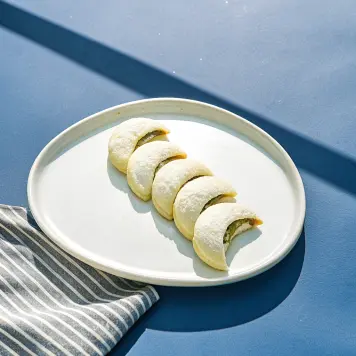
These crescent-shaped date-filled cookies are a beloved Eid tradition in Iraqi Kurdistan, with the filling often perfumed with cardamom and rosewater. Families bake them in huge batches to share with neighbors during holidays.
Zerde
Zerde is a vibrant yellow rice pudding colored with saffron and studded with nuts and raisins. It is a festive dessert served at weddings and during Kurdish New Year (Nowruz) celebrations.
Kadeh
Kadeh is a Kurdish festive pastry with a delicate, flaky crust filled with dates and nuts, then dusted with powdered sugar. It is a traditional gift presented to guests during Nowruz and special family occasions.
Tradycyjne słone potrawy
Kurdish Biryani
Unlike Indian versions, Kurdish biryani is a slow-cooked rice dish layered with lamb, raisins, almonds, and warming spices, with saffron giving it a golden hue. It is the star of festive dinners and Friday family gatherings in Erbil.
Kubba
Kurdish kubba features a crisp bulgur shell with a spiced ground meat and pine nut filling, often simmered in a tangy tomato broth. The regions around Erbil are renowned for serving these dumplings in giant, celebratory sizes.
Dolma
Kurdish dolma stuffs vine leaves, peppers, eggplant, and zucchini with a flavorful rice and meat mixture, then simmers them in a lemony broth. Many Erbil families add sour grape juice, called verjuice, for a distinctive tang.
Tradycyjne napoje
Kurdish Chai
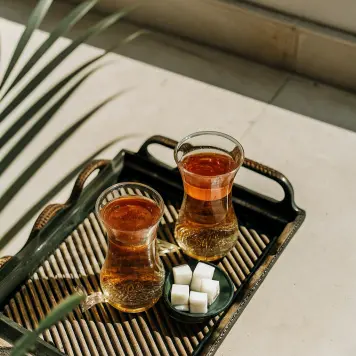
Tea is the heart of Kurdish hospitality in Erbil, brewed strong and served in small tulip-shaped glasses with sugar cubes. Refusing a glass when it is offered is considered impolite, so it is poured throughout the day for every guest.
Ayran
Ayran is a cooling yogurt drink blended with water and salt, a perfect companion to rich savory meals in Erbil's hot climate. It is often served in the same tulip-shaped glasses used for tea as a refreshing finish.
Sharbat
Sharbat is a sweet, fragrant syrup made from fruits or flowers like rose, pomegranate, or lemon, diluted with cold water or ice before serving. It is a traditional Ramadan favorite offered to guests breaking their fast in Erbil.
Frequently Asked Questions about Erbil, Iraq
Is Erbil, Iraq safe?
How many days in Erbil, Iraq?
Best time to visit Erbil, Iraq?
Is Erbil, Iraq expensive?
How to get around Erbil, Iraq?
Wyślij PDF z najpopularniejszymi atrakcjami na swój e-mail
Otrzymaj PDF ze wszystkimi atrakcjami, ocenami i wskazówkami. Idealne do użytku offline.
Najpopularniejsze wycieczki jednodniowe
Rawanduz
Gateway to the dramatic Rawanduz canyon and rugged mountain roads.
Korek Mountain
Cable car ride to a cool summit with sweeping valley viewpoints.
Akre
Hilltop old town famous for Newroz celebrations and spring wildflowers.
Shanidar Cave
Archaeological cave site where Neanderthal remains were found.
Jak dojechać
Lotniska
Stacje kolejowe
Limited service; passenger travel is mostly by road and air
Shared shuttles and taxis leave the airport for downtown in about 20 minutes; agree on the fare before boarding.
Znajdź loty do Erbil, Iraq
Kliknij, aby uzyskać eSim dla Erbil, Iraq
Najprostszy i najtańszy sposób na dostęp do internetu mobilnego gdziekolwiek podróżujesz.
Komentarze (7)
Mostly liked it but man it gets hot by noon. Plan everything for the mornings and take a long lunch break. The citadel at sunset was the highlight.
Underwhelmed to be real. A lot of the citadel is wrapped in scaffolding and the whole city feels like one giant construction site right now. Maybe great in a few years.
Skip the restaurants facing the main bazaar entrance, walk one street back and the same kofta and tashreeb cost half as much. Locals all eat on that side.
I had mixed feelings honestly. The old bazaar is chaotic and pushy with prices but truly alive. Not for everyone, give it a full day before you judge.
Download the Careem app before you land. Yellow taxis will quote you double, the app fare is about half that and no haggling needed.