 CityBuddy
 Polski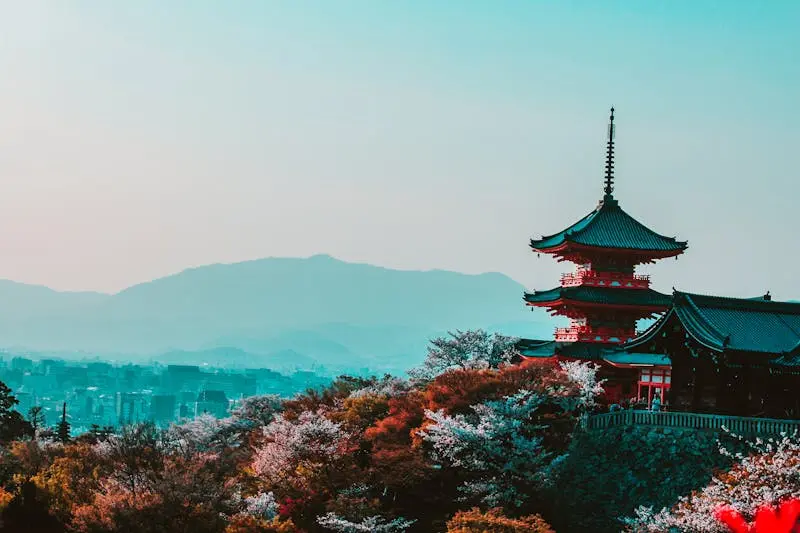
Co robić w Kagoshima, Japan
Zdjęcie wykonane przez Belle Co na Pexels.com
Kiedy odwiedzić
Kagoshima jest #6 najczystsze miasto na świecie na podstawie naszych danych z setek miejsc docelowych.
Najpopularniejsze atrakcje w Kagoshima, Japan
Odkrywanie atrakcji w Kagoshimie w Japonii oferuje mieszankę natury i kultury. Odwiedź wulkan Sakurajima, aktywny wulkan widoczny z odległości 10 kilometrów, idealny do pieszych wędrówek i kąpieli w gorących źródłach. Przejdź się po Sengan-en, historycznym ogrodzie z widokiem na zatokę. Nie przegap Akwarium w Kagoshimie, znanego z pokazów delfinów i wystaw morskich.
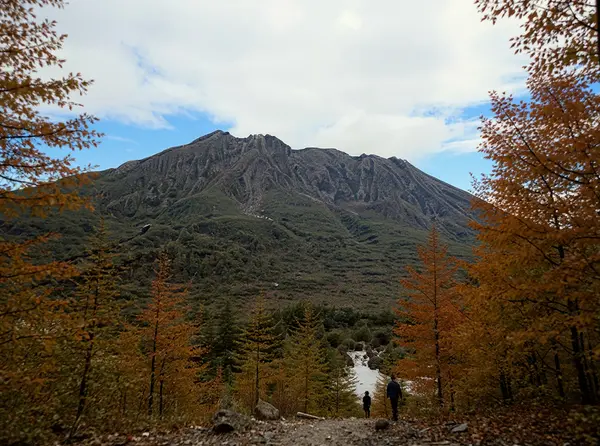
1. Sakurajima (Sakurajima Volcano)
Sakurajima Volcano
Aktywny wulkan dominujący nad zatoką Kagoshima, gdzie pióropusze popiołu spotykają się z nadmorskimi krajobrazami. Popłyń krótkim promem, przejdź wulkaniczne szlaki i zrelaksuj się w pobliskim onsen.
Szybkie fakty: Częste erupcje wyrzucają popiół i parę w niebo kilkadziesiąt razy w roku, a niektóre pióropusze osiągają kilkaset metrów. Mieszkańcy i turyści szybko przyzwyczajają się do drobnego szarego pyłu, który osiada na samochodach i ulicach, podczas gdy promy wciąż kursują przez zatokę, oferując zadymione widoki z bliska.
Najważniejsze atrakcje: Wejdź na punkt widokowy na wysokości około 300 metrów, gdzie pióropusze popiołu eksplodują jak spowolnione fajerwerki. Poczujesz niski dudniący dźwięk dochodzący z ziemi i wyrazisty zapach siarki na wietrze. Lokalną osobliwością są ogromne rzodkiewki, które czasem osiągają ponad 20 kilogramów. Ich chrupiące, słodkie plasterki podawane są na parze lub kiszone i smakują zaskakująco łagodnie po dniu spędzonym w pobliżu wulkanicznej pary.
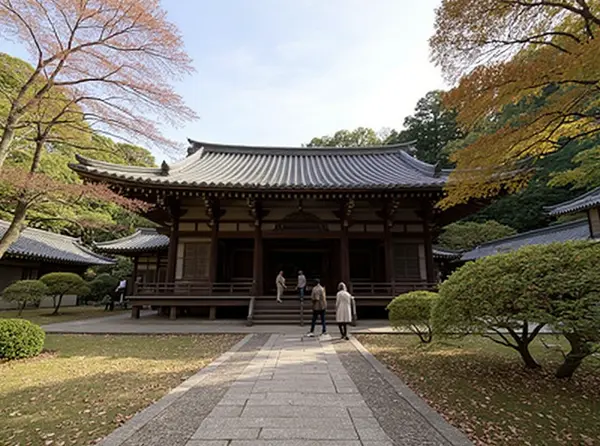
2. Sengan-en (Iso Teien / Shimadzu Family Garden)
Iso Teien / Shimadzu Family Garden
Klasyczny feudalny ogród z widokiem na wulkan i historią samurajów. Spaceruj wzdłuż stawów, herbaciarni i muzeum rodziny Shimadzu.
Szybkie fakty: Stawy oświetlone lampionami odbijają dymiący wulkan po drugiej stronie zatoki, tworząc jeden z najczęściej fotografowanych widoków ogrodowych w pobliżu nadmorskiej posiadłości. Rodzinna posiadłość zachowuje herbaciarnie z epoki samurajów, kolekcje lakierów i pomysłowy system cyrkulacji wody morskiej, który utrzymuje karpie w ruchu nawet w chłodne miesiące.
Najważniejsze atrakcje: Wąski kamienny kanał przepływa przez teren, zasilając 12 połączonych stawów wodą morską, tak że karpie koi błyszczą słonawym połyskiem, który prawie czuć, gdy pochylasz się nad drewnianą barierką. Przewodnicy wskazują 300-letnie drzewo cedrowe i opisują osobliwy rytuał, w którym mistrz herbaty trzykrotnie dzwoni dzwonkiem, a następnie podaje matchę o zapachu kopru włoskiego, opowiadając, jak ukryta rodzinna pamiątka była niegdyś schowana w dziupli drzewa.
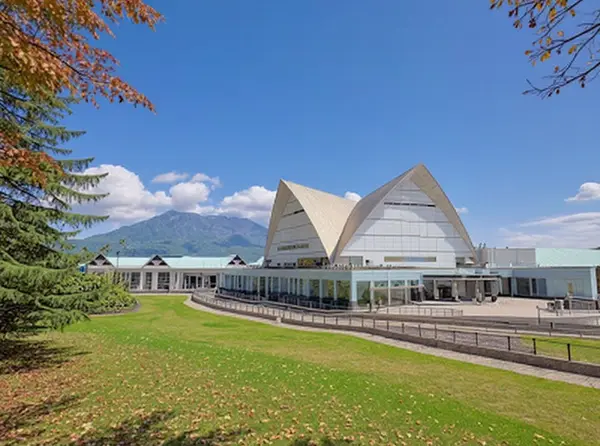
3. Kagoshima Aquarium (Io World Kagoshima Aquarium)
Io World Kagoshima Aquarium
Poczuj potęgę Prądu Kuroshio i lokalnego życia morskiego. Przejdź przez duże zbiorniki widokowe, zobacz pokazy karmienia i odkrywaj interaktywne baseny dotykowe.
Szybkie fakty: Wejdź do środka, a podążysz ciepłą, wirującą ścieżką Prądu Kuroshio, gdzie tropikalne gatunki spotykają się z lokalnymi stworzeniami przybrzeżnymi. Ekspozycje są tak zorganizowane, że możesz przechodzić od basenów dotykowych ze skalnymi basenami po kolorowe rafy i głęboką galerię otwartej wody bez zawracania, co daje zaskakująco zwartą wycieczkę po pobliskich morzach.
Najważniejsze atrakcje: Ogromny zbiornik Kuroshio rzuca snopy szmaragdowego światła na salę, a obserwowanie ławic jacków i ostroboków wirujących wokół głównego okna widokowego przez kilka minut jest hipnotyzujące. Opiekunowie opowiadają lokalne historie podczas pokazów karmienia, a słychać ciche pluski, gdy łuski błyszczą jak monety, co sprawia, że cała scena wydaje się choreograficzna i dziwnie intymna.
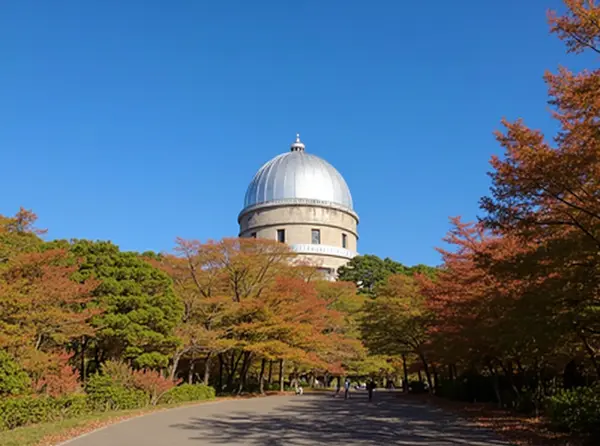
4. Shiroyama Park & Observatory (Shiroyama Observatory)
Shiroyama Observatory
Spektakularne widoki na Sakurajimę i zatokę Kagoshima z kompaktowego górskiego parku. Krótkie szlaki prowadzą na tarasy widokowe, idealne na zdjęcia o zachodzie słońca i panoramy miasta.
Szybkie fakty: Usytuowany nad zadymioną zatoką, punkt widokowy obejmuje aktywny wulkaniczny zarys, ruch promów i mozaikę świateł miasta, które na zachodzie słońca rumienią się na czerwono. Krótki leśny szlak prowadzi pod górę wśród kamfory i sosen, gdzie zniszczone kamienne schody i stare stanowiska armat cicho przypominają o wojennej przeszłości.
Najważniejsze atrakcje: Grupy miejscowych przybywają około trzydzieści minut przed zmrokiem, rozkładając bento na kamiennych ławkach, podczas gdy promy przepływają przez zatokę mniej więcej co 15 minut, a ich sygnały dźwiękowe przecinają powietrze. Fotografowie czekają 20 do 30 minut po zachodzie słońca, aby uchwycić krótki moment, gdy pióropusz wulkanu łapie różowe światło, a światła miasta rozciągają się w idealną wstęgę do długiej ekspozycji.
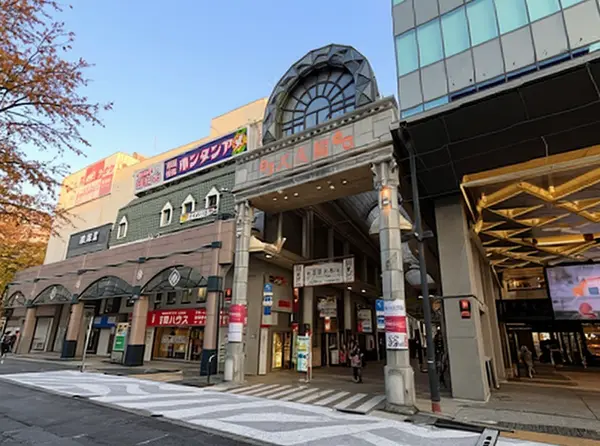
5. Tenmonkan Shopping Arcade
Historyczna śródmiejska arkada pełna lokalnego jedzenia, sklepów i neonowego nastroju. Przechadzaj się zadaszonymi ulicami, zajadając satsuma-age, szukaj butelek shochu i kupuj rękodzieło.
Szybkie fakty: Zadaszona galeria handlowa ciągnie się na około 600 metrów, pełna ponad 200 sklepów i punktów gastronomicznych, które ożywiają spacer od porannych targów po późne nocne przekąski. Lokalne specjały, takie jak lody shirokuma na strzyżonym lodzie i smażona ryba satsuma-age, wypełniają powietrze słodkimi i wytrawnymi aromatami, podczas gdy uliczni artyści i salony pachinko dodają nieoczekiwanego hałasu i kolorów.
Najważniejsze atrakcje: Neonowe odbicia sprawiają, że mokre kafelki błyszczą po deszczu, a popularny stragan Suzu sprzedaje nawet 300 miseczek lodów shirokuma podczas upalnych letnich weekendów. Stara mosiężna dzwonnica zawieszona nad jedną z uliczek jest dzwoniona przez sklepikarzy podczas lokalnych festiwali. To osobliwy rytuał, w którym dzieci liczą dźwięki dzwona aż do siedmiu, aby 'przynieść szczęście' na sezon.
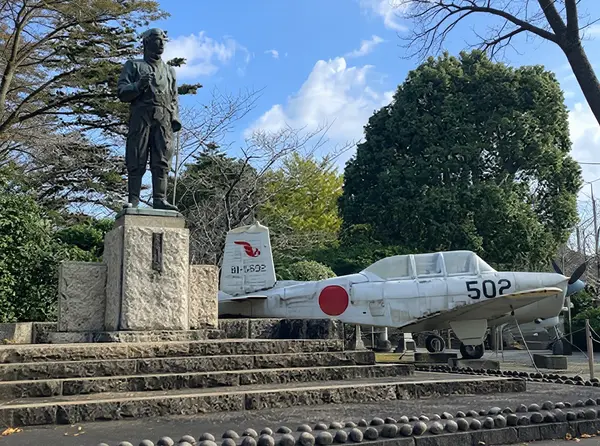
6. Chiran Peace Museum for Kamikaze Pilots
Poruszające, osobiste historie z II wojny światowej opowiedziane poprzez listy i mundury pilotów. Przejdź się spokojnymi ogrodami, przeczytaj listy pożegnalne i zobacz z bliska rzeczy pilotów.
Szybkie fakty: Ciche galerie mieszczą rzędy portretów i ponad 1000 listów pożegnalnych, wiele napisanych drżącym ołówkiem i złożonych w małe koperty. Kurtki lotnicze, hełmy i zniszczone śmigło leżą obok osobistych notatek, przez co skala ludzkich historii uderza bardziej niż jakikolwiek szczegół techniczny.
Najważniejsze atrakcje: Słabo oświetlone pomieszczenie prezentuje ponad 1000 ręcznie pisanych listów pożegnalnych ułożonych według wieku nadawcy, a jedna koperta ujawnia, że pisarz miał 19 lat, atrament wyblakł, ale podpis wciąż jest wyraźny. Odwiedzający często stoją w ciszy, podczas gdy zapach starego papieru i skrzypienie drewnianych podłóg sprawiają, że portrety i małe, złożone notatki wydają się namacalnie obecne.
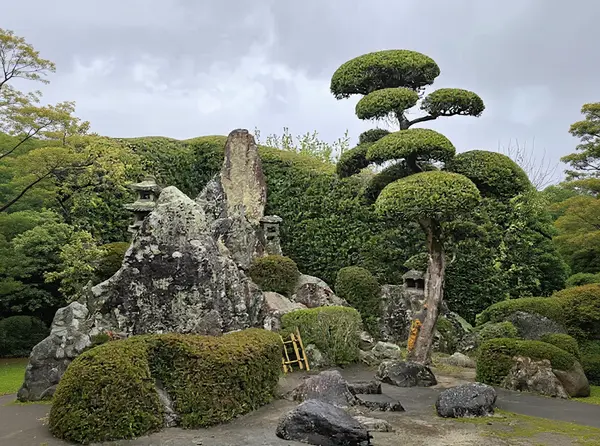
7. Chiran Samurai Residences (Chiran Historical Samurai District)
Chiran Historical Samurai District
Autentyczne miasteczko samurajów z zachowanymi domami i spokojnymi ogrodami. Przejdź przez tatami, zobacz zbroje, muzea rodzinne i wąskie kamienne uliczki.
Szybkie fakty: Kręte kamienne ścieżki odsłaniają rzędy niskich białych ścian, wąskich drewnianych bram i maleńkich ogrodów, gdzie chrzęst żwiru miesza się z zapachem sosen.
Najważniejsze atrakcje: Przechodząc pod niską bramą, można stanąć obok omszałego kamiennego lampionu ocienionego klonem, zauważając, jak deszcz łagodzi kolory i tłumi kroki. Lokalni przewodnicy często wskazują na rzeźbioną drewnianą tabliczkę z okrągłym herbem rodowym z trzema przecinkami i rokiem 1848, drobny, namacalny szczegół, który łączy pojedyncze gospodarstwo z konkretnym imieniem i historią.
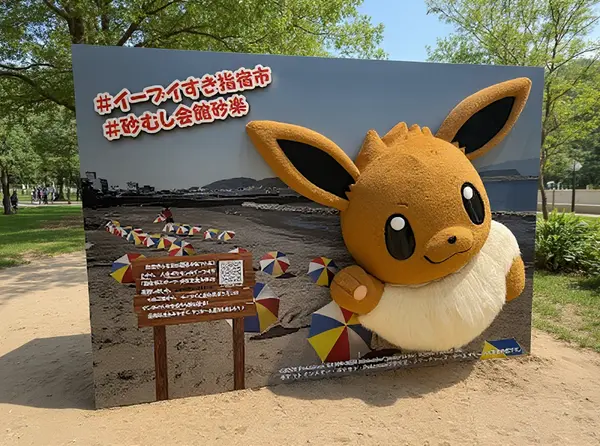
8. Ibusuki Sunamushi Sand Baths (Ibusuki Onsen)
Ibusuki Onsen
Zrelaksuj się w ciepłym wulkanicznym piasku Ibusuki, aby przeżyć wyjątkowo kojące onsen. Leż na plaży, podczas gdy obsługa przykrywa cię parującym piaskiem i ciesz się widokiem na ocean.
Szybkie fakty: Przez brzeg unosi się para, nagrzewając czarny wulkaniczny piasek, abyś mógł zostać zakopany po szyję, co powoduje silne, wilgotne pocenie się niczym w saunie. Sesje są krótkie, zwykle od 10 do 15 minut, obsługa okrywa cię wilgotnymi ręcznikami i matami bambusowymi, a wielu gości po wszystkim spłukuje się w morzu.
Najważniejsze atrakcje: Leżąc z odsłoniętą tylko twarzą, słyszysz fale i czujesz zapach soli, podczas gdy piasek ma około 45-55°C (113-131°F), ciepło, które sprawia, że skóra się rumieni, a mięśnie rozluźniają w ciągu kilku minut. Miejscowi opiekunowie używają drewnianych łopatek, aby szybko zakopać gości, a na koniec często wykonują krótki okład na skórę głowy lub delikatny masaż uciskowy, po czym większość ludzi wskakuje do fal po orzeźwiające ochłodzenie, które wyostrza cały kontrast sensoryczny.
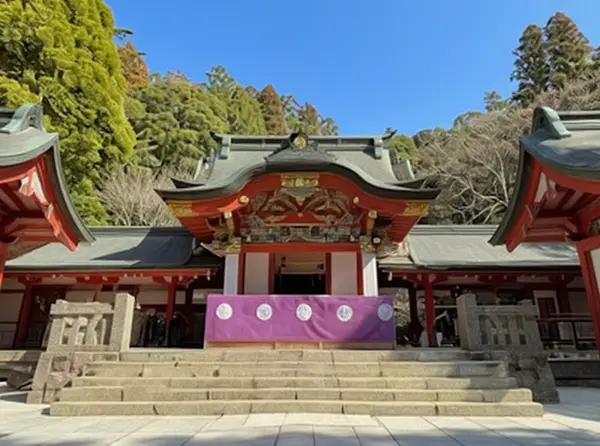
9. Kirishima-Jingu Shrine (Kirishima Shrine)
Kirishima Shrine
Wulkaniczna górska świątynia z dramatycznymi widokami na szczyt i jezioro. Spaceruj alejami cedrowymi, zobacz warstwowe torii i doświadcz wielowiekowych rytuałów shinto.
Szybkie fakty: Dramatyczne podejście prowadzi pod wysokimi cedrami i przez kamienne schody, gdzie zapach kadzideł miesza się z chłodnym górskim powietrzem, tworząc nastroj ciszy i skupienia. Miejscowi wierni oddają cześć związkowi sanktuarium z Ninigi-no-Mikoto i Konohanasakuya-hime, a wielu odwiedzających zwraca uwagę na bramy torii i rzeźbione panele, które nawiązują do mitów o bogach i wulkanicznym ogniu.
Najważniejsze atrakcje: Lokalne podania mówią, jak Konohanasakuya-hime udowodniła swoją czystość, rodząc w płonącej chacie - dramatyczna scena wyrzeźbiona w drewnianym panelu w pobliżu głównej hali, którą odwiedzający często przystają, by studiować. Odwiedzający może poczuć tę historię w powietrzu, gdzie chłodna górska mgła miesza się z ciepłą słodyczą zapachu drzewa sandałowego i echem drewnianych klaperów, sprawiając, że mity stają się niemal słyszalne.
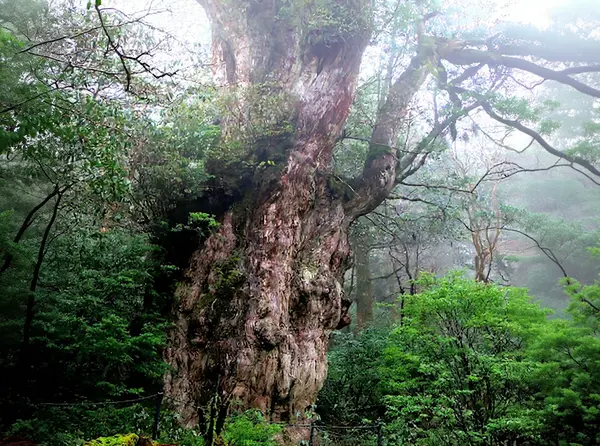
10. Yakushima Island — Jomon Sugi / Yakusugi Forest (Yakushima National Park)
Yakushima National Park
Starożytne cedrowe olbrzymy i pierwotne omszałe szlaki nagradzają wędrówkę. Podejdź do Jomon Sugi i przez las Yakusugi wśród wysokich pni, mgły i ciszy.
Szybkie fakty: Wędrówka do najsłynniejszego starego cedru to 10 do 14 kilometrów w obie strony po stromych, omszałych szlakach, więc trzeba zaplanować cały dzień i uważać na śliskie skały. Naukowcy szacują, że największy okaz może mieć nawet 7200 lat, więc spaceruje się wśród drzew, które przetrwały tysiąclecia burz i przybrzeżnej mgły.
Najważniejsze atrakcje: Z bliska pień jednego starożytnego cedru ma ponad 16 metrów obwodu, przez co głosy cichną, a każdy trzask brzmi ogromnie. Doświadczeni przewodnicy często proszą grupy o całkowitą ciszę przez 60 sekund na polanie, rytuał, który odsłania warstwy dźwięków: powolny kapanie z igieł, odległą rzekę i miękki szelest liści pod stopami.
Where to Stay in Kagoshima, Japan
Selected by City Buddy based on guest reviews and proximity to top attractions
Search all hotels in Kagoshima, JapanPowered by agoda
Dni otwarcia w Kagoshima, Japan
Które z najważniejszych atrakcji są zamknięte w poszczególne dni tygodnia. Klasyczny pogromca wycieczek, sprawdzony za Ciebie.
Dobra wiadomość: wszystkie 9 najważniejsze atrakcje ze znanymi godzinami otwarcia są otwarte każdego dnia tygodnia.
Zamknięte w poniedziałek · 0 zamkniętych, 9 otwartych
Nic nie jest zamknięte w poniedziałek. Wszystkie 9 atrakcje ze znanymi godzinami są otwarte.
Dni otwarcia z Google Maps (sprawdzone 2026-02-22). Święta, strajki i godziny sezonowe mogą się różnić. Sprawdź oficjalną stronę przed wyjazdem.
Tradycyjne słodkie potrawy
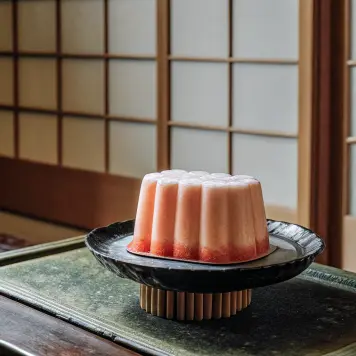
Karukan
Karukan is a pillowy steamed cake made from grated Japanese yam and rice flour, its springy texture was prized in feudal Satsuma court cuisine and still feels like biting into a soft cloud.
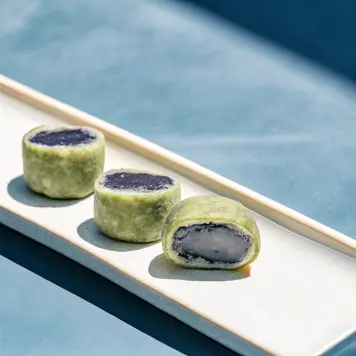
Kuro-imo sweets
Kuro-imo sweets use Kagoshima's black sweet potato, the deep purple flesh gives confections a velvety color and a naturally sweet, chestnut-like flavor that needs little added sugar.
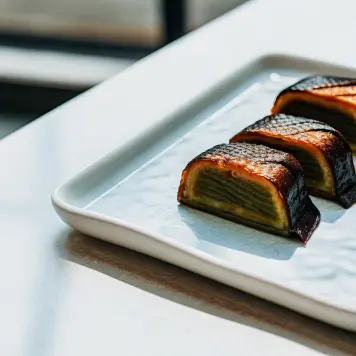
sweet potato desserts
Kagoshima's sweet potato desserts celebrate a tuber the region grows in abundance, from simple roasted yaki-imo to silky puddings, and local bakers say the flavor changes with the microclimate of each field.
Tradycyjne słone potrawy
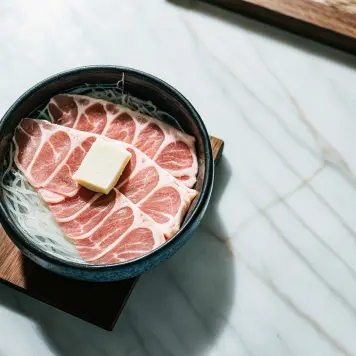
Kurobuta
Kurobuta, Kagoshima's Berkshire pork, is famed for its delicate marbling and buttery richness, and some farmers historically finished hogs on sweet potatoes to deepen the meat's natural sweetness.

Satsuma-age
Satsuma-age are golden fried fish cakes created in Satsuma as a method to preserve surplus catch, and their chewy, slightly sweet texture makes them a beloved snack and ingredient across Japan.
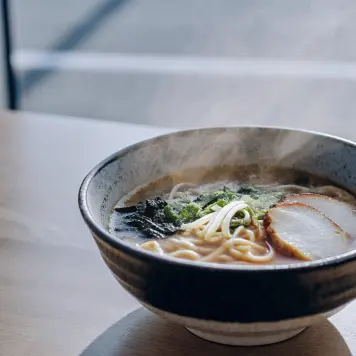
Kagoshima ramen
Kagoshima ramen features a multi-layered broth made by simmering pork, chicken, and vegetables together, and its mellow, slightly sweet profile reflects the region's preference for comforting, balanced flavors.
Tradycyjne napoje
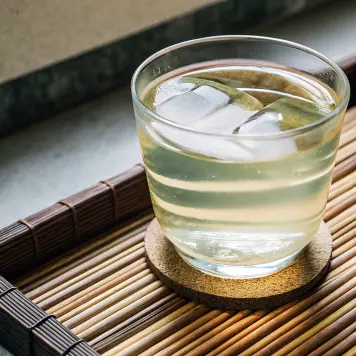
Shochu
Kagoshima is Japan's shochu heartland, famous for imo shochu distilled from sweet potatoes, and traditional single-distillation methods preserve the tuber's earthy aroma and distinctive personality.
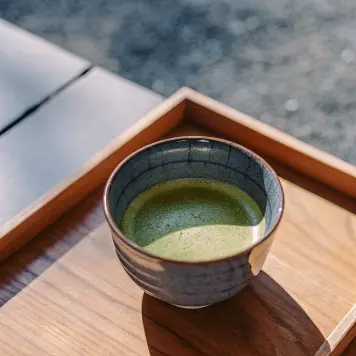
Green tea
Kagoshima's green tea benefits from warm coastal climates and volcanic soils near Sakurajima, which help produce a deep, rounded sweetness that surprises drinkers used to more astringent varieties.
Często zadawane pytania o Kagoshima, Japan
Czy Kagoshima w Japonii jest bezpieczna dla podróżnych?
Ile dni powinienem spędzić w Kagoshimie w Japonii?
Jaki jest najlepszy czas na wizytę w Kagoshimie w Japonii?
Czy Kagoshima w Japonii jest droga dla podróżnych?
Jak poruszać się po Kagoshimie w Japonii?
Wyślij PDF z najpopularniejszymi atrakcjami na swój e-mail
Otrzymaj PDF ze wszystkimi atrakcjami, ocenami i wskazówkami. Idealne do użytku offline.
Najpopularniejsze wycieczki jednodniowe
Kirishima (Kirishima-Kinkowan NP)
Volcanic park with hikes, crater lakes and shrines
Yakushima
World Heritage island with ancient cedar forests
Jak dojechać
Stacje kolejowe
Kyushu Shinkansen, JR Kagoshima Main Line, Ibusuki Makurazaki Line
JR Kagoshima Main Line, local services
From Kagoshima Airport take the Airport Shuttle bus (40–50 min) to Kagoshima-Chuo Station.
Przydatne informacje dla Kagoshima, Japan
Przegląd dla Kagoshima, Japan
Chcesz plan dzień po dniu dla Kagoshima, Japan? Otwórz planer podróży
Kiedy jedziesz do Kagoshima, Japan?
Wybierz daty i styl podróży, aby otrzymać:
Czy coś z tego jest dla Ciebie szczególnie ważne?
Wybierz wszystkie, które pasują
Przemieszczanie się
Jak chcesz się przemieszczać między miejscami?
Język planu: Polski