 CityBuddy
 Polski
Co robić w Kumano, Japan
Zdjęcie wykonane przez Marcu Ioachim na Pexels.com
Kiedy odwiedzić
Kiedy jedziesz do Kumano, Japan?
Wybierz daty i styl podróży, aby otrzymać:
Czy coś z tego jest dla Ciebie szczególnie ważne?
Wybierz wszystkie, które pasują
Plan language: PolskiNajpopularniejsze atrakcje w Kumano, Japan
Rzeczy do zrobienia w Kumano, Japonia, obejmują wędrówki starożytnymi trasami pielgrzymkowymi Kumano Kodo, które rozciągają się na ponad 200 kilometrów przez święte góry. Odwiedź Kumano Nachi Taisha, wielkie sanktuarium w pobliżu imponującego wodospadu Nachi o wysokości 133 metrów. W pobliżu znajduje się także świątynia Seiganto-ji, oferująca spokojne widoki i duchową historię.
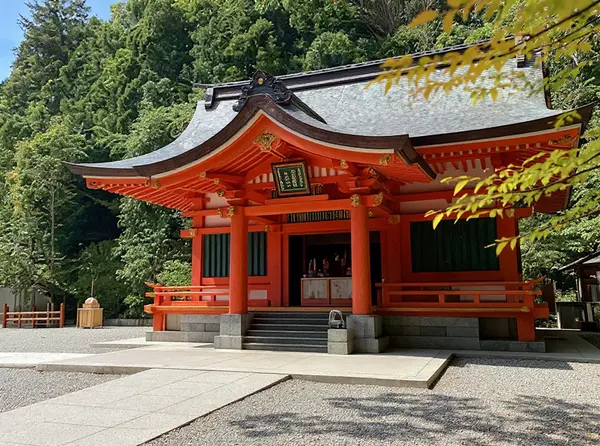
1. Kumano Nachi Taisha
Natura spotyka duchowość w dramatycznym sanktuarium wodospadu o wysokości 133 metrów. Doświadcz świętych rytuałów i nieskazitelnych leśnych ścieżek na każdych krokach.
Szybkie fakty: Olbrzymi święty wodospad o nazwie Nachi, o wysokości 133 metrów, majestatycznie spływa za główną świątynią, tworząc dramatyczne naturalne tło. To miejsce stanowi część pielgrzymkowej trasy Kumano Kodo, która od wieków przyciąga ponad milion pielgrzymów rocznie.
Najważniejsze atrakcje: Odwiedzający wchodzą w duchowy świat, gdzie huk wodospadu miesza się z pradawnymi drzewami cyprysowymi, uważanymi za siedzibę duchów przodków. Unikalne rytuały obejmują ozdabianie wodospadu linami shimenawa, symbolizującymi oczyszczenie i boską ochronę przez pory roku.
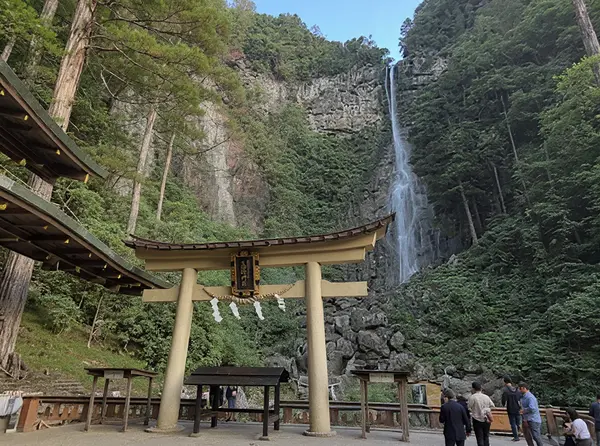
2. Nachi Falls
Sięgający 133 metrów potężny wodospad czeka na Ciebie. Doświadcz świętego rytuału i spokojnych leśnych widoków, które odświeżą Twój duch.
Szybkie fakty: Wodospad spada z wysokości 133 metrów, co czyni go jednym z najwyższych wodospadów o jednym spadku w Japonii. Przyciąga prawie 1,2 miliona odwiedzających rocznie, którzy podziwiają jego nieprzerwany spad i mglistą mgiełkę.
Najważniejsze atrakcje: Spryskiwanie się wodą z wodospadu uważa się za przynoszące szczęście i zdrowie, co inspiruje unikalny rytuał, w którym odwiedzający łapią krople na liściach, by potem nimi się posypać. Jesienią otaczający las mieni się ogniście czerwonymi i złotymi barwami, tworząc zapierające dech w piersiach kolorowe tło dla wodospadu.
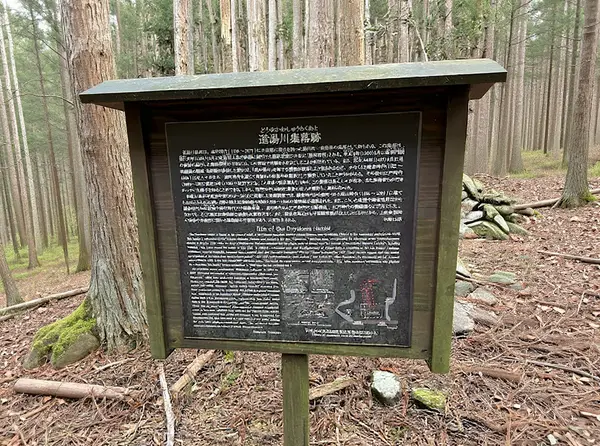
3. Kumano Kodo Pilgrimage Routes
Podążaj śladami wiekowych pielgrzymów przez spokojne lasy. Doświadcz spokojnych górskich ścieżek i świętych tradycji na własnej skórze.
Szybkie fakty: Starożytne ścieżki przechodzą przez gęste cedrowe lasy i łączą trzy główne świątynie na przestrzeni 100 kilometrów surowego terenu. Pielgrzymi wędrują tymi trasami od ponad 1000 lat, podążając śladami cesarzy i mnichów.
Najważniejsze atrakcje: Idąc po porośniętych mchem kamiennych stopniach, podróżni mogą usłyszeć odległe dźwięki dzwonu z sanktuarium Kumano Hayatama Taisha, rytuału uważanego za oczyszczającego duszę. Sekretne górskie zioło "kumano-cha" rośnie tylko tutaj, a miejscowi parzą z niego kojący napar ceniony przez pielgrzymów.
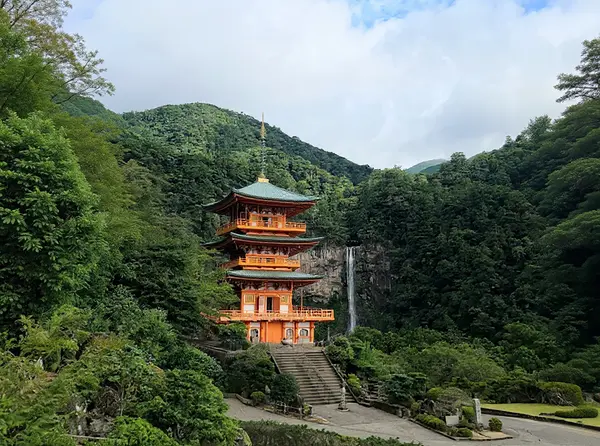
4. Seiganto-ji Temple
Doświadcz wyjątkowego połączenia żywej architektury i siły natury. Przejdź pod spadającą wodą i chłon dawne, duchowe wibracje.
Szybkie fakty: Seiganto-ji jest częścią świętej trasy pielgrzymkowej, której korzenie sięgają ponad 1200 lat. Odwiedzający często przechodzą przez pobliski wodospad, uważany za oczyszczający ciało i ducha przed wejściem do świątyni.
Najważniejsze atrakcje: Żywy czerwony pagoda świątyni stoi zaledwie 15 metrów od dramatycznego wodospadu, co tworzy niezwykłe połączenie i magiczną, mglistą atmosferę. Legenda głosi, że wodospad został odsłonięty przez mnicha uderzającego kamień swoim kijem, dodając miejscu mistycznej aury.
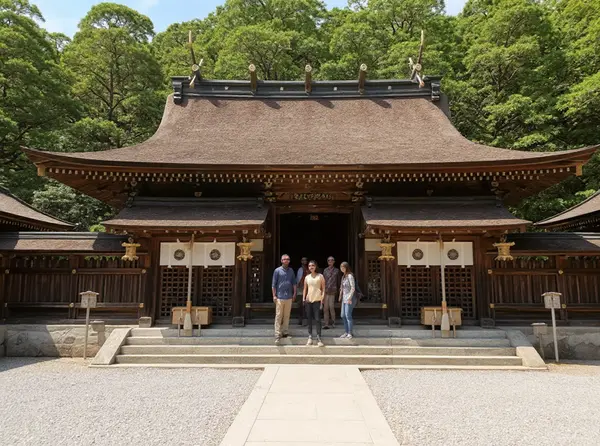
5. Hongu Taisha Shrine
Odkryj święte miejsce pielgrzymek z głęboką duchową atmosferą. Przejdź pod wiekowymi cedrami i zobacz unikalne rytuały chodzenia po ogniu.
Szybkie fakty: Świątynia jest częścią sieci Kumano Sanzan z trzema głównymi świątyniami przyciągającymi ponad 2 miliony pielgrzymów rocznie. Odwiedzający mogą zobaczyć pradawne cedrowe drzewa mające ponad 800 lat, ustawione wzdłuż drogi dojazdowej, tworzące majestatyczny naturalny tunel.
Najważniejsze atrakcje: Co 60 lat odbywa się tajemniczy rytuał, podczas którego kapłani idą 30 kilometrów boso przez ogień, aby odnowić duchową moc świątyni. Strzecha świątyni, jedna z największych w Japonii, pokrywa powierzchnię mierzącą 39 na 11 metrów, tworząc oszałamiający architektoniczny zarys na tle lasu.
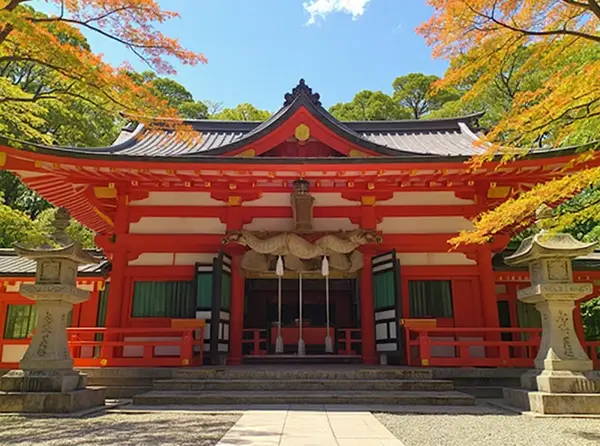
6. Kumano Hayatama Taisha
Wejdź do duchowego sanktuarium otoczonego wiekowymi cedrami. Doświadcz fascynujących rytuałów, gdzie tradycja spotyka się z naturą.
Szybkie fakty: Wyobraź sobie spacer pod potężnym cedrem, mającym ponad 800 lat, stojącym przy wejściu do świątyni. Świątynia przechowuje cenny artefakt: święte lustro reprezentujące ducha bogini słońca Amaterasu, kluczowej postaci w japońskiej mitologii.
Najważniejsze atrakcje: Święty rytuał zwany "Festiwalem Ognia" rozświetla świątynię co lato procesjami z pochodniami przyciągającymi ponad 30 000 osób. Architektura świątyni harmonijnie łączy się z pradawnym lasem, tworząc spokojną atmosferę, która przenosi do przeszłości.
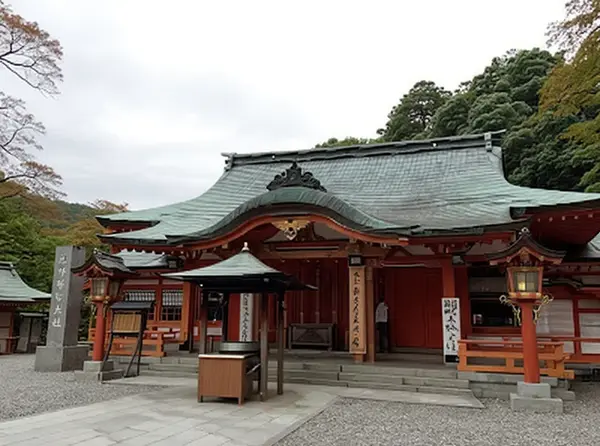
7. Kumano Nachi Taisha Treasure Hall
Poznaj wiekowe święte artefakty i spokojne pieśni. Poczuj spokojnego ducha przez starożytne posągi i zwoje.
Szybkie fakty: Skarbiec mieści ponad 100 religijnych artefaktów, w tym starożytne sutry i posągi pochodzące z X wieku. Odwiedzający mogą zobaczyć zwoje i relikwiarze starannie zachowane przez wieki pielgrzymek.
Najważniejsze atrakcje: Wśród eksponatów wyróżnia się posąg bóstwa z XIV wieku wyrzeźbiony z drewna kamforowego z misternymi detalami szat. Cicha sala pozwala odwiedzającym doświadczyć tradycyjnego buddyjskiego śpiewu poprzez ambientowe nagrania, tworząc immersyjną duchową atmosferę.
Where to Stay in Kumano, Japan
Selected by City Buddy based on guest reviews and proximity to top attractions
Search all hotels in Kumano, JapanPowered by agoda
Tradycyjne słodkie potrawy
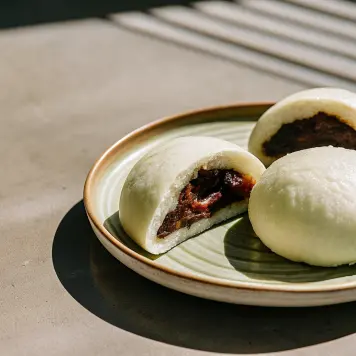
Kumano Manju
Kumano Manju is a steamed bun filled with sweet red bean paste, traditionally enjoyed during festivals and pilgrimages in the Kumano region. Its fluffy texture and rich flavor make it a beloved local treat.
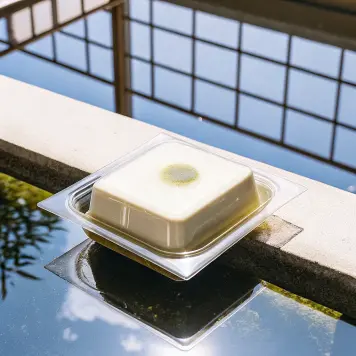
Uiro
Uiro is a jelly-like sweet made from rice flour and sugar, often flavored with subtle regional ingredients like yuzu or matcha. It is admired for its smooth, chewy texture and delicate sweetness.
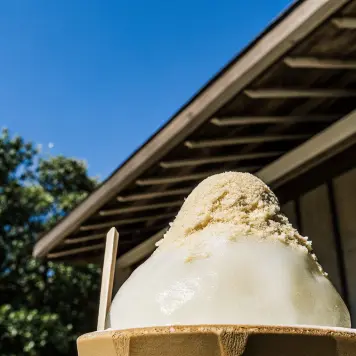
Kuzumochi
Kuzumochi is a refreshing dessert made from kudzu starch, served chilled with kinako (roasted soybean flour) and kuromitsu syrup. It is a traditional sweet that offers a cool relief in Kumano's warmer months.
Tradycyjne słone potrawy
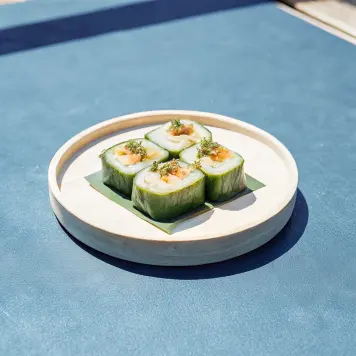
Mehari-zushi
Mehari-zushi is a traditional Kumano sushi wrapped in pickled mustard leaves, known for its tangy and savory flavor profile. This dish originated as a portable meal for workers and pilgrims, embodying the local culinary tradition.

Kumano Saba-zushi
Kumano Saba-zushi features vinegared mackerel atop sushi rice wrapped in kelp, reflecting the region's rich fishing culture. It is praised for its umami-packed taste and was historically made for long journeys.
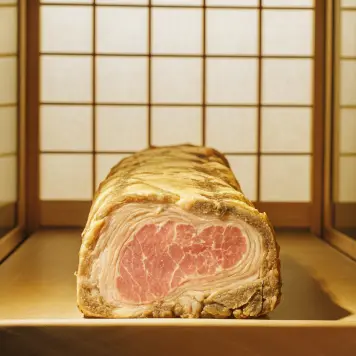
Yamato Beef
Yamato Beef from the Kumano area is celebrated for its tenderness and rich marbling, often grilled or prepared in sukiyaki style. This premium beef highlights the excellence of Kumano's livestock farming.
Tradycyjne napoje

Kumano Umeshu
Kumano Umeshu is a sweet plum wine made with locally harvested ume plums, offering a perfect balance of tartness and sweetness. It is a traditional drink enjoyed for its refreshing taste and digestive benefits.
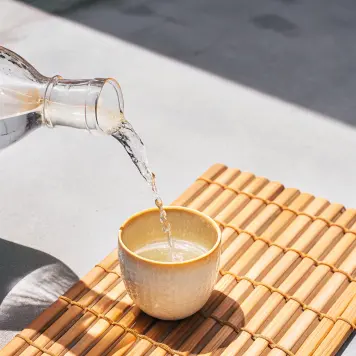
Kumano Sake
Kumano Sake is brewed using pristine water from the Kumano mountains, renowned for its clean and crisp flavor profile. This sake represents the region's dedication to high-quality rice wine production.

Sansho Tea
Sansho Tea is made from the aromatic pepper leaves native to Kumano, prized for its unique citrusy and spicy flavor. It is traditionally consumed for its warming and medicinal properties.
Frequently Asked Questions about Kumano, Japan
Czy Kumano w Japonii jest bezpieczne dla turystów?
Ile dni powinienem spędzić w Kumano w Japonii?
Jaki jest najlepszy czas na odwiedzenie Kumano w Japonii?
Czy Kumano w Japonii jest drogie dla turystów?
Jak można poruszać się po Kumano w Japonii?
Wyślij PDF z najpopularniejszymi atrakcjami na swój e-mail
Otrzymaj PDF ze wszystkimi atrakcjami, ocenami i wskazówkami. Idealne do użytku offline.
Najpopularniejsze wycieczki jednodniowe
Kumano Nachi Taisha
Famous shrine known for Nachi Waterfall, the tallest waterfall in Japan.
Kawayu Onsen
Popular hot spring area located along the river, great for relaxation.
Jak dojechać
Lotniska
Stacje kolejowe
JR Kisei Line
From Kansai Airport, take the train to Shin-Osaka, then JR Kisei Line to Kumano Station.
Znajdź loty do Kumano, Japan
Kliknij, aby uzyskać eSim dla Kumano, Japan
Najprostszy i najtańszy sposób na dostęp do internetu mobilnego gdziekolwiek podróżujesz.
Komentarze (9)
Not many ATMs around, so carry enough cash when heading to the rural parts of Kumano or you'll be stuck.
Stayed in Kumano for a weekend, weather was muggy but locals are super friendly. Town feels a bit sleepy though, maybe better for a chill getaway.
Kumano's nature trails are stunning but be ready for sudden rain even in spring. Loved the peaceful vibe but plan for at least 3 days to explore well.
The seafood in Kumano was fresh but pricey. Street food options are limited, so bring snacks if you want to save money.
If you buy bus tickets from the local shop rather than the bus driver, you save 20%. It isn’t obvious so watch out for this little trick.