 CityBuddy
 Polski
Co robić w Kajiado, Kenya
Zdjęcie wykonane przez Critical Smith na Pexels.com
Kiedy odwiedzić
Kiedy jedziesz do Kajiado, Kenya?
Wybierz daty i styl podróży, aby otrzymać:
Czy coś z tego jest dla Ciebie szczególnie ważne?
Wybierz wszystkie, które pasują
Getting around
How do you want to move between places?
Plan language: PolskiNajpopularniejsze atrakcje w Kajiado, Kenya
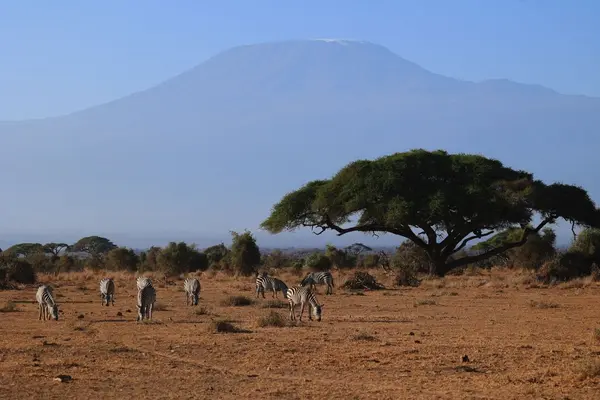
For those asking what the best things to do in Kajiado, Kenya are: start at Kitengela Hot Glass to see glassblowers turning recycled glass into works of art. Then drive south to Amboseli National Park, where elephants graze against the backdrop of the 5,895-meter-high Kilimanjaro, or visit the Maasai Cultural Village for an authentic dance ceremony.
1. Amboseli National Park
Here you see elephants so close that you can almost hear the rumble of their trunks. Drive across the dry plains with the snow-capped Kilimanjaro as a gigantic backdrop all around you.
Szybkie fakty: About 1,200 elephants roam here, one of the largest contiguous populations in the world. The park covers 392 square kilometers and borders directly on the 5,895-meter-high Kilimanjaro, which forms a breathtaking backdrop from the dry plains.
Najważniejsze atrakcje: Did you know that the enormous elephants here treat themselves to real mud massages? They immerse themselves in the mineral-rich water pools and then throw red earth over their backs, which can sometimes be seen from about three meters away along the Observation Hill route.
2. Maasai Cultural Village
Here you experience a living culture that you cannot get this close to anywhere else. You join the warriors as they jump, drink herbal tea and learn to make fire without matches.
Szybkie fakty: Sześćdziesięciu mężczyzn śpiewa podczas tańca powitalnego w hipnotyzującym chórze, podczas gdy wojownicy na zmianę podskakują na prawie metr w powietrze. Skok wzwyż jest tu rytuałem przejścia: chłopcy, którzy dorównają skokom starszych, są oficjalnie uznawani za dorosłych mężczyzn.
Najważniejsze atrakcje: Powitanie zaczyna się od konkursu adumu, w którym chłopcy prezentują swoje najwyższe skoki, a odwiedzający mogą sami zmierzyć się z mistrzem wioski. Zwycięzca otrzymuje ręcznie robiony naszyjnik z koralików jako wyróżnienie, zaszczyt, którego nigdy się nie zapomina.
3. Kitengela Hot Glass
From waste glass, something new rises here every day, from colorful vases to sparkling jewelry. You see the furnaces glow and can watch the glassblowers at work live in a studio where nothing is produced in mass quantities.
Szybkie fakty: From waste glass, empty bottles, and old windowpanes, new colored glass is blown daily here in open furnaces that stand at 1,100 degrees. The studio runs entirely on handiwork and processes thousands of kilograms of recycled glass into vases, jewelry, and sculptures every year.
Najważniejsze atrakcje: Every color in this studio comes from its own secret recipe, and one of the blowers has refused for years to share his formula for the exact blue of the African sky. Ask around noon about the glowing hot sculpture that still has to dry with the blower's hand in it, because the imprint remains visible in the glass forever.
4. Olorgesaillie Prehistoric Site
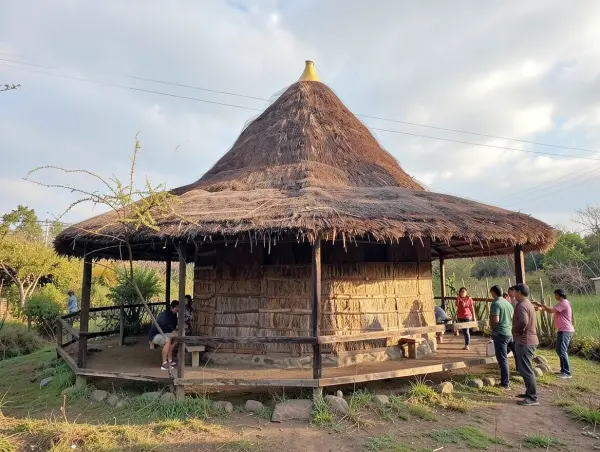
One of the oldest archaeological treasures of East Africa awaits you in a quiet, open valley full of acacia trees. You literally walk among thousands of stone tools that were made by people hundreds of thousands of years ago.
Szybkie fakty: To miejsce leży około 70 kilometrów na południowy zachód od Nairobi i obejmuje jedno z najstarszych stanowisk środkowej epoki kamienia we wschodniej Afryce, z odkryciami sprzed około 200 000 lat. Najwcześniejsze systematyczne wykopaliska prowadziła tu Mary Leakey, która wraz ze swoim zespołem odsłoniła tysiące kamiennych narzędzi i fragmentów wymarłych zwierząt.
Najważniejsze atrakcje: Pod zwisającą skałą w dolinie leżą tysiące ręcznych toporów i kamiennych odłamków dokładnie tak, jak zostały pozostawione tysiące lat temu, co stanowi rzadki migawkowy obraz starożytnego miejsca pracy. Naukowcy naliczyli tu około 38 000 kamiennych narzędzi na stosunkowo niewielkiej powierzchni, dzięki czemu niemal można usłyszeć syczący dźwięk szlifowania, przechodząc między odłamkami.
5. Kajiado Central Market
A vibrant color palette of beads, fabrics and fresh harvest awaits you in the heart of Maasailand. Let your senses be overwhelmed by the scents of herbs, grilled meat and the energy of hundreds of bargaining voices.
Szybkie fakty: Around 300 stallholders sell fresh vegetables, meat, beadwork, and traditional fabrics here every day. Only on Saturdays will you find the big weekly livestock market where herders from the entire region come to trade their small livestock and goats.
Najważniejsze atrakcje: On Saturday mornings, a lively barter circuit appears between the stalls, where herders trade livestock with a handshake as their seal, an age-old tradition you will not experience anywhere else in this region. The slap of hands is the moment a deal is closed, audible above the bleating of goats and the murmur of dozens of negotiators.
6. Shompole Conservancy
Escape the crowds and wander through a volcanic landscape that attracts only a few thousand visitors each year. Walking along the waterfalls, spotting hunting scenes of the Maasai people and sleeping under a starry sky without light pollution await you.
Szybkie fakty: Około 240 kilometrów kwadratowych powierzchni, obszar ten stanowi ważną strefę łączącą ekosystem Maasai Mara z regionem jeziora Magadi. Żyje tu ponad 400 gatunków ptaków, a także słonie, żyrafy i krytycznie zagrożona żyrafa Rothschilda.
Najważniejsze atrakcje: Sercem tego rezerwatu jest dramatyczny wulkan Shompole oraz sieć szczelin lawowych i wodospadów, w tym 75-metrowy wodospad Ngare Ngare, który wpada do naturalnego basenu. Zaledwie garstka odwiedzających dziennie zapuszcza się w ten dziki krajobraz, dzięki czemu często stoisz sam przy tych imponujących formacjach.
7. Lake Magadi
One of Africa's most otherworldly landscapes lies a one and a half hour drive from Nairobi. You walk across a crackling white salt crust between pink water birds and bubbling mud pools.
Szybkie fakty: Woda zawiera do 30 procent soli, tak ekstremalnie dużo, że miejscowo wydobywa się ją do produkcji przemysłowej sody. W każdej porze deszczowej jezioro zabarwia się na różowo za sprawą milionów flamingów, które przybywają, aby żerować na glonach.
Najważniejsze atrakcje: Pod skorupą kryje się żywy świat: bakterie barwią równiny na jaskraworóżowo i karminowo, podczas gdy jedyna ocalała ryba ukrywa się w ciepłych strumieniach źródlanych wokół. W cichy poranek sól trzeszczy i popiskuje pod twoimi stopami, podczas gdy pęcherzyki CO2 unoszą się z głębin.
Where to Stay in Kajiado, Kenya
Selected by City Buddy based on guest reviews and proximity to top attractions
Search all hotels in Kajiado, KenyaPowered by agoda
Tradycyjne słodkie potrawy
everything
Tradycyjne słone potrawy
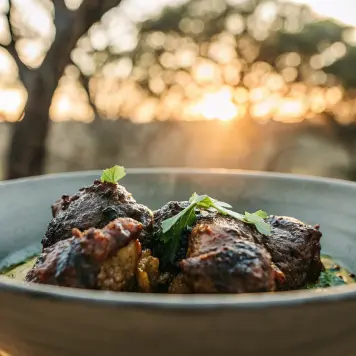
Nyama Choma
Mursik
Uji wa Wimbi
Frequently Asked Questions about Kajiado, Kenya
Is Kajiado, Kenya safe for tourists?
How many days do you need in Kajiado, Kenya?
What is the best time to visit Kajiado, Kenya?
Is Kajiado, Kenya expensive?
How can you get around in Kajiado, Kenya?
Wyślij PDF z najpopularniejszymi atrakcjami na swój e-mail
Otrzymaj PDF ze wszystkimi atrakcjami, ocenami i wskazówkami. Idealne do użytku offline.
Najpopularniejsze wycieczki jednodniowe
Kajiado Town / Masai Market
Cattle market, Masai culture village, crafts market, day trip from Nairobi
Lake Magadi
Lake Magadi soda lake, flamingos, hot springs, Maasai lands
Amboseli National Park
Amboseli National Park, elephants with Kilimanjaro views
Nairobi
Nairobi city attractions, museums, and international airport
Chyulu Hills
Chyulu Hills volcanic landscape, hiking, panoramic views
Jak dojechać
Stacje kolejowe
Standard gauge railway to Nairobi and Mombasa
Commuter line to Nairobi CBD
Matatus and buses run from Nairobi to Kajiado; use a private driver or safari company from Jomo Kenyatta Airport (NBO).
Komentarze (6)
Skip the overpriced tour packages at the main hotels. Hire a local boda boda guy for the day instead, he showed me viewpoints and a great nyama choma spot for a third of the price. Noting any tour office will lie about elephant sightings, trust the riders instead.
Came in the dry season and the dust got everywhere. My camera was a mess by day two. Still, the sunsets over the plains were worth every sneeze.
Got food poisoning from a roadside stall near the market. My fault probably, but my own fault doesn't make it better. Rest of the trip was fine though, nice people.
Carry exact small bills for the matatus and the market vendors. Nobody has change for a 1000 note and bargaining gets awkward fast. Also smaller stalls open only in the morning, hit them before noon.
It was quieter than I expected for a town this size. Not much nightlife, but if you want a chill break from Nairobi with decent chapati and calm vibes, this works.