 CityBuddy
 Polski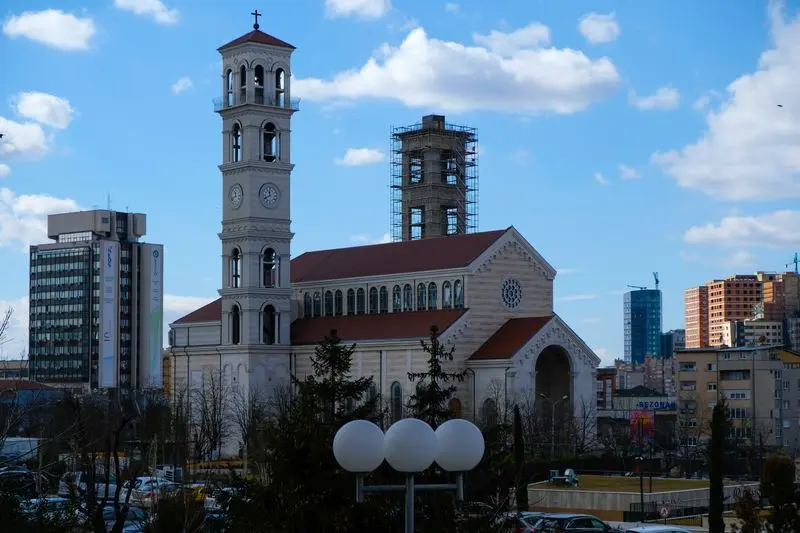
Co robić w Kosovo
Zdjęcie wykonane przez Fotoğrafınruhu . na Pexels.com
Kiedy odwiedzić
Kiedy jedziesz do Kosovo?
Wybierz daty i styl podróży, aby otrzymać:
Czy coś z tego jest dla Ciebie szczególnie ważne?
Wybierz wszystkie, które pasują
Getting around
How do you want to move between places?
Plan language: PolskiNajpopularniejsze atrakcje w Kosovo
If you are wondering what the best things worth doing in Kosovo are, start with Pristina's National Library, whose 99 domes offer a surreal sight. The 14th century Gračanica monastery frescoes are breathtaking. From the Prizren fortress, a 360 degree panorama opens up over the city and the mountains.
1. Pristina National Library
Pristina
The world's most debated library architecture, where thousands of books await readers beneath a forest of copper domes. Its strange, futuristic facade and interior halls offer an unforgettable experience.
Szybkie fakty: Budynek z 99 kopułami został otwarty w 1982 roku i od tego czasu jest jedną z najdziwniejszych bibliotek świata. Kopuły wyglądają tak, jakby ogromny las o głowach grzybów pokrywał budynek, co zapewnia tajemniczy i fascynujący widok.
Najważniejsze atrakcje: Budynek biblioteki pokryty jest kopułami z miedzi czerwonej, które tworzą kształt starożytnego iliryjskiego hełmu, oddając hołd historii regionu. Wewnątrz gra naturalnego światła przenikającego przez kopuły skąpie wnętrza w złocistej poświacie.
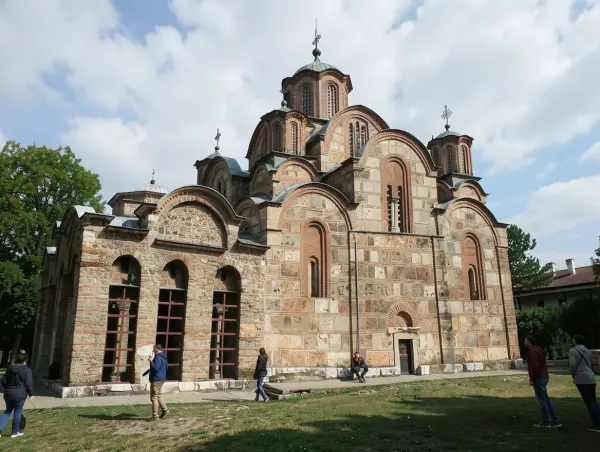
2. Gračanica Monastery
Gračanica
One of Europe's best-preserved medieval fresco ensembles awaits you here. Five-hundred-year-old saints and angels look back at you from the walls, while the smoke of candles and the scent of incense fill the space.
Szybkie fakty: Ściany zbudowanego w XIV wieku serbskiego klasztoru prawosławnego pokrywa ponad 2000 unikalnych fresków. Świątynię konsekrował nasz król św. Stefan, a obiekt znajduje się na liście światowego dziedzictwa UNESCO.
Najważniejsze atrakcje: Freski pochodzące z 1321 roku, pokrywające niemal w całości wewnętrzne ściany świątyni, opowiadają historie biblijne jak strony średniowiecznego komiksu. Oczy przedstawienia „Chrystusa Pantokratora" pod kopułą wydają się podążać za wzrokiem zwiedzającego w zależności od warunków oświetleniowych.
3. Germia Park
Pristina
Szybkie fakty: Jeden z największych parków miejskich na Bałkanach zajmuje ponad 62 kilometry kwadratowe, oferując różnorodne ekosystemy od gęstych lasów po otwarte łąki. Zaobserwowano tu ponad 200 gatunków ptaków, co czyni go popularnym miejscem dla obserwatorów ptaków i miłośników przyrody.
Najważniejsze atrakcje: Park oferuje ponad 10 oznakowanych szlaków turystycznych z malowniczymi punktami widokowymi na panoramę Prisztiny i góry Sharr. Zimą niektóre szlaki zamieniają się w ciche miejsca do sankowania, szczególnie łagodne stoki wokół małego jeziorka, które są chętnie wybierane przez mieszkańców.
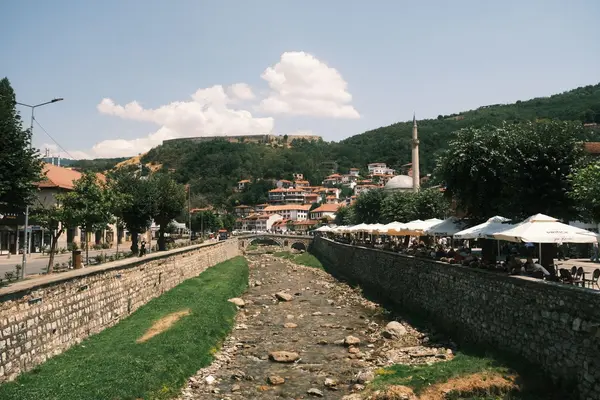
4. Prizren Fortress
Prizren
From the top of the hill you can see the entire old town and the surrounding mountains. You can walk along the walls, explore the towers, and meanwhile journey through centuries of Balkan history.
Szybkie fakty: Przez ponad 1100 lat nieprzerwanie wykorzystywano ją jako twierdzę, co w całej Europie jest rzadkością. W XIV wieku rozbudowywała ją serbska dynastia Nemaniciów, a później Imperium Osmańskie, dlatego dziś w murach mieszają się elementy architektury serbskiej, bizantyjskiej i tureckiej.
Najważniejsze atrakcje: Z południowo-wschodniej wieży twierdzy dokładnie 365 stopni prowadzi na najwyższy poziom, po jednym na każdy dzień roku. Ze szczytu zakole rzeki Bistrica i czerwone dachy starówki tworzą widok, jakby ożywała przed tobą średniowieczna miniatura.
5. Sinan Pasha Mosque
Prizren
It transports you to the heart of Pristina from centuries past, where stone carving and religious architecture meet in perfect harmony. Inside the mosque, silence and refreshing coolness greet you, while the play of light filters through the tall windows.
Szybkie fakty: Największa osmańska budowla Prisztiny, meczet z XVII wieku, został zbudowany z rzeźbionych kamieni pochodzących z rzymskiego miasta Ulpiana. Imponująca kopuła meczetu wznosi się na 35 metrów i może pomieścić jednocześnie 600 modlących się.
Najważniejsze atrakcje: Stojący przy wejściu, zawrotnie wysoki minaret, mierzący 42 metry, góruje nad horyzontem tej części miasta. Wewnątrz, stojąc pod kopułą, ogarnia cię niezwykłe uczucie, że w półmrocznym wnętrzu freski i złocone kaligrafie są tak bogate w detale, że nie sposób ogarnąć ich jednym spojrzeniem.
6. Marble Cave
Gadime
One of Europe's most beautiful underground lakes awaits you, where you can paddle in crystal-clear water. You will boat inside the cave, while calcite crystals glitter above your head.
Szybkie fakty: Jaskinię z podziemnym jeziorem o długości ponad 100 metrów odkryto przypadkowo w 1966 roku, kiedy miejscowy rolnik natrafił na korytarze podczas kopania studni. Ma dwa większe jeziora, w tym Jezioro Kryształowe, którego wody zasila wodospad spadający z wysokości 11 metrów.
Najważniejsze atrakcje: W jednej z komór jaskini z sufitu zwisają tysiące drobnych, ostrych jak igły kryształów kalcytu, które w świetle lamp błyszczą tak, jakby podziemny świat był wypełniony gwiazdami. Między kryształami miejscami przeplatają się warstwy mineralne, które zdobią ściany tęczowymi pasami.
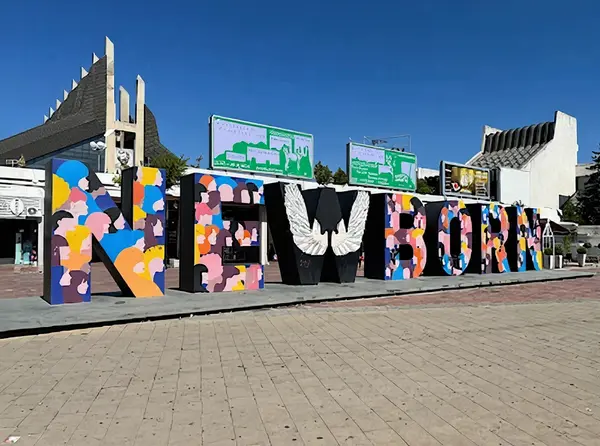
7. Newborn Monument
Pristina
Szybkie fakty: Odważne czerwone litery układające się w potężne przesłanie oznaczają dokładne miejsce, w którym ogłoszono niepodległość. Farba pomnika jest celowo nakładana co roku, symbolizując odnowę i trwającą historię wolności.
Najważniejsze atrakcje: Odwiedzający mogą co roku w Dzień Niepodległości Kosowa zobaczyć nową warstwę farby, co zmienia pomnik w żywe płótno. Jego odważny, blokowy styl liter ma 3 metry wysokości, stanowiąc wyrazisty krzyk w centrum tętniącego życiem miejskiego placu.
8. Rugova Canyon
Peja
One of Europe's deepest and longest canyon valleys awaits, with breathtaking rock walls. Walking along the winding paths by the stream, you can discover the forces of nature at work.
Szybkie fakty: The gorge valley, 25 kilometers long and 650 to 1,000 meters deep, is located in the Perjeshát mountain range. The valley was carved out over time by the Peja stream, which has made it one of the best spots for whitewater rafting in the Balkans.
Najważniejsze atrakcje: In the gorge there is the 642-meter-long Gryka e Rugovës suspension bridge, beneath which a chasm 130 meters deep yawns. Walking across the bridge feels as if you were treading on air, while the roar of the stream echoes between the rock walls.
9. Patriarchate of Peć Monastery
Peja
You can walk in one of the holiest places of Serbian Orthodoxy, where four churches were built together into a single monumental unity. Breathtaking 14th-century frescoes, centuries-old liturgical atmosphere, and the monastic silence nestled in the embrace of the mountains await you.
Szybkie fakty: The 13th-century Serbian Orthodox monastery complex consists of four interconnected churches, whose walls are covered with more than a thousand square meters of frescoes. For centuries the complex served as the seat of the Serbian patriarchs, and it is still inhabited by an active community of nuns.
Najważniejsze atrakcje: By building the churches side by side, they created a unique architectural ensemble where the walls of the three main churches literally touch each other. The colors of the 14th-century frescoes are so vivid as if they had been painted yesterday, and in the dome of the Church of Saint Peter, the face of a Christ Pantocrator created around 1300 looks down at you.
Where to Stay in Kosovo
Selected by City Buddy based on guest reviews and proximity to top attractions
Search all hotels in KosovoPowered by agoda
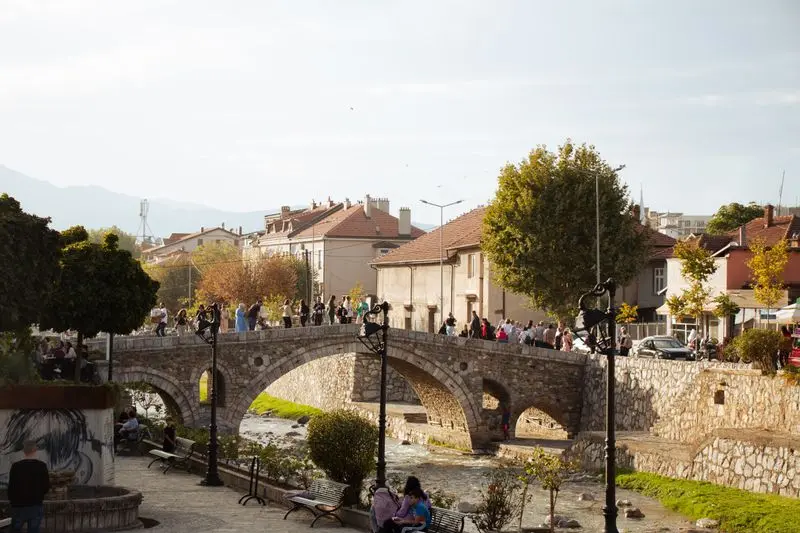
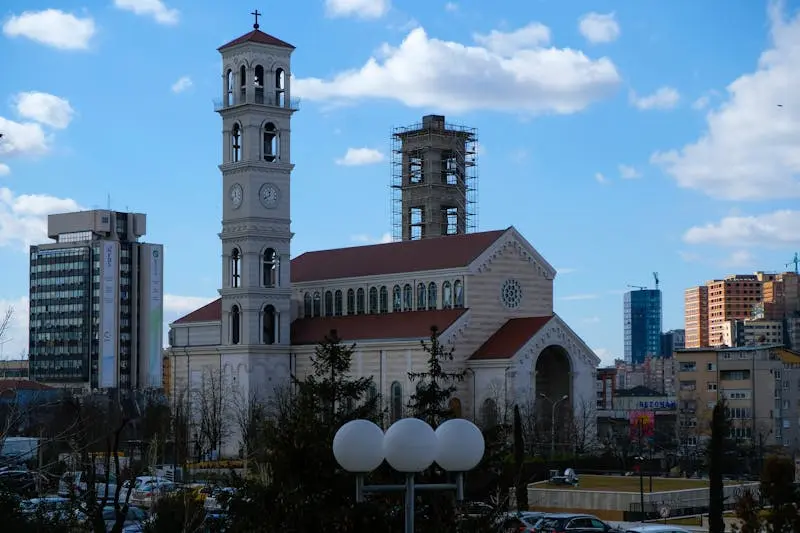
Tradycyjne słodkie potrawy
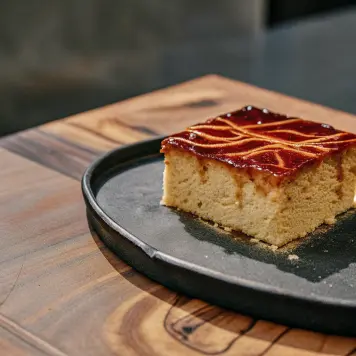
Trilece
Trilece is a tres leches style cake soaked in three kinds of milk, and in Kosovo it is often topped with a caramel sauce and lightly browned with a torch for a delicious contrast in textures.
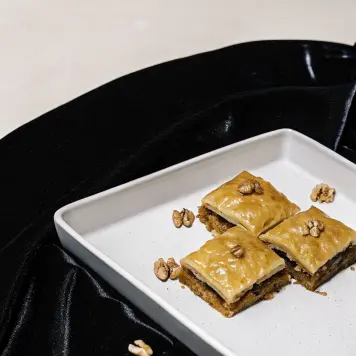
Baklava
Kosovo's baklava features many thin layers of phyllo dough filled with walnuts and sweetened with syrup, and it is traditionally prepared for special holidays like Bajram and festive family gatherings.
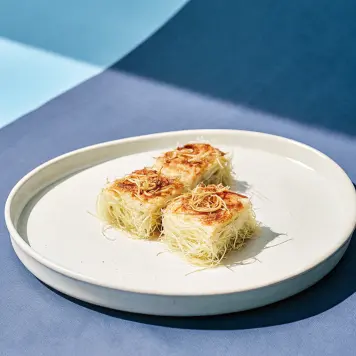
Kadaif
Kadaif is made from shredded phyllo dough that is baked with nuts and soaked in sweet syrup, giving it a unique shredded or hair-like texture that sets it apart from other Balkan desserts.
Tradycyjne słone potrawy
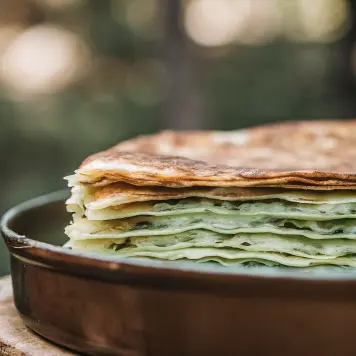
Flija
Flija is a layered pancake and pie hybrid that is cooked slowly over a traditional saç dome, with each thin layer added and baked one by one over several hours.
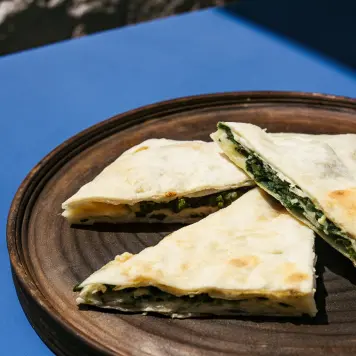
Pite
Pite is a beloved savory pie made with thin phyllo dough and commonly filled with spinach and cheese, pumpkin, or minced meat, and it is a staple dish found in nearly every bakery across Kosovo.
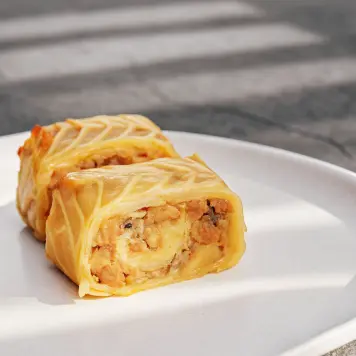
Sarma
Sarma consists of grape or cabbage leaves stuffed with a mixture of rice and minced meat, and Kosovan families often prepare large pots of it for winter months and festive celebrations.
Tradycyjne napoje

Boza
Boza is a thick, sweet fermented drink made from maize and wheat, and it is especially popular in Kosovo during the colder months as a comforting and energizing beverage.
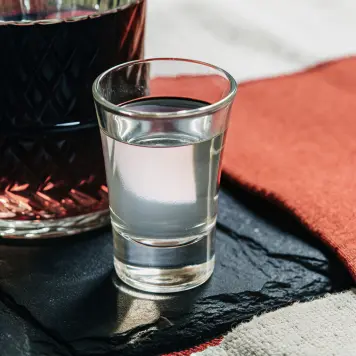
Raki
Raki is a potent fruit brandy typically distilled from plums or grapes, and in Kosovo it is often served as a welcoming drink to guests and sipped alongside meze plates.
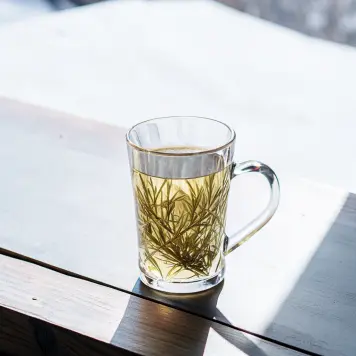
Kosovo Mountain Tea
Kosovo Mountain Tea is a fragrant herbal infusion made from wild mountain herbs like sage and chamomile, and it is cherished for its soothing properties and the distinct aroma of the Balkan highlands.
Frequently Asked Questions about Kosovo
Is Kosovo safe?
How many days should you spend in Kosovo?
When is the best time to visit Kosovo?
Is Kosovo expensive?
How can you get around in Kosovo?
Wyślij PDF z najpopularniejszymi atrakcjami na swój e-mail
Otrzymaj PDF ze wszystkimi atrakcjami, ocenami i wskazówkami. Idealne do użytku offline.
Najpopularniejsze wycieczki jednodniowe
Pristina
The lively capital with cafes, museums, and the Newborn Monument
Prizren
Ottoman-era old town with a fortress and river views
Peja (Peć)
Gateway to the Rugova Gorge and Patriarchate monastery
Gjakova
Charming bazaar city with the Old Bazaar and traditional houses
Mitrovica
Divided city with a bridge linking Albanian and Serbian quarters
Jak dojechać
Lotniska
Stacje kolejowe
Connections to Peja, Prizren, Mitrovica, and Skopje (North Macedonia)
Lines to Pristina and Montenegro (Podgorica)
Main rail hub connecting to Serbia and North Macedonia
From Pristina Airport, take bus Line 1A to the city center (30 minutes, cheap fare). Taxis are also available for around 15 euros.
Kliknij, aby uzyskać eSim dla Kosovo
Najprostszy i najtańszy sposób na dostęp do internetu mobilnego gdziekolwiek podróżujesz.
Wiza i wjazd
EU, Schengen Area, United States, Canada, Australia, New Zealand, Japan, South Korea
Most African, Asian (except Japan, South Korea), and some Middle Eastern countries
Kosovo uses a sticker visa system at border crossings. Check if your country recognizes Kosovo's independence before planning travel.
Komentarze (10)
Cash is king here. Many smaller restaurants and taxis don't take cards at all. Hit the ATMs at the airport before heading into town.
The weather in June was perfect. Sunny but not too hot. I imagine winter here would be rough though, lots of gray concrete cities in rain.
Take the shared taxis (furgons) between cities instead of buses. They leave when full, go faster, and cost nearly the same. Way less waiting.
Cheapest European country I've been to. Beer for 1 euro, amazing meals under 5. If you're on a budget this place is a goldmine.
Really mixed feelings. Some parts felt genuinely unsafe at night, but daytime was lovely. The young crowd at cafes gave it good energy though.