CityBuddy

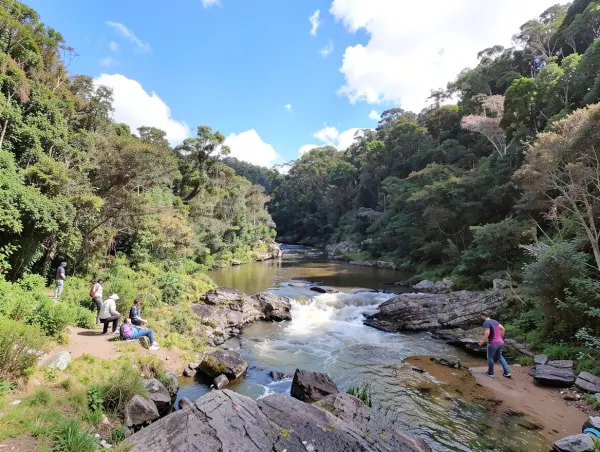
Parc National de Ranomafana
Najlepszy czas na wizytę
Early morning (6-9 a.m.) is the best time to observe lemurs, as they are most active then. The dry season between April and November offers more pleasant exploring without heavy rain.
Wskazówki budżetowe
The entrance fee for foreigners is around 25,000-35,000 ariary (approximately 5-8 EUR), but hiring a local guide is mandatory for about 30,000-50,000 ariary per day. Save money by joining a group and sharing the guide costs.
Polecane dla
Nature lovers, Wildlife photographers, Adventure travelers, Primate enthusiasts
Zaplanuj swoją wizytę
3-5 hours
O atrakcjach
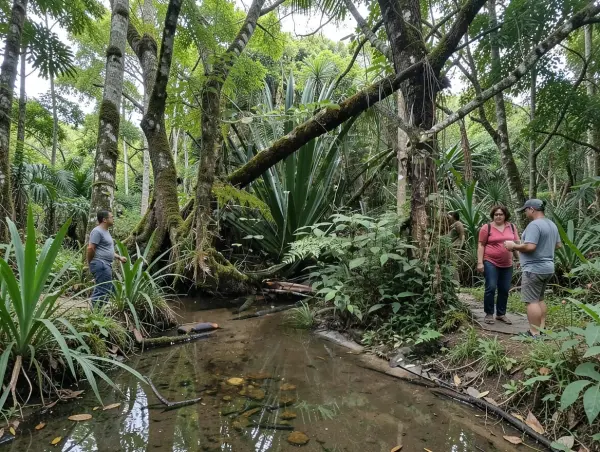
Szybkie fakty: Ten las deszczowy na południowym wschodzie Madagaskaru jest domem dla ponad 12 gatunków lemurów, w tym rzadkiego lemura bambusowego. W 1990 roku został wpisany na listę światowego dziedzictwa UNESCO, ponieważ skrywa niezwykłą różnorodność biologiczną z setkami endemicznych gatunków roślin i zwierząt.
Najważniejsze atrakcje: Naukowcy odkryli tu w 1986 roku zupełnie nowy gatunek ssaka, złotego lemura bambusowego, którego do tej pory nikt nie znał. Jego dieta zawiera wystarczająco dużo cyjanku, aby zabić większość innych zwierząt, ale lemur bez problemu go trawi.
Wskazówki od insiderów
- Take waterproof shoes and a raincoat, as a sudden downpour can occur even in the dry season.
- For photographing lemurs, use a fast lens (f/2.8 or wider), as it is very dark under the forest canopy.
- The trails can be muddy and slippery, so walking sticks are not a shame but a smart choice.
- Ask your guide whether they can take you along the less crowded Varibolo trail, where there are more chances to spot rare birds.
Informacje praktyczne
Otwarte codziennieOtwarte do późna do 24:00 w codziennie
Where to Stay in Ranomafana
Selected by City Buddy based on guest reviews and proximity to top attractions
Search all hotels in RanomafanaPowered by agoda