 CityBuddy
 Polski
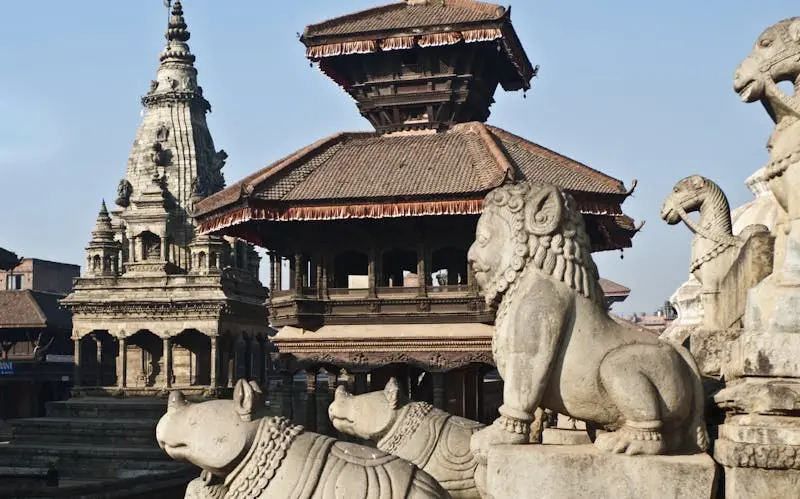
Oszustwa na turystach w Kathmandu, Nepal i jak ich uniknąć
Zdjęcie wykonane przez Alix Lee na Pexels.com
Kathmandu is generally welcoming but has a moderate level of petty crime and street scams aimed at tourists. The main things to watch are taxi overcharging, gem and pashmina shop pressure tactics, and currency exchange rate games. Use official taxi ranks and the airport bus for the fairest prices.
Zaktualizowano październik 2026
Typowe oszustwa w Kathmandu, Nepal i jak ich unikać
1. Unmetered taxi overcharging
Jak to działa: Drivers outside the terminal or near tourist areas refuse to use the meter and quote inflated flat fares, often 3 to 5 times the fair price. They may claim the meter is broken or that the real price is higher for foreigners.
Jak tego uniknąć: Use the official prepaid taxi counter at the airport or insist the driver uses the meter. Agree on the fare in writing before getting in.
2. Gem and pashmina pressure sales
Jak to działa: Street vendors or shop touters pull you into stores with claims of rare gems, rudraksha beads, or genuine pashmina at 'special tourist prices'. Items are often synthetic or low grade and vastly overpriced.
Jak tego uniknąć: Buy from established shops with fixed prices and get a receipt. Skip sellers who pull you by the arm or make you feel pressured.
3. Poor rate exchange booths
Jak to działa: Exchange booths near tourist hubs quote poor rates or charge hidden commissions. Some count money incorrectly or hand over worn notes that are hard to spend.
Jak tego uniknąć: Use banks or licensed exchange counters with printed rates. Count your cash in front of the teller before leaving.
4. Fake meditation or ashram donation
Jak to działa: People claim to represent a temple, ashram, or charity and ask for donations or 'sponsorship' for a ceremony. The money goes to the individual, not any organisation.
Jak tego uniknąć: Donate only at recognised temples through official offering boxes. Decline street solicitations politely and walk on.
5. Ticket tout overcharging
Jak to działa: Unauthorised ticket sellers outside bus stations and tourist offices sell tickets above official prices for buses to Pokhara, Chitwan, and other routes, sometimes for non-existent trips.
Jak tego uniknąć: Buy tickets at official counters or through recognised operators and apps. Check departure times yourself rather than trusting a tout.
6. Menu without prices
Jak to działa: Some restaurants in tourist areas hand you menus without prices and then charge a much higher rate on the bill, claiming the price shown was per person or per item rather than for the meal.
Jak tego uniknąć: Ask for a menu with prices before ordering. Confirm the bill matches your order and question any line you did not approve.
Oficjalne bilety do największych atrakcji w Kathmandu, Nepal
Pomiń ulicznych sprzedawców: zarezerwuj oficjalne bilety i wycieczki z darmowym odwołaniem.
Z lotniska do centrum miasta
Tribhuvan International Airport
Uczciwa cena taksówki (oficjalna, w ciągu dnia): 700 Rs - 1 500 Rs (4,5 € - 9 €). Use the official prepaid taxi counter inside the arrival terminal and pay there. Decline drivers who approach you outside the terminal without a meter or fixed receipt. Rates at night are higher.
Najlepsza alternatywa: Public bus or microbuses run from near the airport to Ratna Park in the centre. Greenline and similar tourist buses also serve the airport area but the local bus is cheapest. (50 Rs (0,31 €), około 60 min)
Transport publiczny: bilety, kasowanie i mandaty
- Bilet jednorazowy
- 20 Rs (0,12 €) (Single fare on city buses or microbuses for a short ride within the main area.)
- Zasady kasowania
- Buy a ticket from the conductor on board the bus or microbus. There is no electronic validation system; just keep your ticket until you get off.
- Płatność kartą
- City buses and microbuses take cash only. Contactless cards do not work on local buses.
Napiwki i opłaty serwisowe
Napiwki: Tipping is common at 5 to 10 percent in restaurants. Round up in taxis. Small tips for guides and porters are appreciated.
Opłaty za nakrycie i serwis: Most restaurants do not add a service charge, but some tourist-oriented places add 10 to 13 percent service and VAT. Check the menu for a service charge line before ordering. If no charge is listed, a 5 to 10 percent tip is normal.
Karty, bankomaty i kantory walutowe
Always choose to be charged in NPR and decline dynamic currency conversion at the ATM. Prefer ATMs attached to major banks. Some independent ATMs charge high fees; check the on-screen fee before confirming. Exchange money at banks or licensed counters, and compare rates before changing large amounts.
Okolice, w których zalecana jest szczególna ostrożność
- Thamel: Busy tourist district. Keep bags zipped and be firm with persistent street sellers. Moderate petty theft reported, especially at night.
- Around Pashupatinath: Many touts approach visitors near the temple gates. Use the official entrances and ignore unsolicited guides offering 'special' prayers.
Numer alarmowy
112
Planujesz budżet?
Często zadawane pytania o Kathmandu, Nepal
Czy Kathmandu, Nepal jest bezpieczne dla turystów?
Ile kosztuje taksówka z lotniska do centrum Kathmandu, Nepal?
Czy muszę kasować bilety komunikacji miejskiej w Kathmandu, Nepal?
Czy w Kathmandu, Nepal oczekuje się napiwków?
Jaki jest numer alarmowy w Kathmandu, Nepal?
Na podstawie powszechnie opisanych doświadczeń podróżnych i oficjalnych zaleceń. Ceny są orientacyjne i mogą się zmieniać; sprawdź aktualne opłaty na miejscu. Zaktualizowano październik 2026.