 CityBuddy
 Polski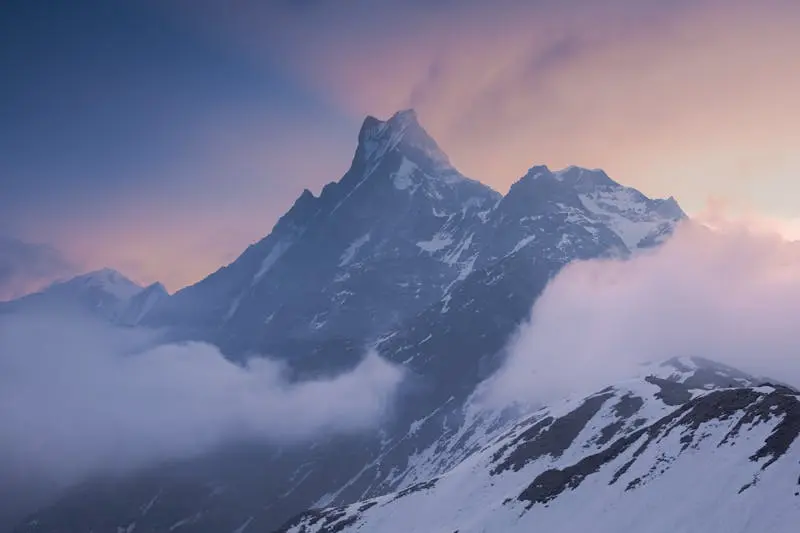
Co robić w Pokhara, Nepal
Zdjęcie wykonane przez Sergey Guk na Pexels.com
Kiedy odwiedzić
Najpopularniejsze atrakcje w Pokhara, Nepal
Jeśli zastanawiasz się, co robić w Pokharze w Nepalu, zacznij od rejsu łódką po jeziorze Phewa, by z bliska podziwiać odbicie masywu Annapurny na wodzie. Następnie udaj się na 30-minutowy spacer do Światowej Pagody Pokoju, białej buddyjskiej stupy oferującej panoramę Himalajów w 360 stopniach. Na koniec zwiedź Wodospad Devi, gdzie woda wpada do podziemnego wąwozu.
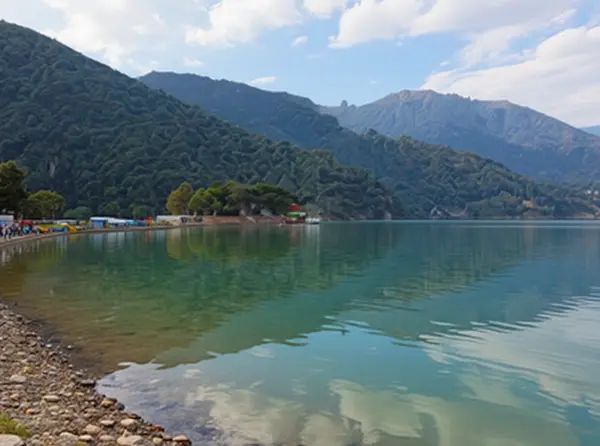
1. Phewa Lake
Gdzie indziej możesz wiosłować drewnianą łodzią w kierunku wyspy świątynnej, podczas gdy ośmiotysięczne szczyty patrzą na ciebie z oddali? Kajakiem po spokojnych wodach, gdy świt maluje Himalaje na różowo nad twoim odbiciem.
Szybkie fakty: Zajmując prawie 4,5 kilometra kwadratowego, to słodkowodne jezioro sięga głębokości około 25 metrów i w spokojne poranki odbija całe pasmo Annapurny. Łodzie suną po jego powierzchni, mijając małą świątynię Tal Barahi na wyspie, dwupiętrową pagodę poświęconą hinduskiej bogini Durga.
Najważniejsze atrakcje: Miejscowi wierzą, że jezioro powstało, gdy niebiańska istota uderzyła w ziemię trójzębem, a w mgliste poranki otaczające wzgórza wydają się unosić nad wodą. Wypłyń wiosłową łodzią o świcie, a usłyszysz tylko skrzypienie wioseł i odległy dźwięk świątynnych dzwonów odbijający się echem po szklanej tafli.
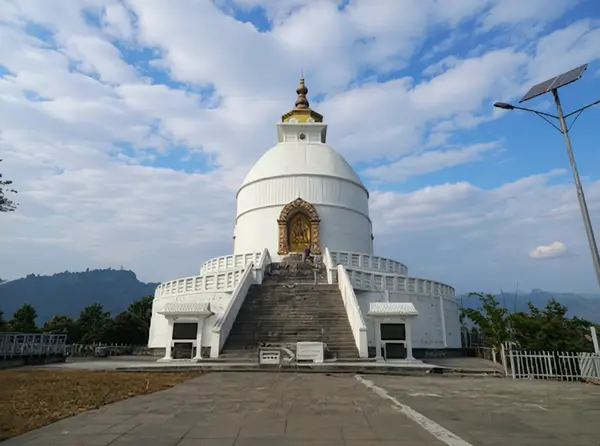
2. World Peace Pagoda
Stań w jednym z niewielu miejsc na Ziemi, gdzie możesz zobaczyć zarówno Himalaje, jak i ogromne jezioro w jednym widoku 360 stopni. Zobaczysz, jak wschód słońca maluje szczyty Annapurny na pomarańczowo, podczas gdy flagi modlitewne powiewają wokół lśniącej białej stupy.
Szybkie fakty: Usytuowana na grzbiecie górującym nad Pokharą, ta lśniąca biała stupa została zbudowana z datków 10 000 buddyjskich mnichów, którzy wykorzystali kryształy i marmur, aby nadać jej charakterystyczny połysk. Cztery pełne wdzięku posągi Buddy w różnych stojących pozach są zwrócone ku czterem stronom świata, każdy wyrzeźbiony z ogromnych pojedynczych bloków kamienia.
Najważniejsze atrakcje: Niewielu odwiedzających zdaje sobie sprawę, że kopuła pagody zawiera 64 mniejsze stupy ukryte w jej wnętrzu, a każda z nich przechowuje małą relikwię Buddy. O wschodzie słońca wypolerowana biała powierzchnia łapie pierwsze promienie i odbija całe pasmo Annapurny na swojej zakrzywionej kopule niczym lustro.
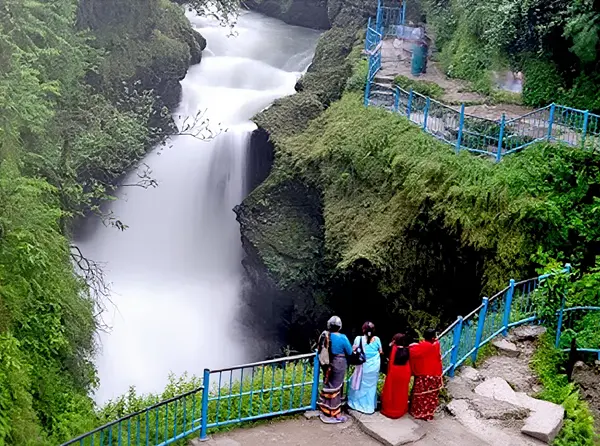
3. Devi's Fall
Obserwuj, jak cała rzeka znika pod ziemią, wpadając do wąskiego wapiennego wąwozu. Poczuj mgłę na twarzy, podczas gdy tęcze tańczą na ścianach kanionu.
Szybkie fakty: Woda spływa kaskadami po 150-metrowej ścianie skalnej do głębokiego wąwozu, gdzie lodowate wody wypływu jeziora Fewa łączą się z gorącymi źródłami poniżej. Miejscowi nazwali je na cześć króla, który wpadł do wodospadu, a w słoneczne dni przez mgłę niemal co godzinę pojawiają się tęcze.
Najważniejsze atrakcje: Na dnie wąwozu ciepłe źródła geotermalne mieszają się z lodowatą wodą rzeki, tworząc warstwy temperatur, które można wyczuć z punktu widokowego powyżej. Podczas monsunu objętość wody wzrasta dwudziestokrotnie w porównaniu z porą suchą, zamieniając łagodną kaskadę w grzmiące widowisko, które wstrząsa ziemią pod stopami.
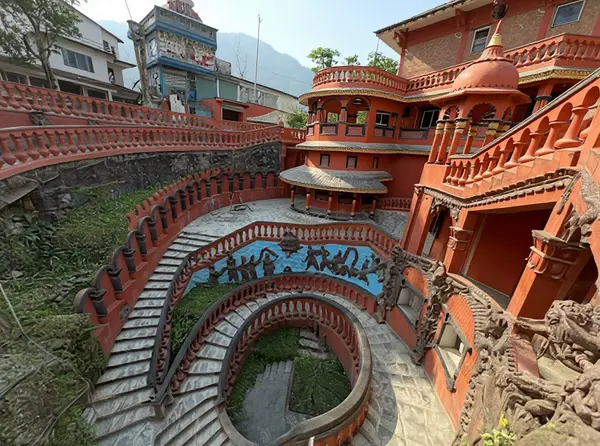
4. Gupteshwor Mahadev Cave
Zejdź 500 stopni do świętej wapiennej jaskini, gdzie ukryty wodospad huczy pod twoimi stopami. Poczuj mgłę podziemnego wodospadu na twarzy, podczas gdy lampki oliwne migoczą nad starożytnymi stalaktytami.
Szybkie fakty: Wewnątrz jaskini znajduje się lingam Shivy, który naturalnie wyrasta z podłogi jaskini, przyciągając każdego roku tysiące pielgrzymów. Potężny wodospad grzmiący w pobliżu powstał przez ponad 12 milionów lat, czyniąc jaskinię częścią jednego z najdłuższych podziemnych systemów rzecznych w Azji.
Najważniejsze atrakcje: Pojedynczy promień słońca przenika przez szczelinę w suficie jaskini dokładnie o godzinie 11:47 w lutym i marcu, oświetlając lingam bezpośrednio poniżej. Lokalni przewodnicy mówią, że temperatura w jaskini utrzymuje się stale na poziomie 18°C przez cały rok, tworząc chłodne schronienie pachnące mokrym kamieniem i świętym kadzidłem.
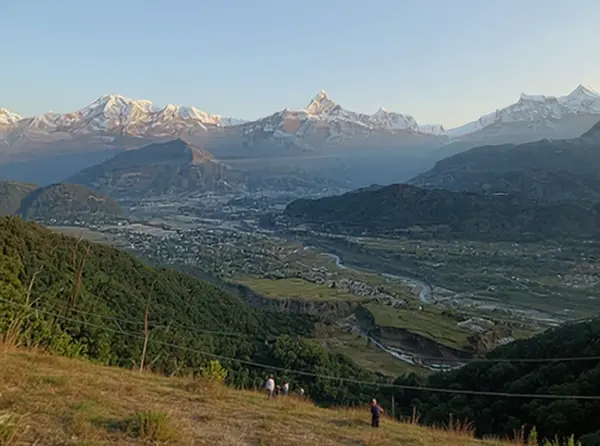
5. Sarangkot Viewpoint
Obudź się przed świtem, aby zobaczyć najlepszą panoramę wschodu słońca w Nepalu, gdzie pasmo Annapurny rozciąga się na horyzoncie jak zamarznięta fala. Staniesz na skraju klifu, gdy paralotnie przepływają obok, a cała Dolina Pokhary budzi się do życia poniżej.
Szybkie fakty: Na wysokości 1592 metrów nad poziomem morza punkt widokowy oferuje panoramę 200 stopni, gdzie pasma górskie Annapurny i Dhaulagiri spotykają się z Doliną Pokhara. Codziennie paralotniarze startują z jego klifów, łapiąc prądy wznoszące, które niosą ich w dół, aby wylądować nad Jeziorem Fewa.
Najważniejsze atrakcje: W pogodne poranki pierwsze promienie słońca padają na szczyt Machhapuchhre (Góry Fishtail) zanim dotkną jakiegokolwiek innego wierzchołka w paśmie, tworząc krótką chwilę, podczas której góra wydaje się płonąć złotym światłem. Miejscowe dzieci często ścigają się po schodach przed świtem, wiedząc dokładnie, która kamienna ławka oferuje najlepszy niezakłócony widok na to codzienne zjawisko.
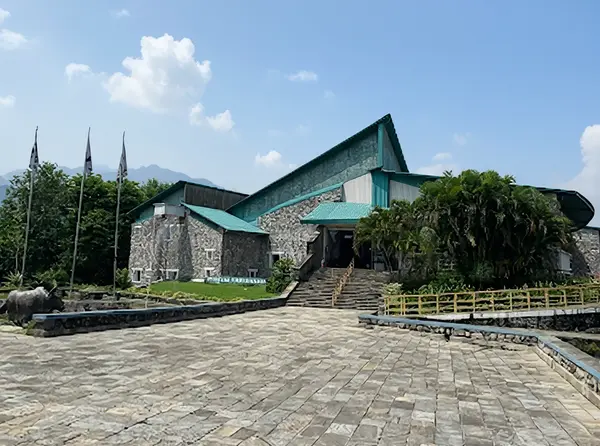
6. International Mountain Museum
Podążaj śladami legendarnych wspinaczy i łowców Yeti pod jednym dachem. Zwiedzisz eksponaty naturalnej wielkości, dotkniesz prawdziwych formacji lodowych i staniesz pod zawieszonym modelem K2.
Szybkie fakty: Wewnątrz muzeum można zobaczyć szczegółowe modele wszystkich 14 ośmiotysięczników świata, w tym Everestu i K2. Jedna sala jest w całości poświęcona Yeti, prezentując odciski stóp, próbki włosów i zapisy wypraw z rzekomych obserwacji.
Najważniejsze atrakcje: Wierna rekonstrukcja wnętrza himalajskiej wioski pozwala wejść do tradycyjnego kamiennego domu i zobaczyć, jak rodziny żyją na wysokości 4000 metrów. Ogród zewnętrzny prezentuje prawdziwy sprzęt wspinaczkowy z pierwszej udanej wyprawy na Annapurnę w 1950 roku, wciąż noszący ślady tamtego historycznego wejścia.
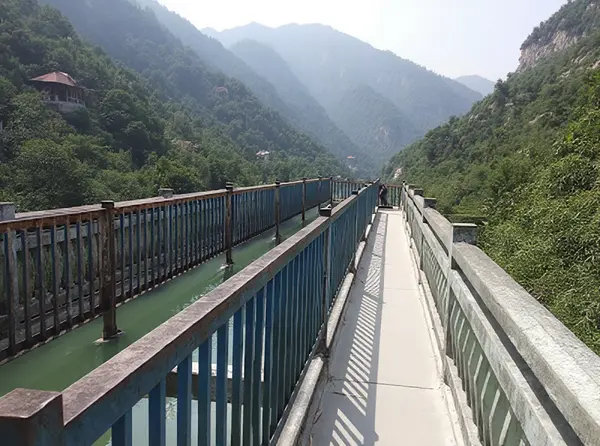
7. Seti River Gorge
Zajrzyj do głębokiego kanionu rzecznego wykutego w samym środku miasta. Przejdź przez wąski most zawieszony nad huczącymi lodowcowymi wodami, aby zyskać zapierającą dech w piersiach perspektywę.
Szybkie fakty: Wyrzeźbiony przez rzekę Seti na przestrzeni milionów lat, wąwóz opada na ponad 60 metrów głębokości w niektórych miejscach, będąc jednocześnie szerokim tylko na kilka metrów u góry. Rzeka wydaje się mlecznobiała od lodowcowego mułu, tworząc niemal nierzeczywisty kontrast z ciemnymi ścianami kanionu.
Najważniejsze atrakcje: Stań na kładce i spójrz prosto w dół: kanion jest tak wąski, że prawie możesz dotknąć obu stron, a rzeka szaleje dwadzieścia pięter niżej. Jadeitowobiały kolor wody pochodzi od drobno zmielonego prochu skalnego, rozkruszonego przez lodowce wysoko w paśmie Annapurny.
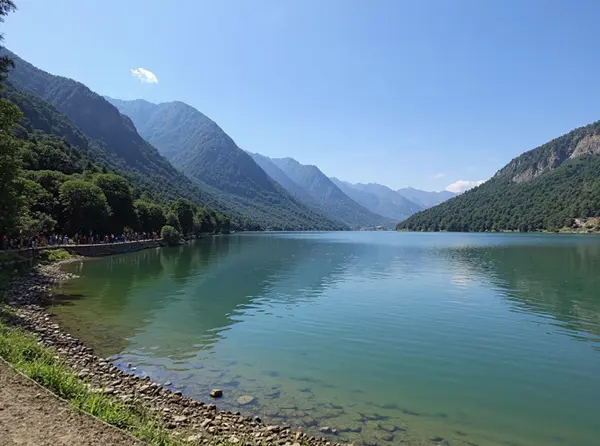
8. Begnas Lake
Ucieknij od tłumów i znajdź jezioro, gdzie miejscowi odpoczywają. Będziesz dryfować po nieruchomej zielonej wodzie, podczas gdy ciszę przerywają tylko śpiew ptaków i rytm drewnianych wioseł.
Szybkie fakty: Otoczone gęstym lasem i małymi gospodarstwami, spokojne wody jeziora rozciągają się na powierzchni 3,7 kilometra kwadratowego u podnóża bujnych zielonych wzgórz. Miejscowi rybacy wciąż wiosłują każdego ranka po jego powierzchni w tradycyjnych dłubankach, co jest praktyką kontynuowaną od pokoleń.
Najważniejsze atrakcje: W przeciwieństwie do większego jeziora Phewa w Pokharze, łodzie motorowe są tutaj zakazane, więc jedyne dźwięki to plusk wioseł i śpiew ptaków nad wodą. W weekendy przyjeżdżają lokalne rodziny z piknikami i gotują świeżą rybę na brzegu na małych prowizorycznych grillach, wypełniając powietrze dymem i przyprawami.
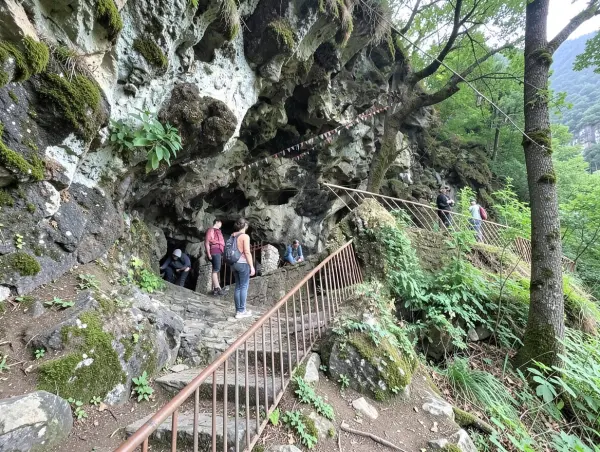
9. Bat Cave
Zejdź do ogromnej naturalnej jaskini, gdzie ponad 300 000 nietoperzy wiruje nad tobą w ciemności. Będziesz czołgać się przez wąskie przejścia, usłyszysz huk podziemnego wodospadu i wyjdziesz z czołówką pokrytą drobnym pyłem.
Szybkie fakty: Ponad 300 000 nietoperzy zamieszkuje tę ogromną wapienną jaskinię, tworząc nieziemski szum podczas przejścia. Jaskinia rozciąga się na ponad 500 metrów głębokości, a stalaktyty zwisają z sufitu jak zamarznięte wodospady.
Najważniejsze atrakcje: Na dalekim końcu jaskini ukryty wodospad wpada do głębokiego basenu, gdzie guano nietoperzy gromadziło się przez stulecia, tworząc grube, bogate w składniki odżywcze złoża o głębokości do 10 metrów. Lokalni przewodnicy mówią, że jaskinia była kiedyś tajnym schronieniem dla mieszkańców podczas konfliktów historycznych, a w głębi wciąż można zobaczyć stare prowizoryczne ściany zbudowane z ułożonych kamieni.
Where to Stay in Pokhara, Nepal
Selected by City Buddy based on guest reviews and proximity to top attractions
Search all hotels in Pokhara, NepalPowered by agoda
Dni otwarcia w Pokhara, Nepal
Które z najważniejszych atrakcji są zamknięte w poszczególne dni tygodnia. Klasyczny pogromca wycieczek, sprawdzony za Ciebie.
Dobra wiadomość: wszystkie 7 najważniejsze atrakcje ze znanymi godzinami otwarcia są otwarte każdego dnia tygodnia.
Zamknięte w poniedziałek · 0 zamkniętych, 7 otwartych
Nic nie jest zamknięte w poniedziałek. Wszystkie 7 atrakcje ze znanymi godzinami są otwarte.
Dni otwarcia z Google Maps (sprawdzone 2026-05-31). Święta, strajki i godziny sezonowe mogą się różnić. Sprawdź oficjalną stronę przed wyjazdem.
Tradycyjne słodkie potrawy

Sel Roti
Sel Roti is a traditional ring-shaped rice donut that is crispy on the outside and soft inside. It is a staple during festivals like Dashain and Tihar in Pokhara and across Nepal.

Yomari
Yomari is a steamed dumpling made from rice flour dough filled with sweet chaku (molasses) and sesame seeds. It is traditionally prepared during the Yomari Punhi festival in the Pokhara region.
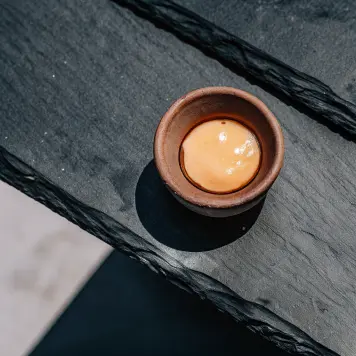
Juju Dhau
Juju Dhau means "King of Yogurt" in the Newar language and is a creamy, sweetened yogurt from the Kathmandu Valley, also popular in Pokhara. It is made with buffalo milk and fermented in clay pots to achieve its distinct taste and texture.
Tradycyjne słone potrawy
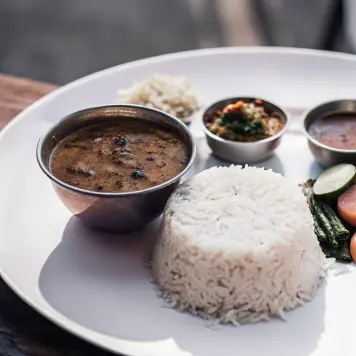
Dal Bhat
Dal Bhat is the quintessential Nepali meal consisting of lentil soup and rice, often served with vegetables, pickles, or curry. In Pokhara, this hearty dish is a daily staple providing energy for locals and trekkers alike.
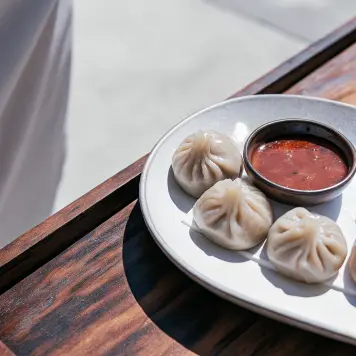
Momo
Momo are steamed dumplings filled with spiced meat or vegetables, a beloved street food in Pokhara. They are typically served with a tangy tomato-based dipping sauce called achar.
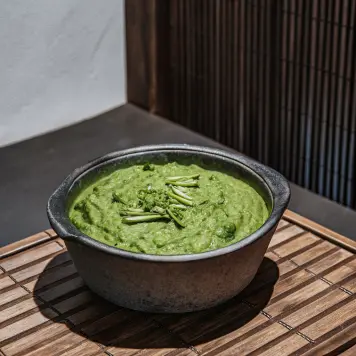
Gundruk
Gundruk is a fermented leafy green vegetable dish that is dried and often used in soups or as a side. It is a traditional preserved food from the Pokhara region, rich in probiotics and essential nutrients.
Tradycyjne napoje

Chiya
Nepali Chiya is a spiced milk tea made with black tea, ginger, cardamom, cloves, and cinnamon. In Pokhara, it is a beloved daily ritual, often brewed fresh by street vendors and enjoyed any time of day.

Tongba
Tongba is a traditional hot alcoholic beverage made from fermented millet, popular in the Pokhara region. It is served in a wooden flask and sipped through a bamboo straw, with hot water added repeatedly to extract the flavor.

Lassi
Lassi is a refreshing yogurt-based drink that can be sweet or salty, often flavored with fruits like mango or banana. In Pokhara, it is a popular cooling beverage, especially after a spicy meal or a long day of trekking.
Co warto wiedzieć przed wyjazdem
Ile kosztuje dzień w Pokhara i czego unikać
Koszt na osobę dziennie
Największe naciągactwa, których unikać
- Unmetered taxi overcharging. Agree a fixed price in writing before boarding, or book through Pathao, InDrive or Tootle where the fare is set in the app.
- Souvenir and shop price inflation. Compare prices across a few shops, bargain firmly, and walk away if the price seems too high. Buy from fixed-price shops where possible.
- Trekking and tour price padding. Get a written itinerary with all costs itemized, use established agencies, and pay only part upfront with the rest on completion.
Często zadawane pytania o Pokhara, Nepal
Czy Pokhara w Nepalu jest bezpieczne?
Ile dni spędzić w Pokharze w Nepalu?
Jaki jest najlepszy czas na wizytę w Pokharze w Nepalu?
Czy Pokhara w Nepalu jest droga?
Jak poruszać się po Pokharze w Nepalu?
Wyślij PDF z najpopularniejszymi atrakcjami na swój e-mail
Otrzymaj PDF ze wszystkimi atrakcjami, ocenami i wskazówkami. Idealne do użytku offline.
Najpopularniejsze wycieczki jednodniowe
Sarangkot
Hill station famous for panoramic sunrise views of Annapurna range
Dhampus Village
Traditional Gurung village with stunning mountain and valley vistas
Begnas Lake
Serene lakeside escape with boating and peaceful nature walks
Ghandruk Village
Scenic Gurung village with terraced farms and Annapurna backdrop
Mahendra Cave
Limestone cave featuring stalactites and stalagmites formations
Jak dojechać
Lotniska
Stacje kolejowe
Nepal has limited rail; most travel is by road or air
From Pokhara Airport, taxis and ride-sharing apps are available for about 15-20 minutes to Lakeside area.
Przydatne informacje dla Pokhara, Nepal
Przegląd dla Pokhara, Nepal
Chcesz plan dzień po dniu dla Pokhara, Nepal? Otwórz planer podróży
Kiedy jedziesz do Pokhara, Nepal?
Wybierz daty i styl podróży, aby otrzymać:
Czy coś z tego jest dla Ciebie szczególnie ważne?
Wybierz wszystkie, które pasują
Przemieszczanie się
Jak chcesz się przemieszczać między miejscami?
Język planu: Polski